


For reinsurers, a major catastrophe is more than a hazard event. It can affect thousands of policies, multiple cedents, geographic accumulations, and layers of reinsurance coverage—often across multiple markets at the same time.
When an earthquake strikes, a hurricane makes landfall, or a severe convective storm moves across a region, reinsurance teams need to quickly understand what happened, where it happened, and which parts of their portfolio may be affected.
Real-time event intelligence provides the event-level information that helps connect a catastrophe to the exposures, portfolios, and reinsurance programs that could be impacted.
Reinsurers already use catastrophe models, exposure management platforms, portfolio analytics, and claims data to manage catastrophe risk. Event intelligence adds another layer: what is actually happening on the ground.
The operational challenge for a reinsurer is rarely simply knowing that a catastrophe occurred. The more important questions are:
This is where event intelligence can become an important input into reinsurance operations. Instead of treating a catastrophe as a headline or alert, event intelligence turns it into a structured, geospatial event that can be analyzed against portfolios and exposures.
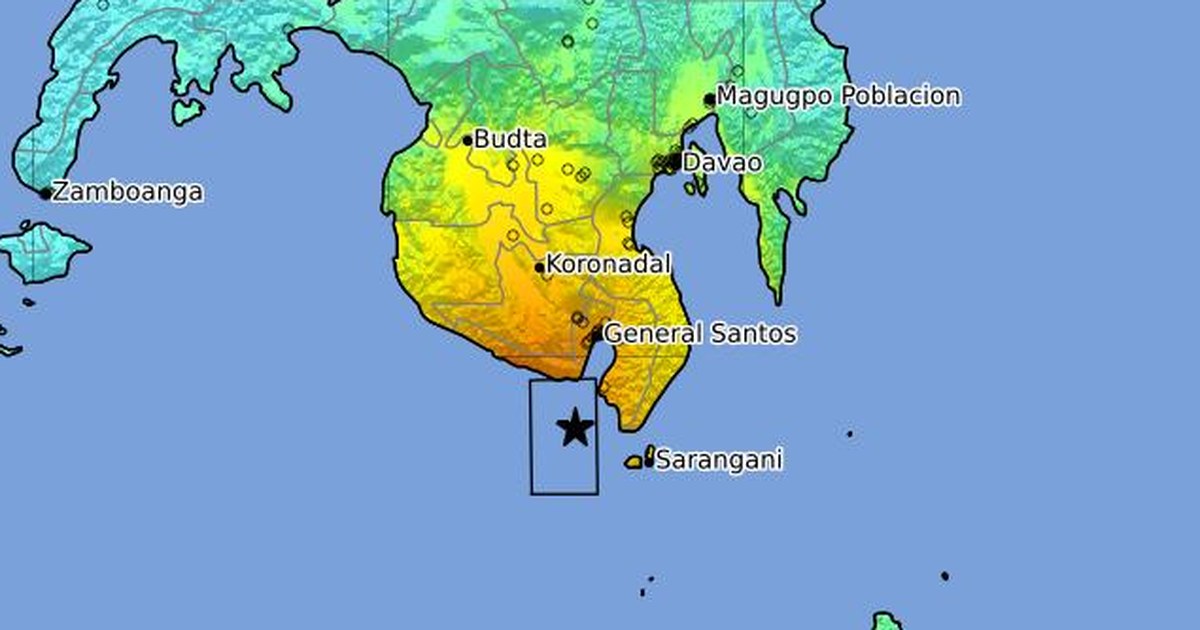
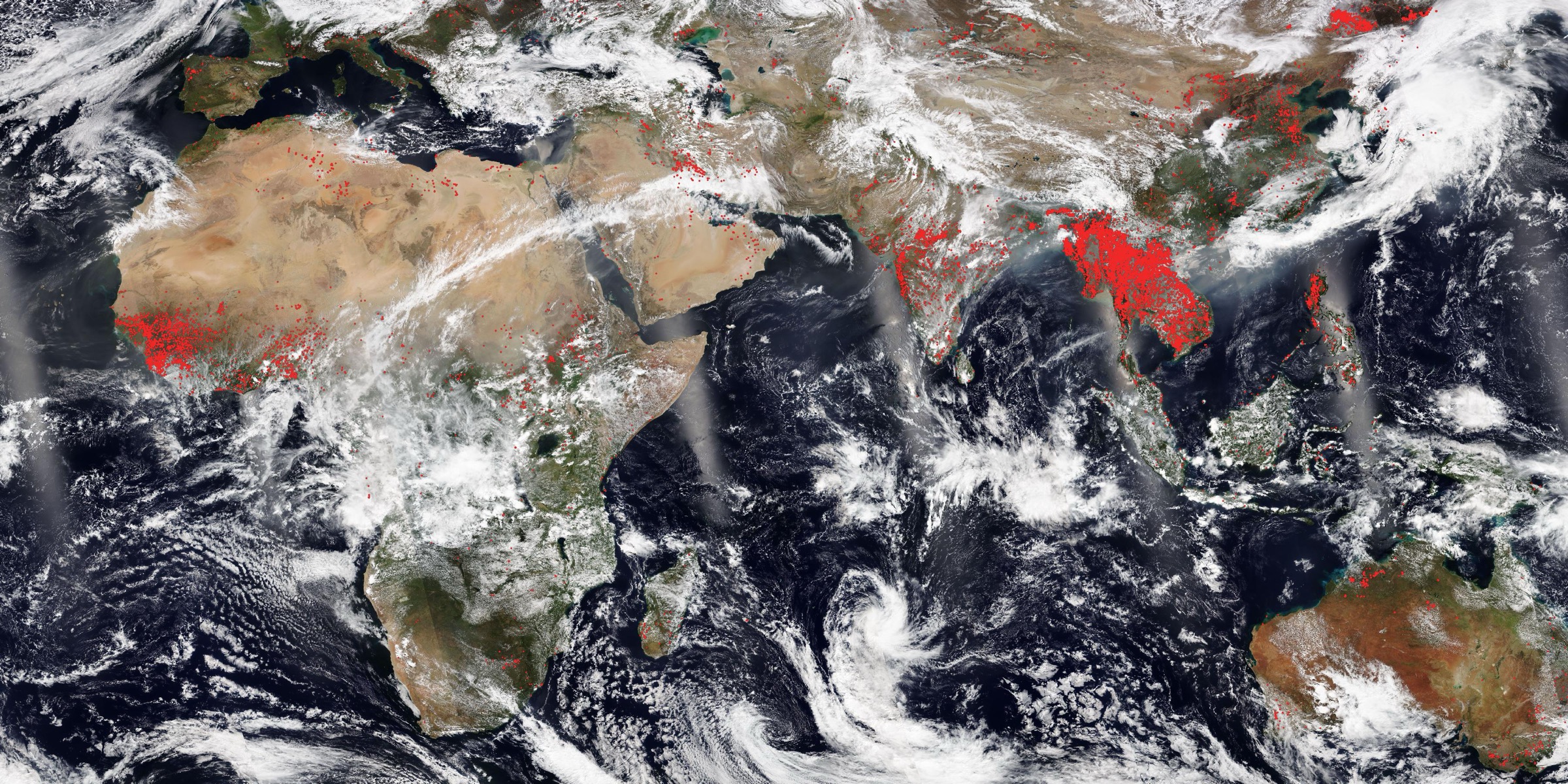
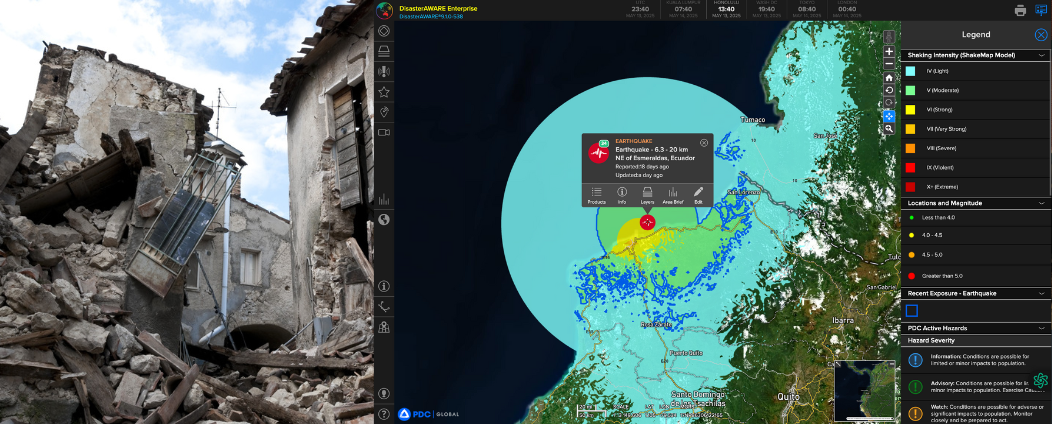
The first operational requirement is understanding the event itself. Real-time event intelligence can bring together information from meteorological agencies, geological agencies, satellites, radar, government sources, and other authoritative data sources to establish an event record.
Depending on the peril, that can include:
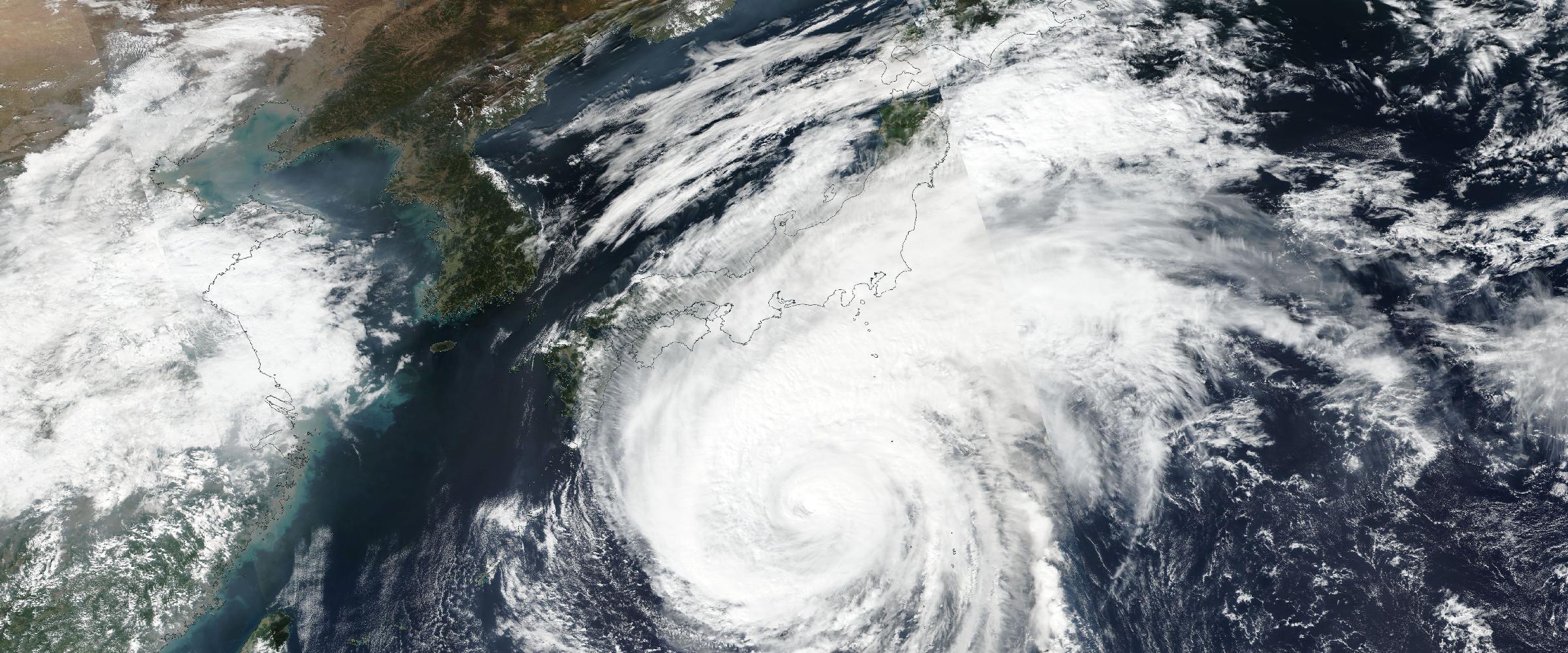
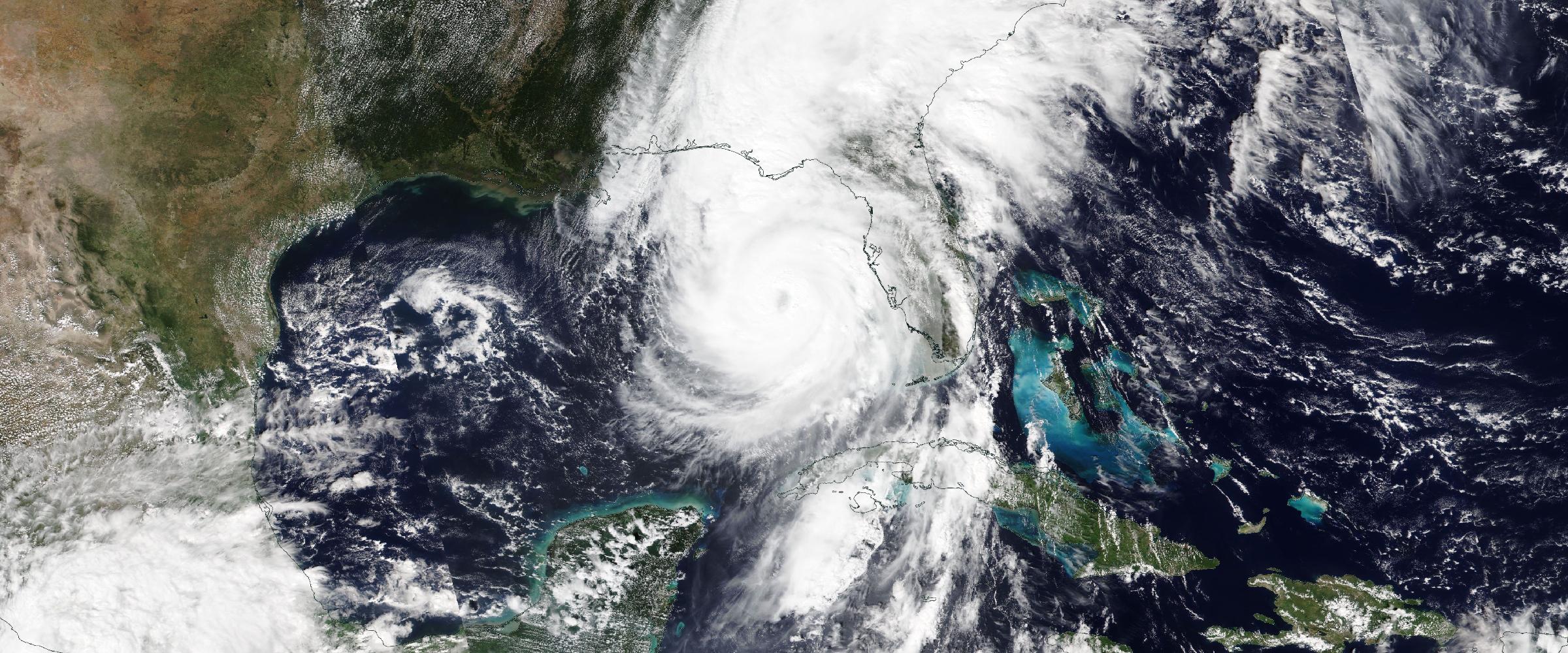
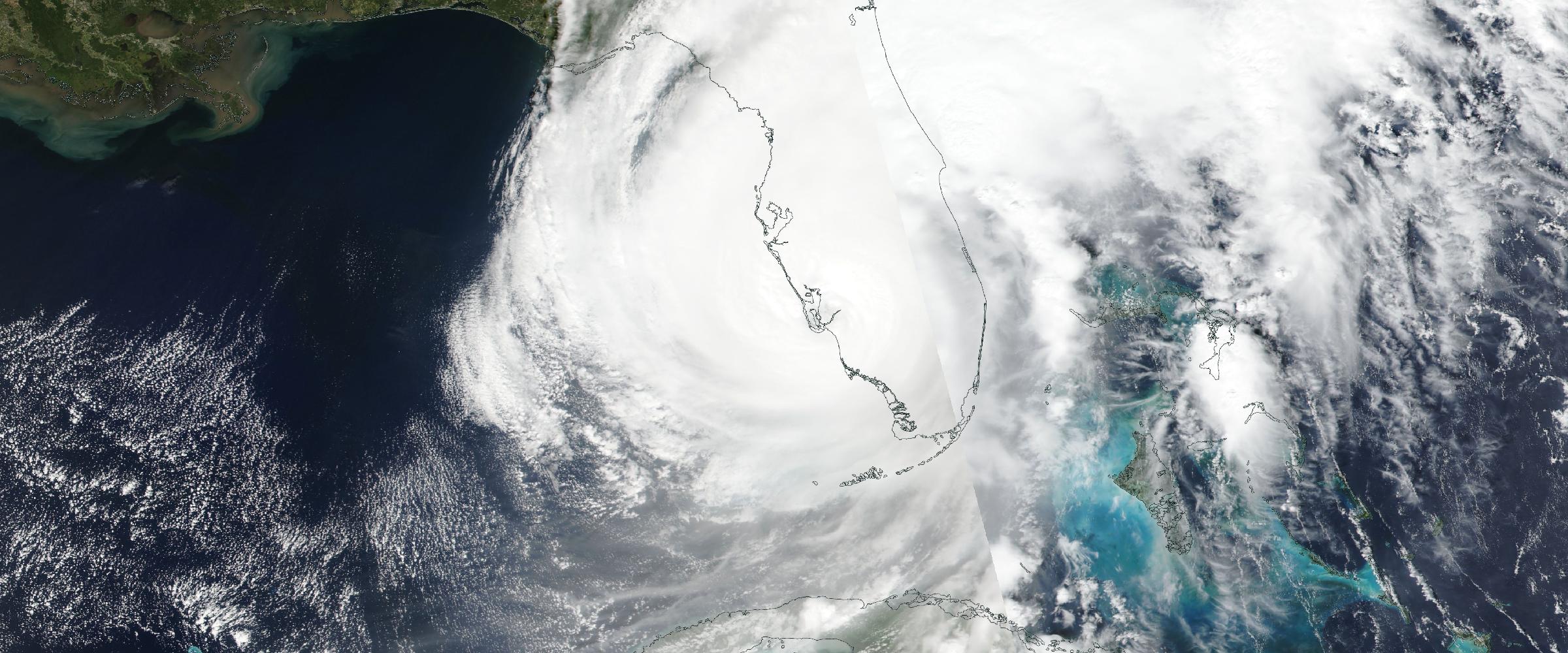
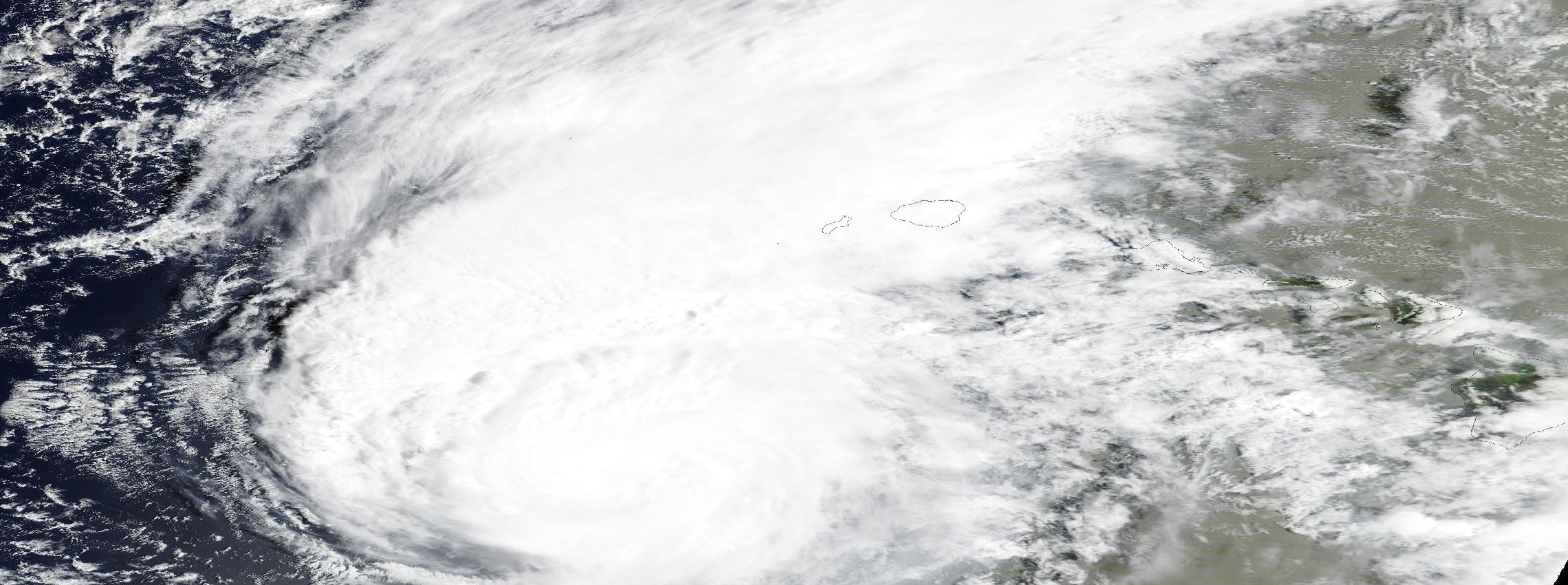
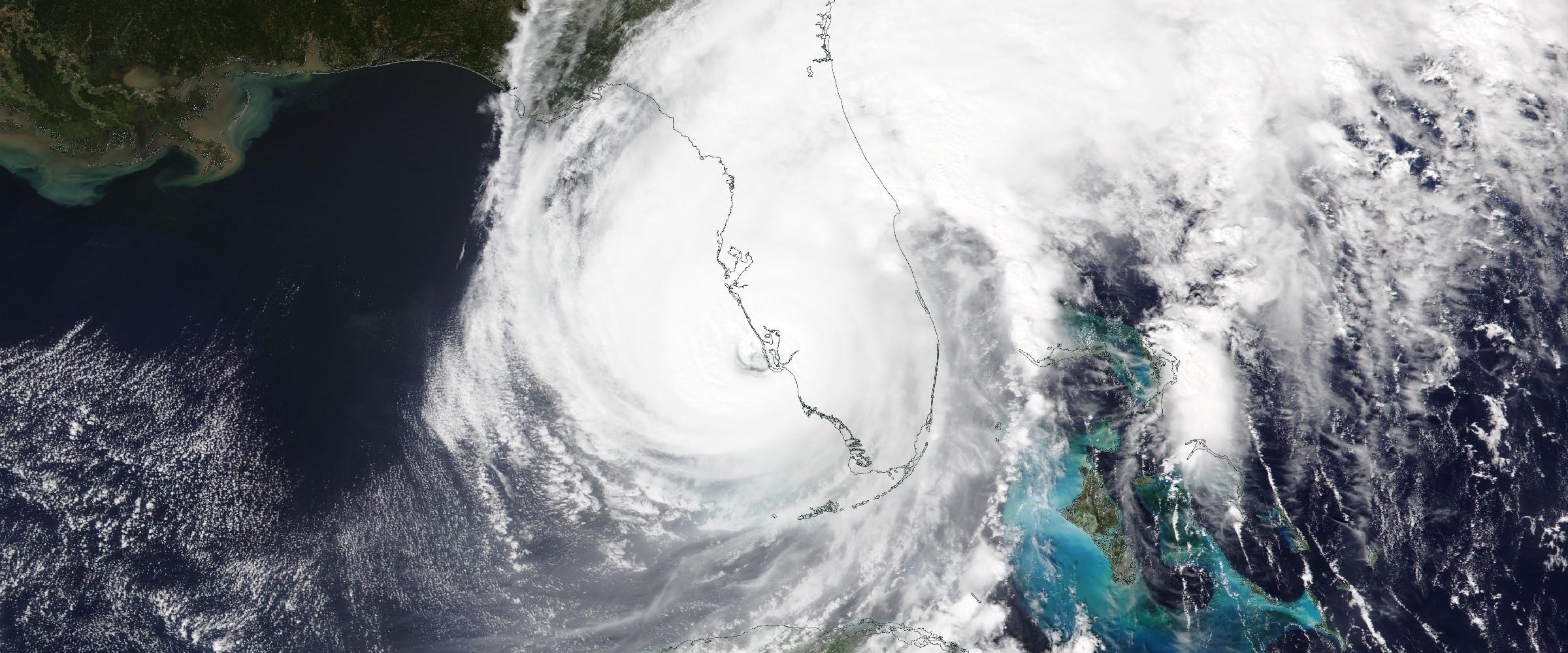
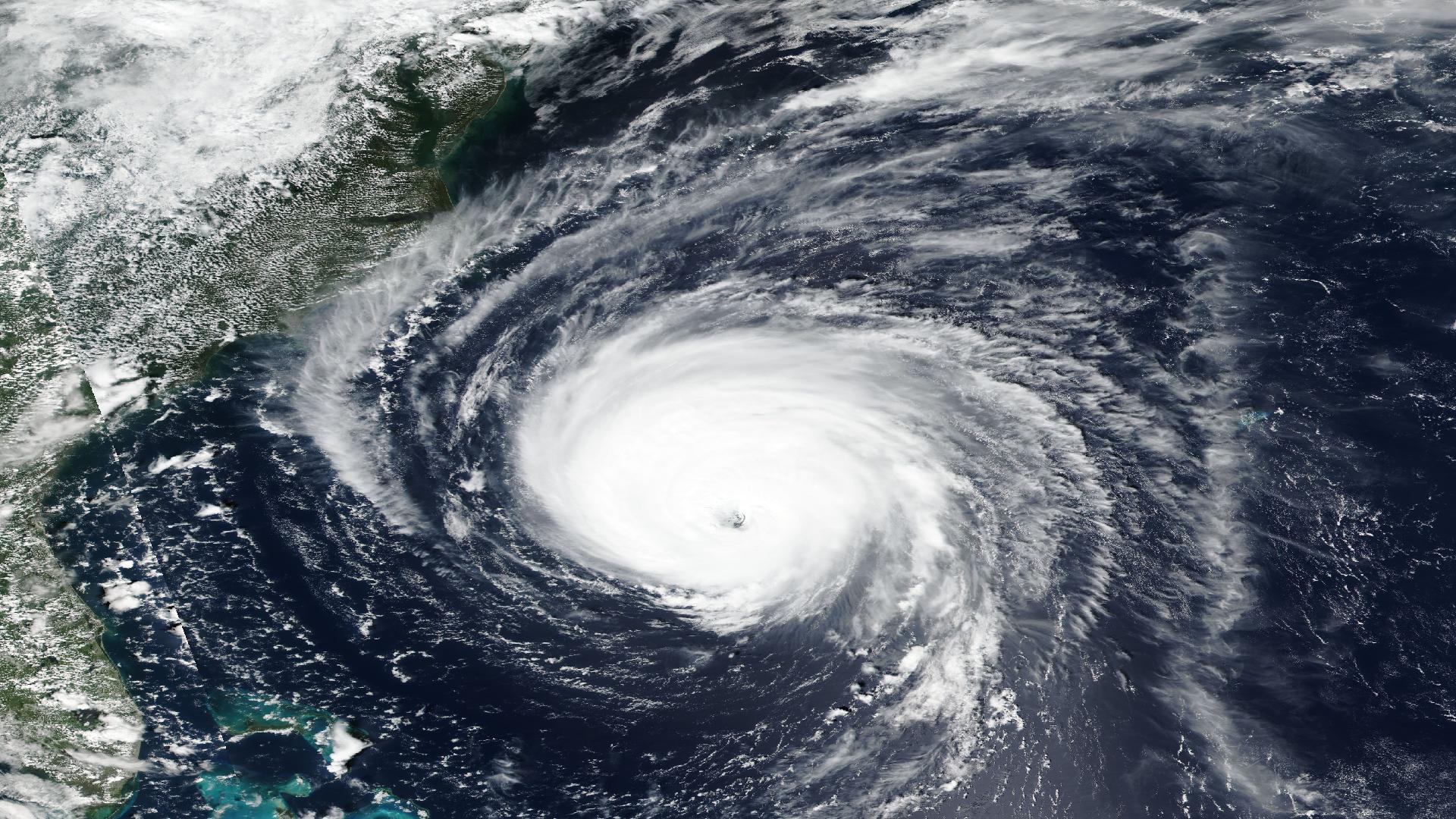
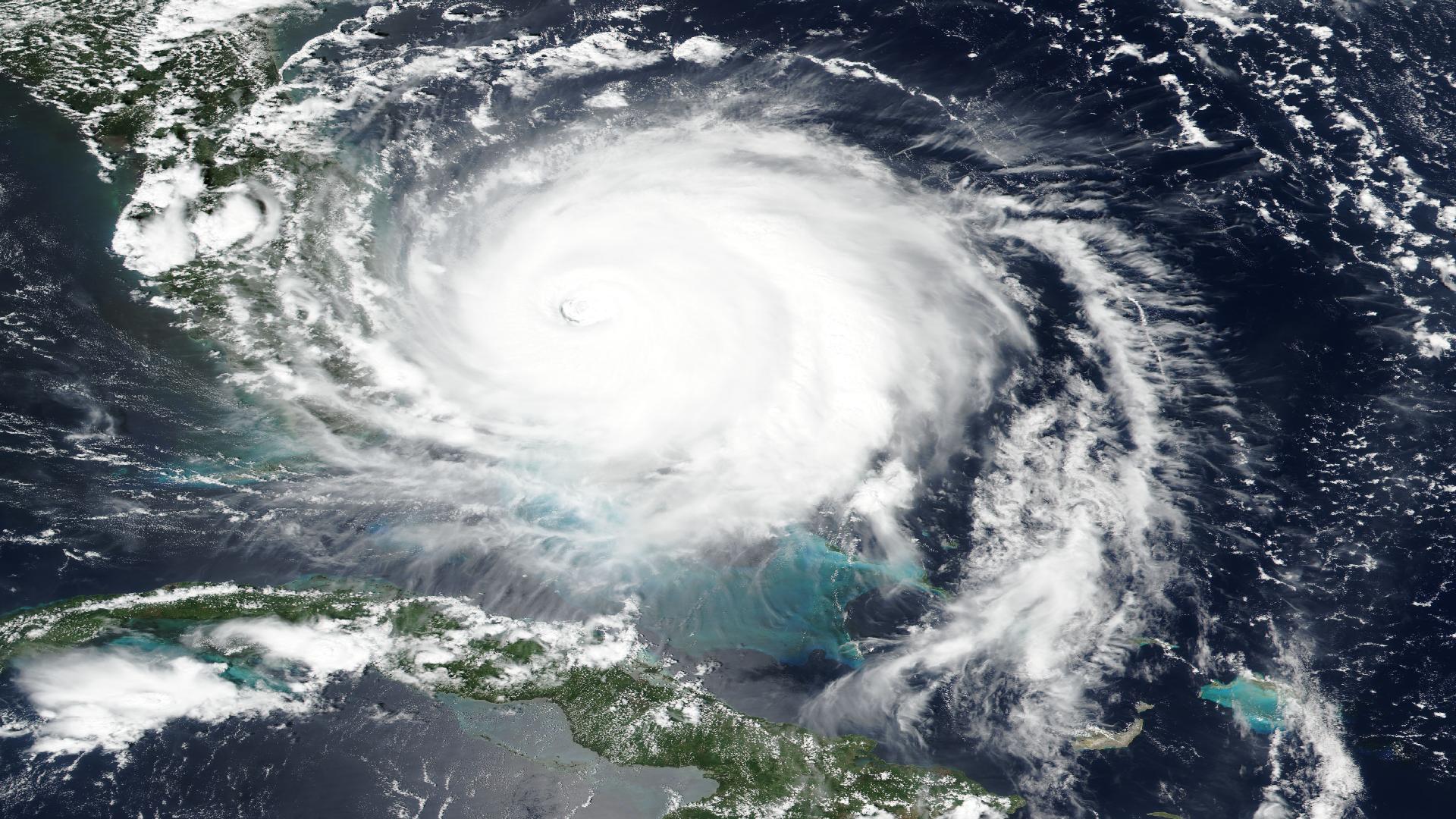
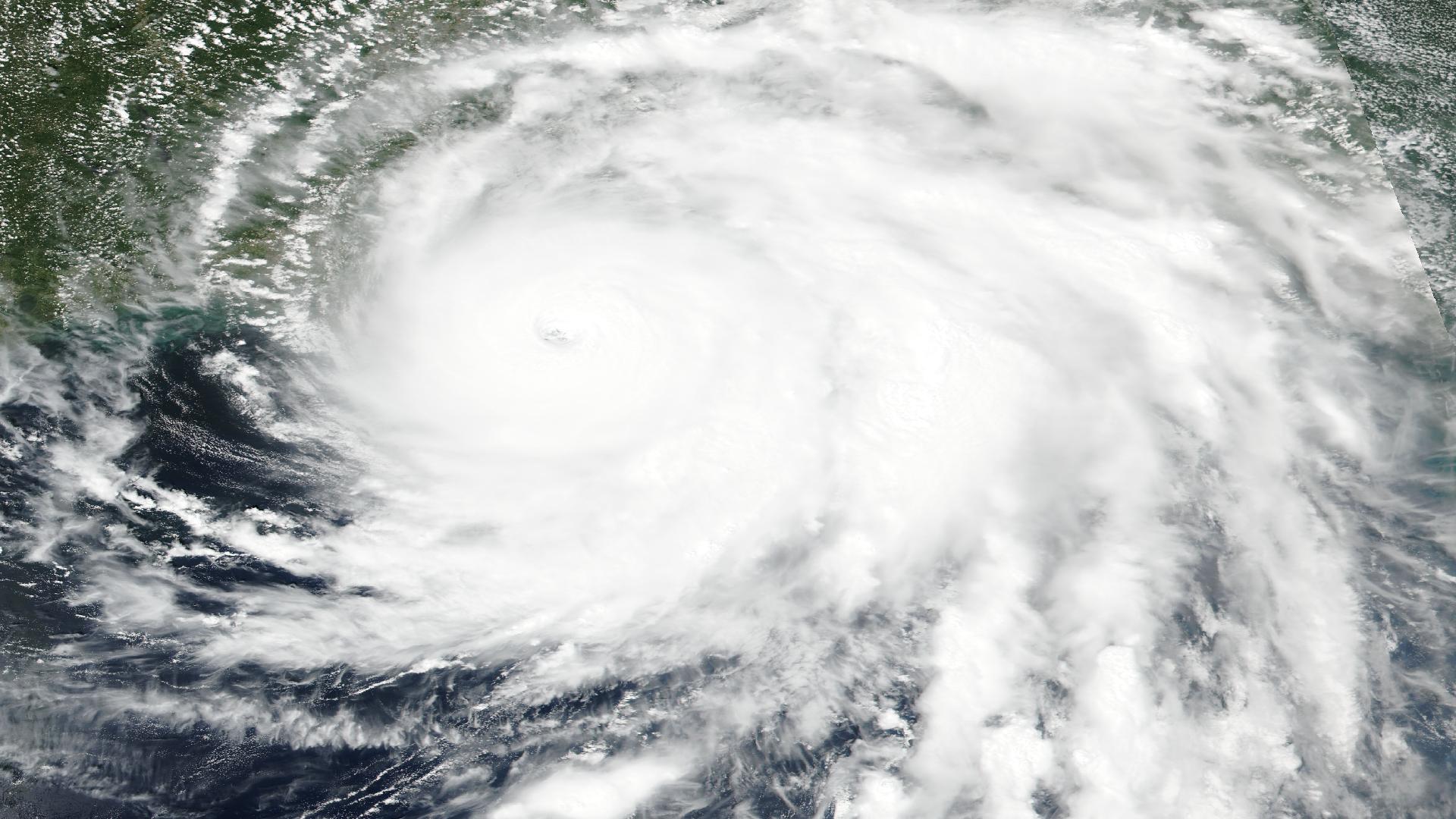
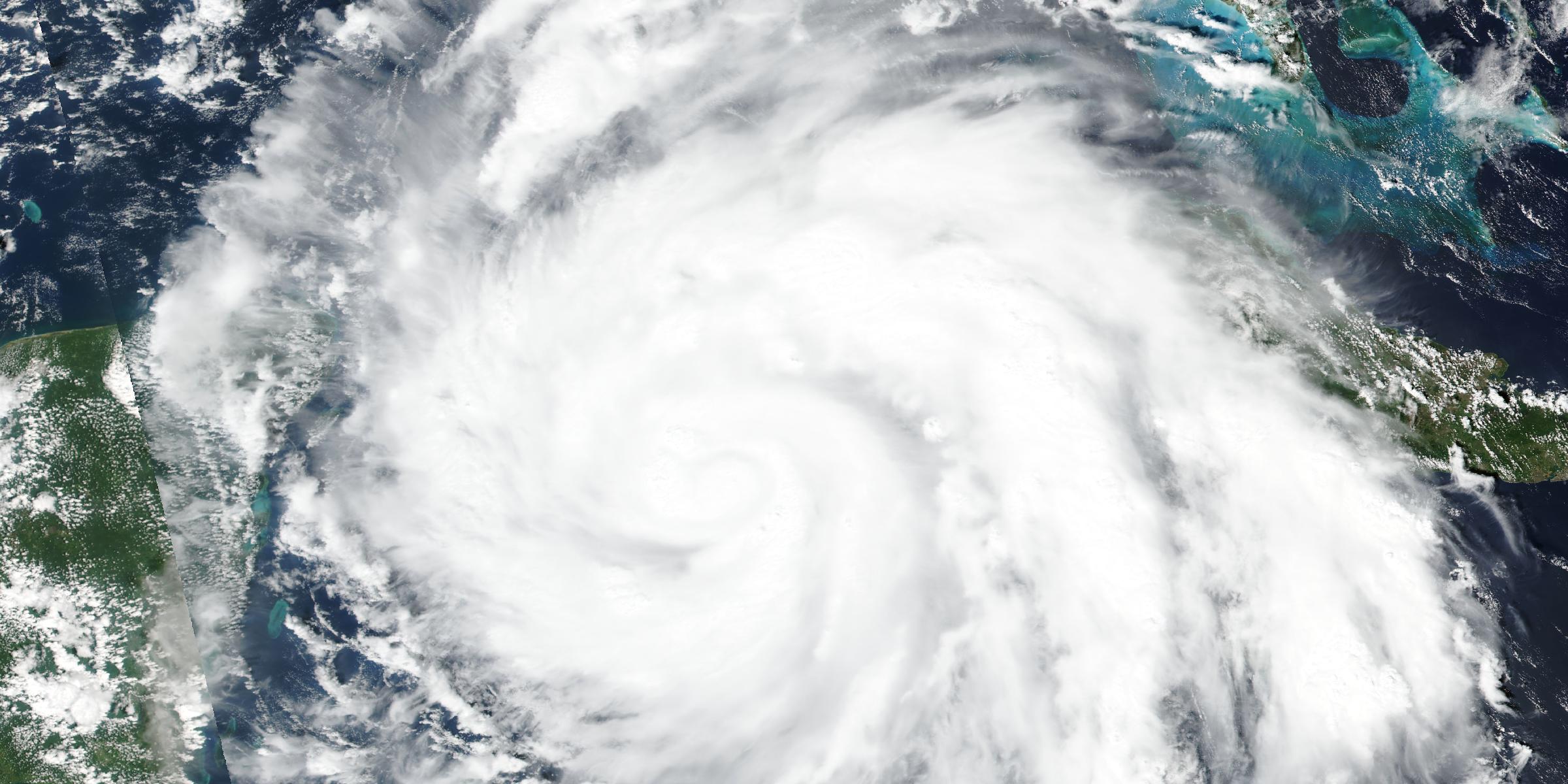
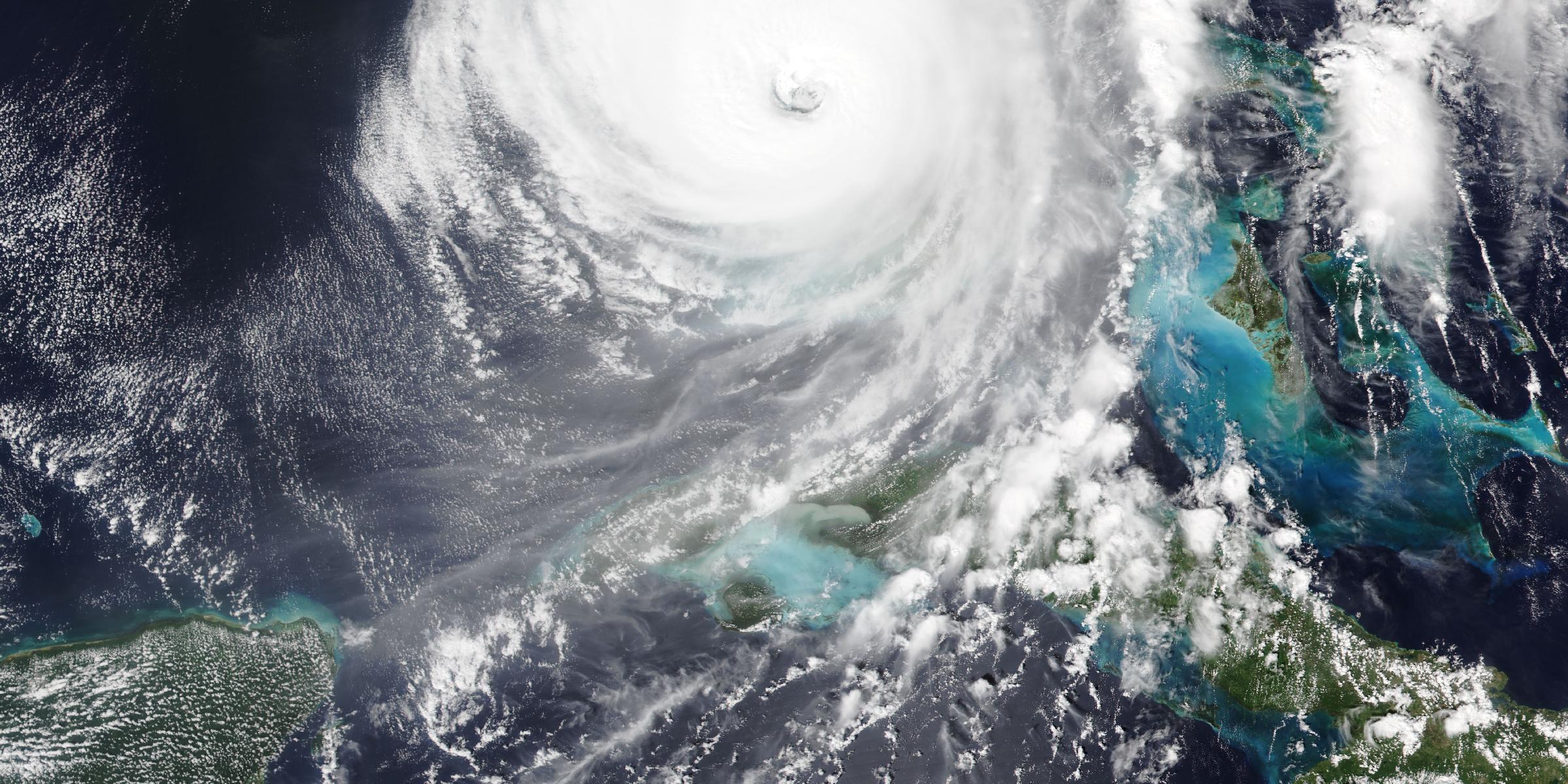
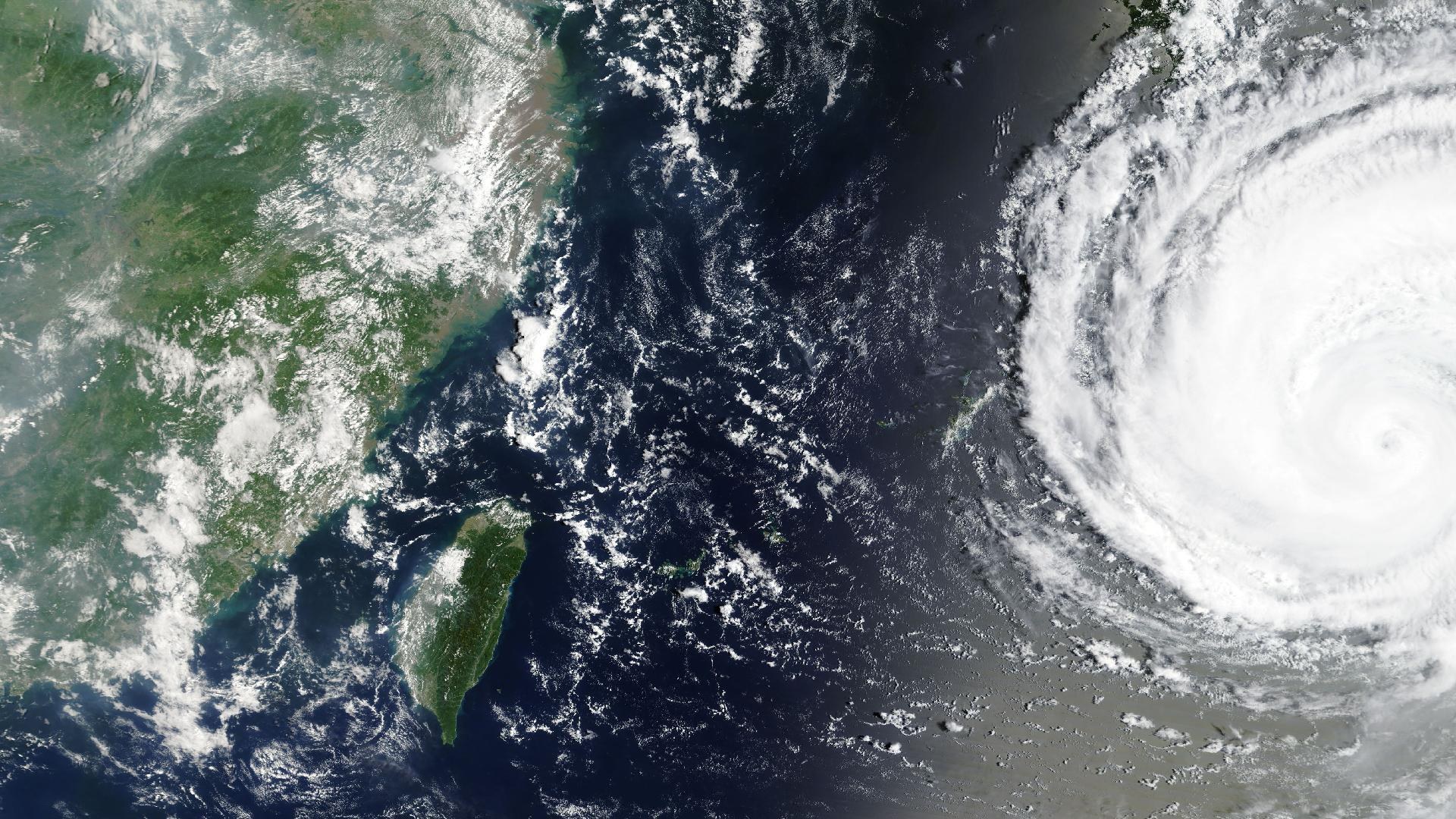
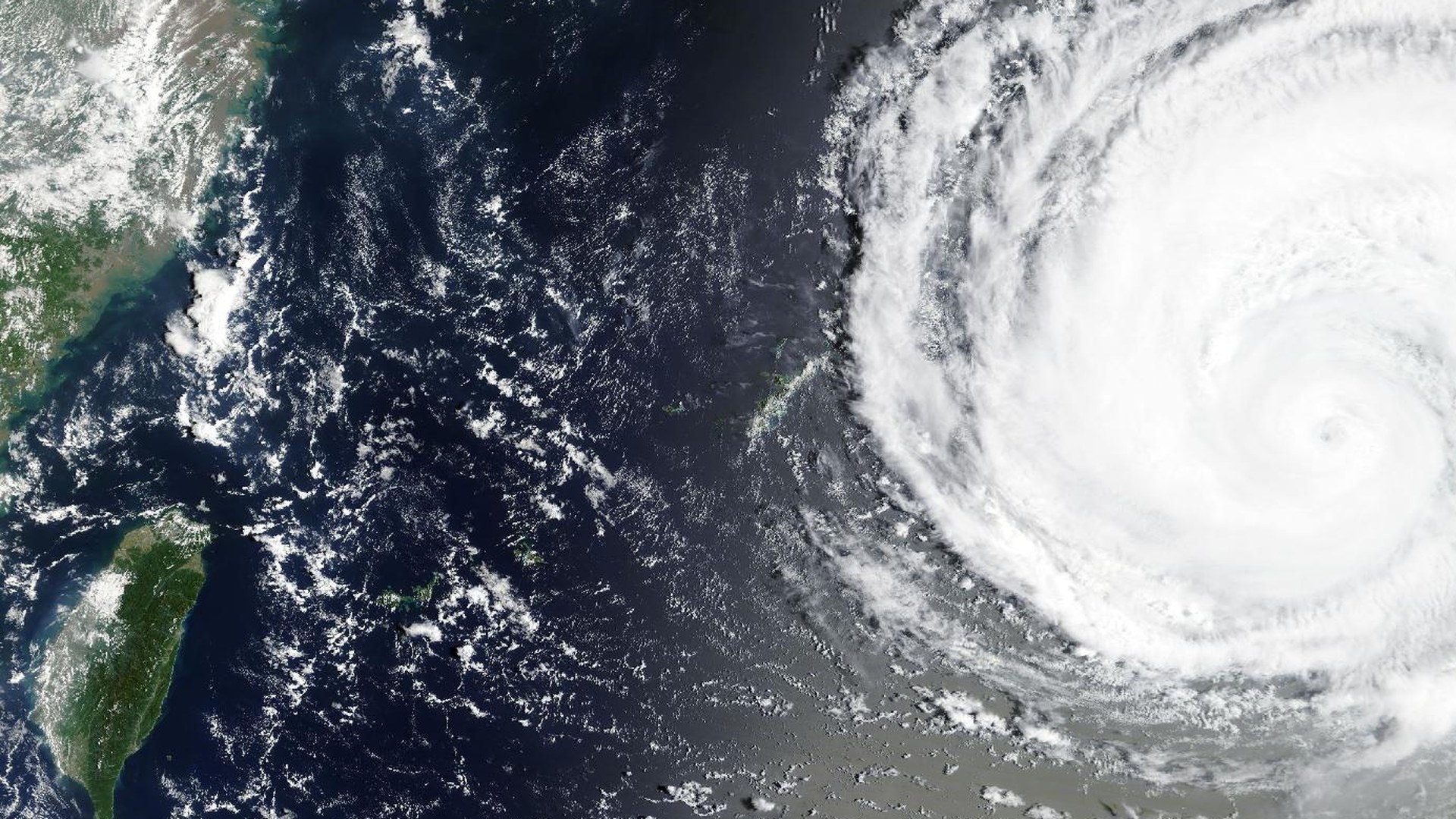
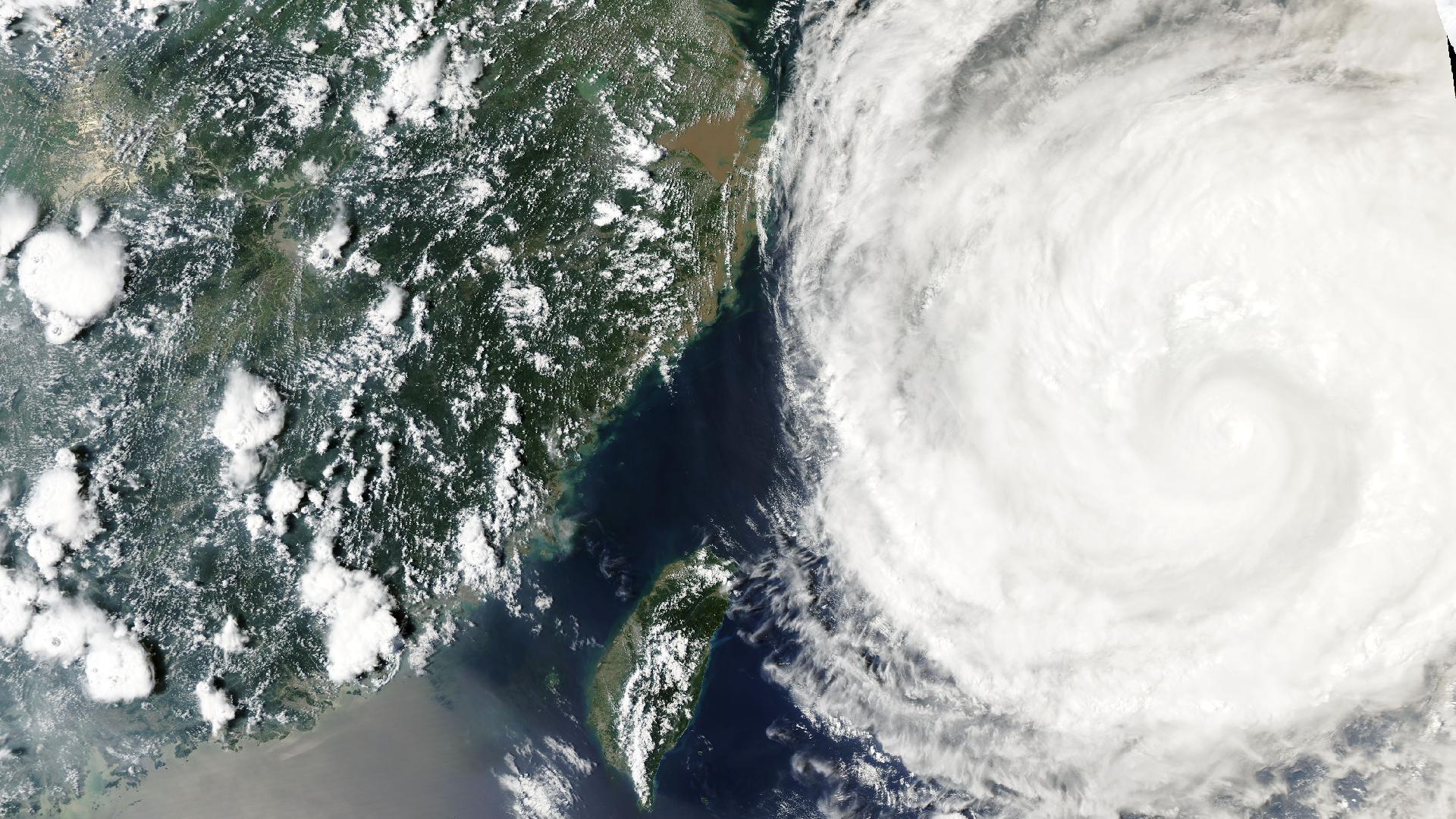
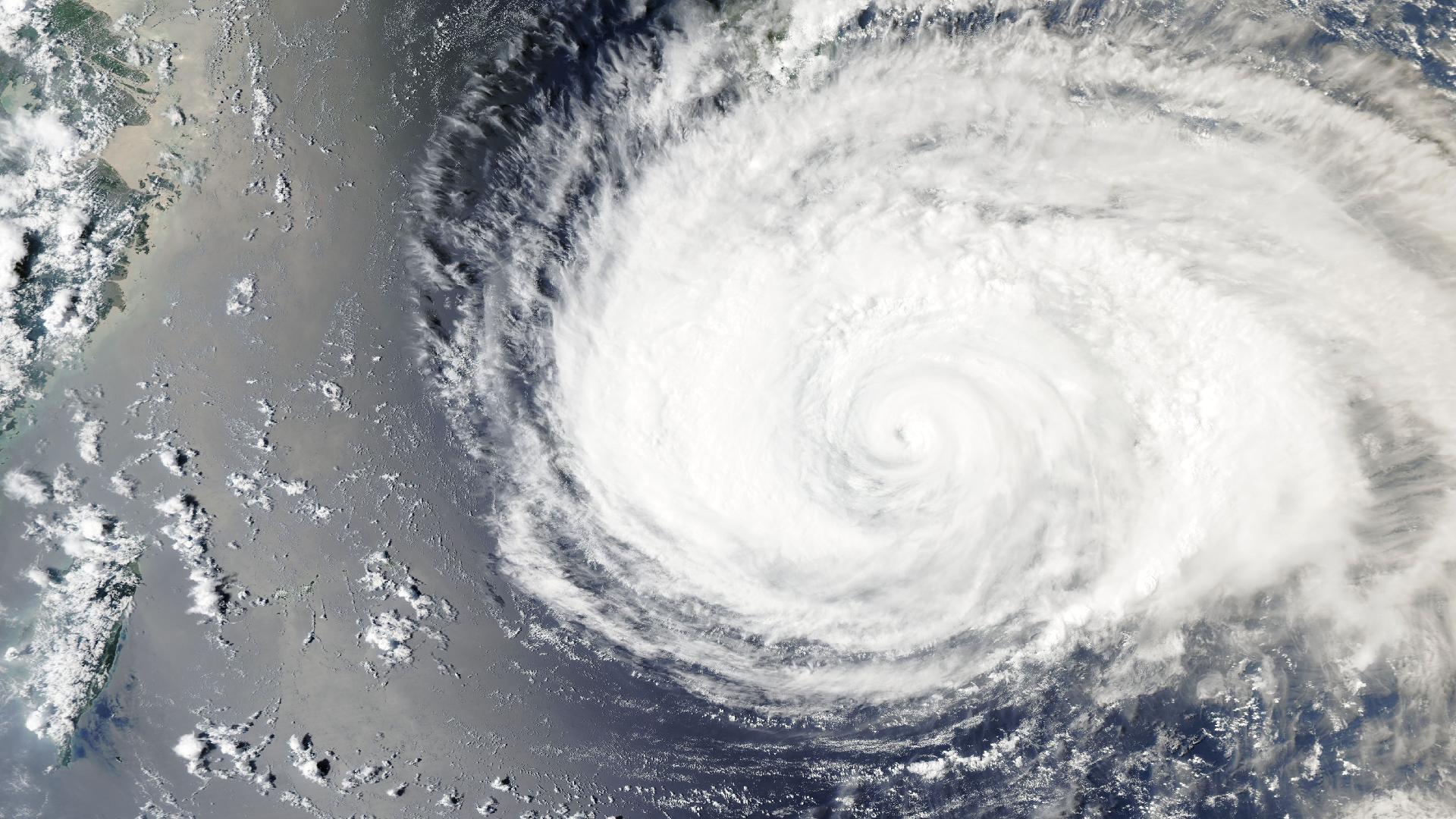
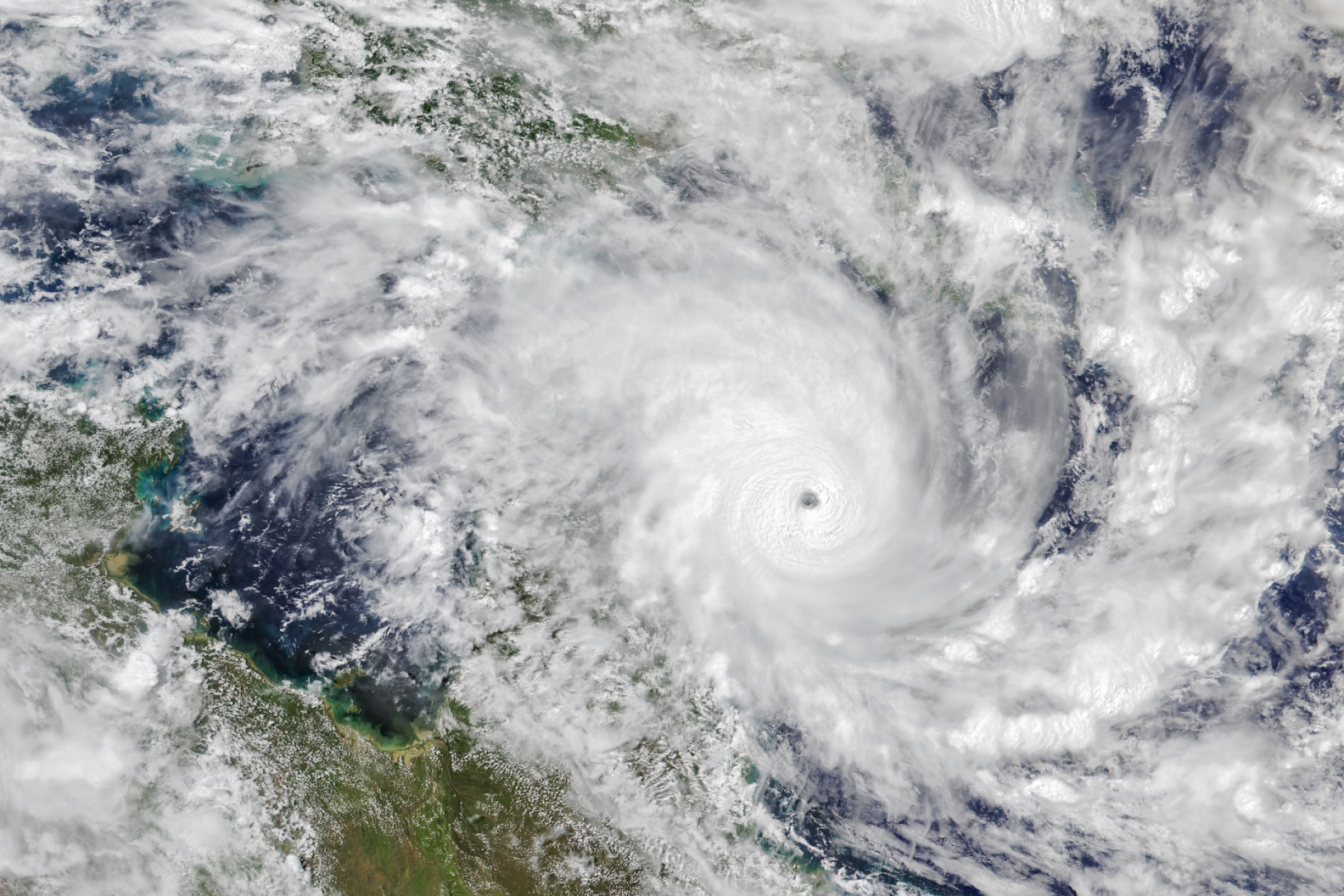
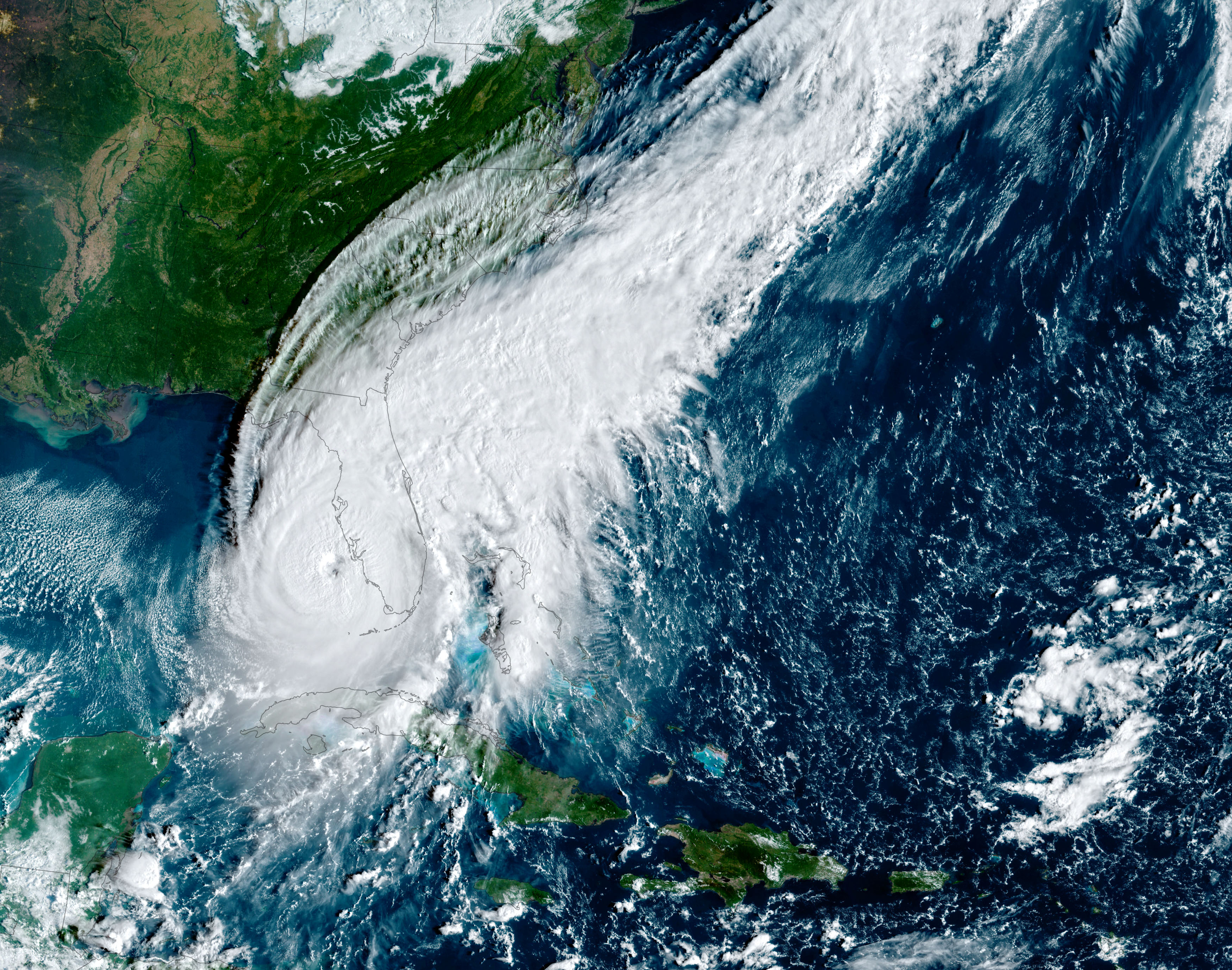
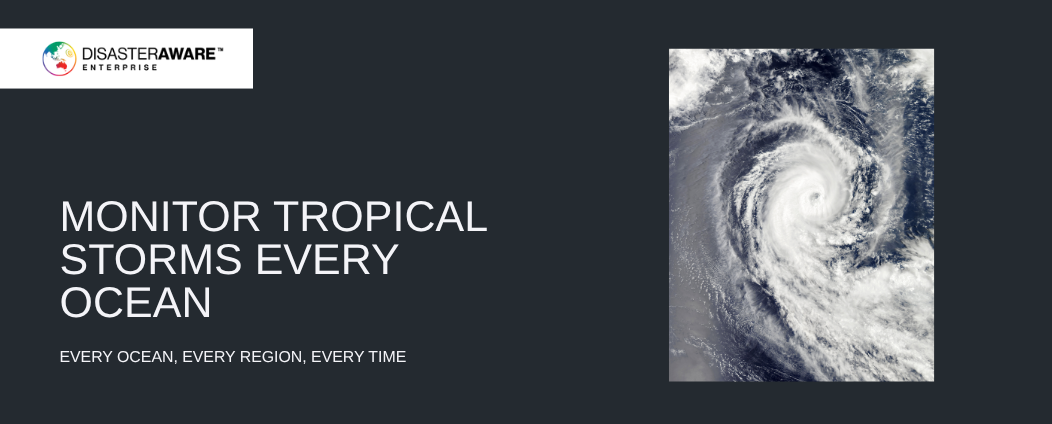
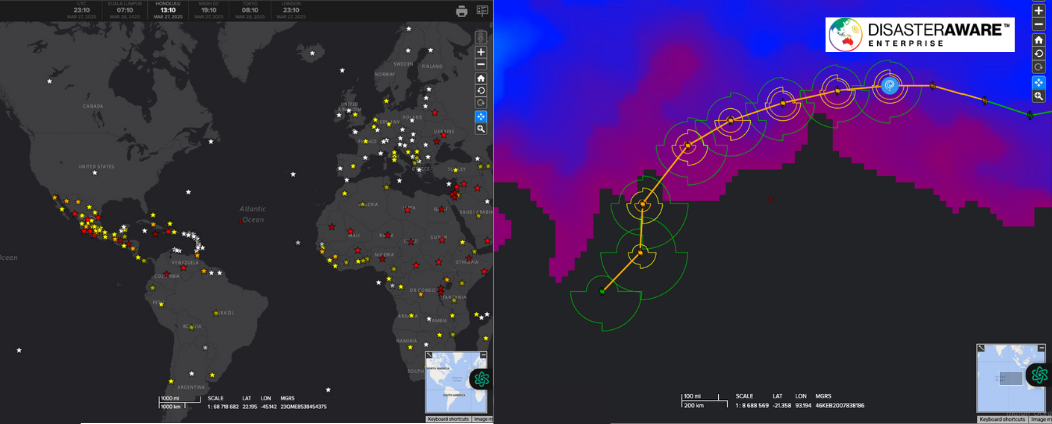
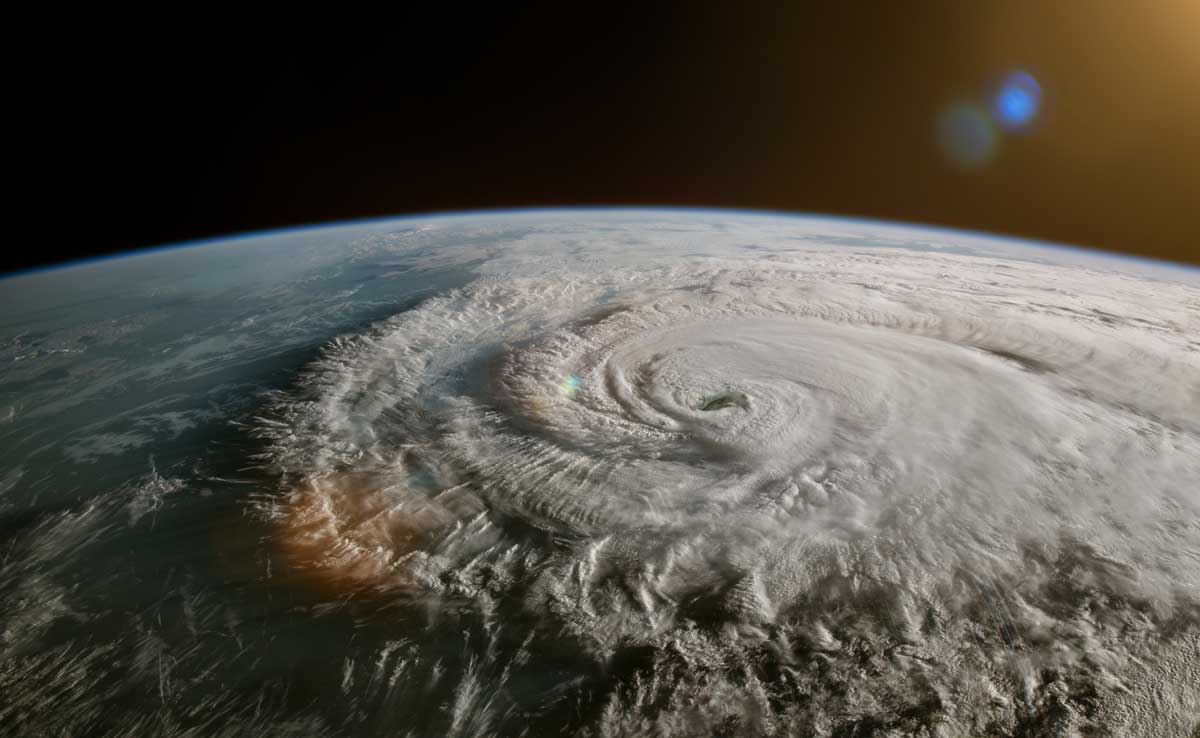
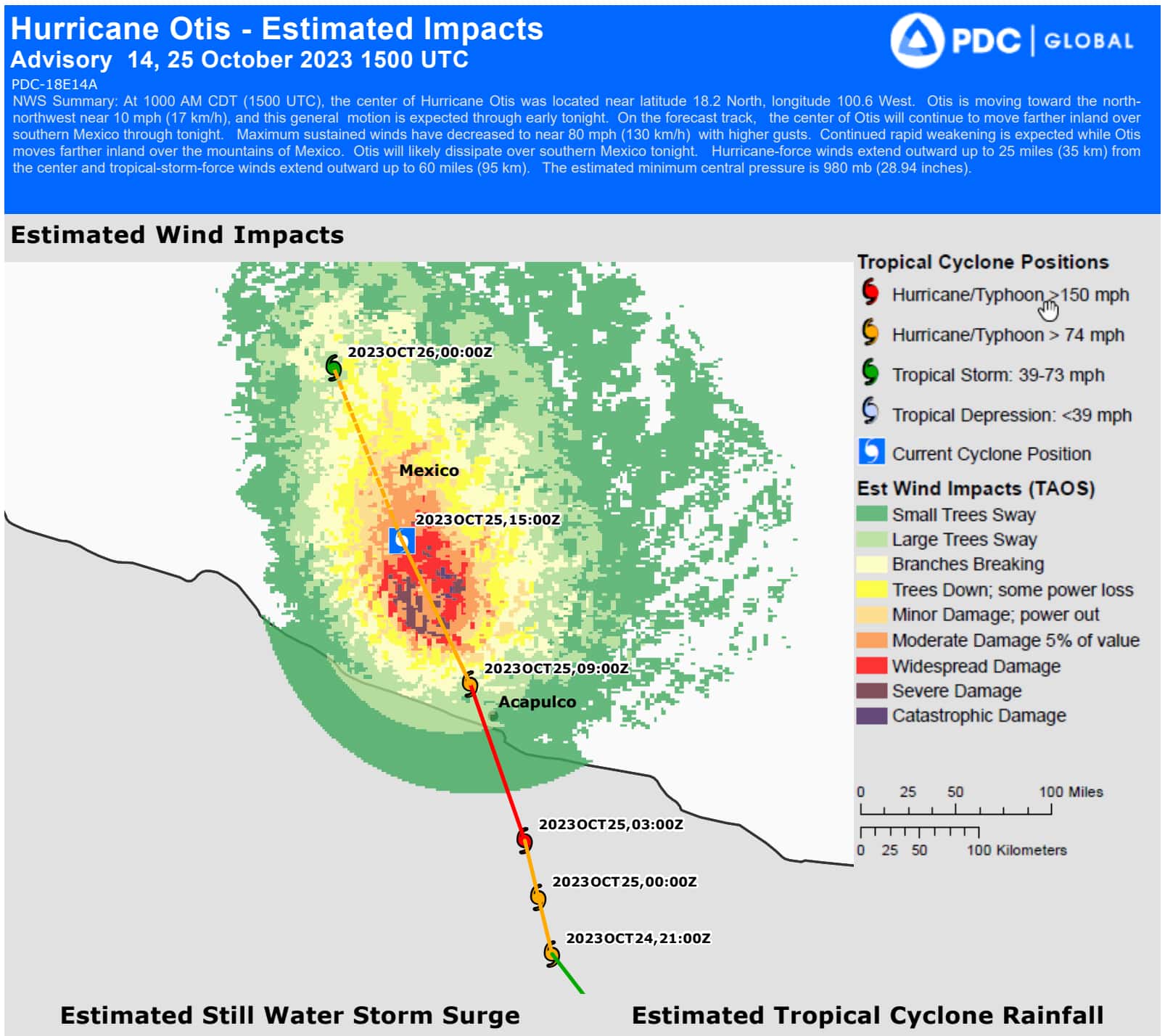
For a hurricane, for example, a reinsurer may need to monitor the storm's evolving location and footprint as it approaches land.
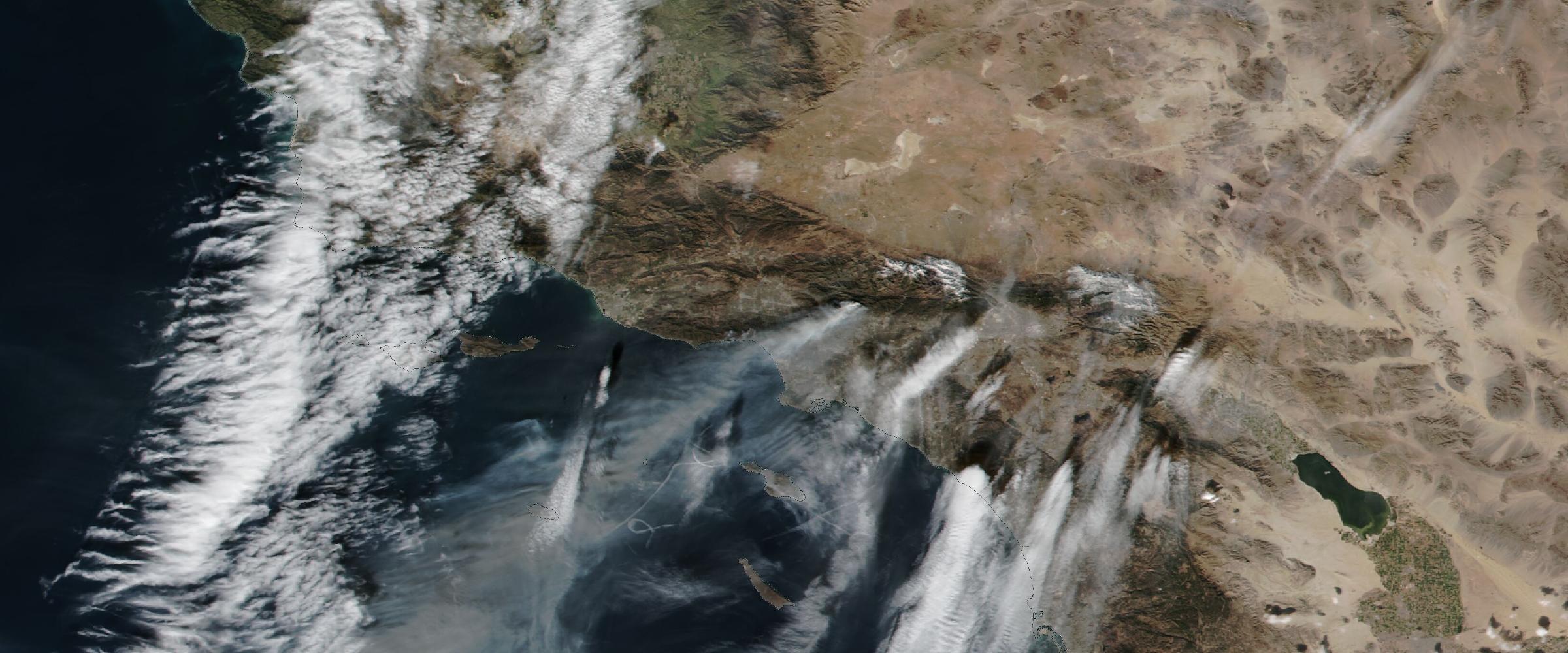
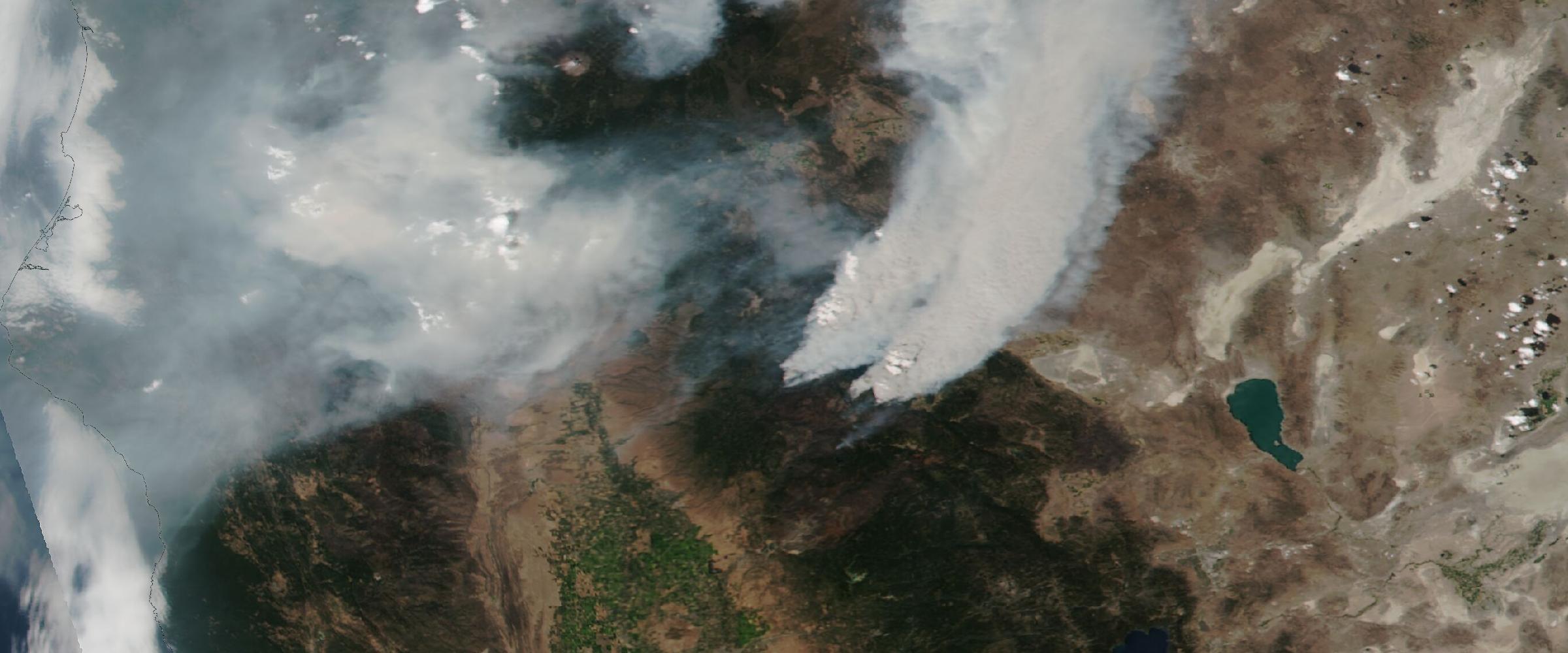
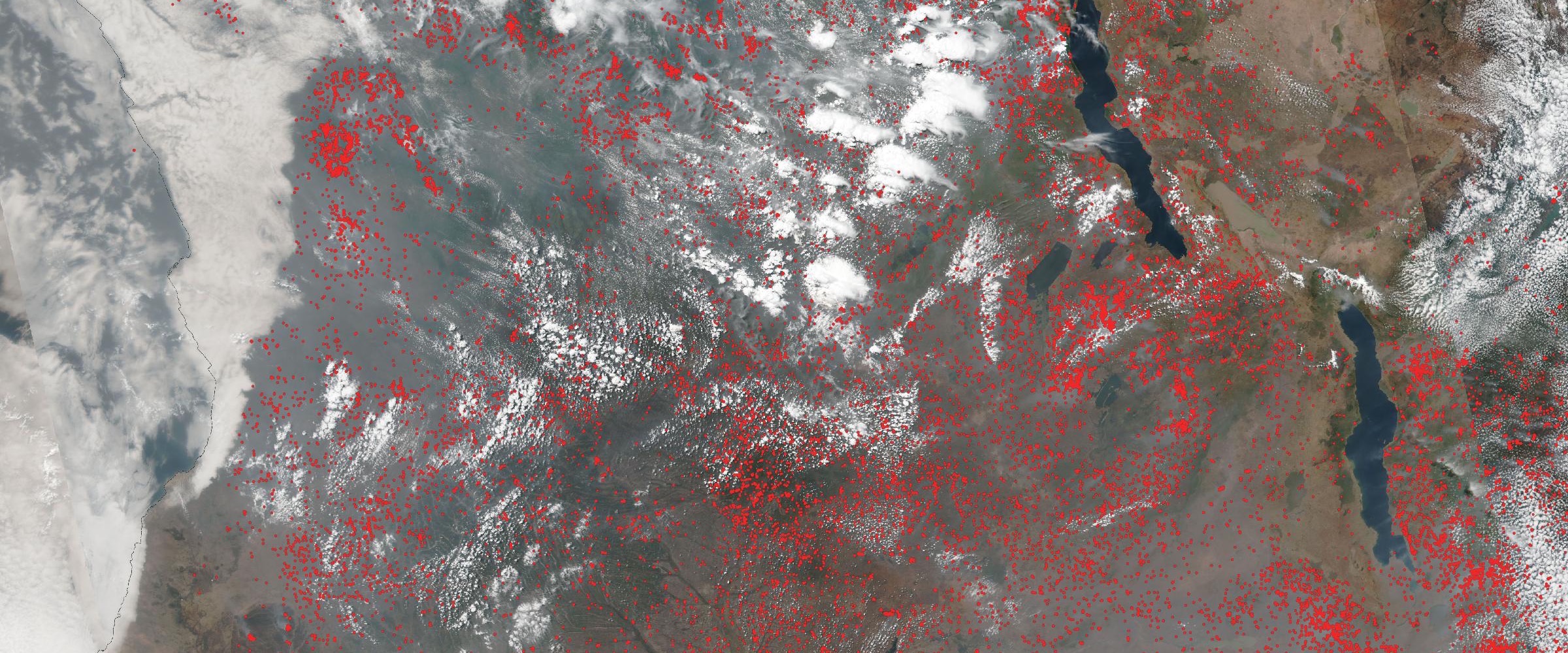
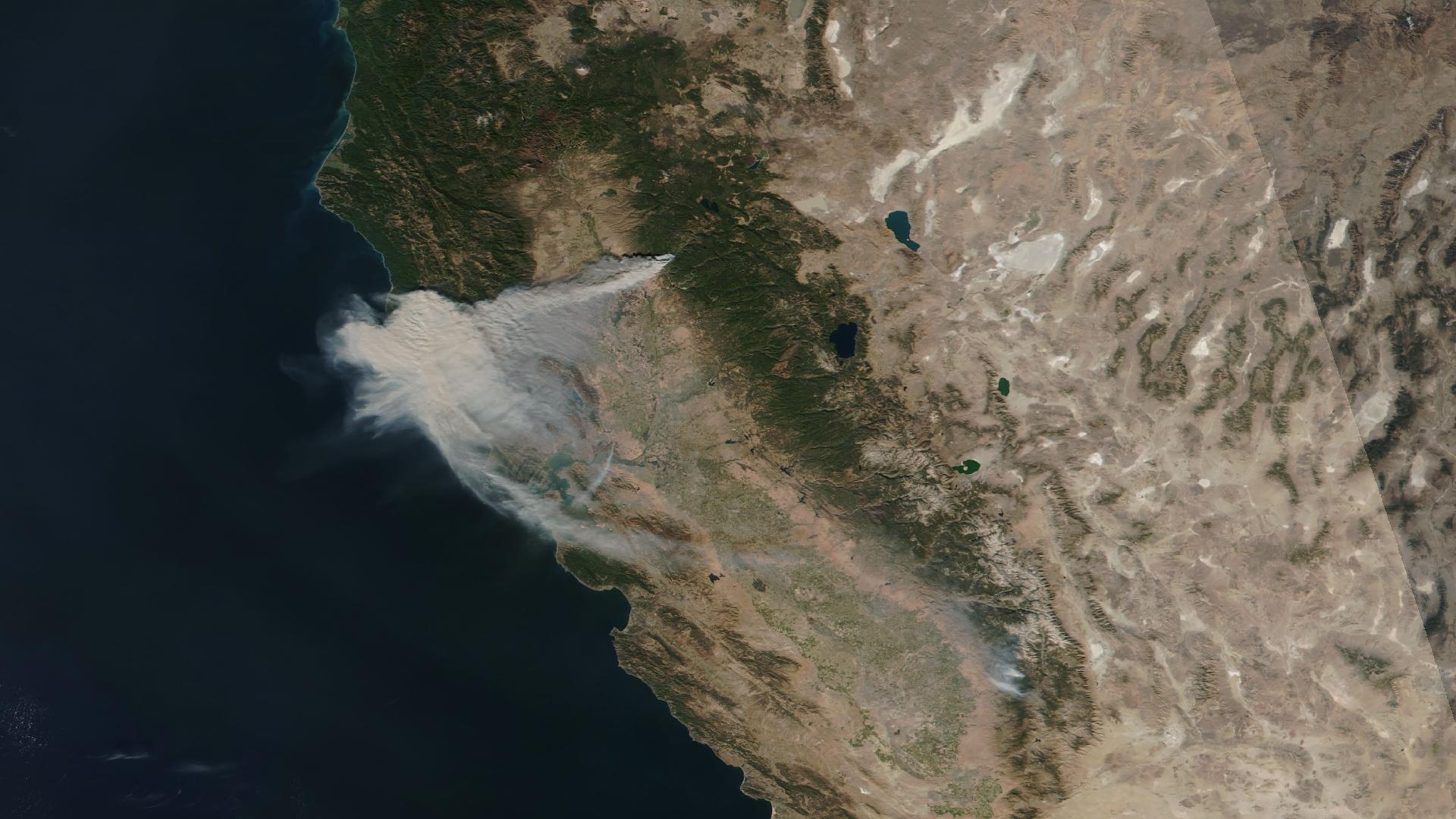
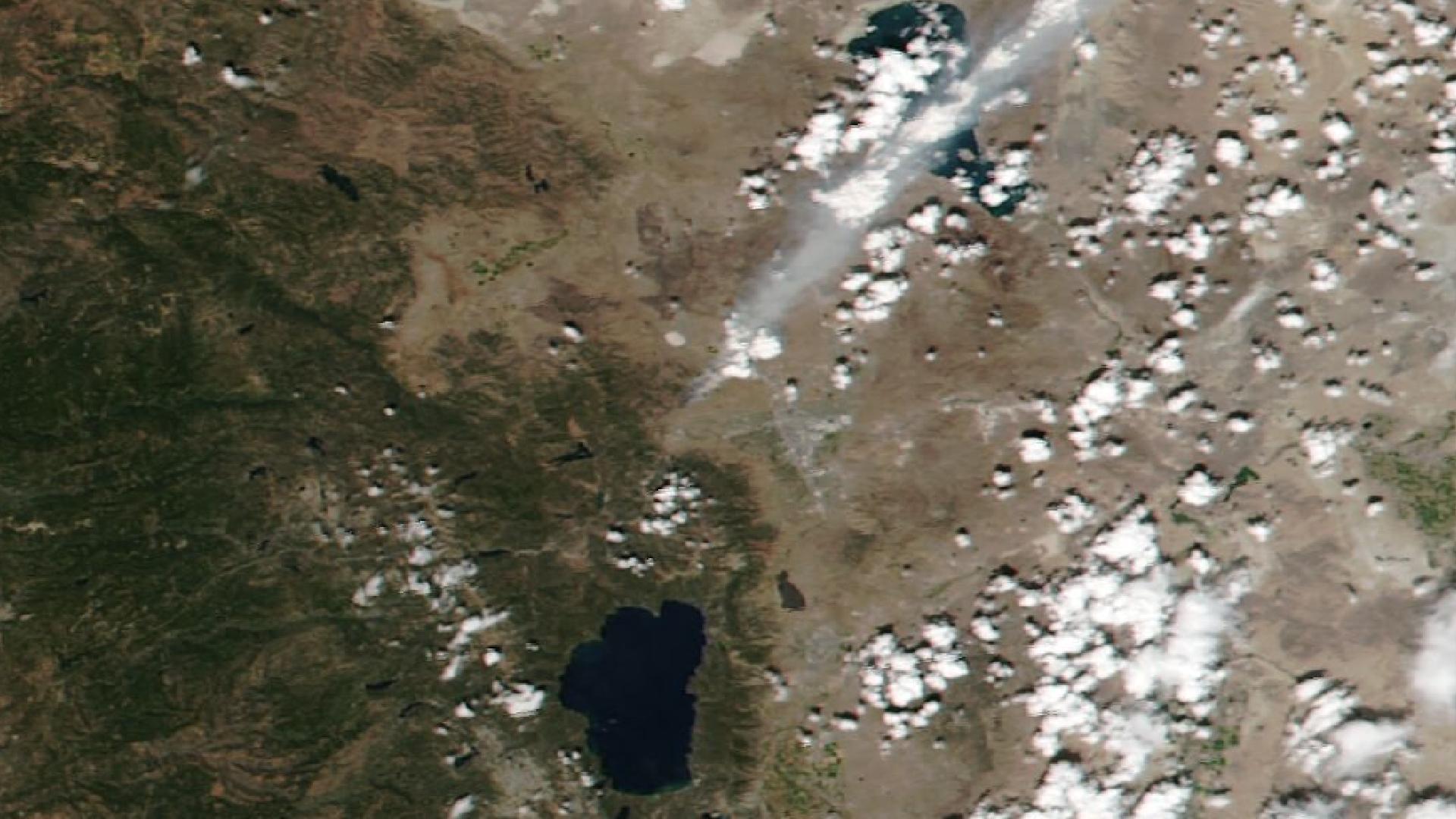
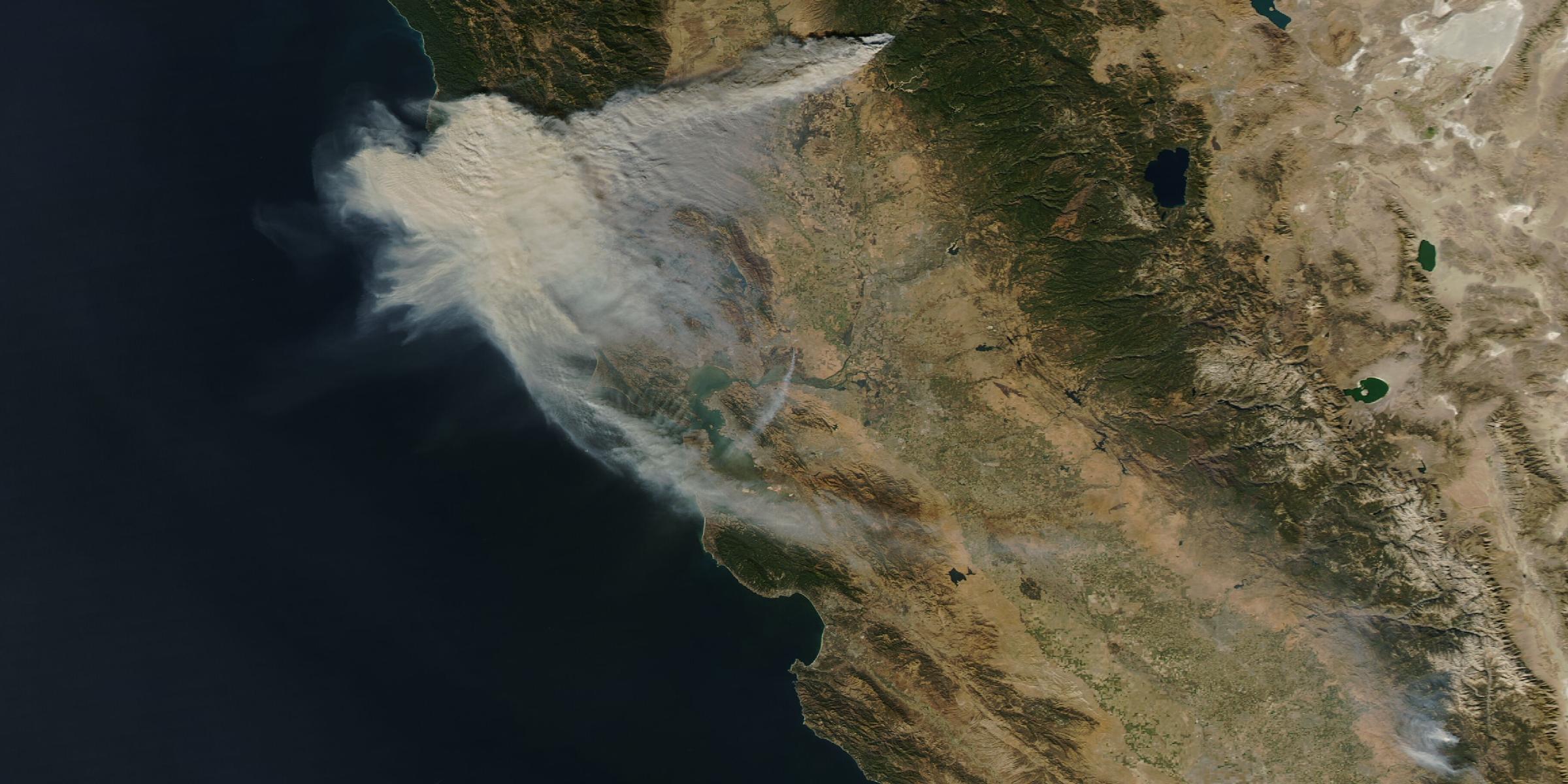
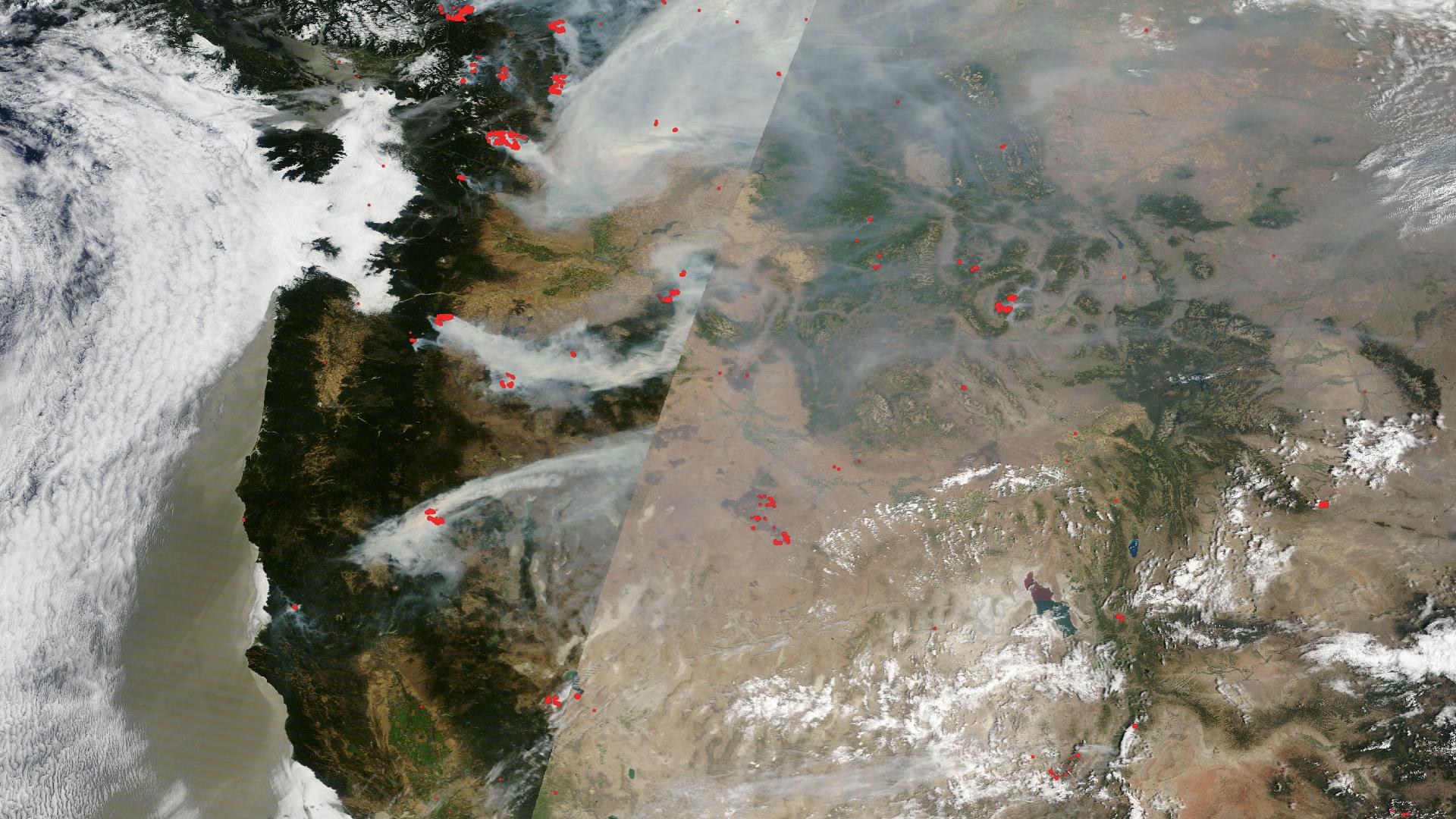
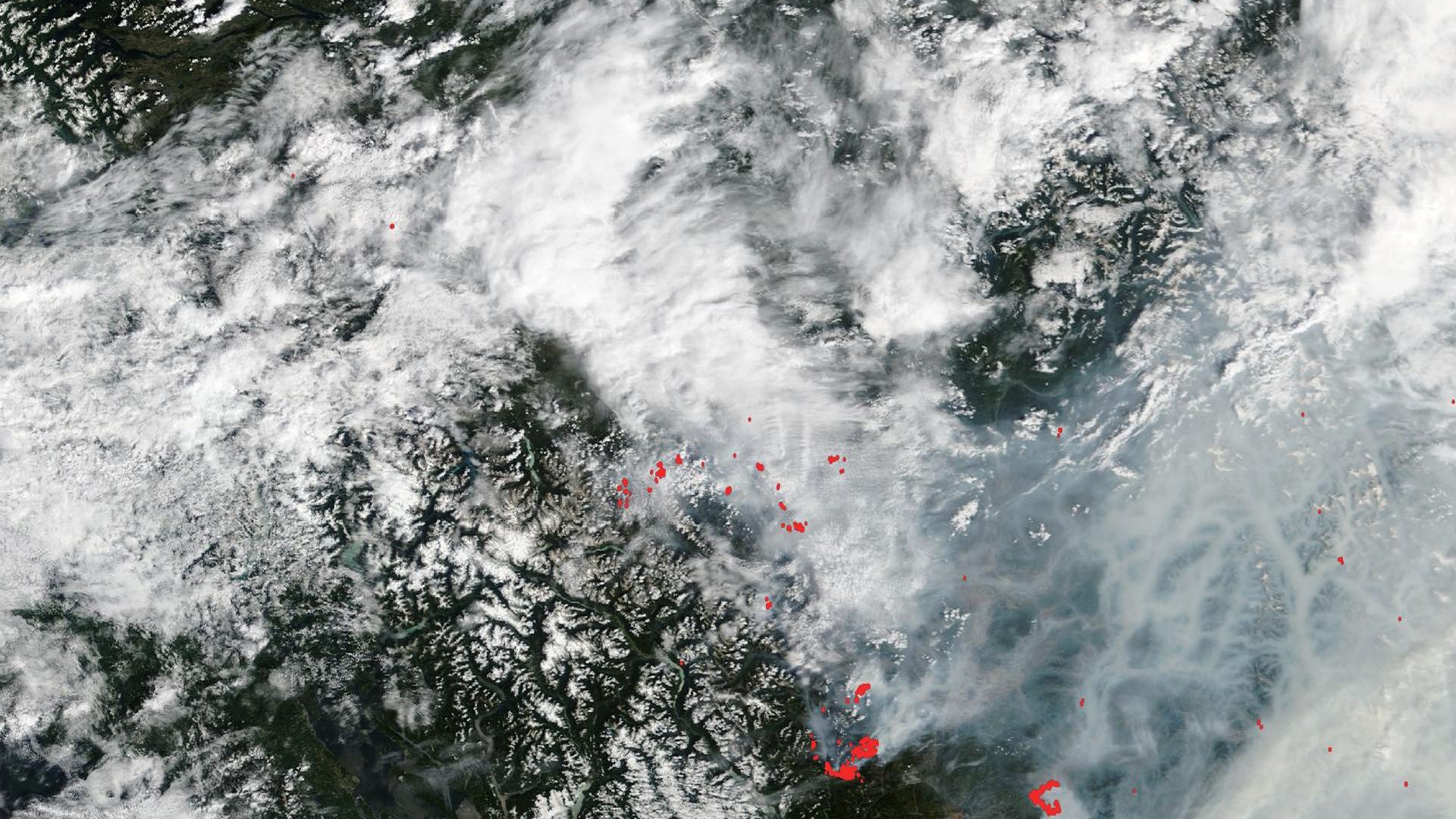
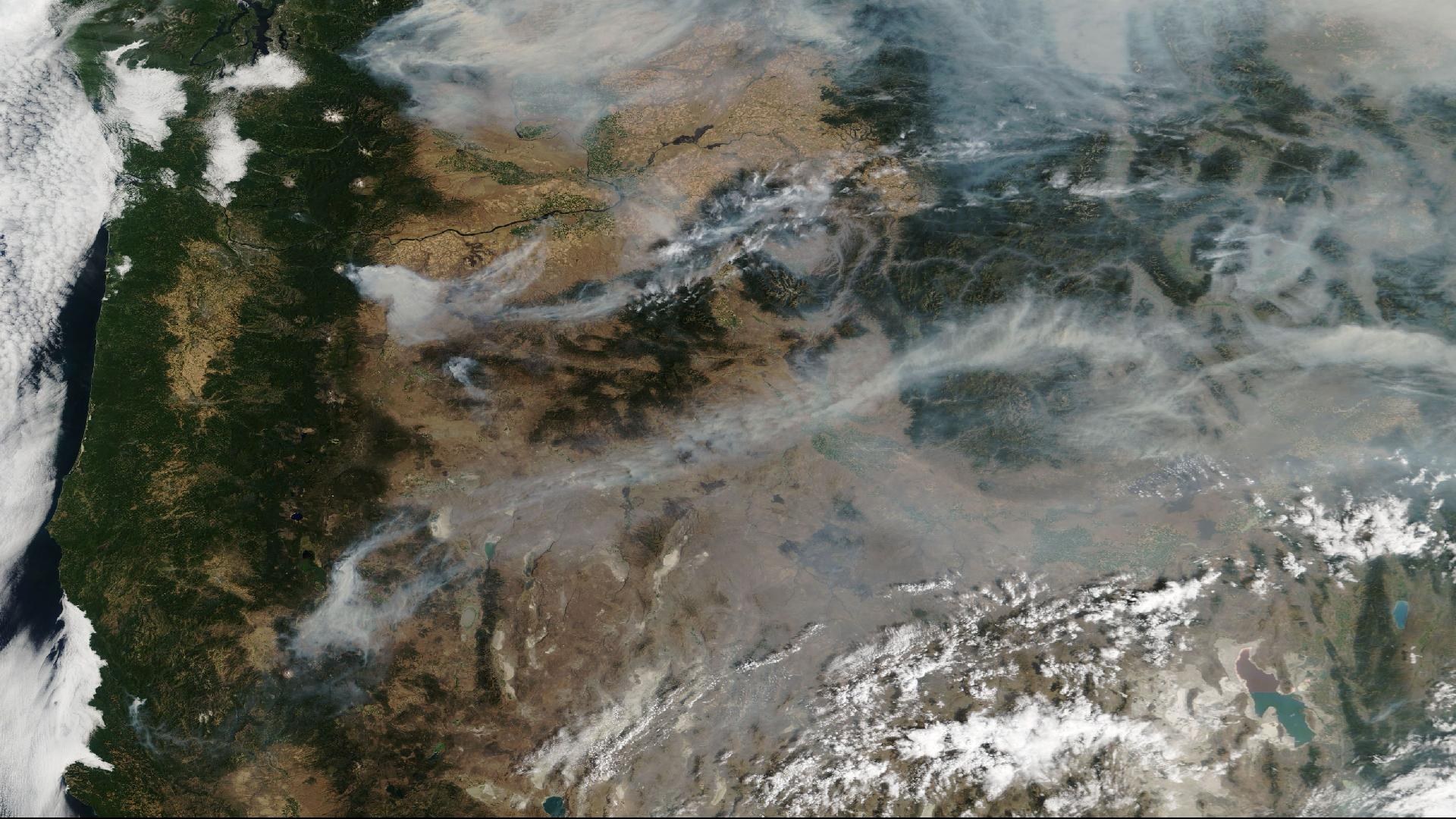
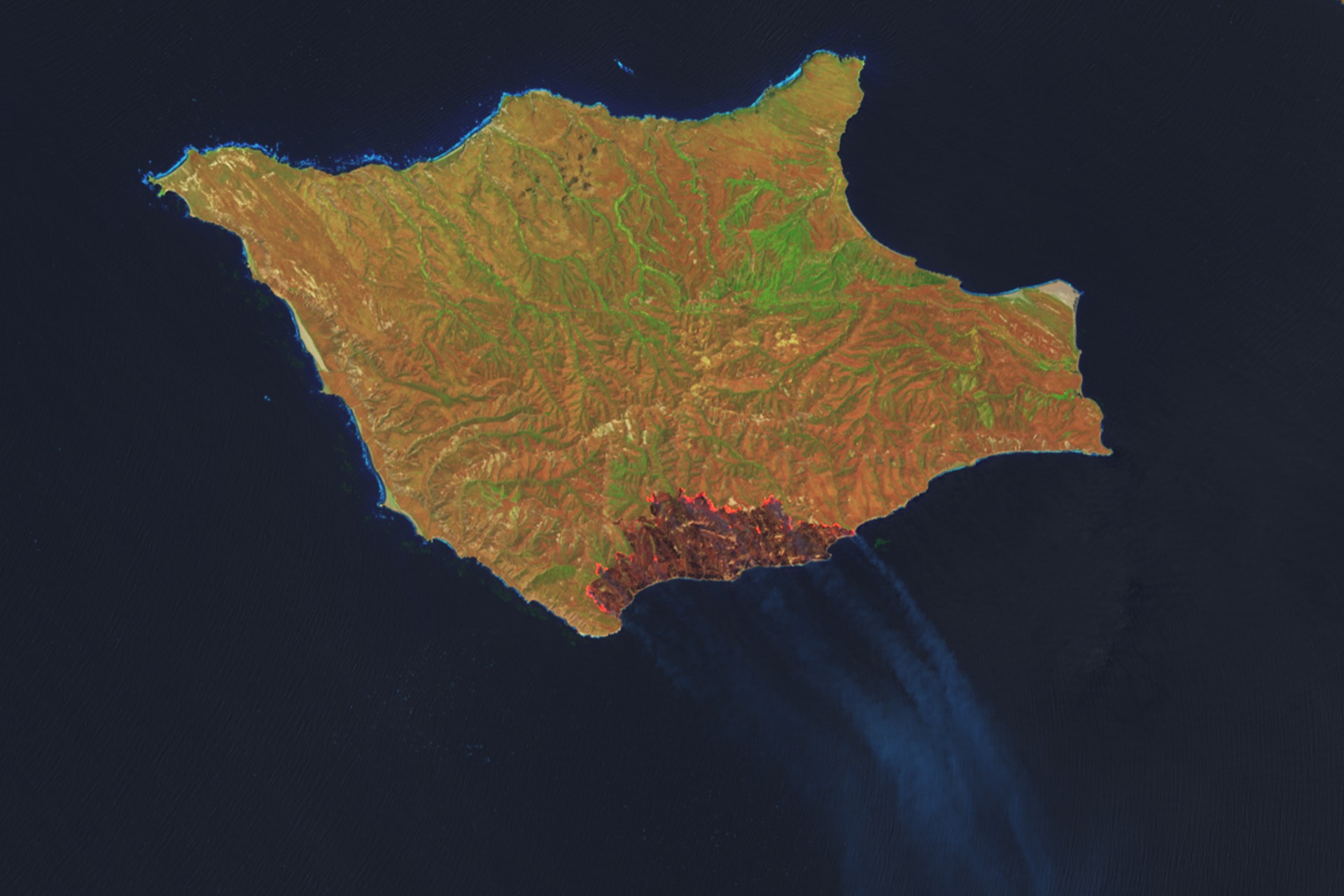
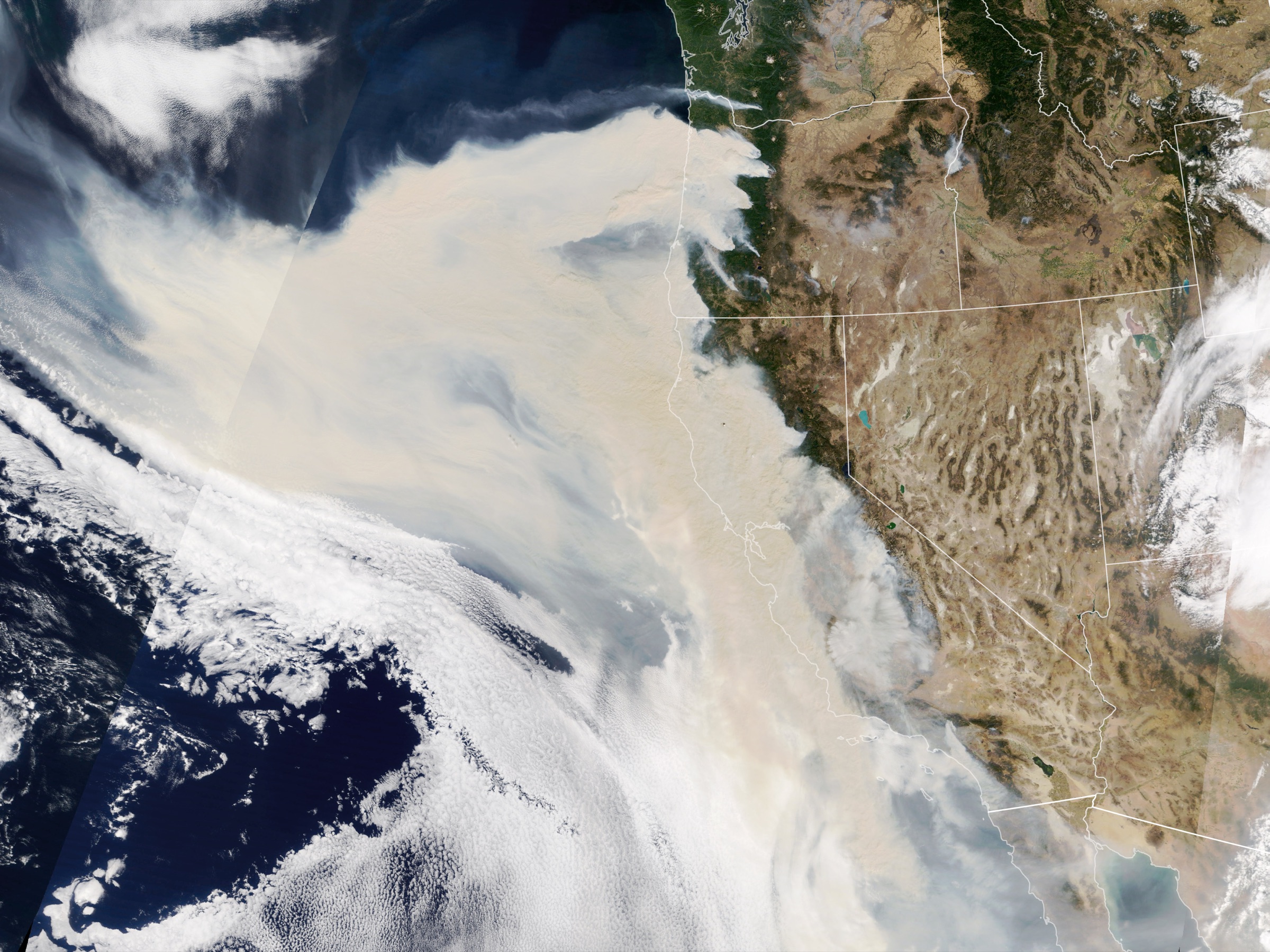
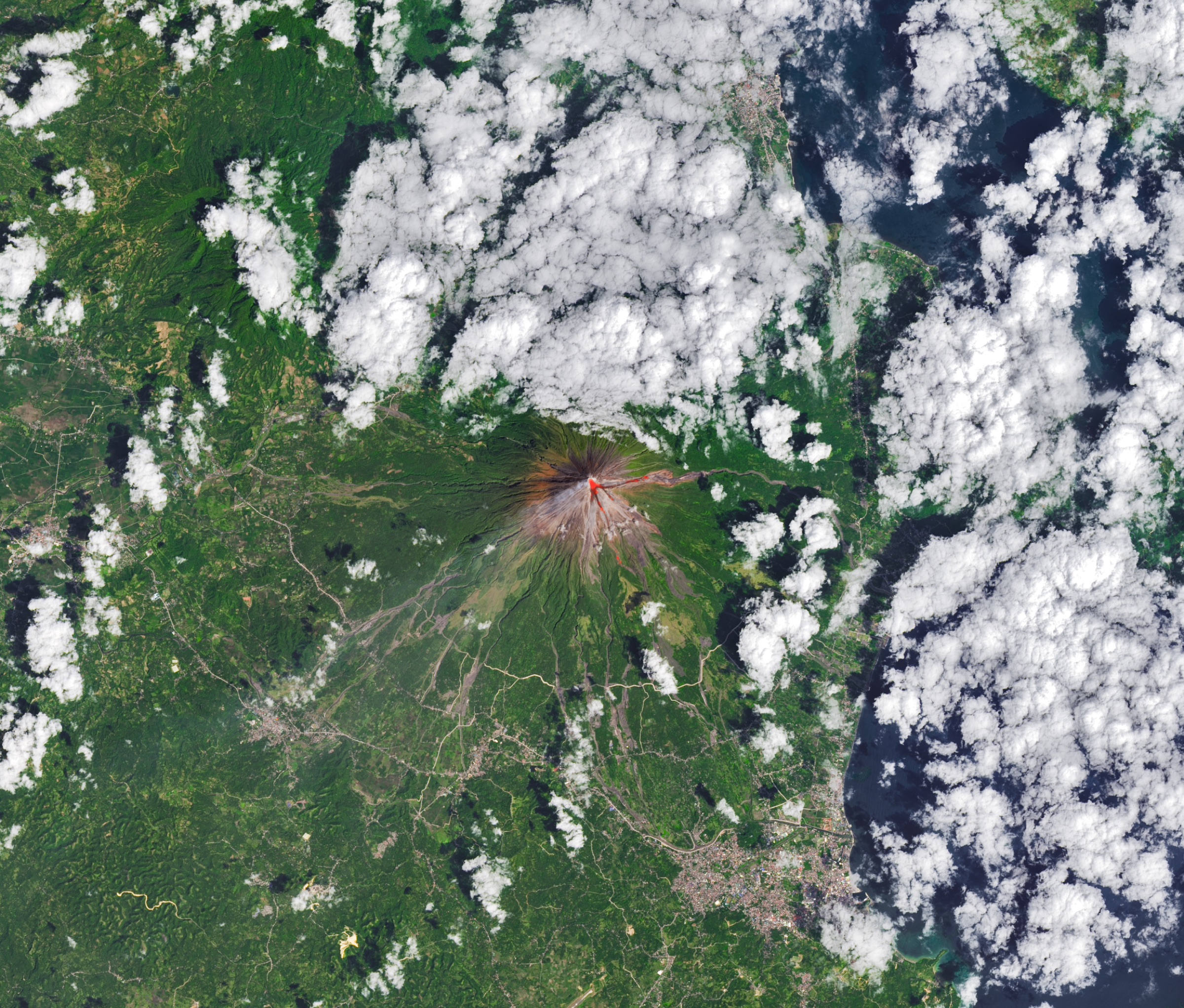
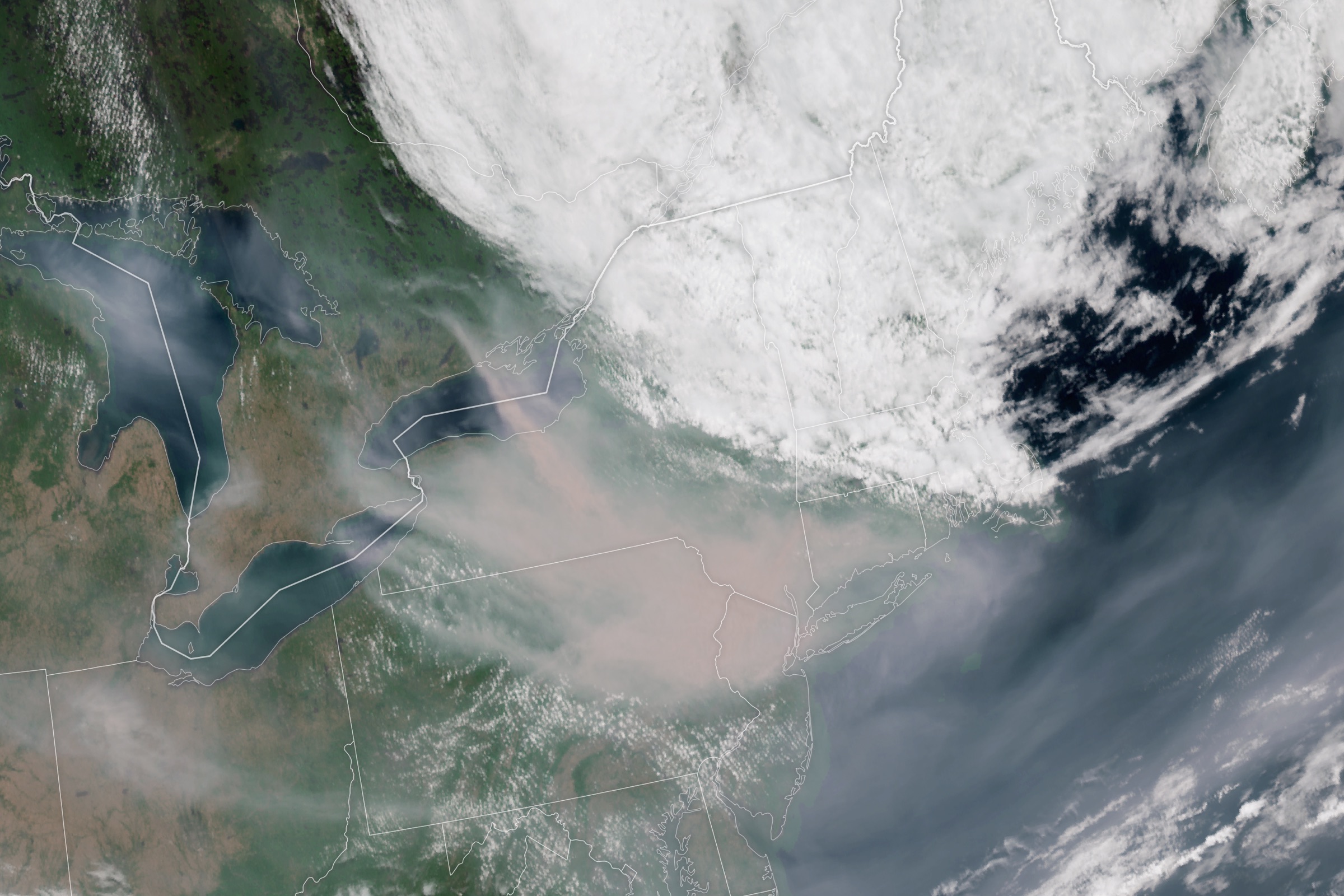
For a wildfire, the critical information may be the detected fire location, expanding footprint, and areas potentially affected.
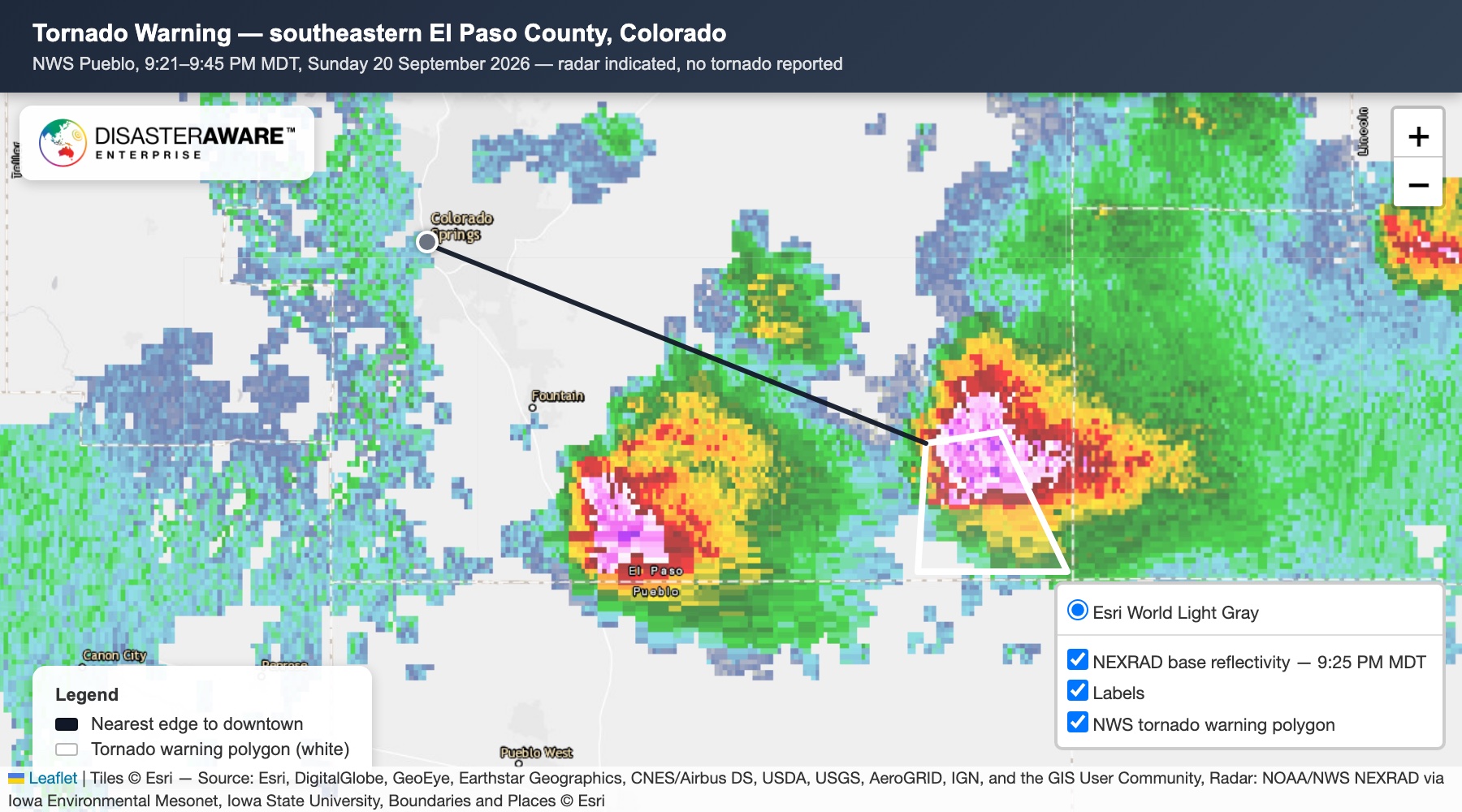
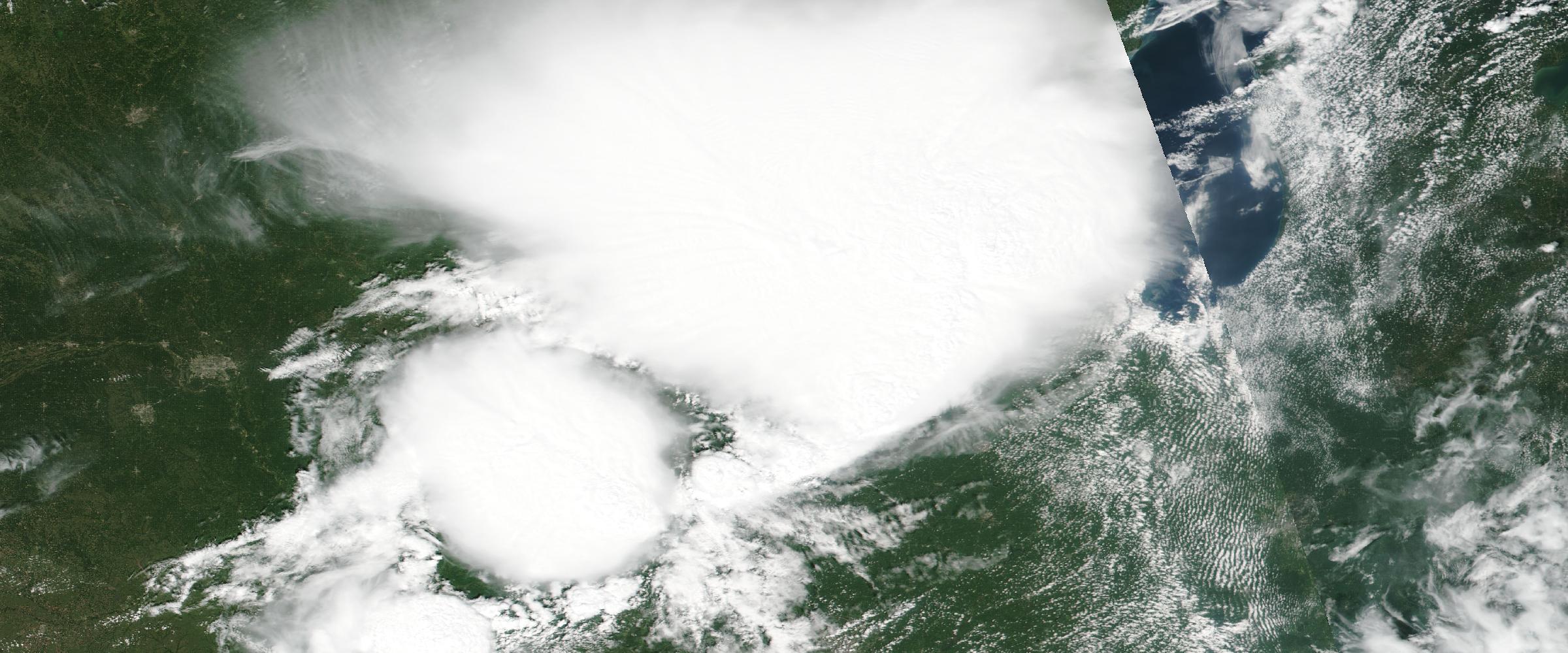
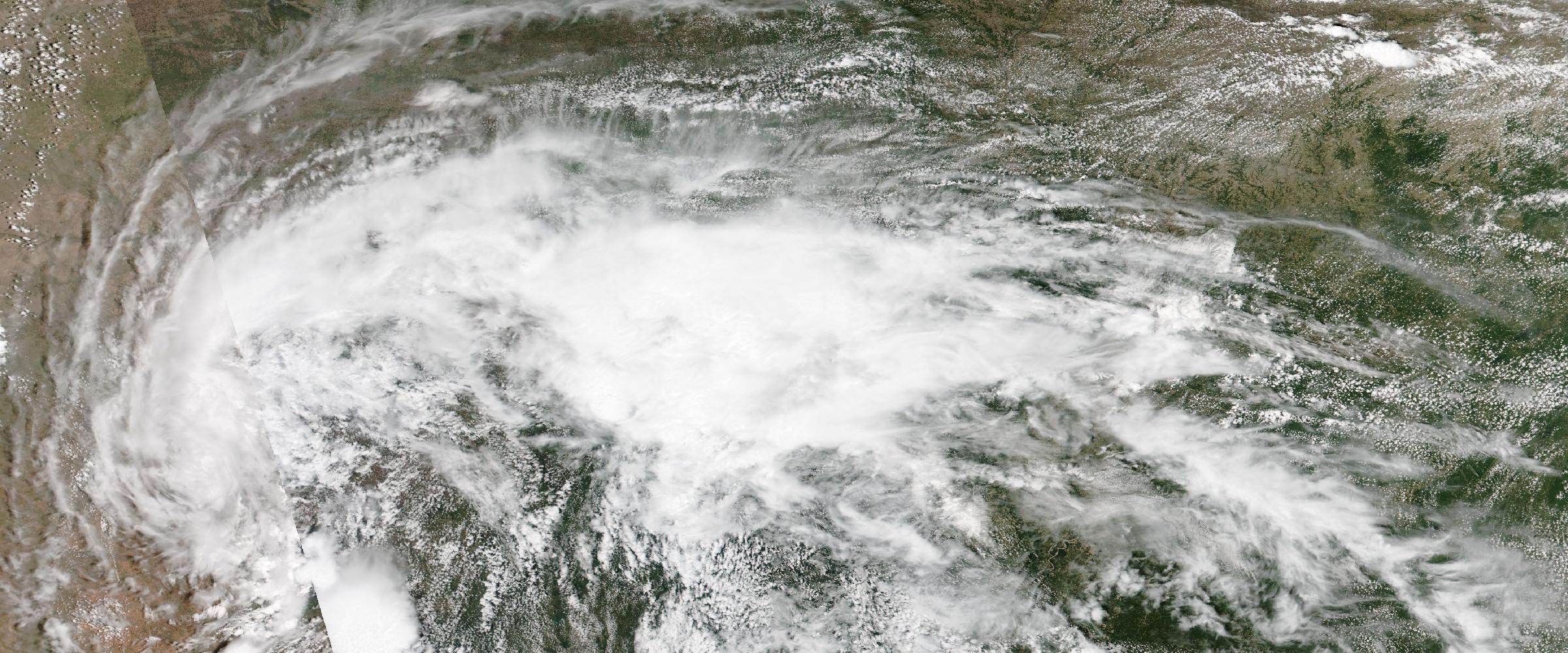
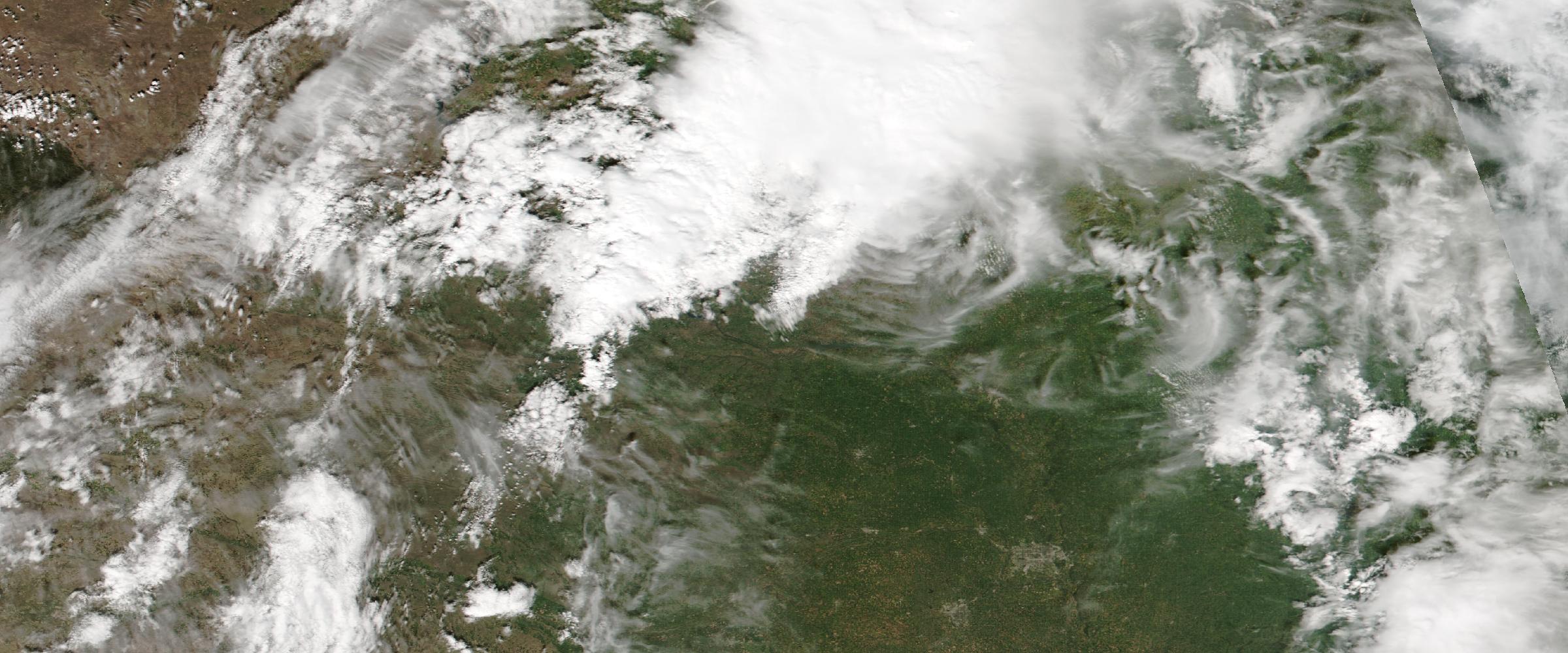
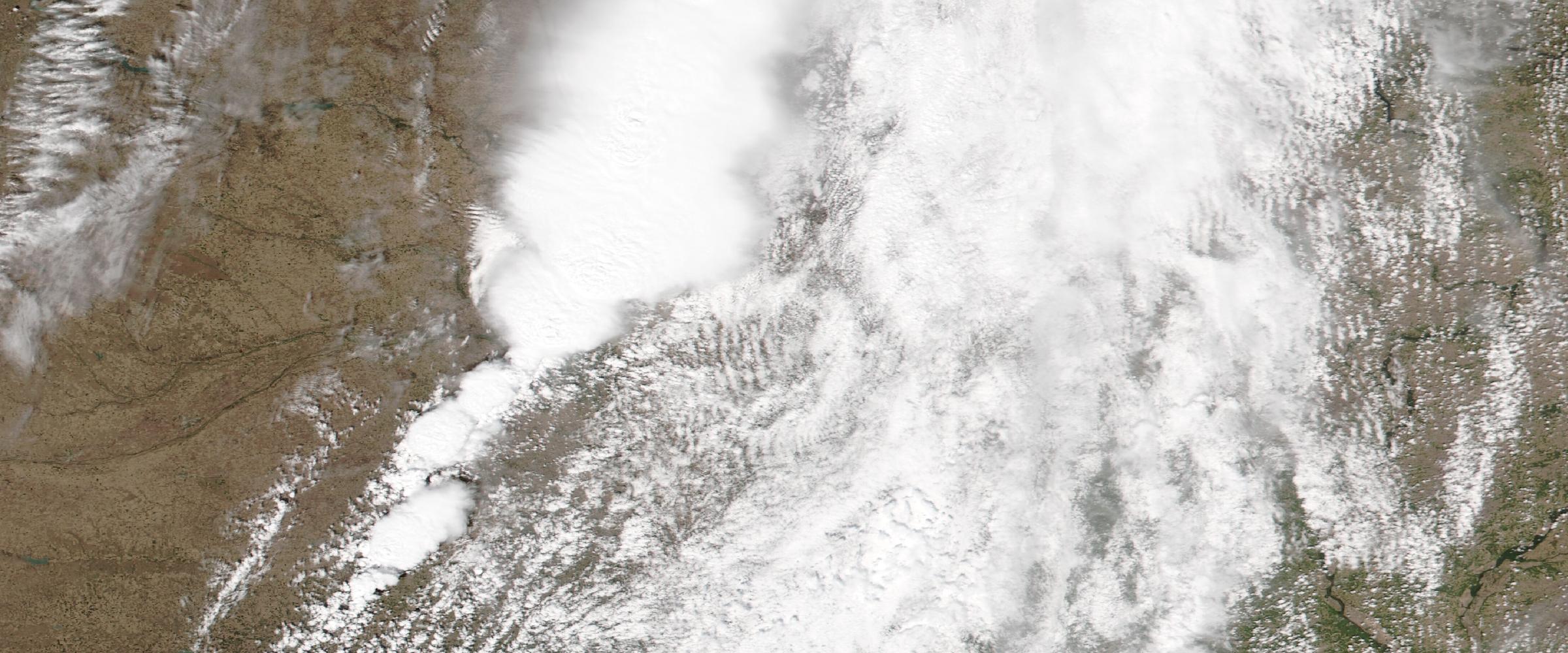
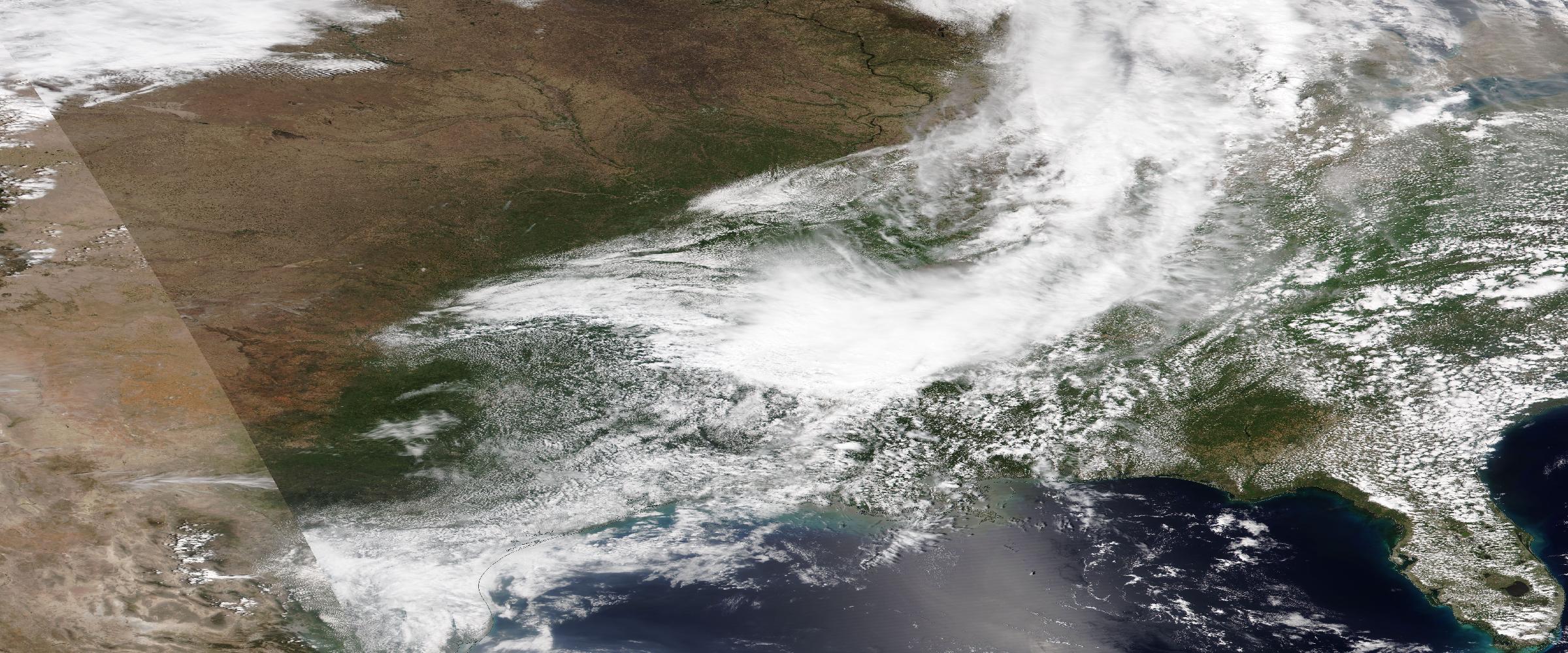
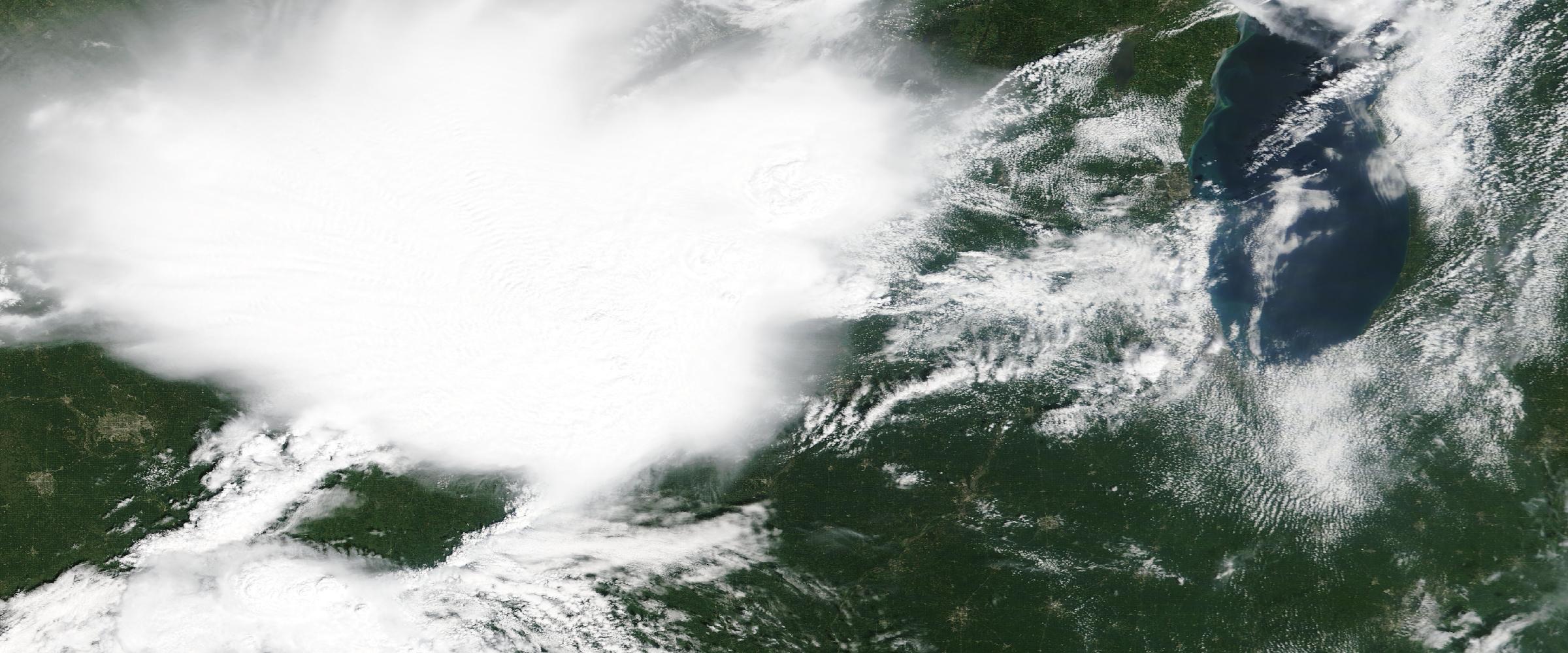
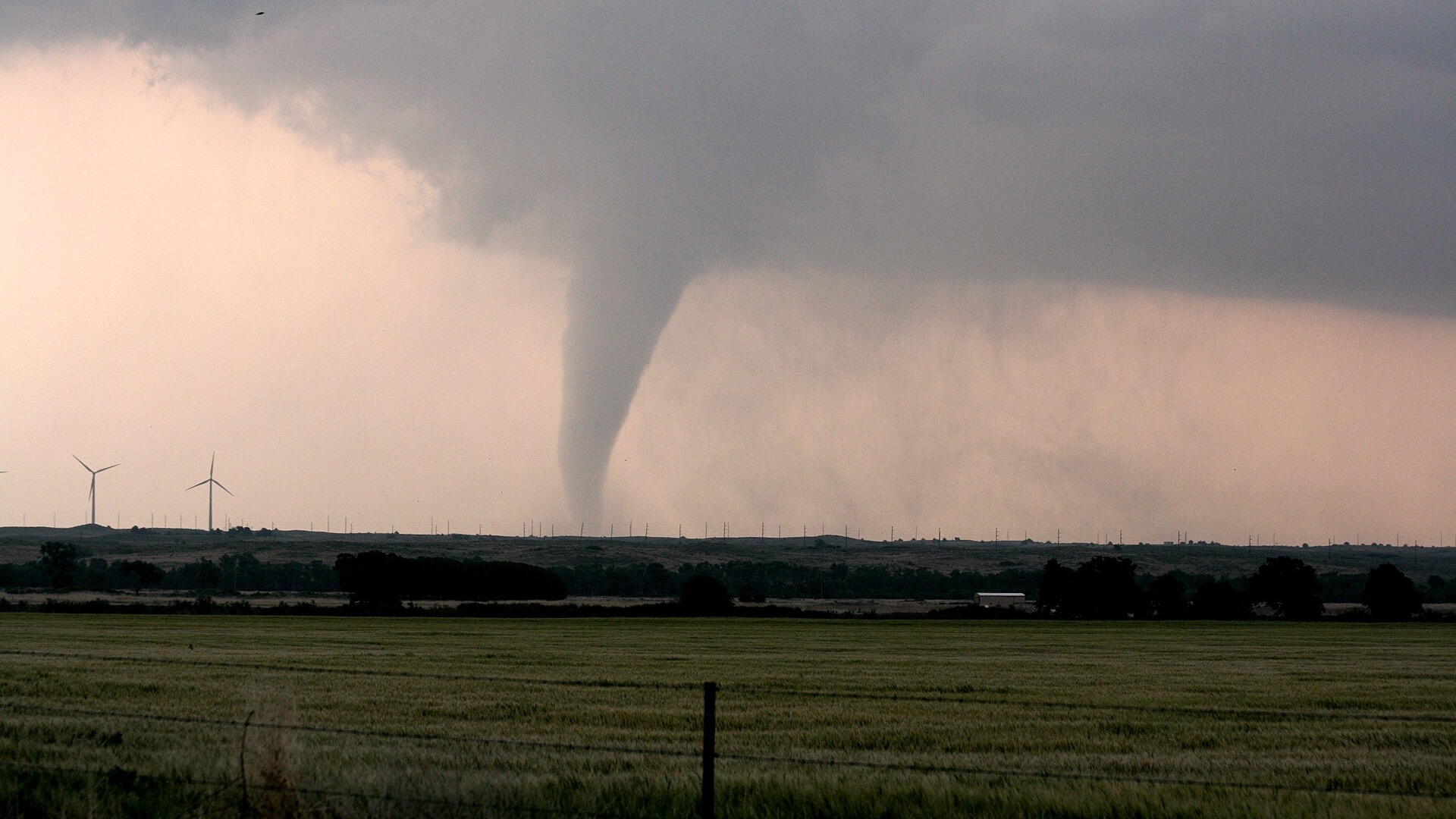
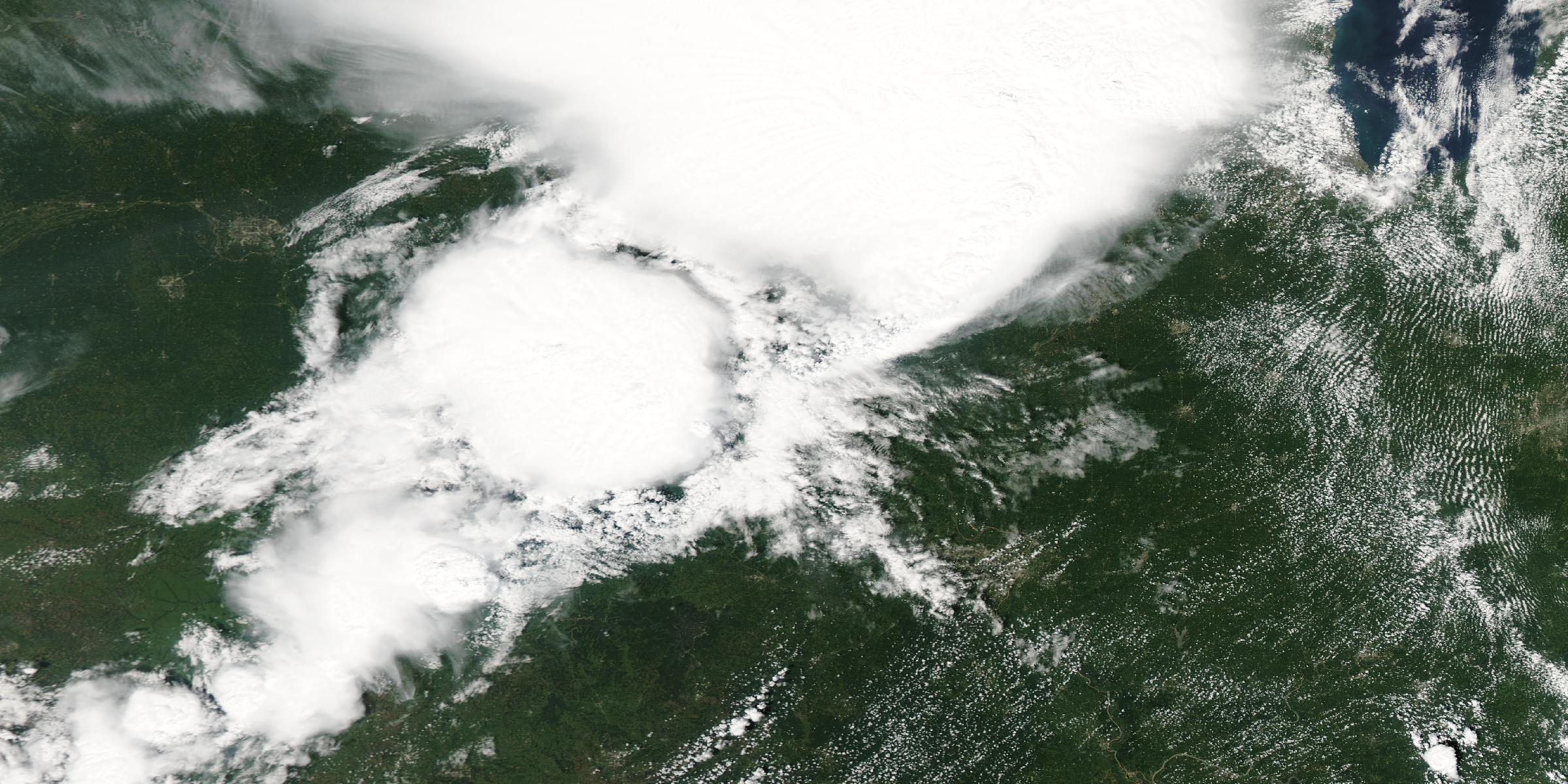
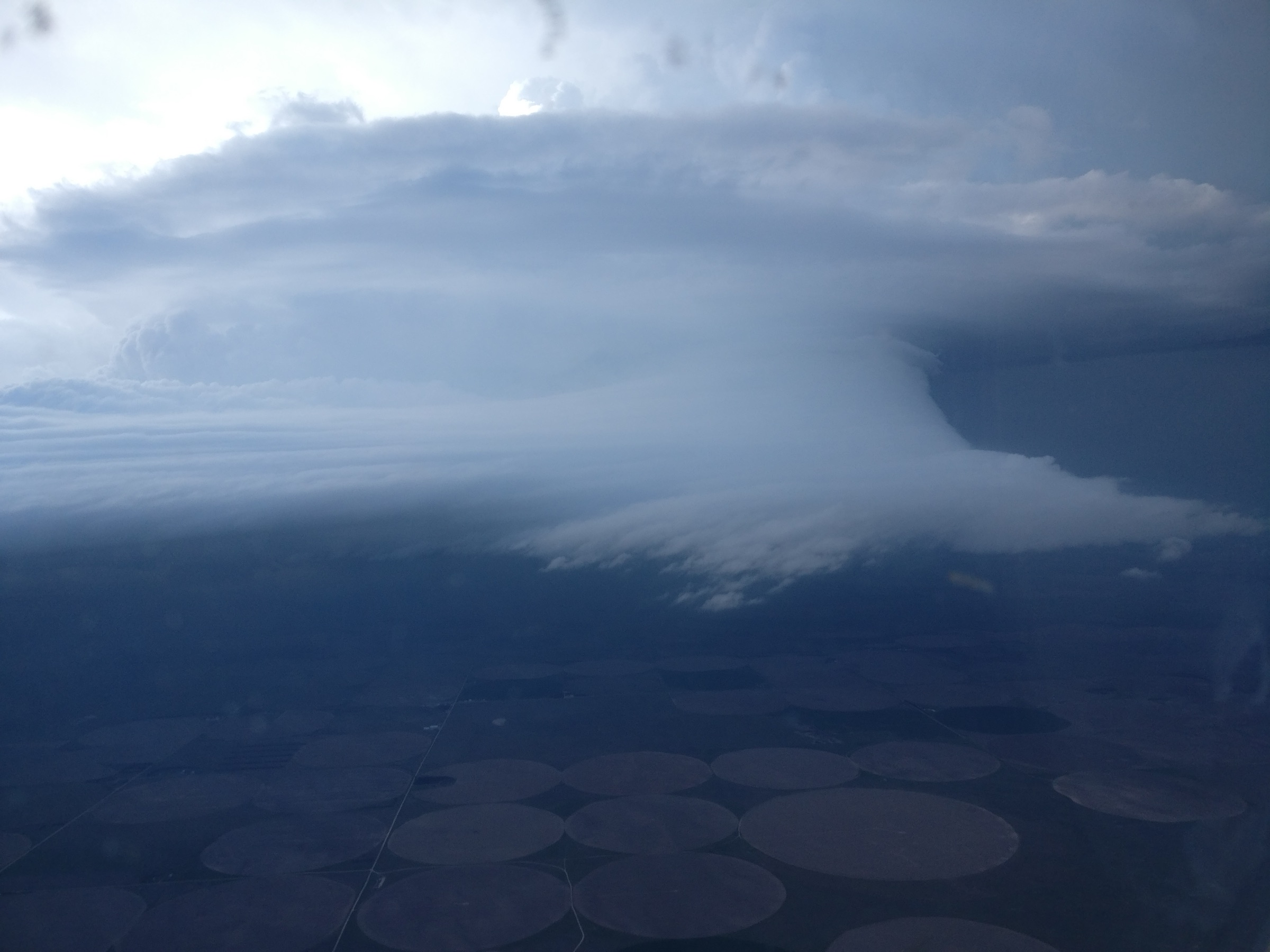
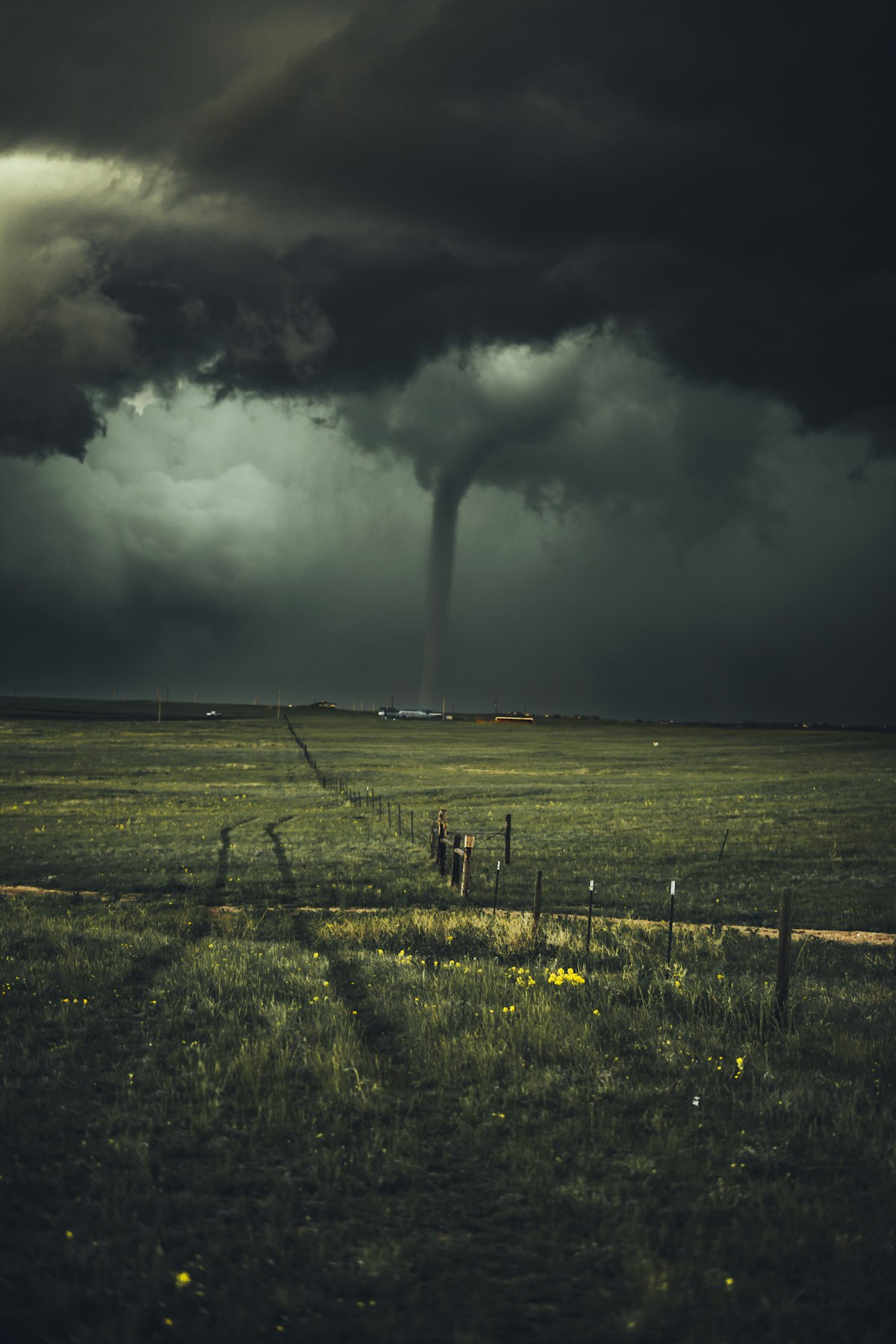
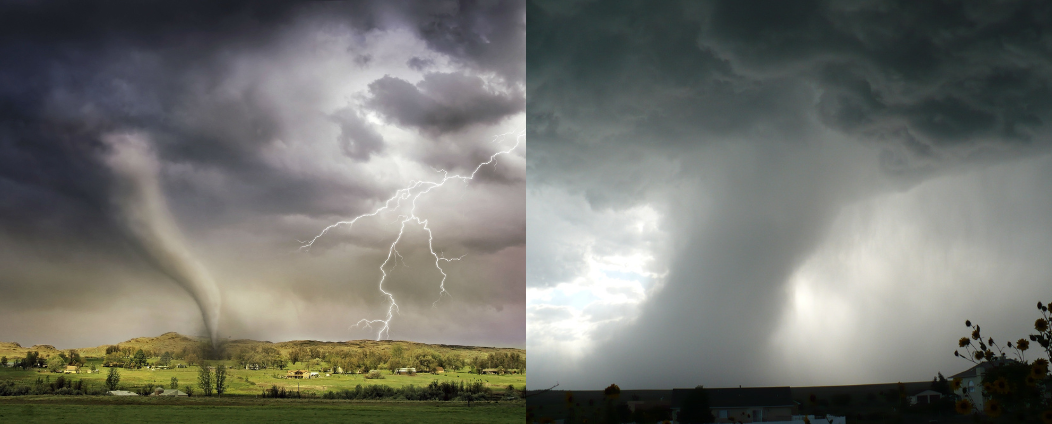
For a severe convective storm, the relevant intelligence could include tornado tracks, hail swaths, or other observed hazard information.
The objective is to establish a consistent picture of what is happening before turning to the question of portfolio impact.
Connect live catastrophes to reinsured exposure
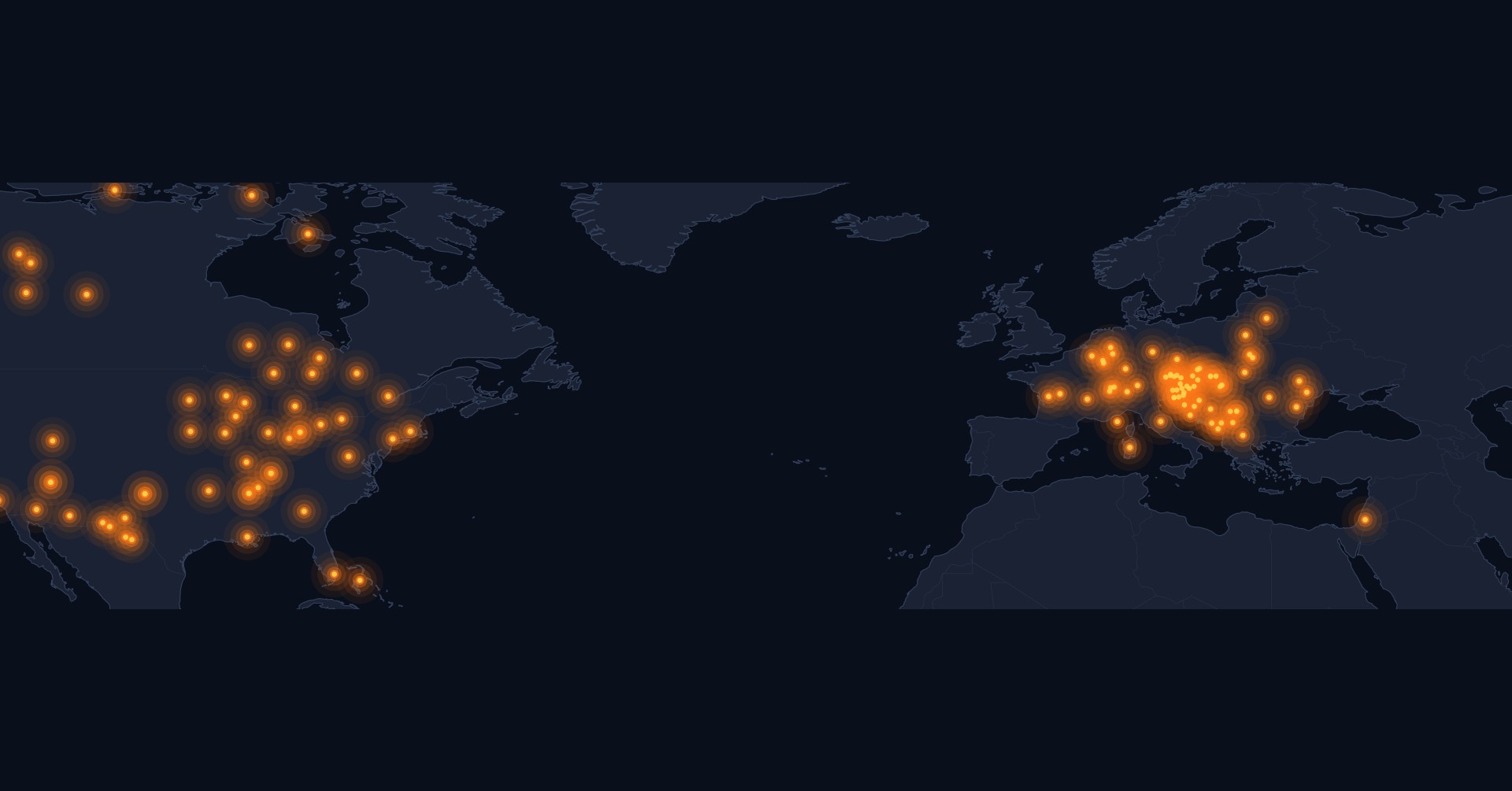
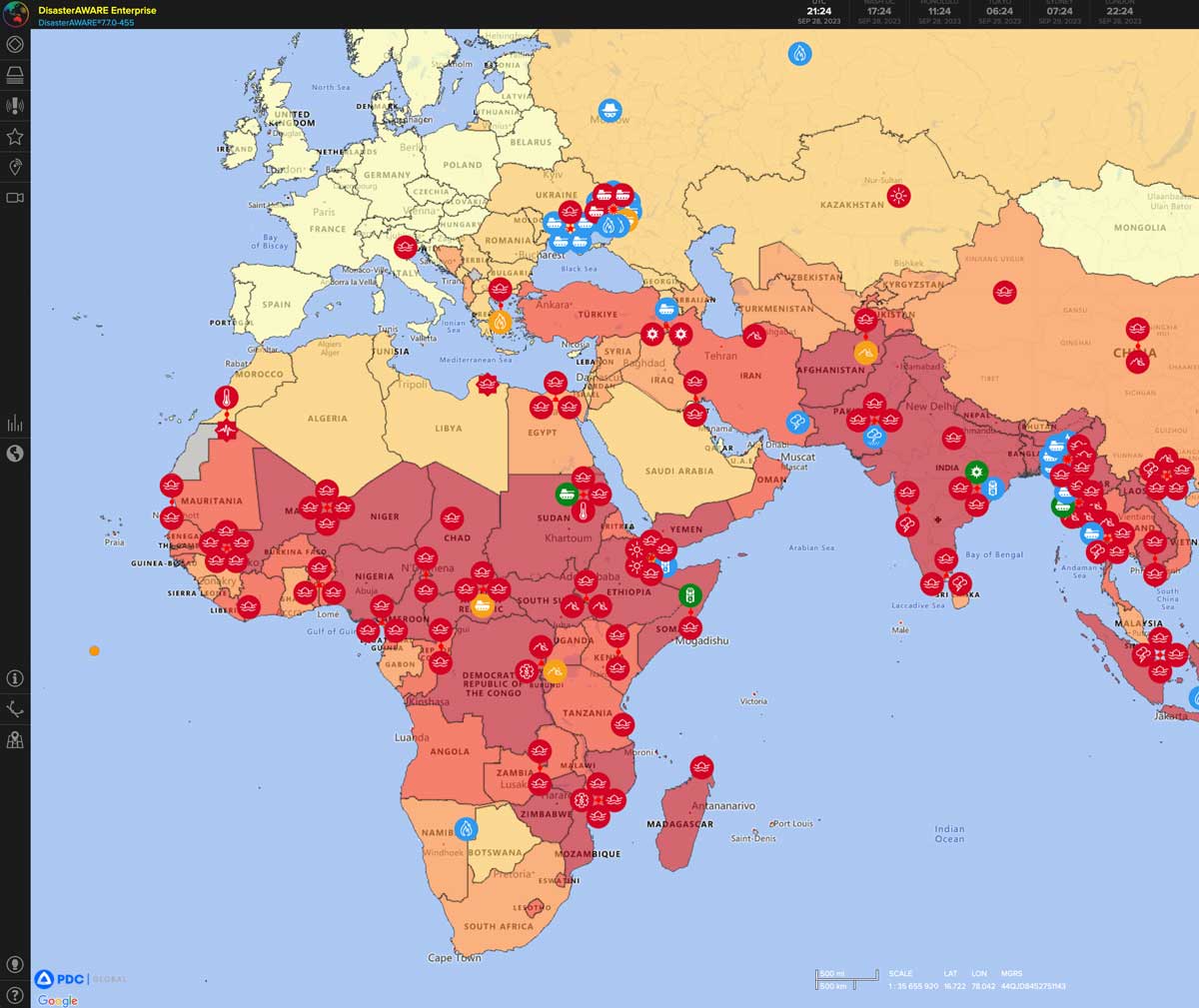
DisasterAWARE Historical Event Intelligence delivers event footprints, severity and source provenance for past catastrophes — ready to intersect with cedent and portfolio exposure.
Reinsurance is fundamentally concerned with accumulation. A single catastrophe can affect large numbers of insured locations across multiple cedents. Exposure management systems help reinsurers understand those concentrations, but the analysis depends on having a reliable representation of the event itself.
Real-time event footprints can provide that geographic reference point. By intersecting an event footprint with portfolio data, reinsurers can begin to identify:
This is particularly relevant for large events where the geographic footprint can change rapidly.
Not every event requires the same level of attention. A reinsurer may monitor hundreds of natural hazard events, while only a subset develop into potentially significant portfolio events. Event intelligence can help teams move from broad monitoring to targeted investigation.
For example:
Event detected → Event footprint established → Portfolio intersected → Potentially exposed cedents identified → Event prioritized
This can help catastrophe teams focus their time and analytical resources where they may matter most. Rather than manually determining whether an event could affect a particular book of business, teams can use event-level intelligence as an initial filter for deeper analysis.
Event intelligence is not a replacement for catastrophe models or detailed loss calculations. Instead, it can provide important observed information that helps contextualize those analyses.
A catastrophe model may estimate potential losses based on the characteristics of an event and the exposures in a portfolio. Event intelligence can provide information about the actual event that occurred.
That distinction can be valuable as a catastrophe develops. For example, a reinsurer may compare:
This creates a more connected view of the event as it moves from potential catastrophe to actual catastrophe.
Large catastrophe events often create a significant flow of information between reinsurers and their cedents.
Cedents may want to understand what the reinsurer is seeing, while reinsurers need to establish a consistent picture of the event across multiple sources and portfolios. A structured event intelligence layer can provide a common geographic and temporal reference point for those conversations.
For example, rather than simply discussing "the wildfire in California," teams can work from a defined event footprint, event timeline, affected areas, and other observed characteristics. This can make it easier to connect incoming information from cedents to the broader event picture.
The value of event intelligence does not end when the hazard subsides. Once an event is over, the event record becomes a reference point for understanding what actually happened.
Reinsurers can use historical event information to support:
Event intelligence can therefore become part of the record of the catastrophe—not simply an alert that disappeared after the event.
For reinsurers, the ability to look backward can be nearly as important as monitoring what is happening now. A structured historical event catalog allows teams to analyze actual catastrophes over time:
This creates a bridge between event response and long-term portfolio intelligence. Historical event data can also provide useful context for underwriting, accumulation management, portfolio reviews, and research.
Reinsurers do not have to choose between catastrophe intelligence and catastrophe modeling.
They answer different questions.
Together, these capabilities create a more complete picture:
Potential Risk → Actual Event → Event Footprint → Portfolio Exposure → Loss Development → Historical Record
For reinsurers managing complex portfolios, that connection can be especially important.
A catastrophe can move quickly. Exposure can be widespread. Information can come from hundreds of sources. And the financial implications may develop over days, weeks, or months.
The operational value of event intelligence is therefore not simply speed. It is context.
It gives reinsurance teams a structured way to understand the event itself before connecting that event to exposure, accumulation, loss estimates, cedents, and claims.
That can help turn a stream of disparate catastrophe information into something reinsurance teams can actually use.
DisasterAWARE provides real-time and historical event intelligence across natural hazards, combining authoritative data sources, observational intelligence, geospatial information, and event-level analysis.
For reinsurers, this intelligence can serve as an event layer alongside catastrophe models, exposure management platforms, portfolio analytics, claims systems, and other reinsurance workflows.
The goal is straightforward:
Know what happened. Know where it happened. Understand what may be exposed. And give reinsurance teams the intelligence they need to respond.
Explore the historical record
Decades of reconstructed, verified catastrophes — browse the Historical Event Intelligence overview, or request sample data for your own portfolio.
How does real-time event intelligence support reinsurance operations? It helps reinsurers identify and characterize events quickly, put each event in the context of accumulation, prioritize event response, support loss estimation, communicate with cedents, support claims and post-event analysis, and connect real-time events with historical intelligence.
Does real-time event intelligence replace catastrophe models for reinsurers? No. Reinsurers do not have to choose between the two. Models describe potential risk across many scenarios; event intelligence adds what is actually happening on the ground, as a layer alongside models, exposure management platforms, portfolio analytics and claims systems.
How does event intelligence help reinsurers work with cedents? Large catastrophes create a heavy flow of information between reinsurers and cedents. A shared, structured view of the event gives both sides a common reference point for discussing exposure and potential loss.









-min.png)
.png)
.png)

Decision-ready intelligence for understanding what's happening, what is impacted, and what to do next. Global hazard, severe weather, catastrophe, and physical risk intelligence trusted by governments, enterprises, insurers, humanitarian organizations, and technology platforms worldwide.
Request DemoContact Us

