


Most wildfire platforms answer one question: "Where is the fire?" Modern organizations need answers to much harder questions:
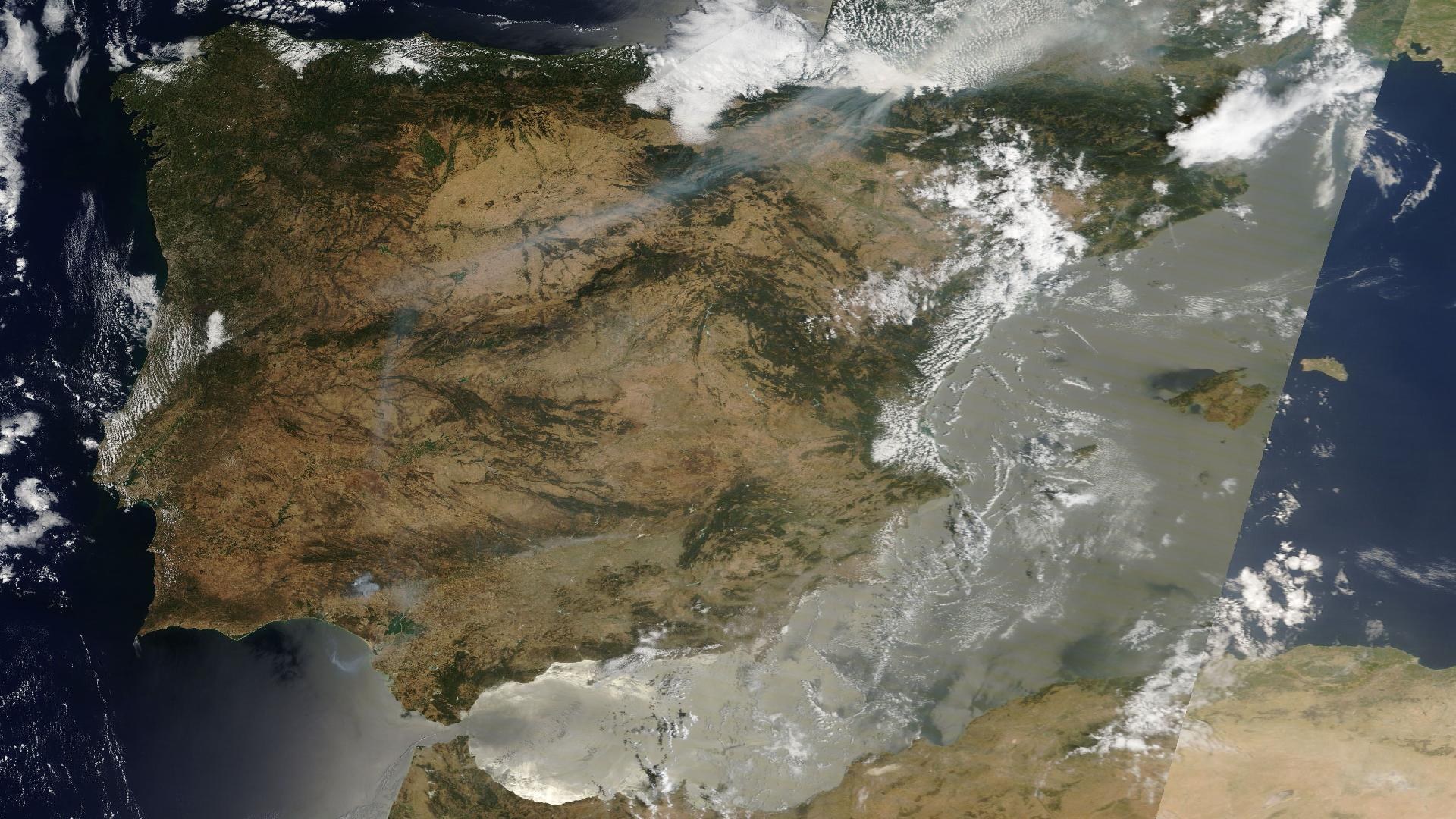
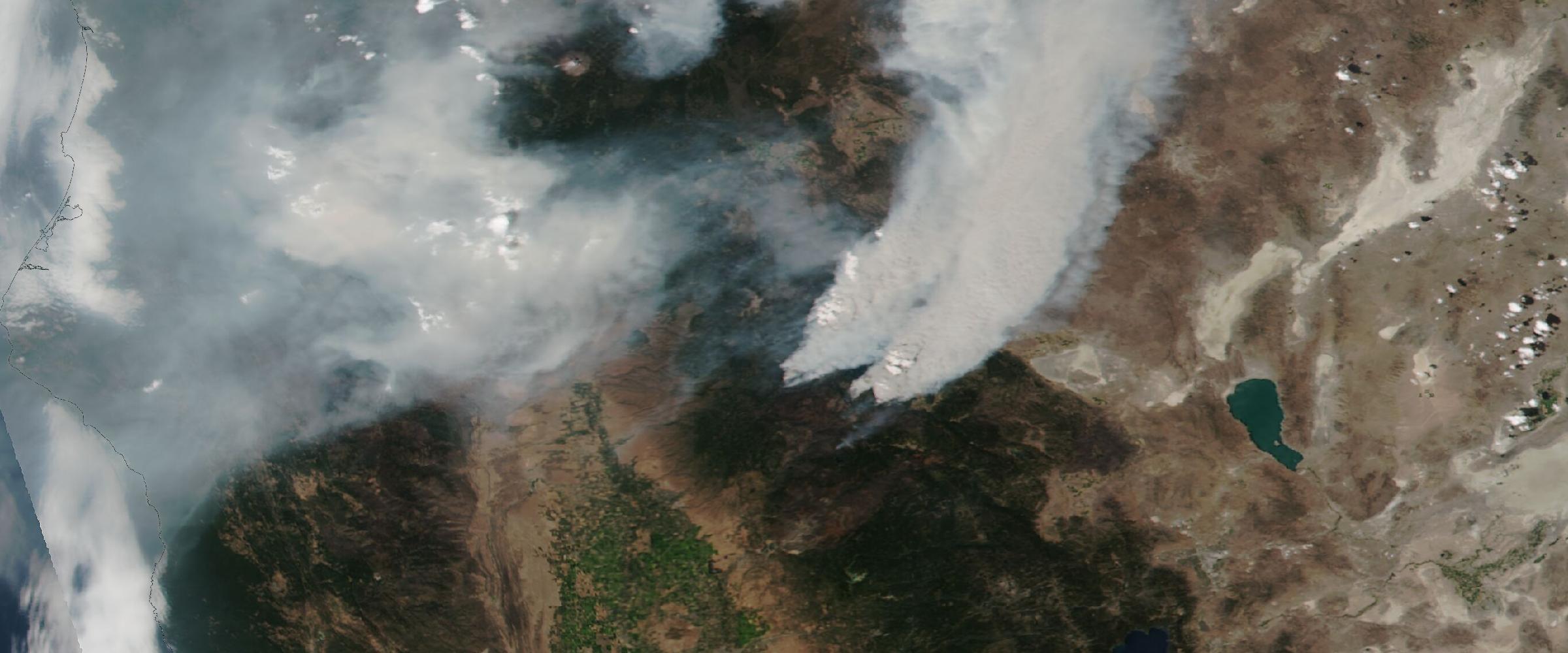
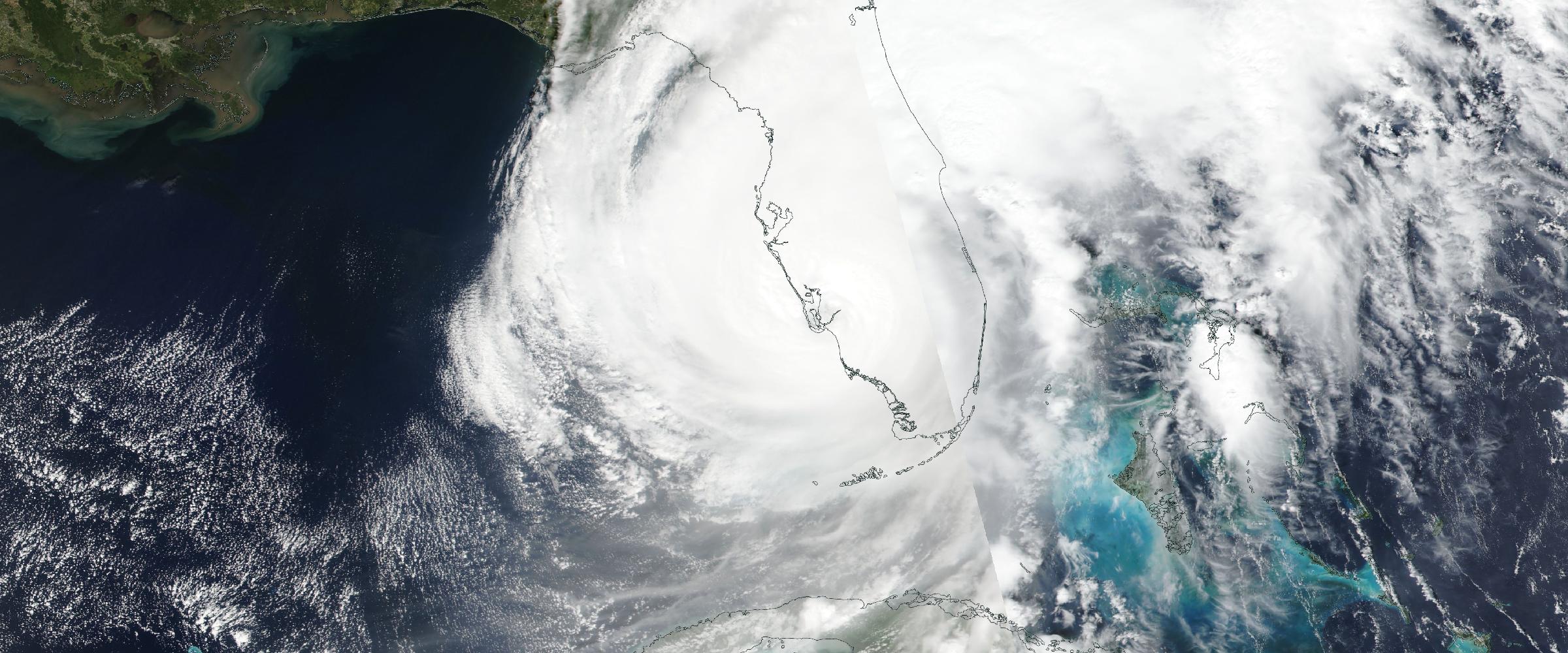
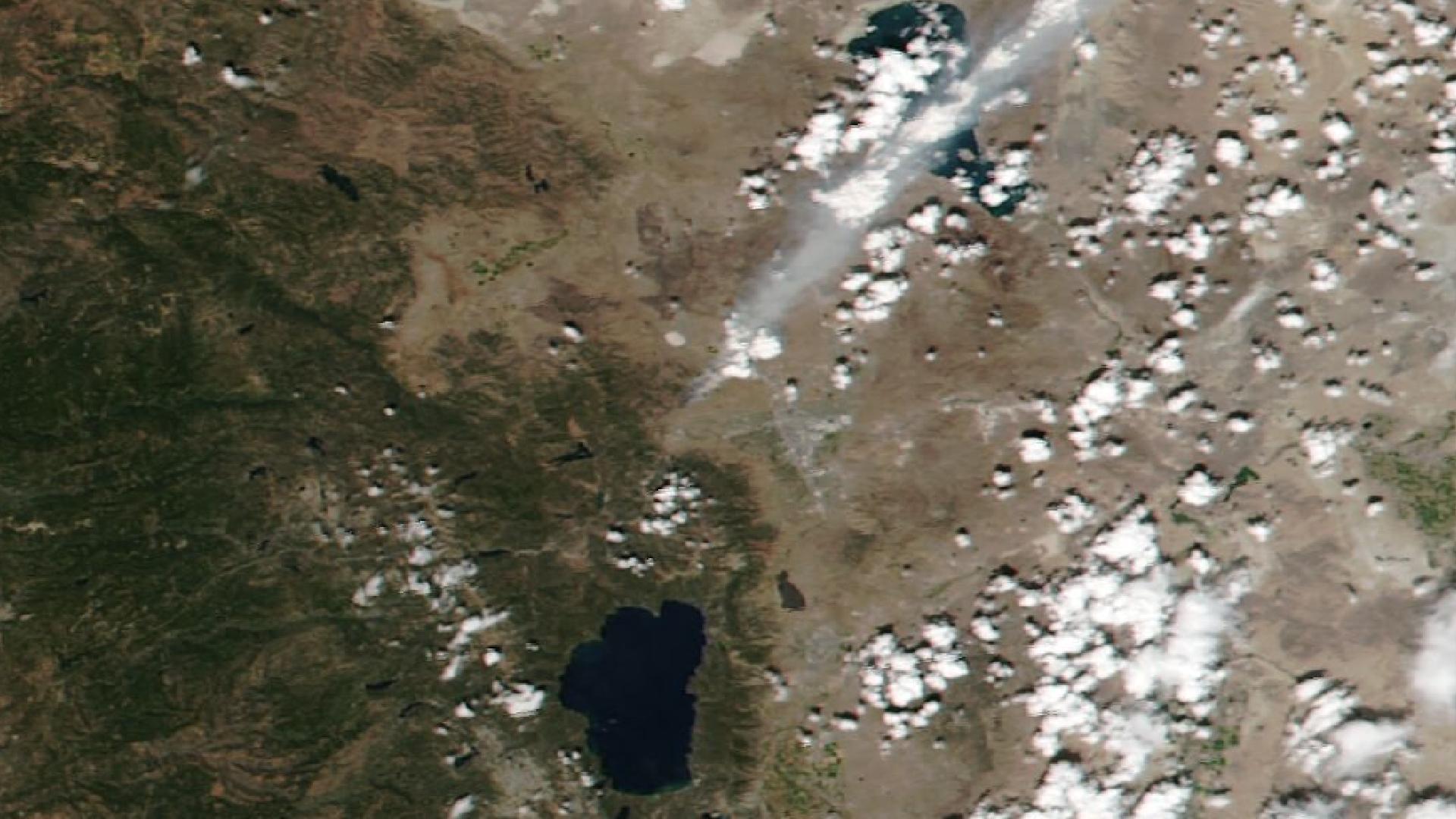
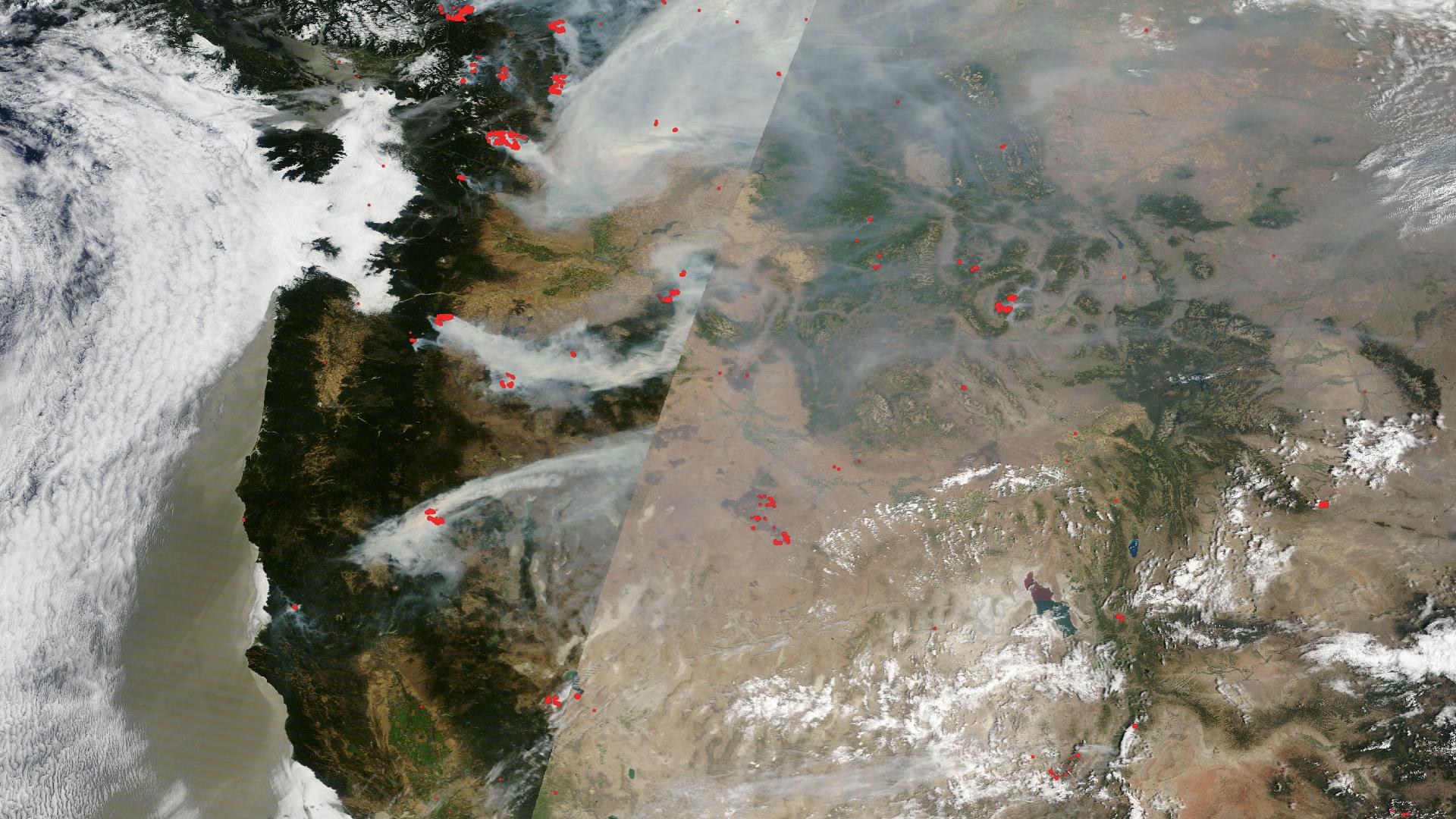
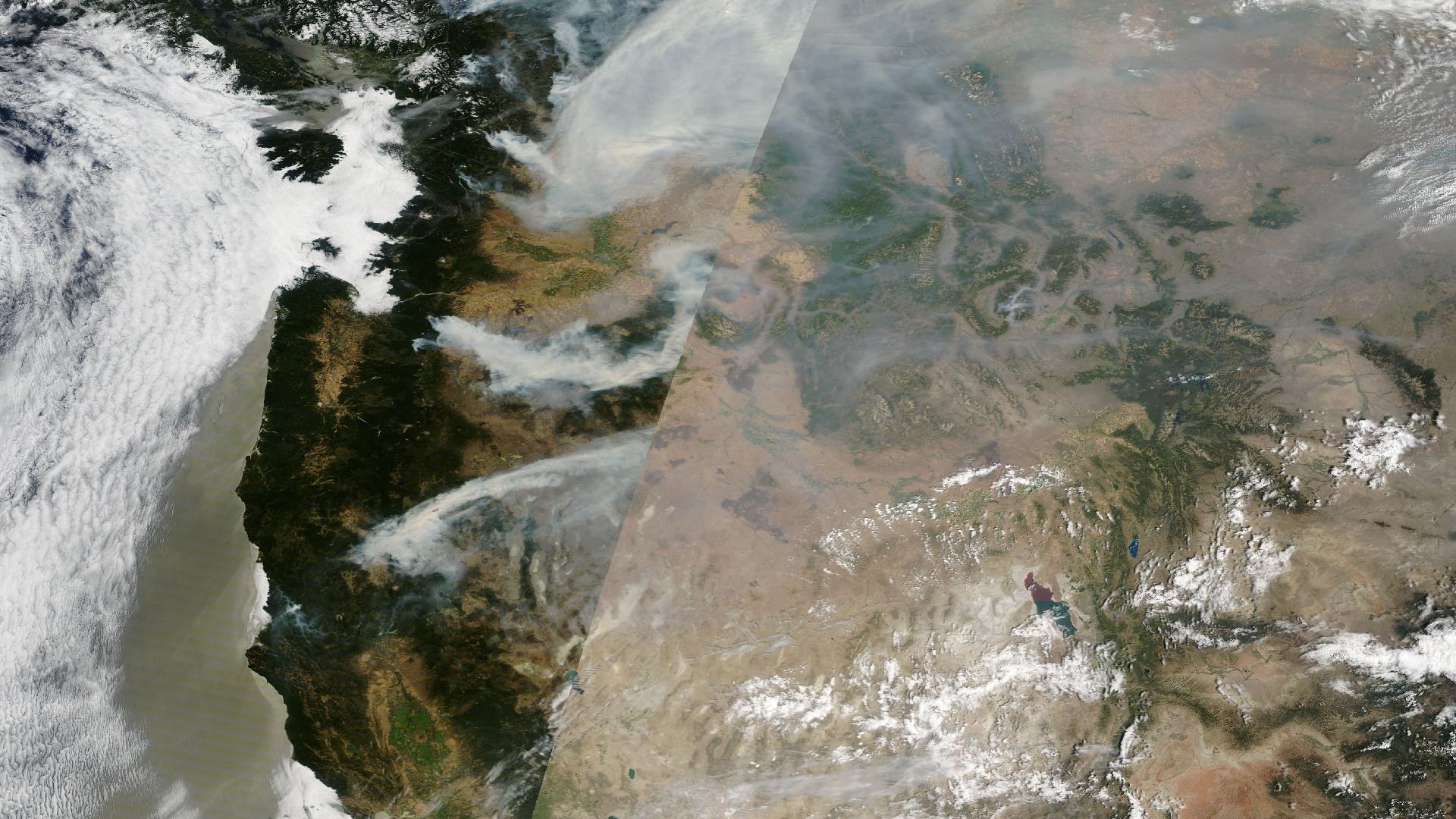
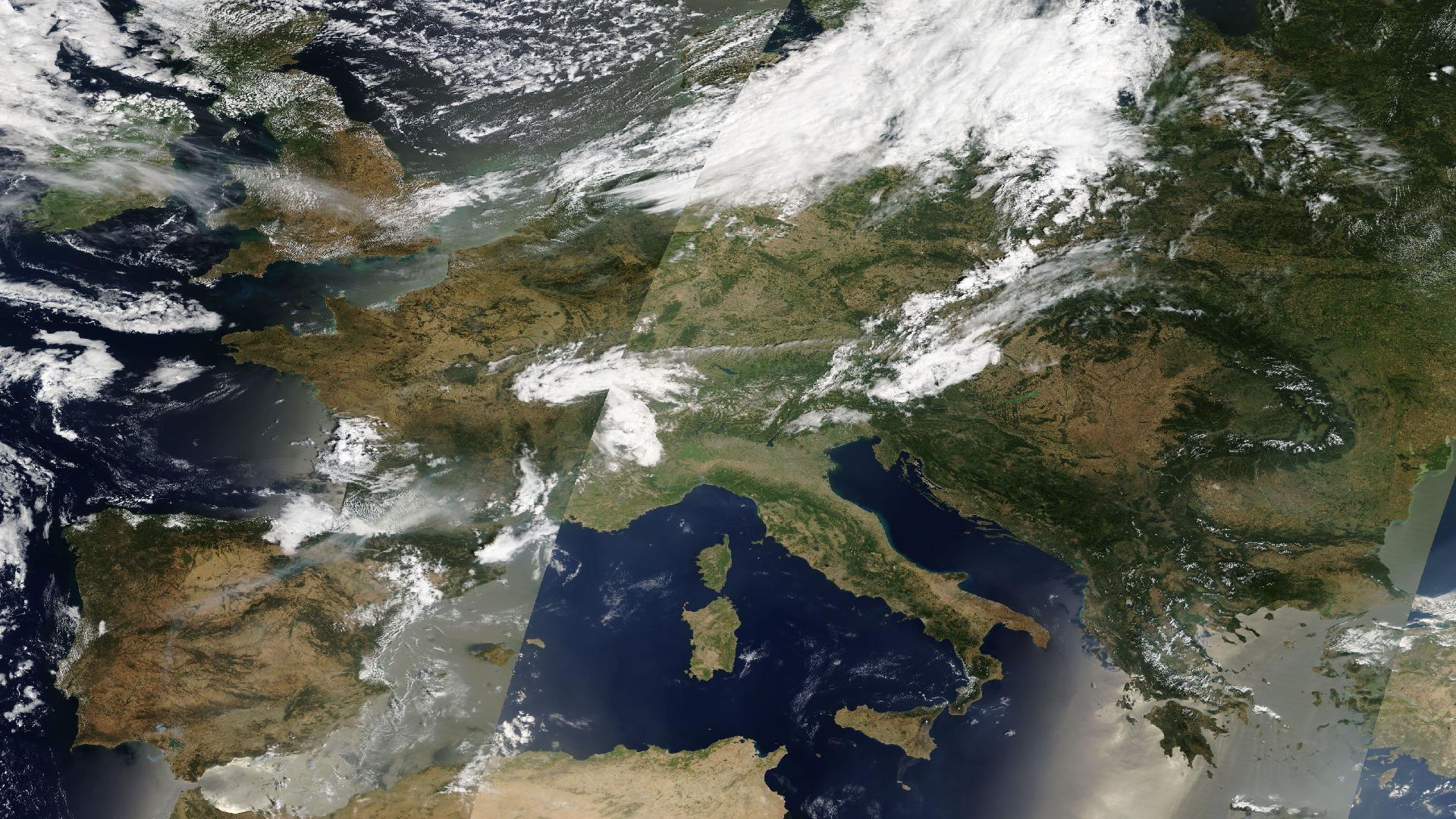
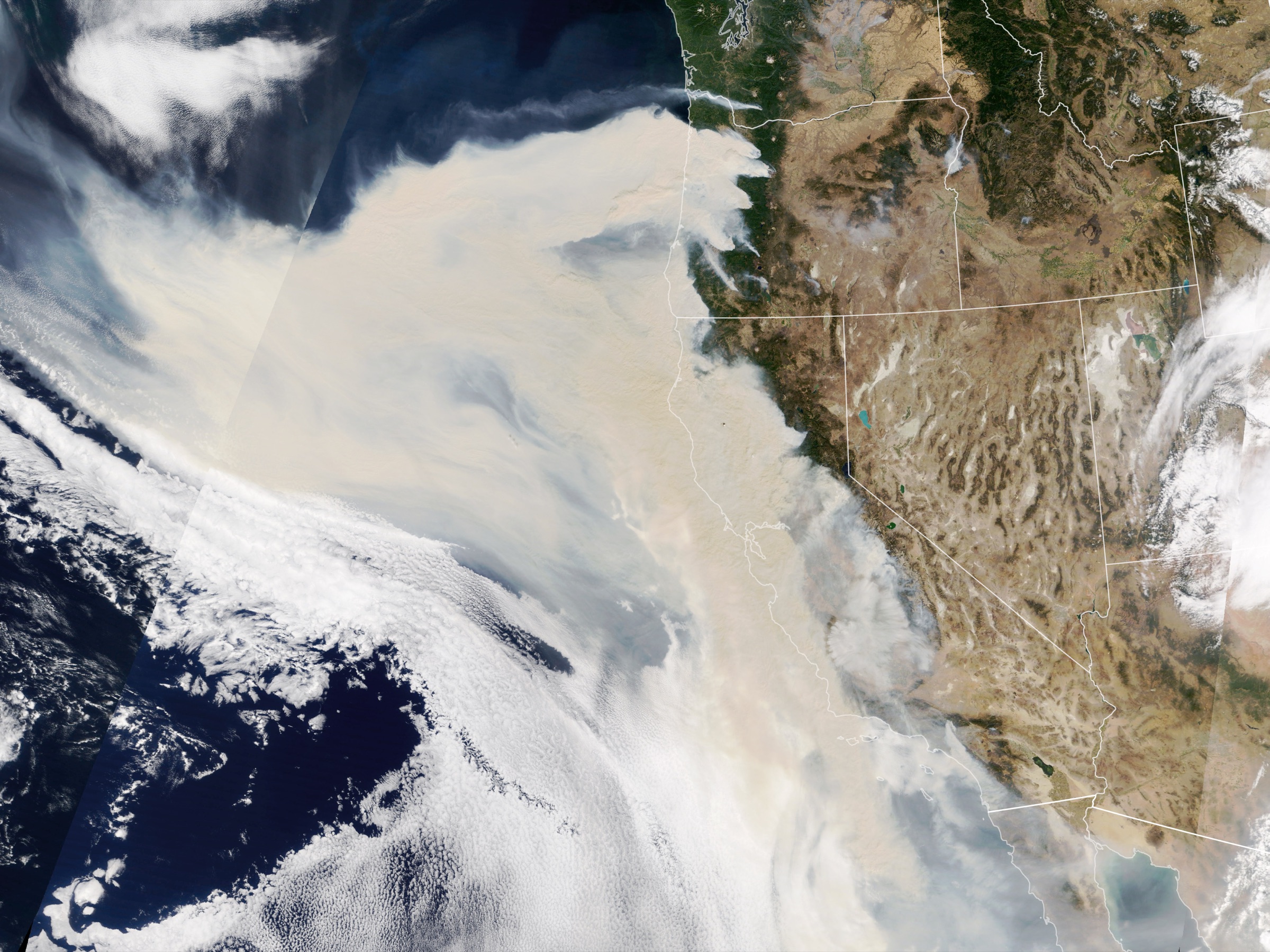
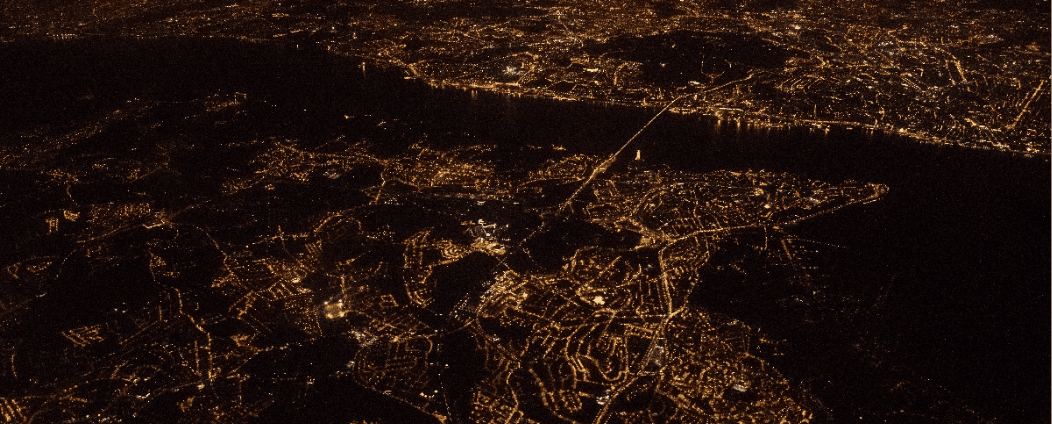
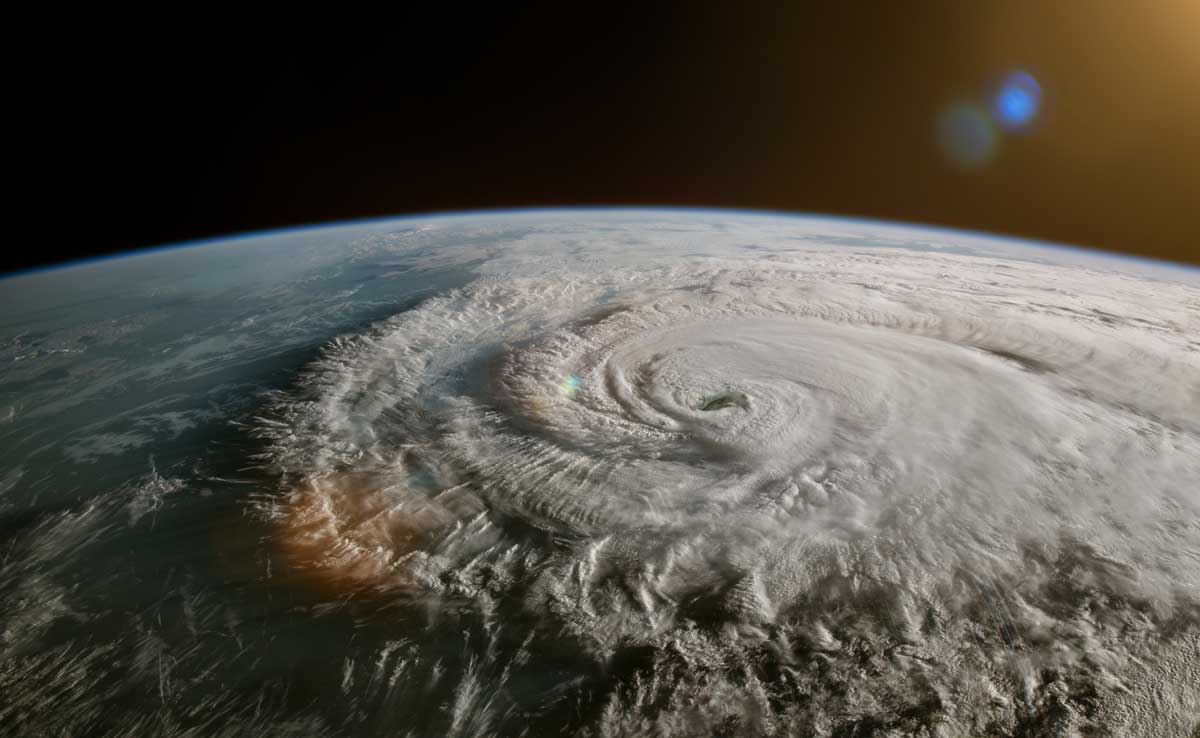
Banner: a single fire in northern Spain sending smoke across the entire peninsula (NASA MODIS, August 10, 2026) — one detection point, region-scale consequences. The gap between them is where decisions live.
These are decision-support questions.
At DisasterAWARE, we think about wildfire intelligence as four connected layers.
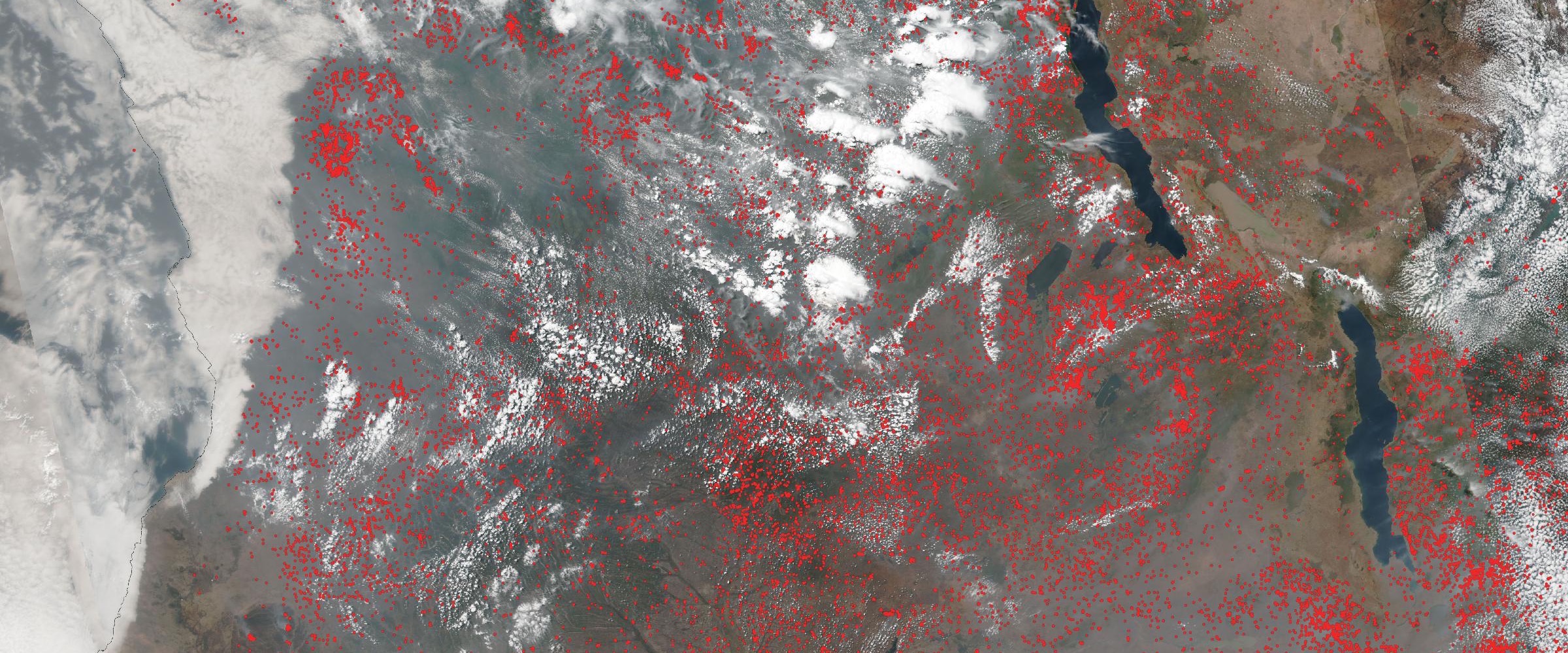
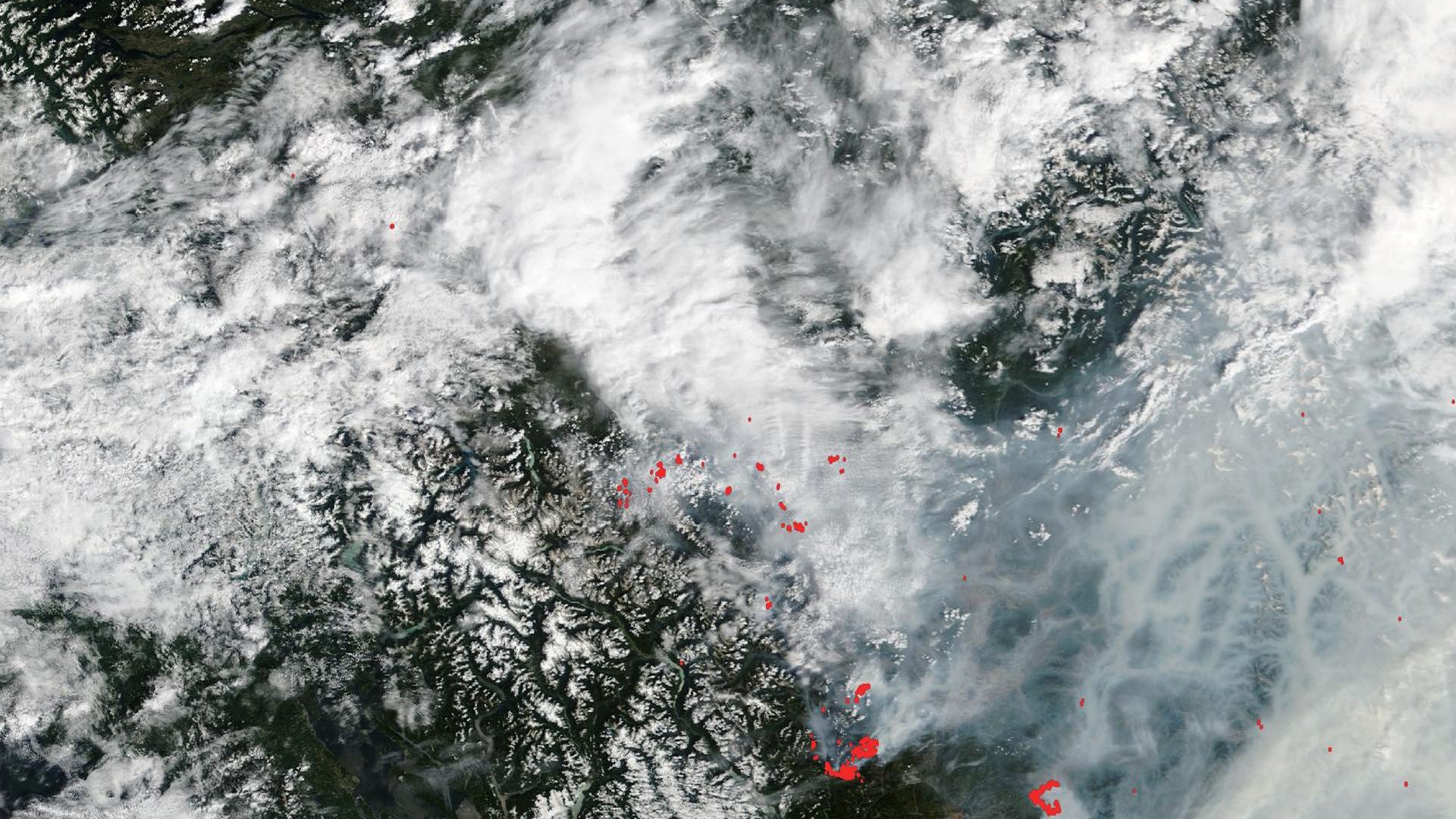
1. Detection — Satellite observations identify thermal activity as quickly as possible.
2. Verification — Official agencies confirm incidents, assign names, and provide operational information.
3. Intelligence — DisasterAWARE's proprietary models organize, enrich, and continuously update wildfire incidents using multiple authoritative sources.
4. Impact — Finally, organizations understand what actually matters: facilities, employees, infrastructure, insured assets, supply chains, and critical operations.
Because intelligence isn't valuable until it supports decisions.
Intelligence that supports decisions
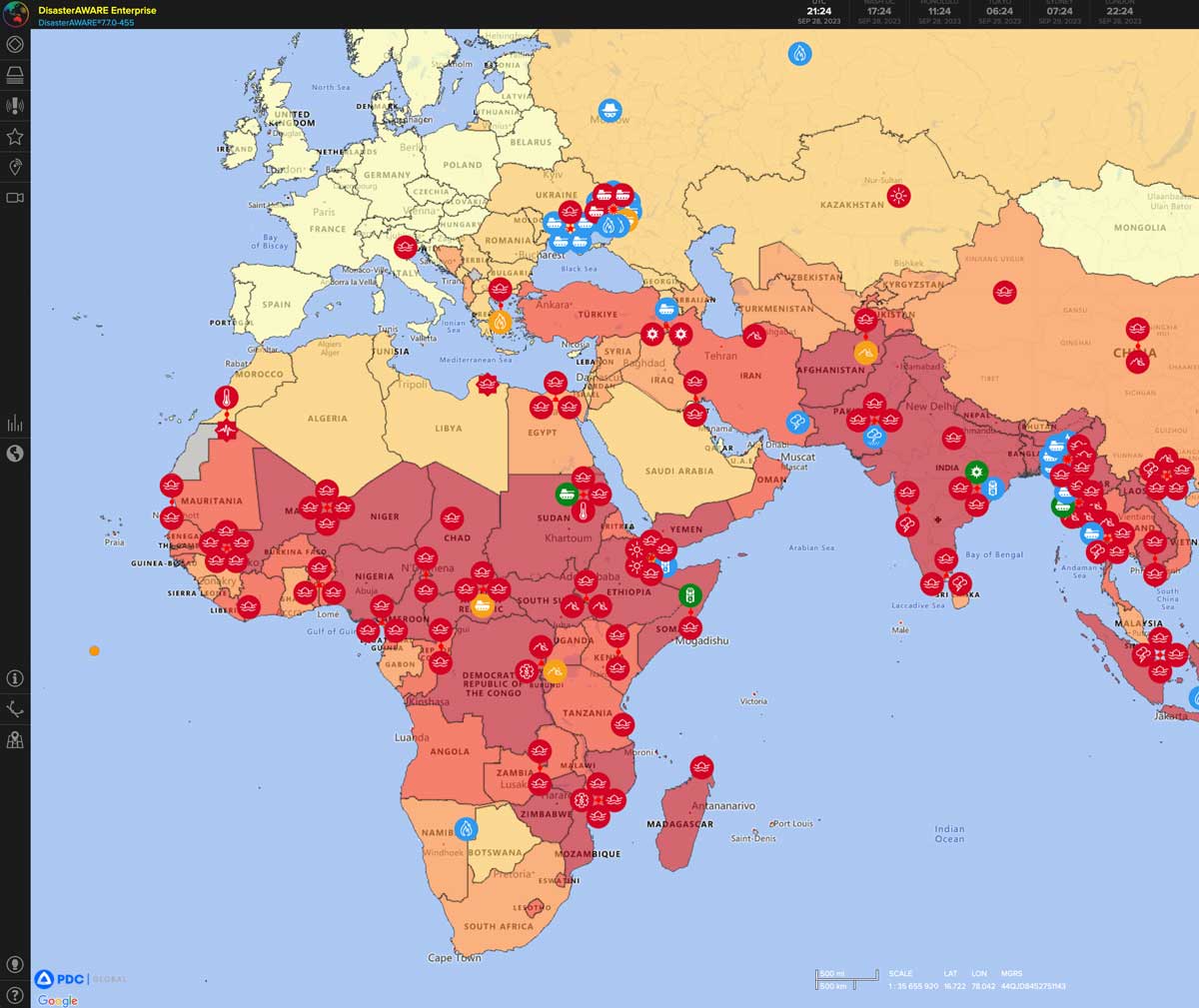
DisasterAWARE connects wildfire detection, verification, and analytics directly to your facilities, suppliers, and insured assets.
The future of wildfire intelligence isn't about publishing more maps. It's about helping organizations move from:
Detection → Understanding → Action
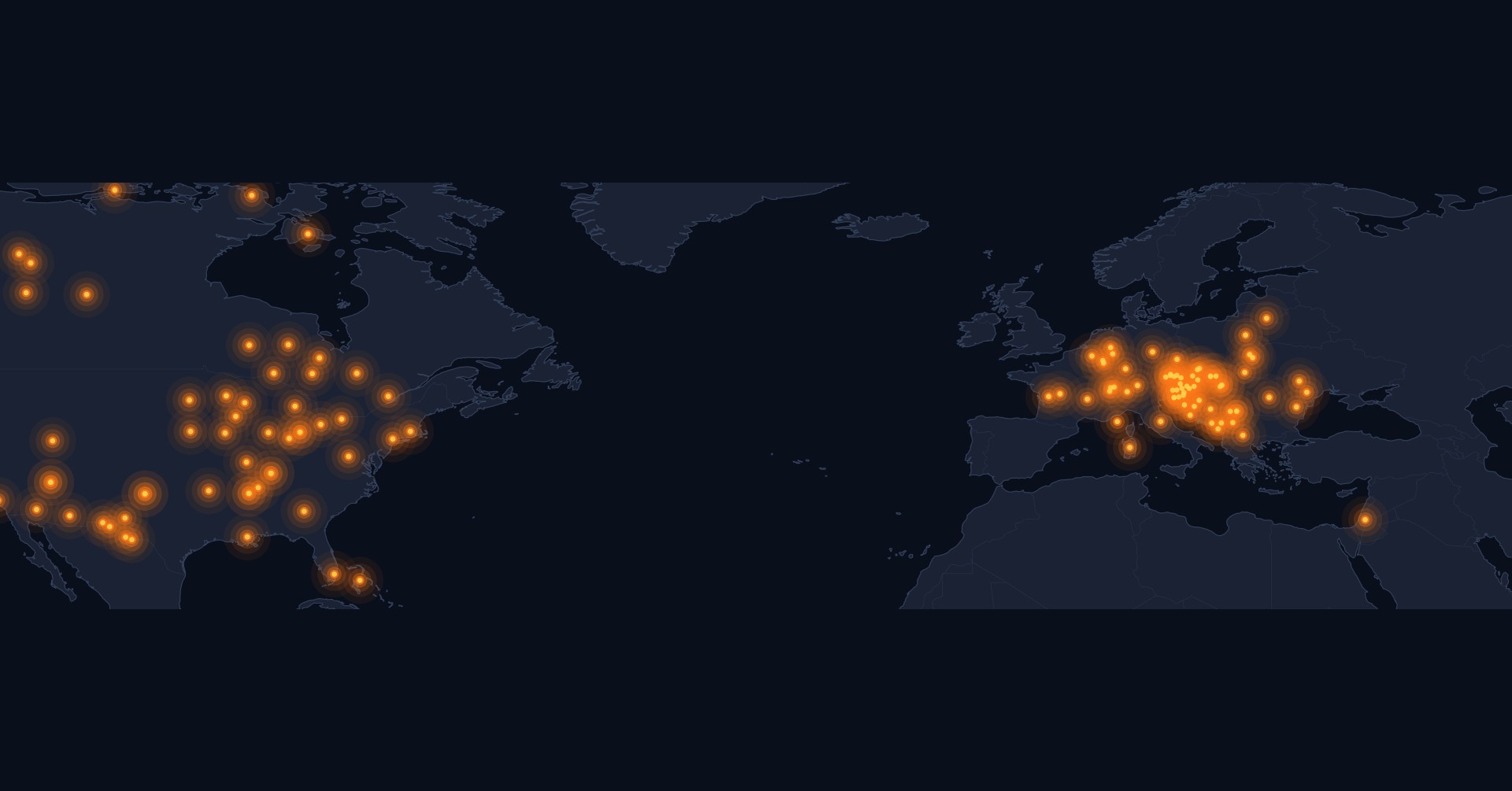
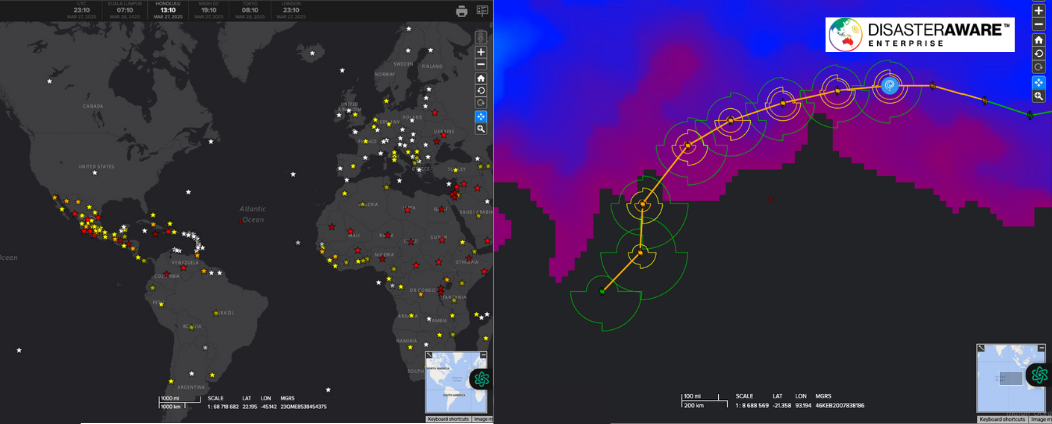
That's why DisasterAWARE combines NASA FIRMS, official incident reporting across the US, Canada, Australia, and Europe, and proprietary analytics into a unified operational platform — the same detect-verify-assess loop that defines event intelligence across every hazard we cover.
Because when every minute counts, organizations need more than data. They need trusted intelligence that supports better decisions. Start from the full wildfire intelligence overview, or watch the four layers working on the live wildfire hub.
What are the four layers of wildfire intelligence? Detection (satellite thermal observations, as fast as possible), verification (official agencies confirm and name incidents), intelligence (analytics organize and continuously update incidents from multiple sources), and impact (exposure assessment against facilities, people, and assets — the layer where decisions happen).
What's the difference between wildfire detection and wildfire intelligence? Detection tells you heat was observed somewhere. Intelligence tells you which incident it belongs to, how it's evolving, whether officials have confirmed it, and — critically — what of yours is exposed. Detection is an input; intelligence is what operations teams can act on.
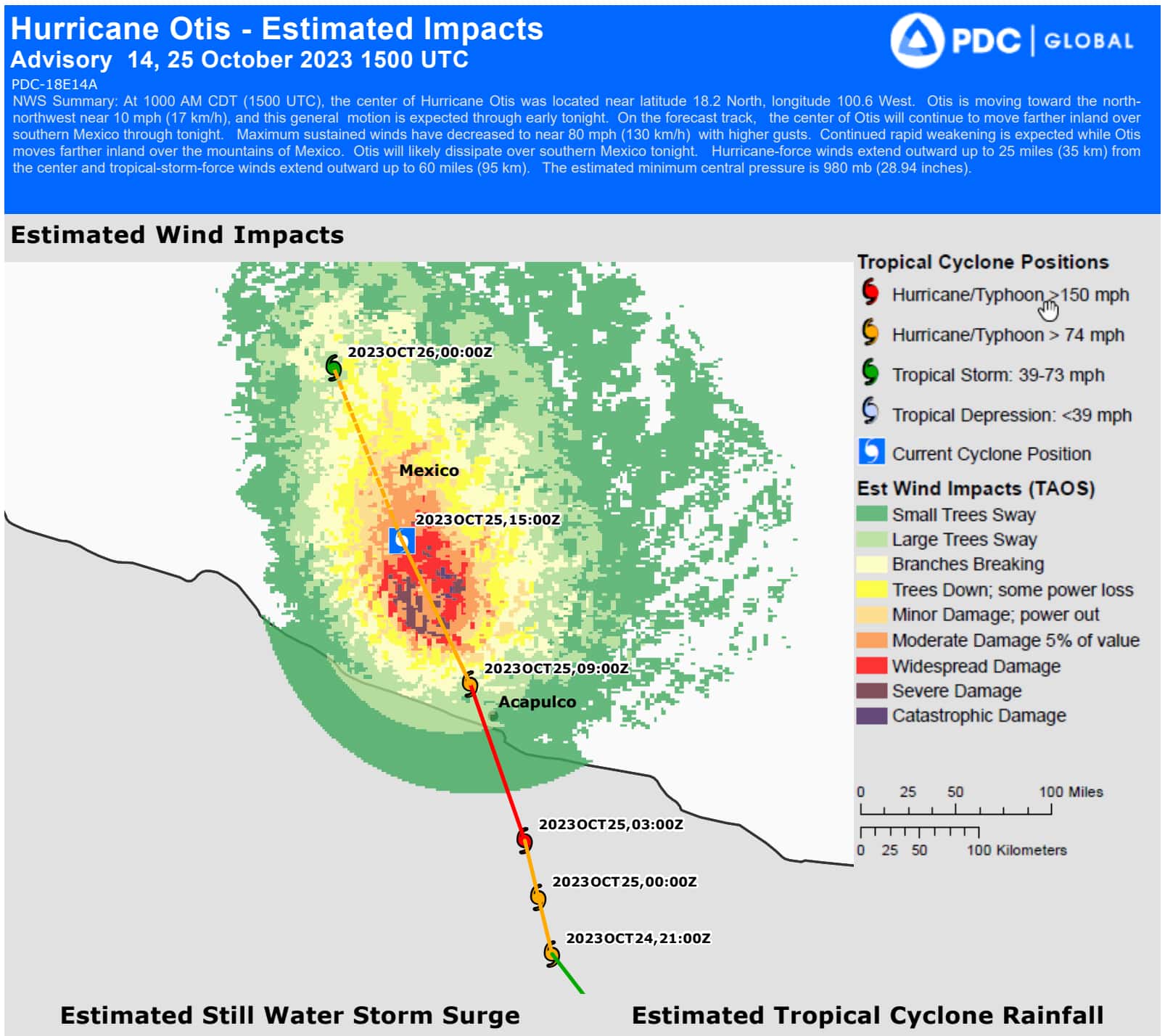
How does wildfire impact assessment work? Each incident's continuously updated footprint is intersected with population, infrastructure, and customer-supplied asset locations — facilities, suppliers, insured properties — so alerts arrive scoped to what's actually threatened rather than as generic fire notifications.









-min.png)
.png)
.png)

Decision-ready intelligence for understanding what's happening, what is impacted, and what to do next. Global hazard, severe weather, catastrophe, and physical risk intelligence trusted by governments, enterprises, insurers, humanitarian organizations, and technology platforms worldwide.
Request DemoContact Us

