


Wildfires don't respect political boundaries. Neither should wildfire intelligence.
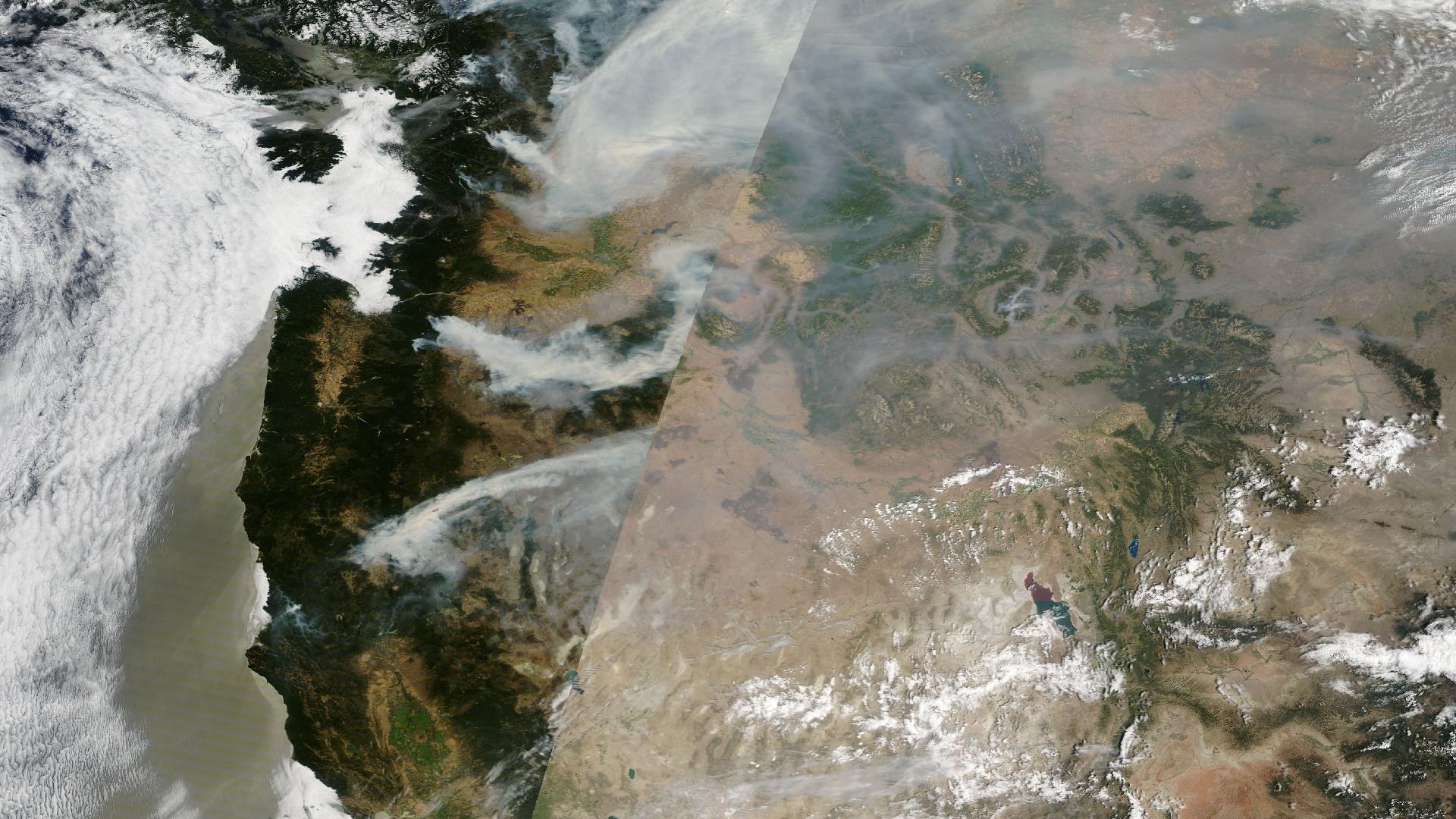
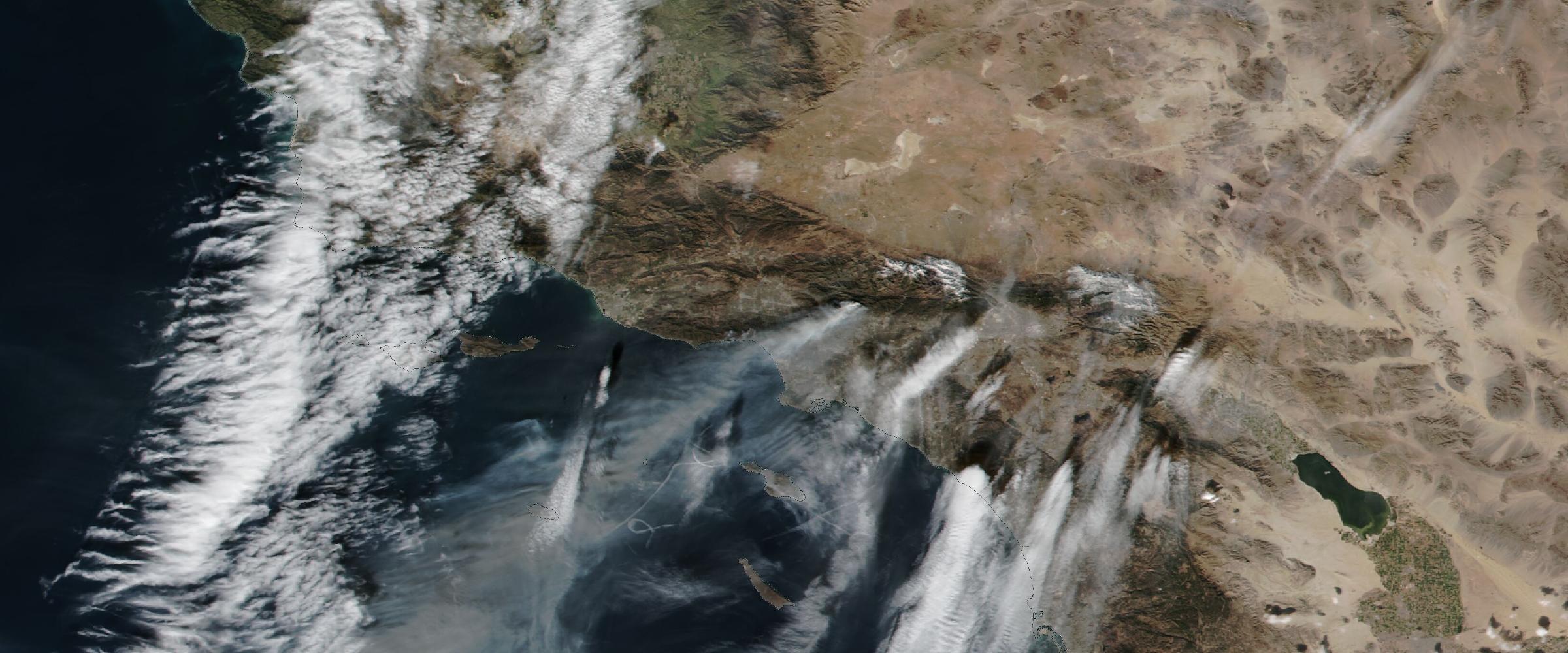
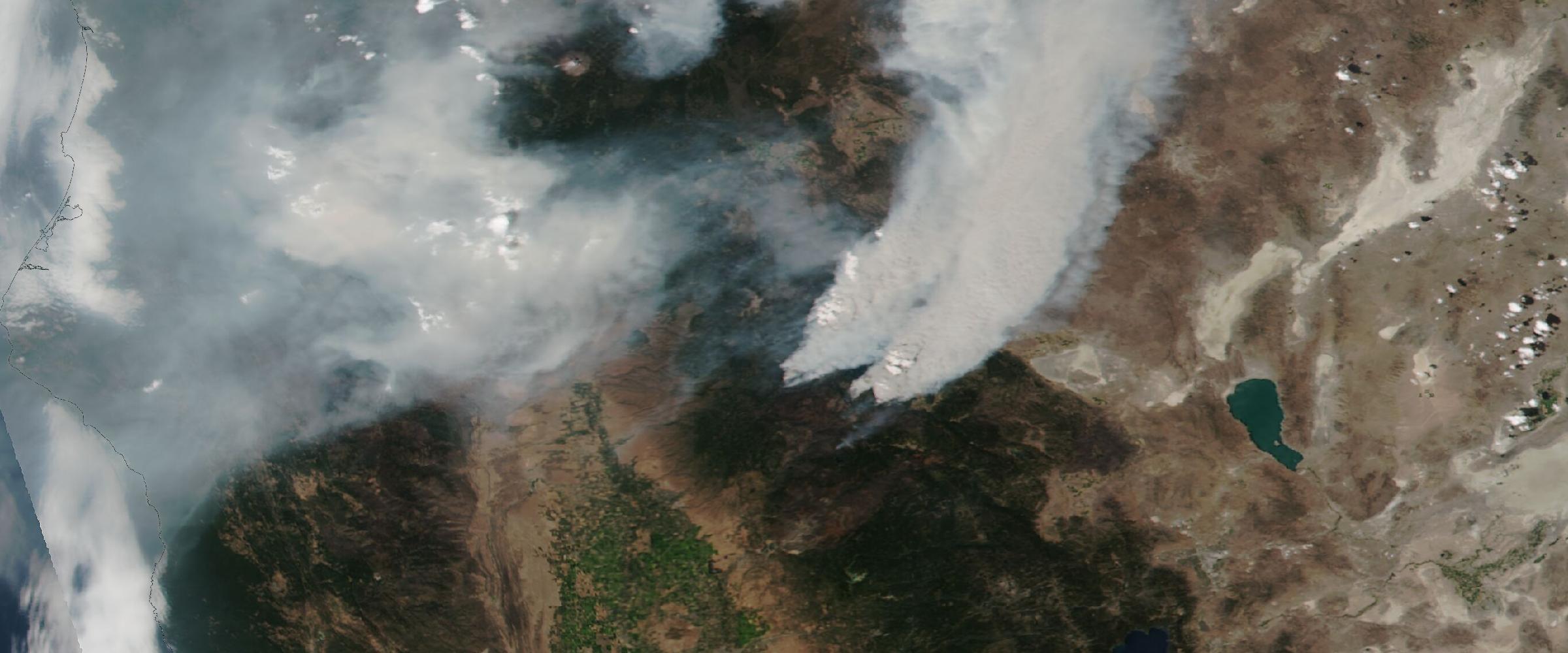
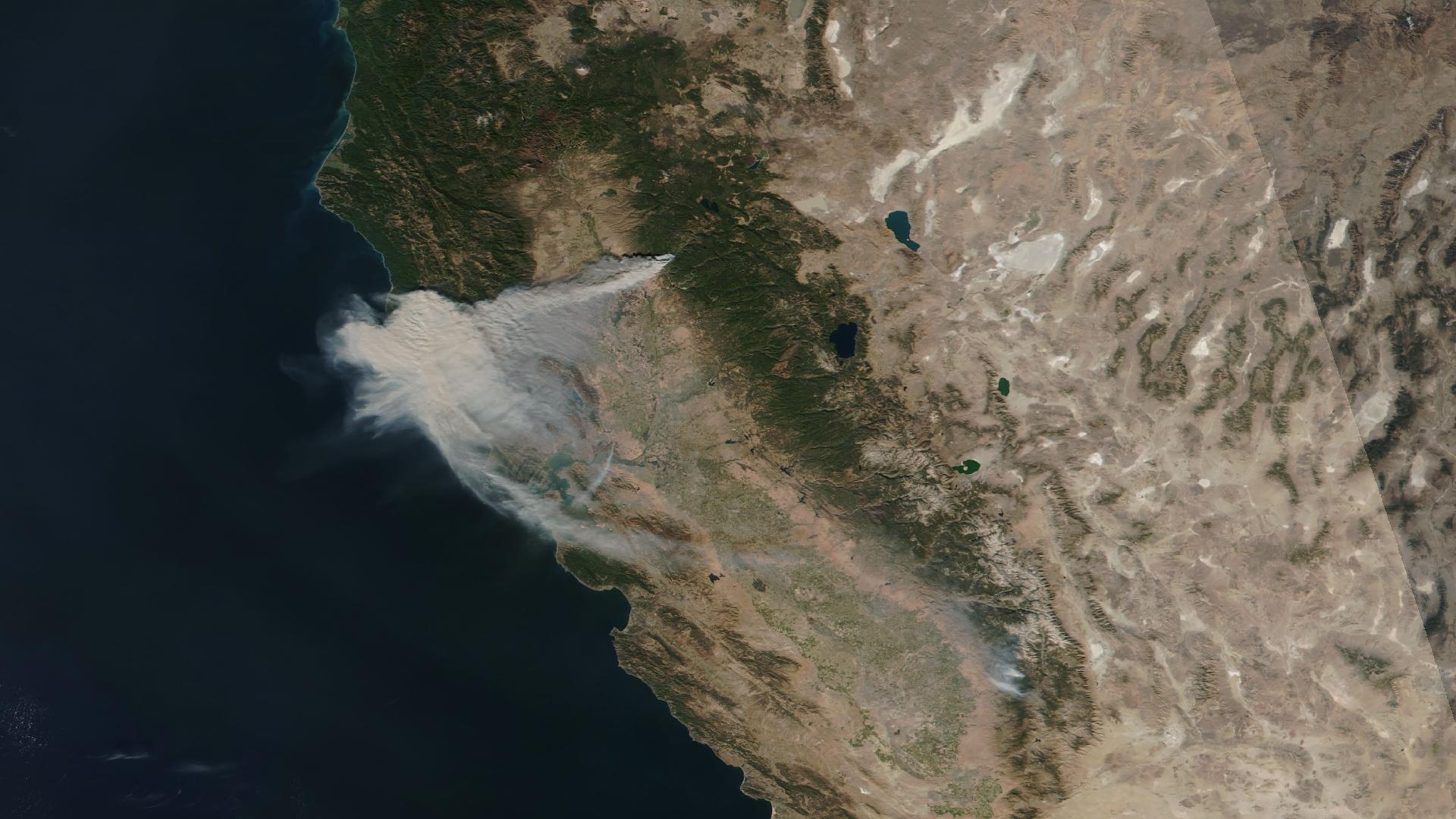
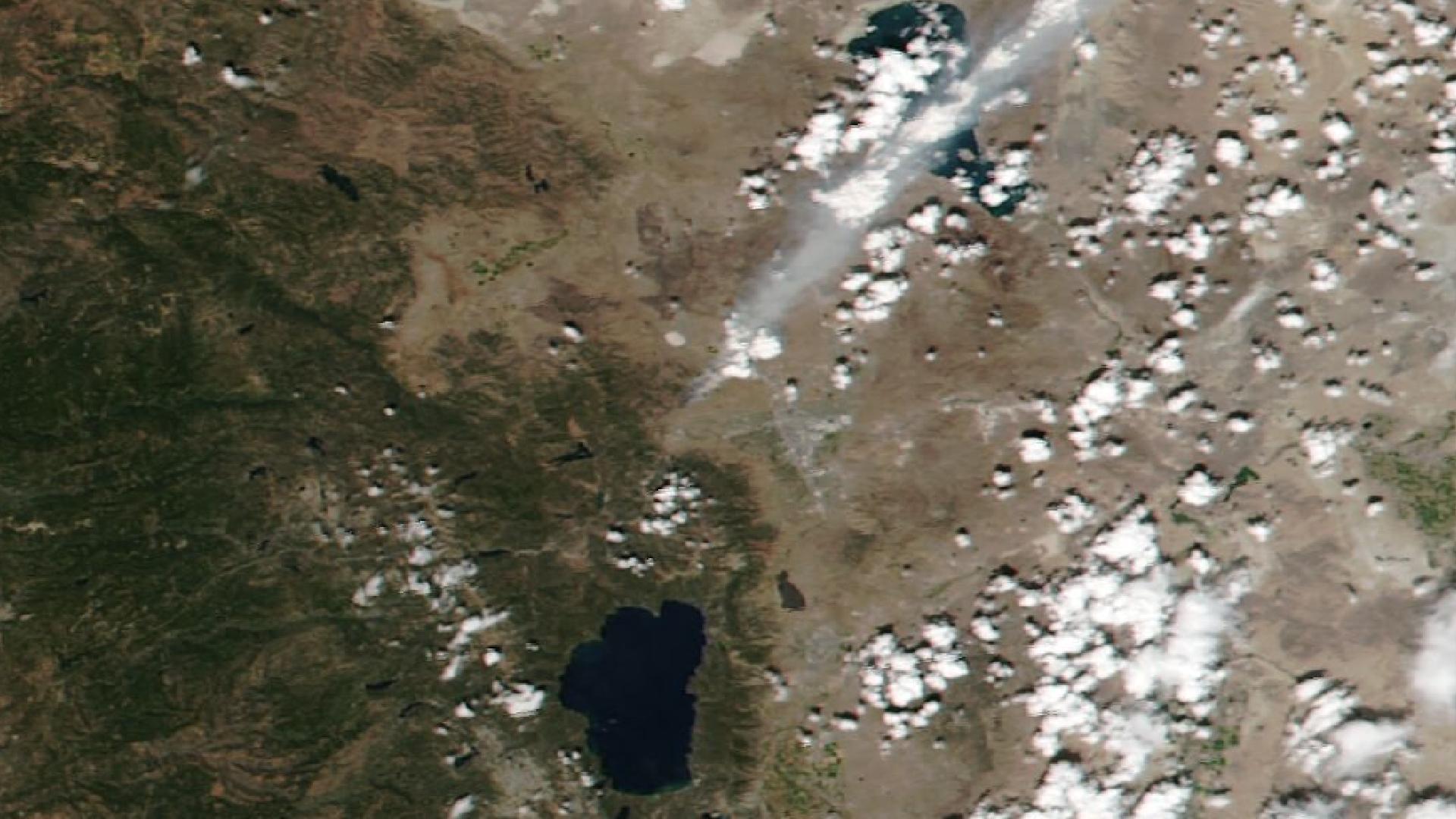
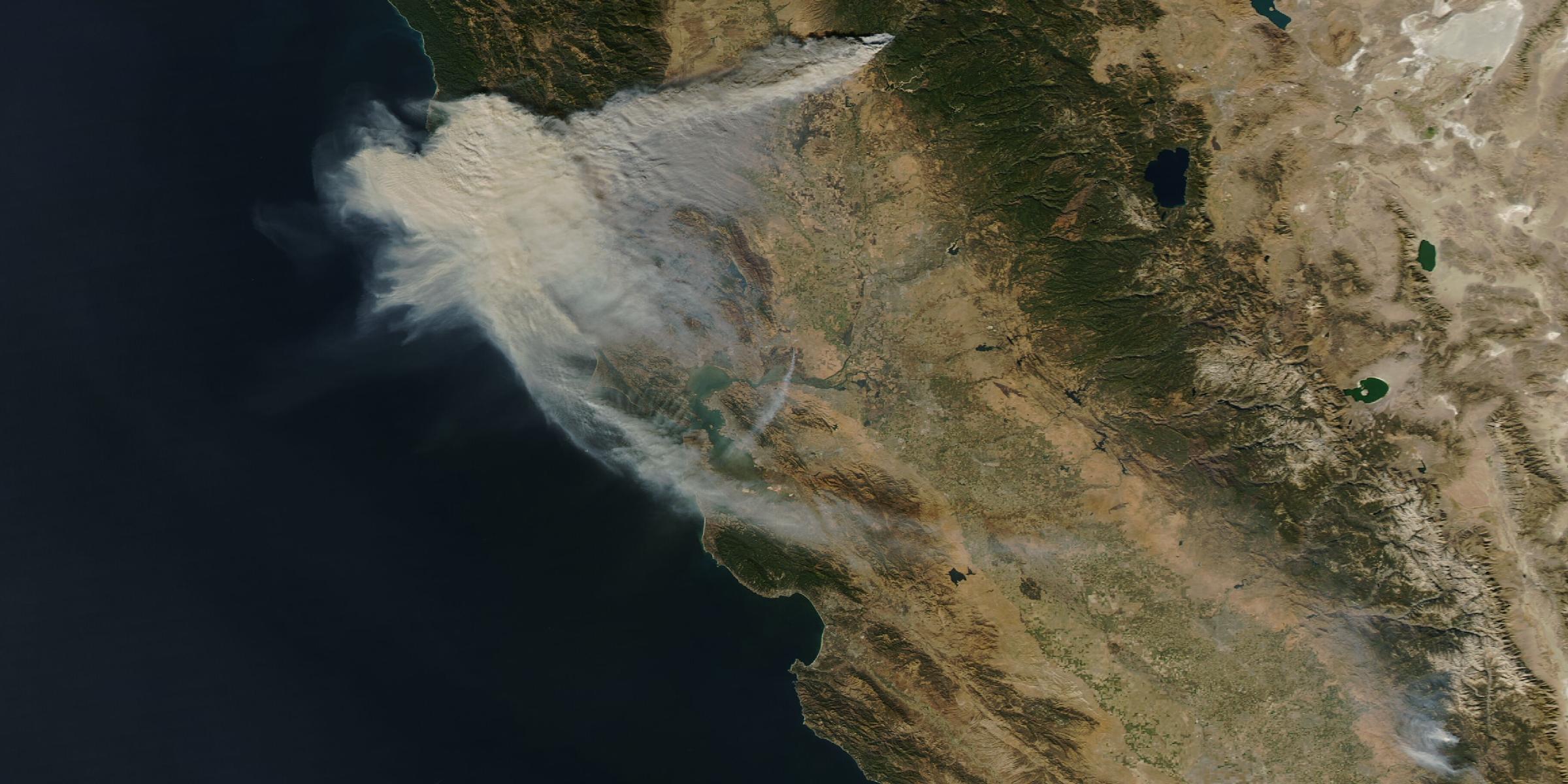
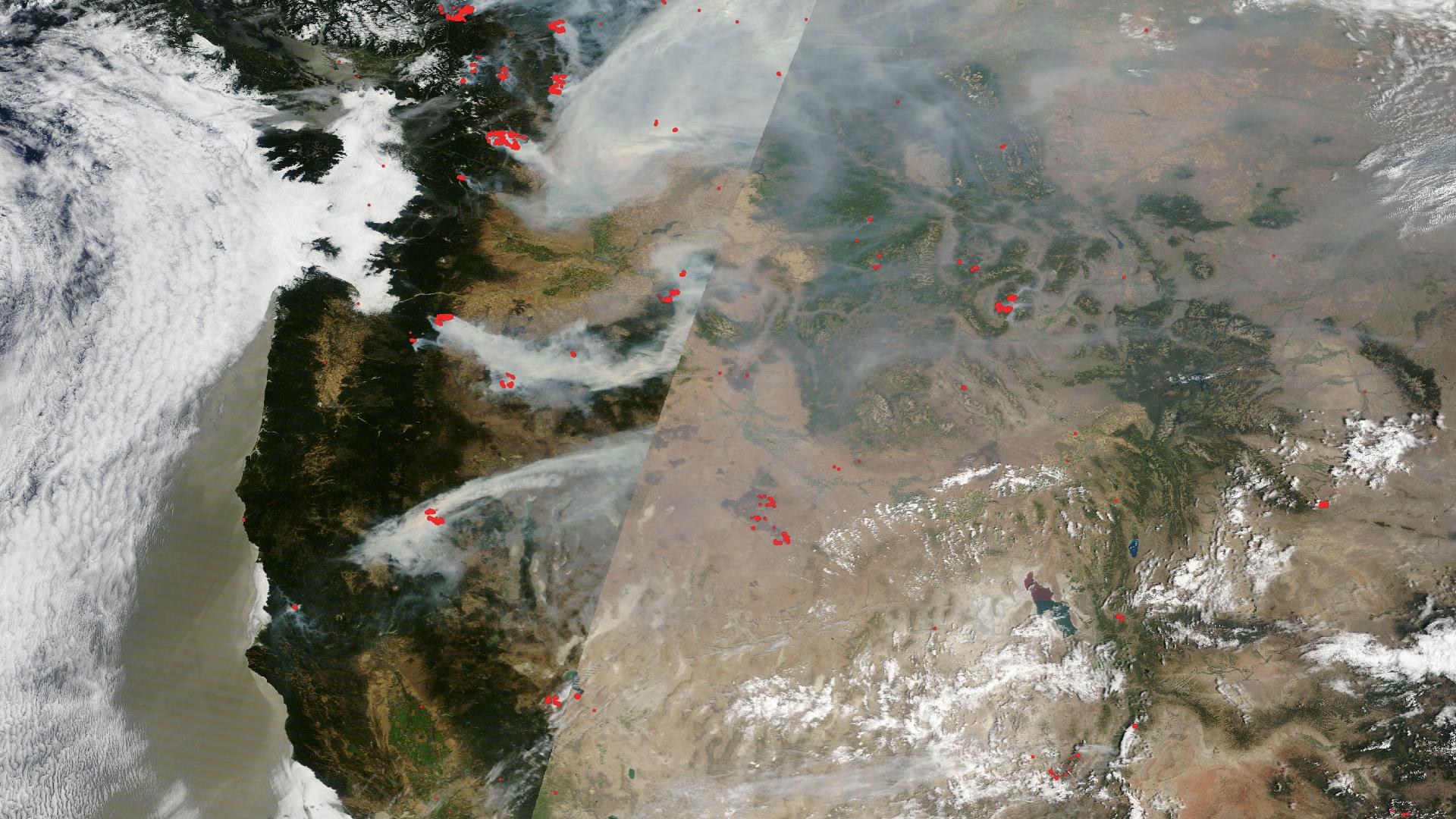
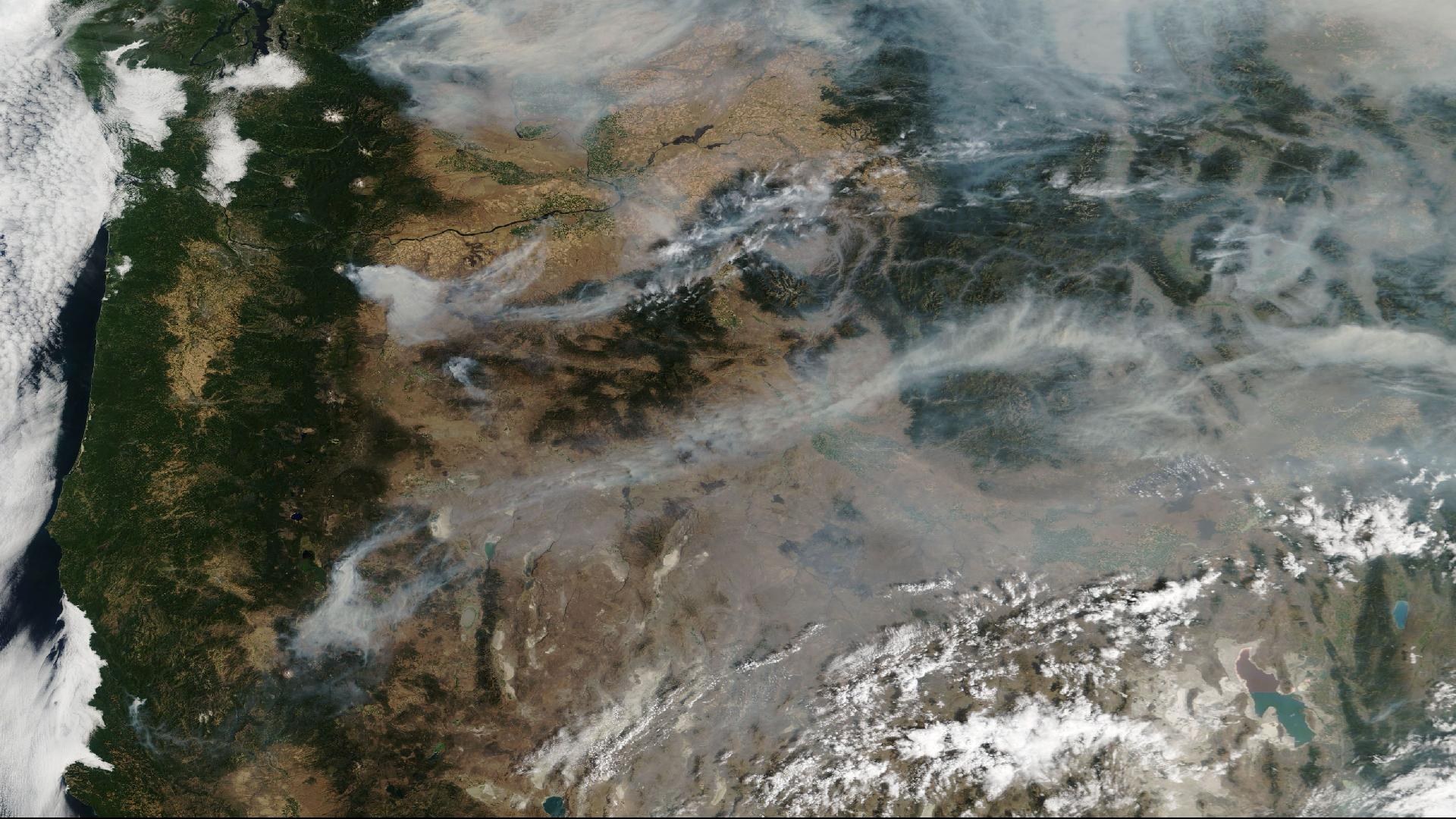
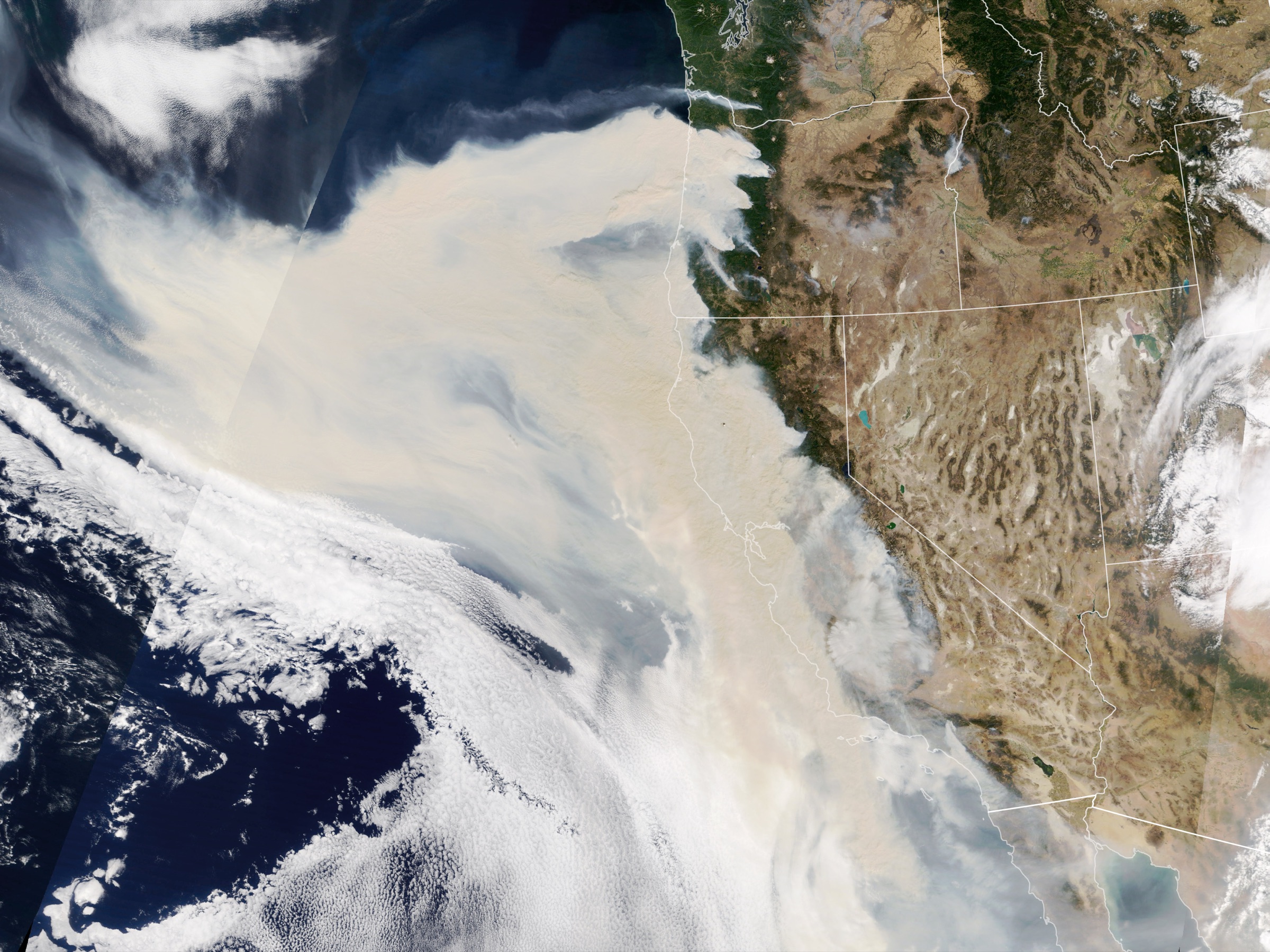
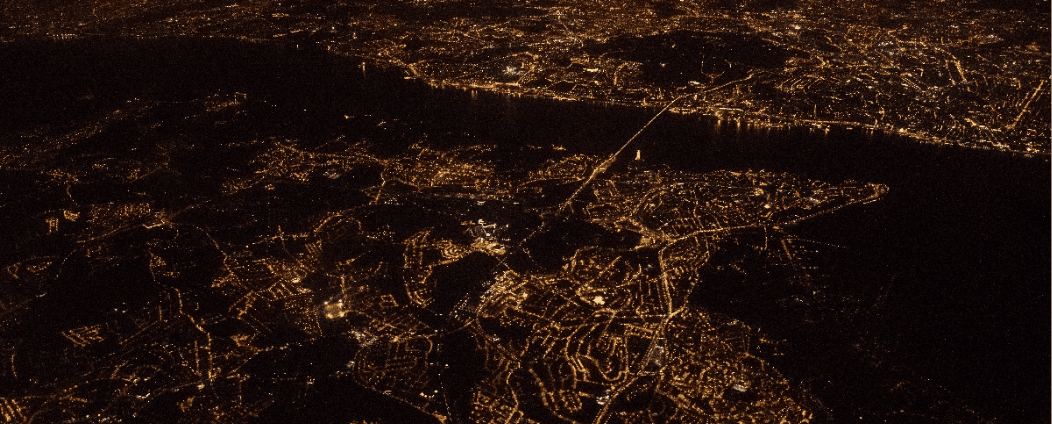
Banner: smoke plumes streaming across the U.S.–Canada border region of the Pacific Northwest (NASA MODIS, August 10, 2026) — fires on one side of a border, consequences on both.
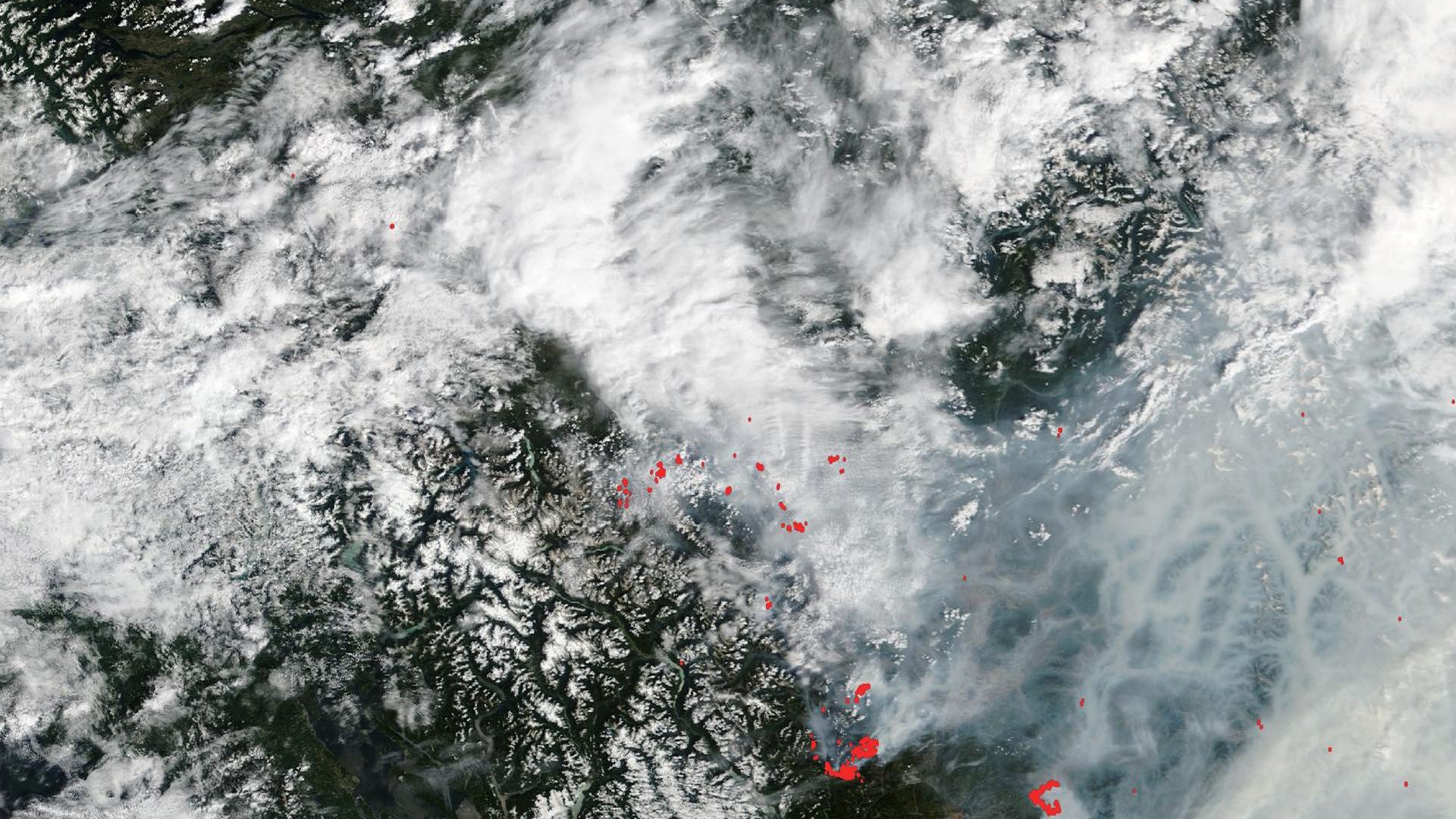
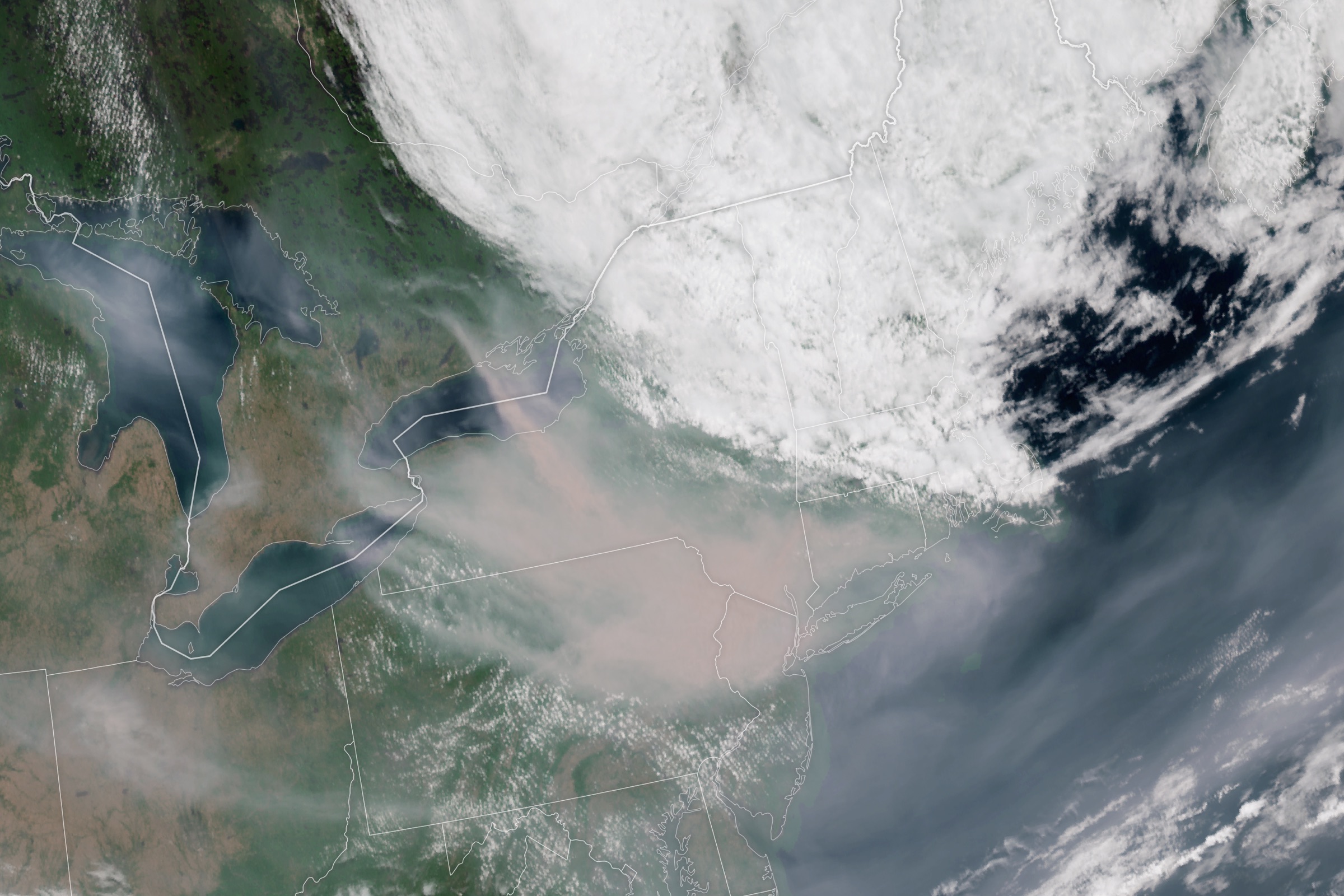
Over the past several years, Canadian wildfires have disrupted transportation, supply chains, insurance portfolios, energy infrastructure, and air quality across North America. For multinational organizations, monitoring only U.S. wildfire activity creates significant blind spots.
Canadian wildfires routinely affect:
Smoke can travel thousands of miles. Supply chains span multiple countries. Insurance portfolios certainly do.
Organizations increasingly require a North American view — not separate national maps.
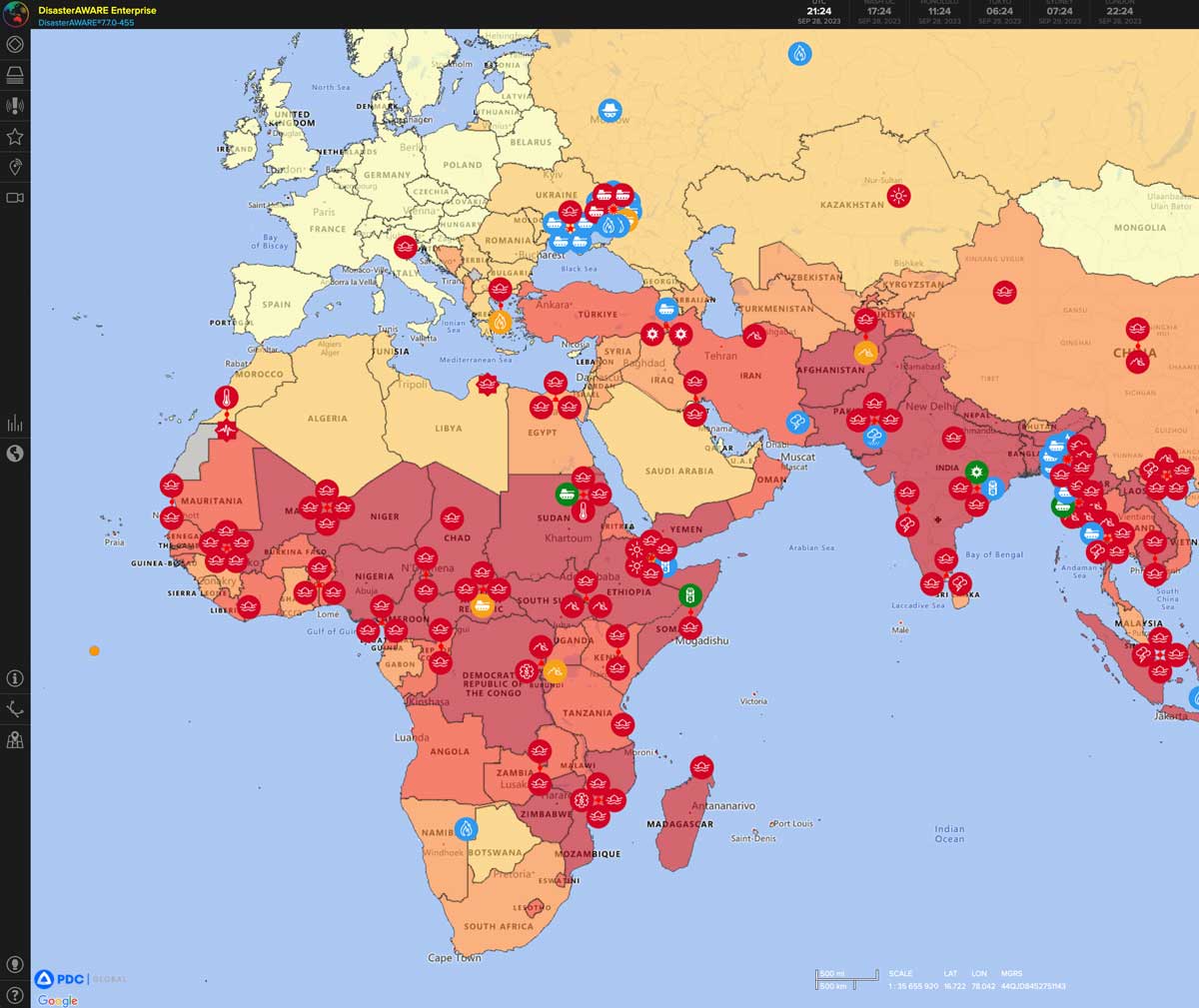
Monitor wildfire risk wherever it develops
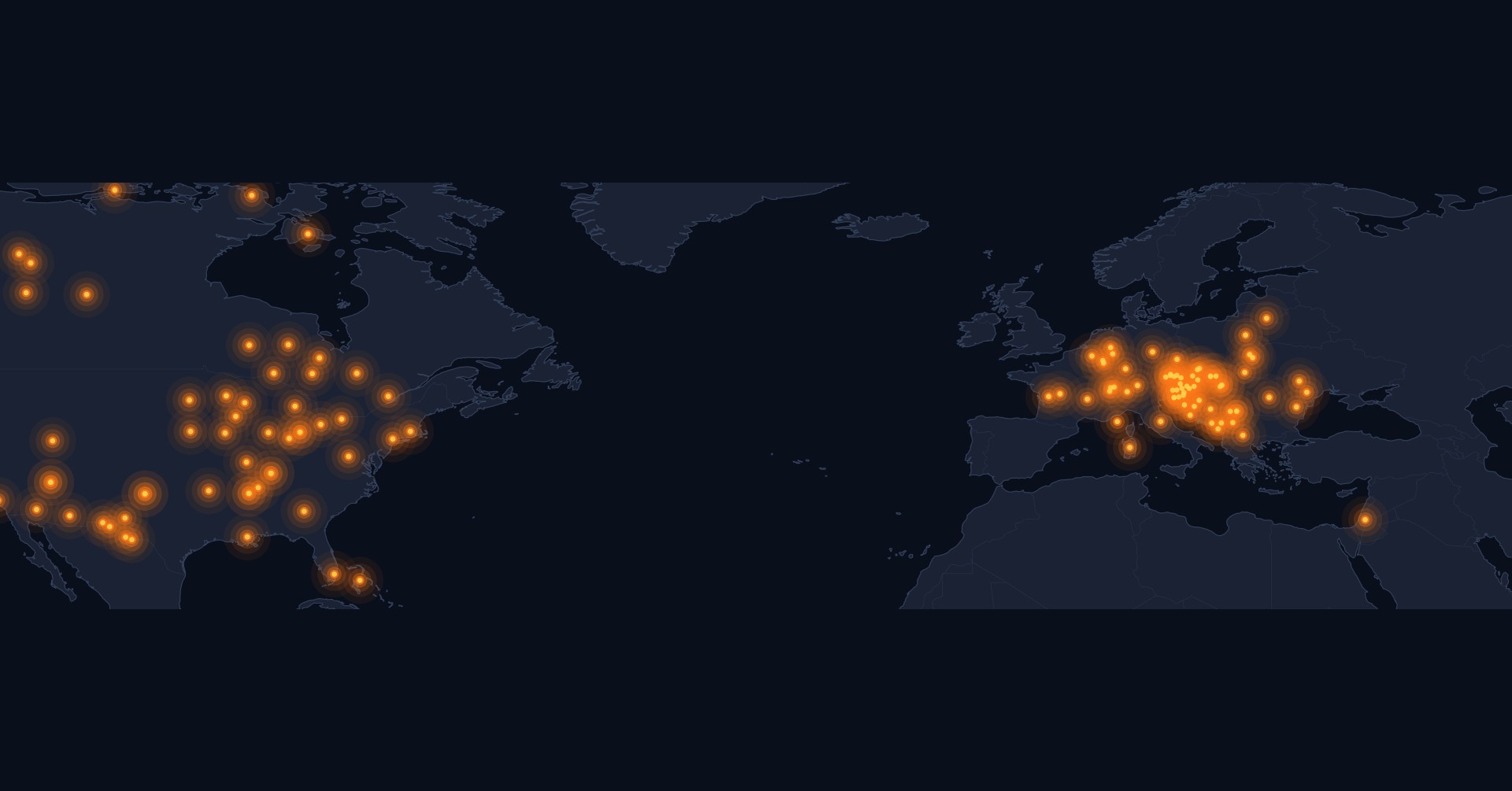
One platform for wildfire intelligence across the United States, Canada, Australia, and Europe — satellite detection plus authoritative agency reporting.
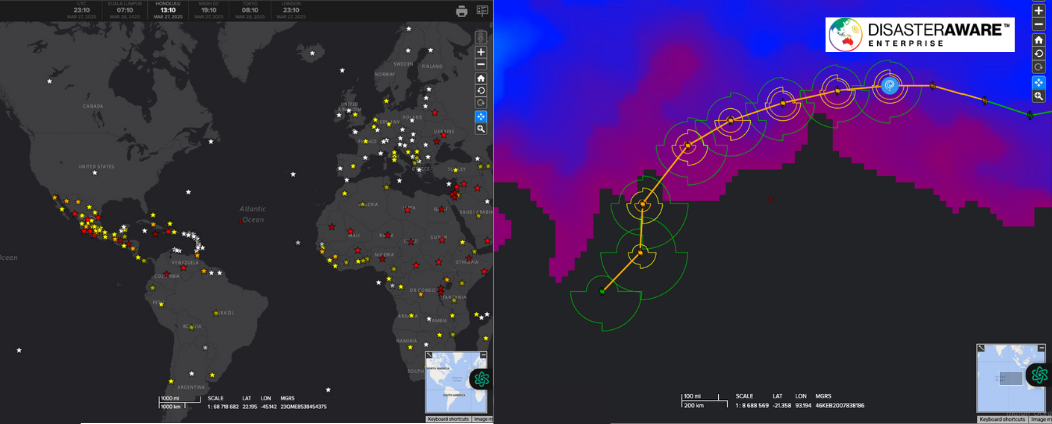
DisasterAWARE now integrates wildfire intelligence across the United States, Canada, Australia, and Europe. By combining:
customers receive a more unified operational picture. Instead of switching between multiple government websites and regional datasets, users can monitor wildfire activity from one platform — the same way MeteoAlarm now unifies European severe weather in DisasterAWARE.
The organizations we support don't operate within state or provincial boundaries. Their facilities, suppliers, employees, and customers are distributed across continents. Wildfire intelligence should reflect that reality.
By expanding authoritative wildfire coverage across North America, Australia, and Europe, DisasterAWARE helps organizations monitor risk wherever it develops — see what's burning right now on the live wildfire hub, or start from the full wildfire intelligence overview.
Do Canadian wildfires really affect US operations? Routinely. Beyond direct cross-border supply chain and rail disruption, Canadian wildfire smoke degrades air quality across large parts of the United States for weeks at a time — affecting aviation, outdoor operations, employee health policies, and business continuity far from the fires themselves.
Which countries' official wildfire reporting does DisasterAWARE integrate? Authoritative agency reporting across the United States (NIFC), Canada, Australia, and Europe — layered on top of global satellite detection from NASA FIRMS and DisasterAWARE's proprietary incident analytics.
Why not just use each country's government wildfire site? Each site covers one jurisdiction with its own formats, update cadences, and conventions. Multinational monitoring means either stitching those together manually during an active event, or consuming one unified picture where every incident — regardless of country — arrives in a consistent, exposure-assessed form.









-min.png)
.png)
.png)

Decision-ready intelligence for understanding what's happening, what is impacted, and what to do next. Global hazard, severe weather, catastrophe, and physical risk intelligence trusted by governments, enterprises, insurers, humanitarian organizations, and technology platforms worldwide.
Request DemoContact Us

