


Critical event management (CEM) is the discipline — and the software category — for handling events that threaten an organization's people, assets, or operations: detecting the event, understanding its impact, notifying the right people, and coordinating the response until the situation is resolved. The category grew out of mass-notification tools and emergency management practice, and it spans everything from a wildfire approaching a facility to civil unrest near a travel route to a regional power failure.
Every complete CEM program stands on three pillars, and almost every confusion in this market — including most disappointing purchases — comes from treating one pillar as if it were all three. This article explains the pillars, where programs actually fail, and how to work out which pieces your organization needs. We build the intelligence pillar, so we'll tell you plainly where our product fits and where it doesn't.
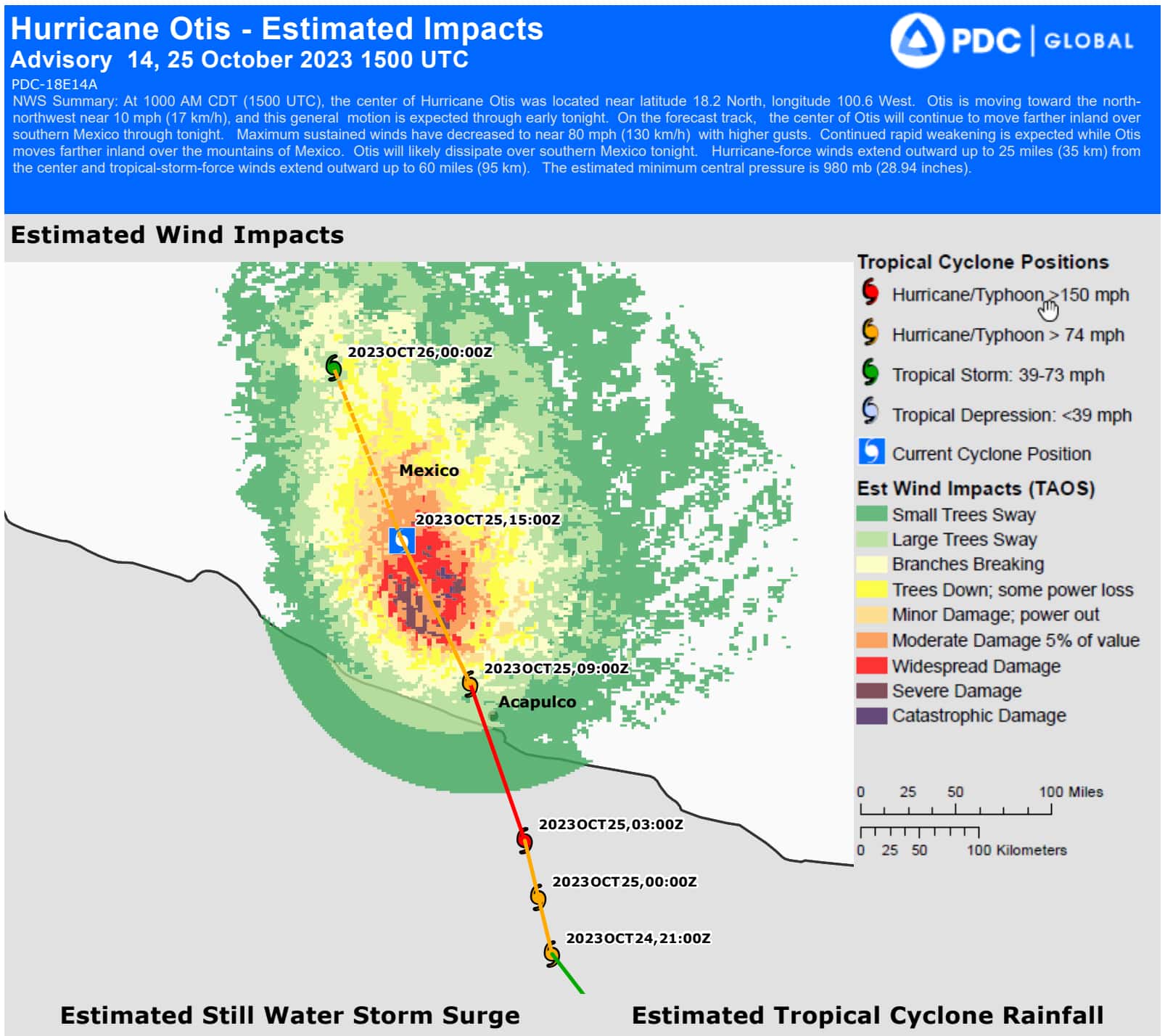
Pillar 1 — Intelligence: know what's happening. Before anything can be managed, the event has to be detected, verified, and assessed. This pillar answers: what happened, is it real, how severe is it, and who and what does it affect? It's the domain of event intelligence — global multi-hazard detection from authoritative sources, verification across networks, and impact assessment against population, infrastructure, and your own assets. Intelligence is the pillar that decides whether the other two pillars activate at all.
Pillar 2 — Communication: reach your people. Once an event warrants action, mass-notification capability delivers messages across channels — SMS, voice, push, email, desktop — to the right subset of people, with two-way check-ins ("Are you safe?") and the audit trail that duty-of-care obligations require. This is the most mature part of the market: purpose-built mass-notification products deliver to tens of thousands of recipients in minutes, with compliance integrations (IPAWS, Clery Act) built in.
Pillar 3 — Response orchestration: run the playbook. The third pillar coordinates what happens after the message goes out: activating response teams, assigning tasks, tracking completion, escalating stalls, and documenting the timeline for the after-action review. This is workflow software shaped for emergencies — the difference between a plan in a binder and a plan that executes.
A full CEM platform bundles all three. In practice, most organizations assemble them from parts — and that's often the right call, because the three pillars have very different maturity curves, price points, and failure modes.
Failure mode 1: "We have a notification tool, so we're covered." Mass notification is one pillar, not the stack. A notification platform sends messages after someone decides a message should be sent — it contains no inherent knowledge of what's happening in the world. Without an intelligence layer, that decision depends on a human seeing the event on the news, which means your world-class delivery system activates late, or for the wrong events, or not at all on the night shift.
Failure mode 2: garbage in, panic out. The opposite problem: wiring notification to a noisy, unverified feed. False alarms are more corrosive than silence — every "tsunami warning" that turns out to be a sensor glitch trains employees to ignore the next one. The intelligence pillar's verification step (multi-source confirmation, official-bulletin grounding) is what makes automated activation trustworthy. We wrote about how verification actually works — reconciling disagreeing sources, scoring exposure — in the event intelligence explainer.
Failure mode 3: intelligence without reach, or reach without follow-through. An ops team that knows exactly what's happening but has no structured way to notify and coordinate is a war room shouting into hallways. A team that notifies everyone and then manages the response over email threads loses the timeline the moment two incidents overlap. The pillars are complementary; maturity in one doesn't substitute for absence of another.
The practical takeaway: audit your program pillar by pillar. Most organizations discover they've bought pillar 2 twice and pillar 1 never.
The intelligence pillar, ready to plug in
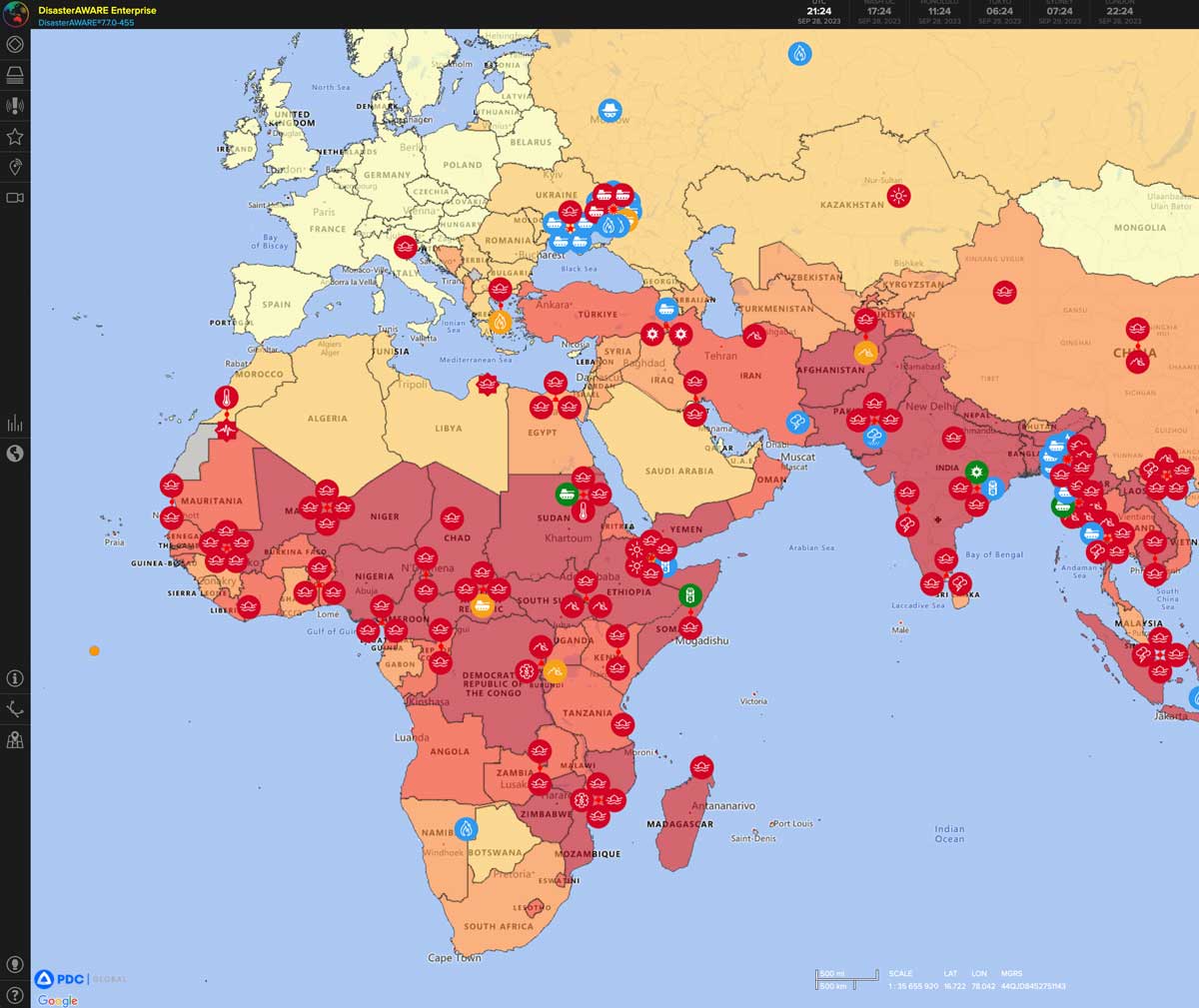
DisasterAWARE monitors 30+ hazard types worldwide in real time — verified, impact-assessed, and ready to feed your notification and response stack.
If you're comparing CEM software, evaluate the pillars separately — and scrutinize the intelligence layer hardest, because every downstream feature inherits its quality. Four questions do most of the work: Is it all-hazard? (One feed covering 30+ hazard types beats a patchwork of single-hazard sources that each miss differently.) Is it verified, or just fast? (Unverified speed produces the alert fatigue that gets real warnings ignored.) Does it carry exposure, or just location? (A pin on a map isn't intelligence — "which of our people and facilities are affected" should be computed, not left to an operator at 2 a.m.) Can your existing tools consume it? (The intelligence layer should feed whatever notification and orchestration stack you already run — by API, feed, or dashboard — not force a rip-and-replace.) Whatever platforms you shortlist for pillars 2 and 3, those four questions decide whether the whole program works.
We think category clarity beats category claims, so here is exactly where DisasterAWARE sits in a CEM stack:
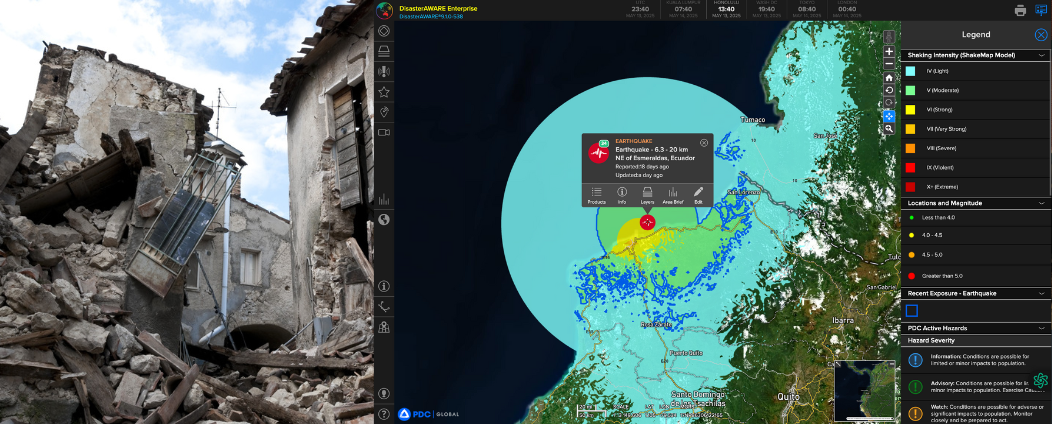
DisasterAWARE is the intelligence pillar. Global, multi-hazard event detection across 30+ hazard types; verification against authoritative scientific and governmental sources; impact and exposure assessment (population, infrastructure, and your uploaded assets and facilities); historical baselines that tell you whether an event is routine or exceptional; and delivery as an operational platform, APIs, and data feeds.
DisasterAWARE is not a mass-notification system. It will alert your team on the hazards and assets you monitor, but it does not two-way-message your 40,000 employees, run safety check-ins, or maintain your contact hierarchy. If you need that, you need a pillar-2 product — and it will be better at its job when our feed tells it when to fire.
DisasterAWARE is not a response-orchestration engine. It informs the playbook; it doesn't execute task assignments or run your incident workflow.
If you're evaluating "critical event management software," the honest question to bring to every vendor — including us — is: which pillars does this actually cover, and how well does each feed the next?
For organizations that already run notification or CEM platforms, the intelligence layer integrates upstream:
A short diagnostic, by the question your organization is actually asking:
What is the difference between critical event management and mass notification? Mass notification is one of CEM's three pillars: the delivery of alerts and check-ins to large groups across channels. Critical event management is the whole discipline — detecting and assessing the event (intelligence), notifying people (communication), and coordinating the response (orchestration). A notification tool without an intelligence layer only acts when a human tells it to.
What is the difference between critical event management and event intelligence? Event intelligence is the knowing layer — real-time detection, verification, and impact assessment of physical-world events. CEM is the acting stack built on top of it. DisasterAWARE provides event intelligence and feeds CEM, notification, and response tools; it does not replace them.
Does DisasterAWARE replace a CEM platform? No. DisasterAWARE is the intelligence pillar: it tells you what's happening, how severe it is, and what's exposed. Mass notification and response orchestration remain the job of CEM and notification platforms — which DisasterAWARE feeds via API.
Can DisasterAWARE integrate with an existing notification or CEM system? Yes. The Event Intelligence API delivers verified, severity-scored, location-precise events in standard formats, designed to trigger downstream workflows — the same integration pattern used by partners who embed DisasterAWARE data inside their own risk platforms.
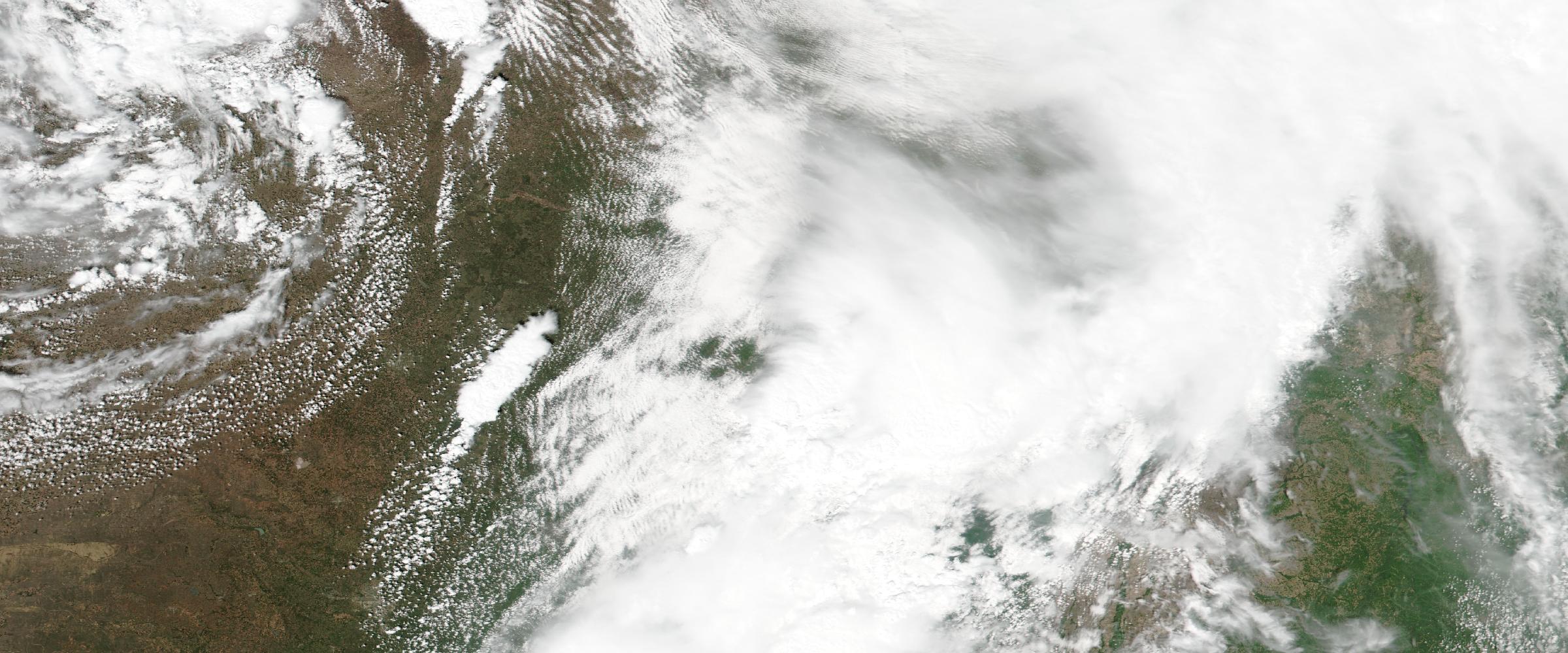
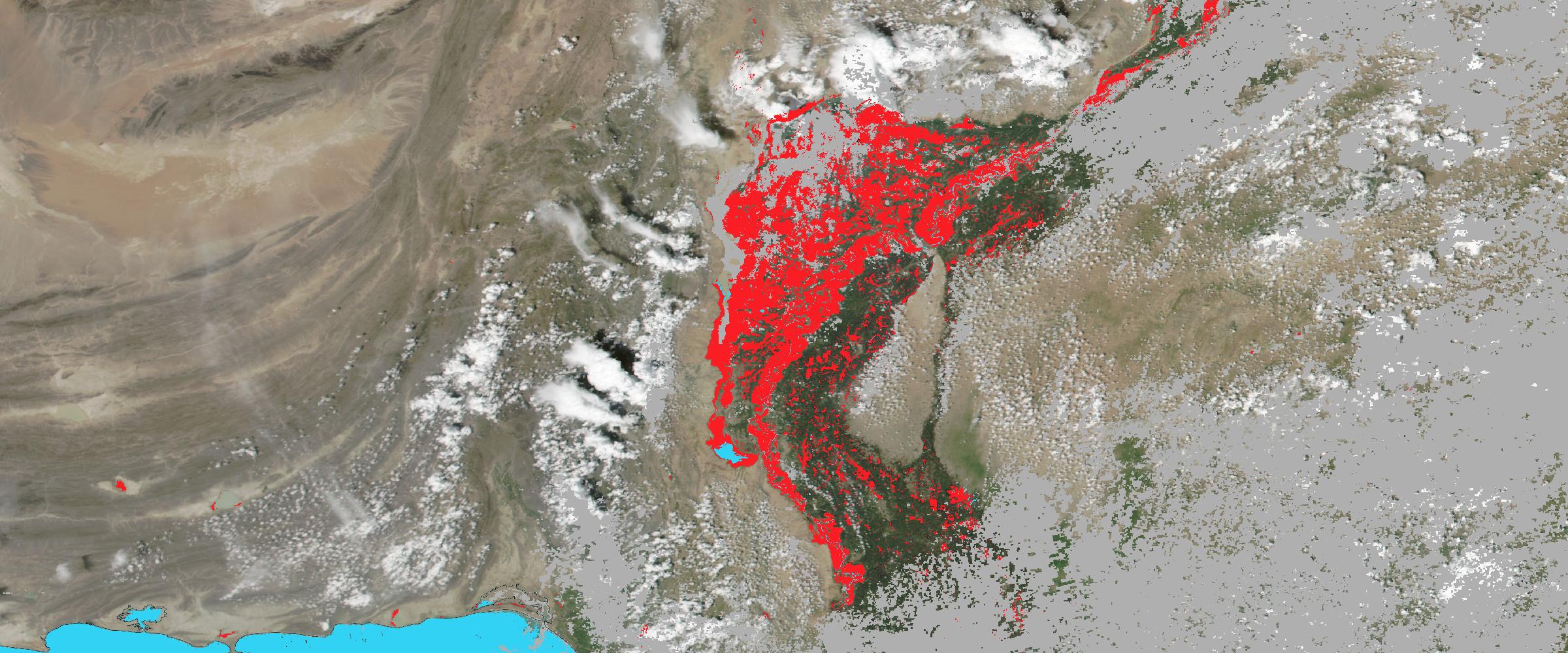
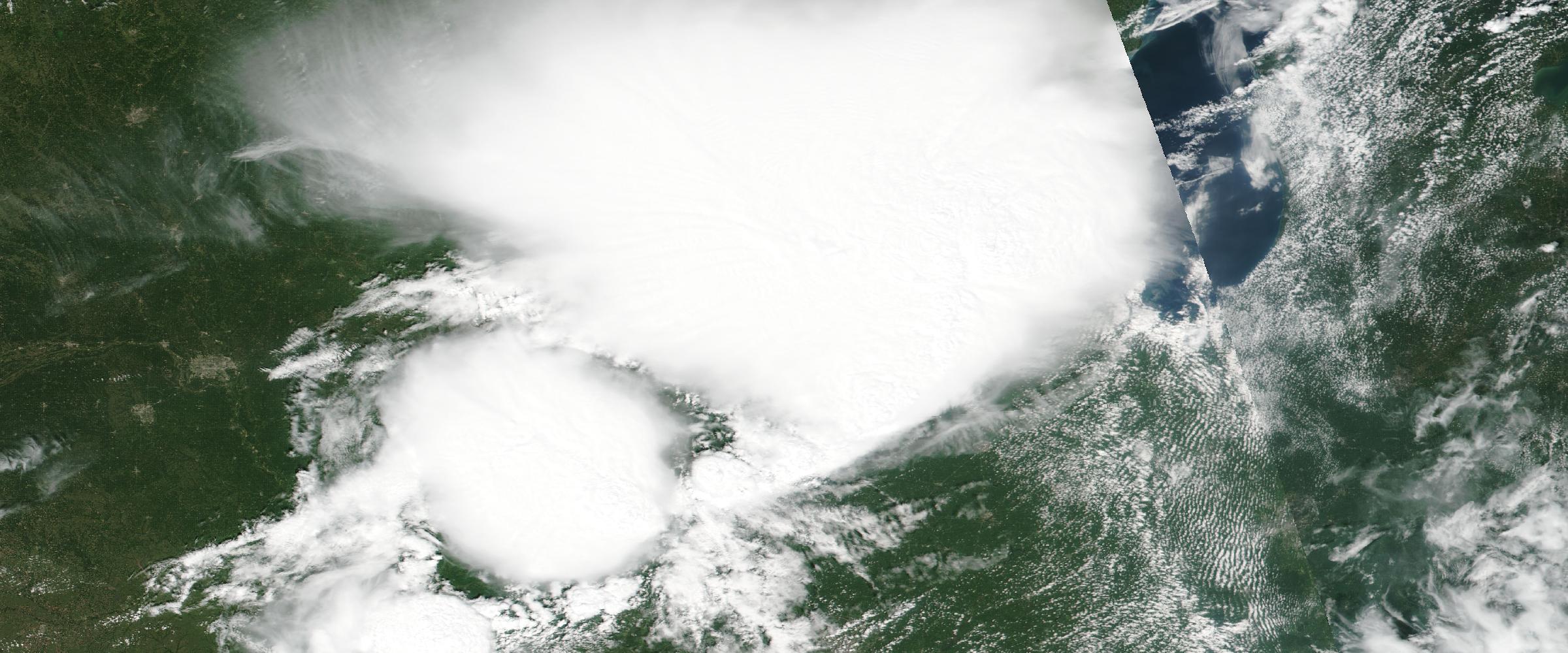
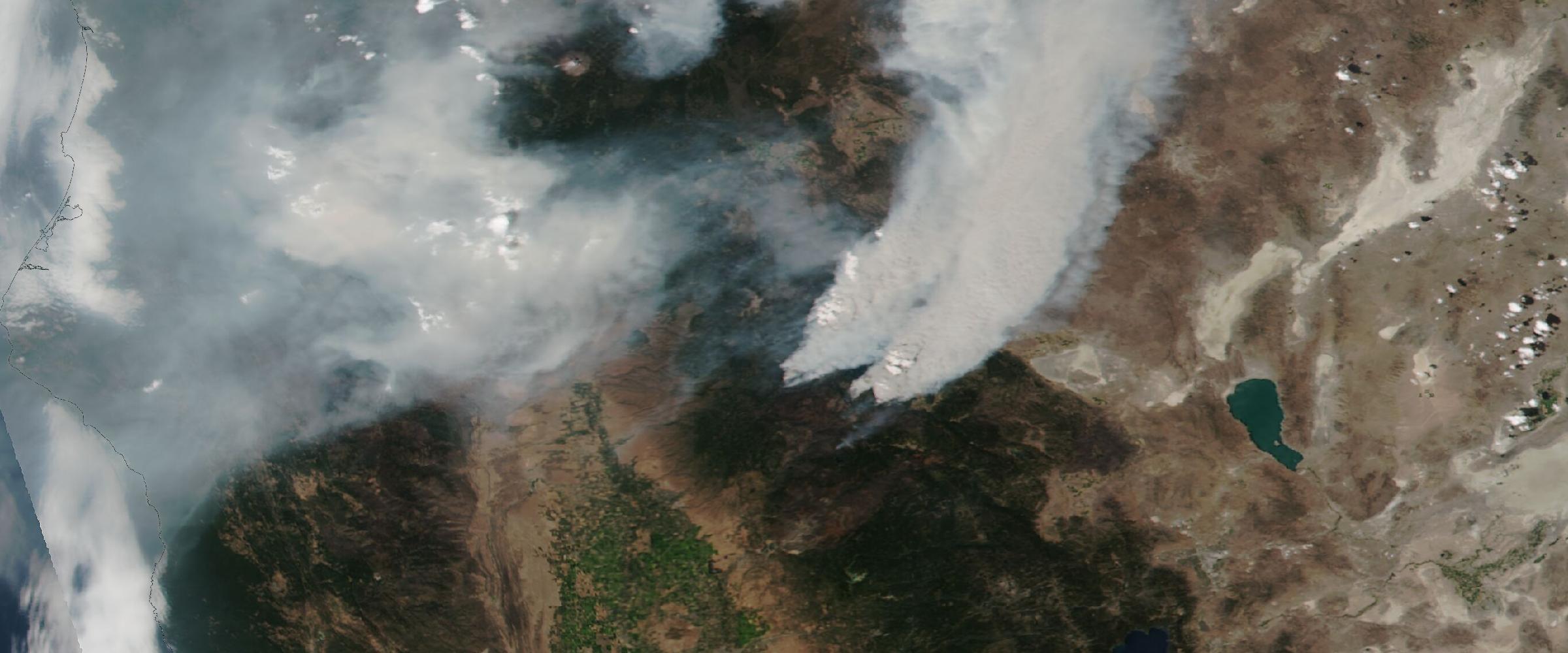
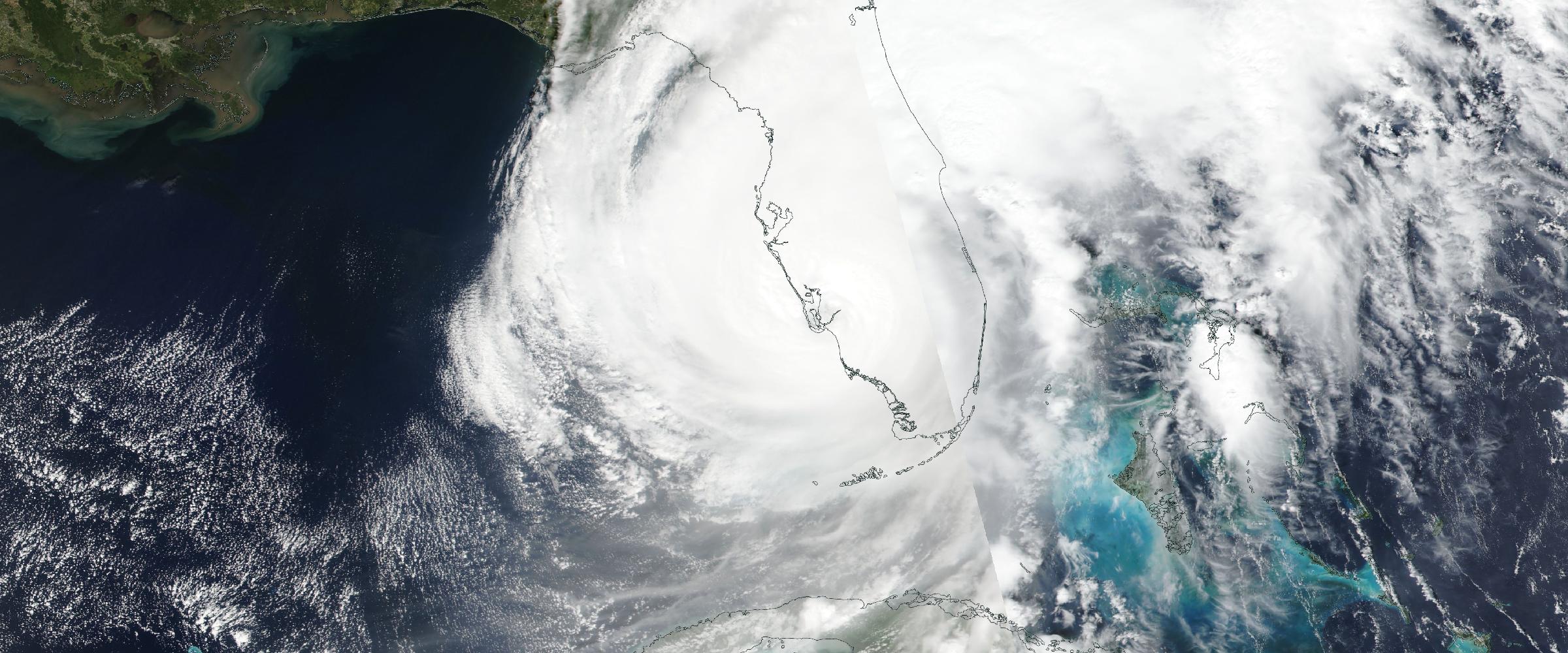
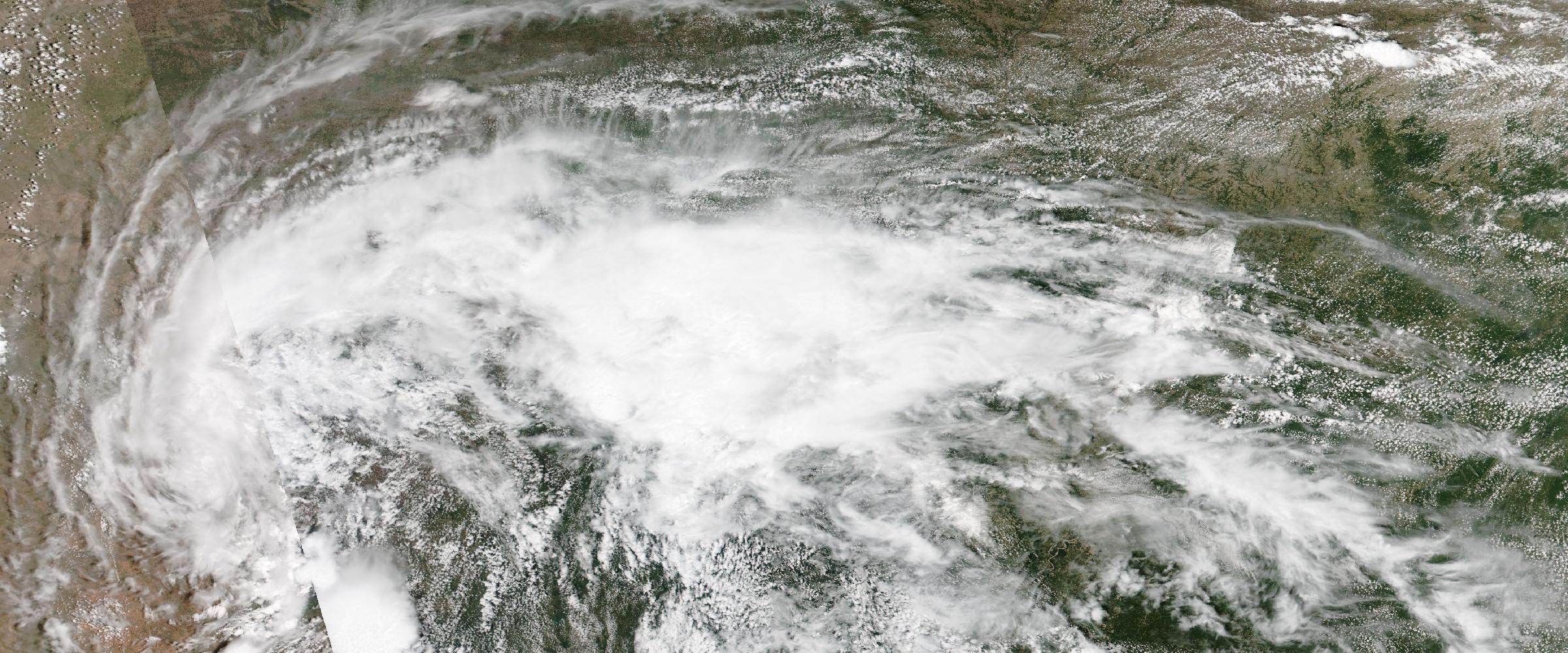
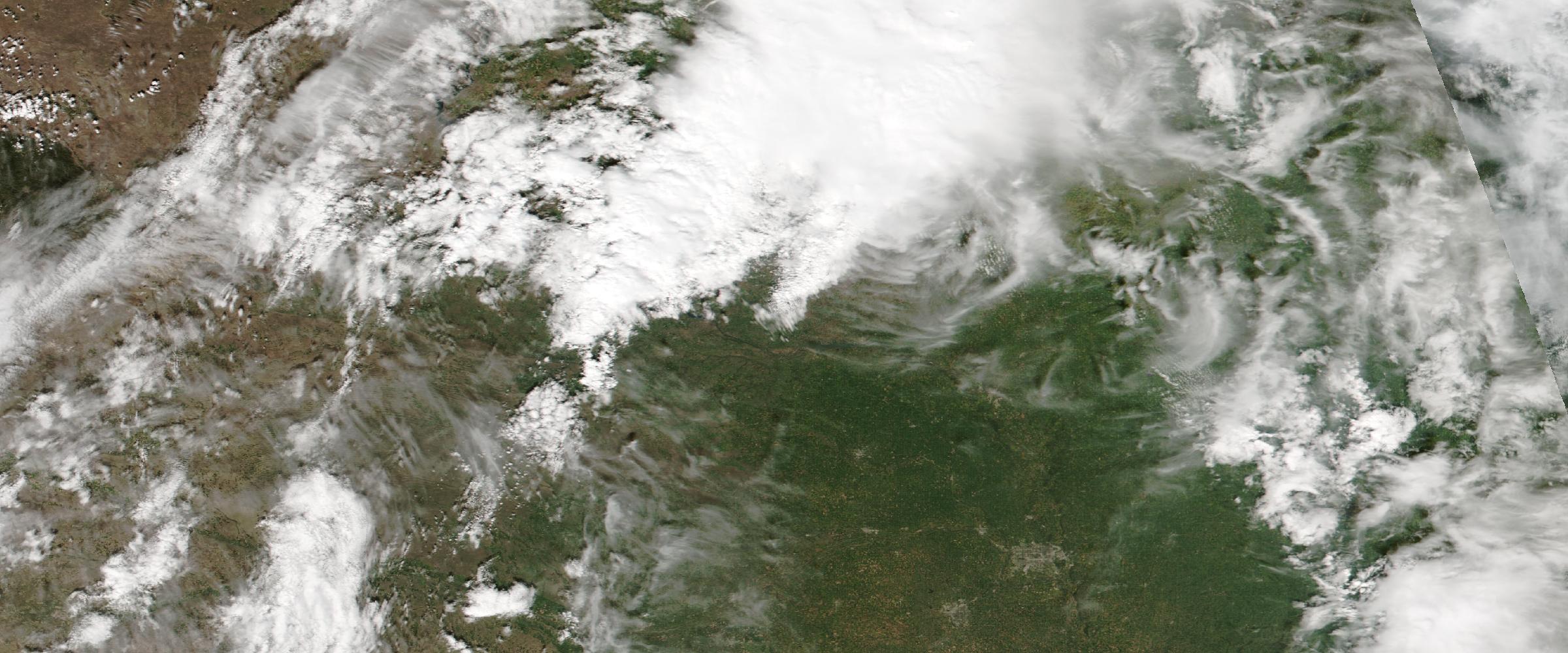
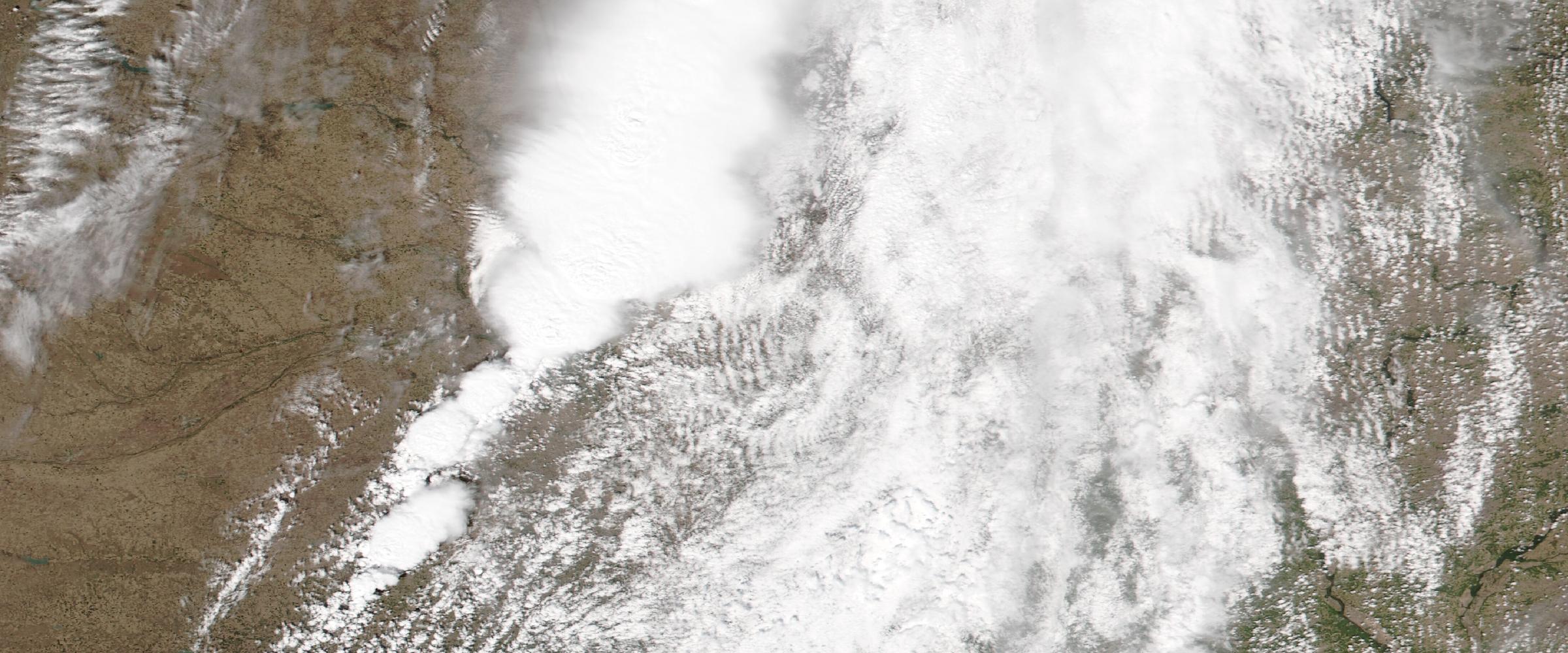
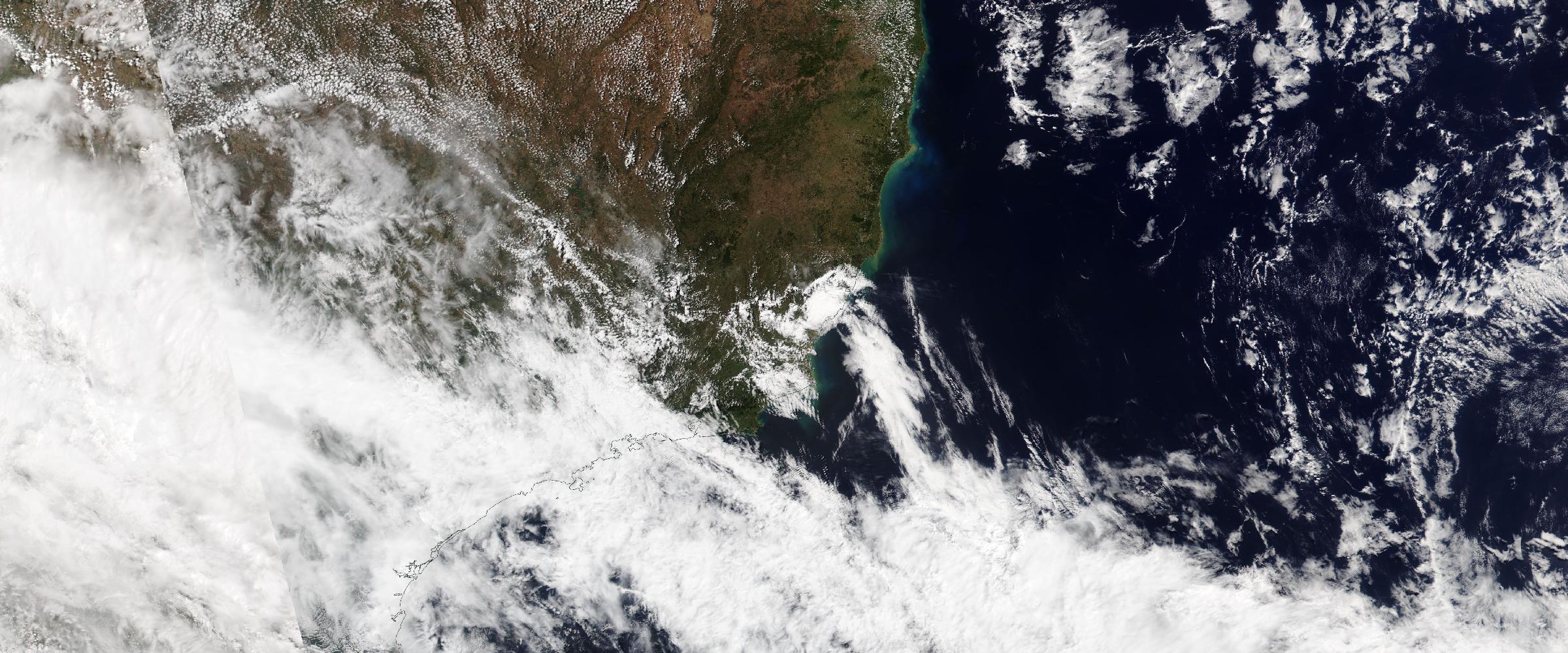
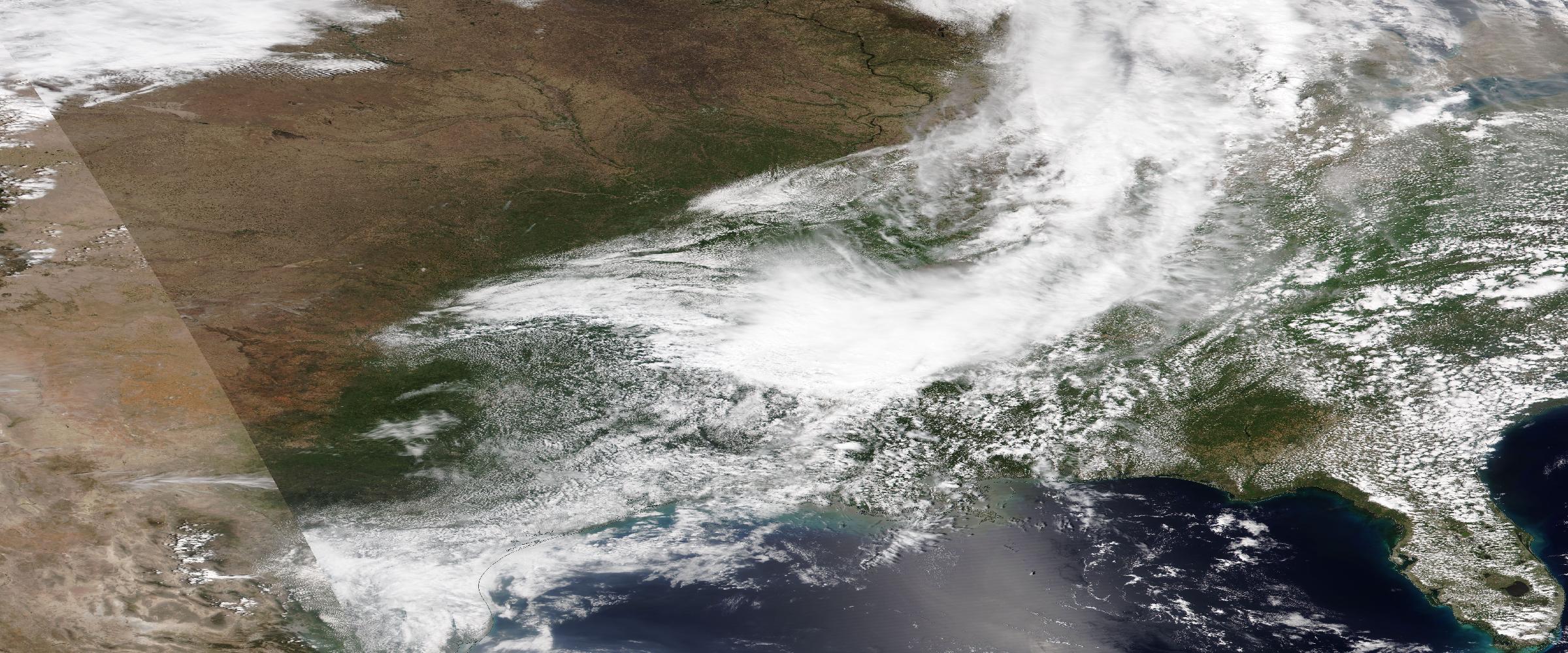
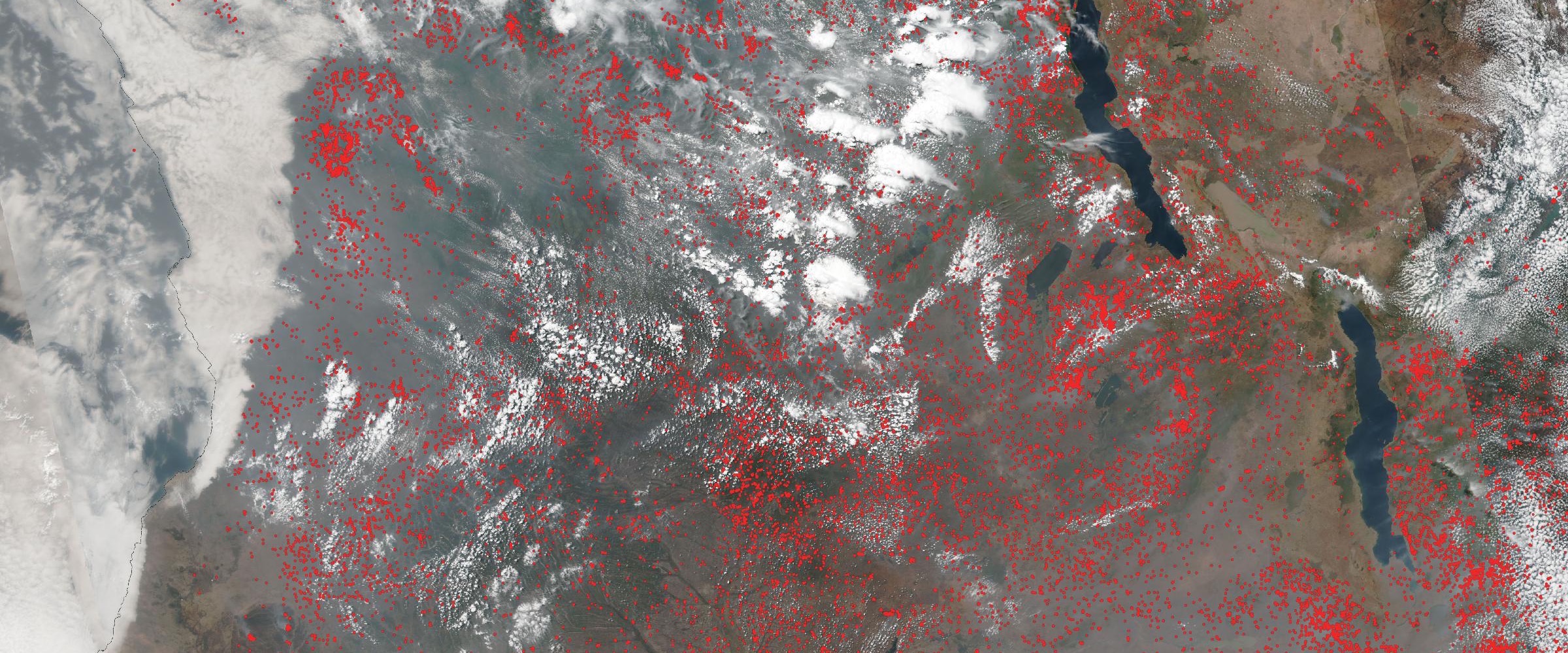
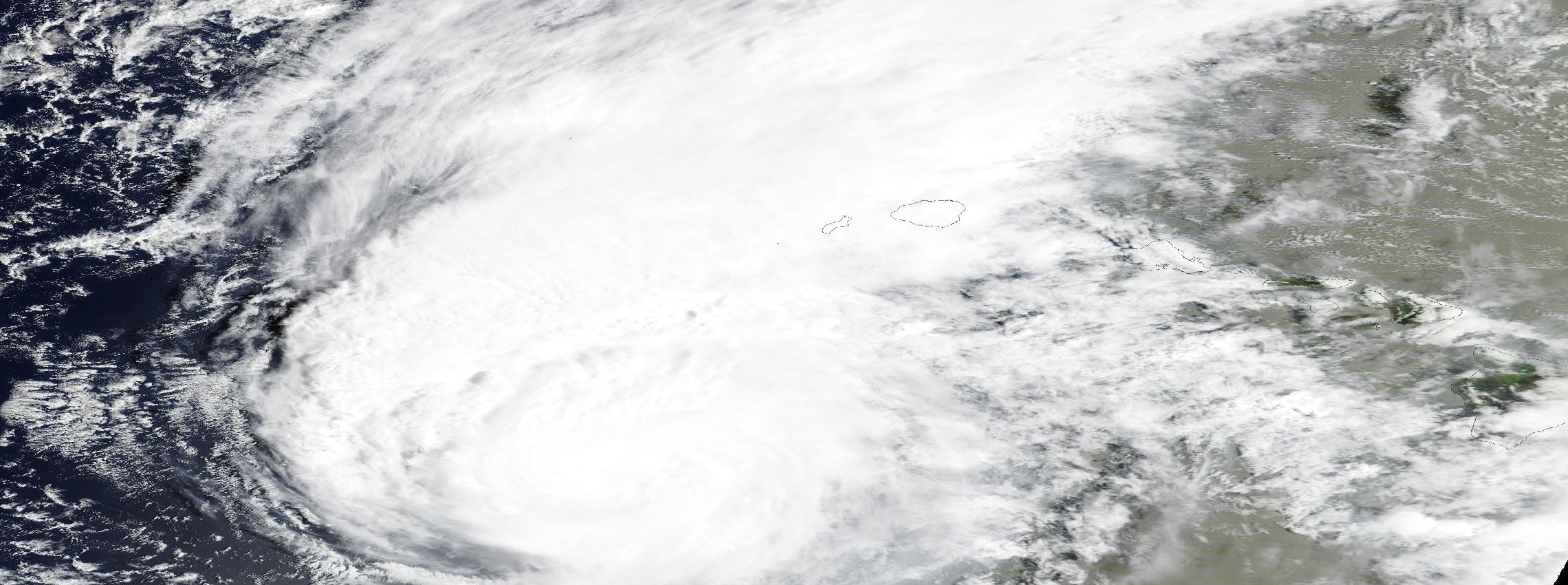
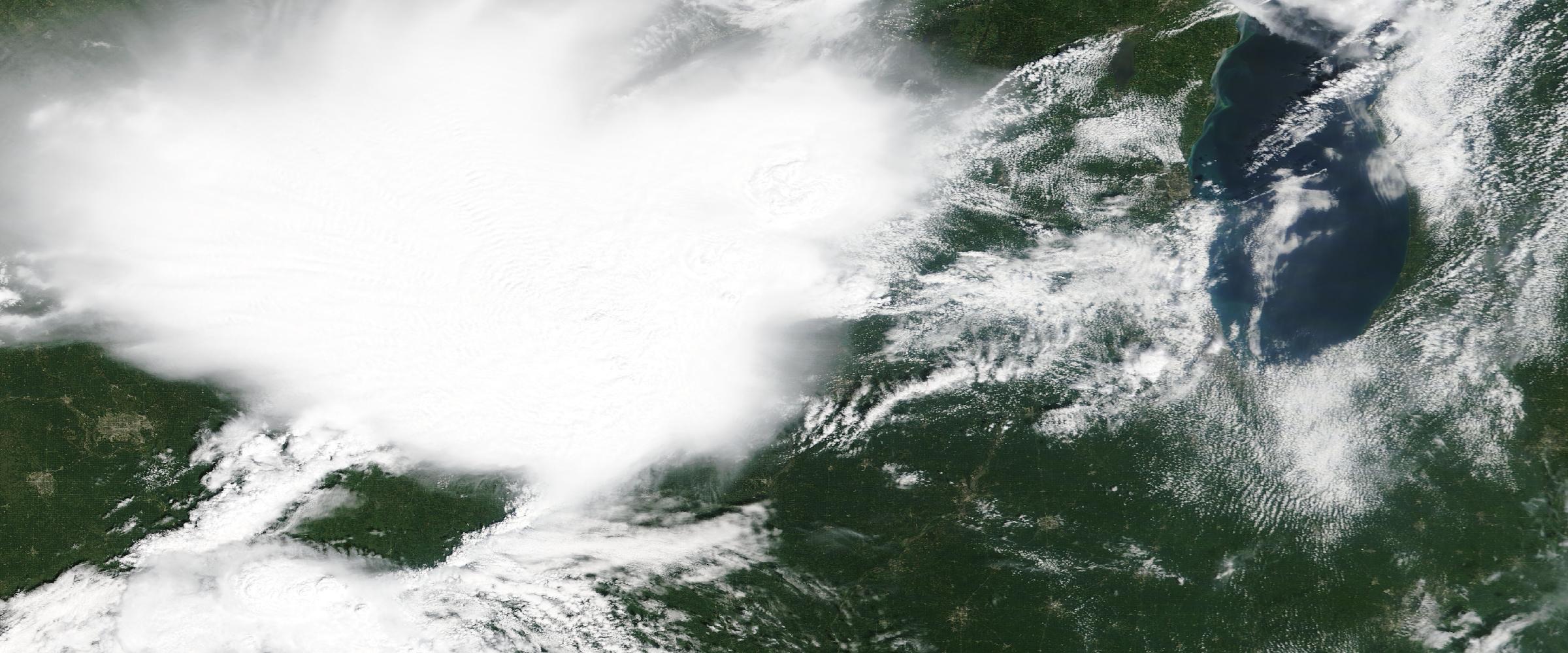
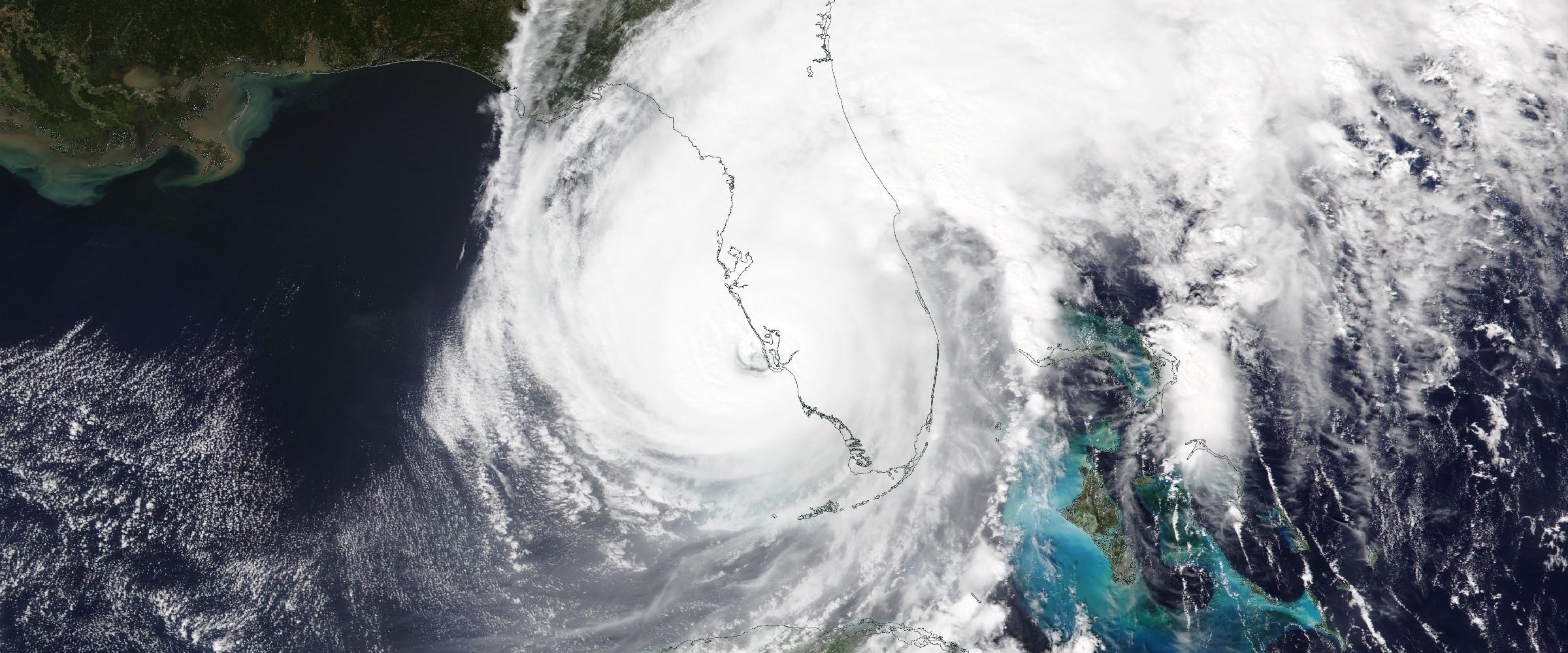
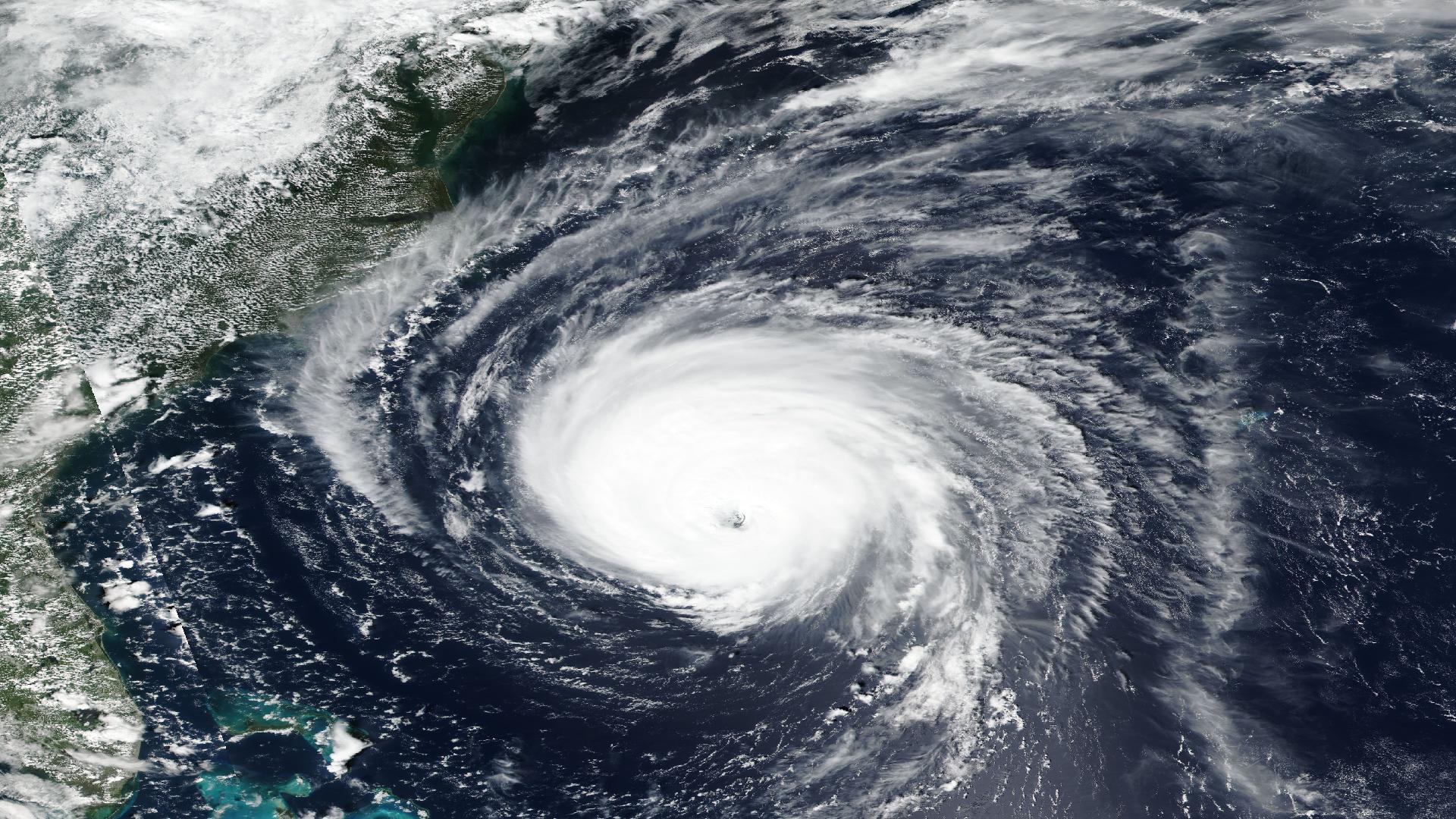
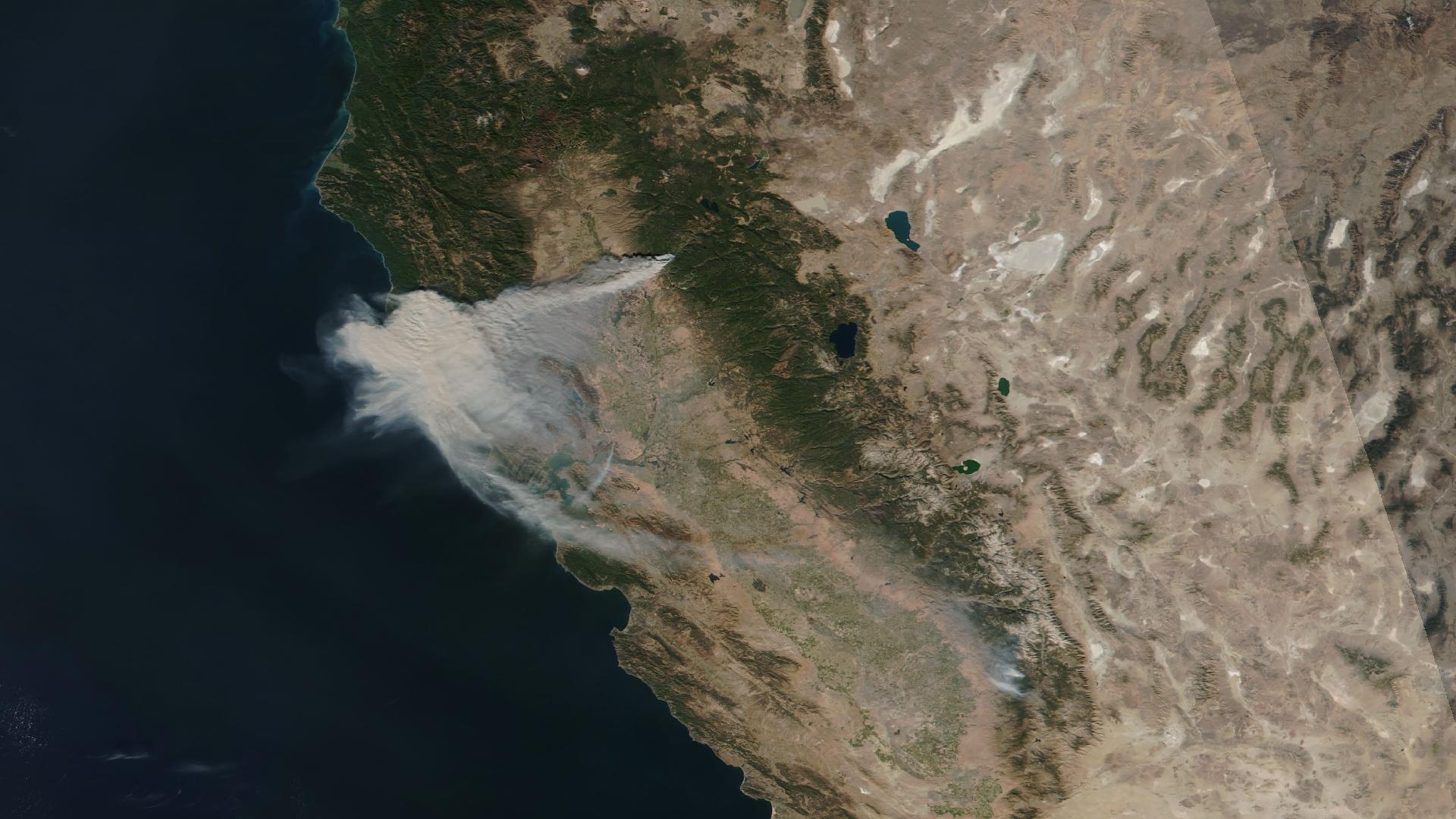
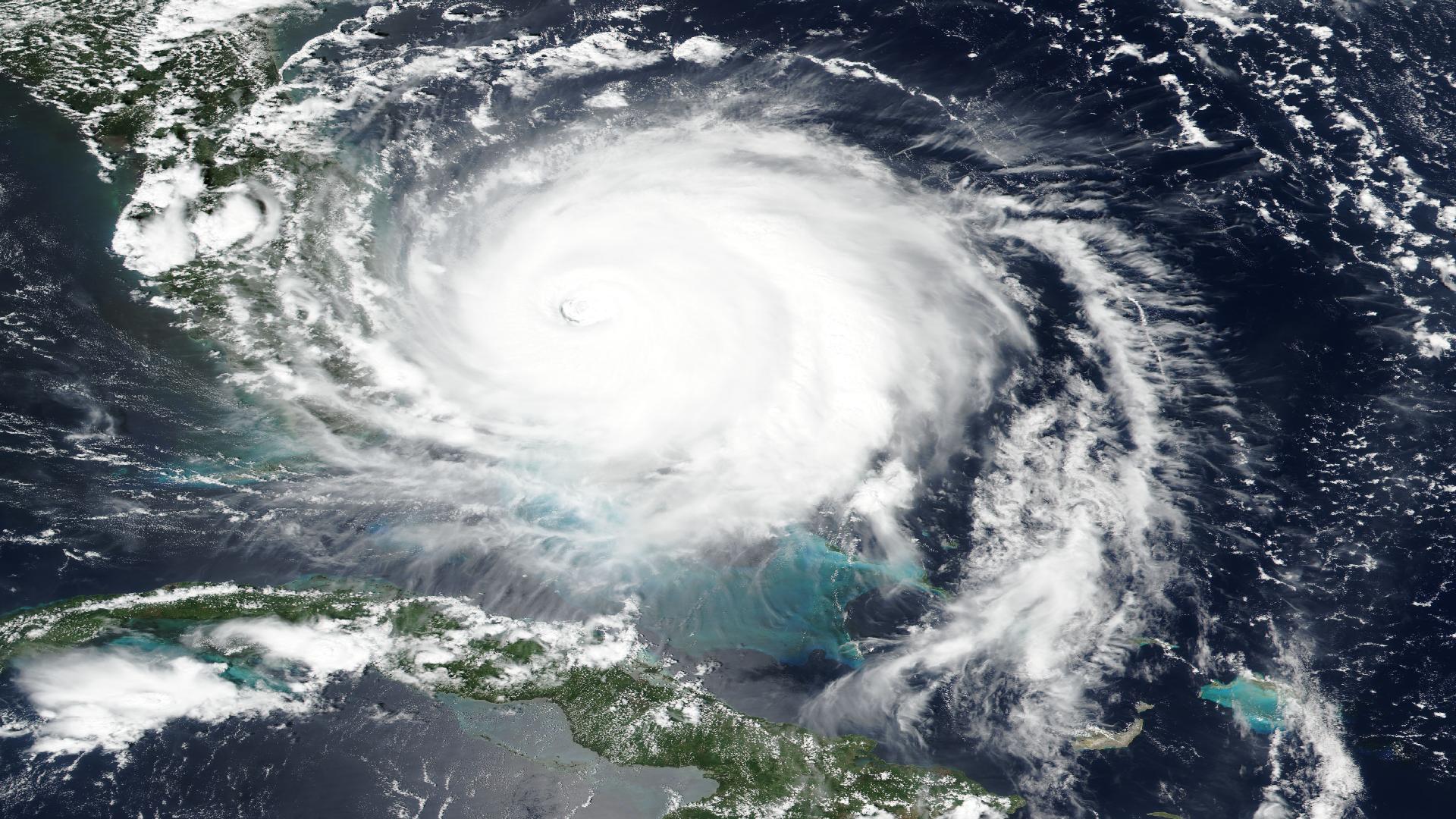
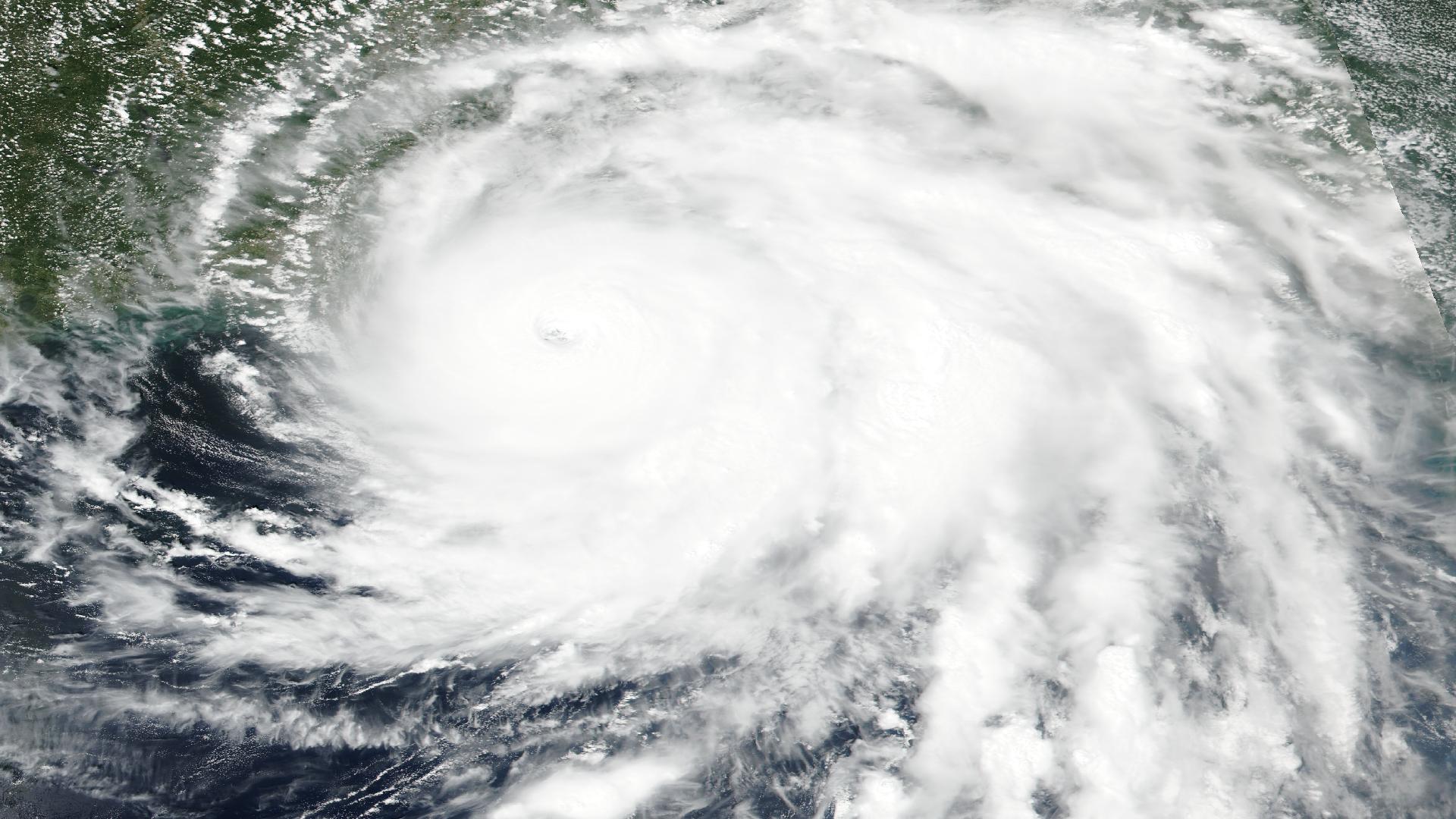
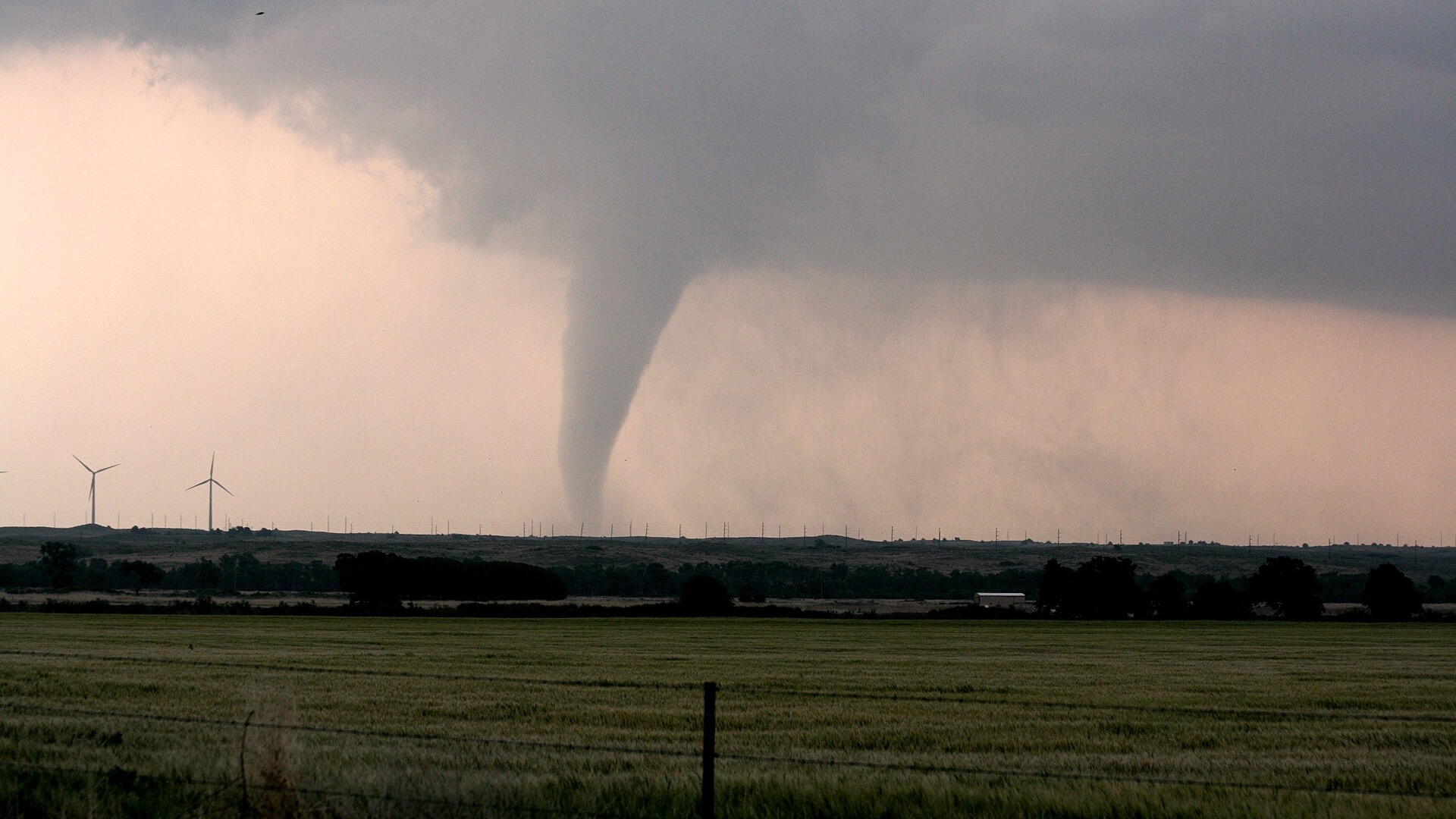
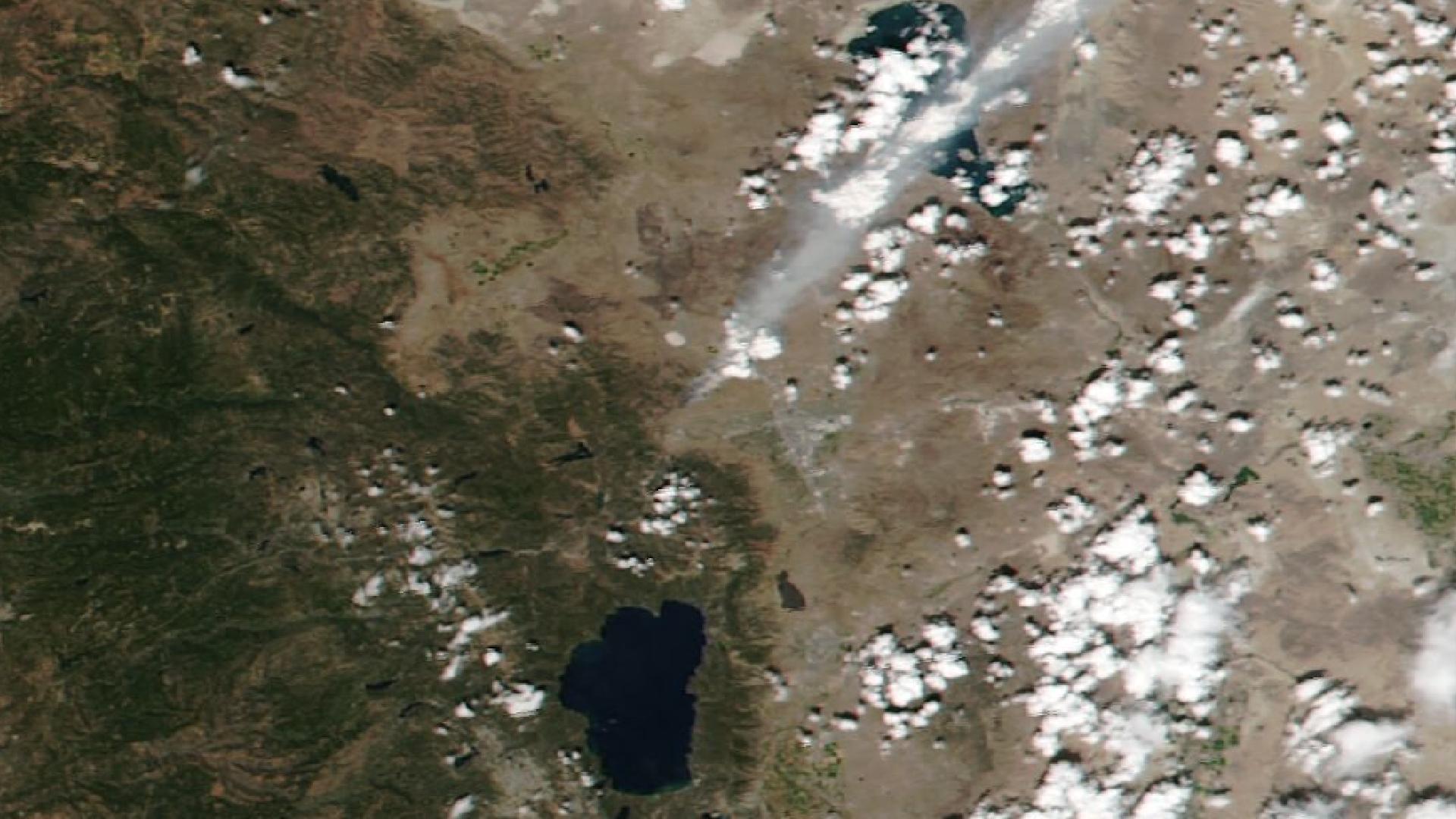
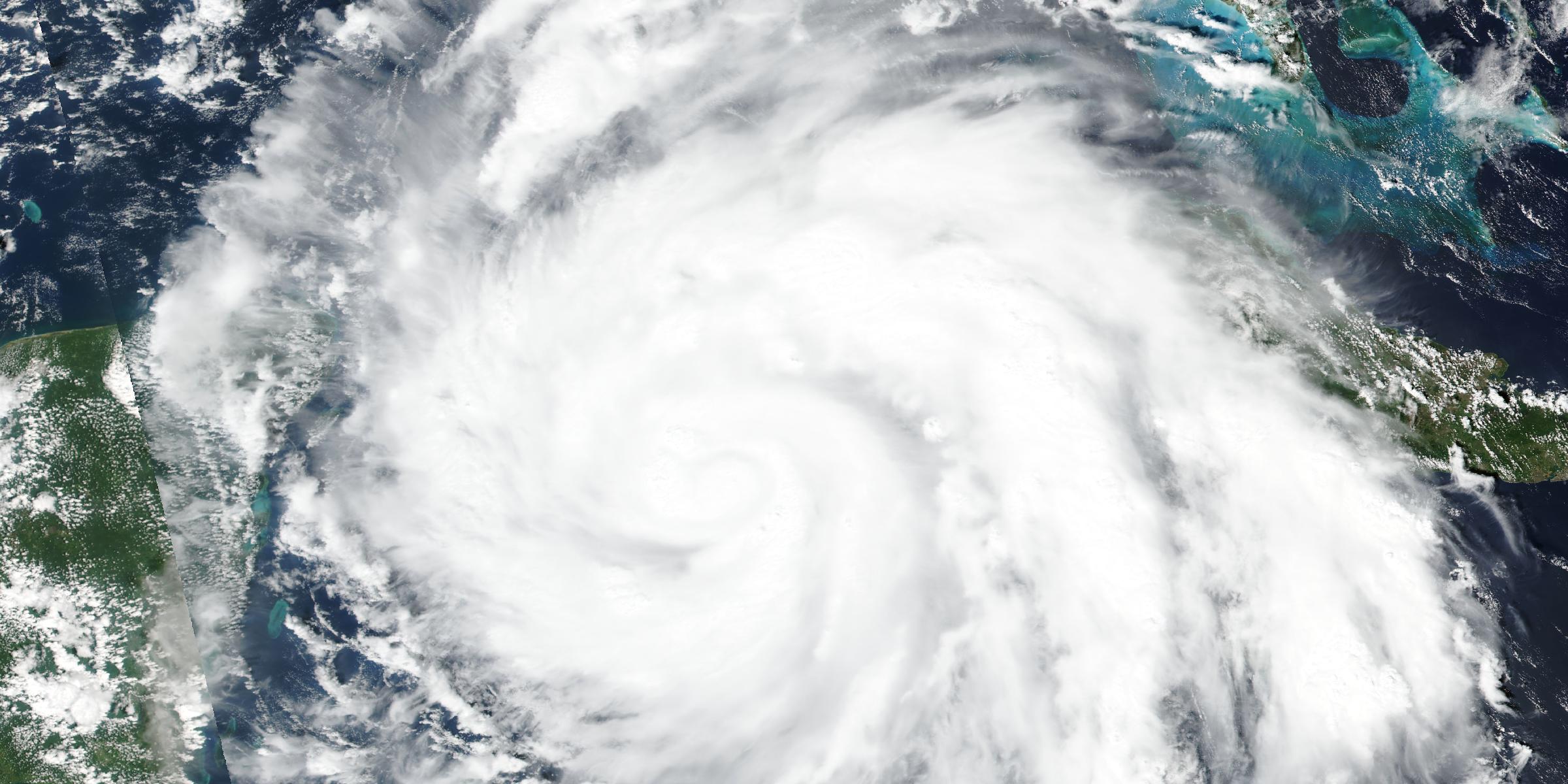
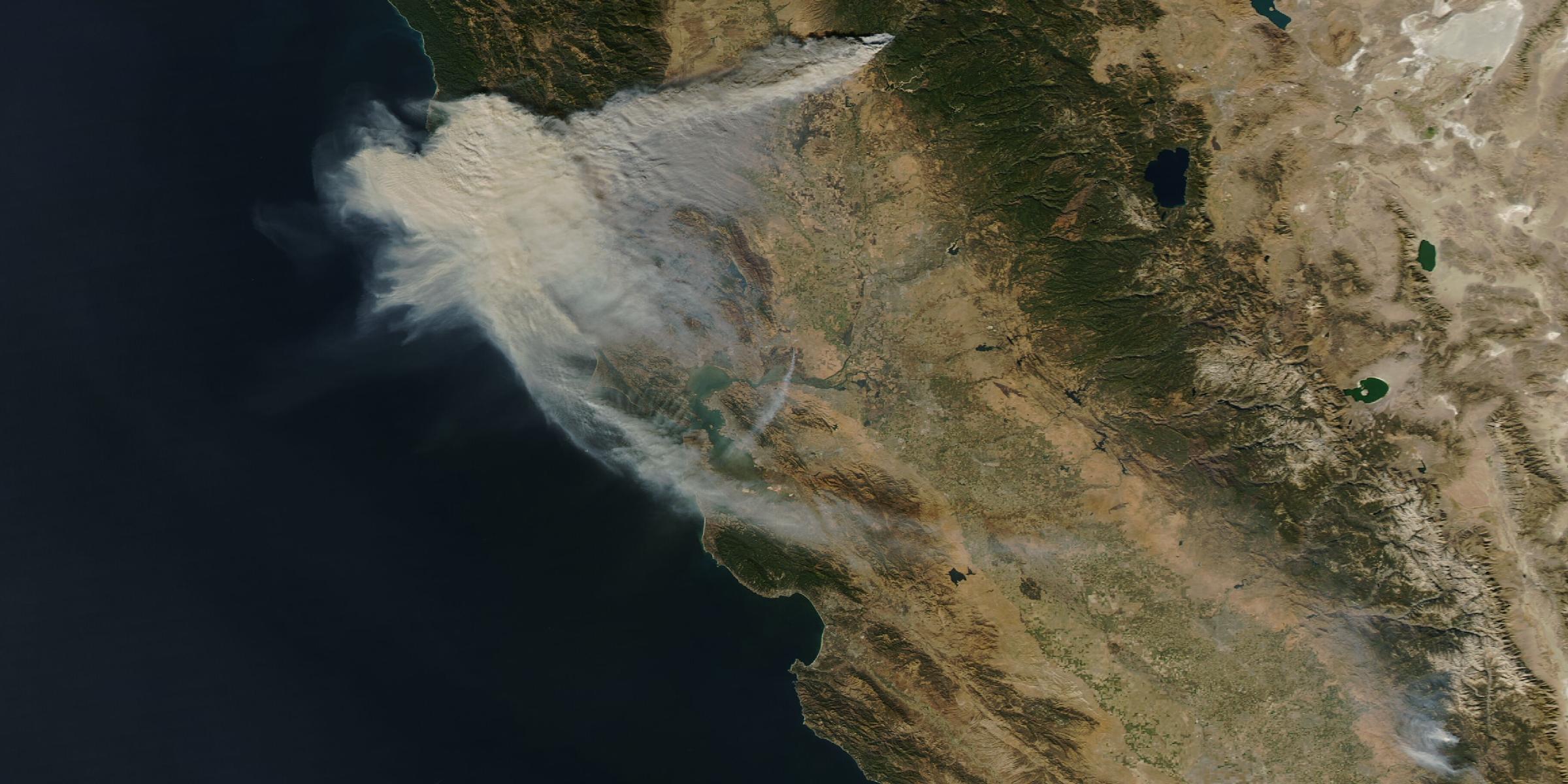
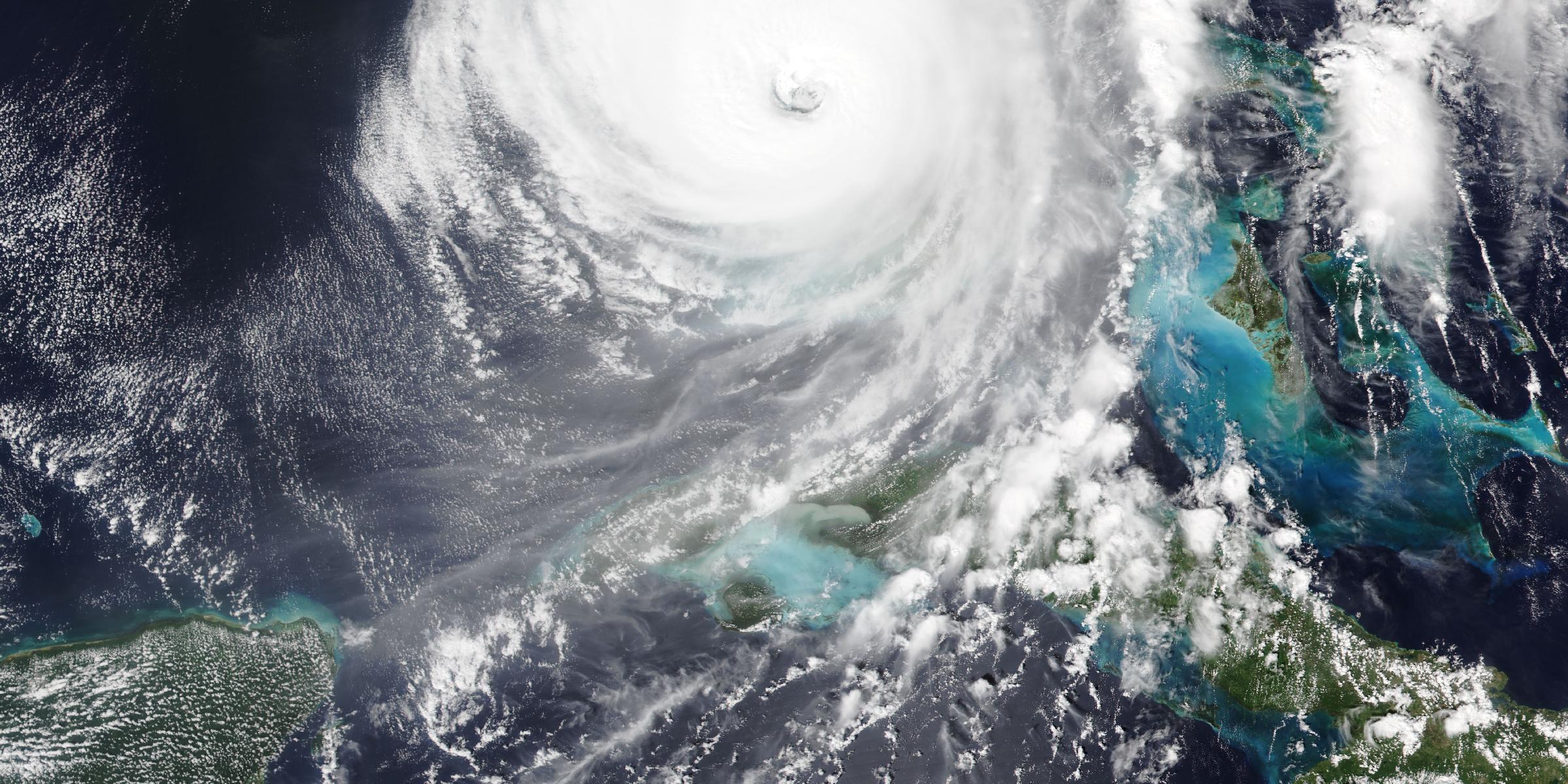
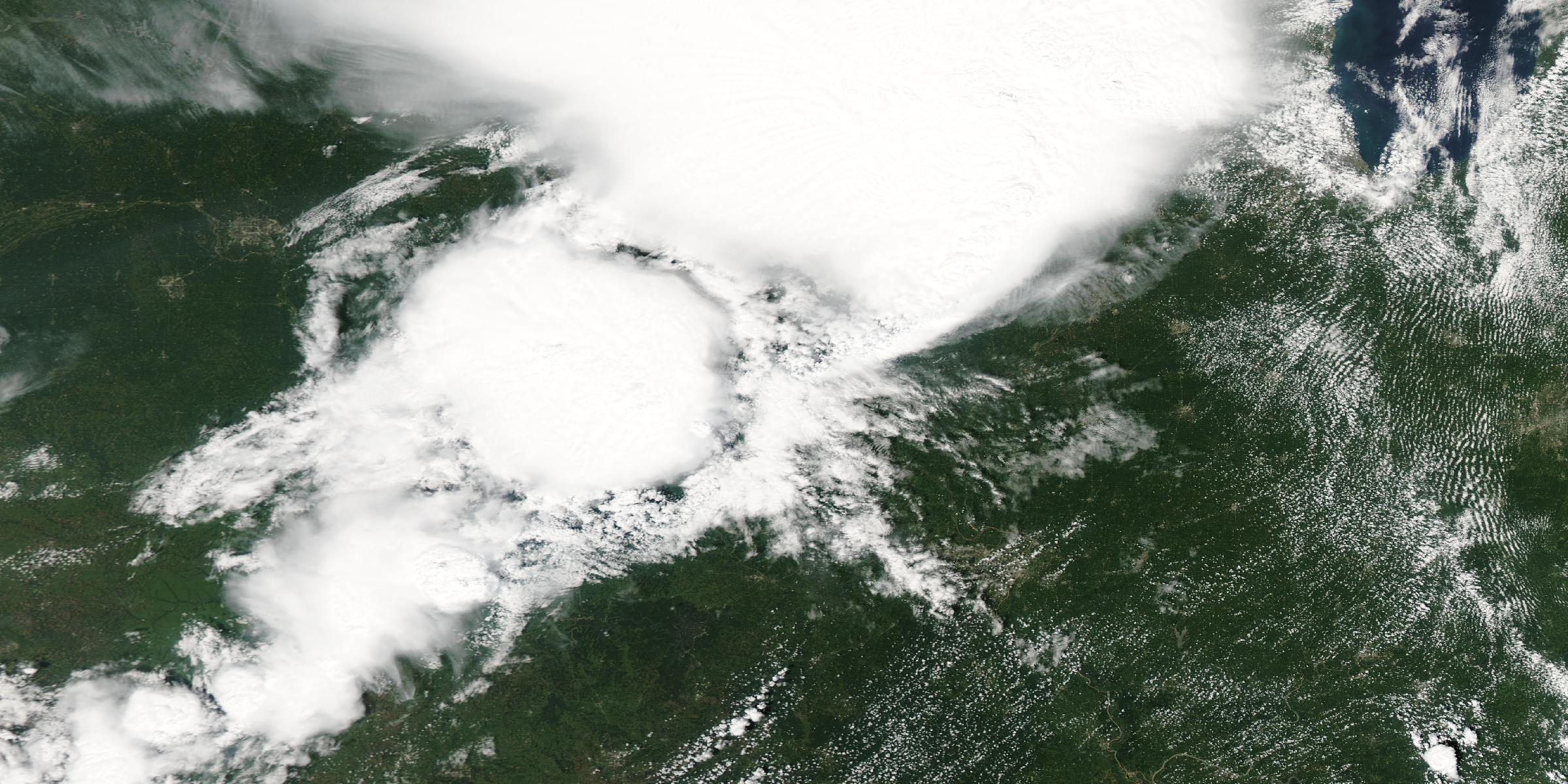
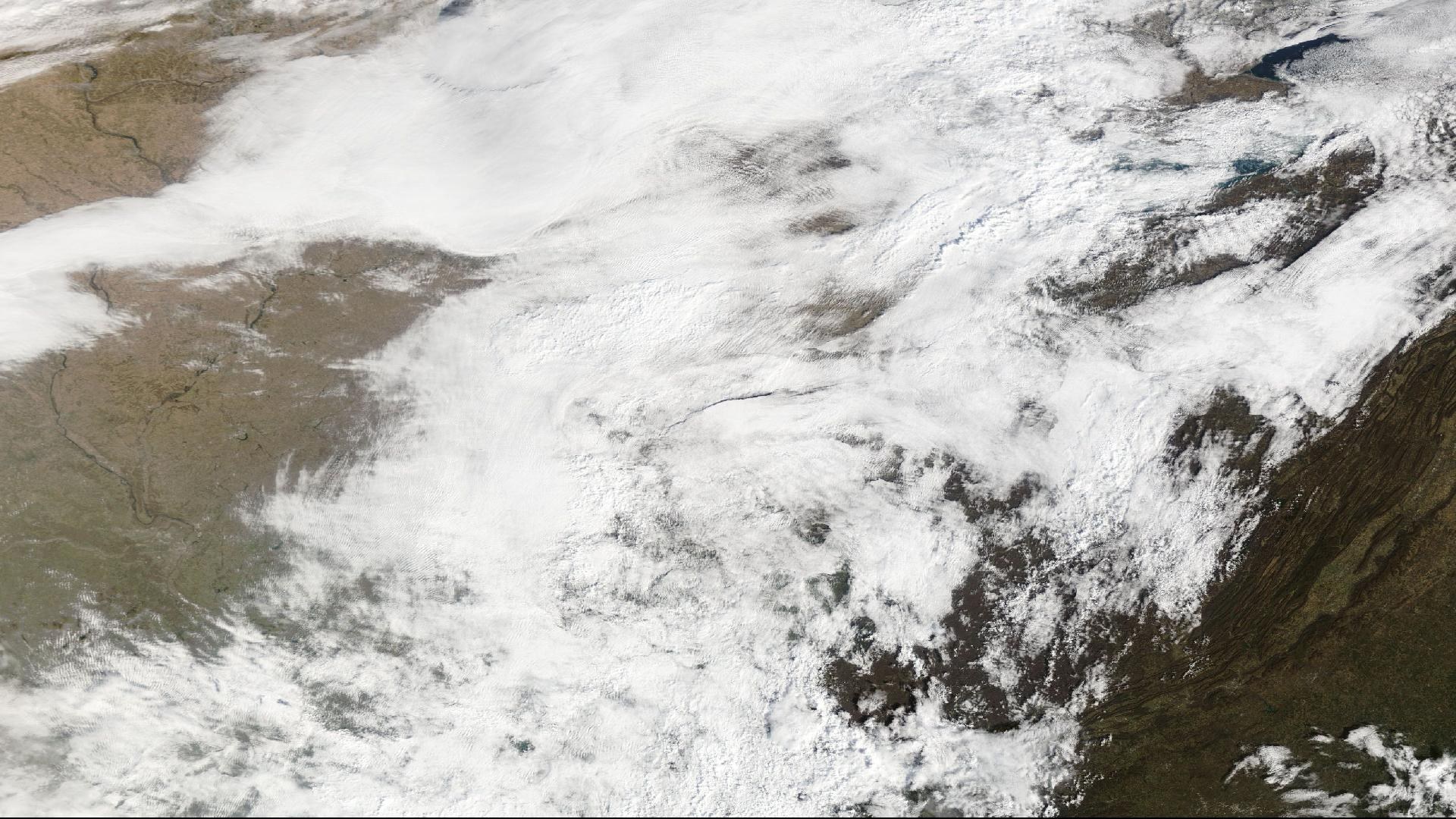
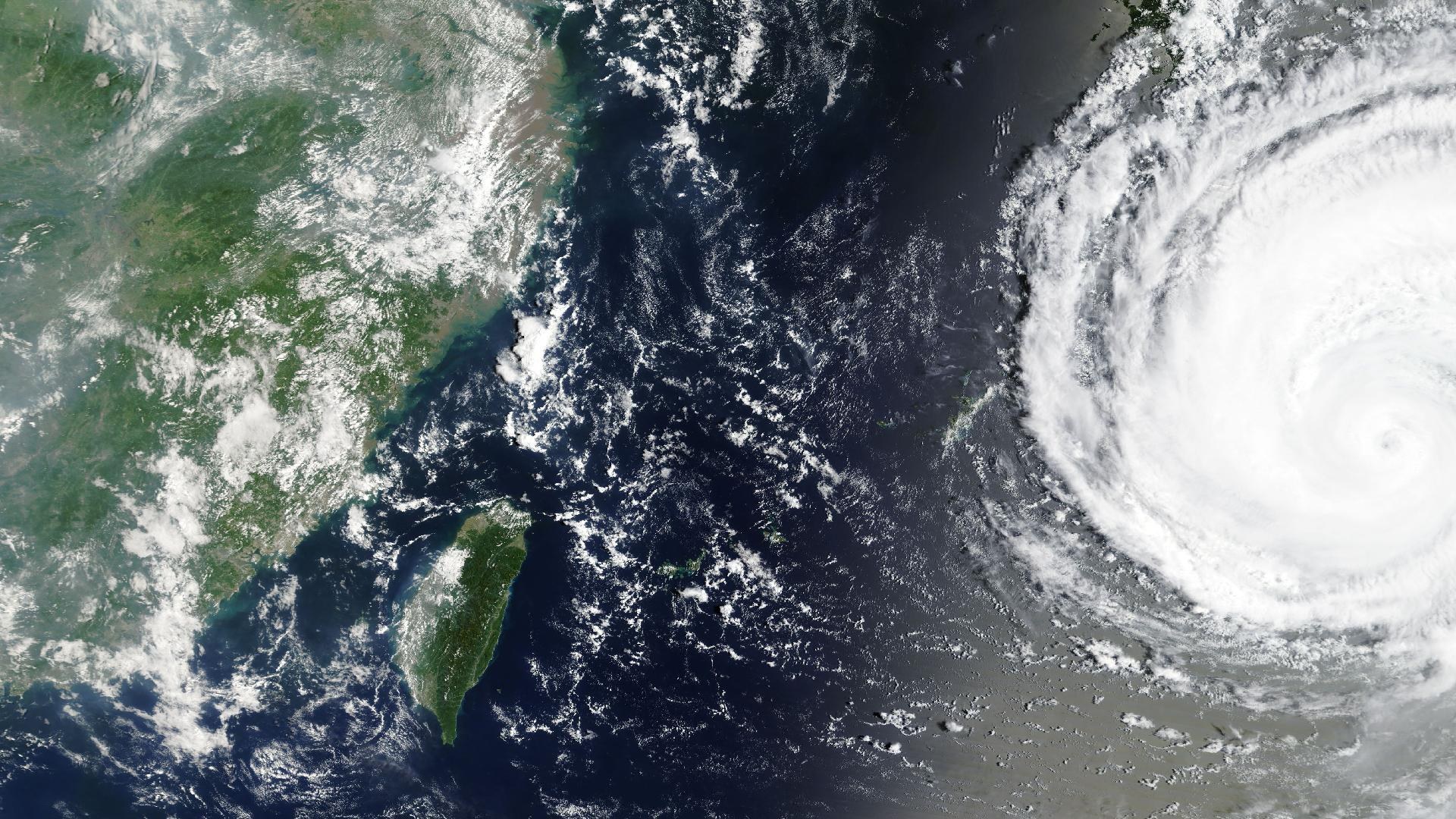
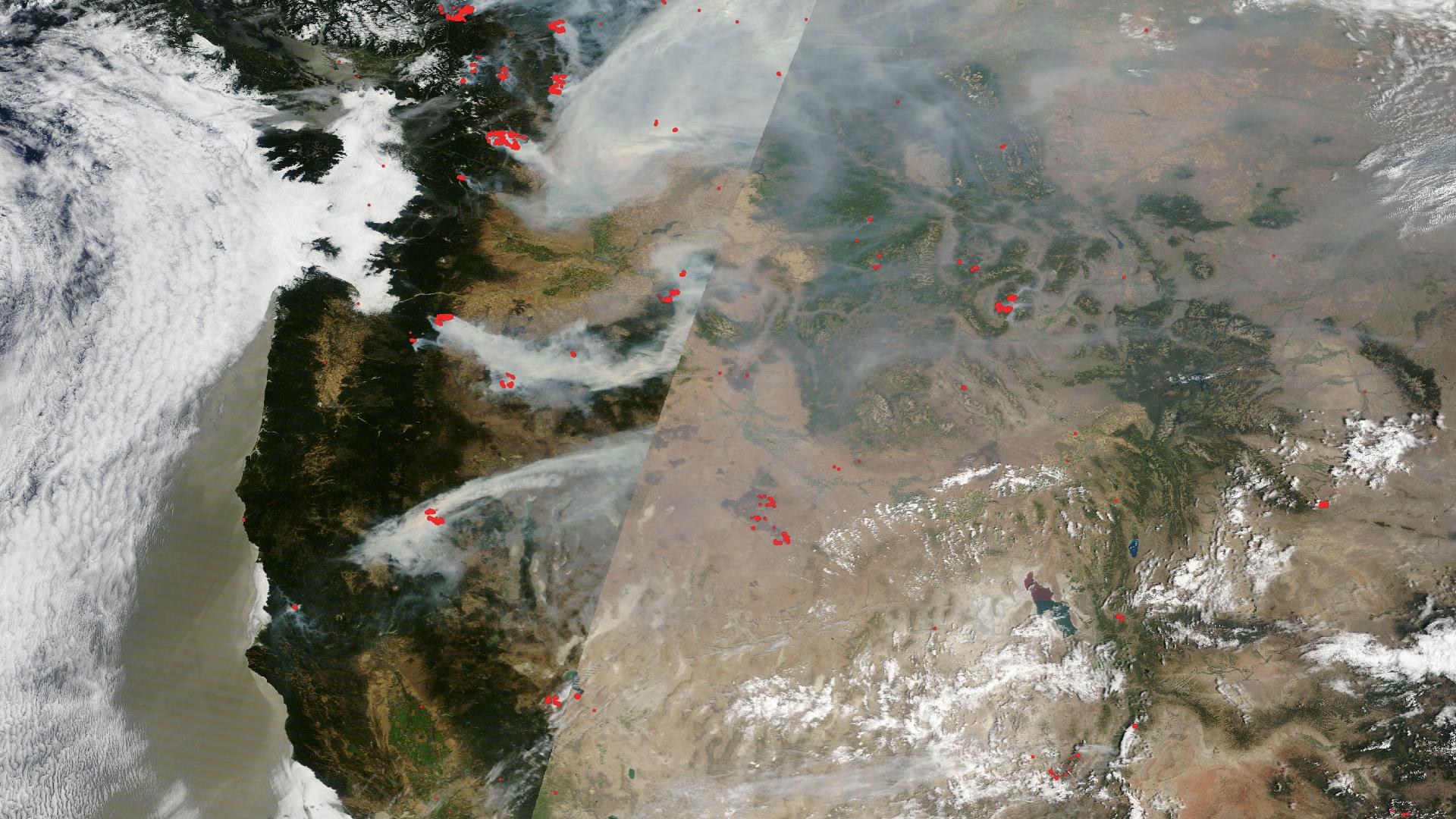
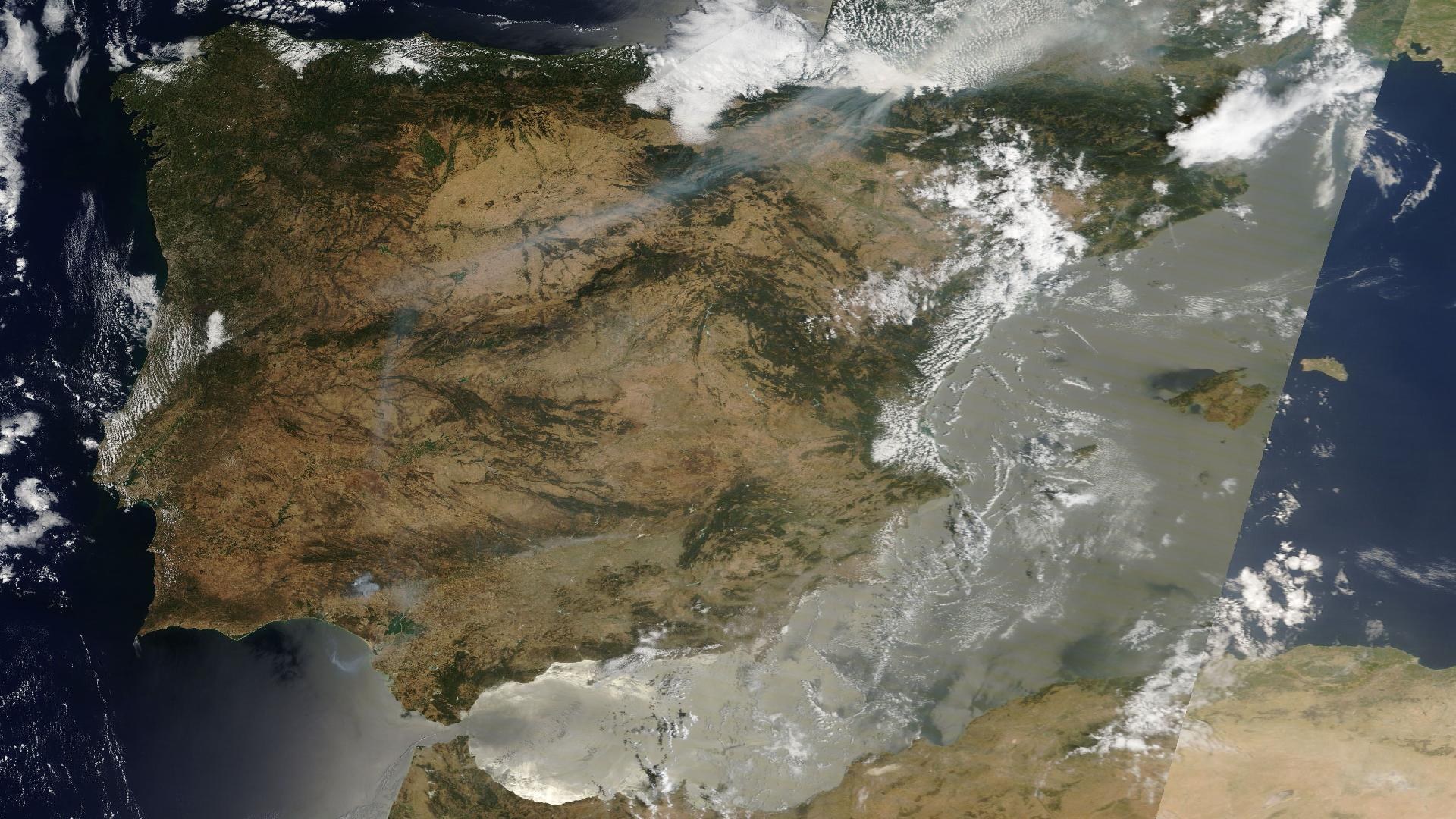
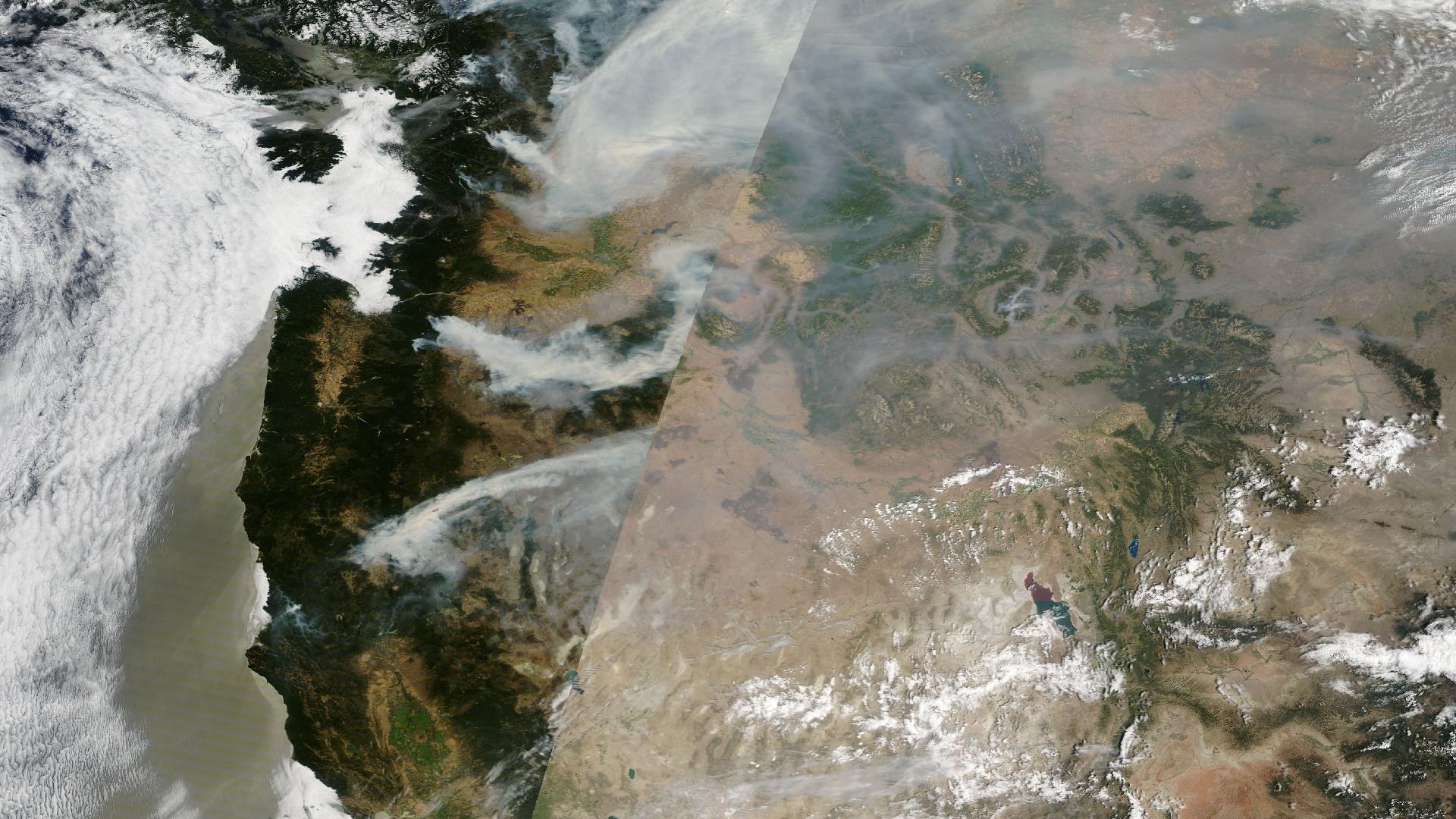
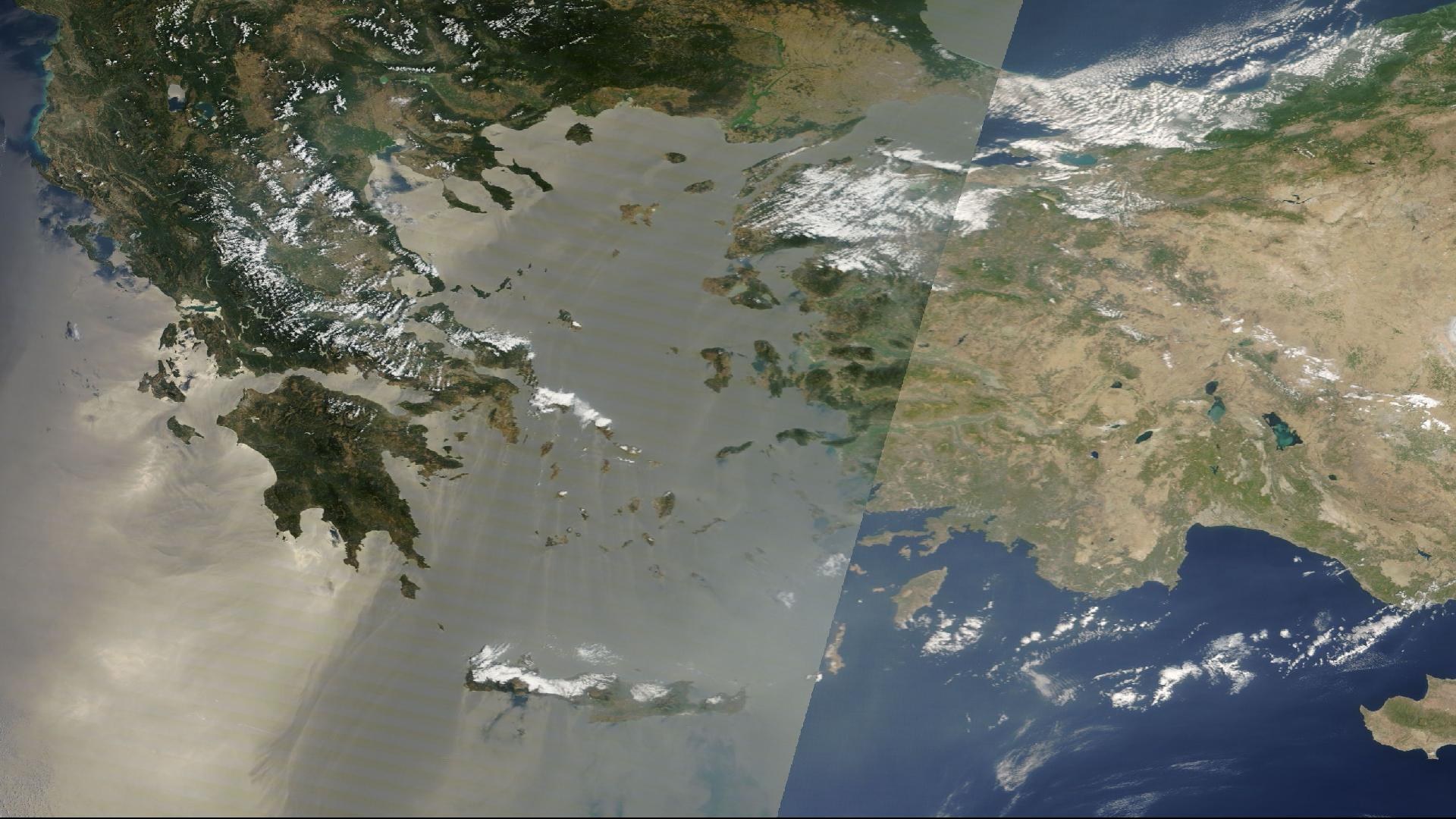
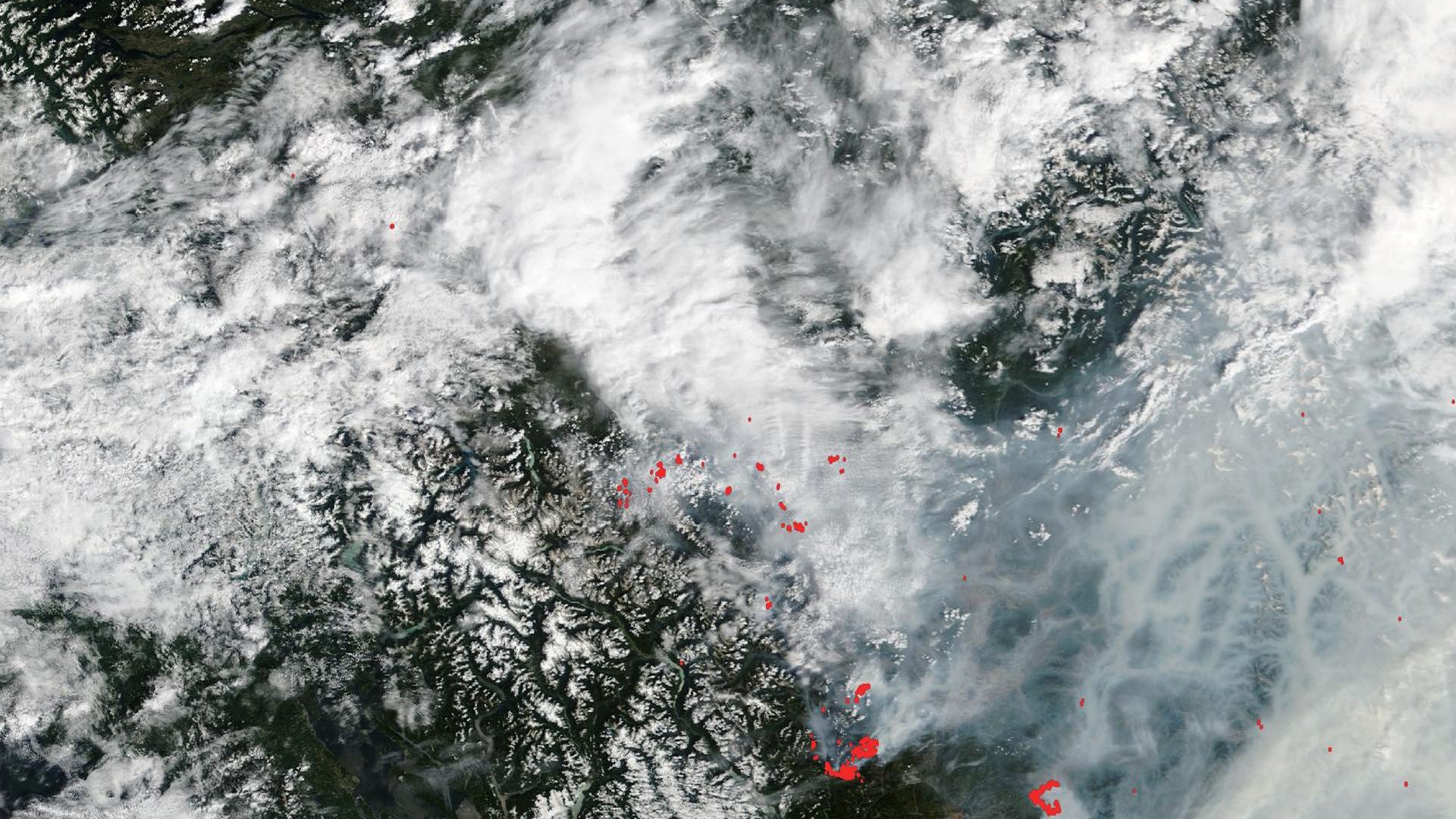
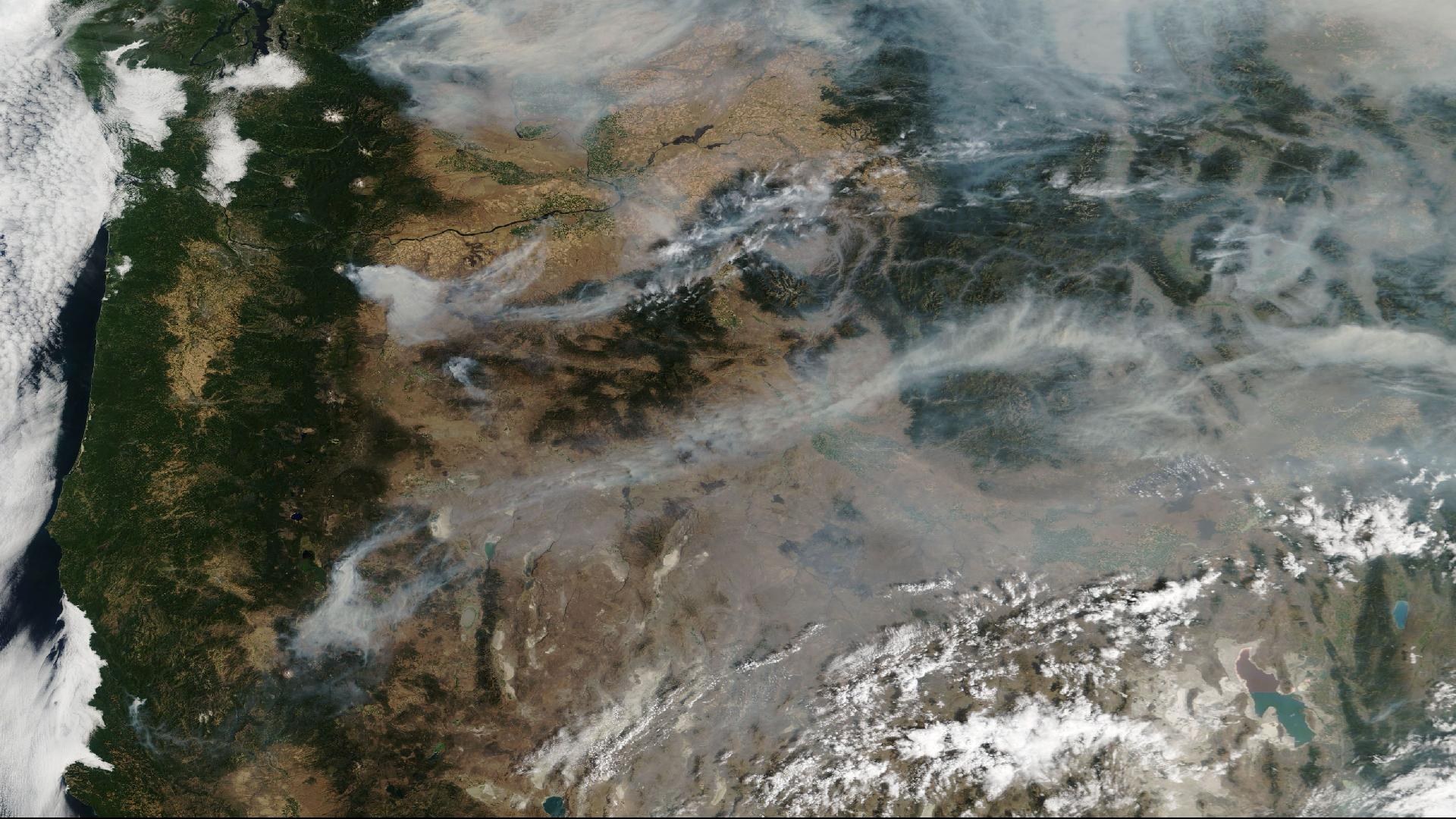
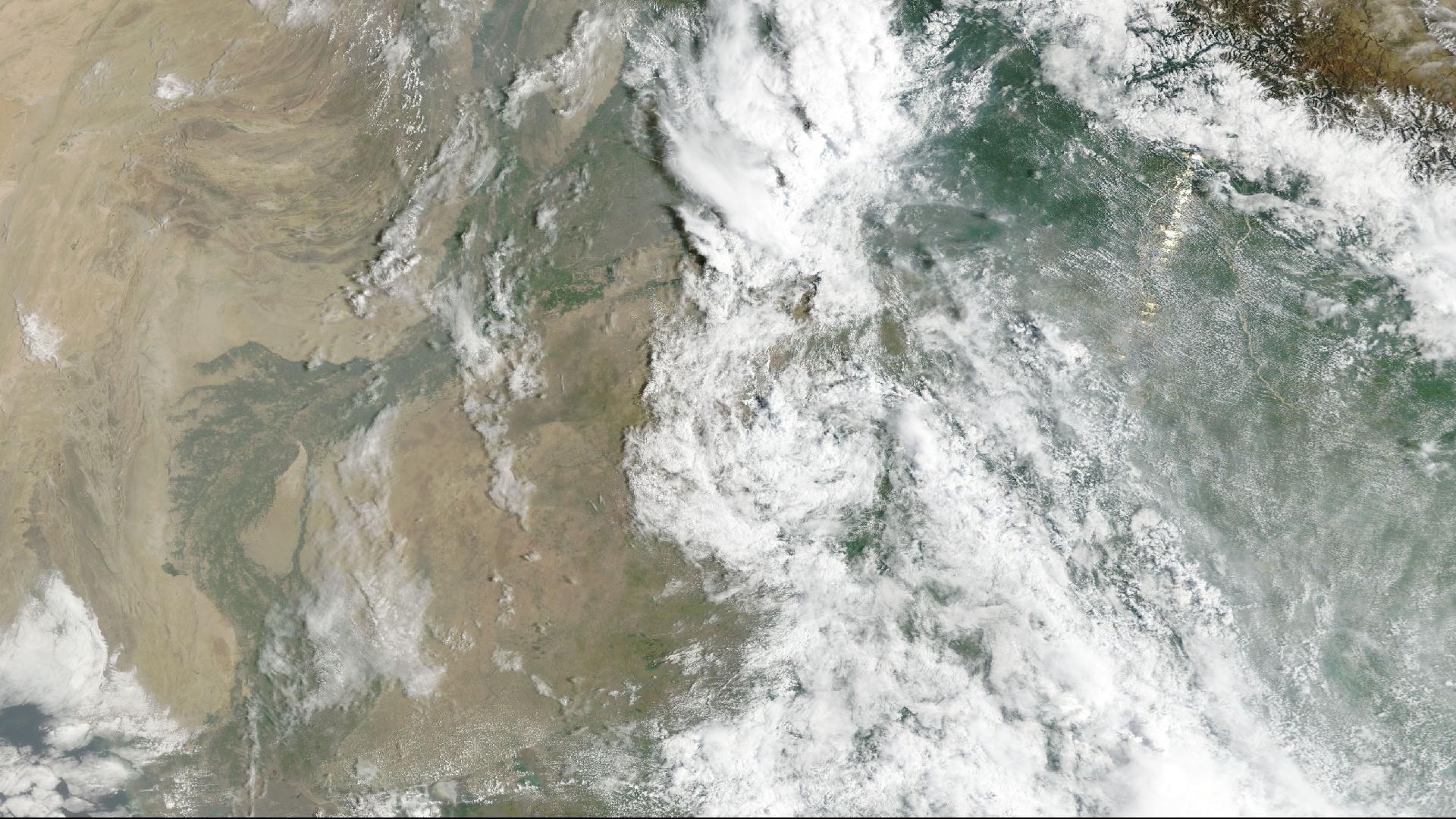
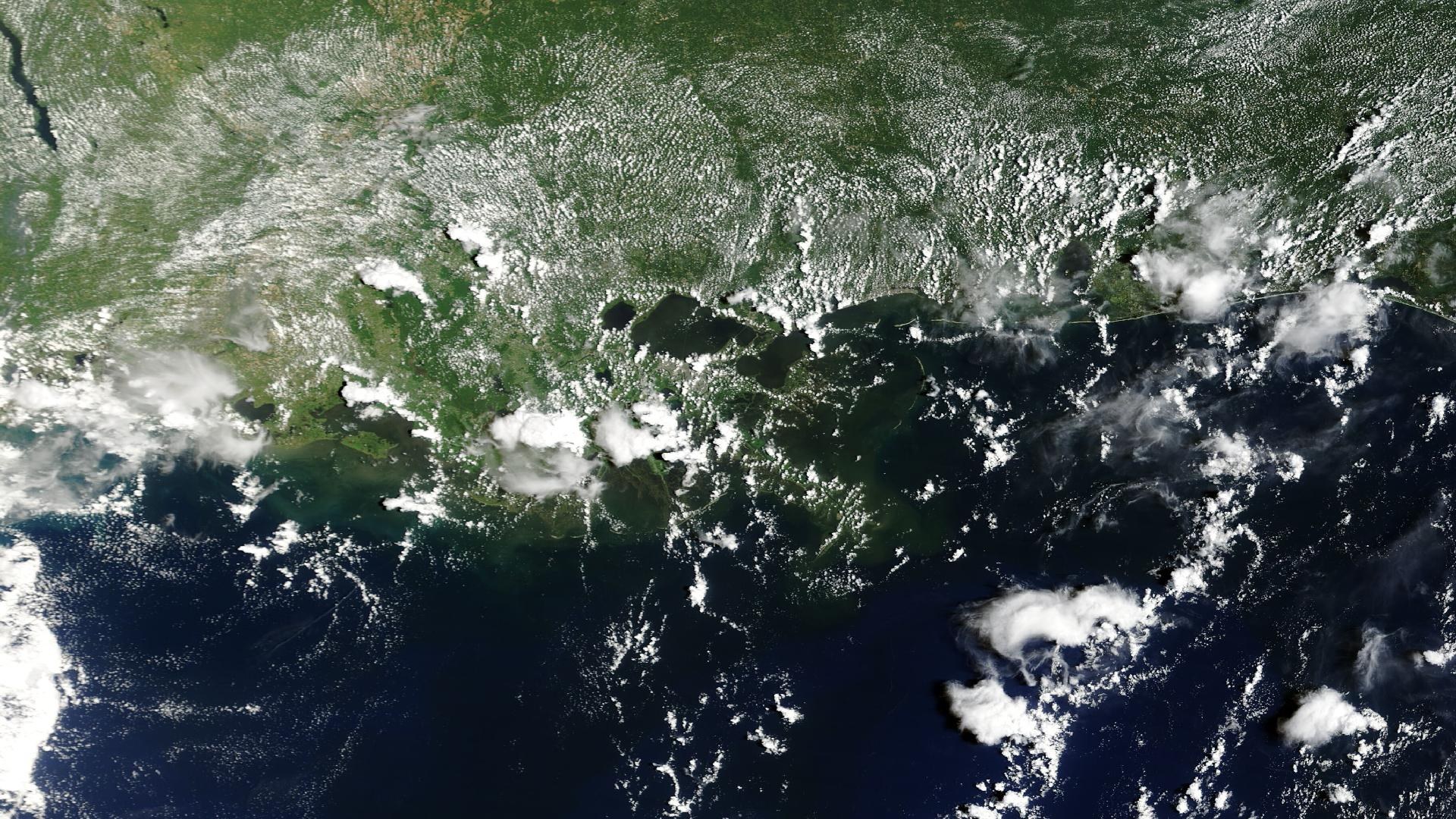
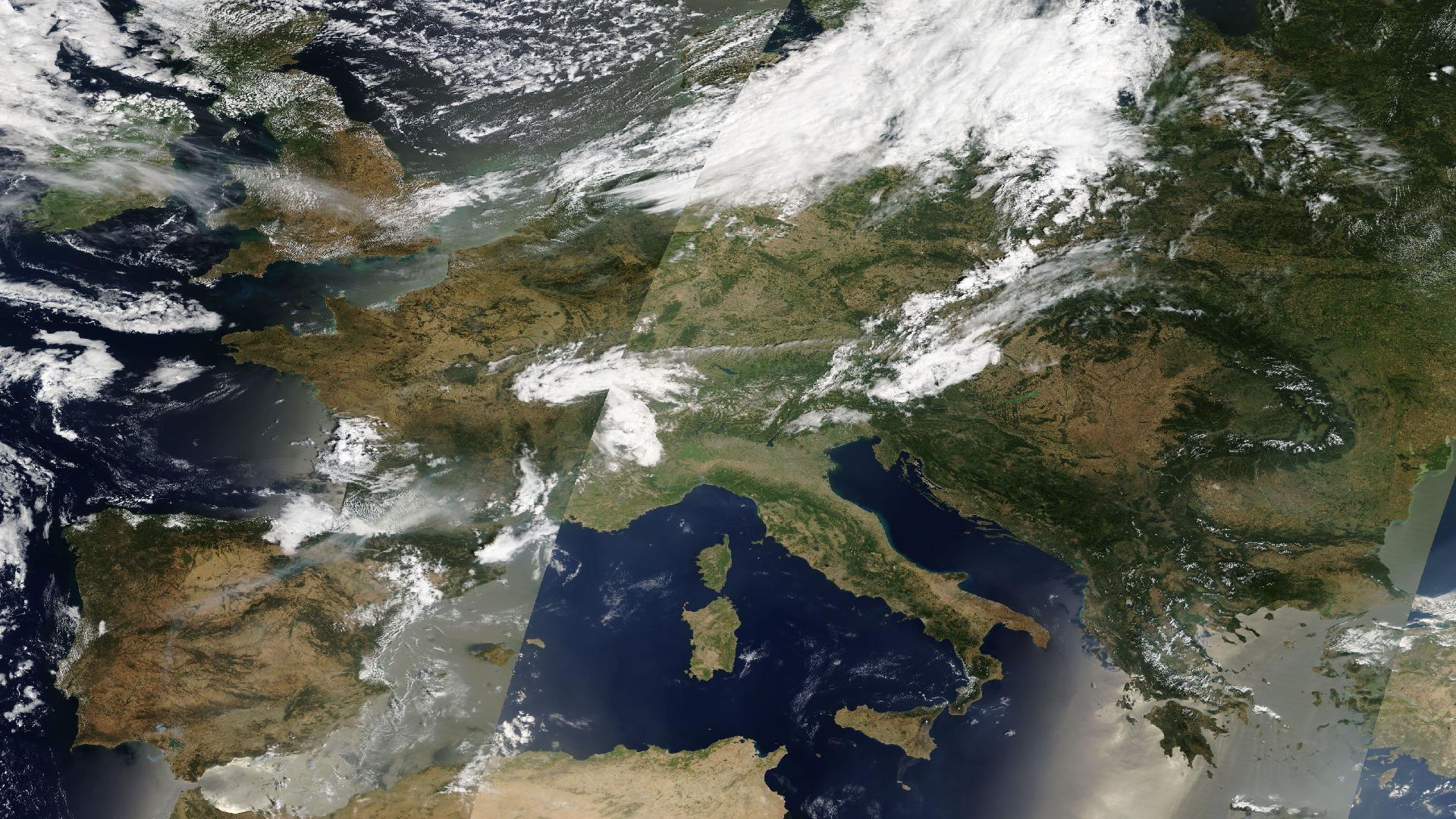
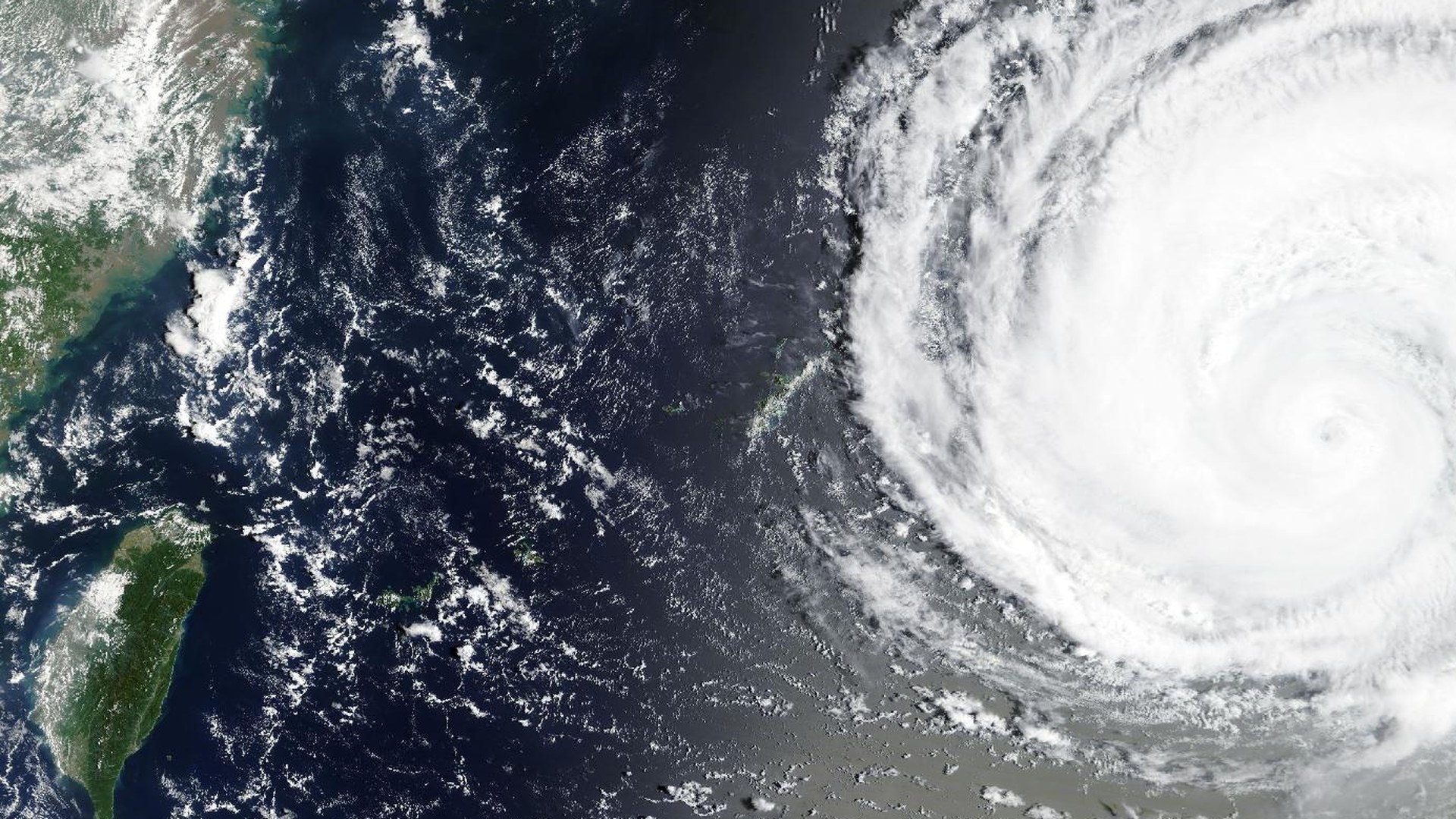
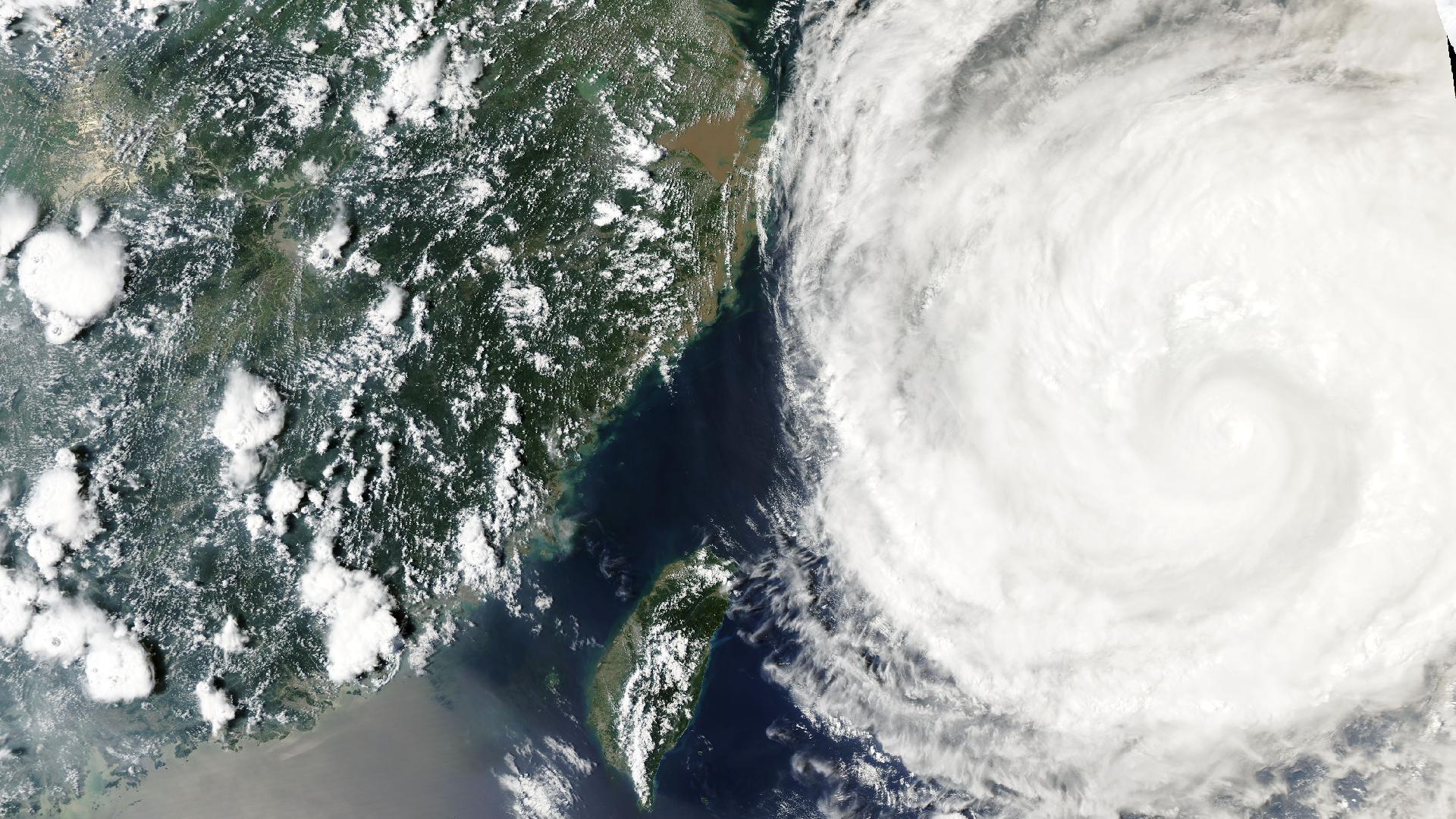
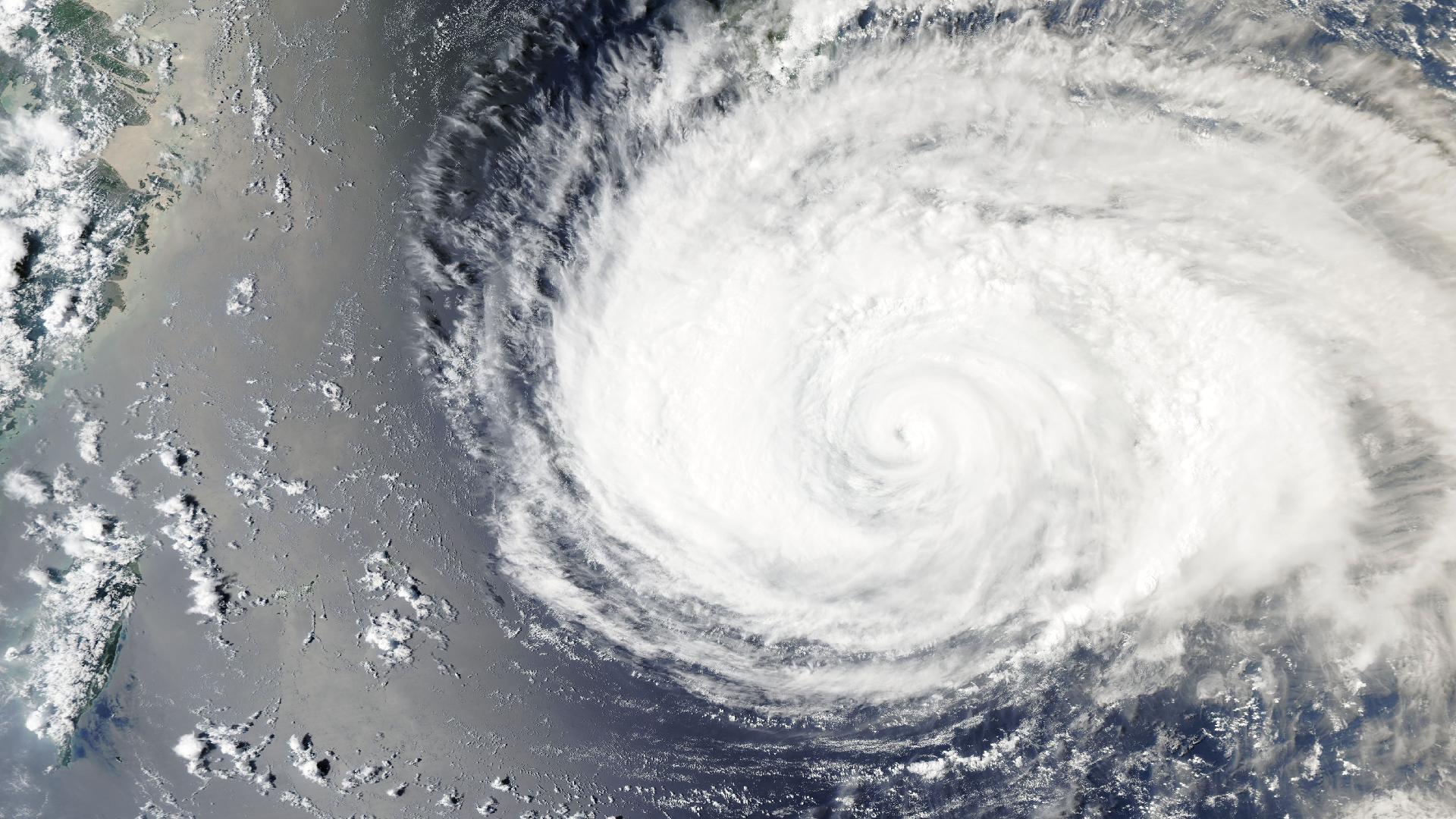
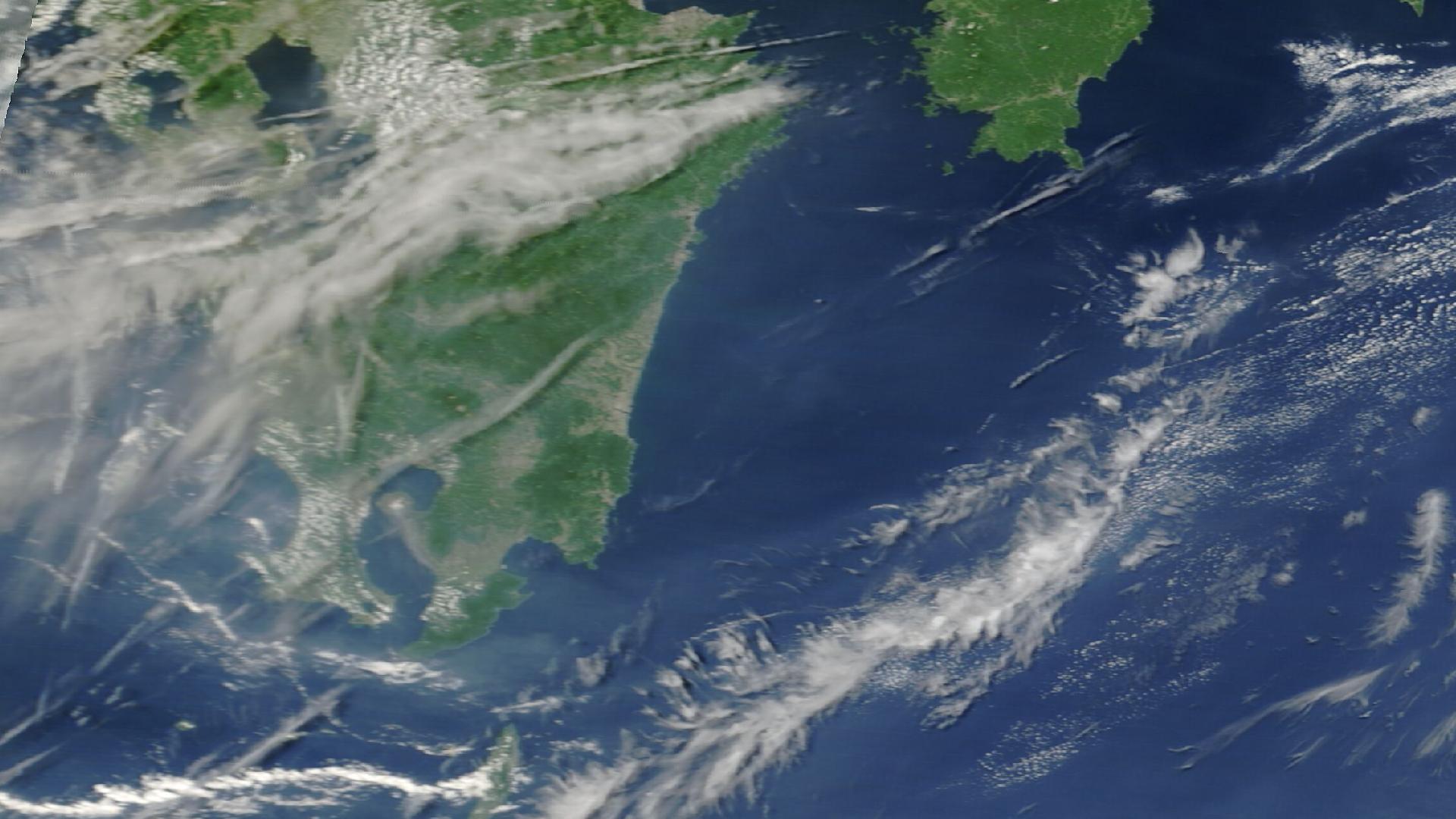
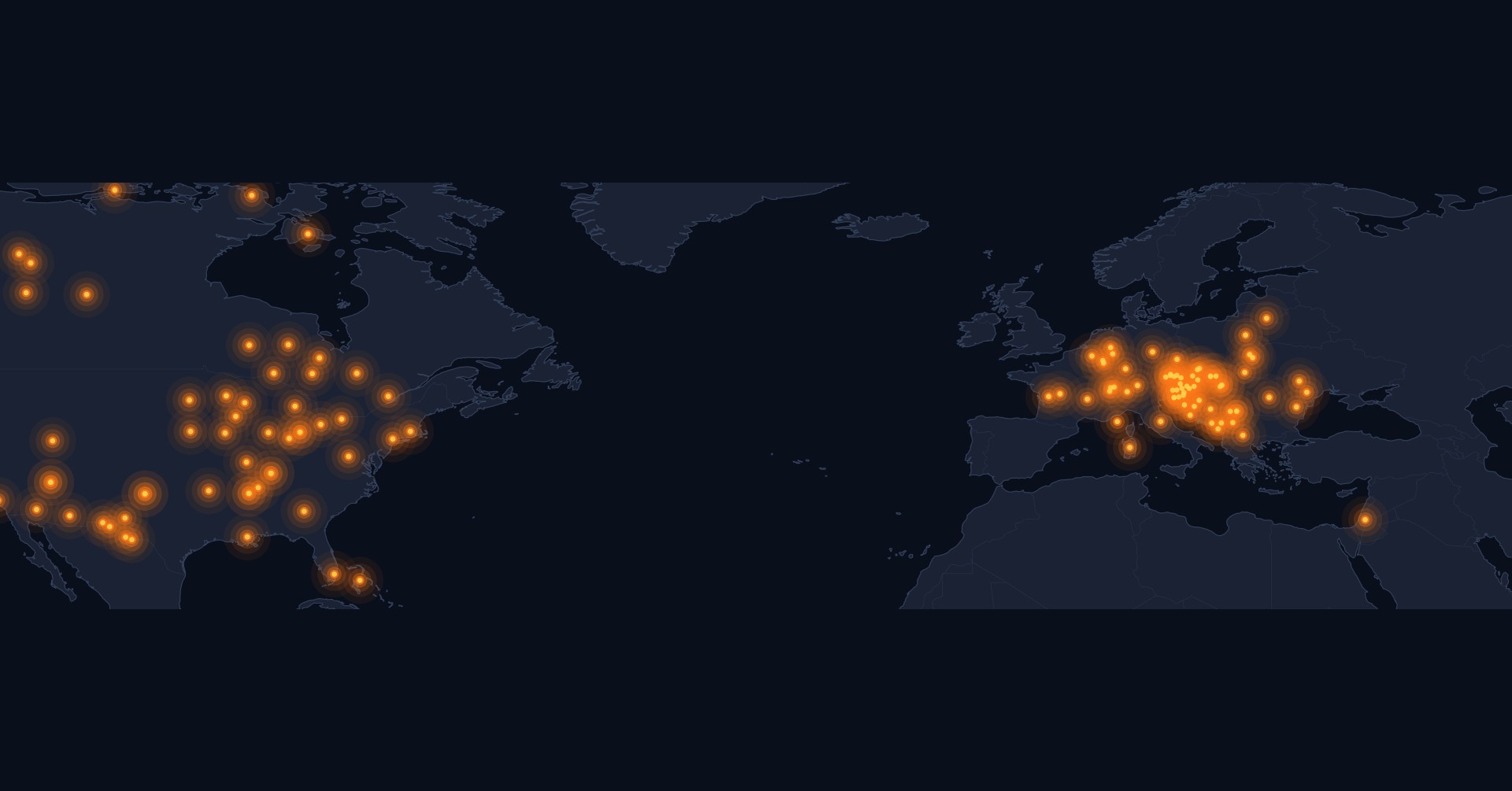
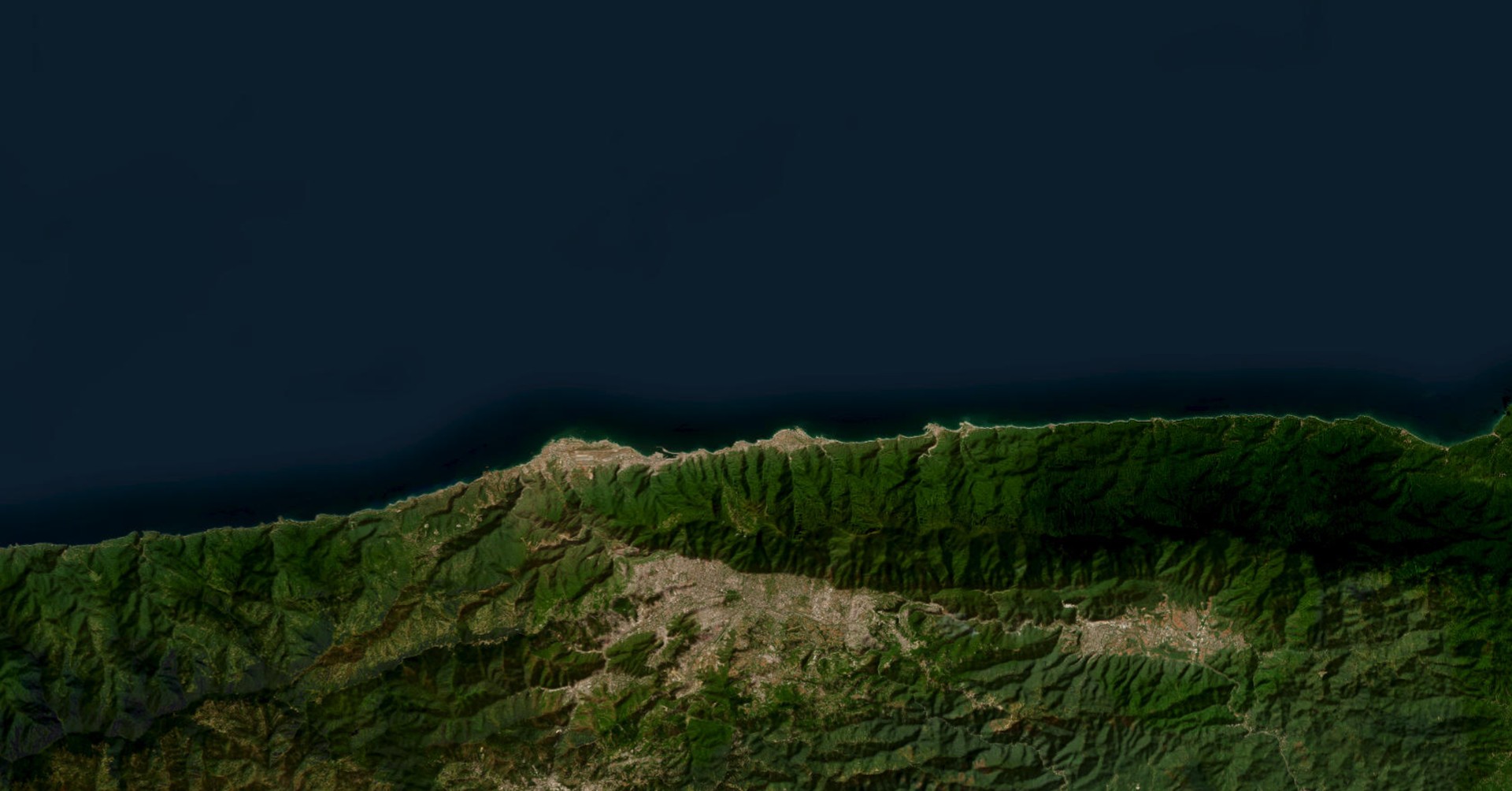
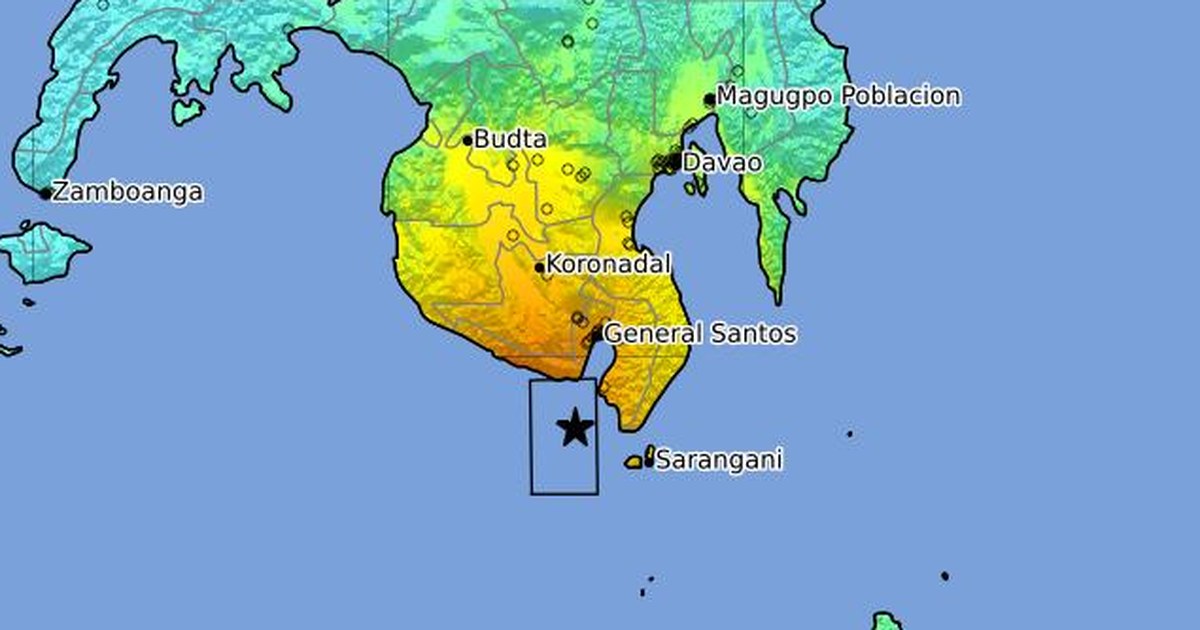
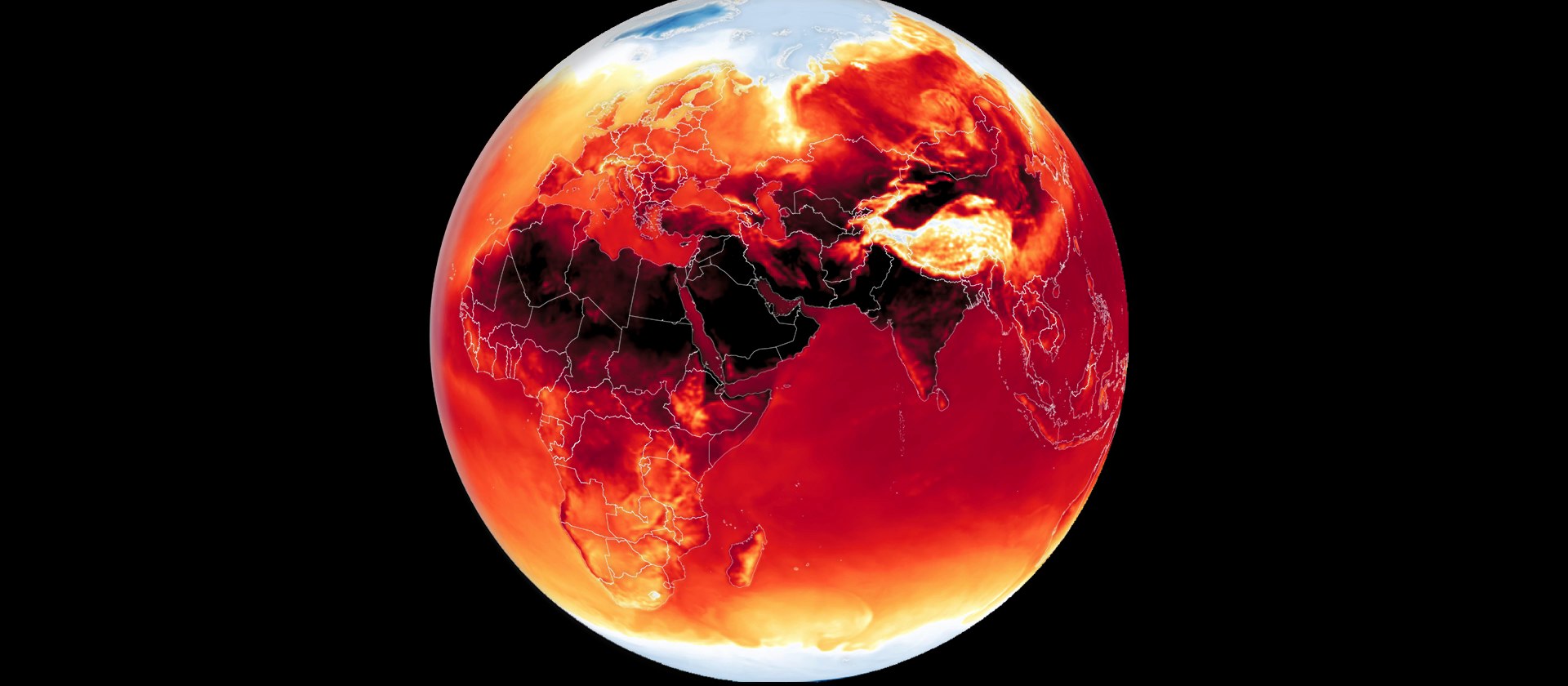
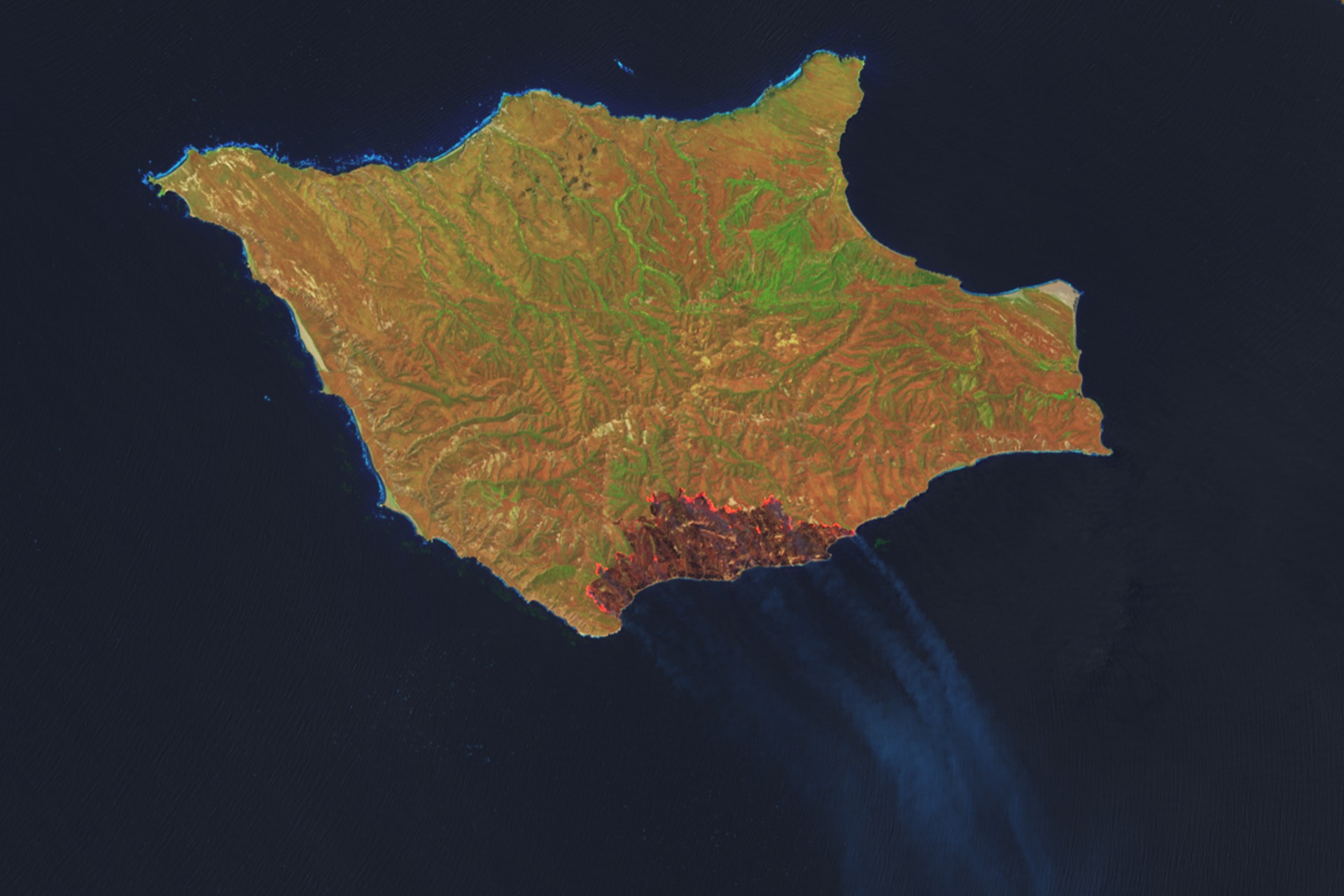
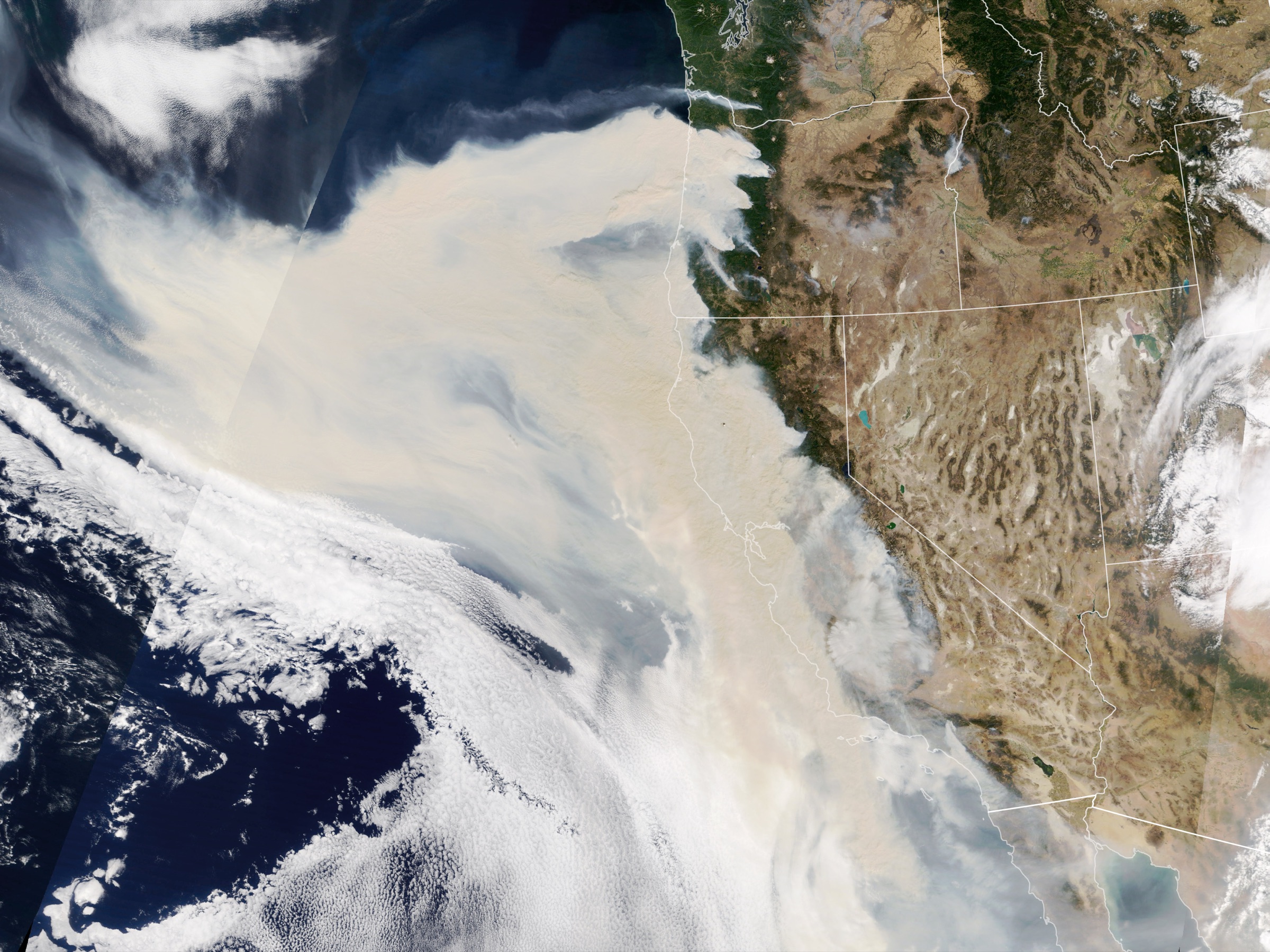
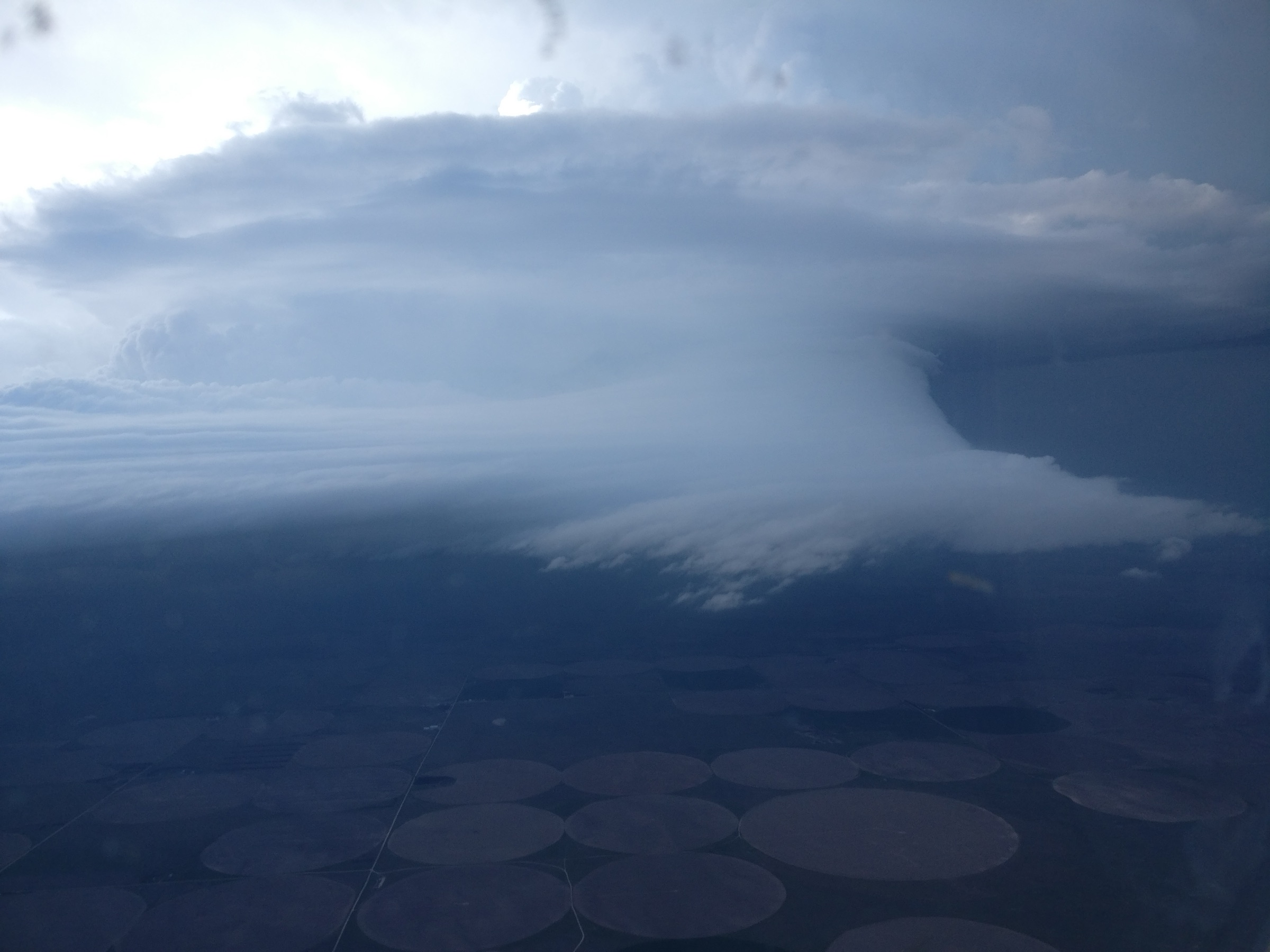
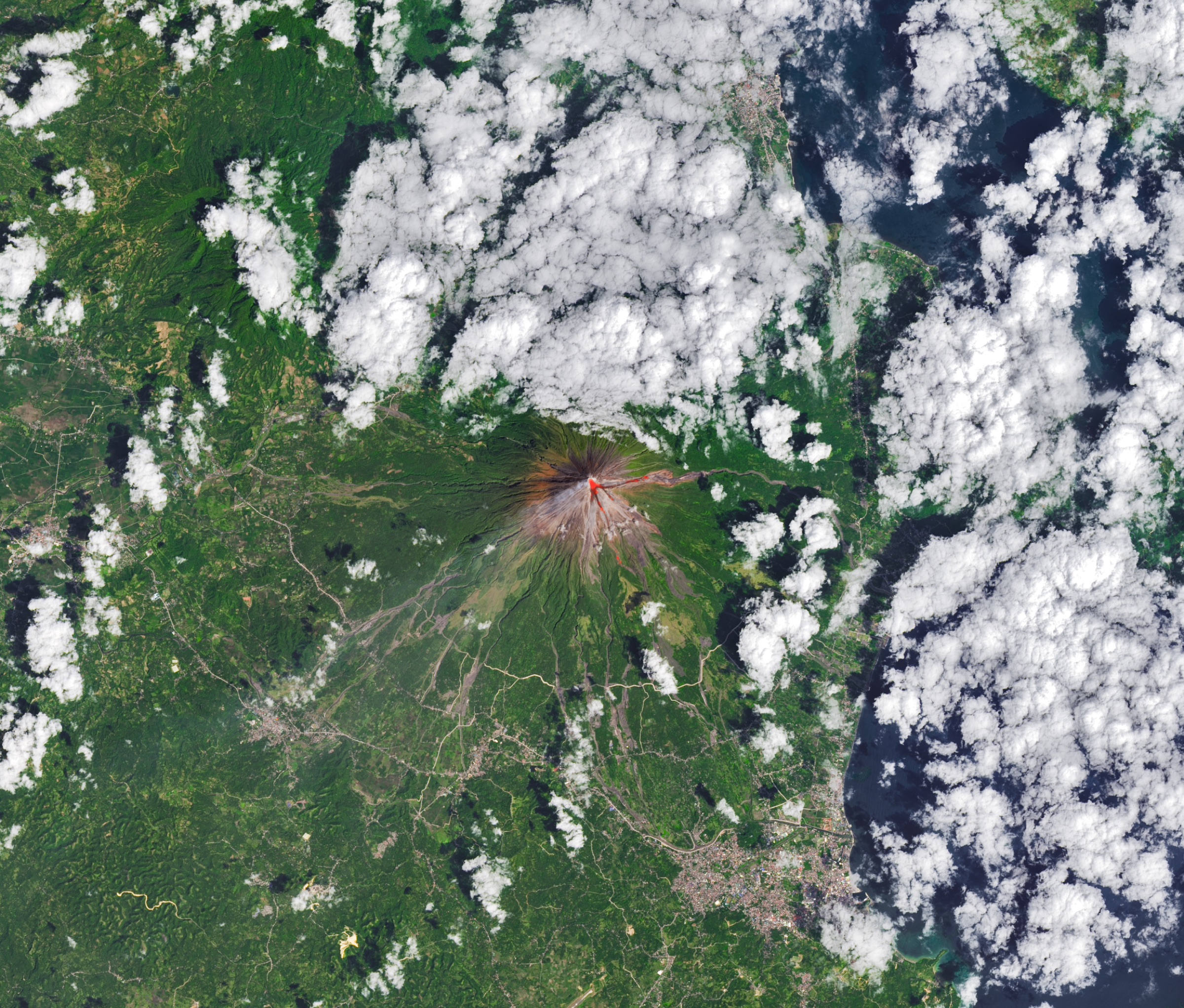
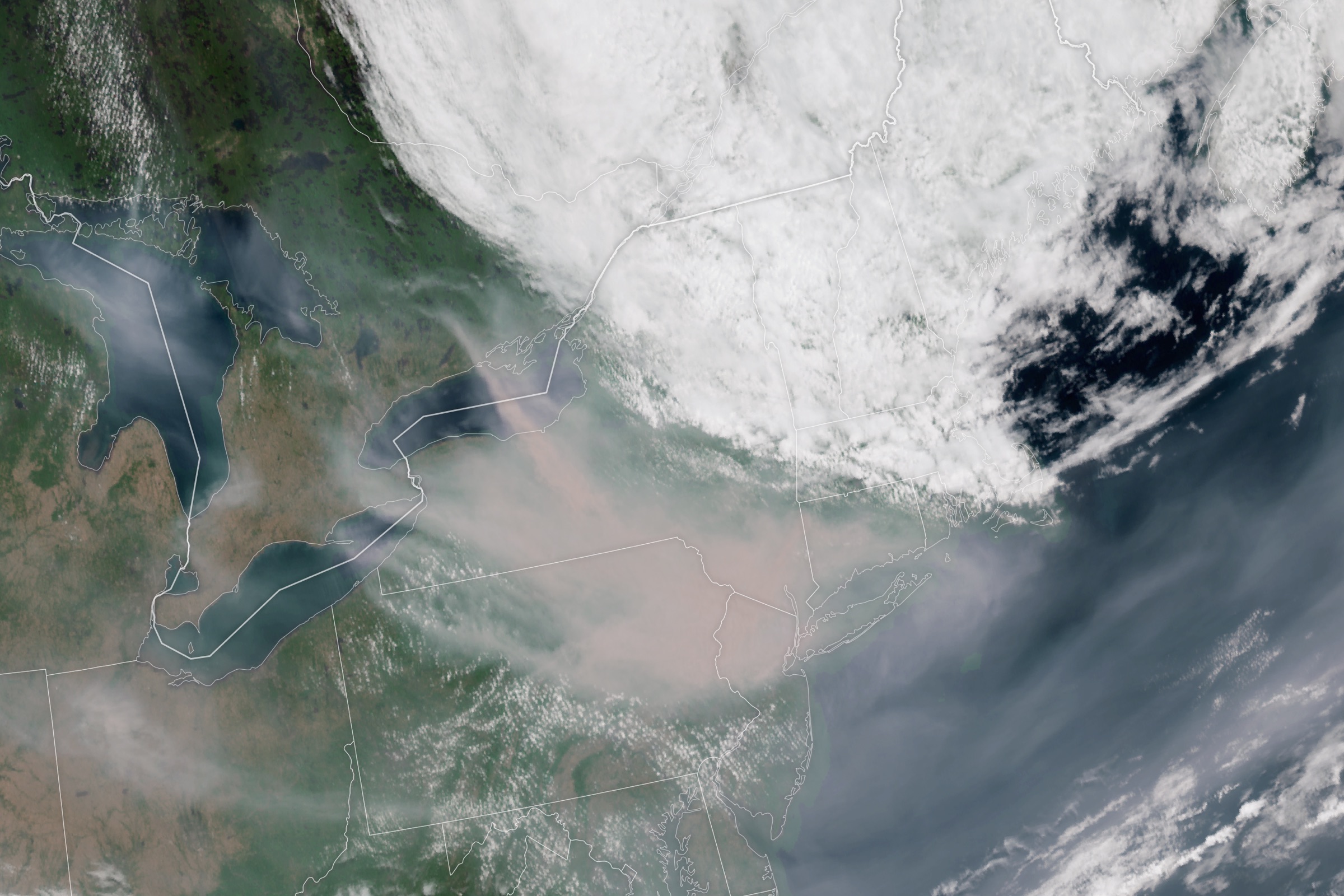
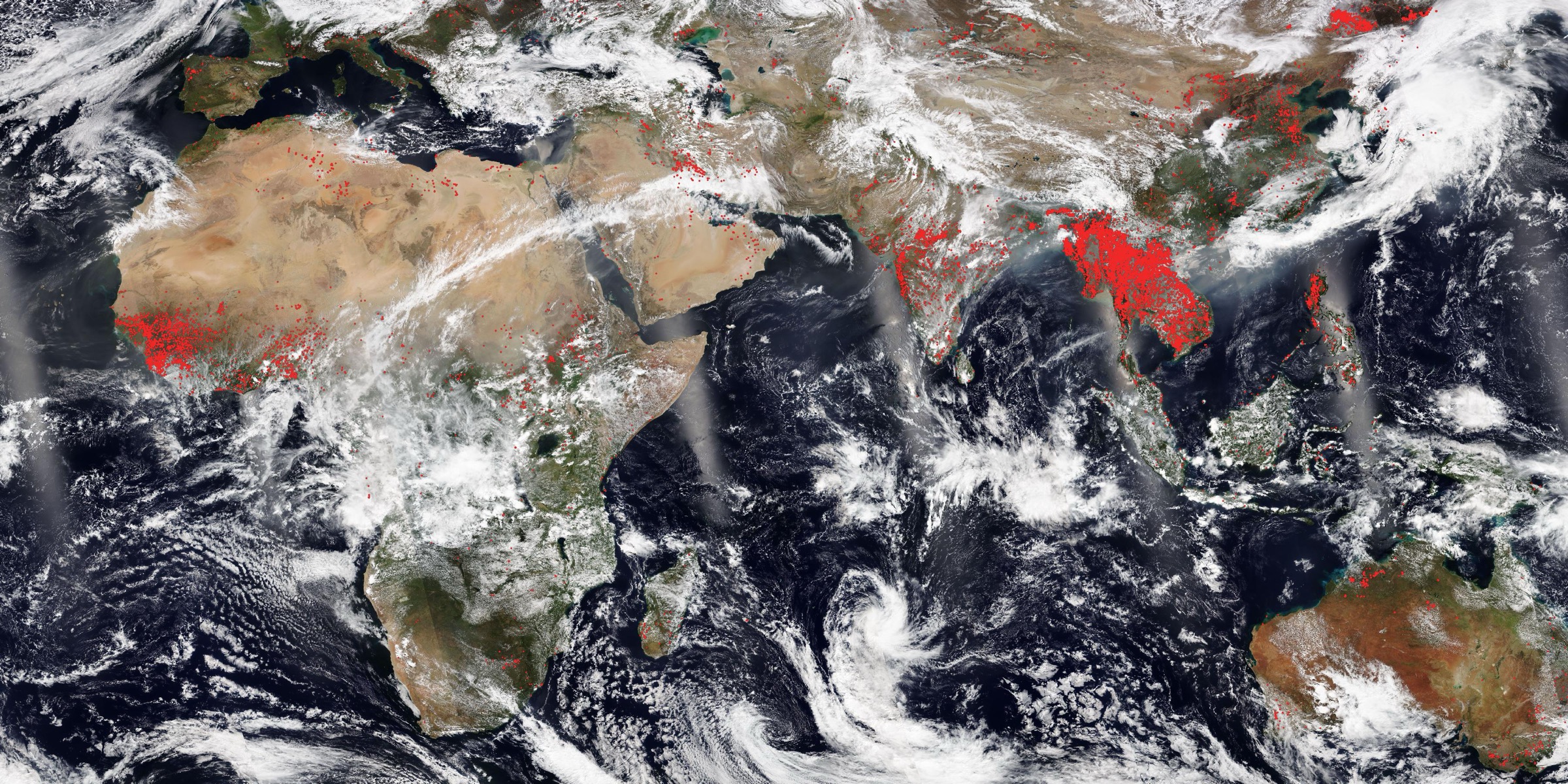
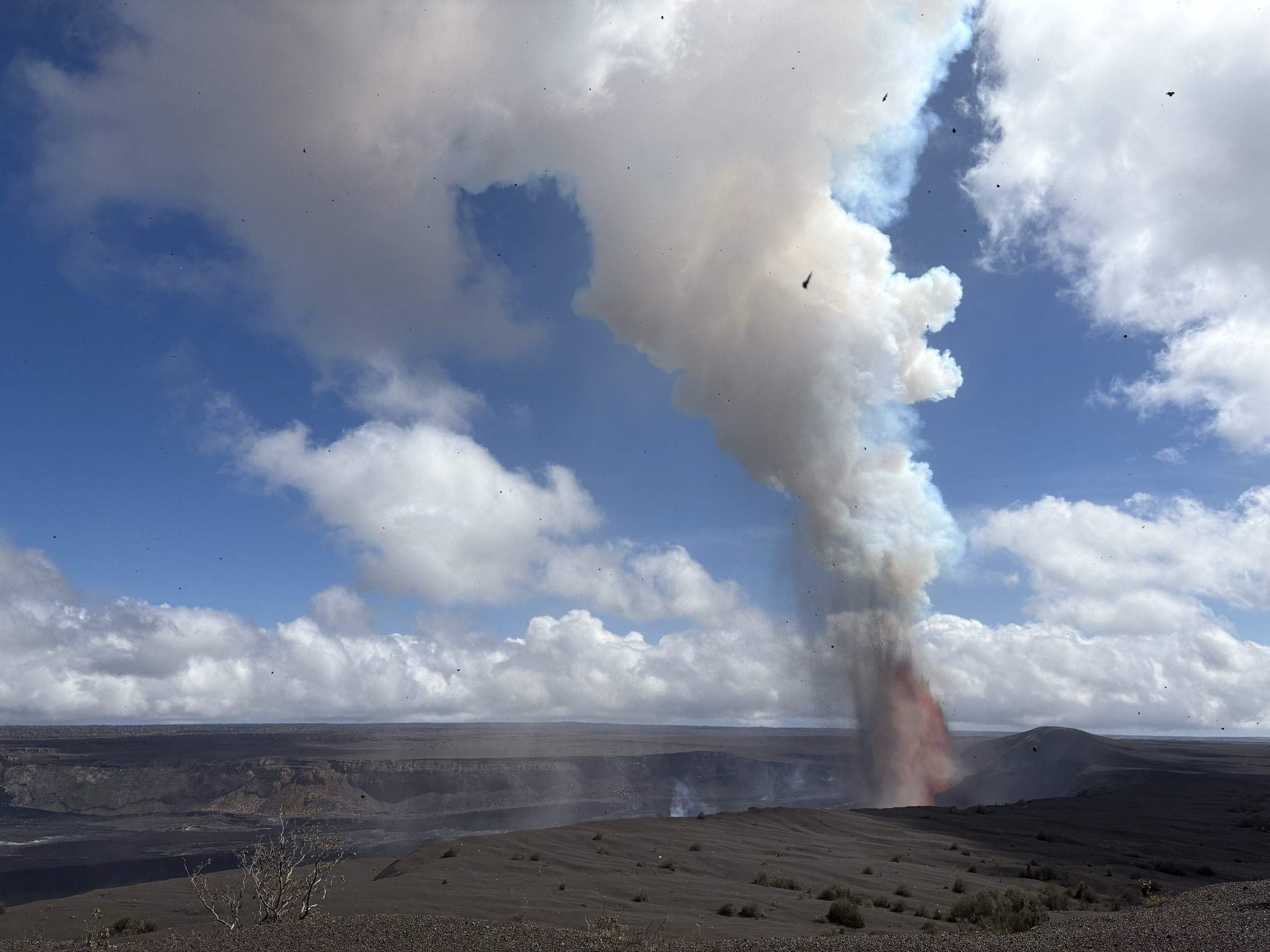
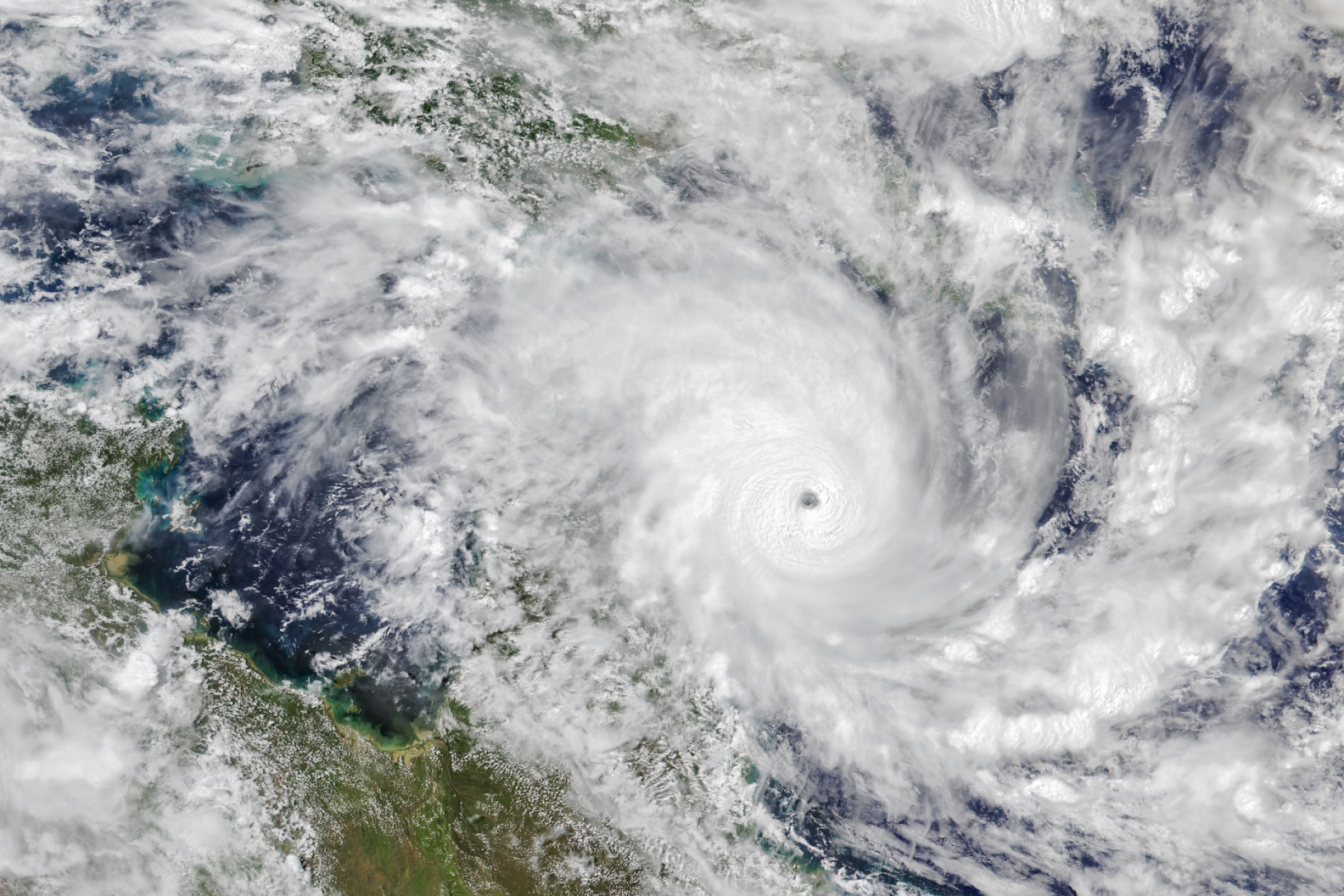
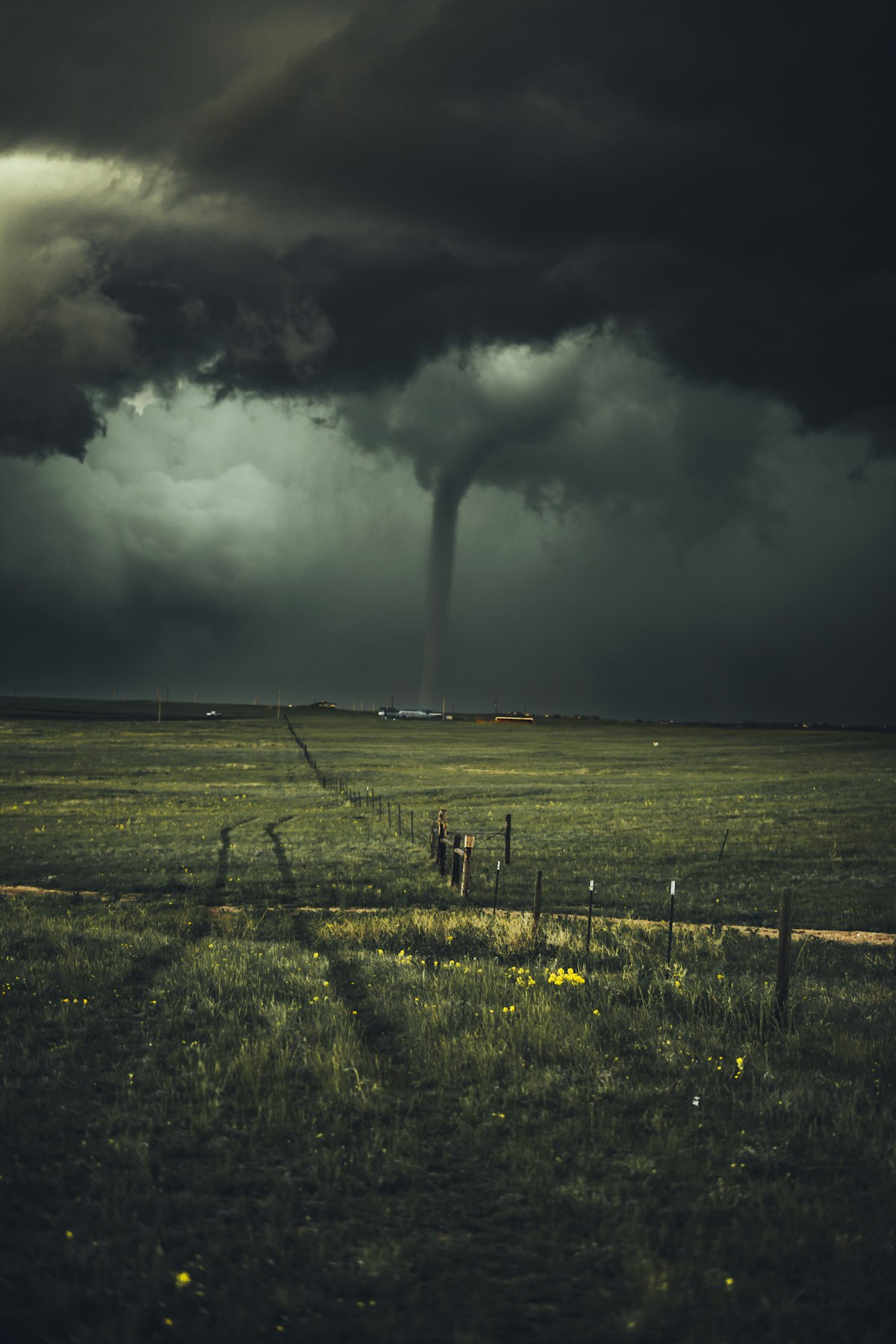
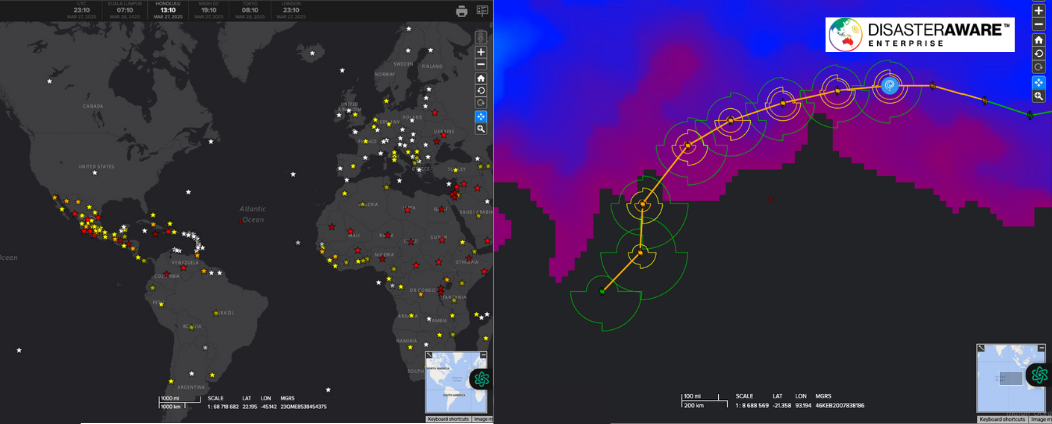
Watch the intelligence pillar working, week by week:









-min.png)
.png)

.png)

Decision-ready intelligence for understanding what's happening, what is impacted, and what to do next. Global hazard, severe weather, catastrophe, and physical risk intelligence trusted by governments, enterprises, insurers, humanitarian organizations, and technology platforms worldwide.
Request DemoContact Us

