When Seconds Count: Real-Time Tornado Alerts from DisasterAWARE
Jonathan Miller
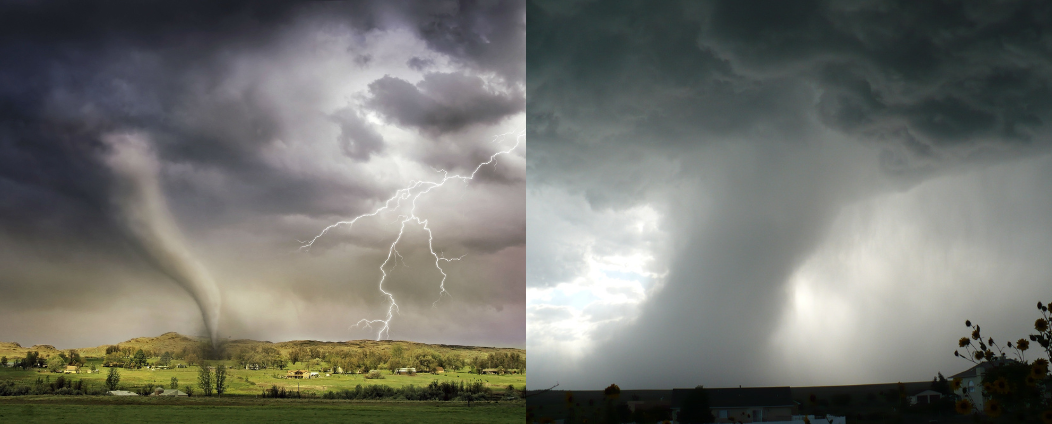
Tornadoes are some of the most destructive natural disasters, with over 1,000 tornadoes striking the U.S. annually, causing $1 billion in damages, 1,500 injuries, and 80 fatalities. DisasterAWARE provides cutting-edge tools for real-time monitoring, impact analysis, and actionable insights. By integrating authoritative data from agencies like the U.S. National Weather Service (NWS), DisasterAWARE ensures accurate, timely intelligence to help organizations protect lives and assets.
Situational Awareness Products
When tornado activity is detected, DisasterAWARE generates comprehensive Situational Awareness Reports, including:
Alert Summaries: Detailed information on the tornado's type, severity, and affected areas.
Issued Warnings: From trusted agencies such as the NWS, with time, location, and movement details.
Impacted Areas: Highlighting counties, towns, and critical infrastructure.
Notification Areas (SmartAlert): Alerts based on regional standards, such as SAME codes.
Exposure Areas: Risk zones classified as Moderate, Strong, or Severe for consistent intelligence.
By clustering related alerts across jurisdictions, DisasterAWARE reduces notification fatigue and ensures clarity.
Additional Data Layers
DisasterAWARE supports decision-making with additional data layers, such as:
Tornado Alerts and Risk Layers: Including Tornado Probability maps, Watches, and Warnings.
Meteorological Layers: Doppler radar, wind analysis, and precipitation forecasts.
Population & Infrastructure Layers: Identifying high-risk zones, hospitals, schools, and critical facilities.
Administrative Layers: Urban extents, land use, and jurisdictional boundaries.
Data as a Service (DaaS) API
DisasterAWARE's API allows seamless integration of hazard intelligence into your systems, enabling:
Access to severity levels, exposure areas, and geospatial overlays.
Automated exposure assessments for populations, infrastructure, and critical assets.
Integration of situational awareness products, including alert summaries and map layers.
Industry-specific applications, such as claims triage for insurers, rerouting for logistics, and enhanced command systems for emergencymanagers.
The API also delivers timestamps for alert issuance, expiration, and updates, ensuring operational-grade data.
DisasterAWARE transforms complex tornado hazard data into actionable intelligence, empowering organizations to make informed, timely decisions. Protect lives, assets, and operations with trusted, real-time insights.
More Reading Material
June 9, 2026
Mindanao M7.8 + Cuba M6.1: Two Hemispheres Shake in 19 Hours, Pacific Tsunami Protocols Activate and Stand Down
June 2, 2026
The Heat Behind the Fire: Extreme-Temperature WARNINGs Now Cover a Quarter-Billion People — and Europe Is Next
June 2, 2026
The Global Fire Belt Widens: Two Weeks Into Northern-Hemisphere Fire Season, 820 Wildfire Events Across Six Continents
June 2, 2026
Northern Hemisphere Fire Season Is Back — All At Once: 1,352 Active Wildfire Perimeters Across Five Continents in a Single 24 Hours
June 2, 2026
Severe Convective Storms: How a Single Week Spread Insurance Claims Across a Third of the Country
June 2, 2026
172 Satellite-Confirmed Wildfires, a Measles Crisis, and 13 Active Volcanoes: What DisasterAWARE Is Tracking This Week
June 2, 2026
Wildfire Season Is Coming. The Biggest Threat Isn't the Fire — It's the Smoke.
June 2, 2026
April's First Major Outbreak: 39 Tornadoes, 785 Hailstorms, and the Intelligence That Makes It Actionable
June 2, 2026
When Everything Happens at Once: Typhoon, 74 Wildfires, Four Conflict Zones, and 14 Volcanoes
June 2, 2026
Two Major Earthquakes, 72 Active Wildfires, Middle East Conflict, and 16 Volcanoes
June 2, 2026
Cyclone Narelle: The Storm That Crossed an Entire Continent
June 2, 2026
Hawaii's Unrelenting Deluge: Back-to-Back Kona Lows Push Damage Past $1 Billion
June 2, 2026
March 2026 Kona Low: Historic Flooding Hits Every Hawaiian Island
June 2, 2026
March 2026 Tornado Outbreak: 10 Significant Tornadoes Including an EF5
7 min read
June 2, 2026
2026 Hurricane Season Outlook: What Risk Managers Need to Know Now
5 min read
June 2, 2026
Now Live: DisasterAWARE Bookmarks for Smarter, Faster Response
June 2, 2026
Smarter Volcano Risk Decisions with DisasterAWARE’s Global Intelligence
June 2, 2026
Real-Time Tsunami Monitoring with DisasterAWARE: Protect Lives and Assets
June 2, 2026
Stay Prepared: Real-Time Asset Protection with DisasterAWARE
June 2, 2026
Earthquake Intelligence That Saves Lives: Discover DisasterAWARE Enterprise
June 2, 2026
Monitor Tropical Storms—Every Ocean, Every Region, Every Time
June 2, 2026
A New Era of Risk Intelligence: Explore What’s New in DisasterAWARE Version 9
June 2, 2026
Stay Ahead of Flood Disasters with DisasterAWARE
June 2, 2026
How to Use DisasterAWARE For Wildfire Monitoring
June 2, 2026
Announcing the New Active Hazards API – Smarter Insights for Better Decision-Making
June 2, 2026
Important Data Update: A New, Streamlined Layers Panel in DisasterAWARE Enterprise
June 2, 2026
How to Make Your Supply Chain Resilient
June 2, 2026
Best Resources for Developing a Business Continuity and Disaster Risk Mitigation Plan
June 2, 2026
The Role of Risk Intelligence in Insurance Disaster Resilience
June 2, 2026
Enhancing Business Continuity and Disaster Risk Management with DisasterAWARE Enterprise's Disaster Intelligence
June 2, 2026
Unprecedented and Unforeseen Weather Events are Emerging