


Connecting Real-World Hazard Events to Faster, More Transparent Parametric Coverage
Parametric insurance depends on a simple concept: when a predefined event occurs or a measurable threshold is reached, the policy responds.
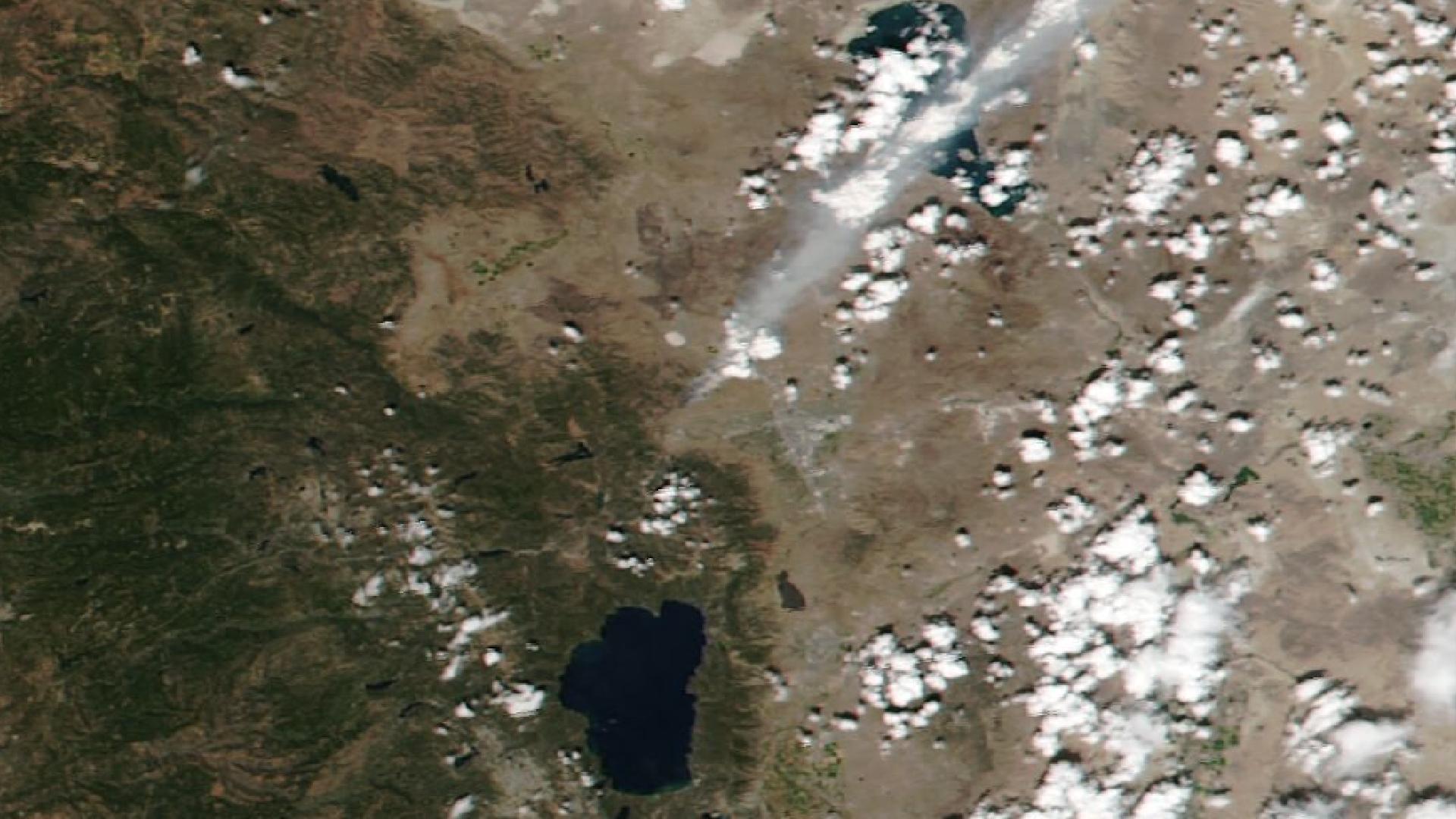
A hurricane crosses a defined wind threshold. Rainfall exceeds a specified amount. A wildfire reaches a defined geographic area. Flood depth exceeds a predetermined level.
But turning that concept into a functioning insurance product requires reliable information about what actually happened.
This is where event intelligence can play an important role. By combining real-time hazard detection, geospatial event footprints, historical event data, and location-based analysis, event intelligence can help connect the physical occurrence of a catastrophe with the contractual trigger of a parametric policy.
A useful way to think about the process is:
Detect → Characterize → Footprint → Intersect → Verify
Identify the occurrence of a potentially relevant hazard.
Determine the type and characteristics of the event, such as wind speed, rainfall, flood depth, hail size, or wildfire extent.
Represent the hazard geographically.
Compare the hazard footprint with the insured location or coverage area.
Determine whether the contractual trigger conditions have been satisfied using the policy's defined data source and methodology.
Event intelligence can support the information flow leading up to that final determination.
Many parametric triggers are geographically defined. Consider a business interruption policy covering a manufacturing facility. The policy might specify that a payout occurs if rainfall exceeds a certain threshold within a defined area surrounding the facility. A regional rainfall measurement may provide useful context, but it may not accurately represent conditions at the insured location.
More granular event intelligence can help answer:
Did the defined hazard actually intersect the insured exposure?
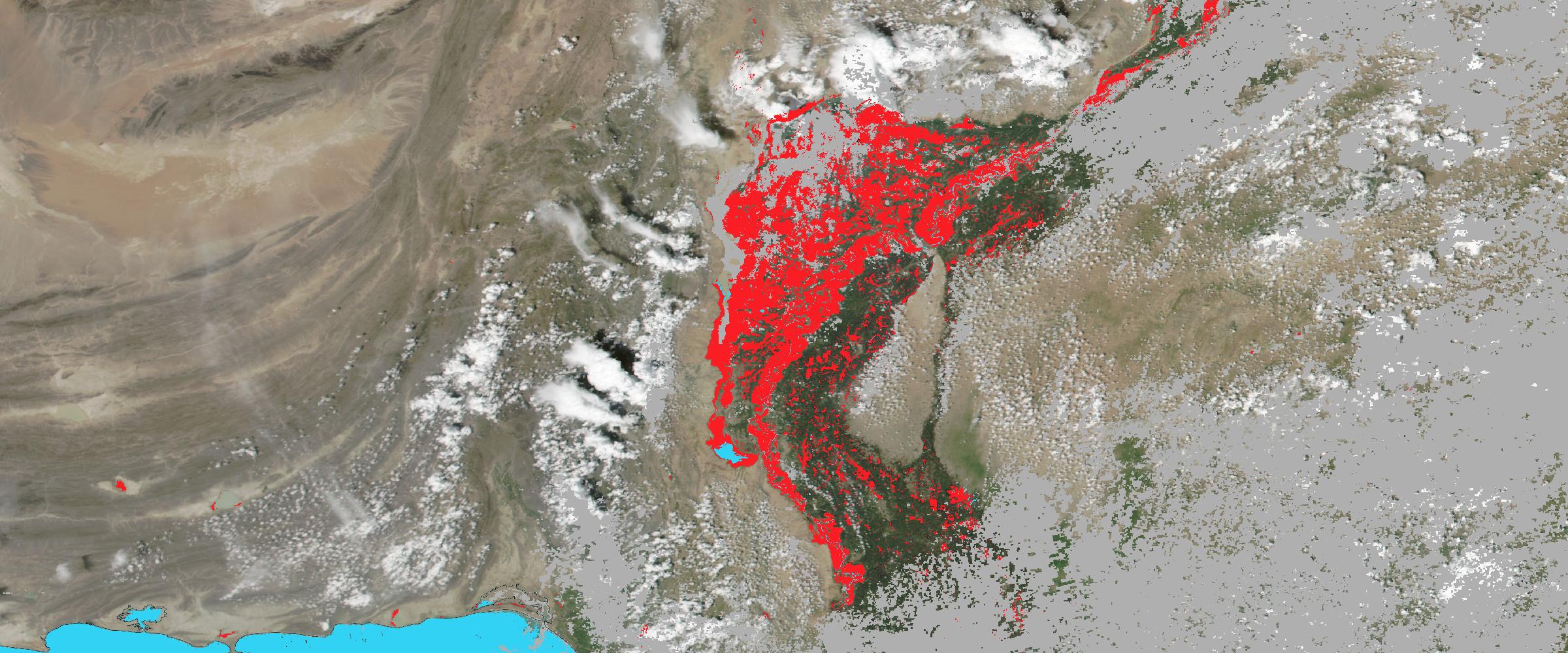
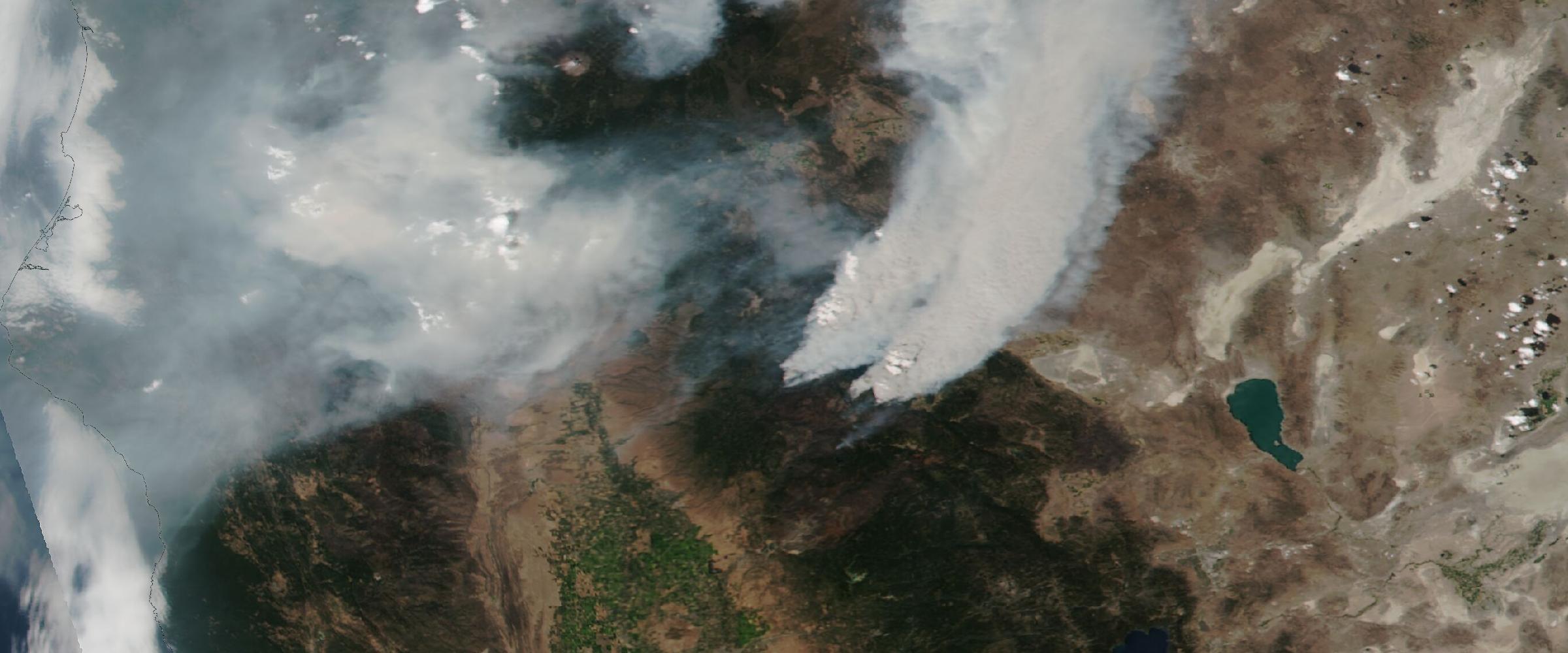
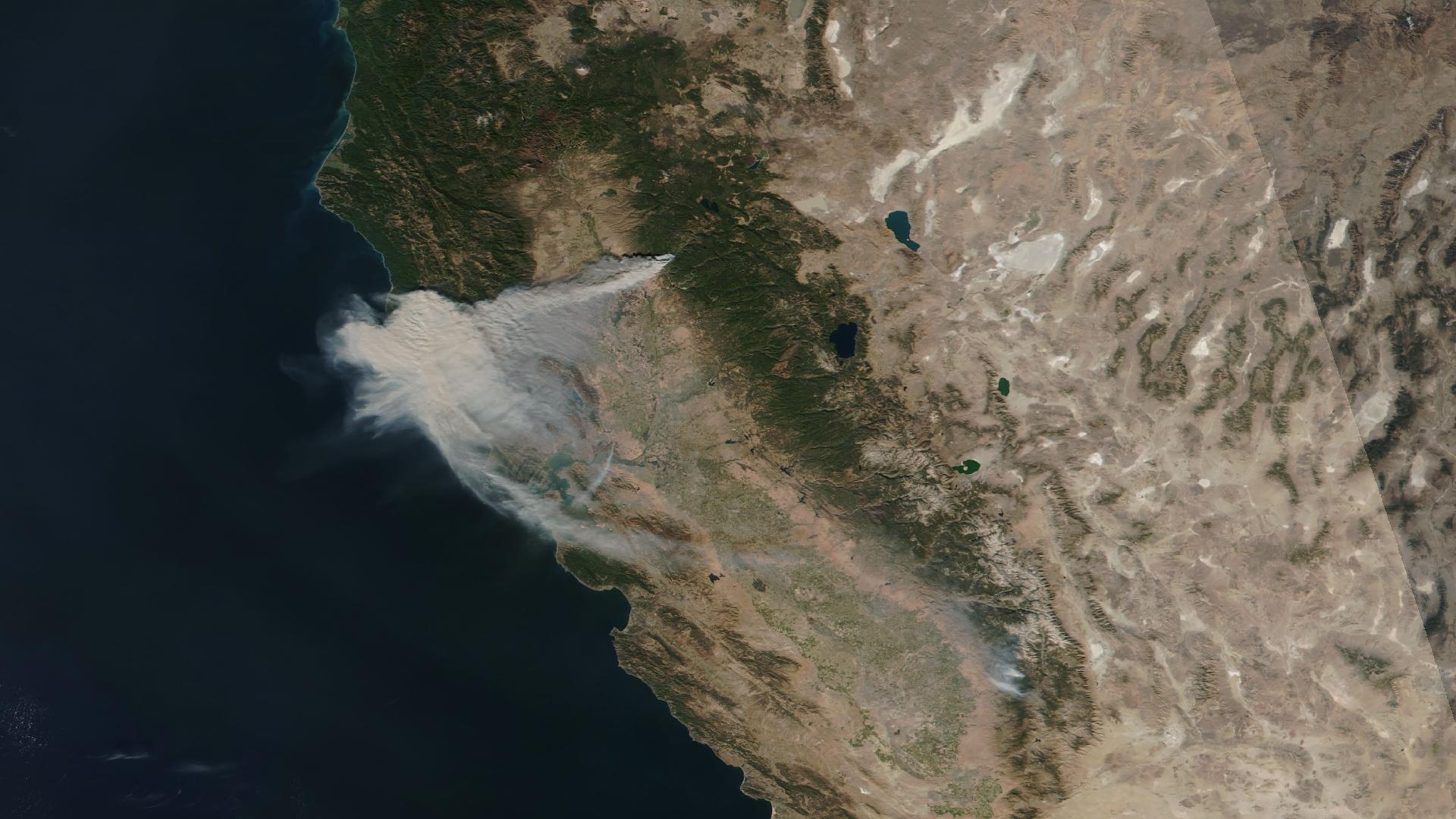
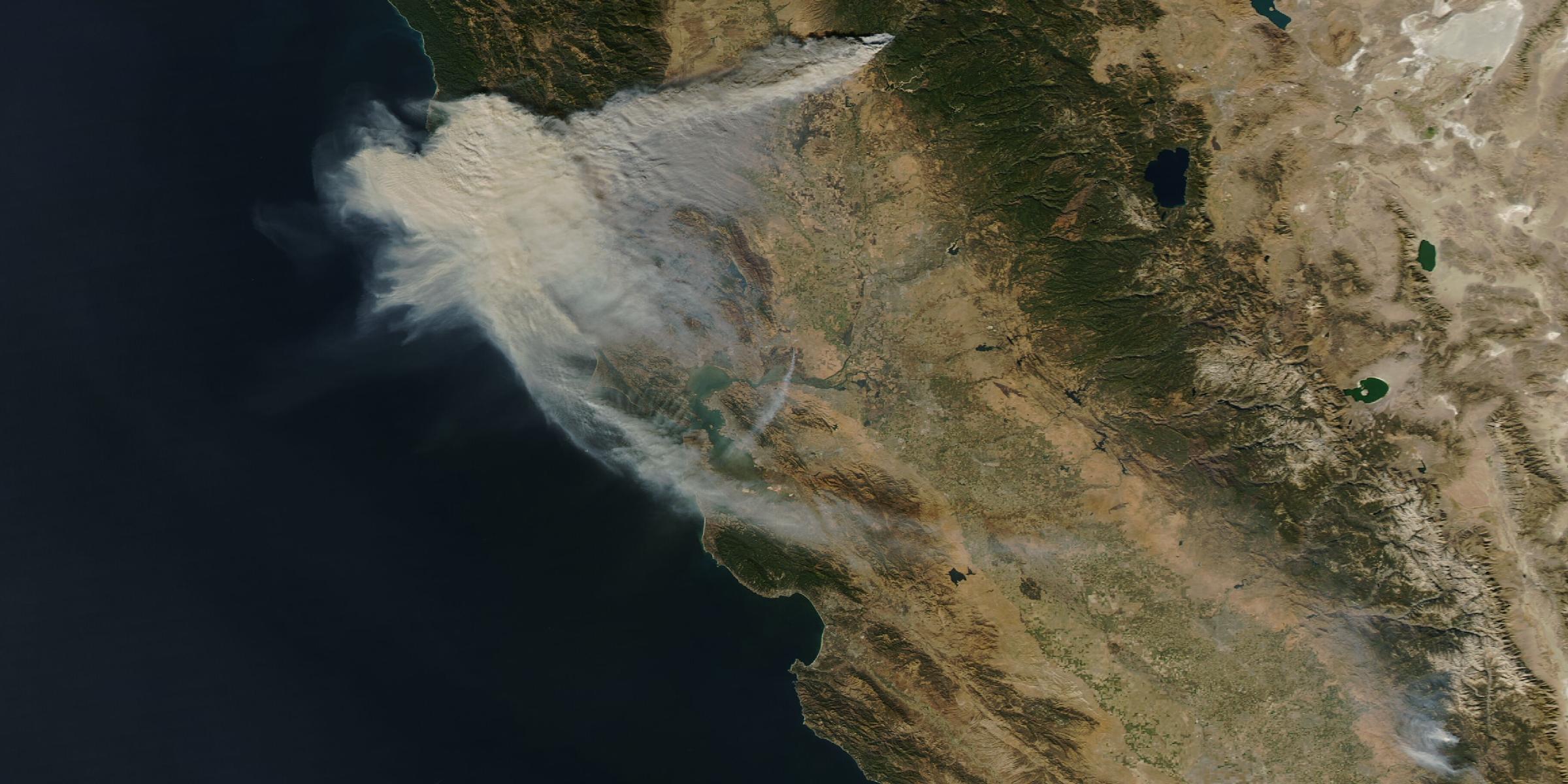
This can be particularly important for geographically variable hazards such as:
Traditional weather observations are often associated with individual measurement points. Those observations can be extremely valuable, but many hazards are spatially complex.
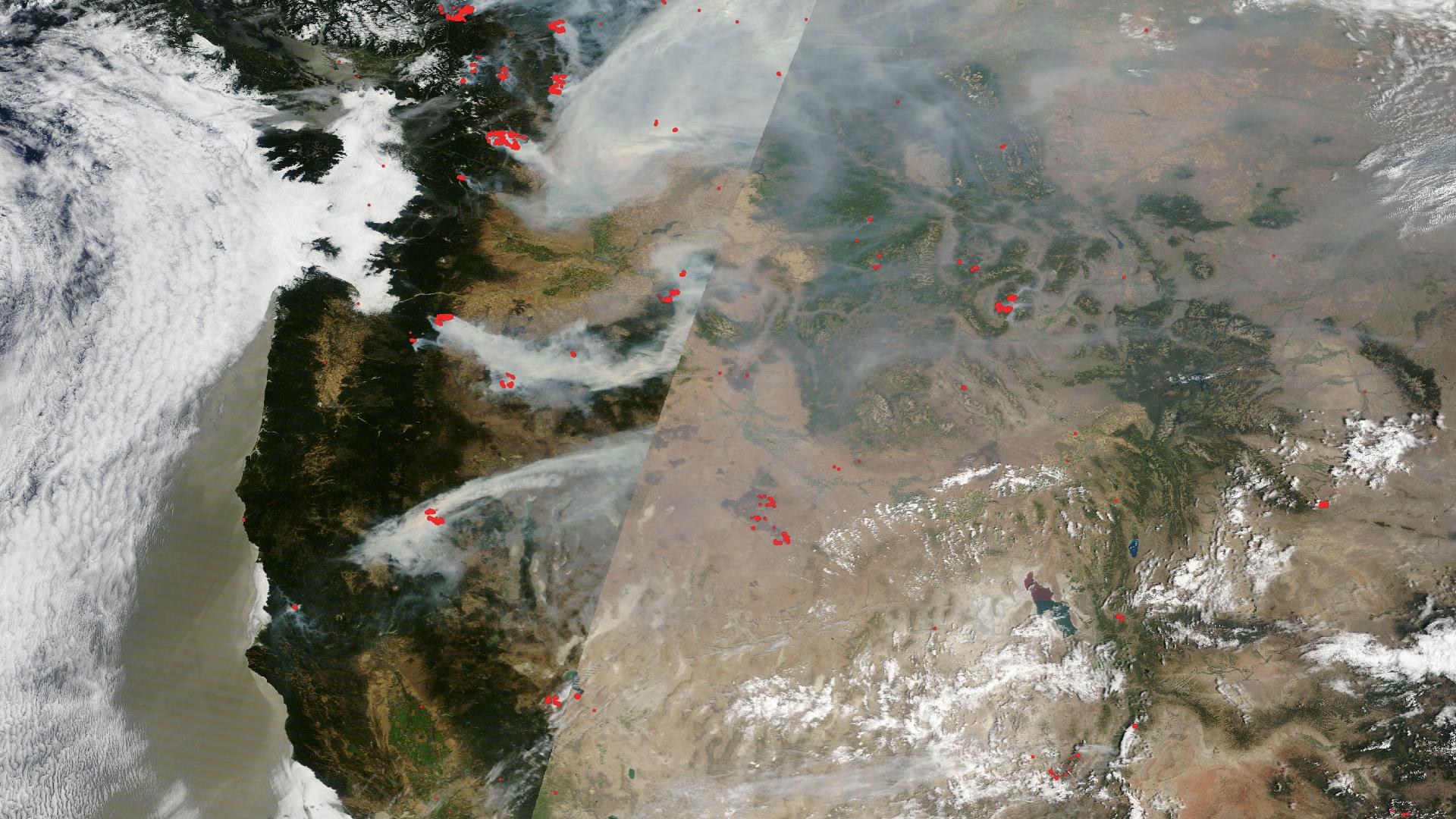
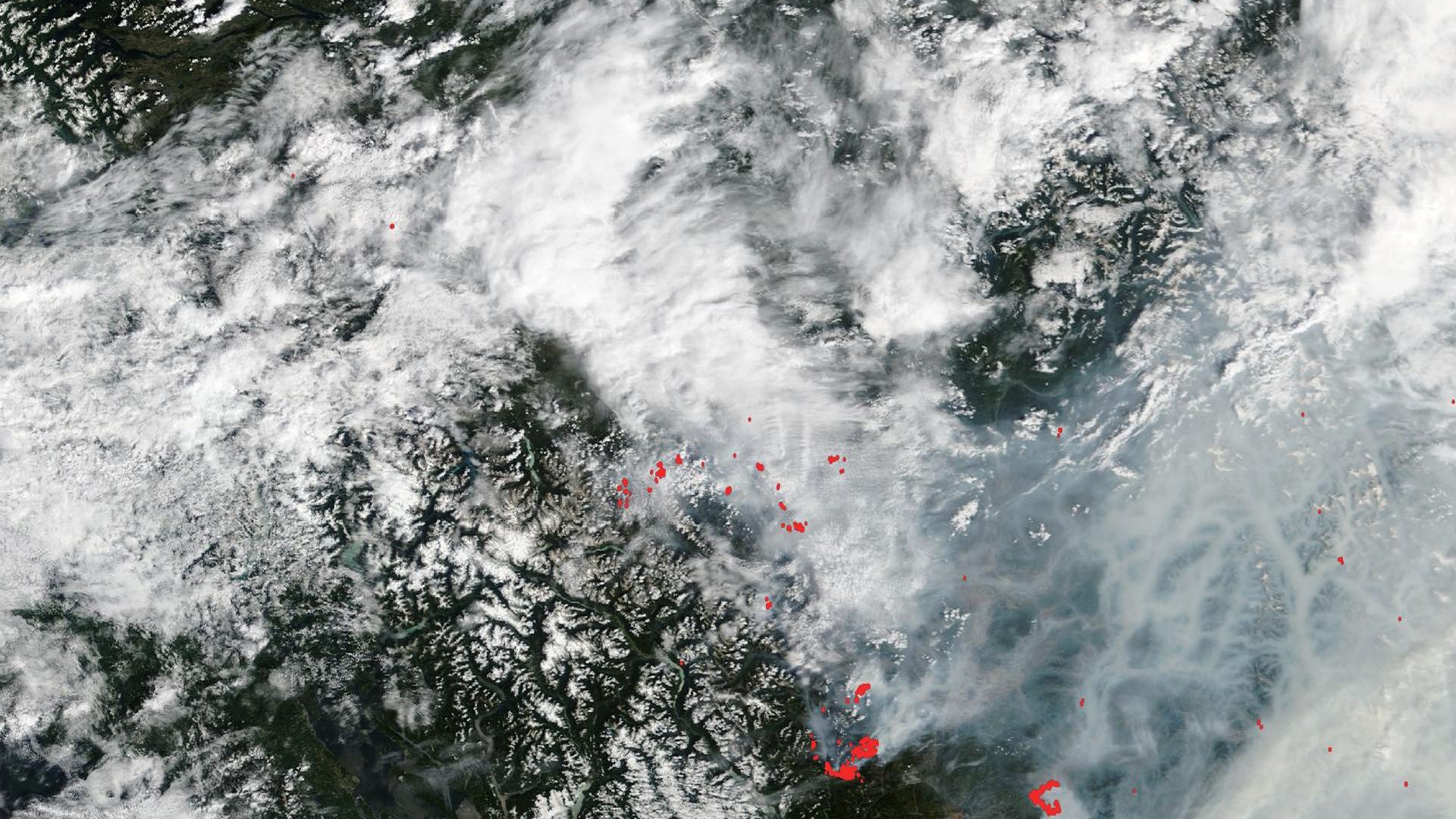
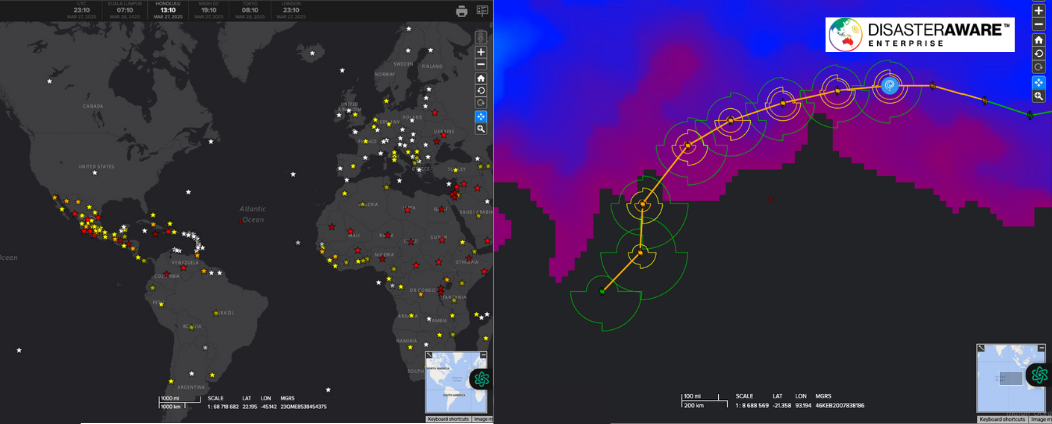
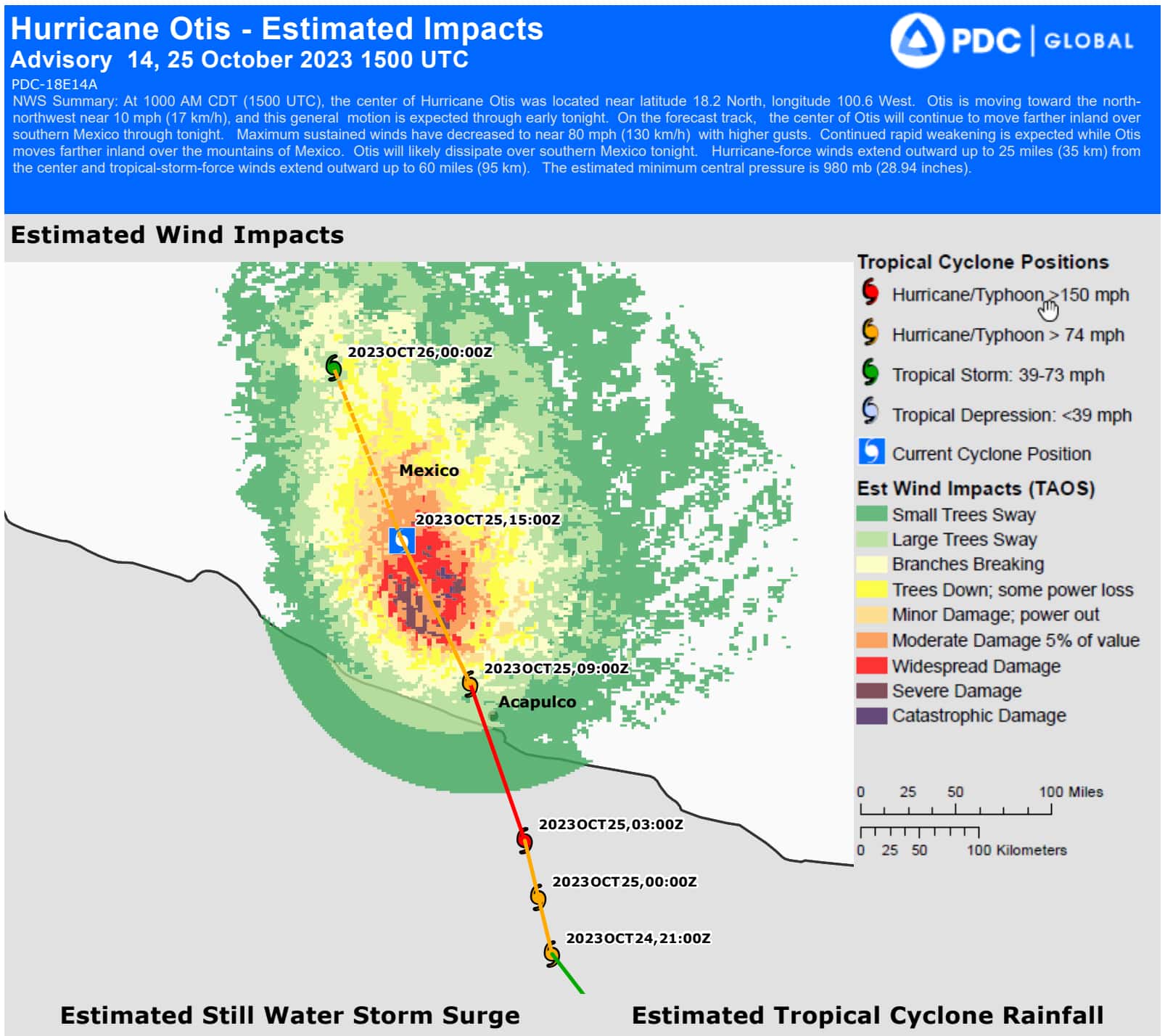
Event intelligence can represent these conditions as geospatial footprints, allowing insurers to analyze the relationship between the hazard and the insured exposure.
That can provide a richer basis for trigger analysis than simply knowing that an event occurred somewhere in the region.
Backtest parametric triggers against three decades of hazard events
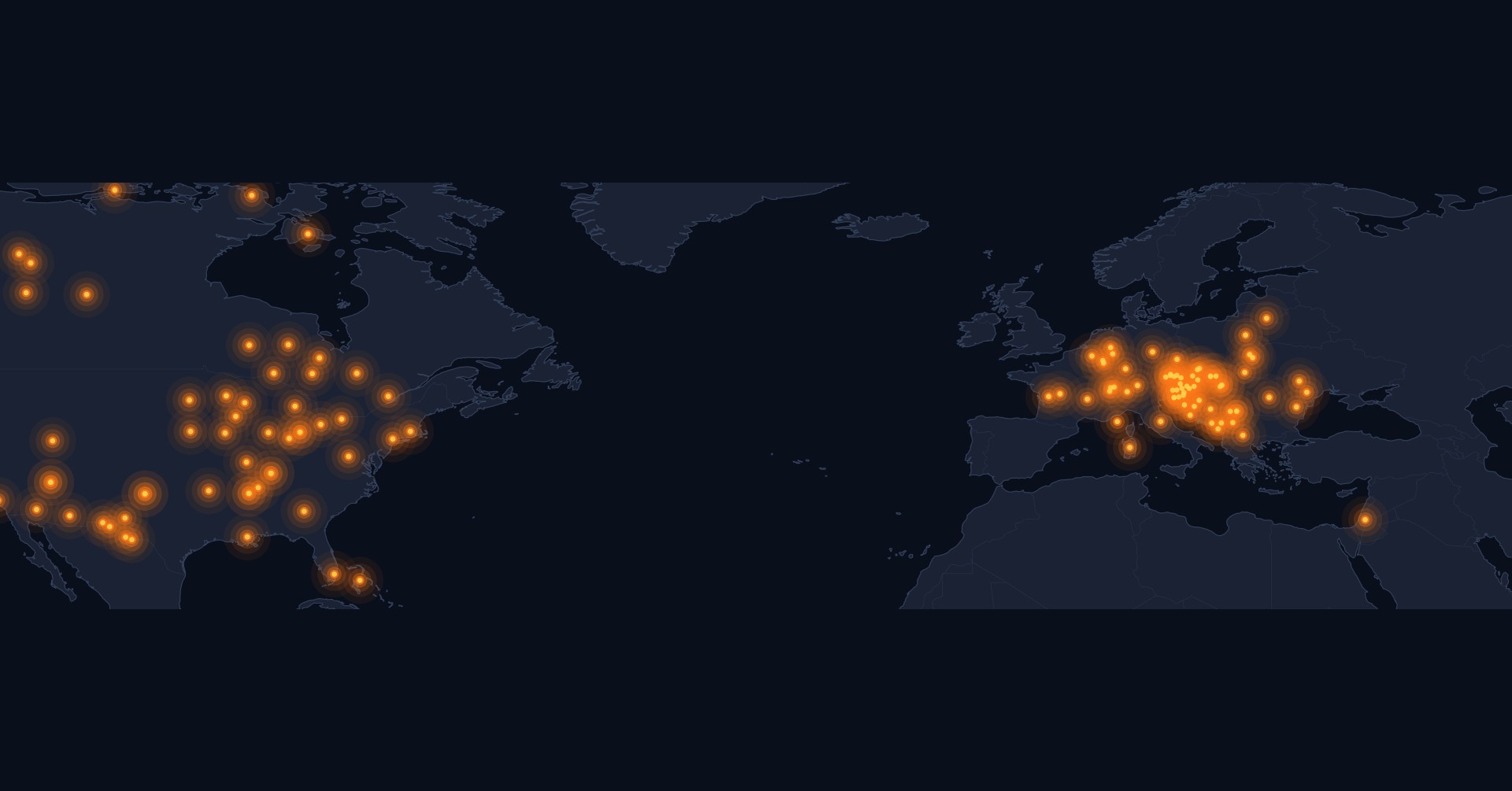
Historical Event Intelligence delivers event-level hazard records with geospatial footprints across 30+ hazard types — so you can see how a proposed trigger would have performed before it goes to market.
Timing is particularly important for parametric insurance. One of the potential advantages of parametric coverage is faster access to capital following a qualifying event. That advantage can be diminished if determining whether a trigger has been reached requires extensive manual research.
Real-time event intelligence can help streamline the information flow:
Hazard detected → Event characterized → Footprint updated → Insured locations evaluated → Trigger conditions assessed
The insurer still applies the contractual methodology and determines the appropriate settlement. But better event intelligence can help reduce the time and effort required to establish what happened.
Event intelligence is also valuable before a policy is ever triggered. Historical catastrophe data can help insurers evaluate potential parametric structures.
For example, an insurer considering a rainfall trigger could analyze historical events to determine:
This type of analysis can help insurers understand how a parametric product might perform before it is deployed.
In simple terms:
Real-time intelligence supports the event.
Historical intelligence supports the product.
Basis risk is one of the central considerations in parametric insurance. The policy trigger is designed to represent a particular hazard or loss mechanism, but the actual economic impact on a policyholder may differ. Better event intelligence can help insurers investigate that relationship.
For example:
These questions can help insurers evaluate whether a selected trigger appropriately represents the risk being transferred. Event intelligence cannot eliminate basis risk, but it can provide more information for understanding and managing it.
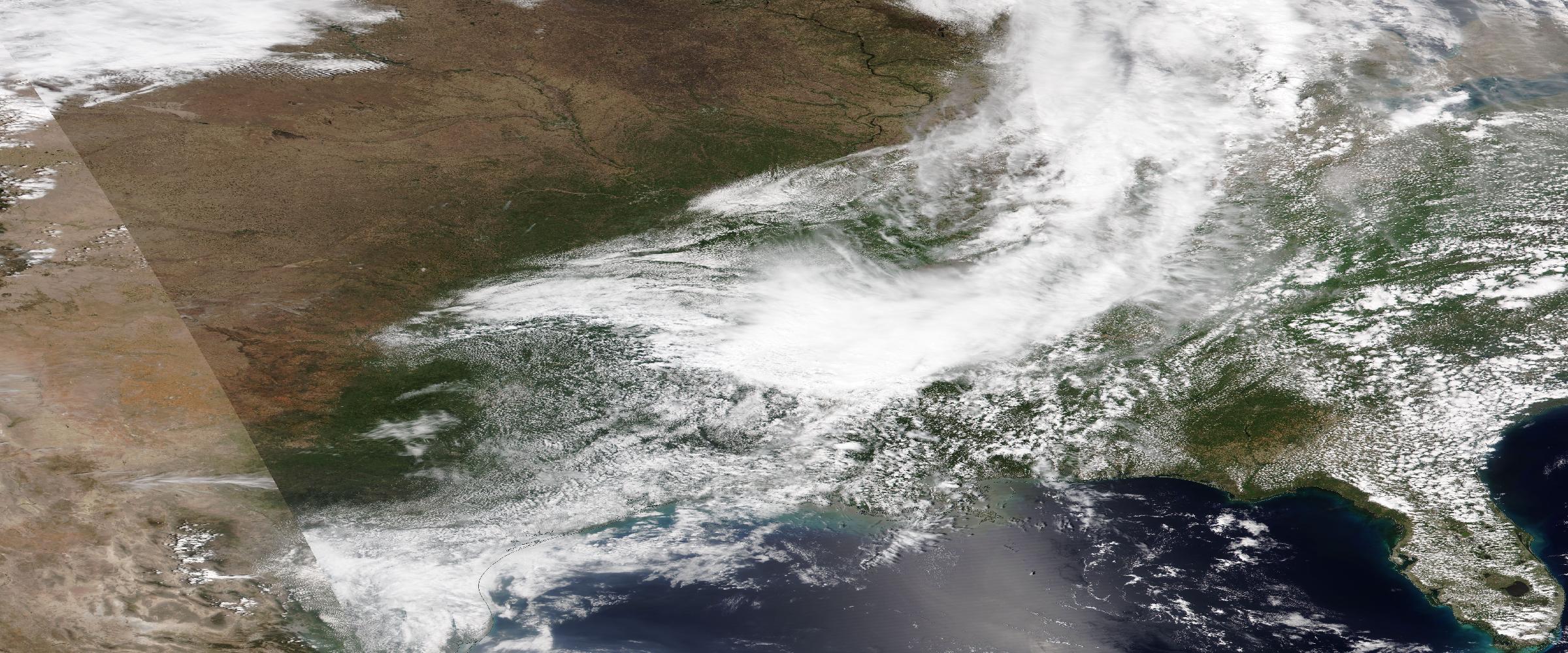
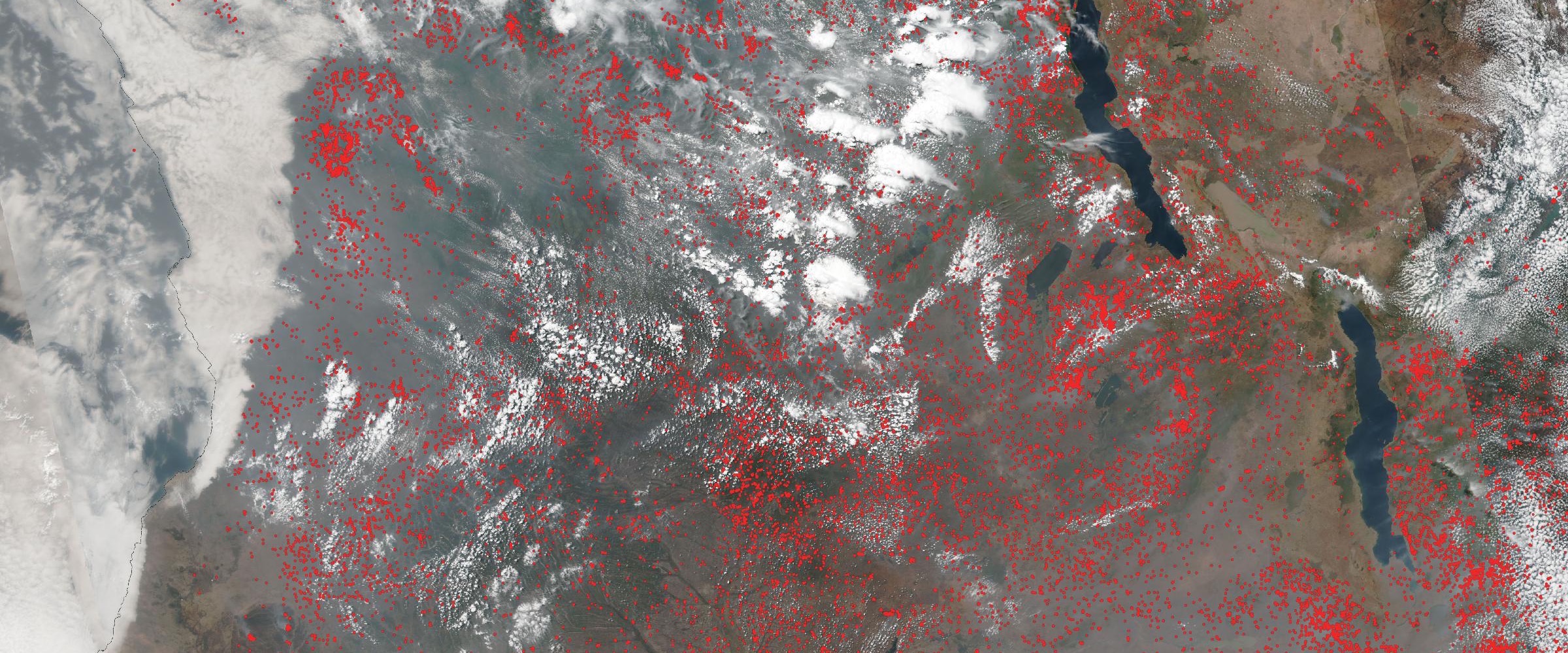
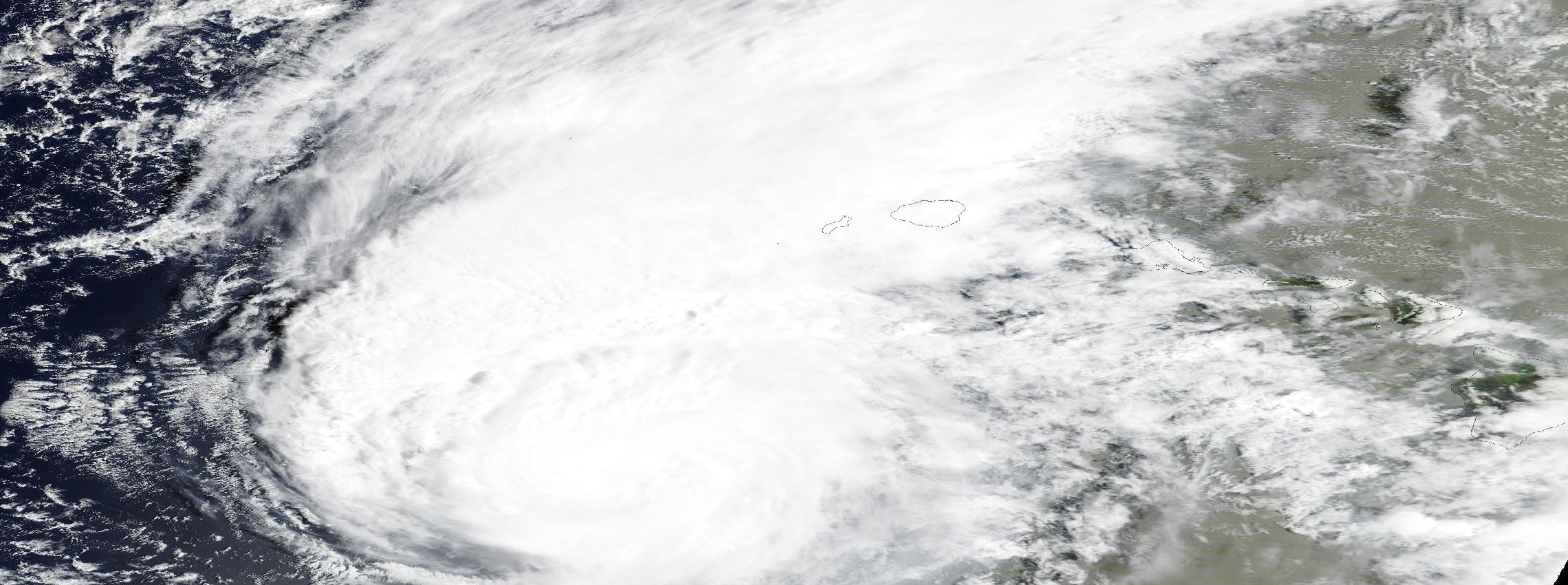
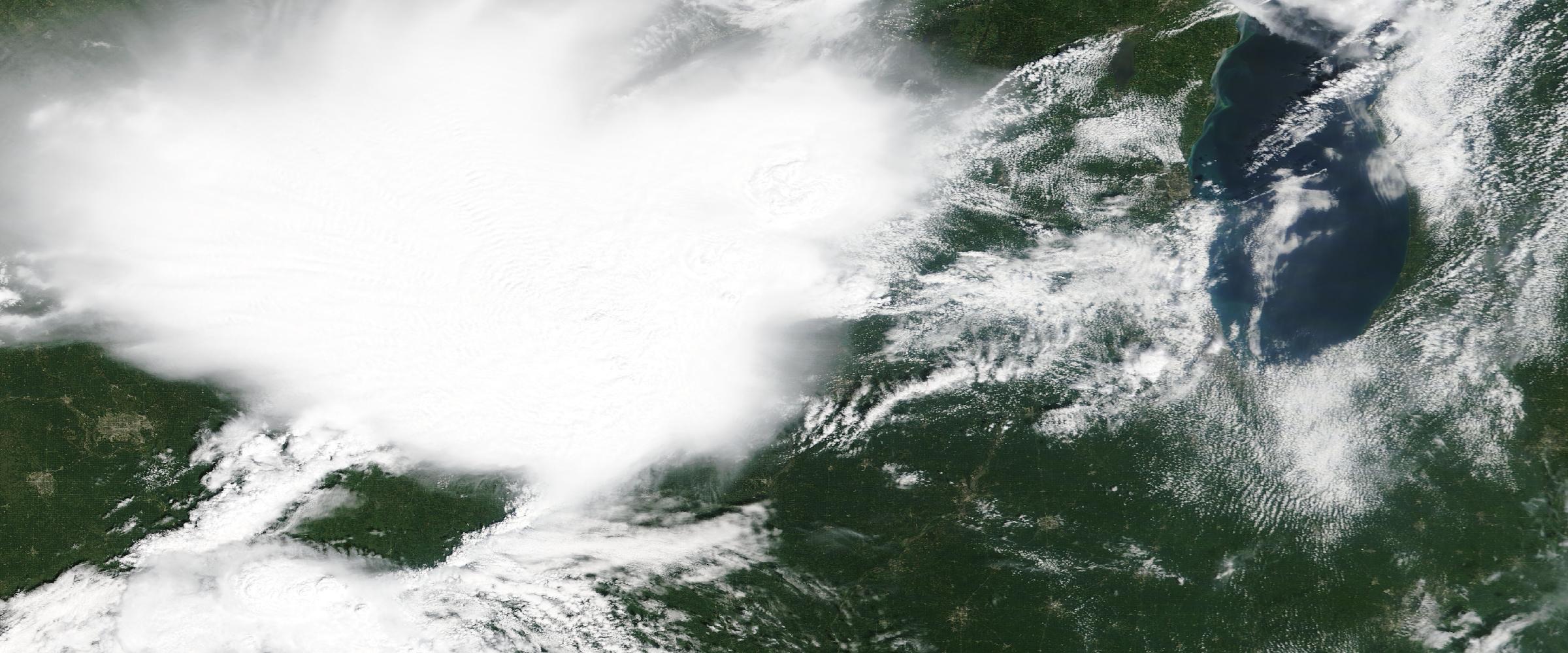
Many catastrophes produce multiple hazards.
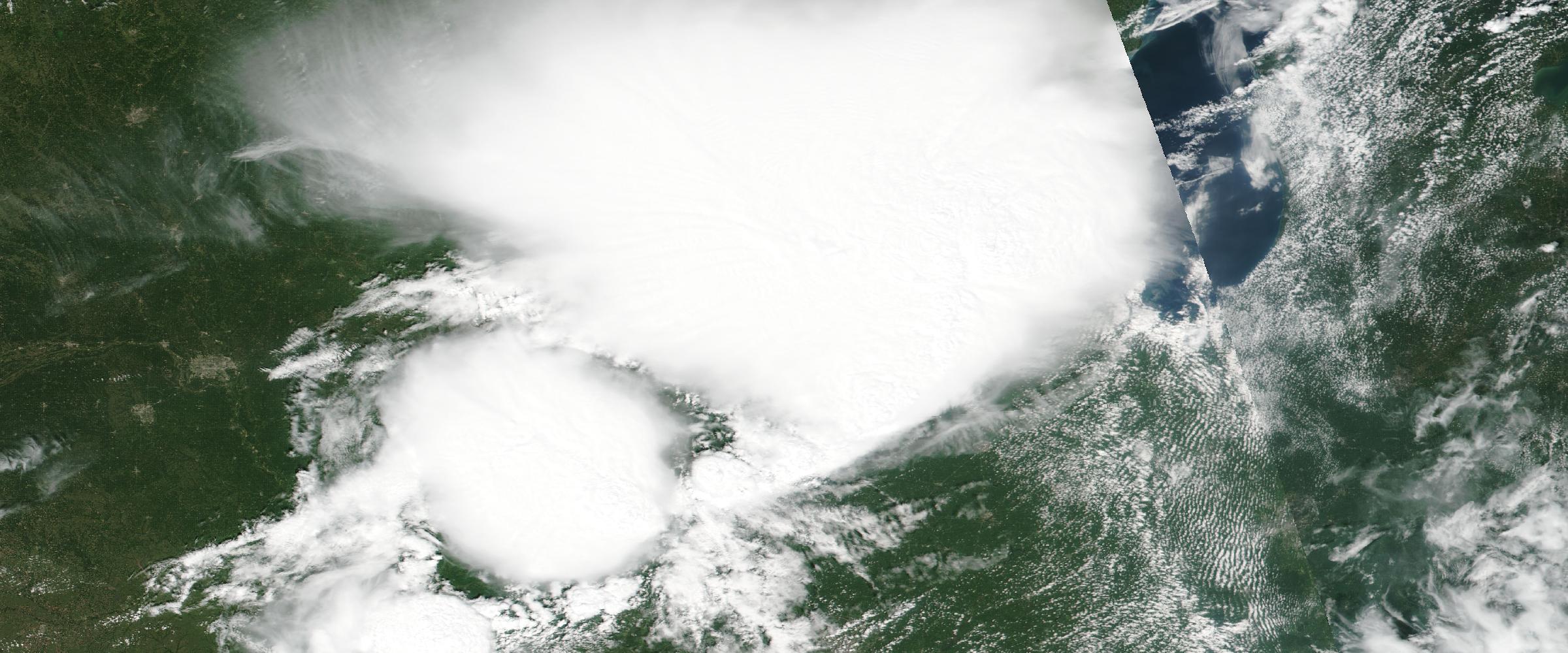
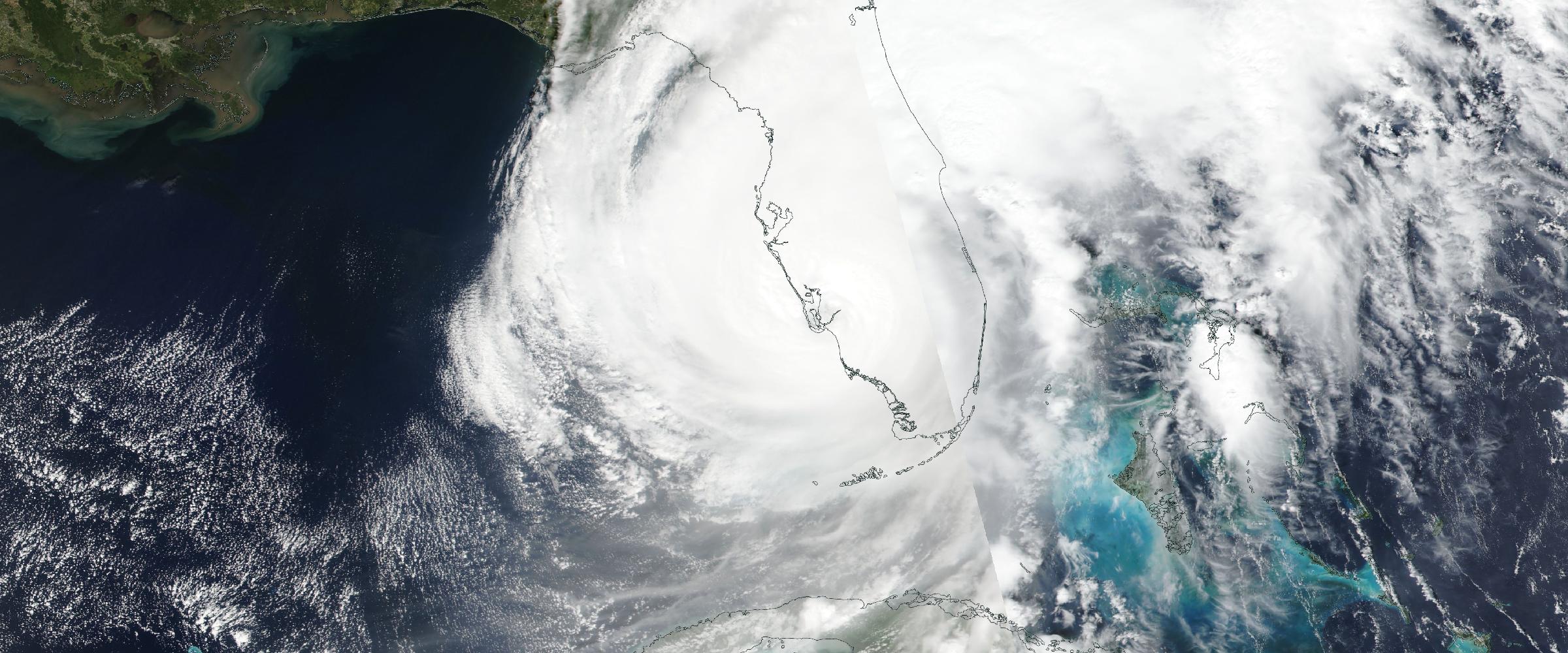
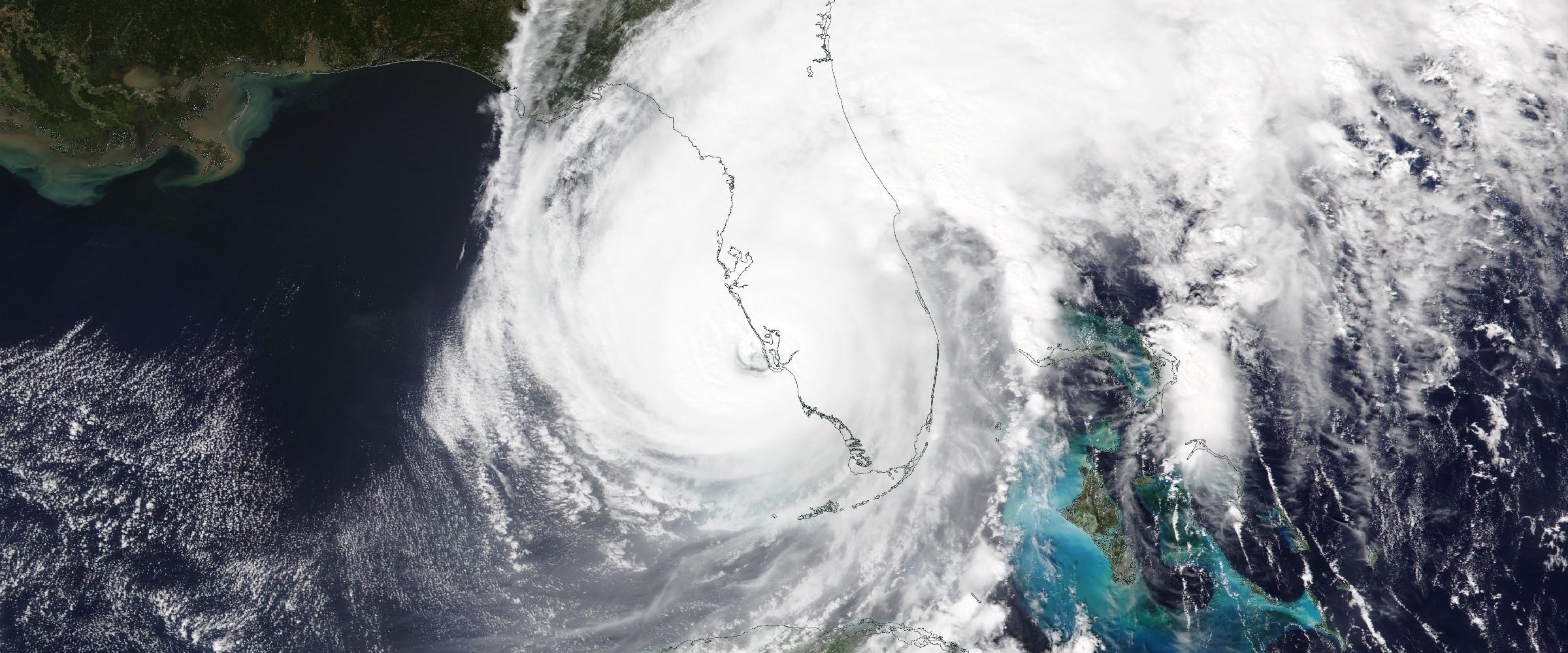
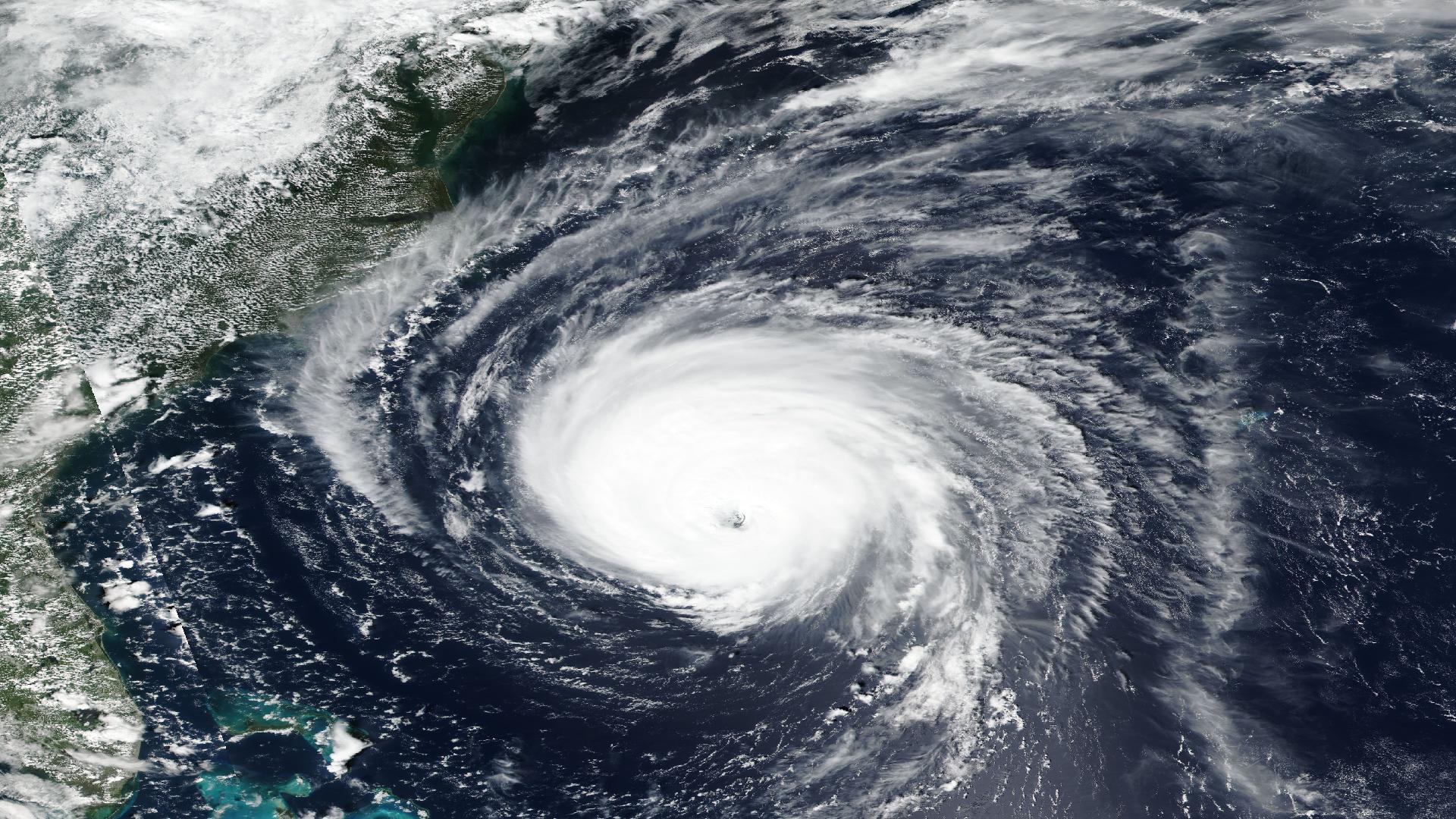
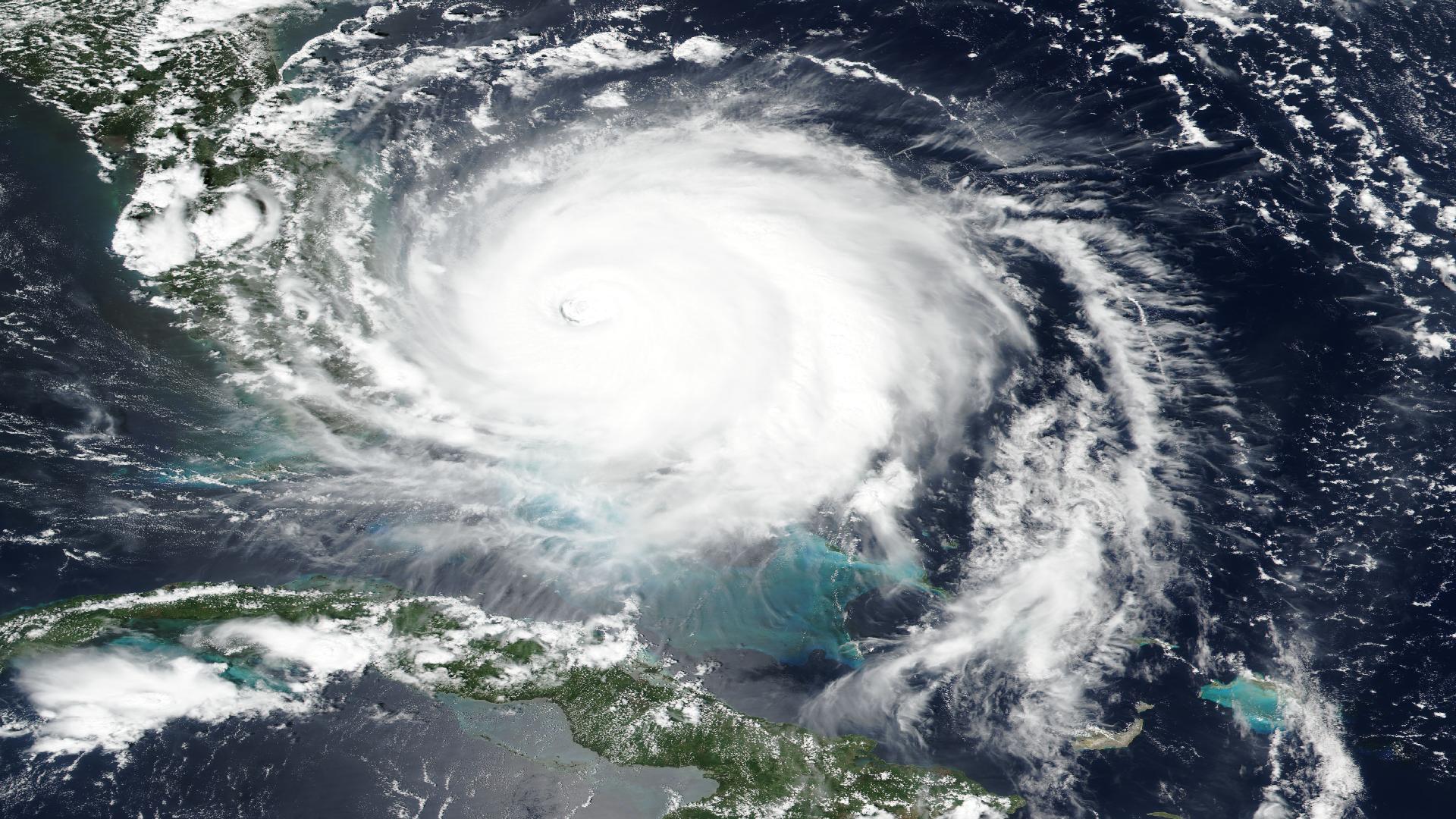
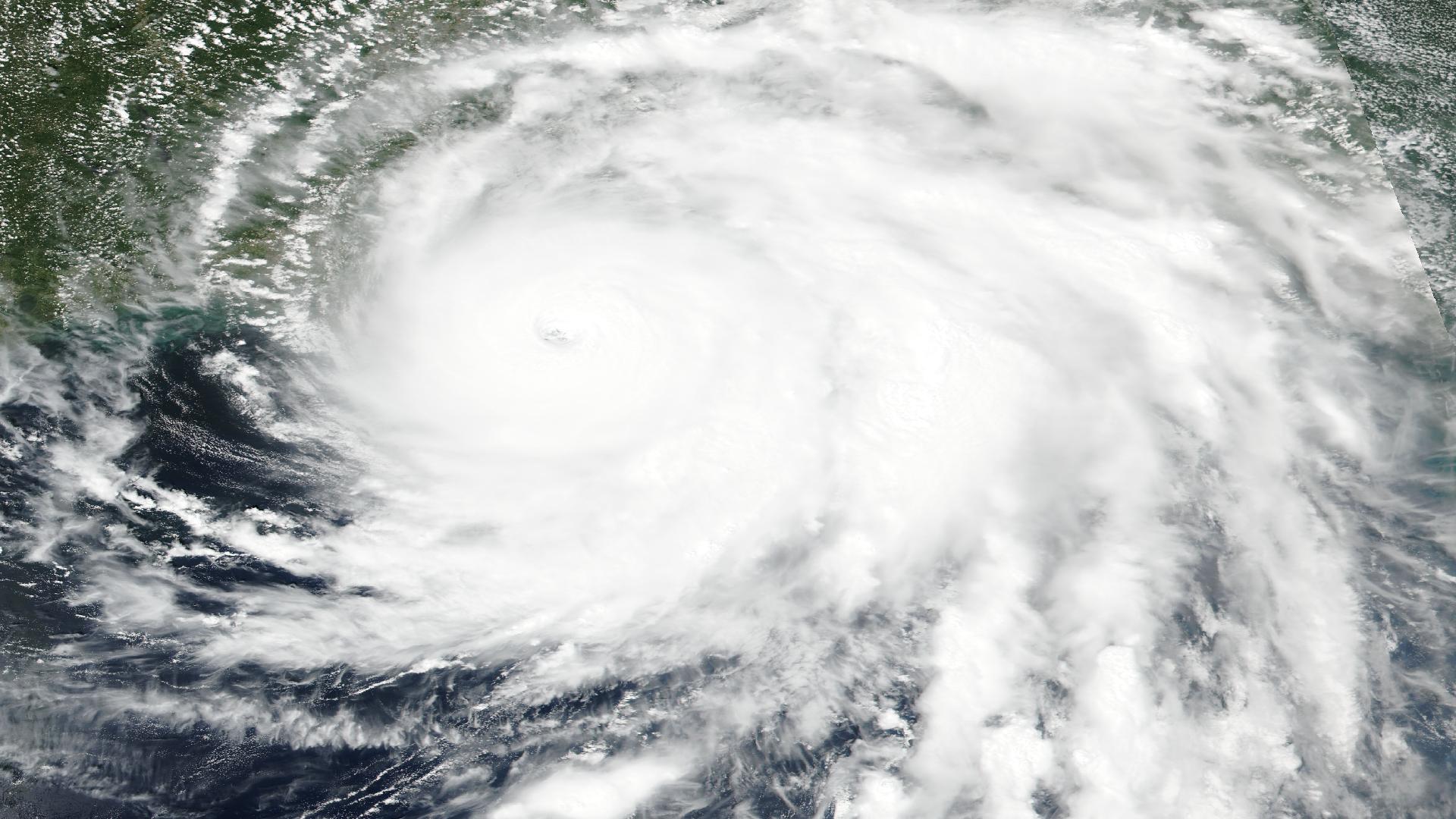
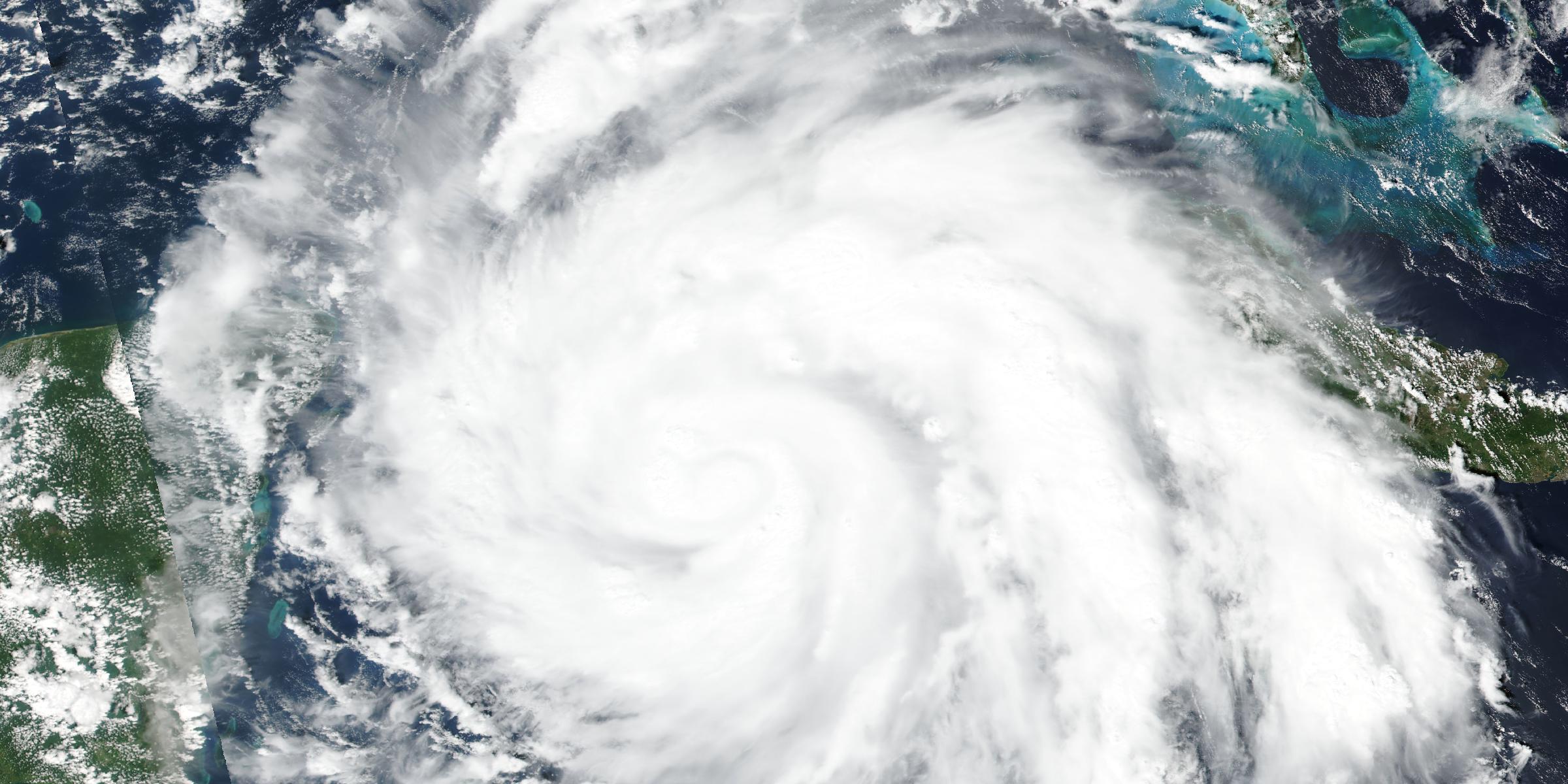
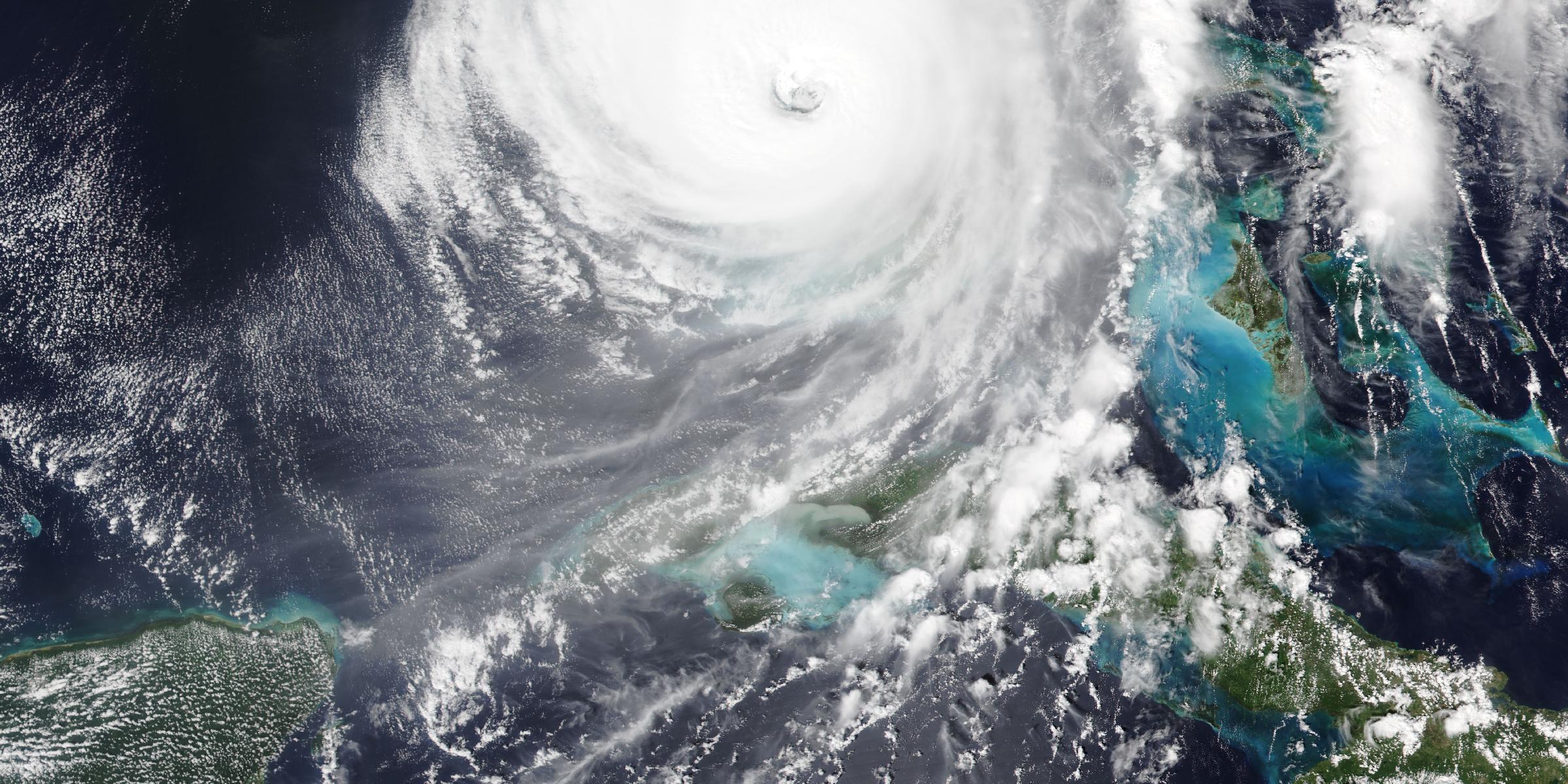
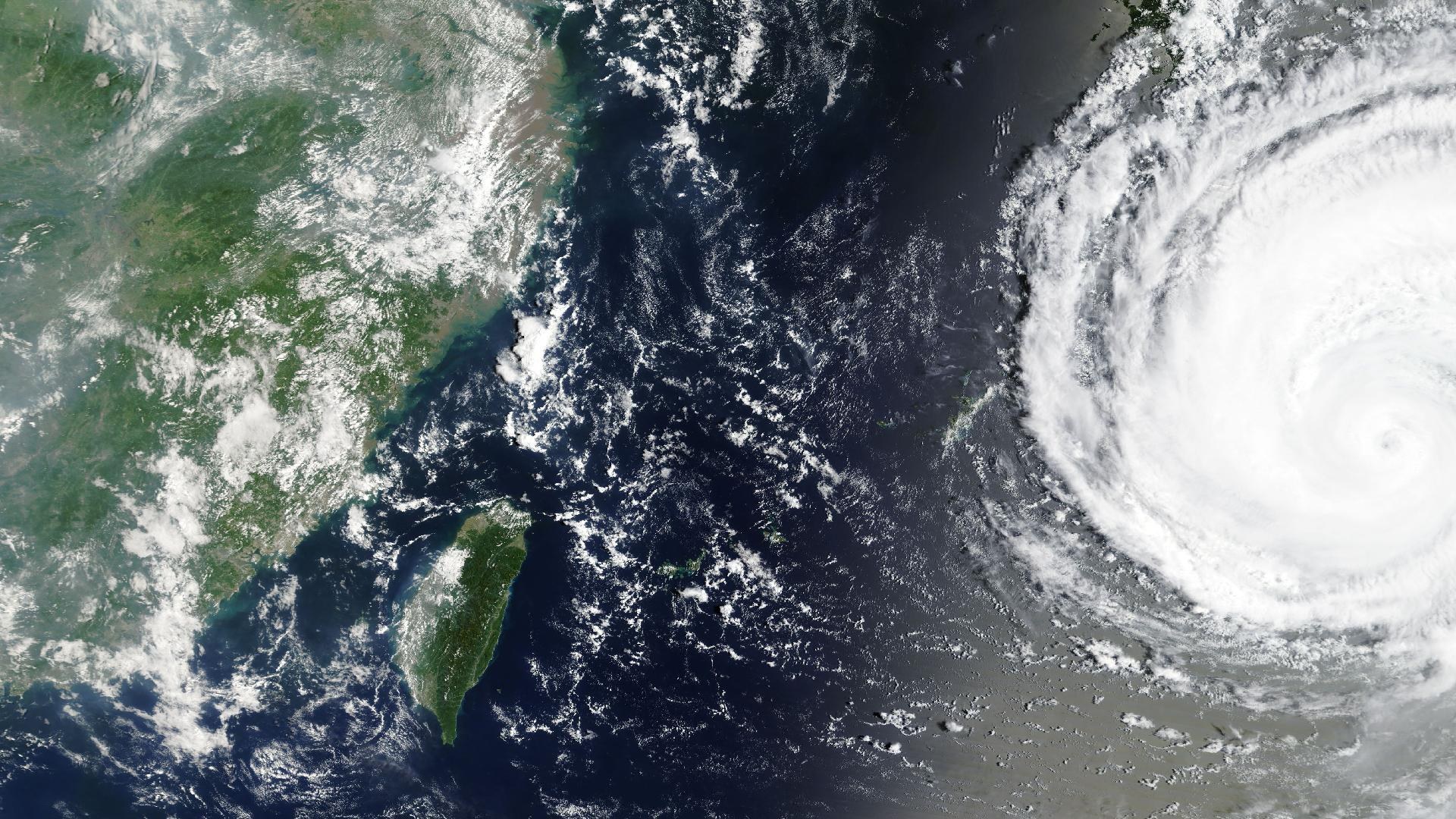
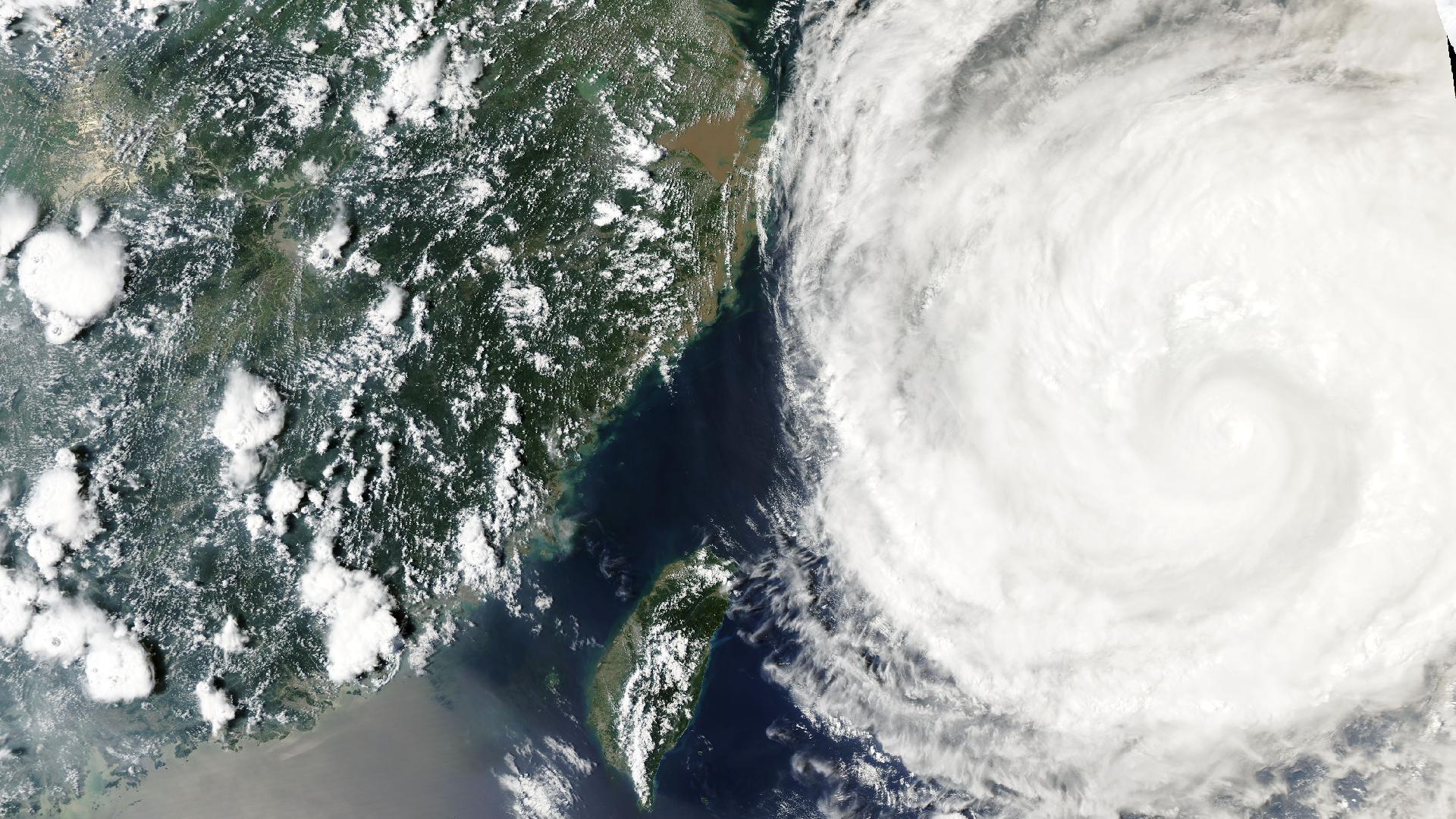
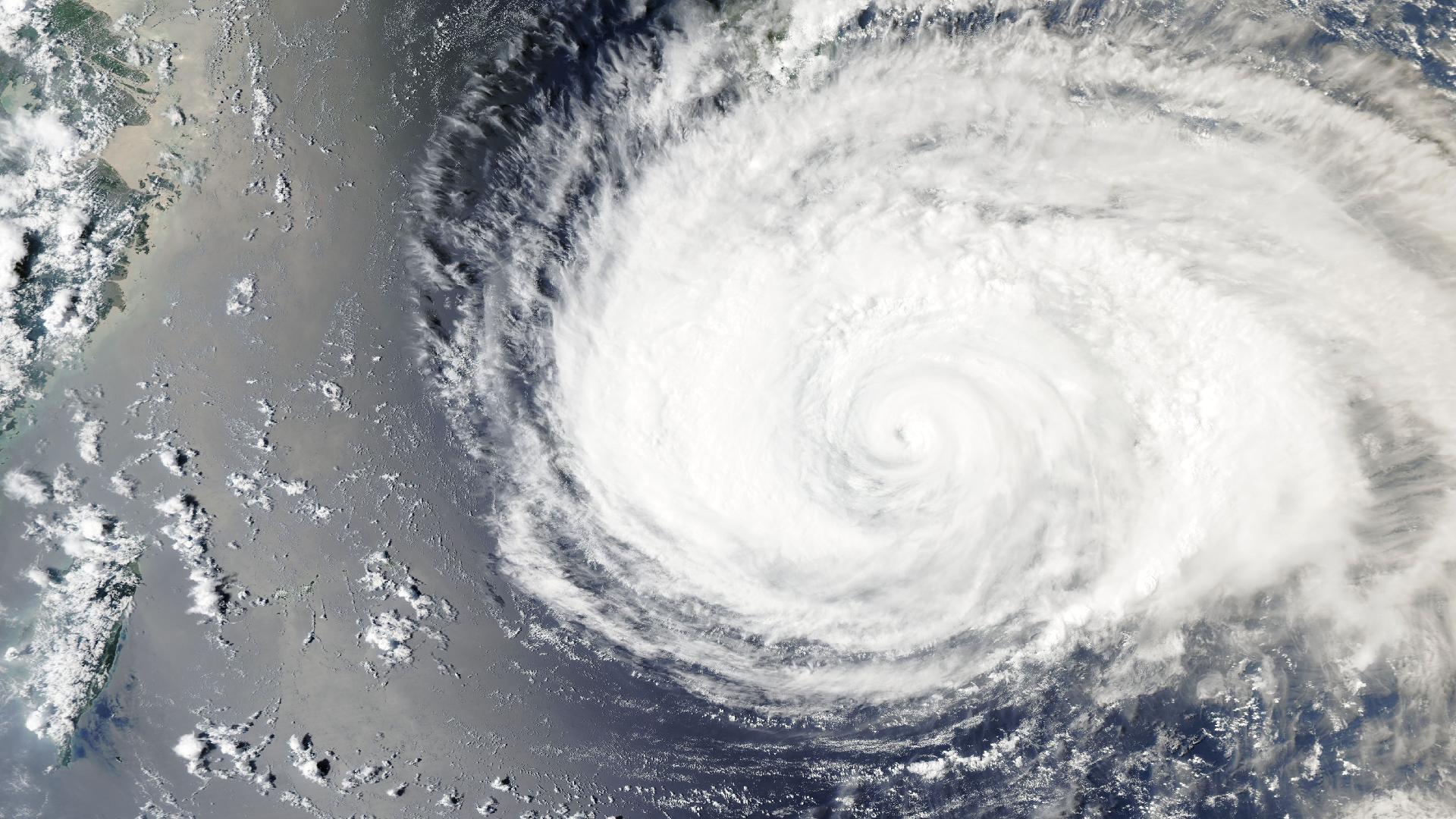
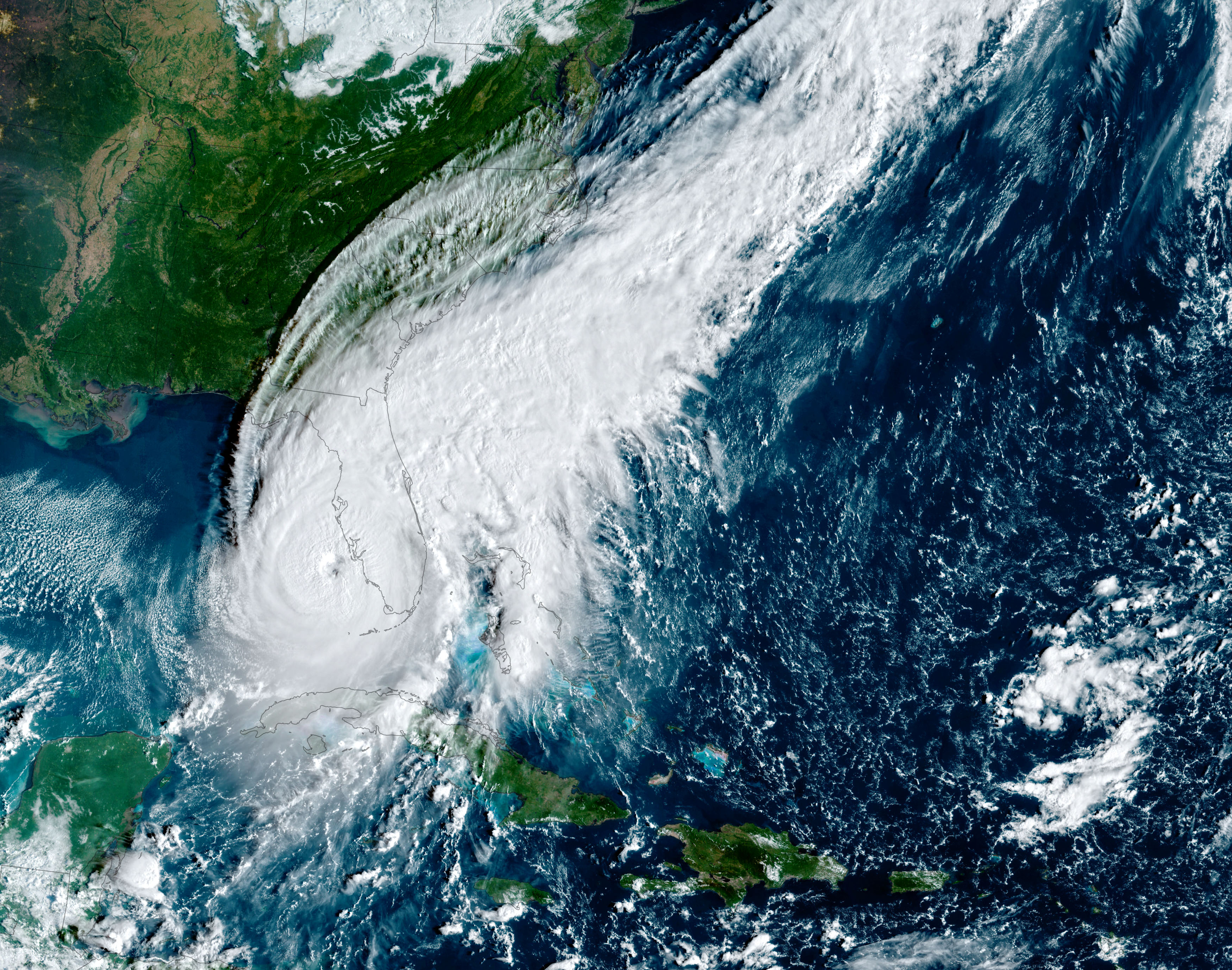
A hurricane can generate:
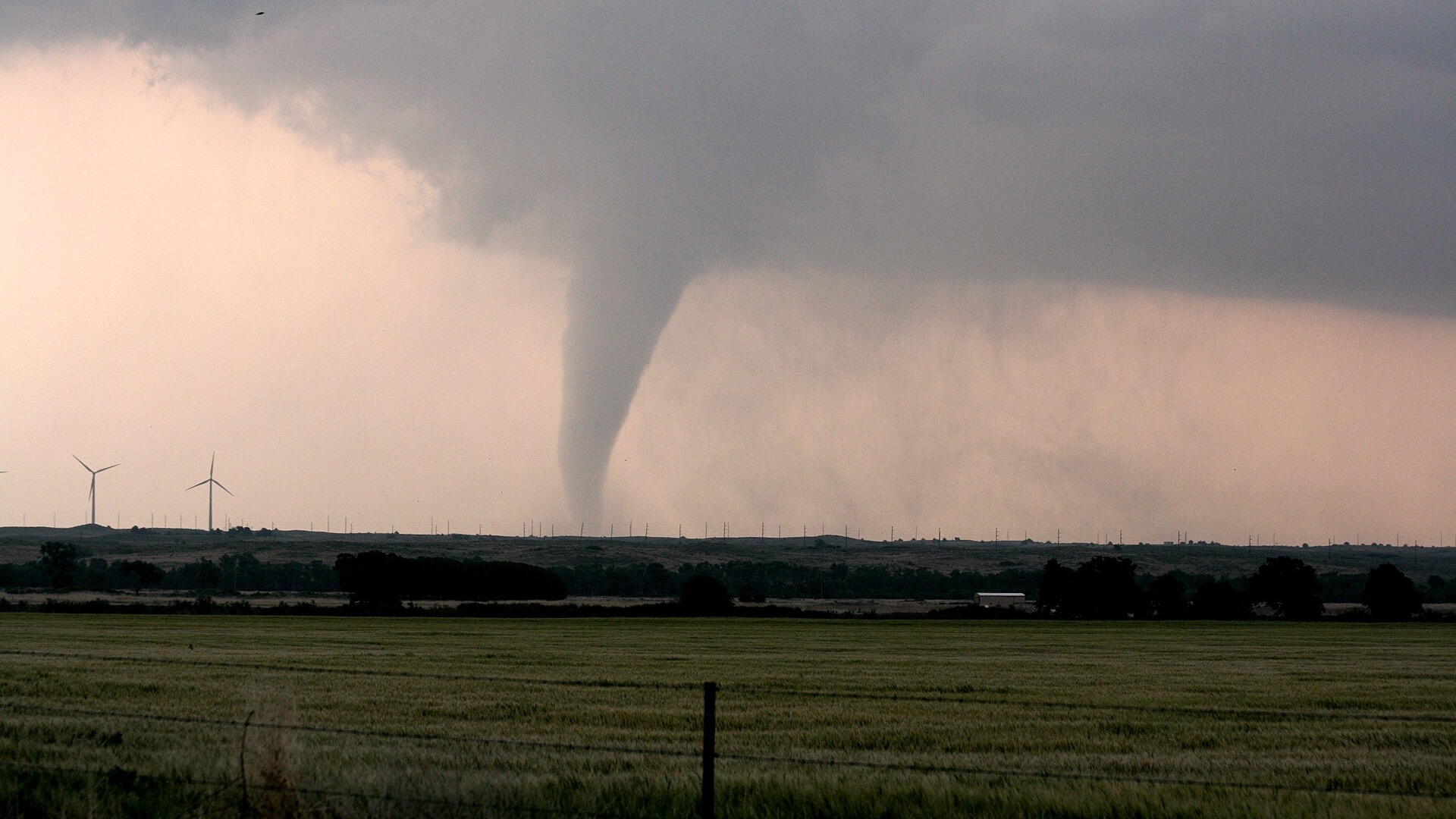
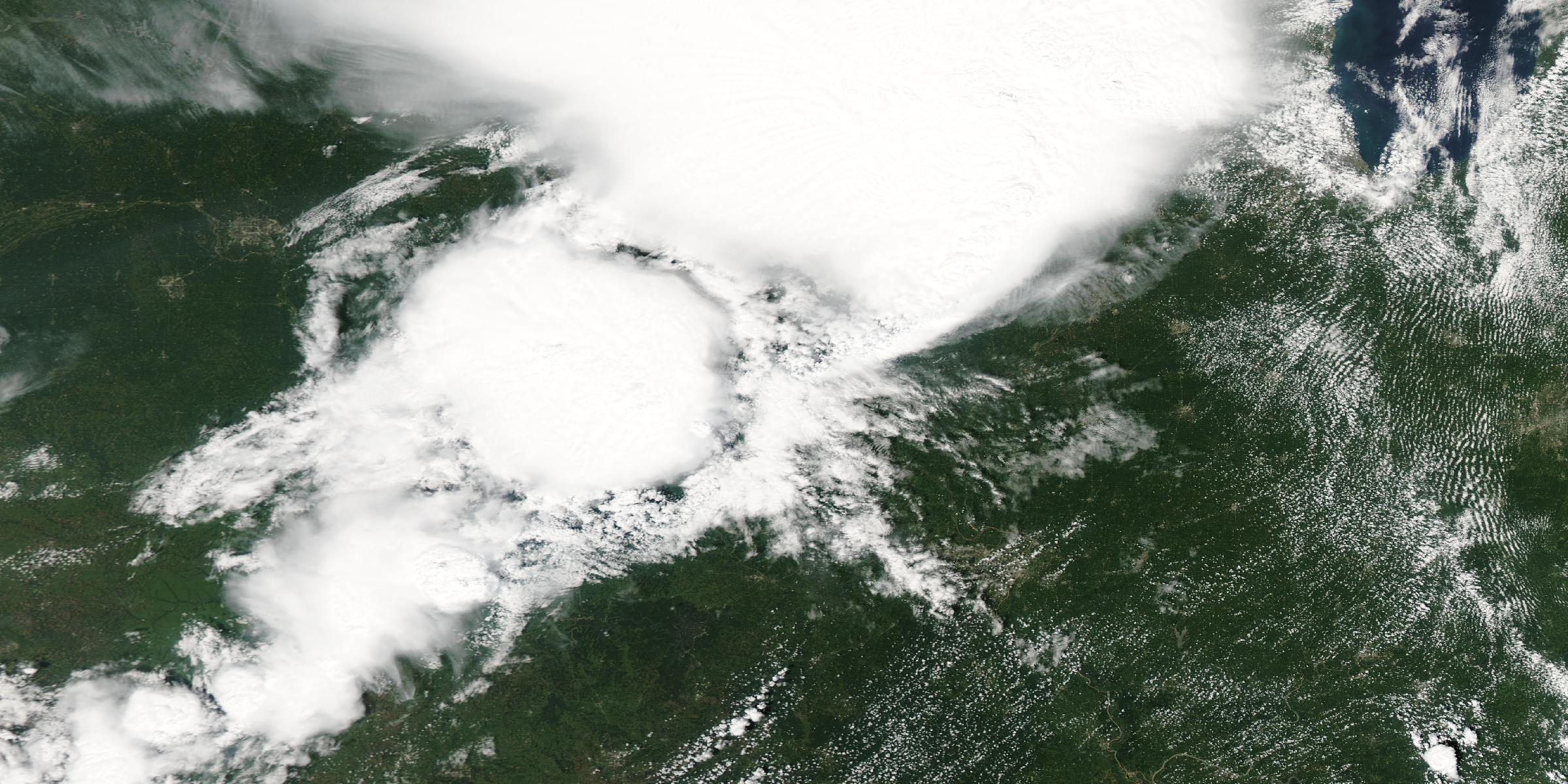
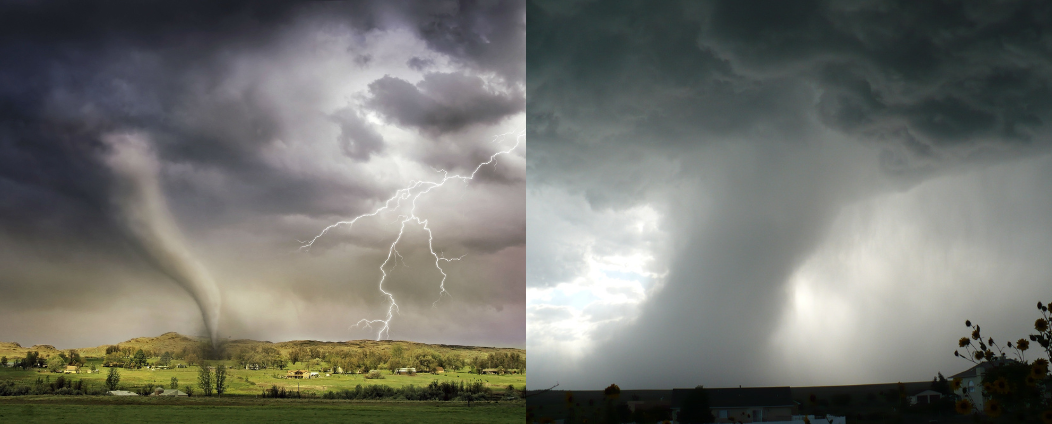
A severe convective storm can generate:
Event intelligence can help represent these hazards as connected components of the same event. That creates opportunities for parametric products with multiple triggers or more sophisticated event definitions. Instead of treating a catastrophe as a single occurrence, insurers can analyze the specific hazards and geographic conditions associated with it.
Because parametric insurance relies on objective triggers, the underlying data needs to be clearly understood.
Insurers and policyholders should be able to determine:
This creates a transparent chain:
Data Source → Event Intelligence → Trigger Measurement → Contractual Determination
The specific methodology will vary by policy, but transparency in the underlying data can help strengthen confidence in the process.
An important distinction is that event intelligence supports the trigger process; it does not necessarily define the trigger.
The insurance contract establishes the rules, which may specify:
Event intelligence can provide the information needed to apply those rules. This allows insurers to use sophisticated event data while maintaining clearly defined contractual mechanisms.
As parametric insurance expands into more hazards and specialized applications, the quality of event intelligence will become increasingly important.
Future products may incorporate increasingly granular information about:
The opportunity is not simply to create more parametric products. It is to create more precisely defined triggers supported by better information about the underlying hazard.
Parametric insurance creates a direct connection between an objective event and a financial outcome.
Event intelligence can help insurers move from:
"A catastrophe occurred."
to:
"This hazard occurred, at this intensity, in this location, during this period, and these insured exposures intersected the defined event conditions."
That information can support faster trigger assessment, historical product analysis, basis-risk evaluation, and more transparent parametric structures.
The result is a more connected model of catastrophe risk:
Hazard → Event Intelligence → Exposure → Trigger → Financial Response
For parametric insurance, better event intelligence can help make that connection faster, more granular, and easier to understand.
Explore the historical record
Decades of reconstructed, verified catastrophes — browse the Historical Event Intelligence overview, or request sample data for your own portfolio.
How does event intelligence support a parametric insurance trigger? It supplies the information the trigger is applied to, in five steps: detect that a relevant hazard occurred, characterize its intensity, represent it geographically as a footprint, intersect that footprint with insured locations, and verify the result against the contract's defined threshold and data source. The contract still defines the trigger; event intelligence establishes what happened.
Does event intelligence replace the insurance contract's trigger definition? No. The contract establishes the peril, geographic area, measurement, threshold, observation period, authoritative data source and settlement methodology. Event intelligence provides the information needed to apply those rules, which lets insurers use detailed event data while keeping the contractual mechanism clearly defined.
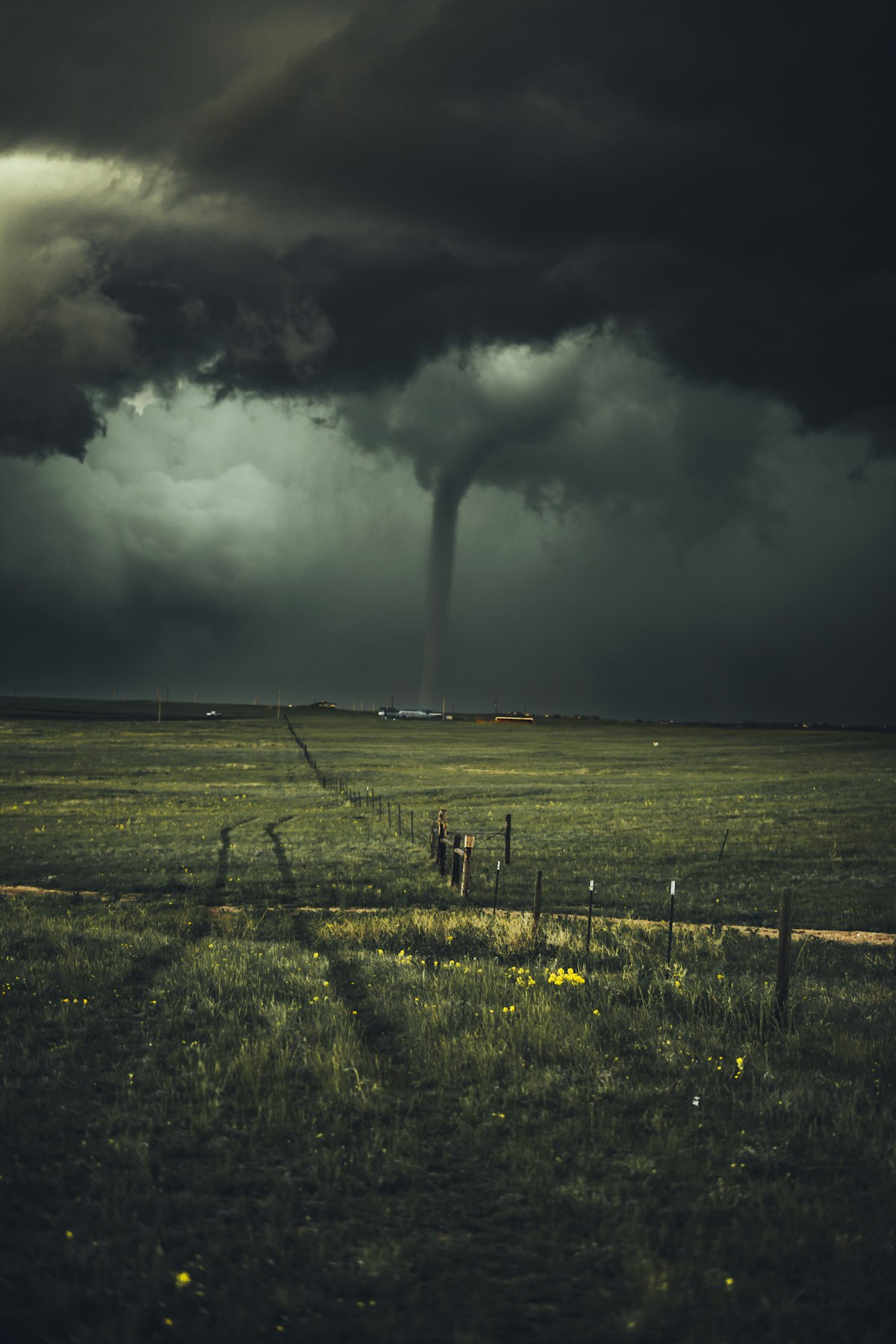
How does event intelligence help with multi-peril catastrophes? A hurricane can produce wind, storm surge, heavy rainfall, inland flooding and tornadoes; a severe convective storm can produce hail, tornadoes, damaging wind and extreme rainfall. Representing those as connected components of one event lets insurers design products with multiple triggers, and analyze the specific hazards and locations involved rather than treating the catastrophe as a single occurrence.








-min.png)
.png)

.png)


Decision-ready intelligence for understanding what's happening, what is impacted, and what to do next. Global hazard, severe weather, catastrophe, and physical risk intelligence trusted by governments, enterprises, insurers, humanitarian organizations, and technology platforms worldwide.
Request DemoContact Us

