


How Verified Historical Catastrophe Intelligence Is Transforming Claims Investigations
Every insurance claim begins with the same question.
What actually happened?
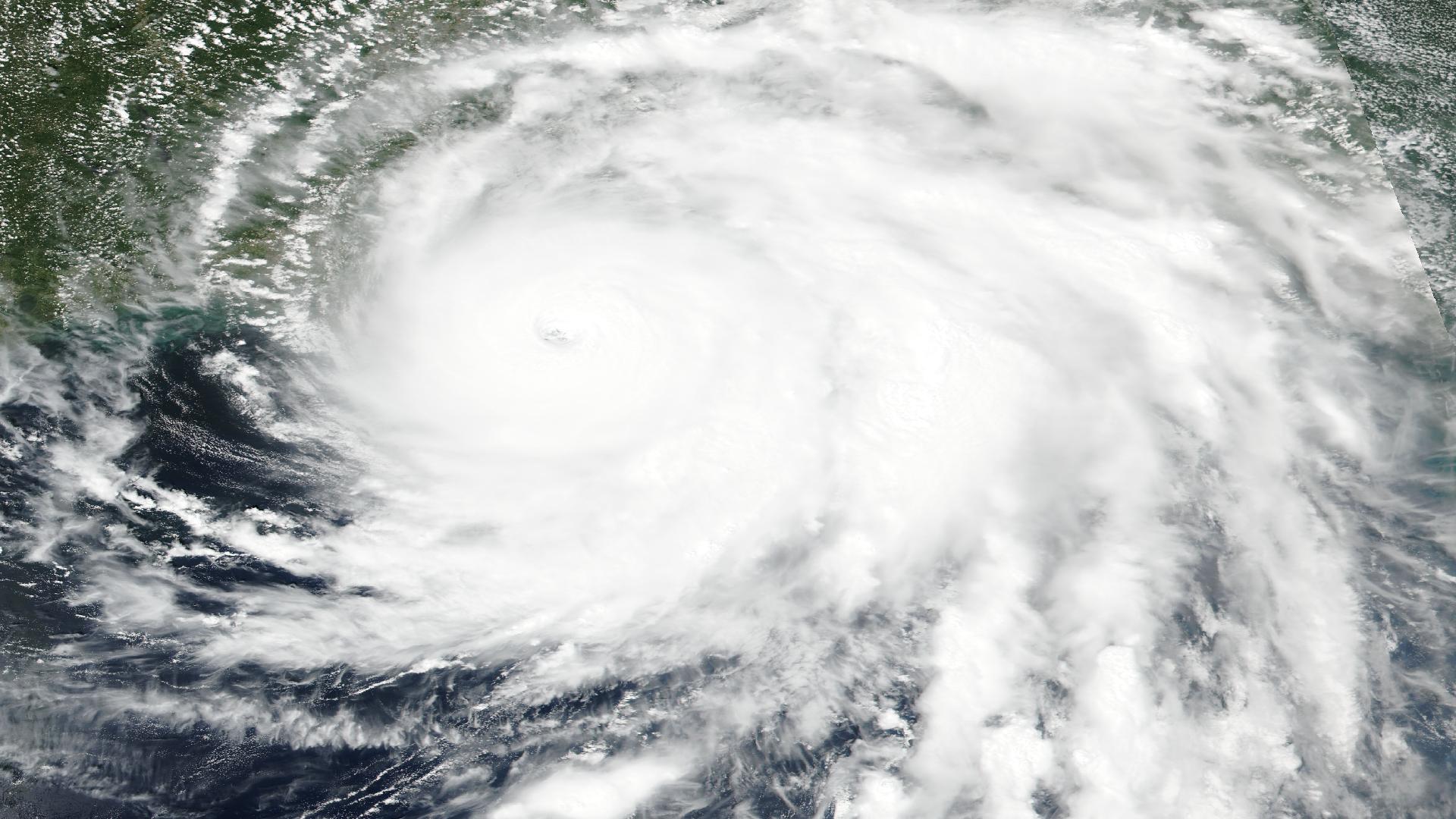
Banner: Hurricane Ida approaching the Louisiana coast, August 29, 2021 (NASA Worldview, VIIRS/Suomi NPP). One catastrophe — and hundreds of thousands of claims, each one asking what actually happened at a single address.
Before coverage can be determined. Before damages can be evaluated. Before reserves can be established. Claims professionals must first answer one fundamental question:
Did a catastrophic event actually impact this property?
It sounds straightforward. In reality, it often isn't.
A policyholder reports roof damage following a severe storm. A commercial property owner submits a hail claim. A business files for losses following a wildfire. A municipality reports flood damage.
The claims team now begins gathering information. Weather reports. Radar imagery. Government observations. Warning polygons. Satellite imagery. Third-party weather verification reports.
Each source provides another piece of the puzzle. But rarely does any single source tell the complete story.
That's where Historical Catastrophe Intelligence changes the claims process.
Insurance claims are fundamentally evidence-based investigations. The goal isn't simply to determine whether bad weather occurred. The goal is to determine:
Those answers require much more than historical weather observations. They require reconstructed catastrophes.
One of the biggest misconceptions in claims is assuming that weather observations alone explain a loss.
Consider a hail claim. Traditional weather verification may confirm that thunderstorms occurred nearby. But that doesn't answer several important questions.
Those answers provide a much stronger foundation for claims investigations. (We looked at this gap in detail in why historical weather data isn't enough.)
DisasterAWARE doesn't simply archive historical observations. We reconstruct complete catastrophes. Every historic event is rebuilt using authoritative observations from multiple trusted sources.
For a Severe Convective Storm, that may include:
Instead of evaluating these independently, DisasterAWARE correlates them into a single verified historical event. Claims professionals receive a complete operational picture — not a collection of disconnected observations.
Historical Catastrophe Intelligence is built around one guiding principle: observed evidence matters.
Warnings indicate what was expected. Forecasts estimate what might occur. Observed evidence documents what actually happened.
This distinction becomes especially important during claims investigations. For example, DisasterAWARE evaluates historical storms using observed evidence to determine whether they qualify as Verified Severe Convective Storms. Rather than relying solely on warning issuance, the classification is based on verified observations such as:
This creates a much richer historical record than warnings alone. Every historic disaster leaves evidence — the work is in assembling it.
Traditional weather verification answers questions such as:
Historical Catastrophe Intelligence goes much further. It answers:
Claims become investigations supported by verified catastrophe intelligence.
Bring verified catastrophe evidence into every claim
Reconstructed, verified historic catastrophes — hail, wind, tornado, hurricane, flood, wildfire, and earthquake — delivered through APIs, GIS services, and dashboards your claims teams already use.
One of the greatest challenges following major catastrophes is scale. Thousands — or even hundreds of thousands — of claims may arrive within days. Adjusters need information quickly.
Historical Catastrophe Intelligence helps accelerate investigations by providing a consolidated intelligence record rather than requiring analysts to search multiple independent datasets.
Instead of reviewing radar, weather reports, storm reports, hail databases, tornado databases, government reports, and satellite imagery one source at a time, claims professionals begin with a reconstructed catastrophe that already brings these observations together.
Investigations become faster. Evidence becomes easier to understand. Decisions become more consistent.
Claims investigations often involve conflicting information. A contractor reports hail damage. A policyholder remembers damaging winds. Radar suggests hail nearby. Ground reports indicate otherwise.
Historical Catastrophe Intelligence doesn't eliminate professional judgment. It strengthens it. Every reconstructed catastrophe includes supporting evidence and provenance, allowing adjusters to understand not only the conclusion but the observations behind it.
Transparency builds confidence. Confidence reduces disputes.
The value of Historical Catastrophe Intelligence extends well beyond severe storms.
Investigators can review storm evolution, wind radii, hurricane-force winds, landfall timing, storm intensity, and historical track information.
Rather than simply confirming that a hurricane passed nearby, claims professionals understand exactly how the storm evolved around the insured location.
Historical wildfire intelligence provides fire progression, burn perimeters, smoke impacts, air quality observations, evacuation zones, and operational incident timelines.
These details help explain not only fire damage, but business interruption, smoke-related impacts, and evacuation-driven losses.
Historical flood intelligence enables claims teams to evaluate observed flood extents, water depths, flood evolution, gauge observations, and inundation timing.
Instead of relying solely on flood zones, adjusters gain insight into where flooding actually occurred.
Historical earthquake intelligence includes Peak Ground Acceleration, Modified Mercalli Intensity, ground shaking contours, and event assessments.
This provides a richer understanding of how ground motion varied across affected areas.
Historical Catastrophe Intelligence creates value long before and long after a claim is filed.
Historical intelligence becomes part of the claims workflow — not simply a reference dataset. It's the same foundation that supports underwriting and portfolio work, as we covered in hazard data for insurers.
Historical Catastrophe Intelligence doesn't replace adjusters. It doesn't replace engineering reports. It doesn't replace inspections.
It strengthens them.
By reconstructing historic disasters from authoritative observations, DisasterAWARE provides a richer factual foundation for claims investigations. Organizations spend less time searching for information. More time evaluating evidence. And ultimately make faster, more consistent decisions.
Every claim tells a story. Every catastrophe tells a much larger one.
Historical Catastrophe Intelligence connects the two. It transforms millions of observations into verified catastrophe records that support claims, underwriting, portfolio analysis, and enterprise resilience. Connecting those records to a specific book of business is the role of Historical Exposure Intelligence.
Because claims professionals don't simply need historical weather. They need trusted historical evidence. And better evidence leads to better decisions.
Explore the historical record
Decades of reconstructed, verified catastrophes — browse the Historical Event Intelligence overview, or request sample data for your own portfolio.
How is Historical Catastrophe Intelligence different from weather verification for a claim? Weather verification confirms conditions — rain, lightning, thunderstorms nearby. Historical Catastrophe Intelligence reconstructs the catastrophe itself: which hazards were observed, how large the hail was, whether the wind or tornado was confirmed, how the event evolved, and what evidence supports each conclusion. Adjusters start from one consolidated record rather than assembling a dozen datasets.
What is a Verified Severe Convective Storm? A historic storm classified using observed evidence rather than warning issuance alone. The classification draws on confirmed tornadoes, observed hail (measured and estimated), measured or estimated damaging winds, radar-derived hail analysis, and official damage surveys — so the historical record reflects what actually happened, not only what was expected.
Which perils does it cover for claims work? Severe Convective Storms (hail, wind, tornado), hurricanes (wind radii, landfall timing, intensity evolution), wildfires (fire progression, perimeters, smoke, air quality, evacuations), floods (observed extents, depths, gauge observations, inundation timing), and earthquakes (Peak Ground Acceleration, Modified Mercalli Intensity, shaking contours).
Where does it fit in the claims workflow? Across the whole lifecycle: First Notice of Loss, triage by verified hazard severity, investigation, validation, quality assurance, and litigation support. Because every reconstructed catastrophe carries its supporting evidence and provenance, the same record that speeds an early triage decision can also document how that decision was reached.




Decision-ready intelligence for understanding what's happening, what is impacted, and what to do next. Global hazard, severe weather, catastrophe, and physical risk intelligence trusted by governments, enterprises, insurers, humanitarian organizations, and technology platforms worldwide.
Request DemoContact Us

