


Moving Beyond "What Happened?" to "What Happened to Me?"
Every organization has a different relationship with the same disaster.
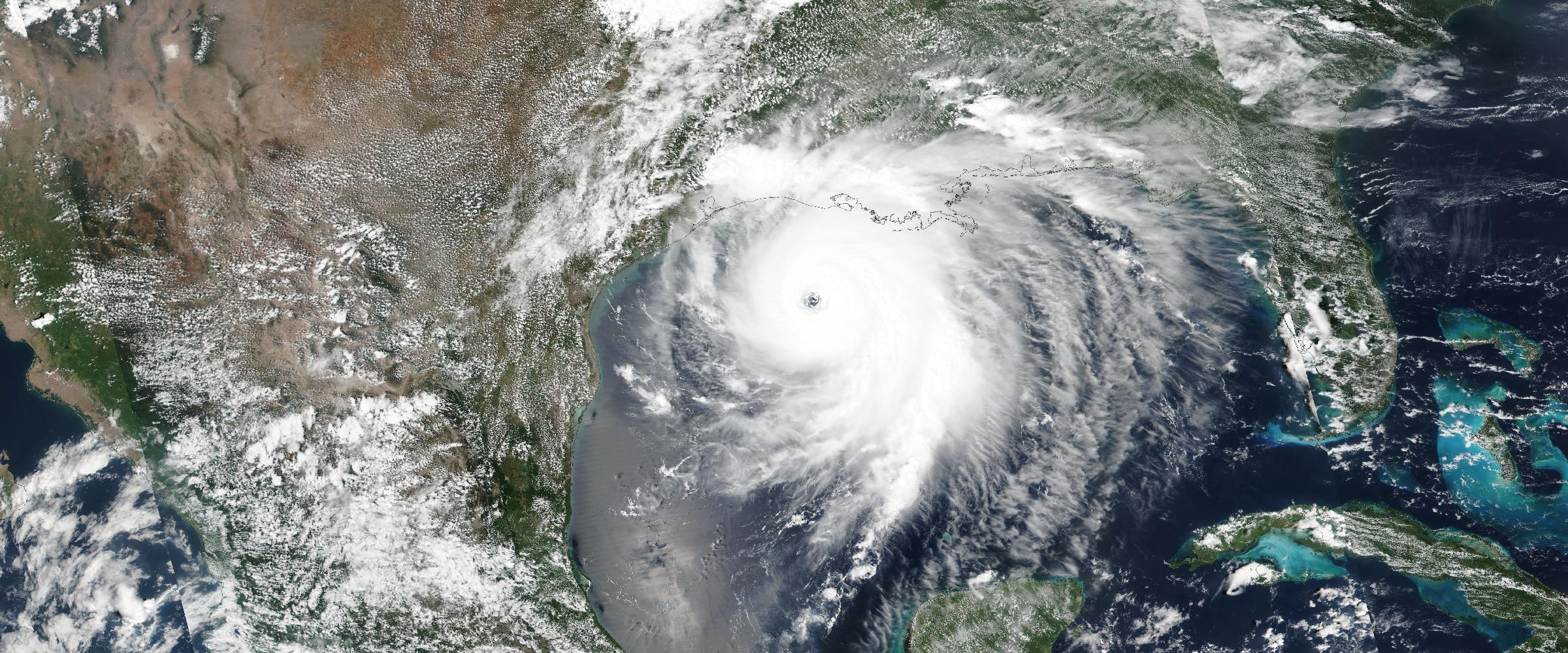
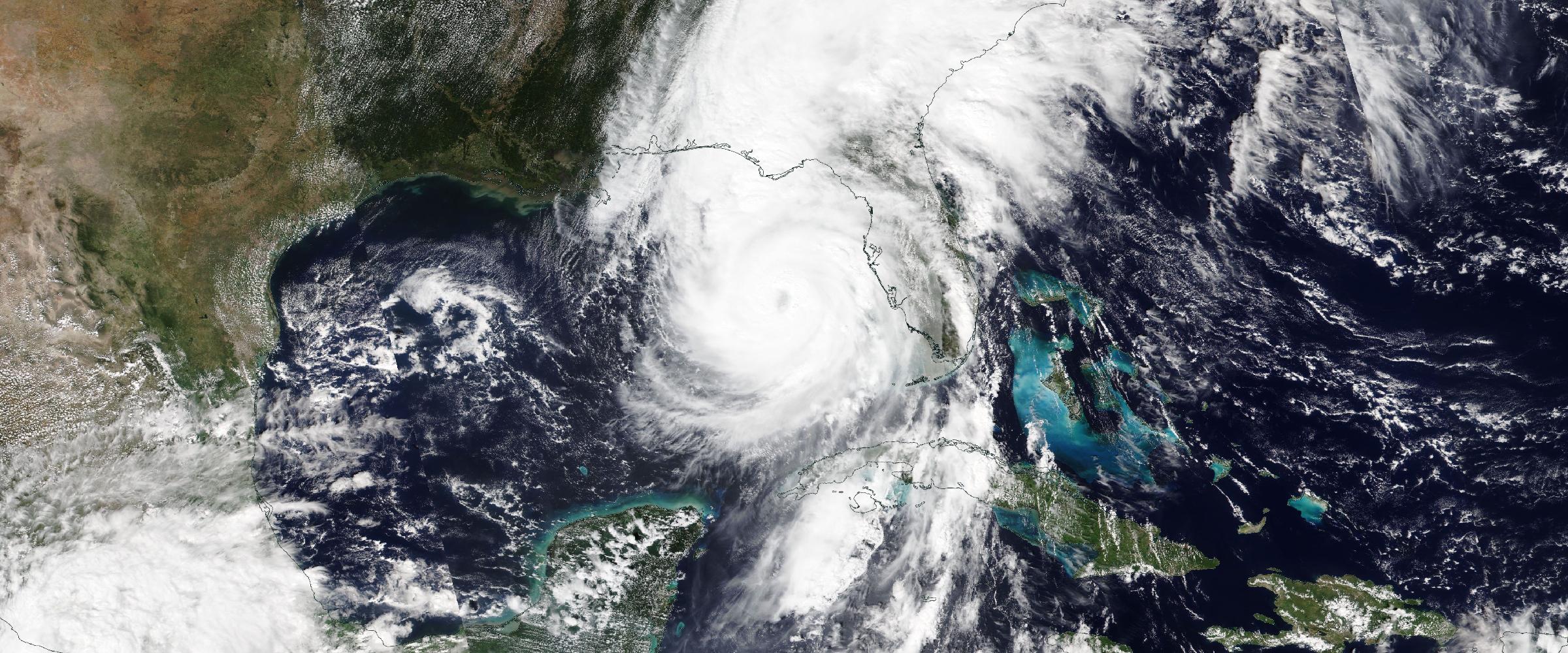
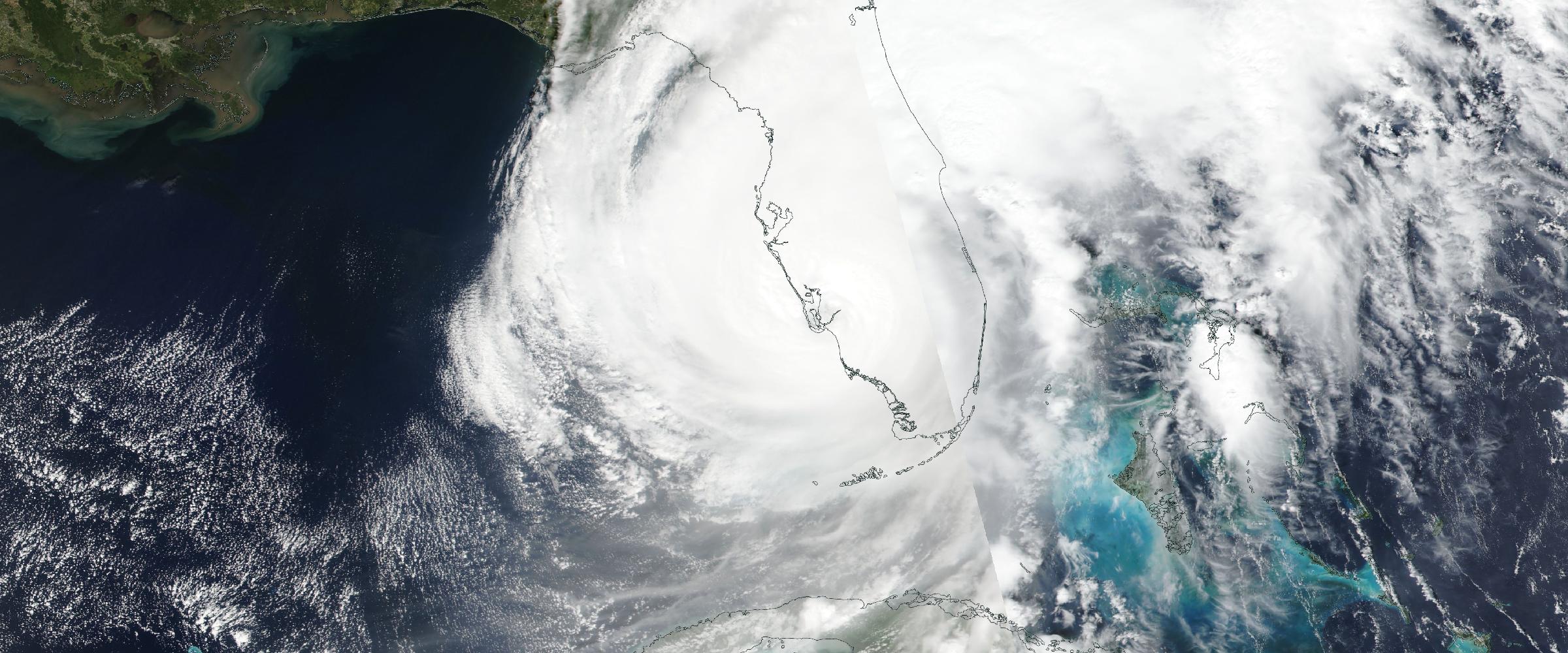
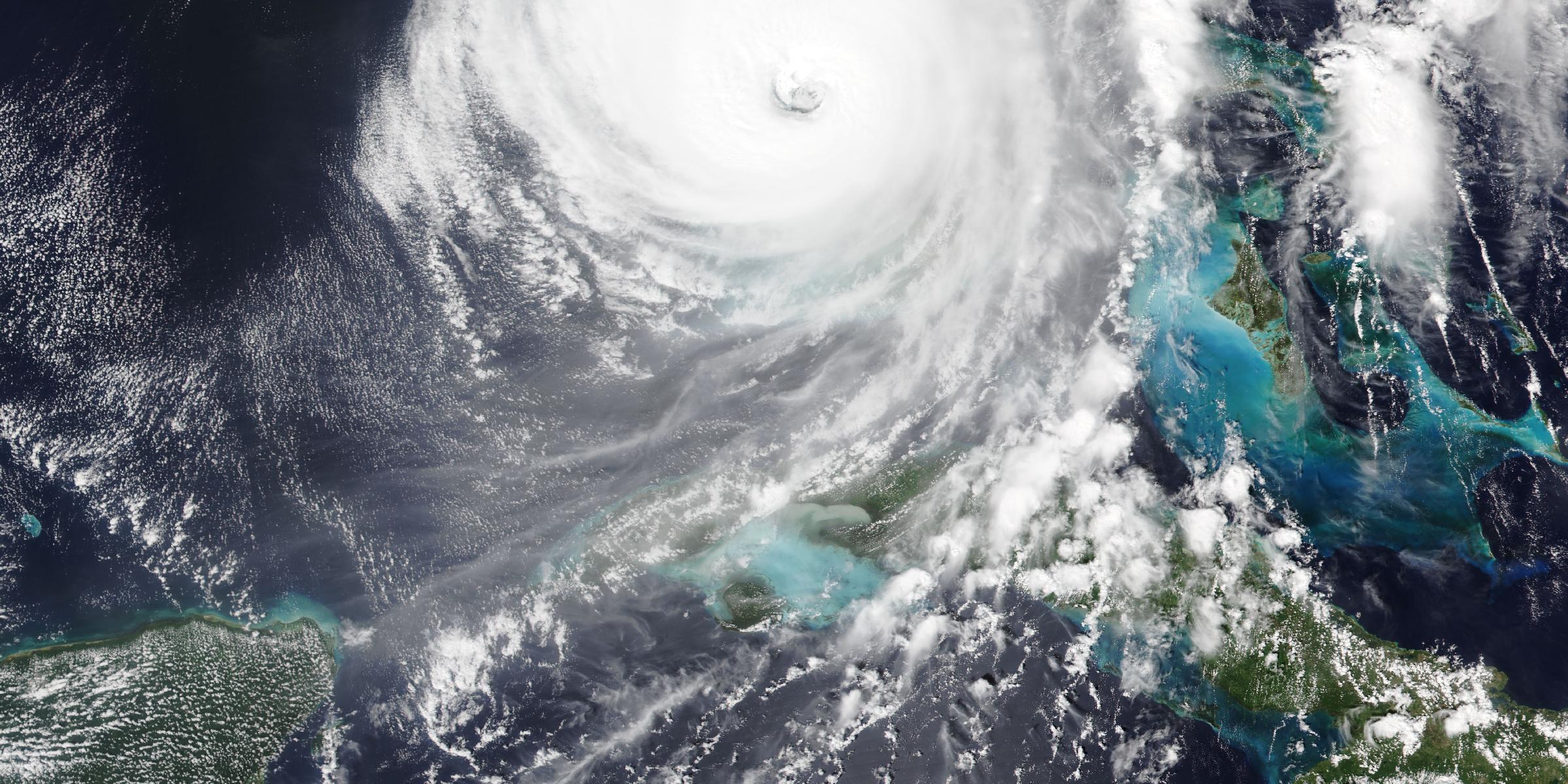
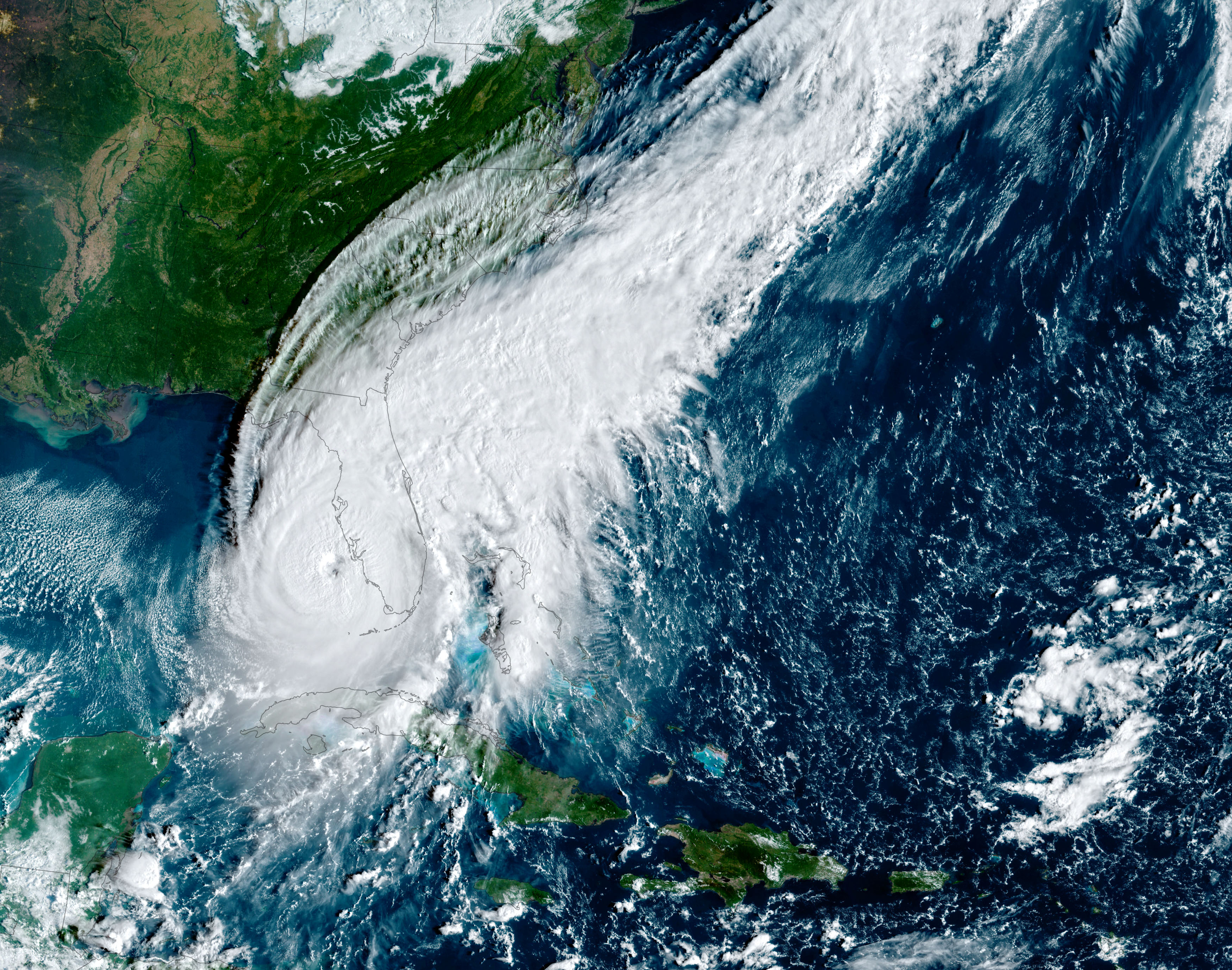
When Hurricane Ian made landfall in Florida, millions of people experienced the same storm.
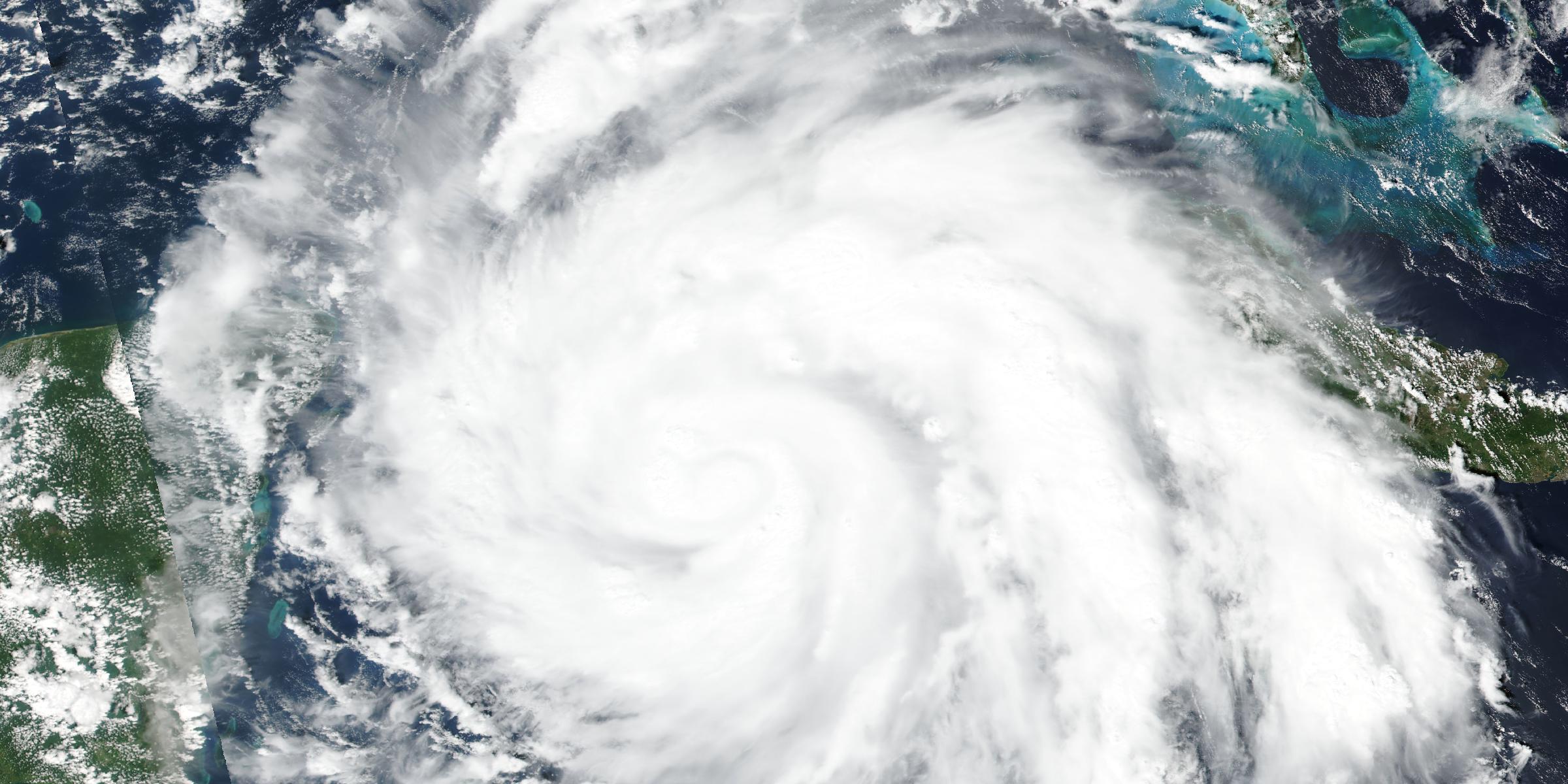
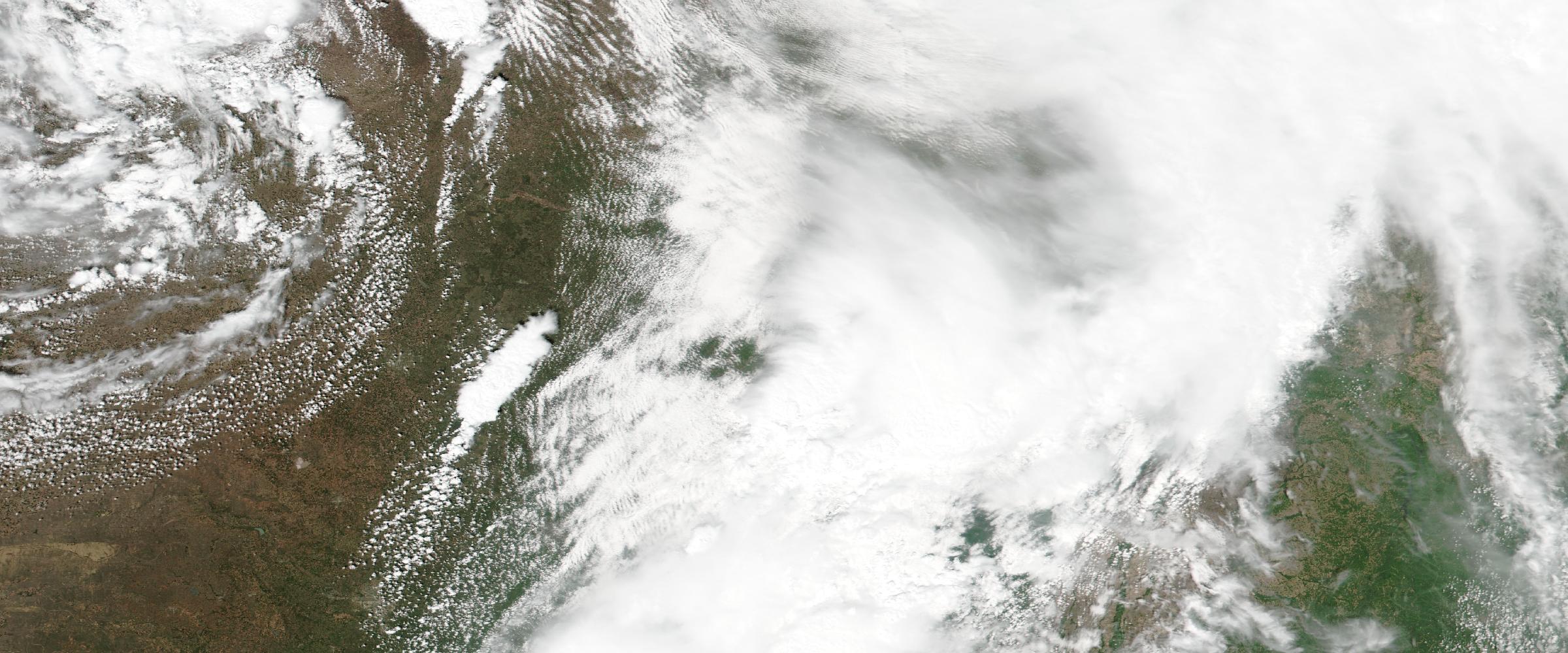
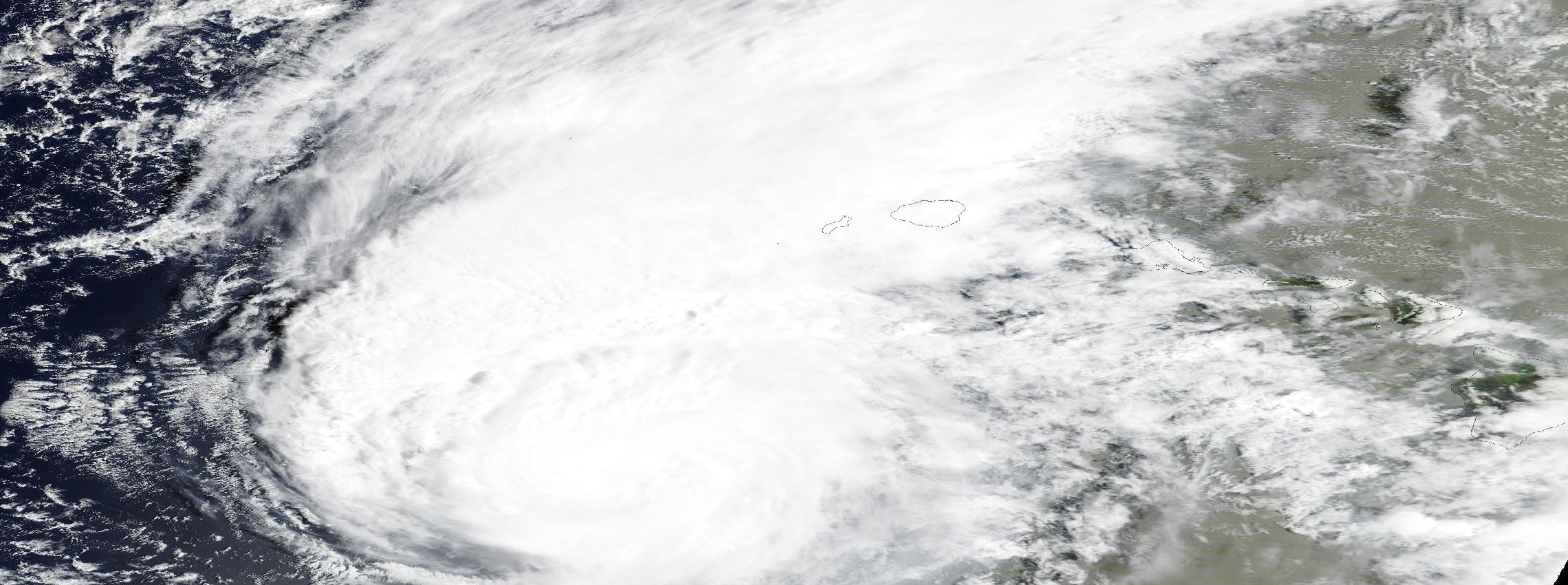
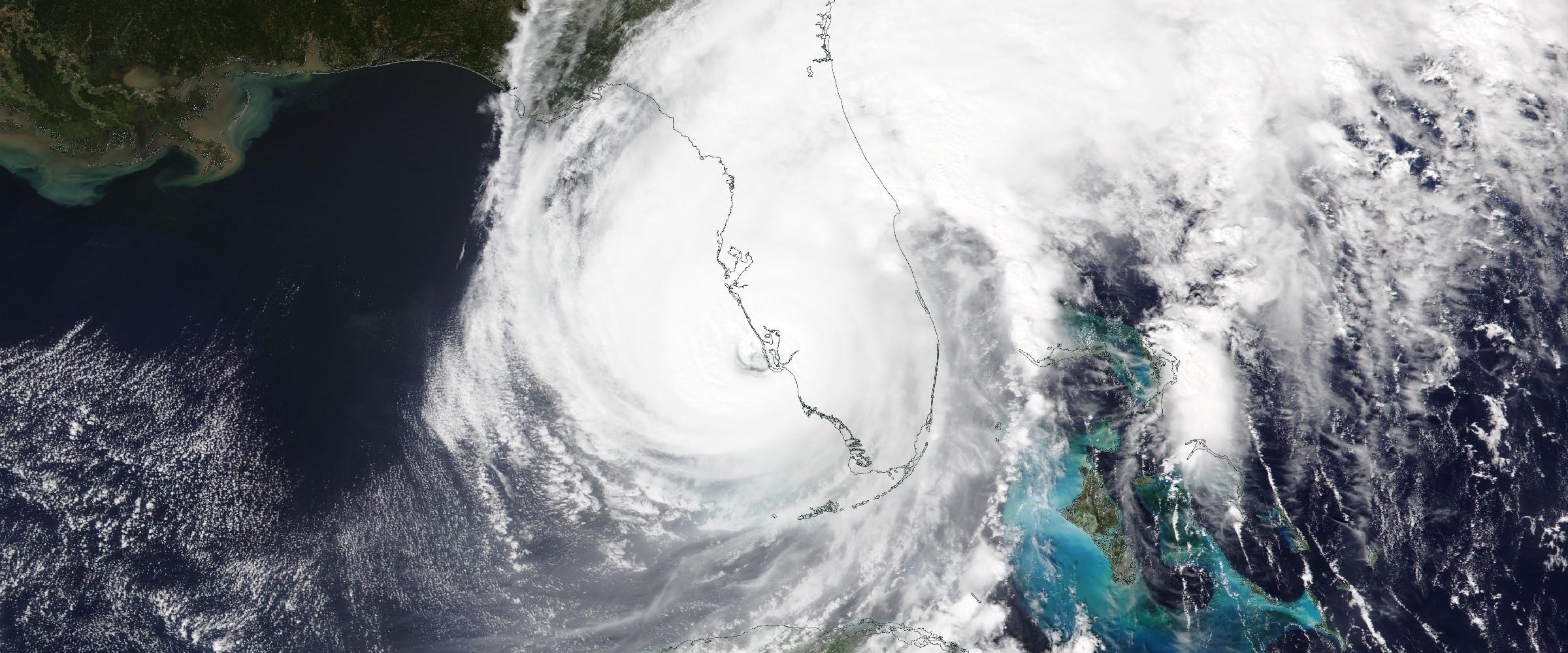
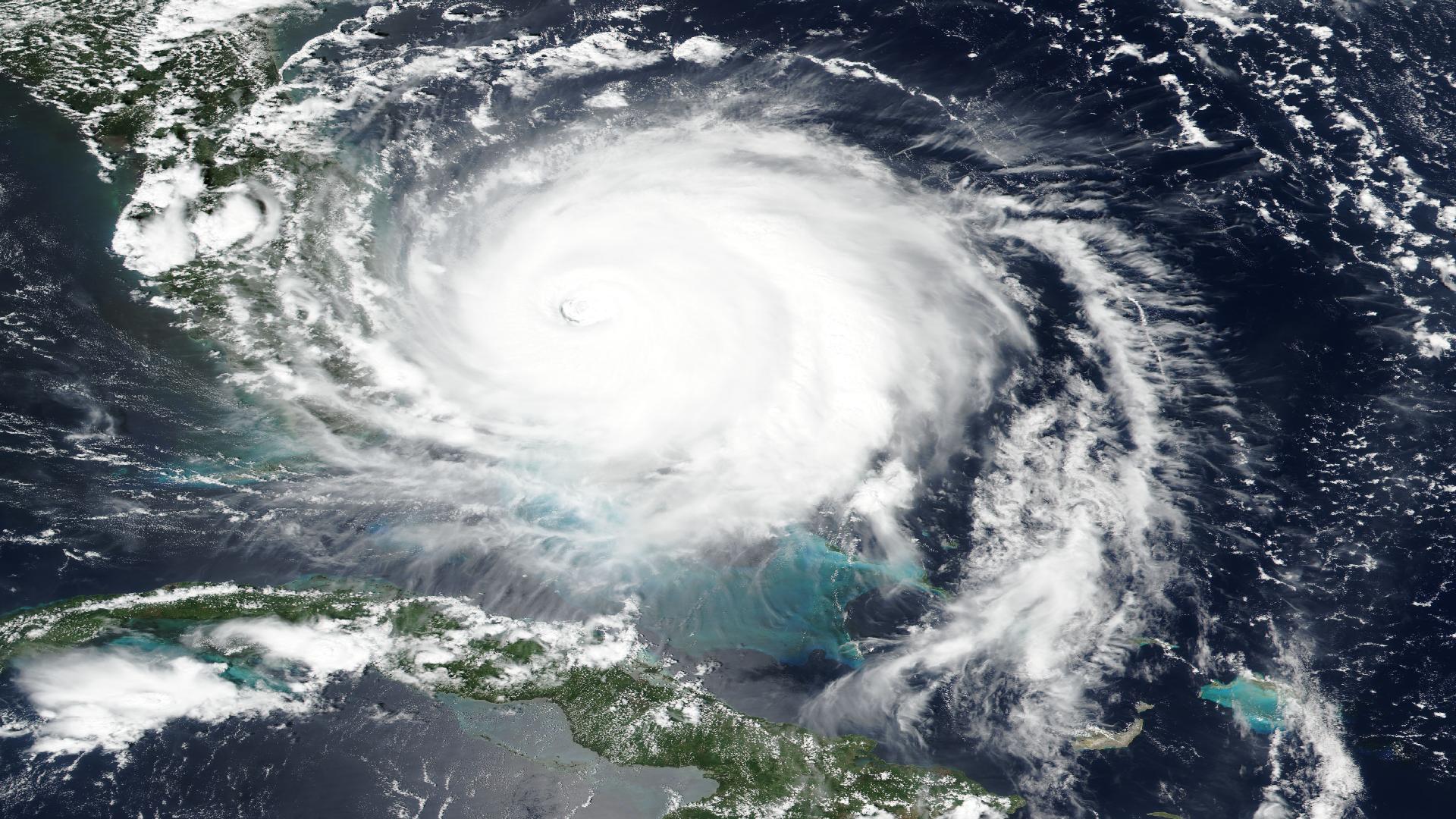
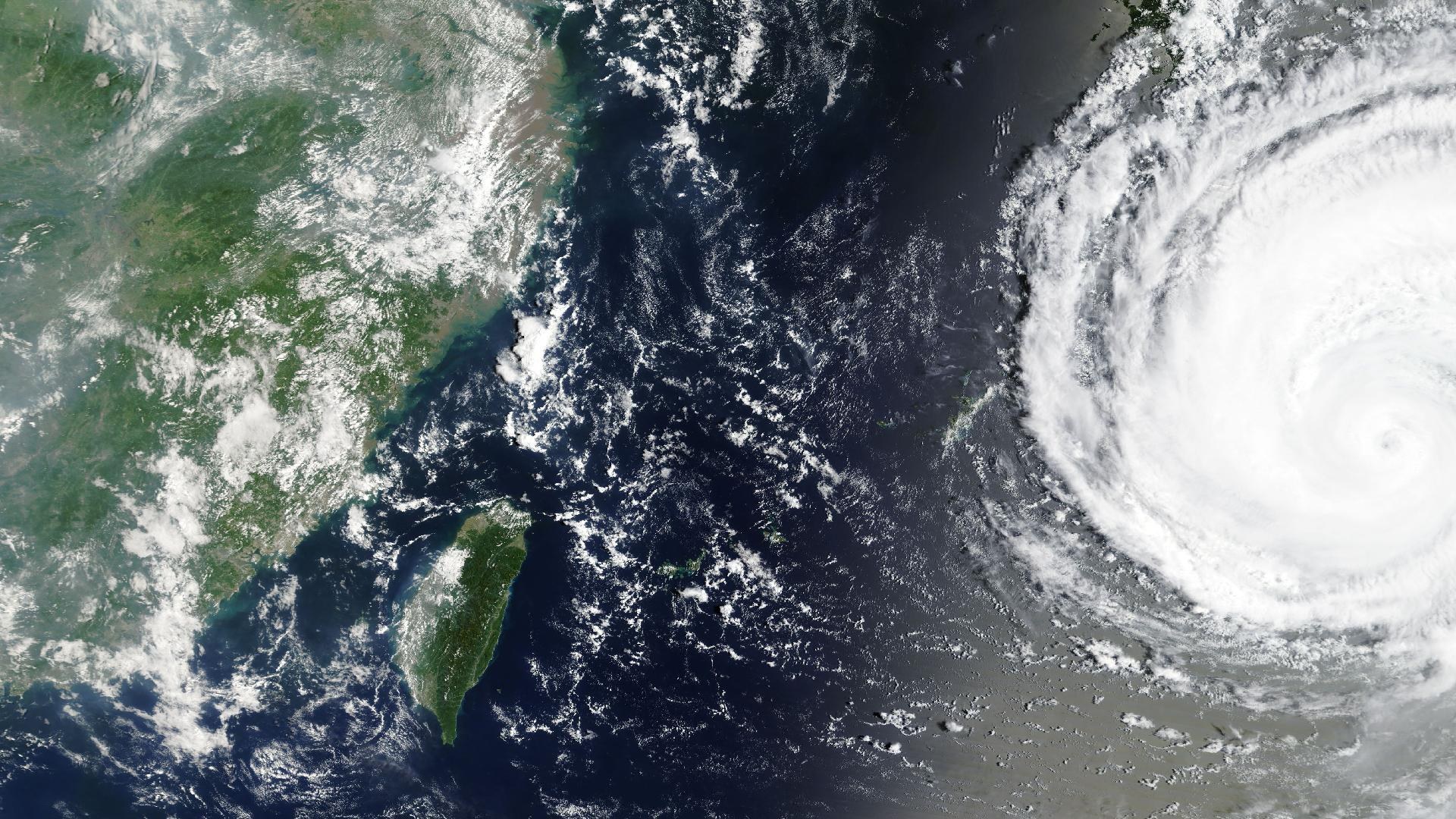
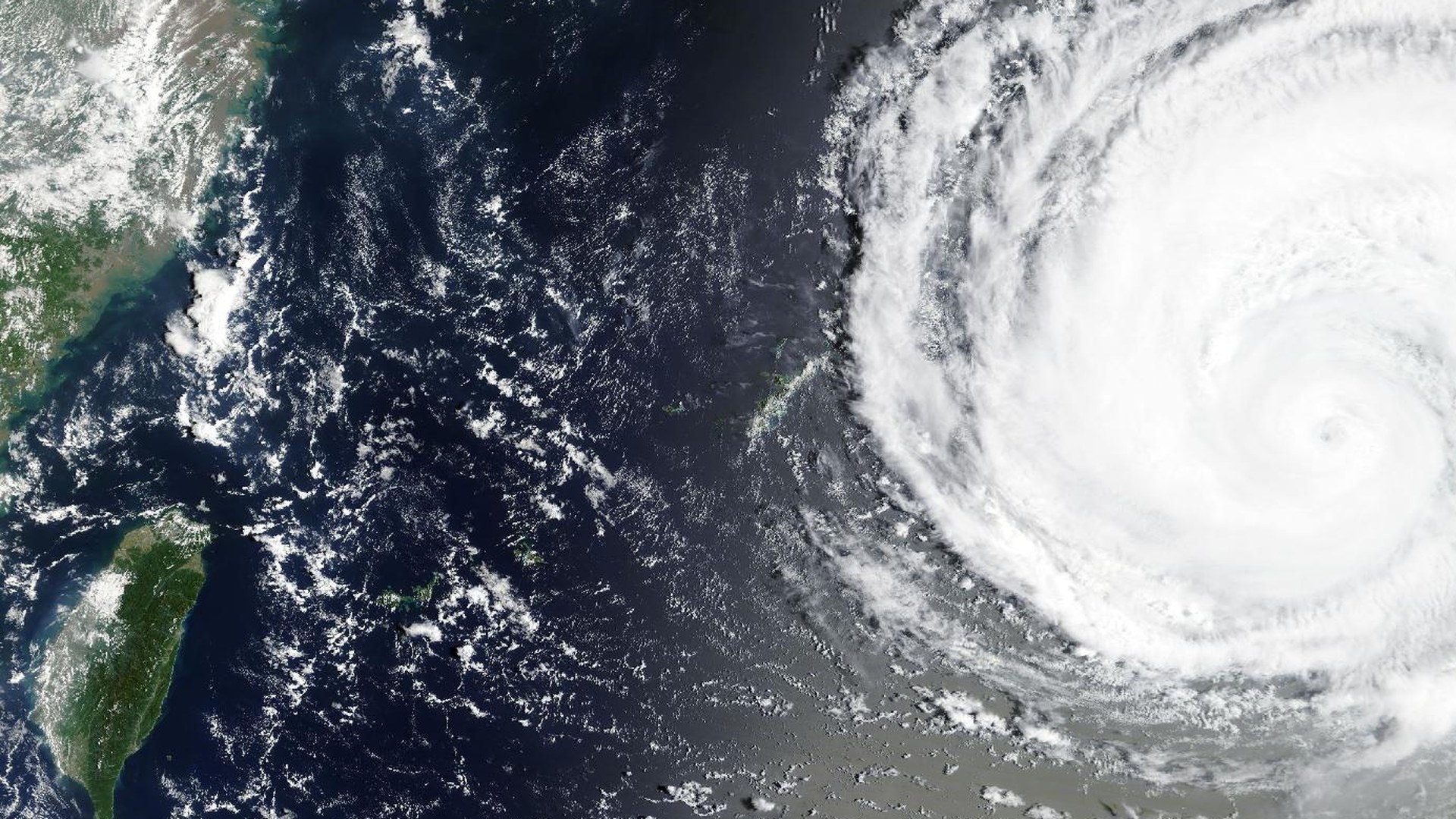
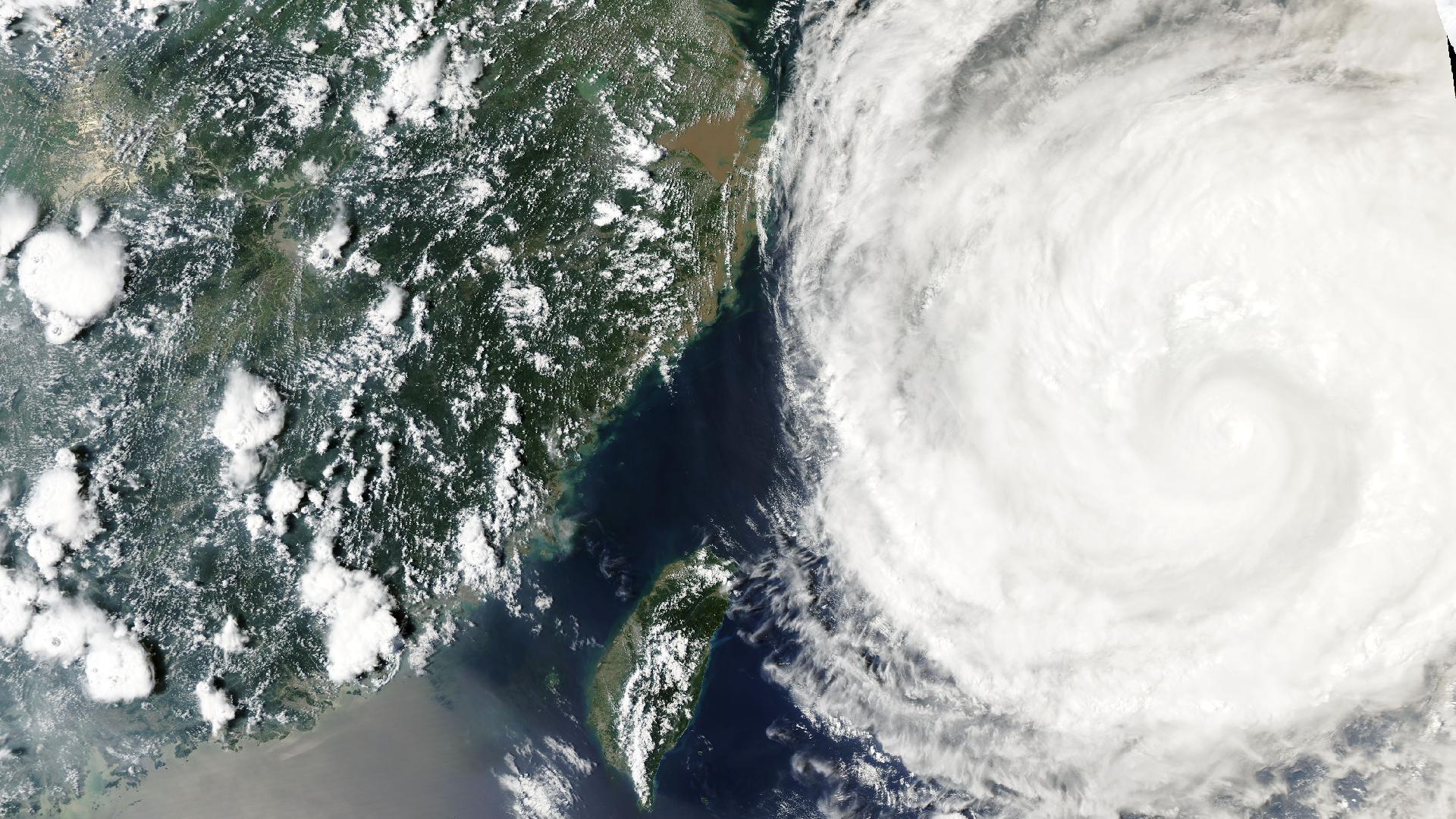
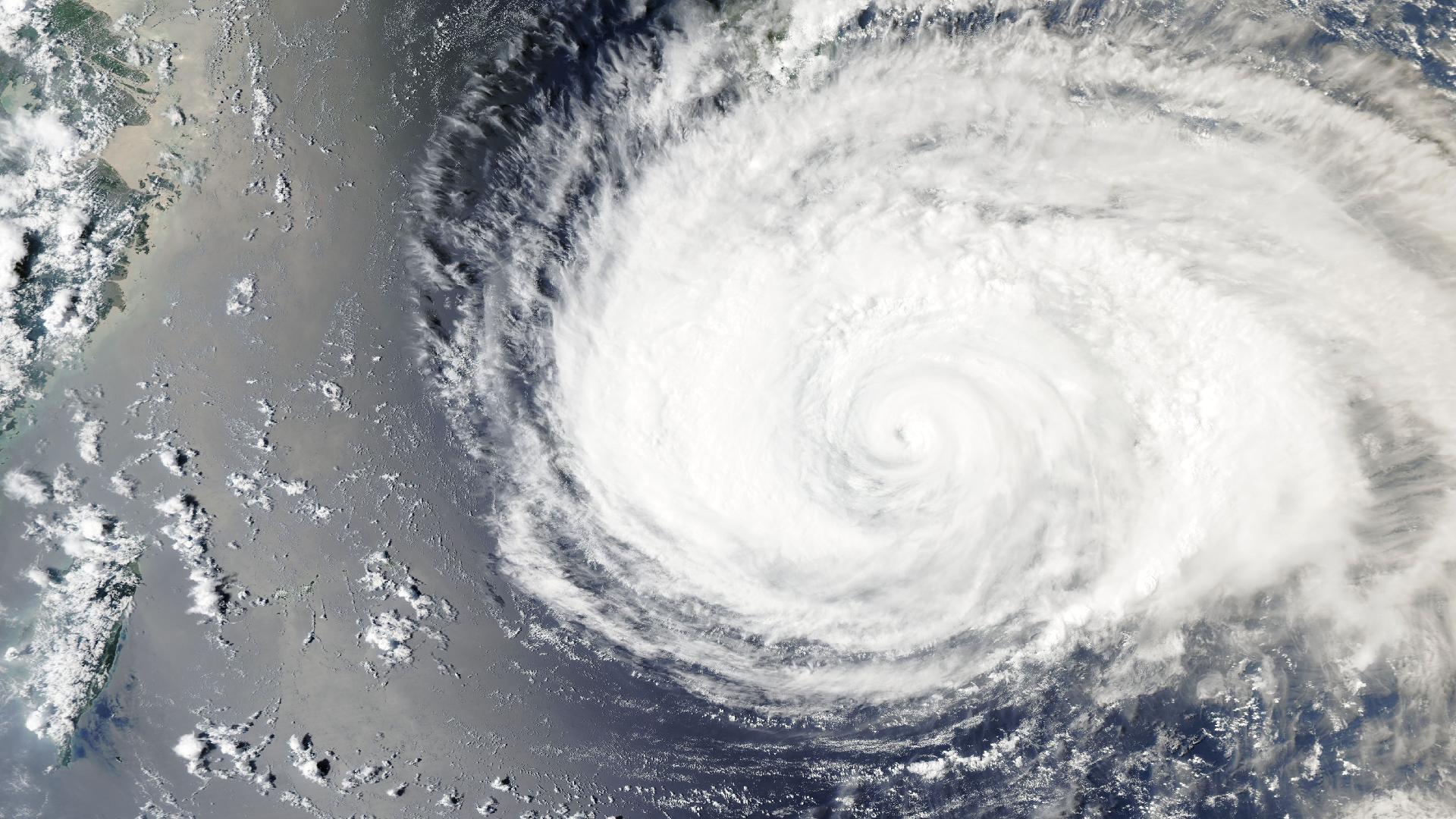
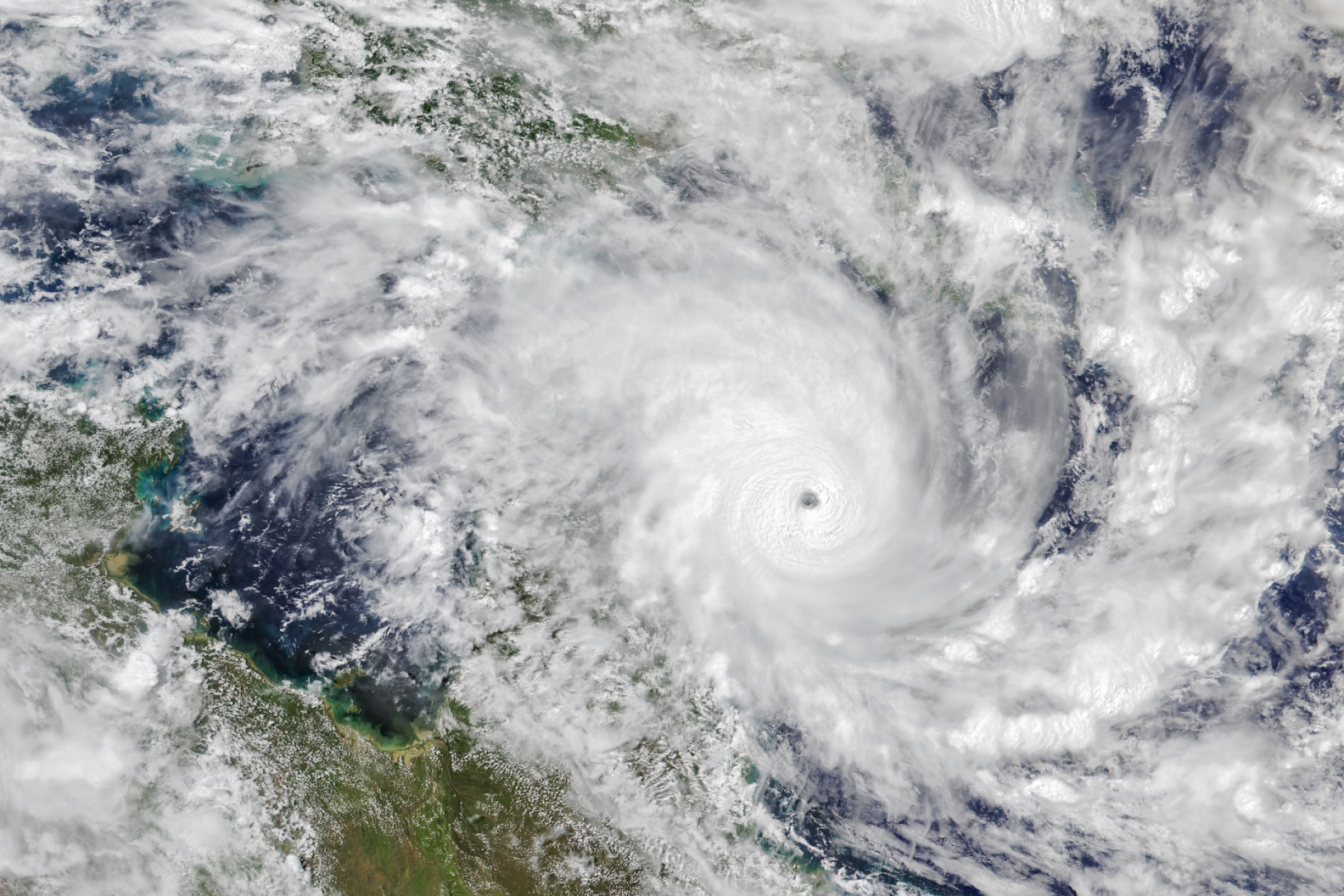
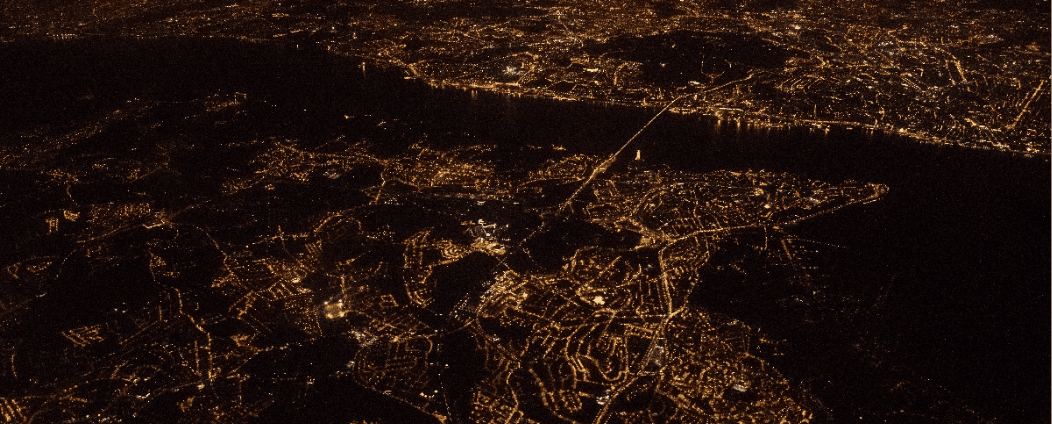
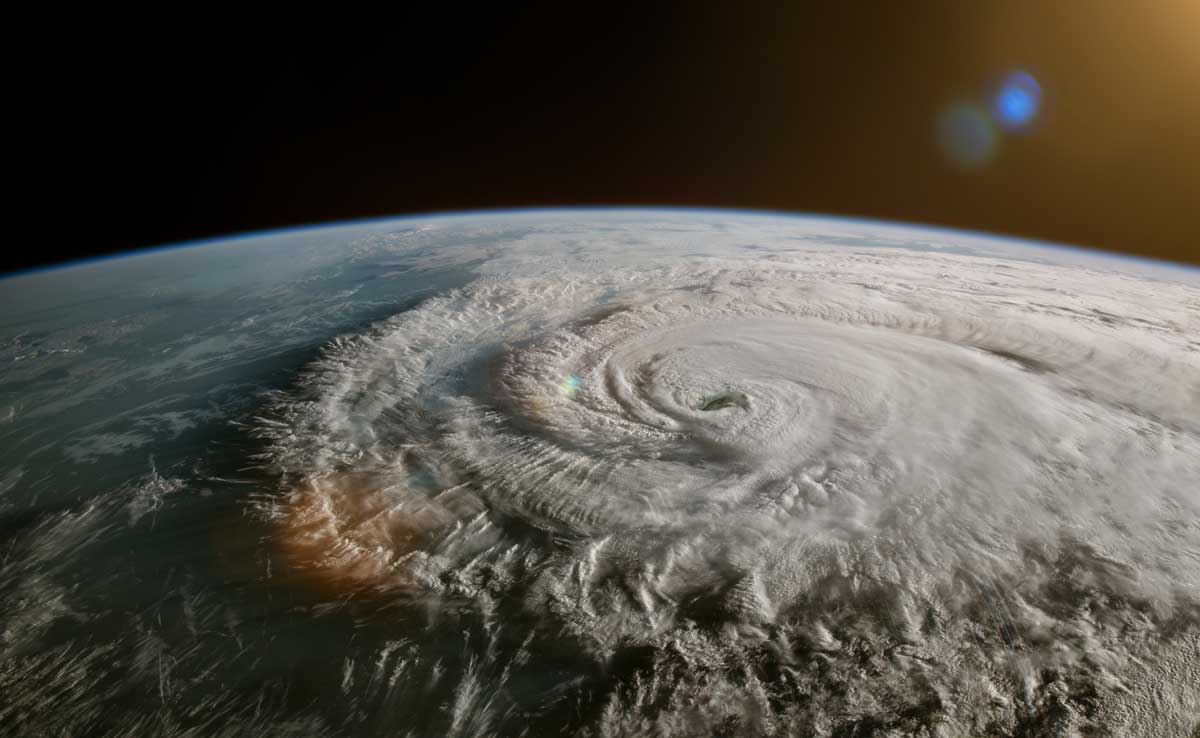
Banner: Hurricane Ian intensifying south of Cuba, September 26, 2022 (NASA Worldview, VIIRS/Suomi NPP). One storm — and thousands of different exposures, depending on whose facilities, policies, and suppliers sat in its path.
But no two organizations experienced the same catastrophe. An insurance carrier saw thousands of policies suddenly exposed. A retailer watched distribution centers close. A manufacturer worried about suppliers. A bank evaluated billions of dollars of collateral. A utility monitored substations and transmission lines. A hospital focused on patient care and backup power. A logistics company tracked ports, highways, and warehouses.
Everyone watched the same hurricane. Everyone experienced a different event. That simple reality exposes one of the biggest limitations of traditional historical catastrophe data.
Historical catastrophe databases answer: What happened?
Enterprise organizations need to answer: What happened to us?
That is the purpose of Historical Exposure Intelligence.
Imagine searching for every hurricane that struck Florida over the last twenty years.
Interesting? Absolutely. Actionable? Not necessarily.
Now imagine asking:
Which hurricanes affected my facilities?
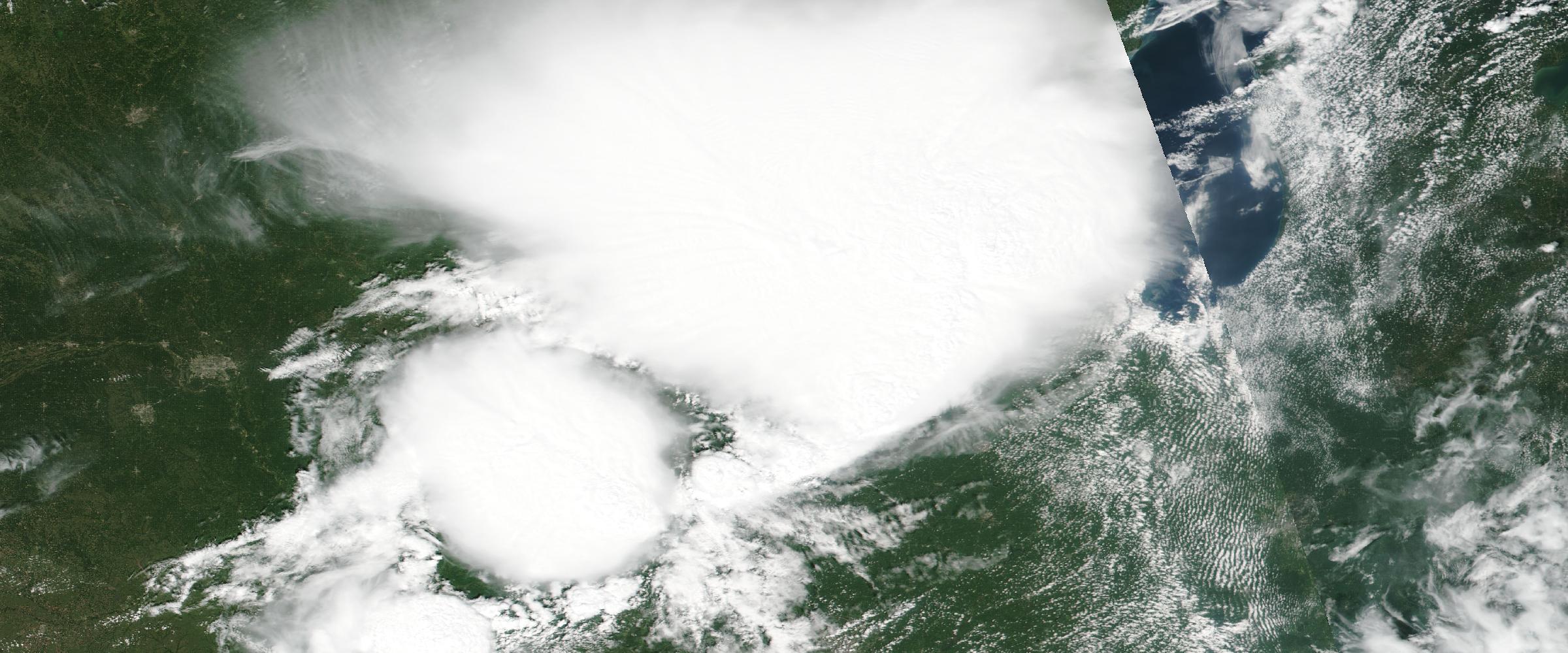
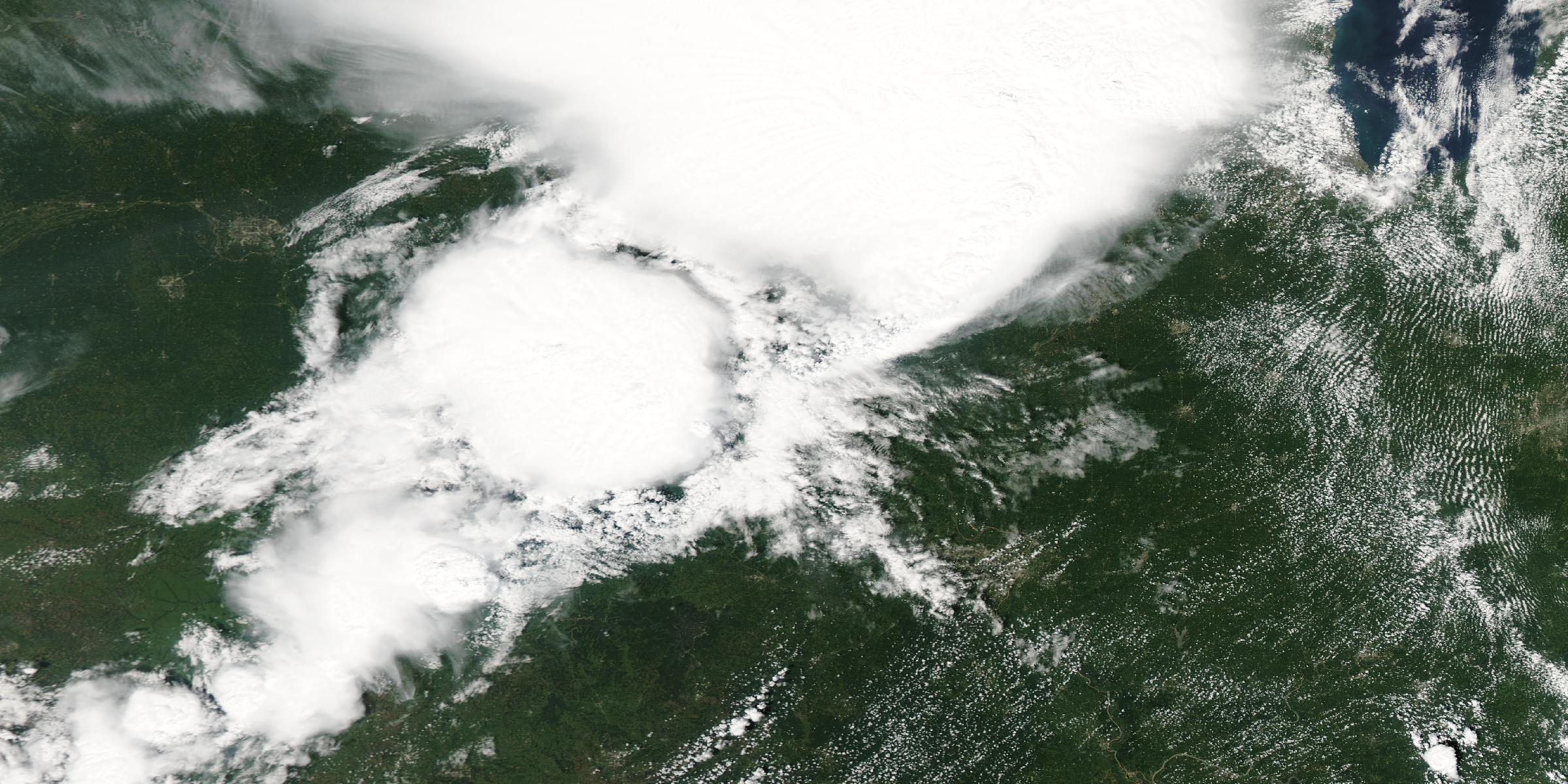
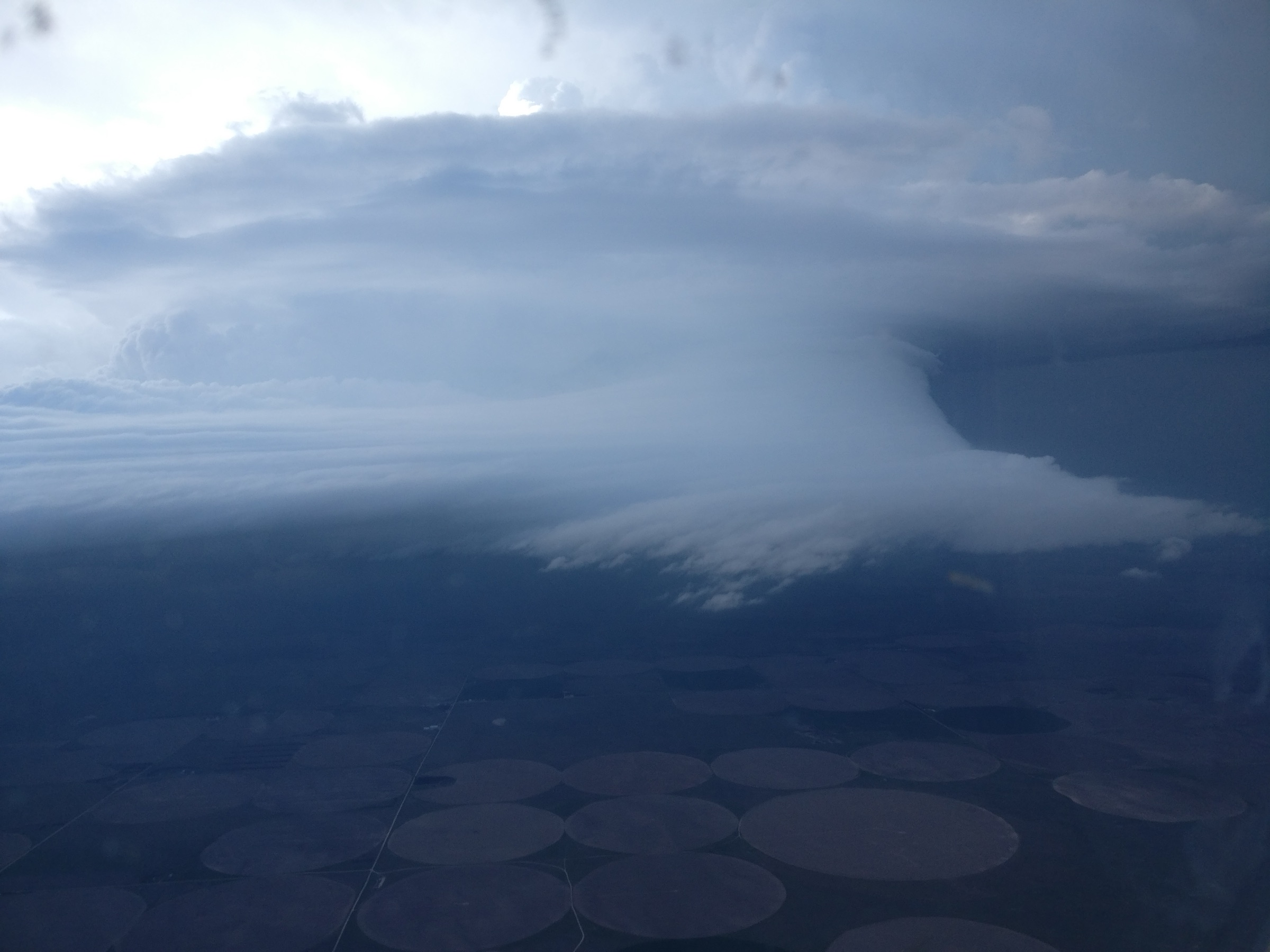
Or: Which verified Severe Convective Storms produced two-inch hail at my insured properties?
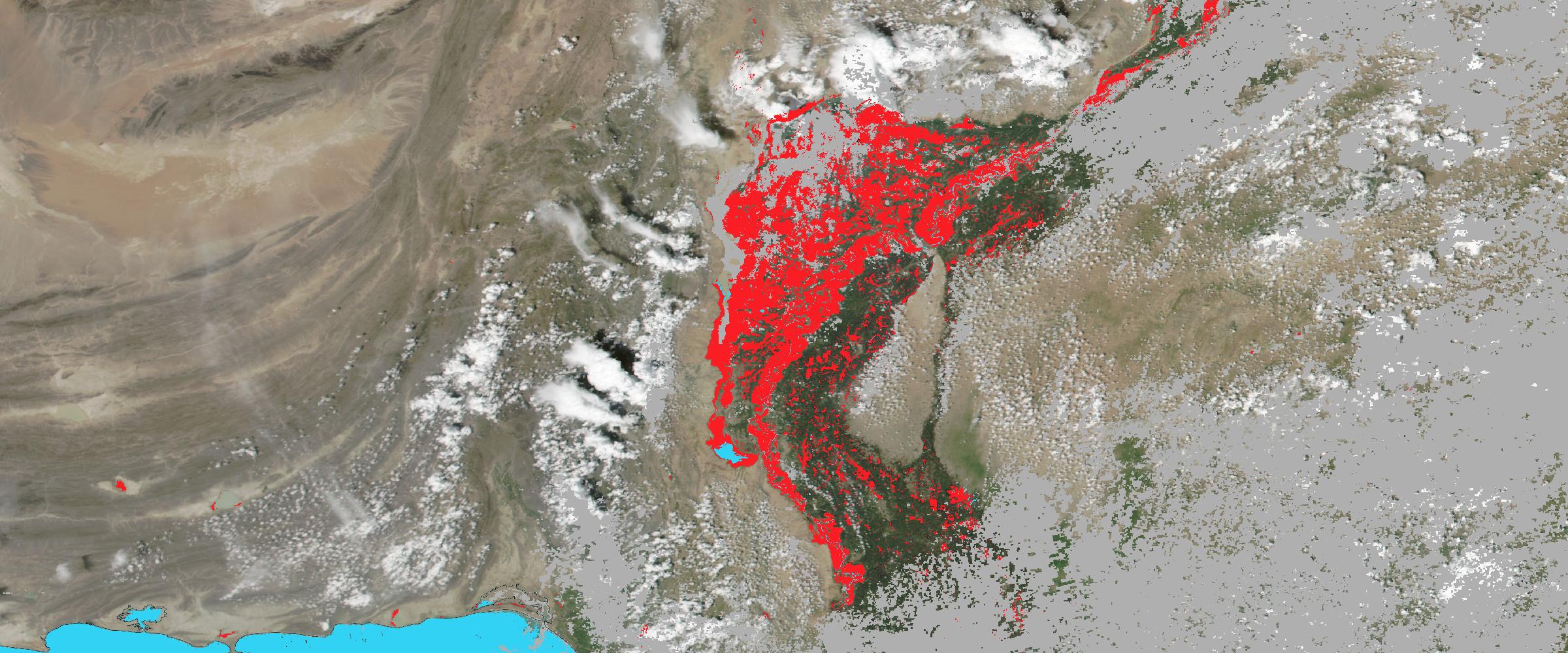
Or: Which suppliers have experienced catastrophic flooding multiple times during the past decade?
Those questions immediately become operational. They transform historical events into business intelligence. That is the difference between historical catastrophe data and Historical Exposure Intelligence.
Disasters don't impact regions equally. They impact organizations differently depending on where they operate.
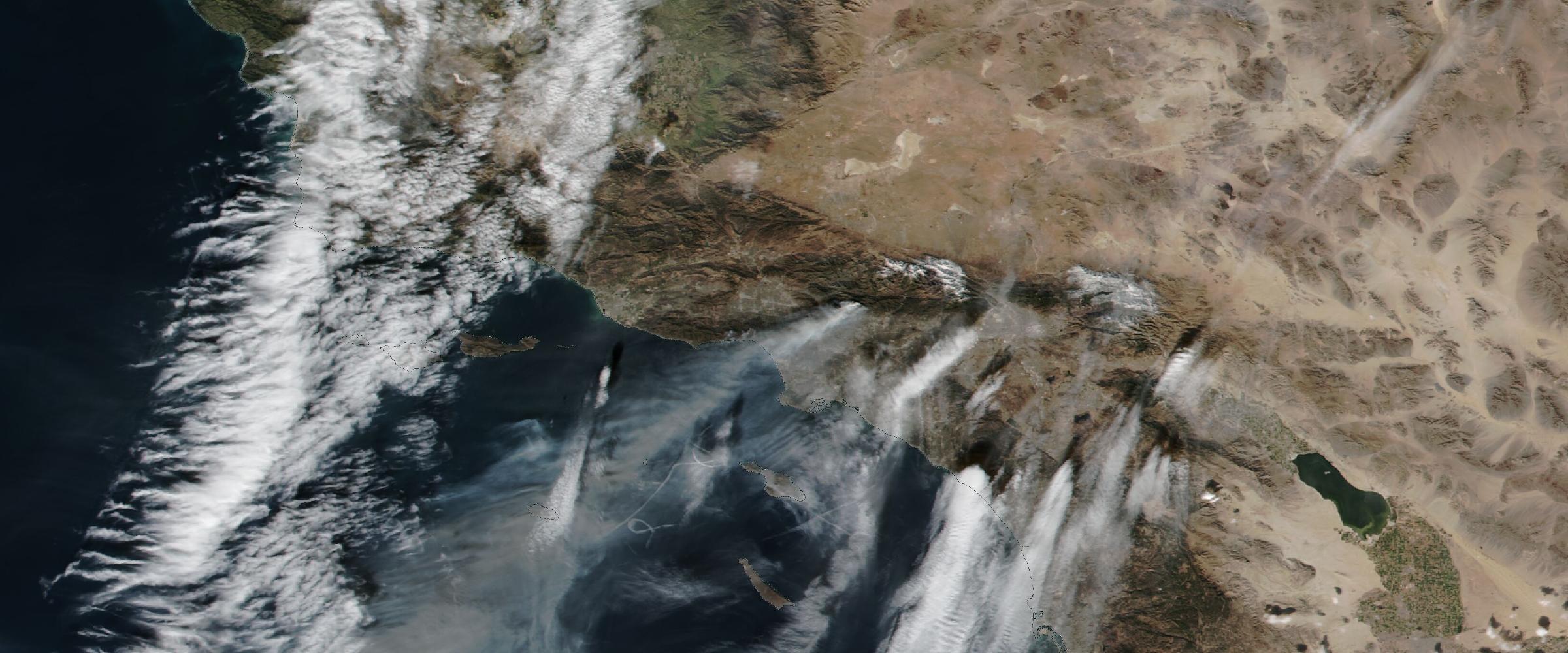
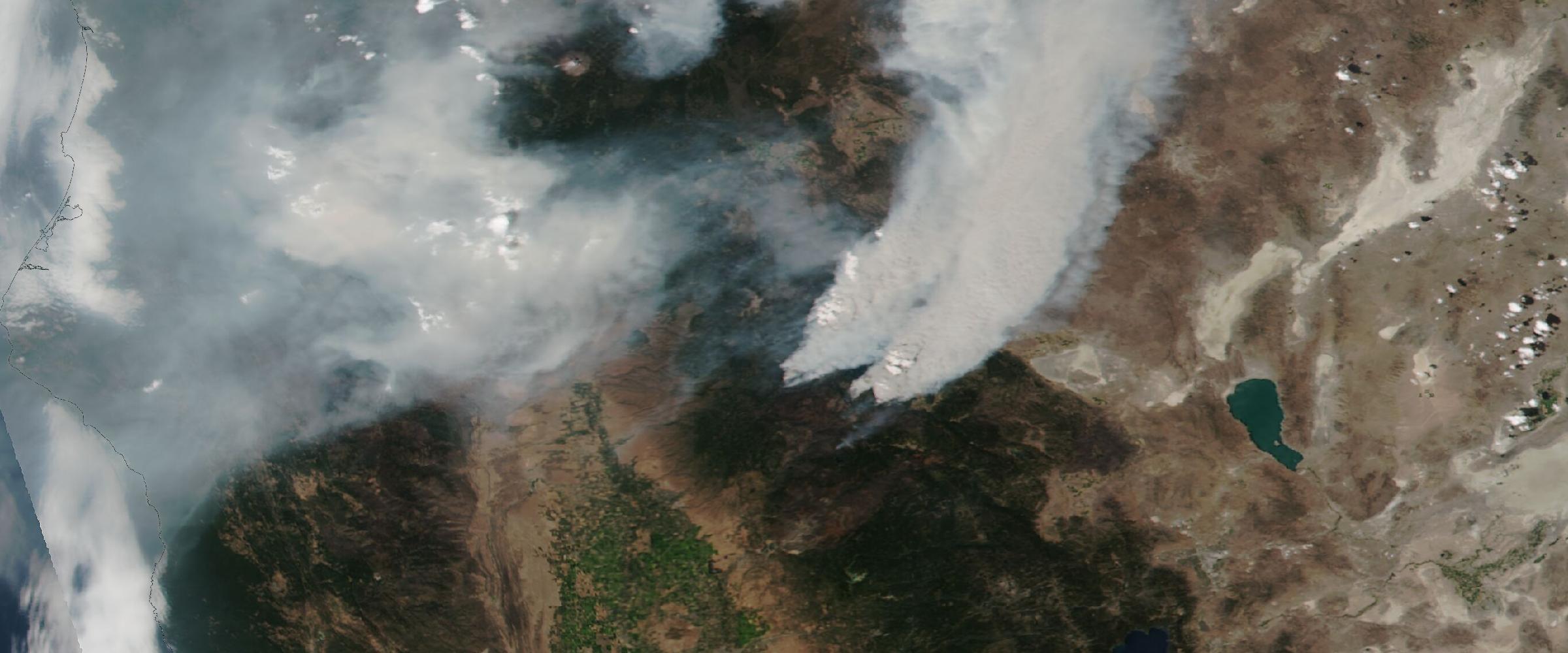
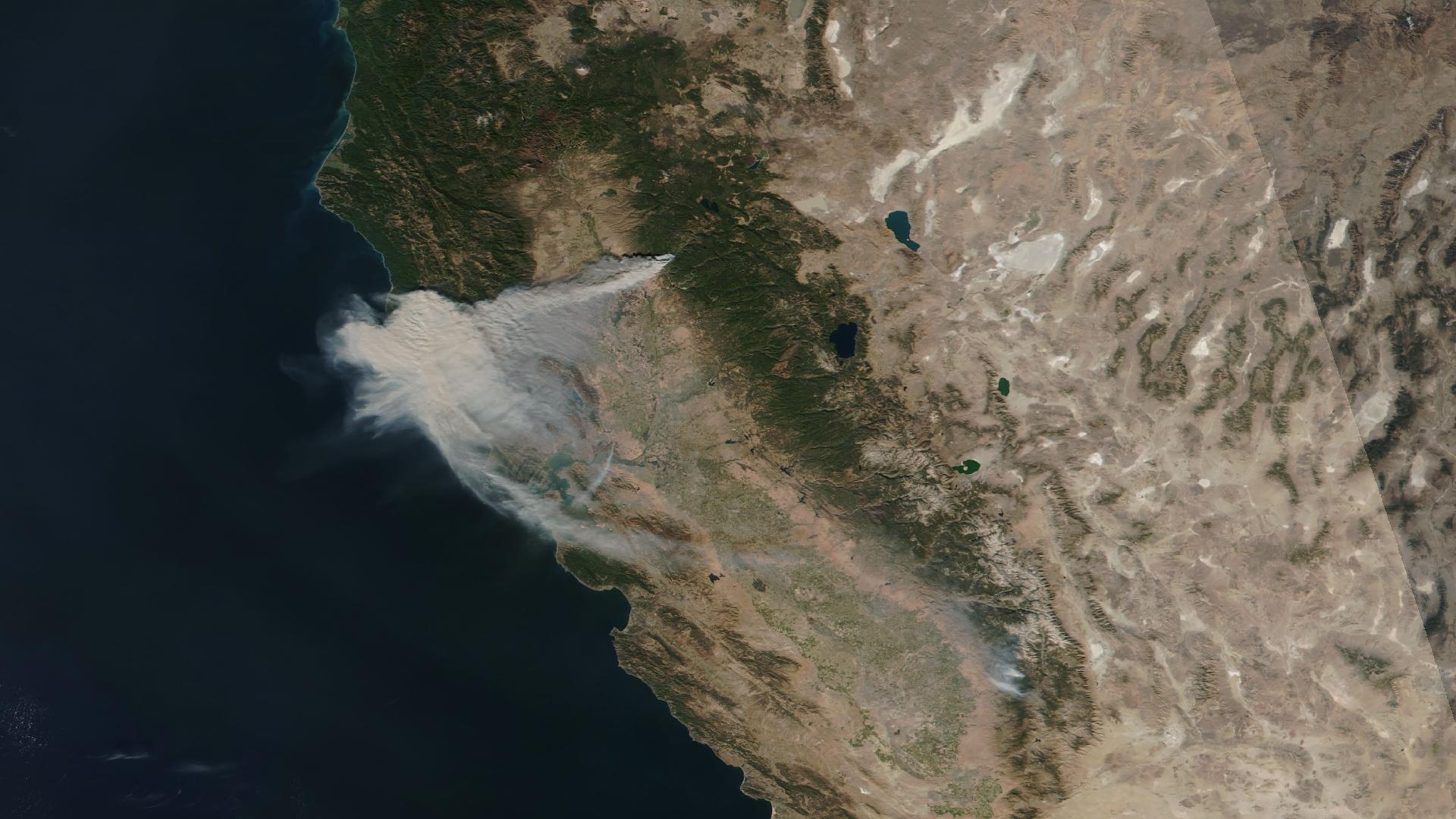
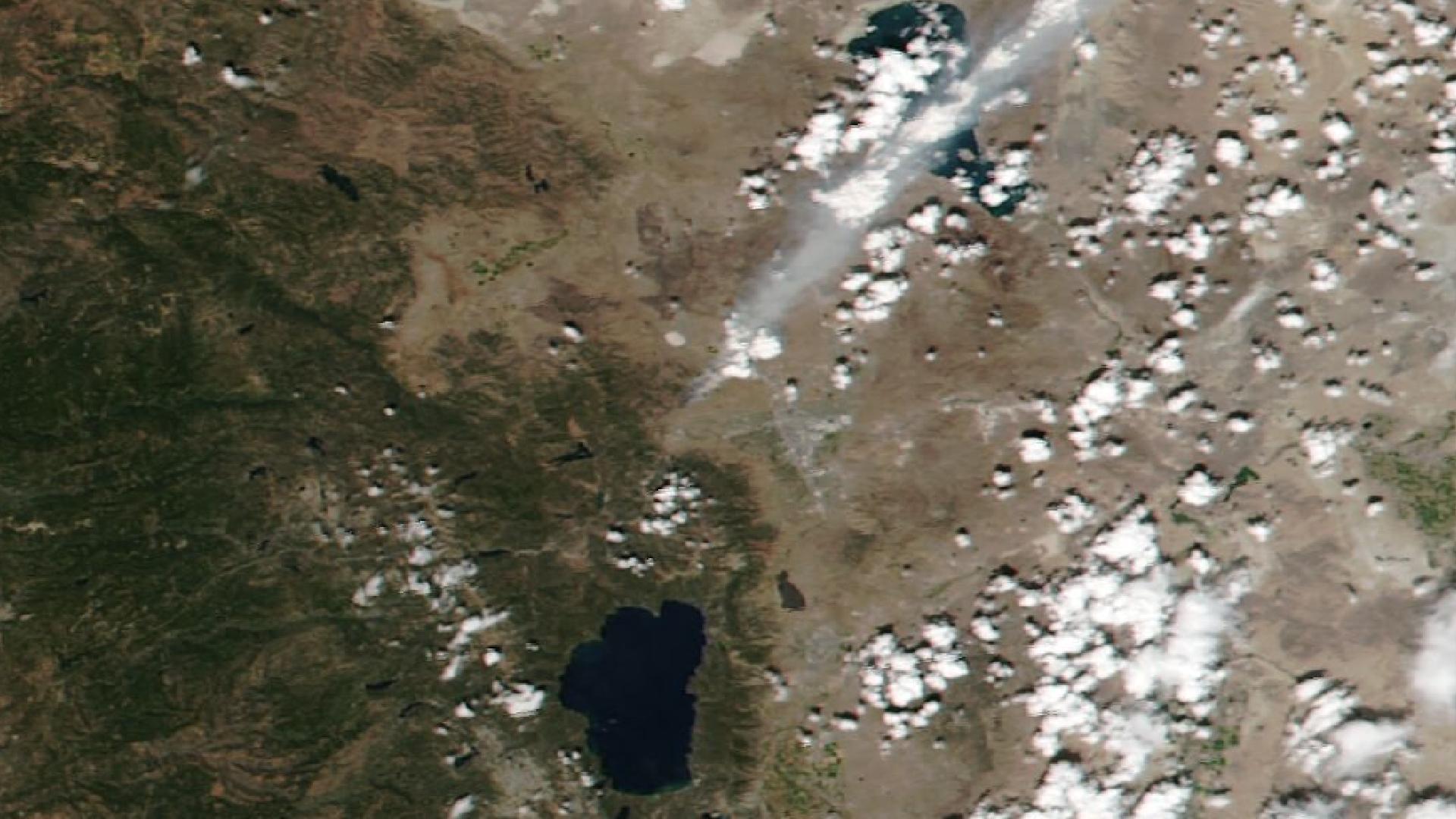
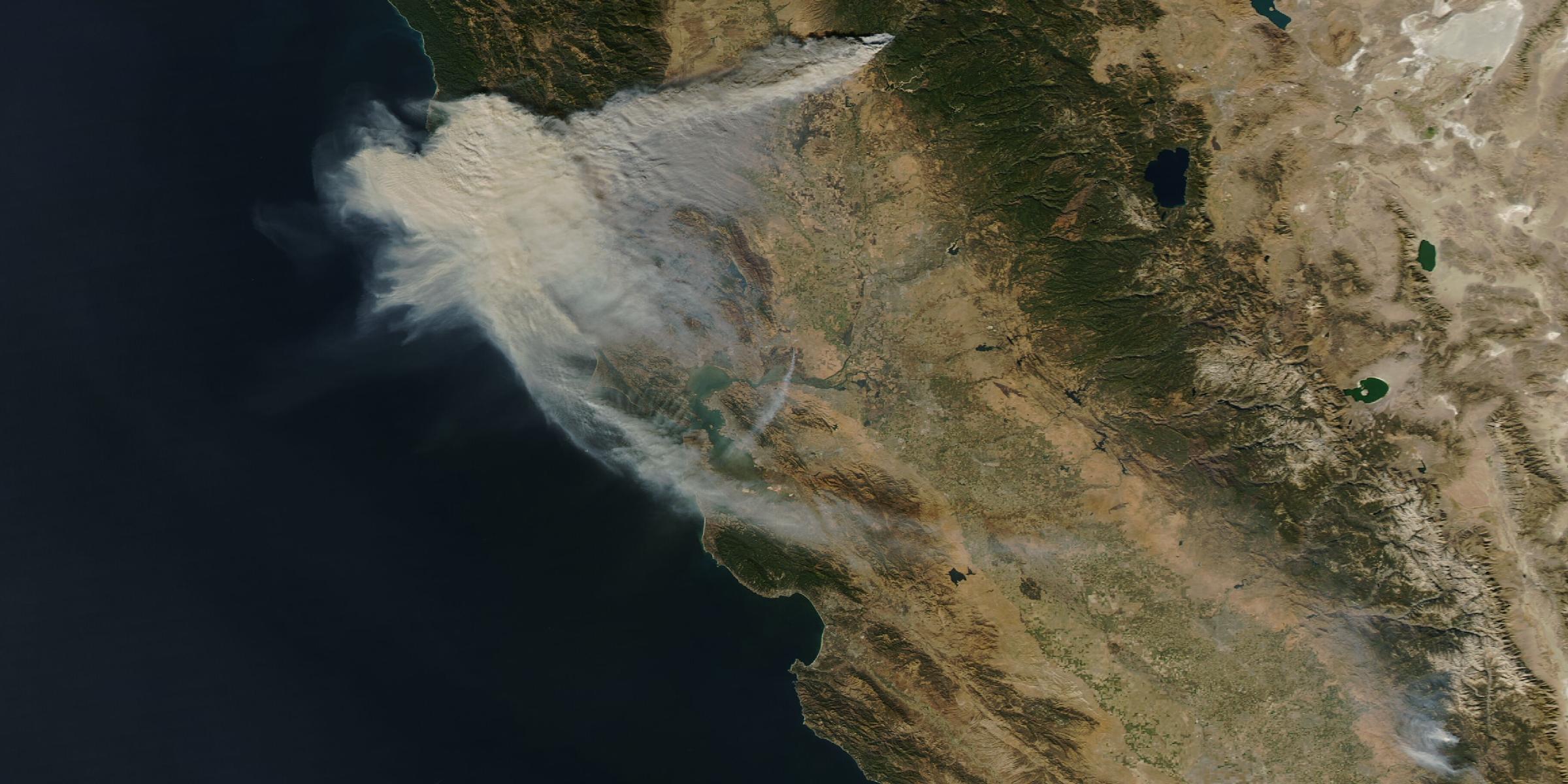
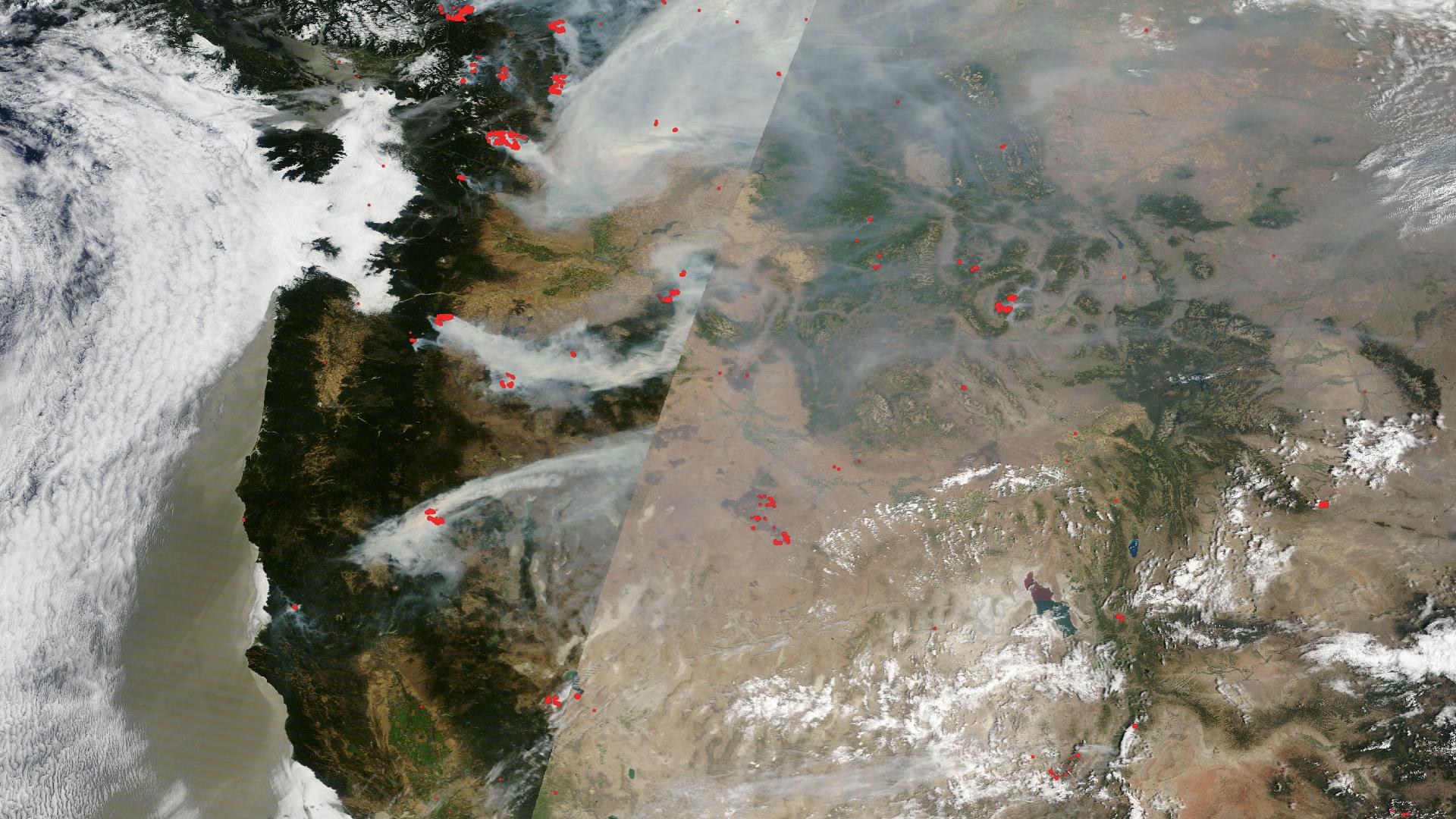
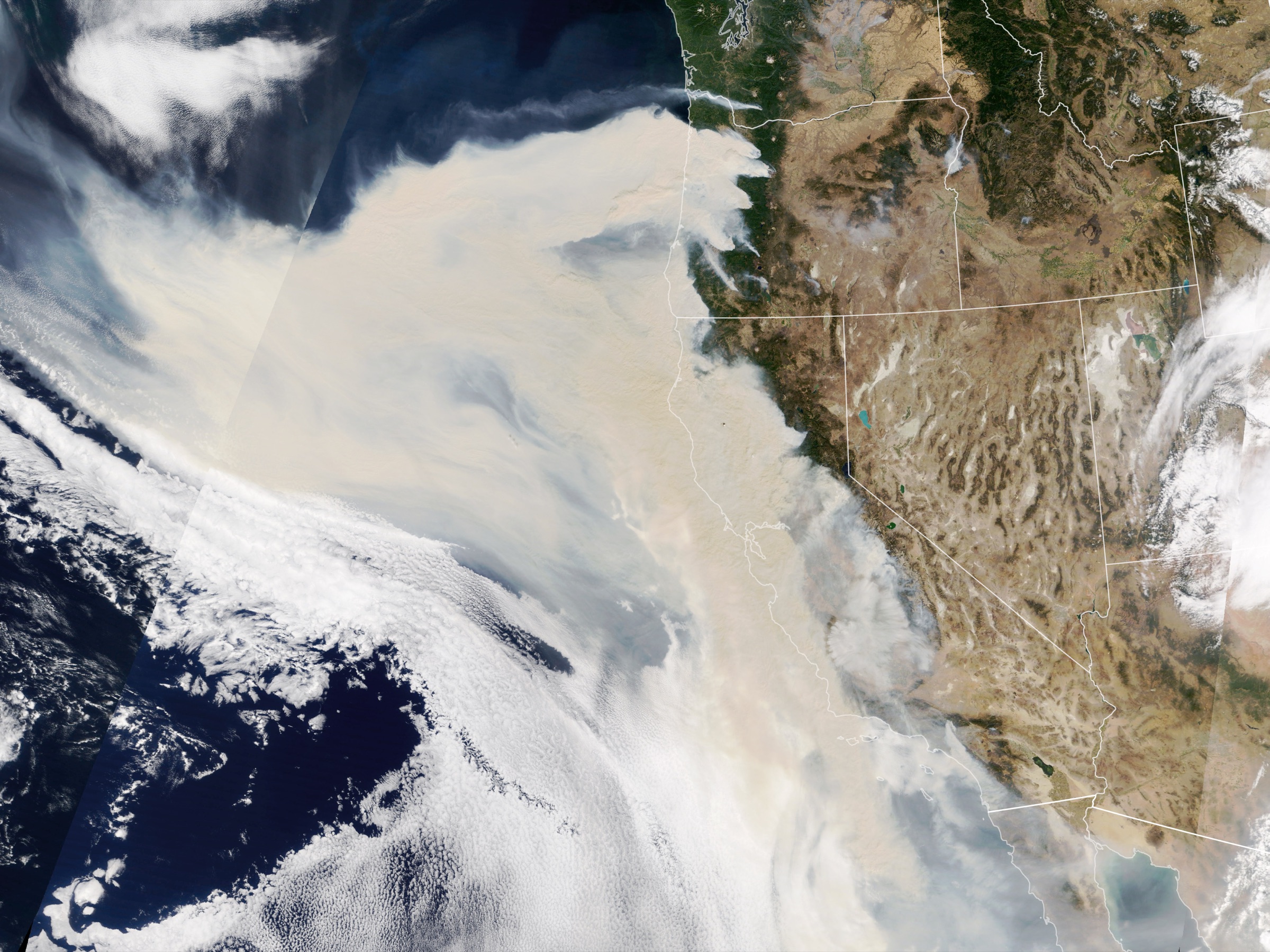
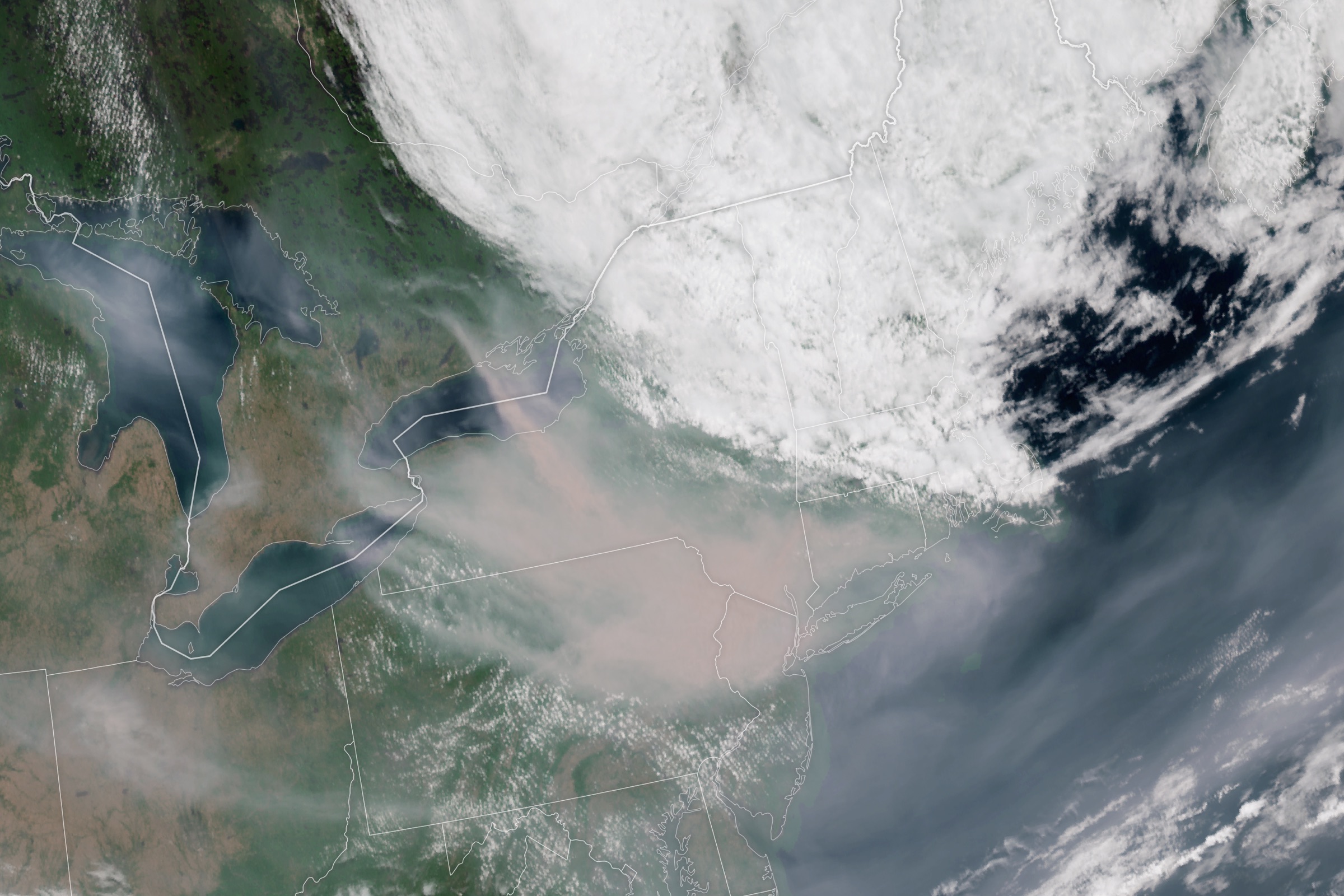
Consider the same wildfire. A utility may be concerned about transmission lines. A logistics company focuses on highway closures. A bank evaluates financed commercial properties. An insurance carrier examines portfolio accumulation. A technology company worries about a nearby data center. A hospital evaluates evacuation routes.
The wildfire hasn't changed. The exposure has.
Historical Exposure Intelligence connects catastrophes to the assets, people, infrastructure, and operations that matter to each organization.
Traditional catastrophe analysis often begins with maps.
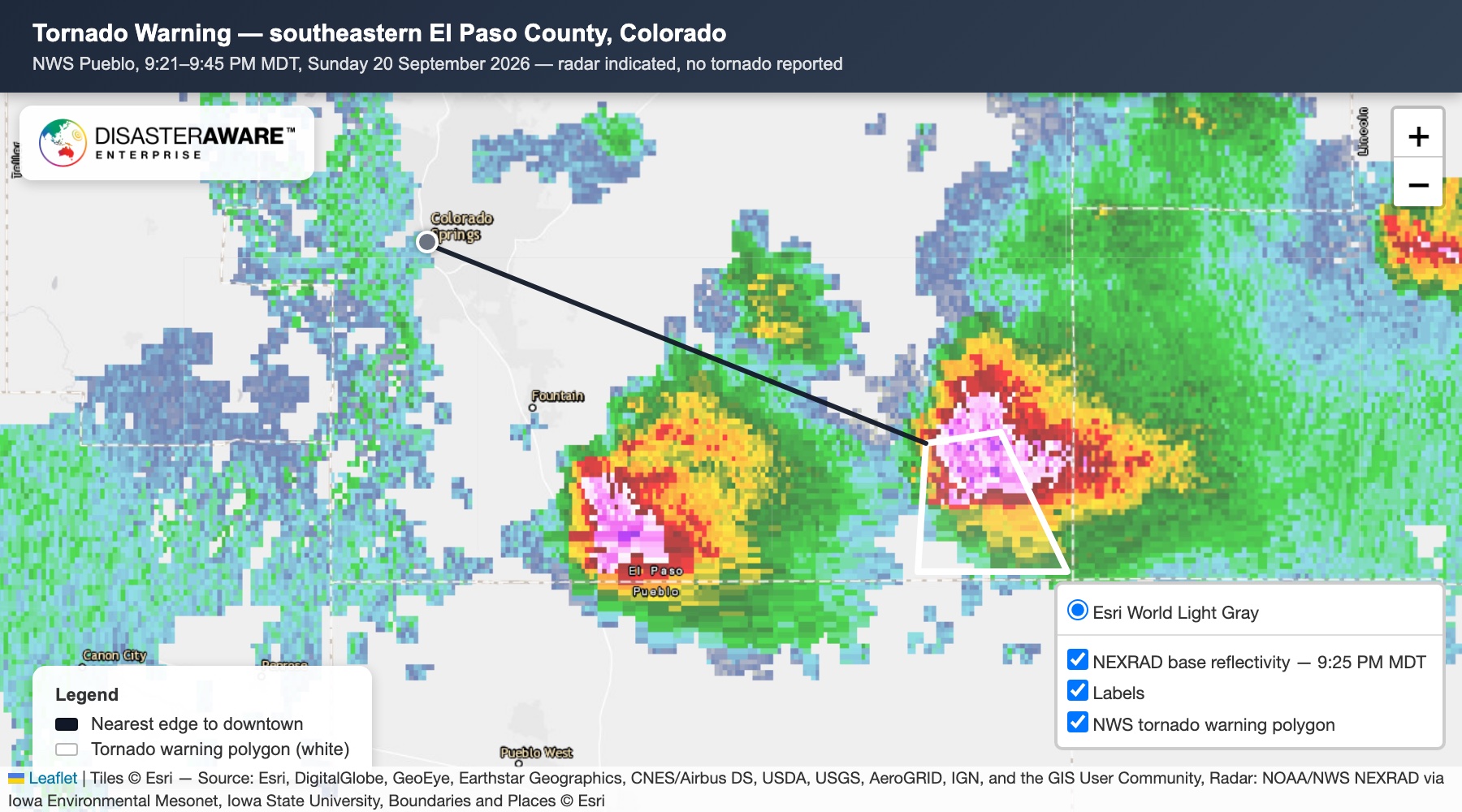
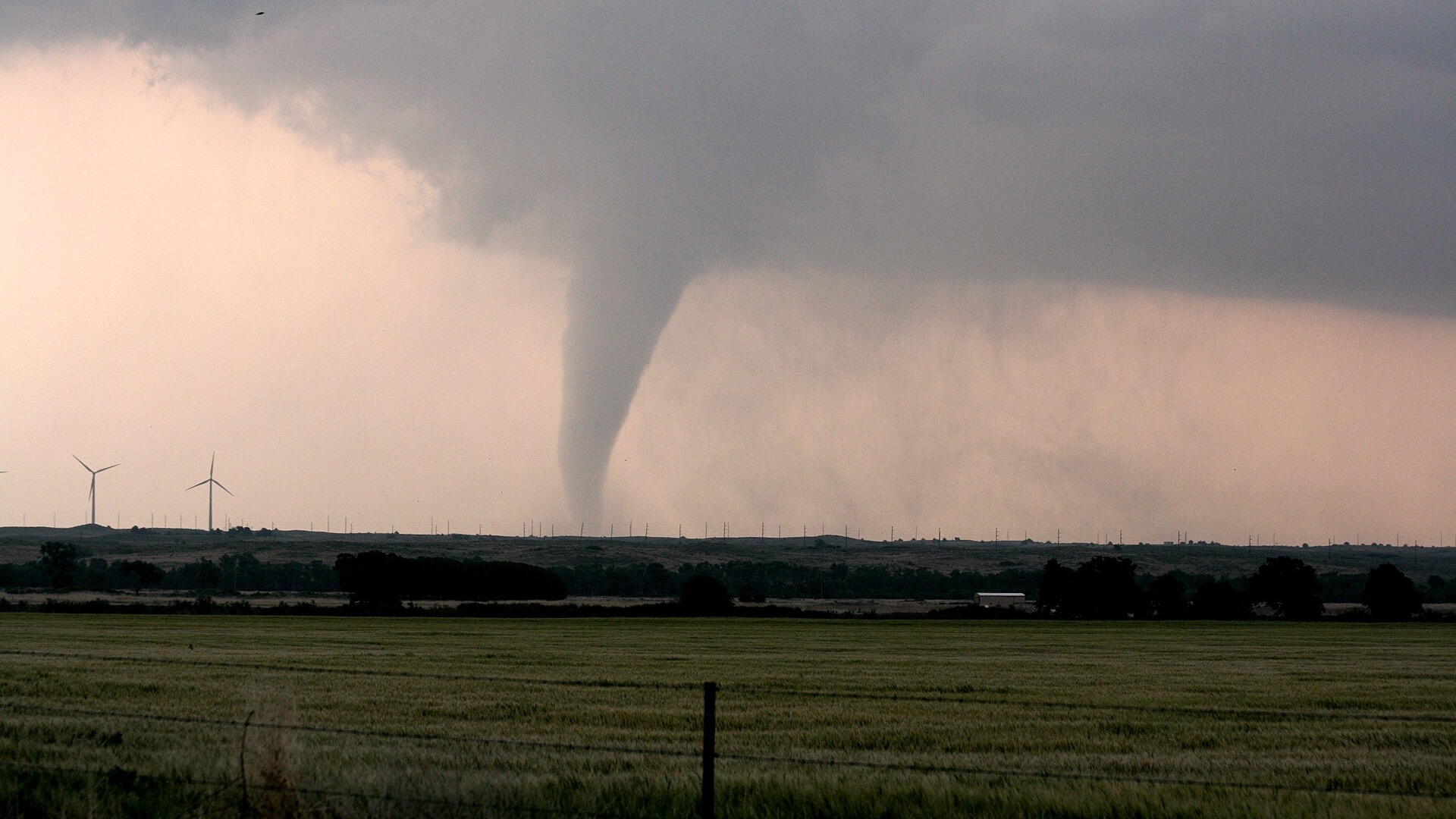
Where was the hurricane? Where did the tornado touch down? Where did flooding occur?
Maps are important. But maps alone don't answer business questions. Organizations need context. They need to know:
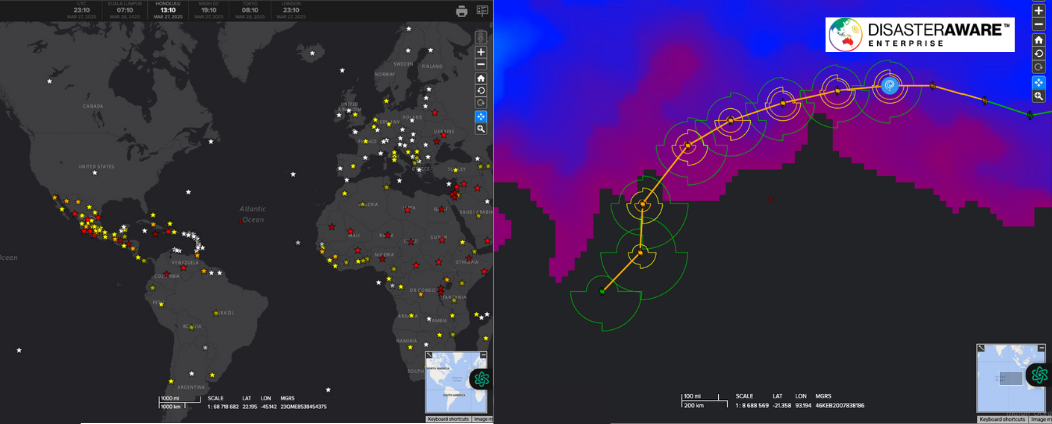
Historical Exposure Intelligence answers those questions by connecting reconstructed catastrophes directly to enterprise assets.
Every facility has a story. Every warehouse. Every office. Every refinery. Every hospital. Every retail store. Every supplier. Every insured property. Every piece of infrastructure.
Most organizations simply don't know that story. Historical Exposure Intelligence makes it visible. Imagine selecting a single facility and instantly understanding every hurricane that passed nearby, every verified Severe Convective Storm, every flood, every wildfire, every earthquake, every evacuation, every smoke event, and every major weather disruption.
Not as separate datasets. As one historical exposure timeline.
Instead of asking "What hazards exist here?", organizations can ask "What has this location actually experienced?"
Put your assets on the historical record
Connect decades of reconstructed, verified catastrophes to your facilities, portfolios, and suppliers — delivered through APIs, GIS services, and dashboards.
Historical Exposure Intelligence isn't limited to one location. It scales across entire enterprises.
Imagine asking:
Instead of evaluating hazards one event at a time, organizations begin understanding historical exposure across their entire portfolio. Patterns emerge. Risk becomes measurable. Resilience becomes actionable.
Insurance organizations already understand exposure. The challenge has always been connecting exposure with verified historical catastrophes.
Historical Exposure Intelligence enables insurers to understand which policies experienced verified catastrophes, historical catastrophe frequency, portfolio accumulation, claims validation, underwriting history, multi-peril exposure, and catastrophe recurrence.
Rather than relying solely on modeled risk, insurers gain a factual record of what their portfolios have actually experienced. That historical context strengthens underwriting, claims handling, portfolio management, and catastrophe analytics. (More on the insurance picture in hazard data for insurers.)
Banks increasingly evaluate physical risk alongside financial risk. Collateral matters. So does its history.
Historical Exposure Intelligence enables banks to understand historical flooding affecting financed properties, wildfire exposure, hurricane impacts, earthquake history, repeated Severe Convective Storm exposure, and physical risk trends across loan portfolios.
Historical catastrophes become another layer of portfolio intelligence.
Supply chains rarely fail because of one facility. They fail because disruption spreads. Historical Exposure Intelligence allows organizations to understand which suppliers have experienced repeated disasters, historical transportation disruptions, port closures, manufacturing interruptions, and regional catastrophe patterns.
Instead of simply evaluating supplier location, organizations understand supplier resilience.
Business continuity programs often ask: "What could happen?"
Historical Exposure Intelligence adds another question: "What has happened before?"
Past disruptions often reveal vulnerabilities that future planning overlooks. Organizations can review previous evacuations, historic office closures, flood impacts, smoke events, hurricane disruptions, and infrastructure failures.
Historical intelligence becomes an operational planning resource.
Every historic catastrophe affects different organizations in different ways. DisasterAWARE doesn't simply reconstruct the catastrophe. It connects the catastrophe to what matters most.
People. Facilities. Infrastructure. Supply chains. Customers. Policies. Collateral. Communities.
This transforms historical disasters from public information into enterprise intelligence.
Historical Exposure Intelligence changes the questions organizations ask.
Instead of asking What happened? — they ask What happened to my organization?
Instead of Where did the tornado occur? — they ask Which of my facilities experienced verified tornado damage?
Instead of Where was the wildfire? — they ask Which suppliers were inside the evacuation zone?
The historical catastrophe hasn't changed. Only the perspective has.
Every year, organizations invest millions of dollars in forecasting future risk. Yet one of the most valuable sources of intelligence already exists. Their own history.
Historical Exposure Intelligence transforms decades of reconstructed catastrophes into organization-specific operational knowledge. It helps answer questions like:
The answers are already contained within history. Historical Exposure Intelligence simply makes them visible.
Enterprise resilience isn't built on knowing every disaster that occurred. It's built on understanding which disasters mattered to your organization.
Historical Catastrophe Intelligence reconstructs historic disasters. Historical Exposure Intelligence connects those disasters to your world. Together, they transform historical events into practical business intelligence. Because history isn't valuable simply because it happened. History becomes valuable when it helps organizations make better decisions tomorrow.
Explore the historical record
Decades of reconstructed, verified catastrophes — browse the Historical Event Intelligence overview, or request sample data for your own portfolio.
What is Historical Exposure Intelligence? The layer that connects reconstructed historic catastrophes to a specific organization's assets — facilities, suppliers, policies, collateral, infrastructure — turning "what happened?" into "what happened to us?" Each location gains a verified historical exposure timeline across hurricanes, severe storms, floods, wildfires, earthquakes, evacuations, and smoke events.
How is it different from Historical Catastrophe Intelligence? Historical Catastrophe Intelligence reconstructs the disasters themselves as complete, verified events. Historical Exposure Intelligence adds the enterprise context: which of your assets each catastrophe actually affected, and how often. The first answers what happened; the second answers what happened to you.
Can it work across a whole portfolio, not just one location? Yes — that's the point. It scales from a single facility's disaster history to portfolio-wide questions: which facilities flood repeatedly, which suppliers carry the greatest wildfire exposure, which insured properties have experienced verified hurricane-force winds, which plants keep taking Severe Convective Storm hits.
Who uses it? Insurers (claims validation, underwriting history, accumulation), banks (collateral physical-risk history and portfolio trends), supply chain teams (supplier resilience and disruption history), and business continuity leaders (reviewing past evacuations, closures, and impacts to plan better).









-min.png)
.png)
.png)

Decision-ready intelligence for understanding what's happening, what is impacted, and what to do next. Global hazard, severe weather, catastrophe, and physical risk intelligence trusted by governments, enterprises, insurers, humanitarian organizations, and technology platforms worldwide.
Request DemoContact Us

