


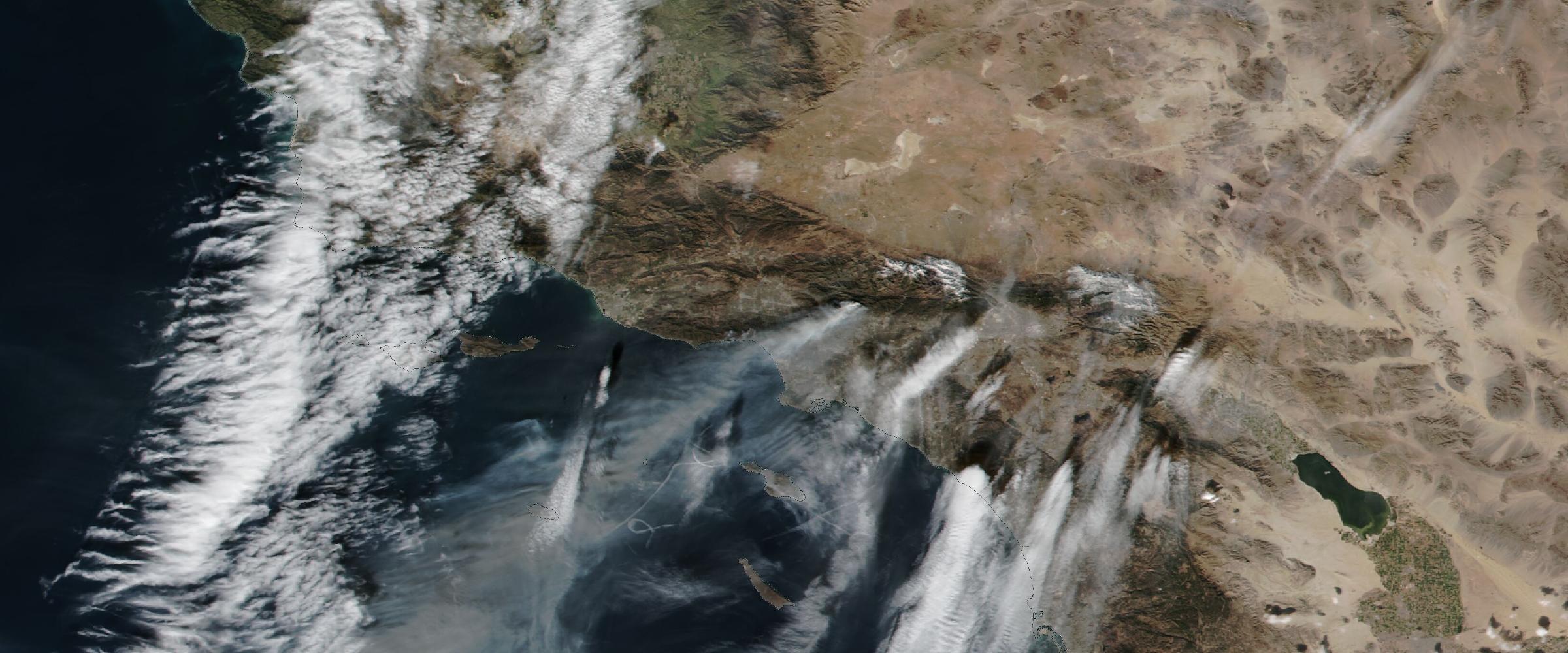
When a major natural catastrophe occurs, the insurance process doesn't begin when the first claim is filed. It begins with detection.
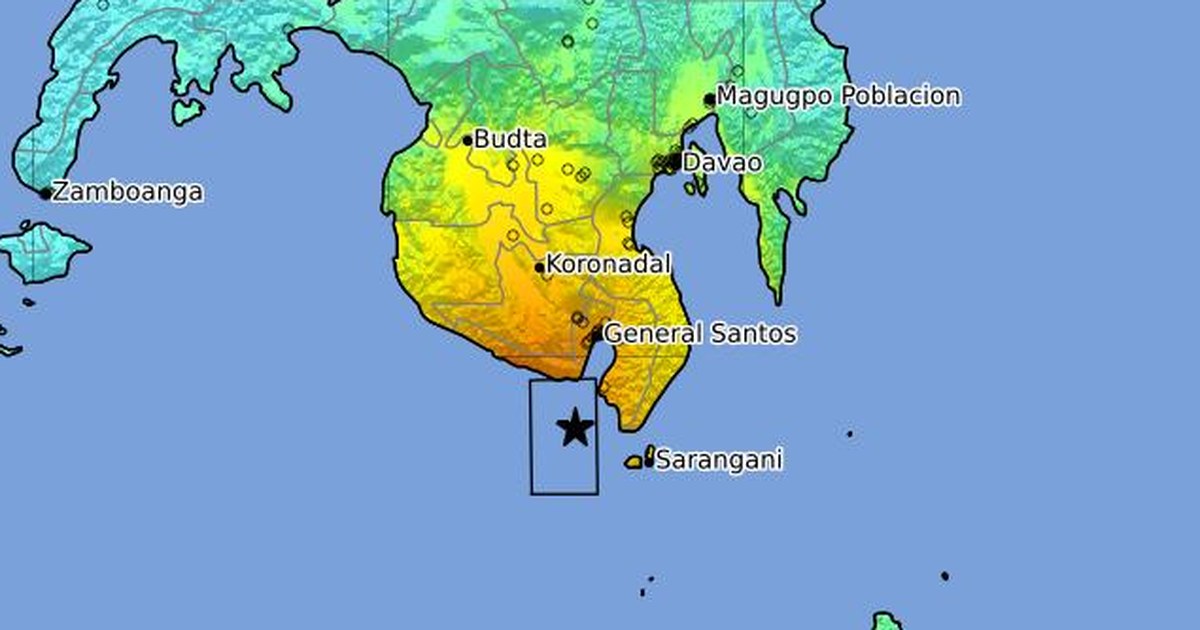
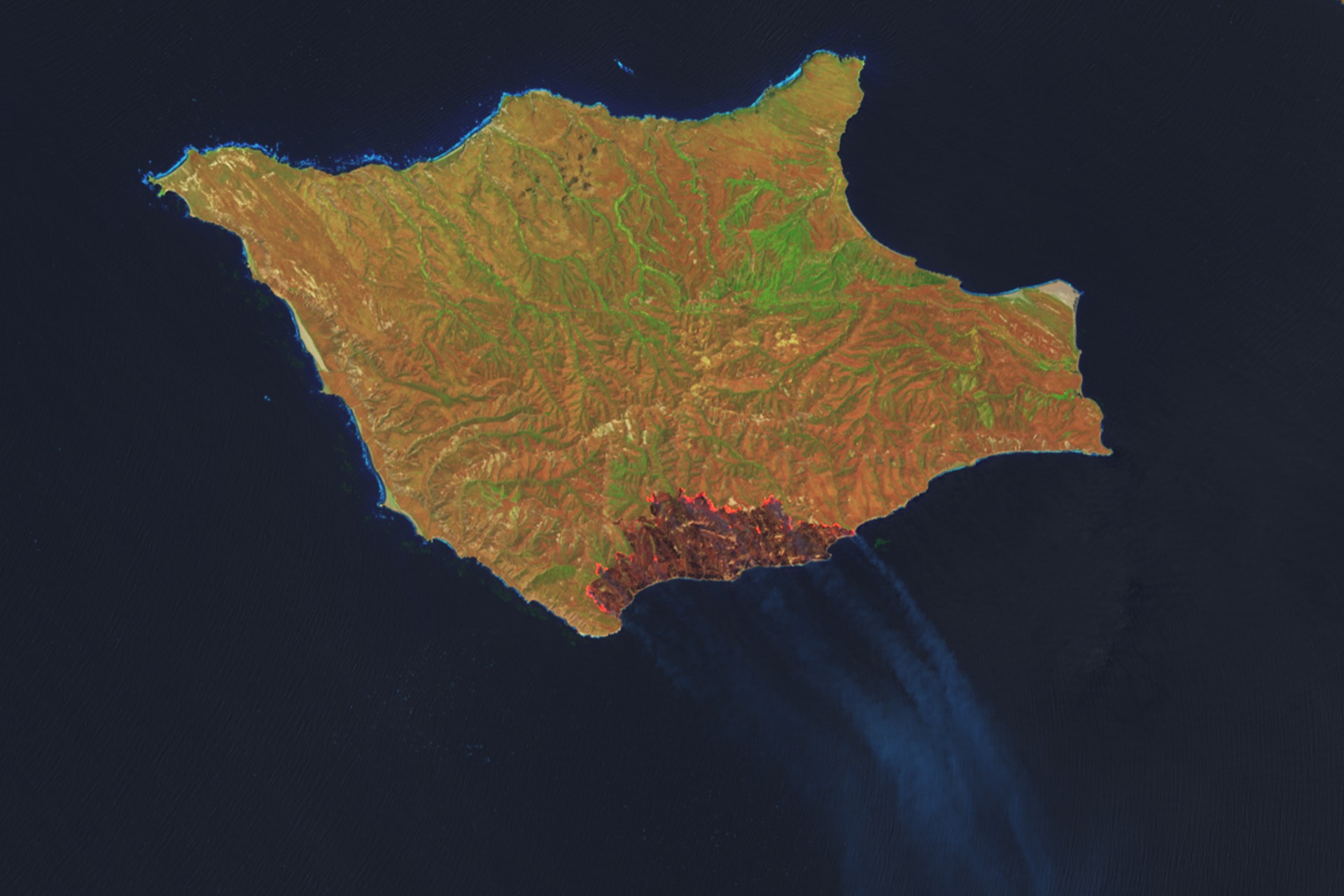
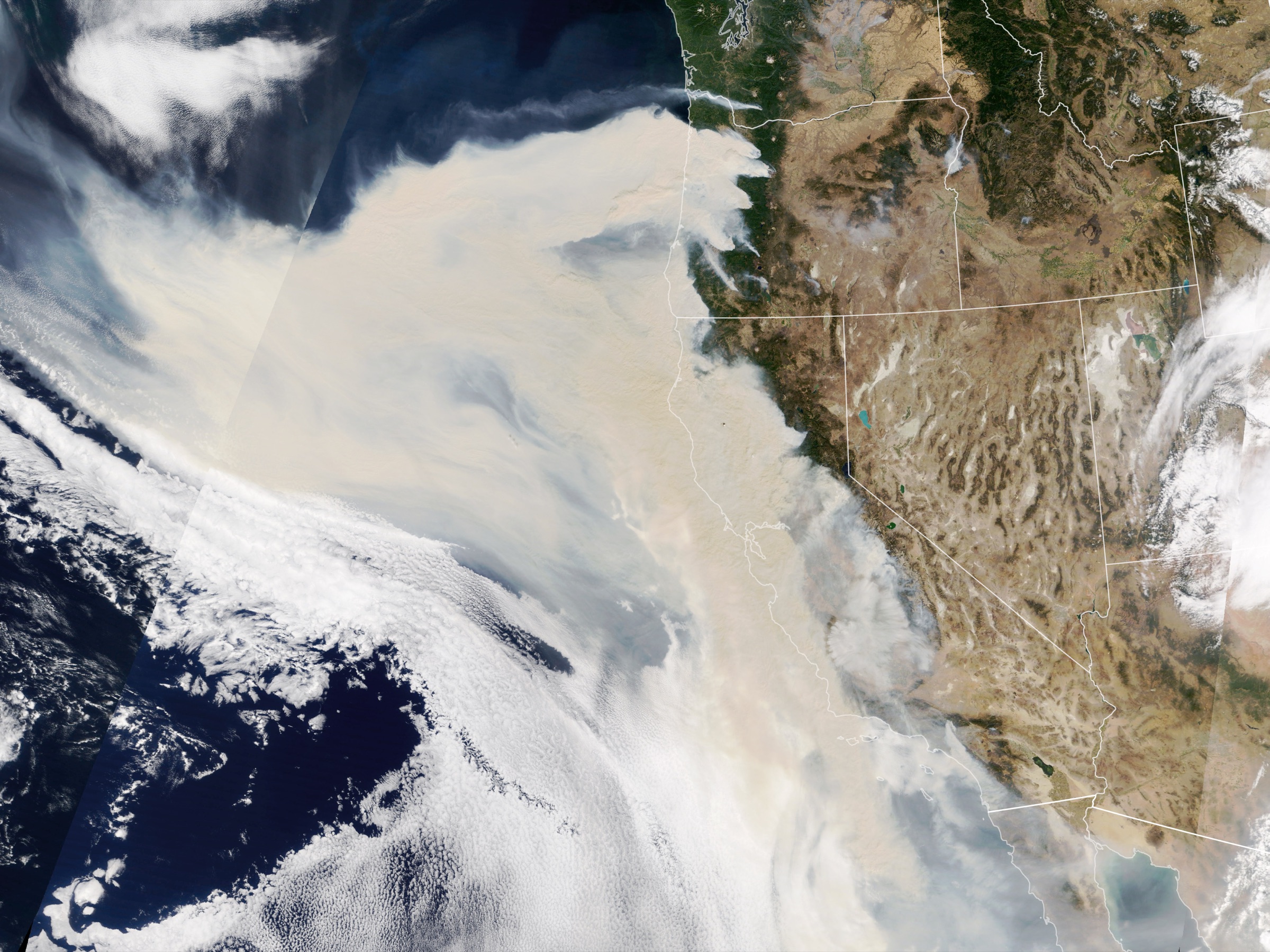
A tornado is identified. A wildfire is detected. A severe storm produces significant hail. Flooding begins to affect a community. An earthquake occurs.
From that first indication, information about the event can move through multiple parts of an insurance organization—helping teams understand what happened, identify potentially affected policies, prepare for incoming claims, and ultimately build a record of the event. This creates an important opportunity for insurers:
Use the same event intelligence throughout the insurance lifecycle, rather than treating catastrophe detection, exposure analysis, and claims as separate processes.
Insurance organizations have traditionally relied on different systems and teams for different stages of a catastrophe.
One system may monitor weather. Another may contain policy and property information. Claims systems capture reported losses. Adjusters collect information from the field. Risk teams analyze historical events.
Each source serves an important purpose, but the information can become fragmented. Event intelligence can provide a common geographic and temporal reference point that connects these workflows.
The event becomes the thread running through the process:
Detection → Event Characterization → Exposure → Claims → Impact → Historical Record
Each stage adds another layer of information.
The process begins when a significant hazard is detected. Depending on the event, detection may come from weather observations, radar, satellites, sensors, geological agencies, government authorities, or other sources.
The initial objective is straightforward:
Identify that something has happened—or is happening.
But detection alone isn't enough for an insurer. A tornado detection doesn't identify which policyholders may be affected. A wildfire detection doesn't indicate how many insured properties are nearby. A hail report doesn't tell a claims team where its policyholders are located.
The next step is turning detection into an event that can be understood geographically.
Follow every catastrophe from detection to claims
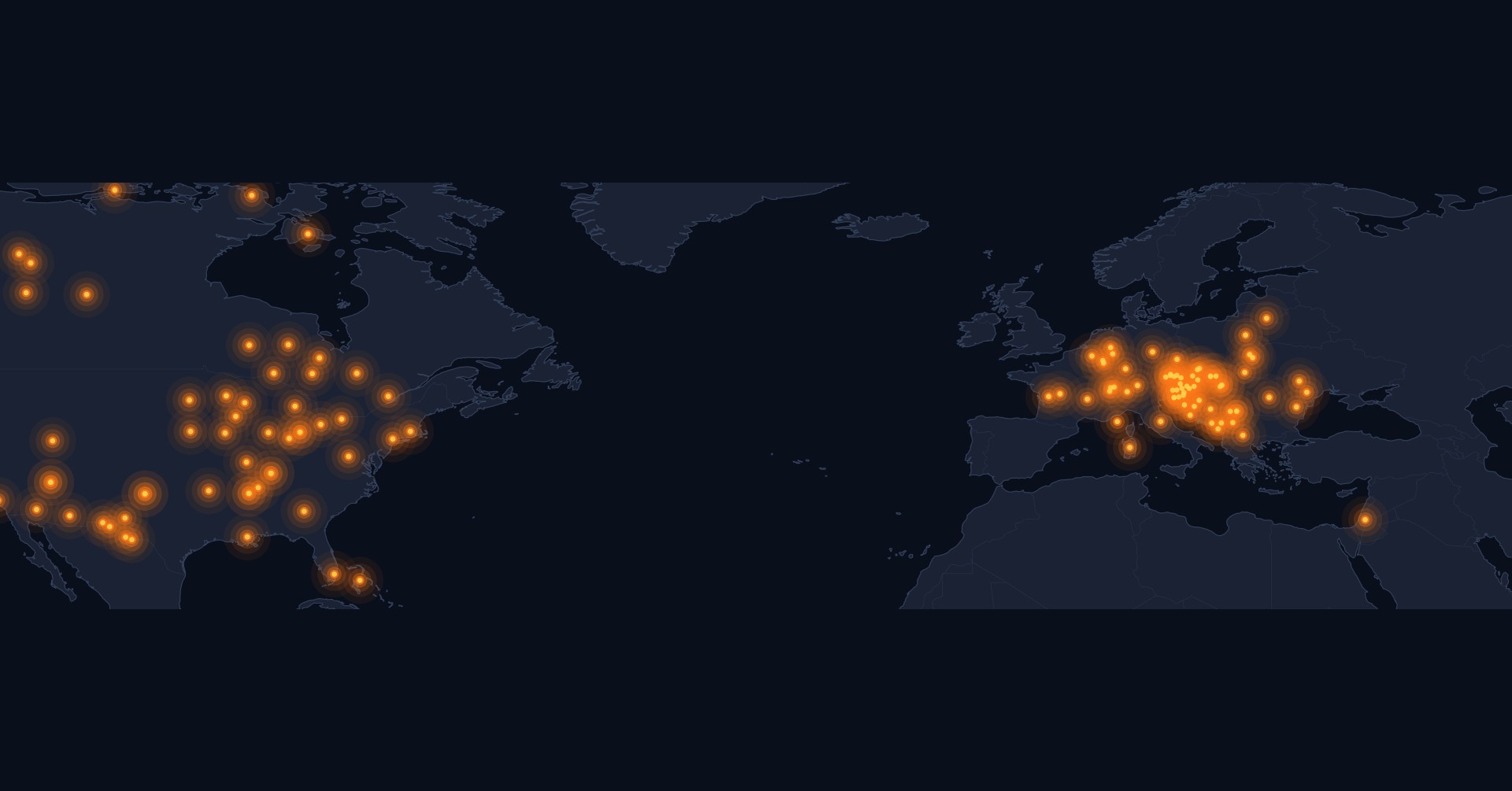
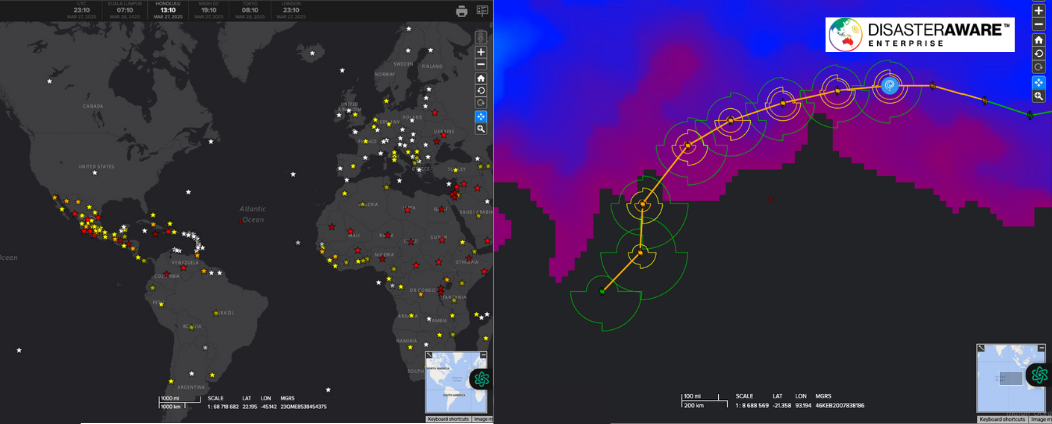
DisasterAWARE Historical Event Intelligence delivers catastrophe events as footprints with dates, severity and source provenance — ready to intersect with your own portfolio data.
Once an event is detected, insurers need additional information to describe it. Depending on the hazard, this could include:
This transforms an individual alert or observation into a structured event. For an insurer, that structure matters because it creates something that can be analyzed against other datasets.
The event is no longer simply:
“A tornado occurred.”
It becomes:
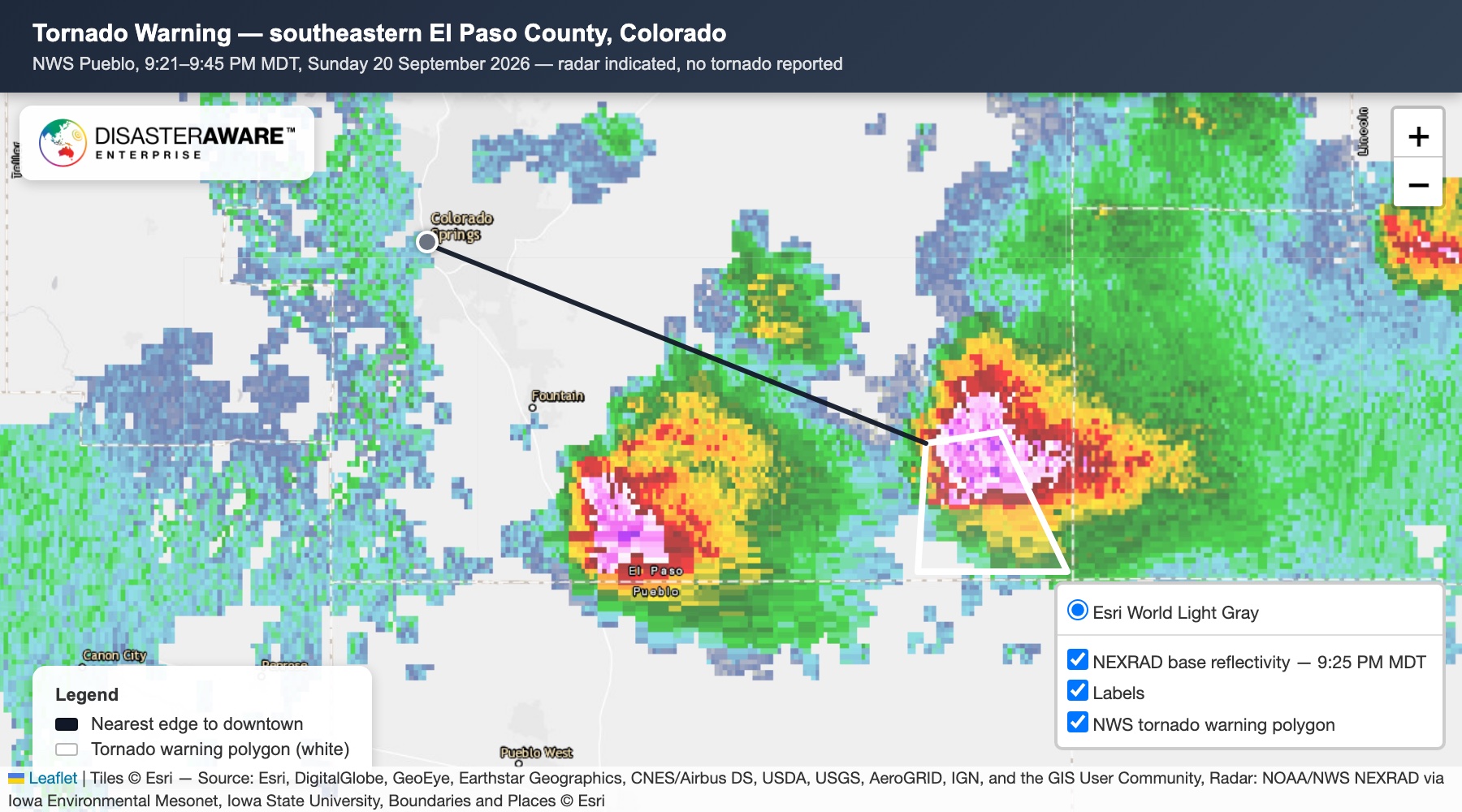
“A tornado occurred here, during this period, with this geographic footprint and these available characteristics.”
That information can then be connected to the insurer's portfolio.
The next step is understanding which insured locations may intersect with the event.
This is where event intelligence can become particularly valuable to insurance organizations. An insurer can compare the event's geographic footprint with its own policy and property data.
The analysis may identify:
The purpose isn't to determine that these properties have suffered a loss. It is to create an initial exposure population. That population can then become an input into downstream insurance workflows.
Once potentially affected policies have been identified, claims organizations can begin preparing. This can happen before the majority of claims arrive. An insurer may be able to anticipate where claims activity could develop and consider whether additional resources, adjusters, or specialized teams may be needed.
For example, a significant hail event affecting a metropolitan area could intersect thousands of policies. Knowing the geographic extent of the event can give the claims organization an early indication of where claims may begin arriving. The same principle applies to wildfire, flood, tornado, hurricane, and other catastrophe events.
Event intelligence doesn't predict which individual policyholders will file claims. It provides context for where claims activity may emerge.
Once claims begin arriving, the relationship between the event and individual claims becomes more important.
A claims organization may have:
Event intelligence can provide another layer of context.
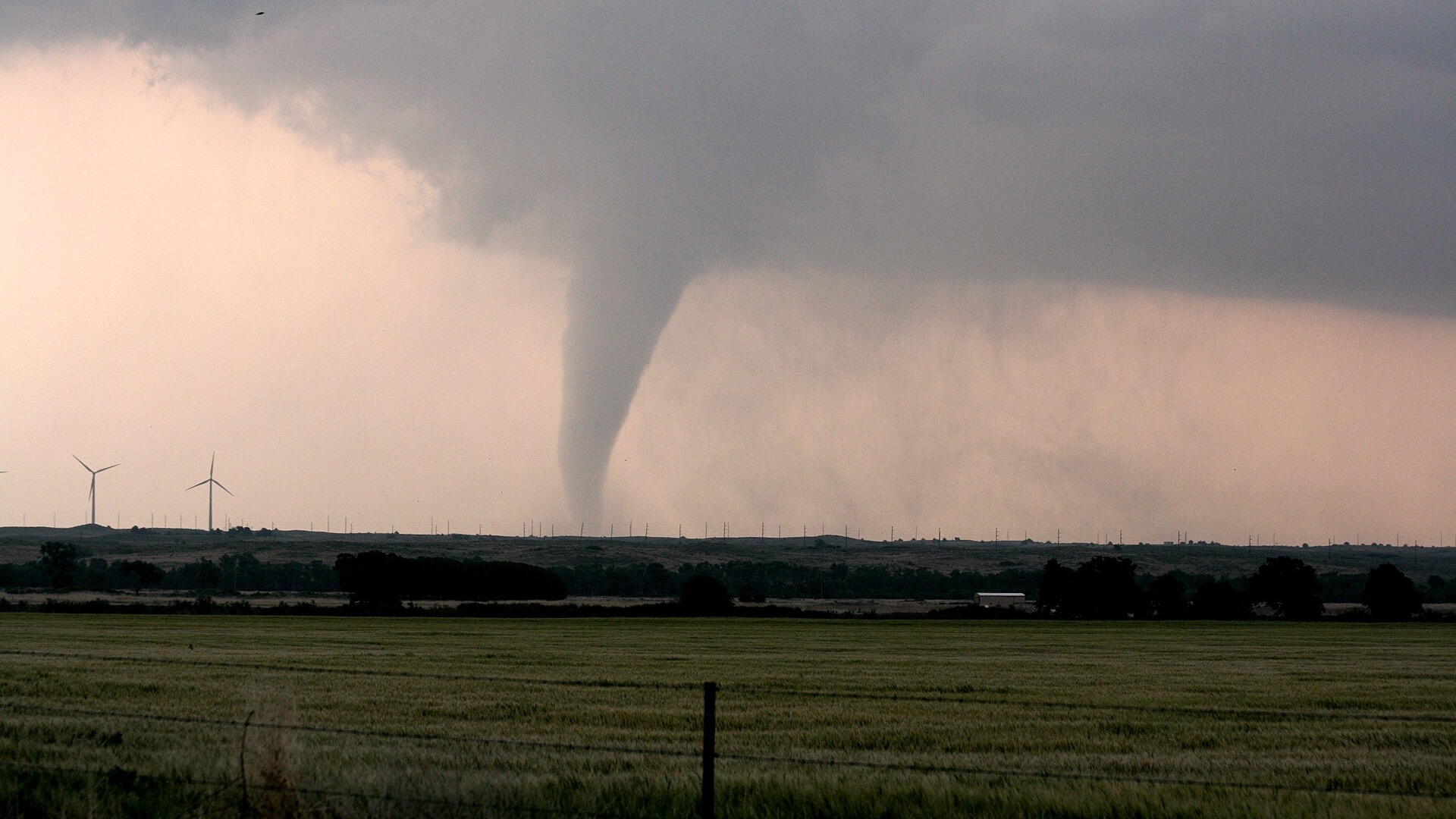
Consider a tornado. An insurer receives a claim from a commercial property. The insurer can compare the property's location with the observed tornado track and other available event information.
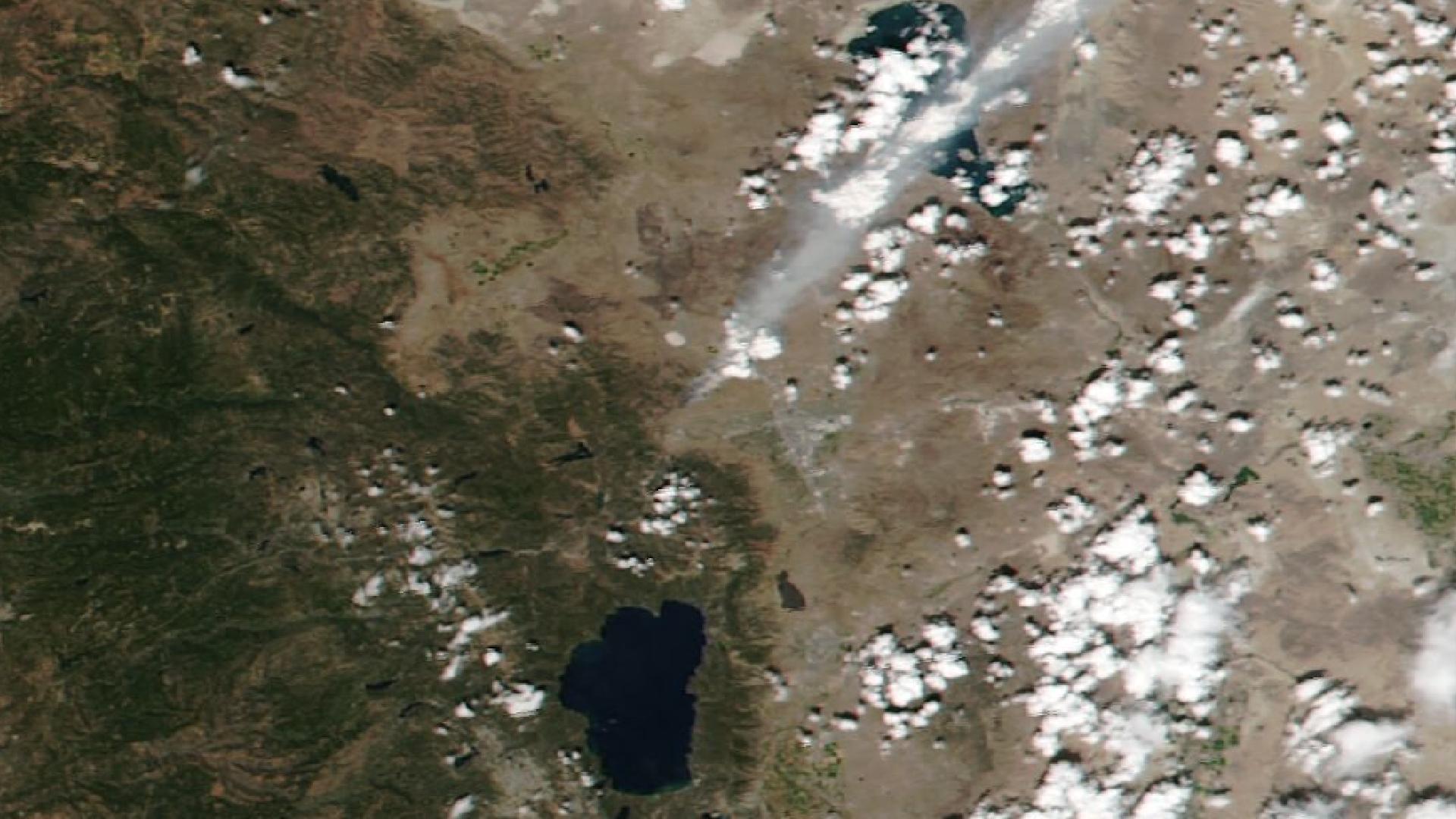
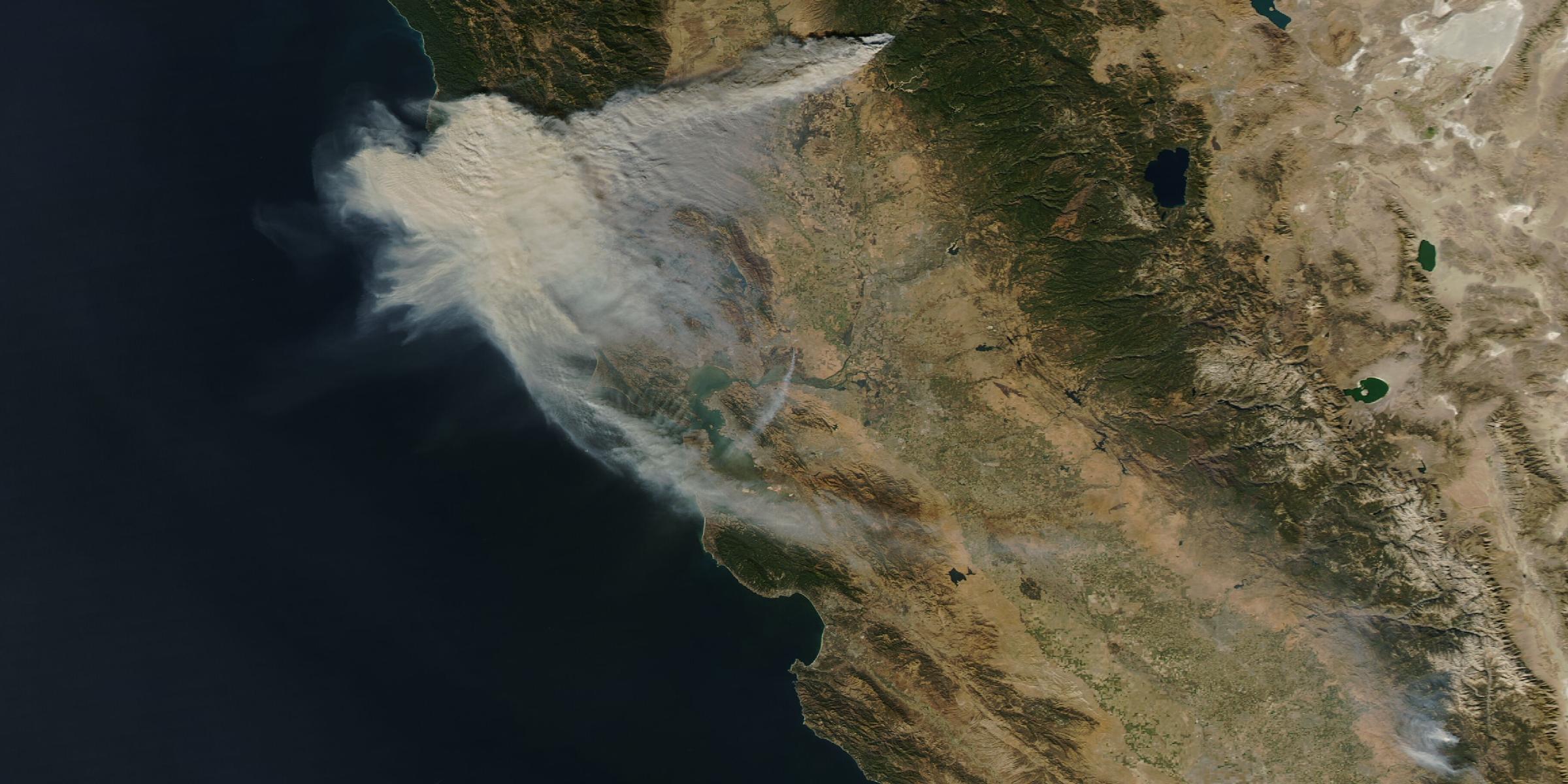
Or consider a wildfire. An insurer can compare reported losses with the wildfire's historical and evolving perimeter.
Or consider hail. A hail footprint can provide geographic context when an insurer begins seeing a concentration of roof or vehicle claims.
This doesn't determine whether a claim is valid or establish the amount of damage.
Instead, it helps connect the reported loss to the catastrophe that may have caused it.
One of the most important transitions in the insurance lifecycle is the movement from potential exposure to observed impact. A property can be exposed to a catastrophe without being damaged. Conversely, the available event footprint may not perfectly capture every location where damage occurred.
That means insurers need multiple sources of evidence. Event intelligence can provide the hazard context. Claims provide information reported by the policyholder. Imagery may provide additional visual evidence. Adjusters can assess physical damage. Property data can provide information about the insured asset.
Together, these sources can help insurers develop a more complete understanding of what happened. The important distinction is:
Event intelligence identifies the catastrophe. Claims and loss assessment establish the individual loss.
As claims volumes increase, insurers may need to determine where to focus attention. Event intelligence can provide geographic context for that process.
For example, an insurer might identify a group of claims that fall within the footprint of a significant event and prioritize them for additional review. Alternatively, claims that fall outside the expected event footprint may warrant different investigation.
Again, this isn't about automatically approving or denying claims based on geographic location. It is about giving claims teams another piece of information to help organize a potentially large and complex flow of losses.
The value of event intelligence doesn't disappear once claims are resolved. The catastrophe itself becomes part of the insurer's historical record. Information about the event can be retained alongside information about the resulting claims and affected portfolio.
Over time, this can allow insurers to examine questions such as:
This creates a feedback loop between catastrophe intelligence and insurance analytics.
The insurance lifecycle doesn't end with claims. The information generated by a catastrophe can eventually inform other parts of the organization.
Historical event and claims data can provide context for:
Understanding the catastrophe history surrounding a location or market.
Analyzing concentrations and recurring exposure.
Understanding how actual events have affected the portfolio.
Comparing observed events with other risk information.
Learning from the characteristics and distribution of previous catastrophe losses.
The event that began as a real-time detection can ultimately become part of the organization's longer-term risk intelligence.
The biggest opportunity isn't necessarily creating another system for insurers to monitor. It is connecting information that already exists across the insurance lifecycle.
A catastrophe detection can become an event record. The event record can be connected to a geographic footprint. The footprint can be compared with insured properties. Those properties can be connected to policies. Policies can be connected to claims. Claims can be connected to loss information. And the completed event can become part of the insurer's historical risk record.
The result is a connected chain of information:
Event → Exposure → Policy → Claim → Loss → Historical Intelligence
Each step adds context to the one before it.
Natural catastrophes are becoming increasingly data-rich events. Insurers can receive information from satellites, weather agencies, radar, sensors, government sources, property databases, claims systems, imagery, and other data providers.
The challenge is making that information useful across the organization. Event intelligence can serve as the connective layer between the catastrophe itself and the insurance processes that respond to it. It can help answer:
That creates an opportunity to move beyond treating catastrophe information as a one-time alert and toward treating it as a persistent source of intelligence throughout the insurance lifecycle.
A natural catastrophe may last hours or days. Its implications for an insurance company can last much longer.
The initial detection can lead to event characterization. Event characterization can support exposure analysis. Exposure analysis can help prepare claims teams. Claims can be evaluated in the context of the event. And the resulting information can become part of the insurer's historical understanding of catastrophe risk.
The goal is not to replace the systems and expertise insurers already rely on.
It is to connect them more effectively around the event itself.
The catastrophe is the starting point. The intelligence generated around that catastrophe can support the insurance lifecycle long after the initial alert.
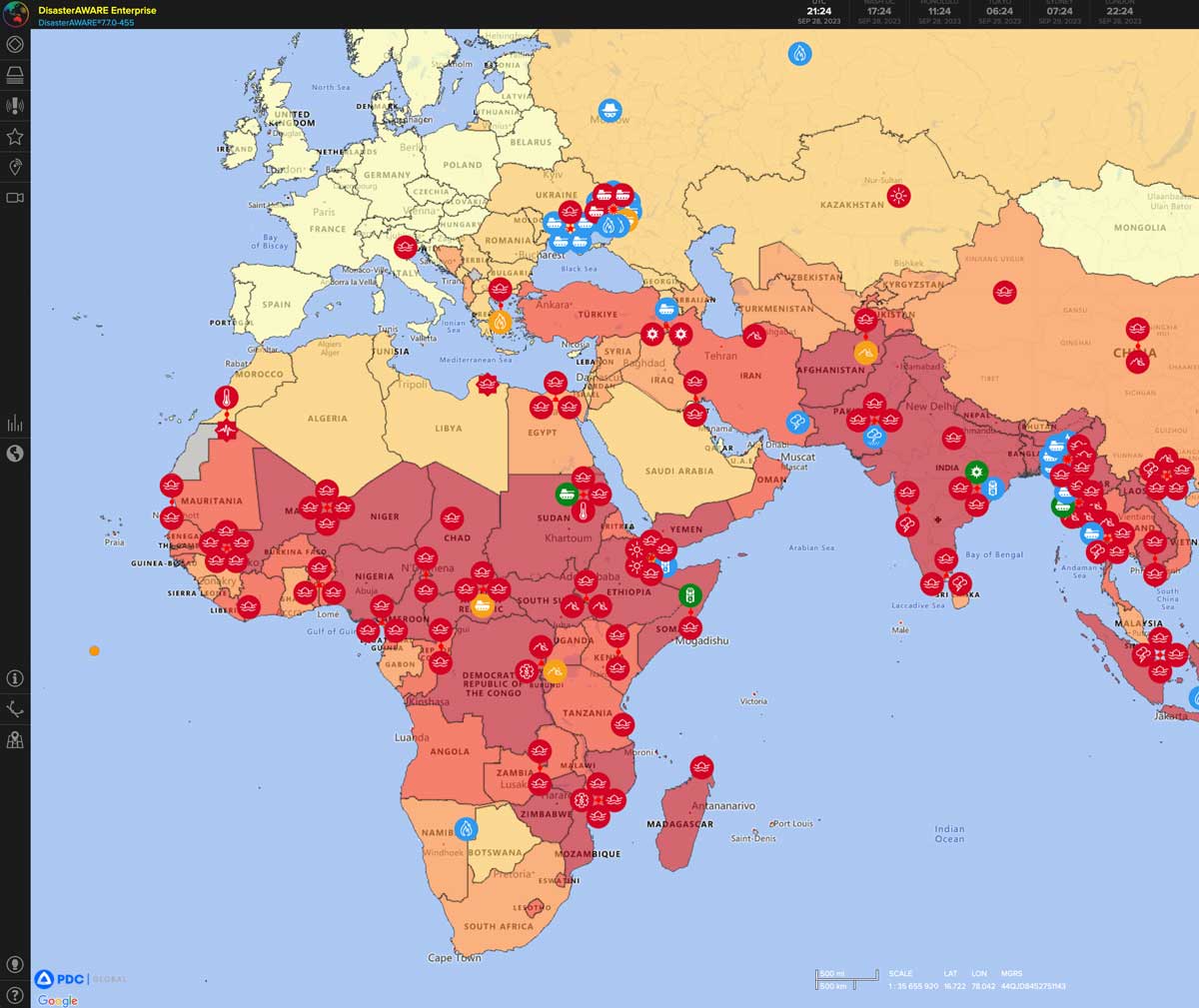
DisasterAWARE provides real-time and historical natural catastrophe intelligence across a broad range of hazards, combining authoritative data sources, geospatial analytics, satellite and observational data, and event-level intelligence.
By providing structured information about catastrophe events and their geographic footprints, DisasterAWARE can help insurers connect event detection with exposure analysis, claims workflows, and historical catastrophe intelligence.
Explore the historical record
Decades of reconstructed, verified catastrophes — browse the Historical Event Intelligence overview, or request sample data for your own portfolio.
Where does the insurance process begin after a natural catastrophe? With detection, not the first claim. A tornado, wildfire, hailstorm, flood or earthquake is identified, and from that first signal information about the event can move through the organization — characterizing the event, identifying potentially affected policies, preparing for claims and building a record of what happened.
How can event intelligence help before claims arrive? Once an event is characterized and connected to policy locations, insurers can identify policies within the footprint, concentrations of insured value and markets with elevated exposure. Claims organizations can then anticipate where claims activity may develop and whether more adjusters or specialized teams are needed.
What happens to event intelligence after claims are resolved? The event becomes part of the insurer's historical record, retained alongside the resulting claims and affected portfolio. That record informs underwriting, portfolio management, risk management and catastrophe analytics — which events affected the portfolio, how many policies were exposed and how many claims resulted.








-min.png)
.png)
.png)


Decision-ready intelligence for understanding what's happening, what is impacted, and what to do next. Global hazard, severe weather, catastrophe, and physical risk intelligence trusted by governments, enterprises, insurers, humanitarian organizations, and technology platforms worldwide.
Request DemoContact Us

