


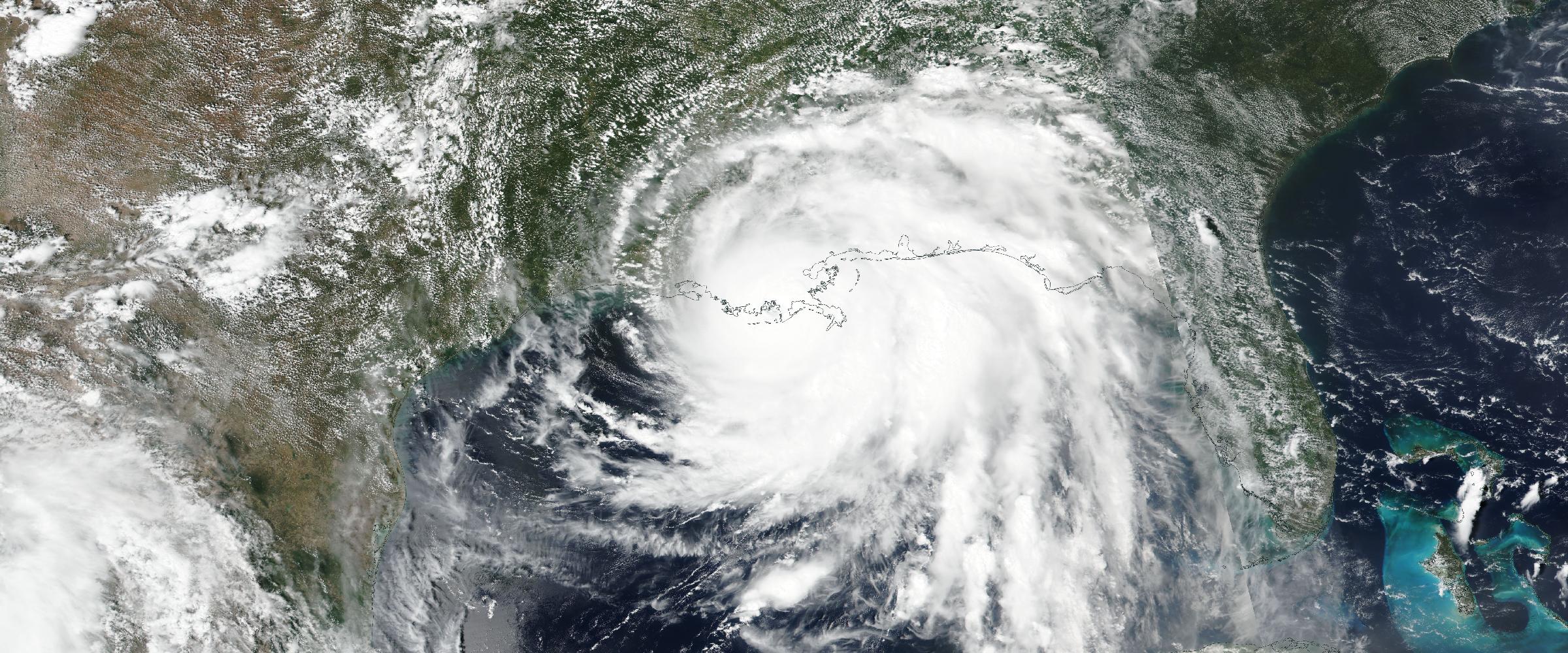
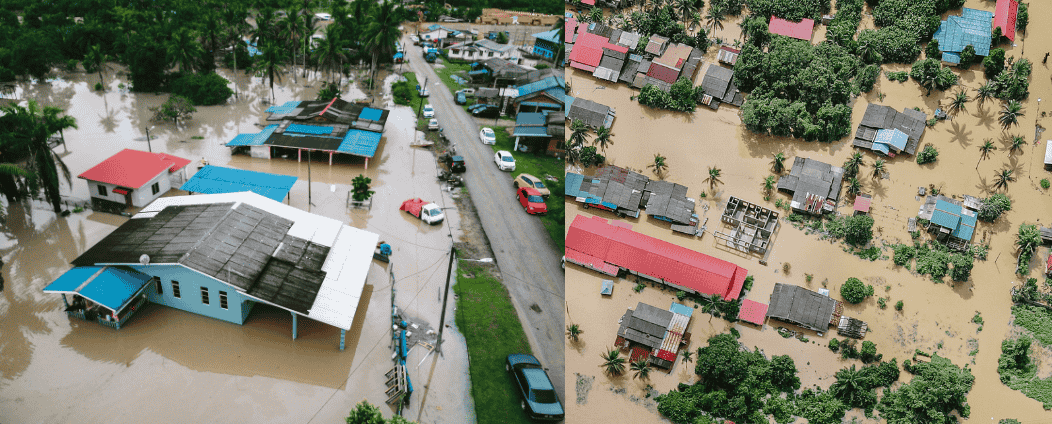
Catastrophe reinsurance depends on understanding risk at scale. A single event can affect thousands of insured locations, multiple cedents, different lines of business, and layers of reinsurance coverage. For reinsurers, understanding the potential impact of that event requires more than knowing that a hurricane, wildfire, flood, or severe storm occurred.
It requires understanding the event itself.
Where did it occur? How large was it? What areas did it affect? How severe was the hazard? How did the event evolve?
This is the role of event-level intelligence: providing a structured view of an individual catastrophe that can be connected to the portfolios, exposures, and risk decisions that matter to a reinsurer.
Reinsurers routinely think about catastrophe risk at broad geographic and portfolio levels. A portfolio might have significant exposure to hurricanes in Florida, earthquakes in California, or windstorms in Europe. But a regional risk designation does not tell a reinsurer what happened during a specific event.
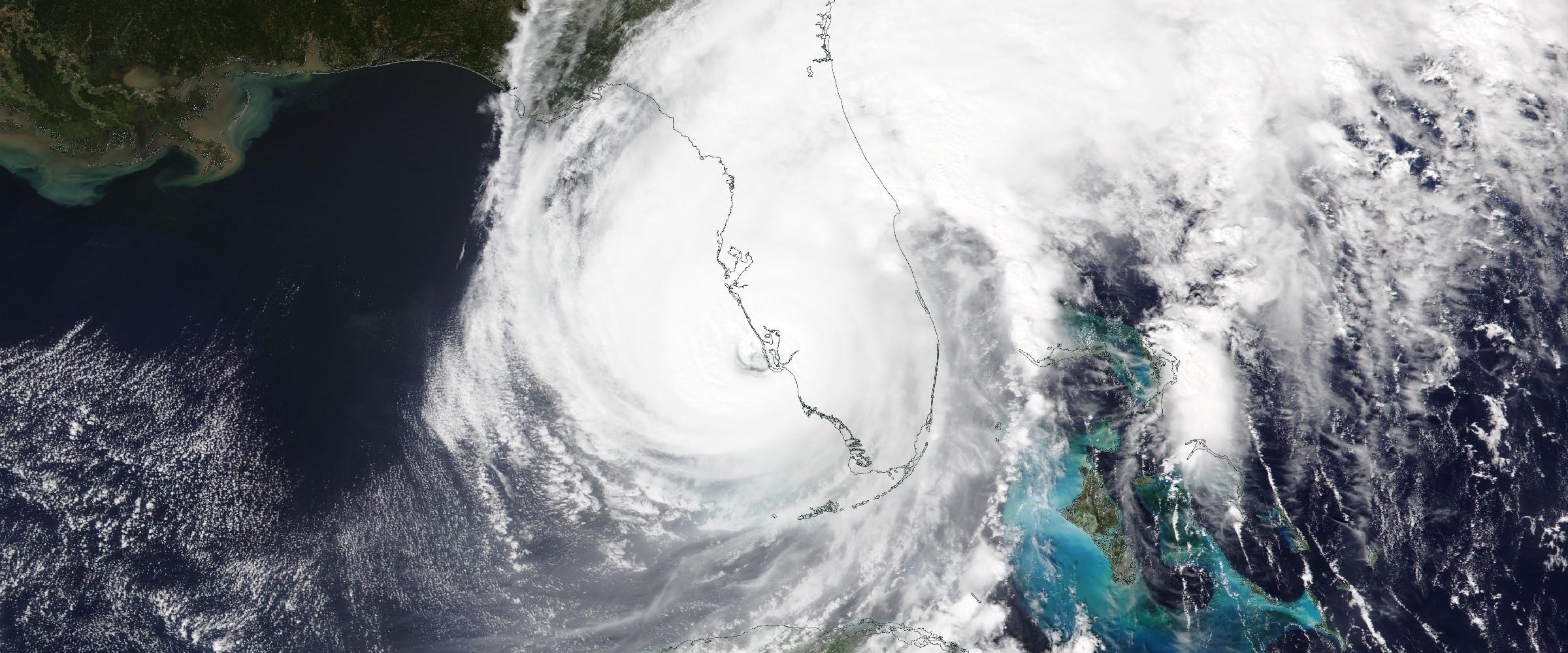
Consider two hurricanes affecting the same state. They may have very different:
The underlying portfolio may be similar, but the actual exposure to each event can be very different.
Event-level intelligence provides the specific event context needed to understand that difference.
There is a difference between knowing that a hazard is occurring and having structured intelligence about the event.
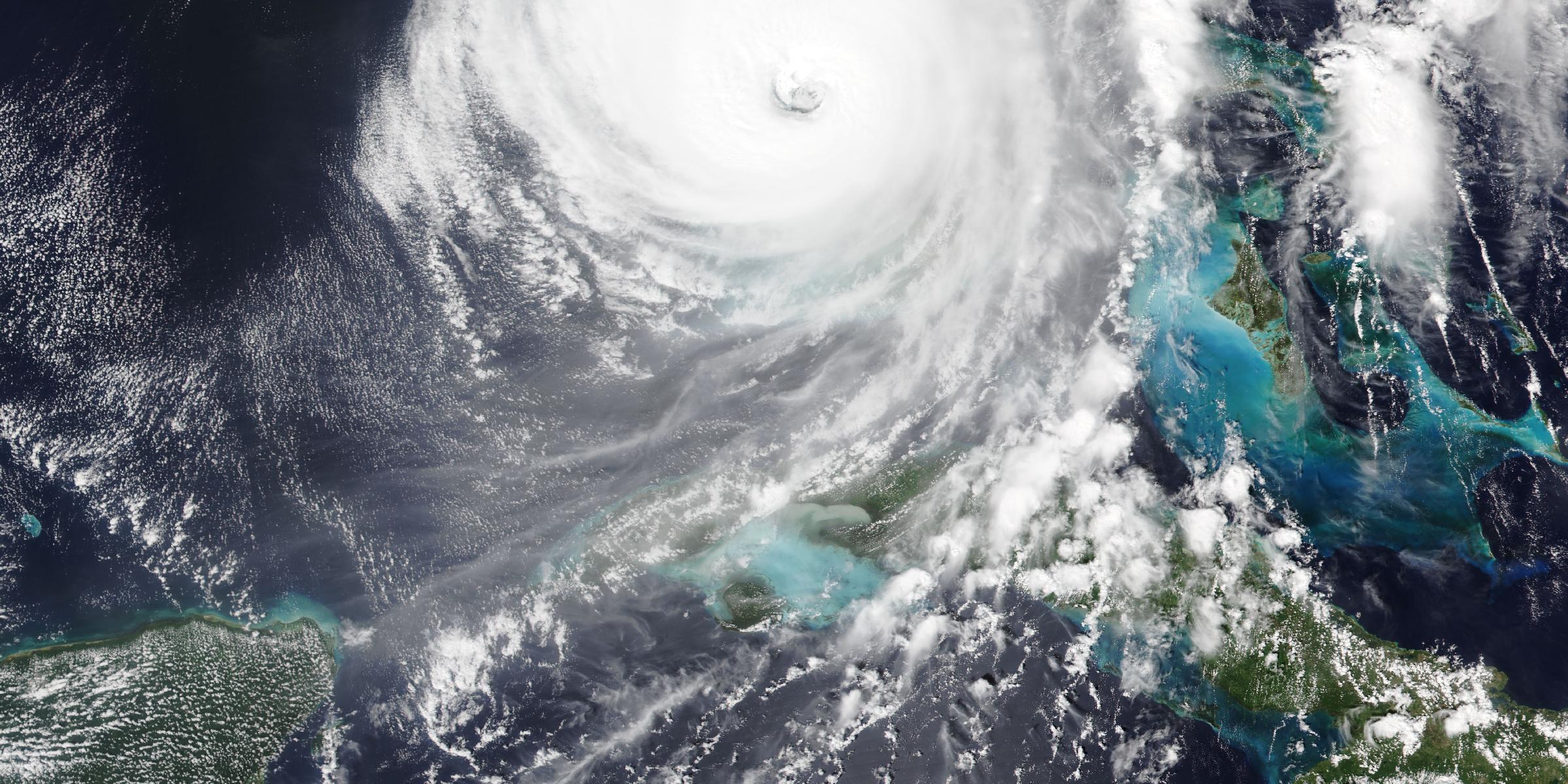
A general alert might tell a reinsurer: A hurricane is approaching the Gulf Coast.
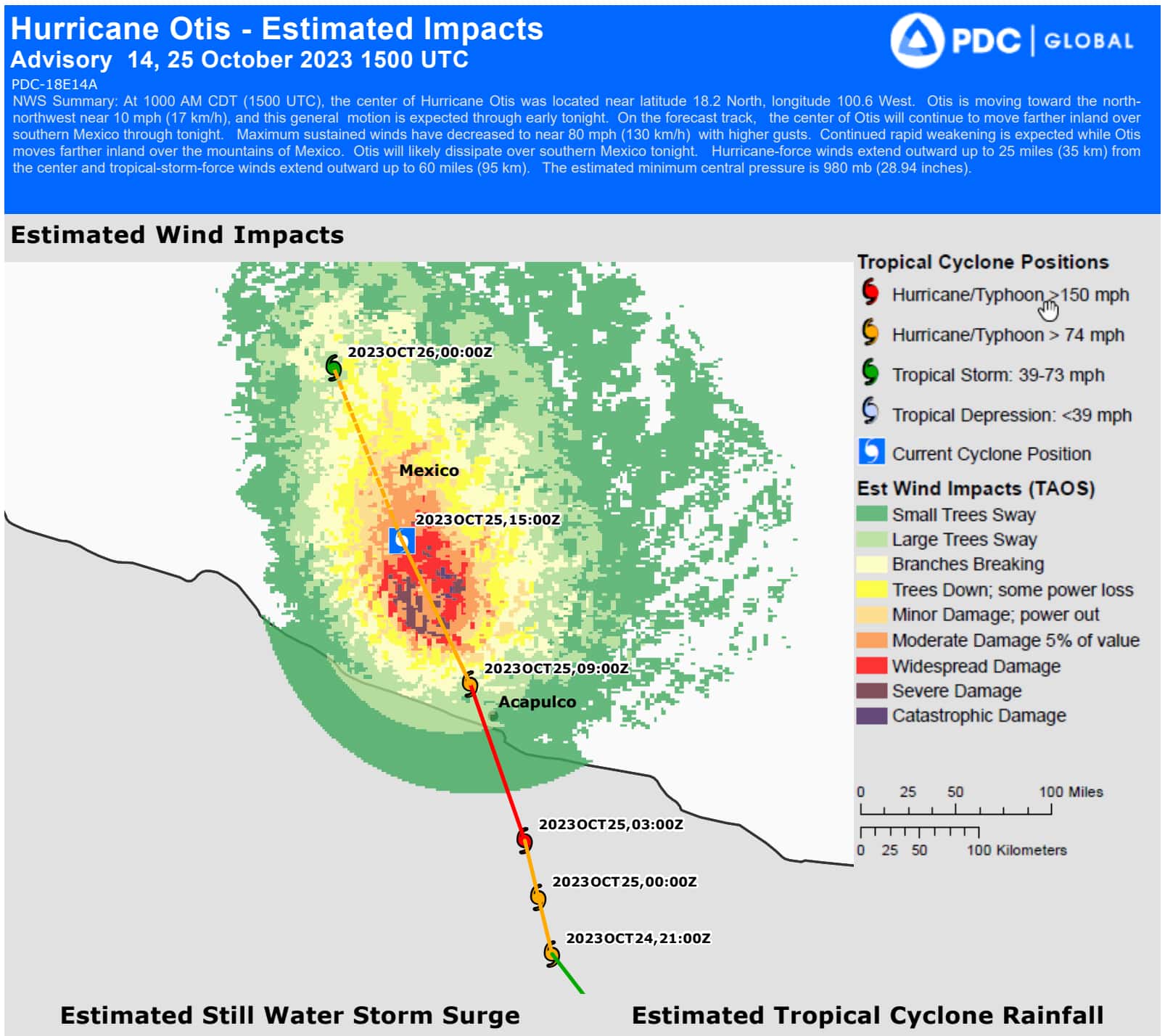
Event-level intelligence can provide a much richer representation:
That additional structure matters because reinsurance analysis ultimately needs to connect the catastrophe to specific exposures and portfolios. The event becomes an object that can be analyzed—not simply a headline or notification.
Build an observed record of every catastrophe
DisasterAWARE Historical Event Intelligence delivers event footprints, severity and source provenance for past catastrophes — ready to intersect with cedent and portfolio exposure.
Catastrophe reinsurance involves information from many different systems. Reinsurers may have:
Each provides a different piece of the risk picture. Event-level intelligence can provide the common geographic and temporal reference point that connects them.
Hazard event → Event footprint → Portfolio exposure → Accumulation → Loss information
This creates a more connected way to understand an event as information develops. Instead of analyzing exposure in the abstract, teams can analyze it in relation to a specific catastrophe.
Catastrophe models are designed to help reinsurers understand potential risk across many possible scenarios. Event-level intelligence serves a different purpose. It focuses on the catastrophe that is actually occurring or has occurred.
That distinction becomes particularly important during a major event.
A reinsurer may know that a particular region has substantial modeled hurricane risk. But once a hurricane develops, the key questions become much more specific:
Event-level intelligence helps move the conversation from potential catastrophe risk to a specific catastrophe event.
Large catastrophes generate enormous volumes of information. News reports may describe a city as affected. Government agencies may publish changing assessments. Weather services may issue alerts. Satellite observations may identify developing impacts. Cedents may provide their own information. These sources are valuable, but they do not necessarily provide a consistent event-level representation.
For catastrophe reinsurance, consistency matters. A structured event record can bring together relevant information into a common view of:
What happened, where it happened, when it happened, and how the event evolved.
That provides a foundation for subsequent portfolio analysis.
Reinsurers may monitor a large number of natural hazard events around the world. Most will not become significant portfolio events. The challenge is therefore not simply monitoring more events. It is identifying which events warrant deeper analysis.
Event-level intelligence can provide an initial filter. A reinsurer can evaluate an event based on characteristics such as:
This can help teams move from global hazard monitoring to targeted catastrophe analysis. The event becomes the unit of analysis.
Accumulation is central to catastrophe reinsurance. A single event can intersect with exposure across multiple cedents or portfolios.
For example, a hurricane may affect:
Looking at each exposure independently can make it difficult to see the common factor connecting them. The event provides that common factor.
By analyzing portfolios against the same event footprint, reinsurers can better understand how an individual catastrophe intersects with their broader accumulation. This does not replace existing accumulation systems. Instead, it provides the event context around the accumulation.
Loss estimation is another area where event-level information can provide useful context.
A modeled loss estimate may incorporate assumptions about the characteristics of an event and the exposures affected. As the actual event unfolds, new observations become available.
The reinsurer can then consider:
The objective is not to replace modeling. It is to give modeled analysis an increasingly detailed picture of the actual event.
Event-level intelligence is not only useful during the catastrophe. Once an event is complete, the event record can become part of the reinsurer's historical intelligence. That record can support:
This creates an important feedback loop:
Monitor → Analyze → Understand → Record → Learn
The catastrophe becomes part of a structured historical record rather than disappearing into a collection of alerts, news reports, and individual analyses.
One of the most useful distinctions for catastrophe reinsurance is between potential events and actual events.
Modeled scenarios help answer questions about what could happen. Historical event intelligence helps answer questions about what has actually happened. Real-time event intelligence sits between those two perspectives by providing information about the catastrophe as it develops.
Together, these perspectives can provide a broader understanding of catastrophe risk:
This combination gives reinsurers multiple lenses through which to understand catastrophe risk.
The amount of catastrophe information available to reinsurers continues to grow. Satellites, radar, government agencies, sensors, geospatial systems, and other sources can provide increasingly detailed information about natural hazard events.
The challenge is turning that information into something that can be used consistently across reinsurance workflows.
Event-level intelligence helps solve that problem by giving the information a structure:
an identifiable event, a geographic footprint, observed characteristics, and a historical record. That structure makes it possible to connect catastrophe information with the systems reinsurers already use to manage risk.
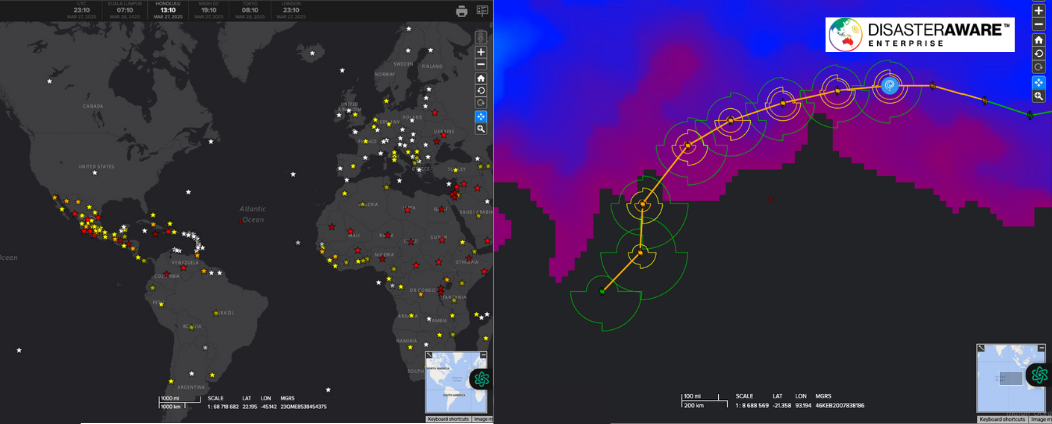
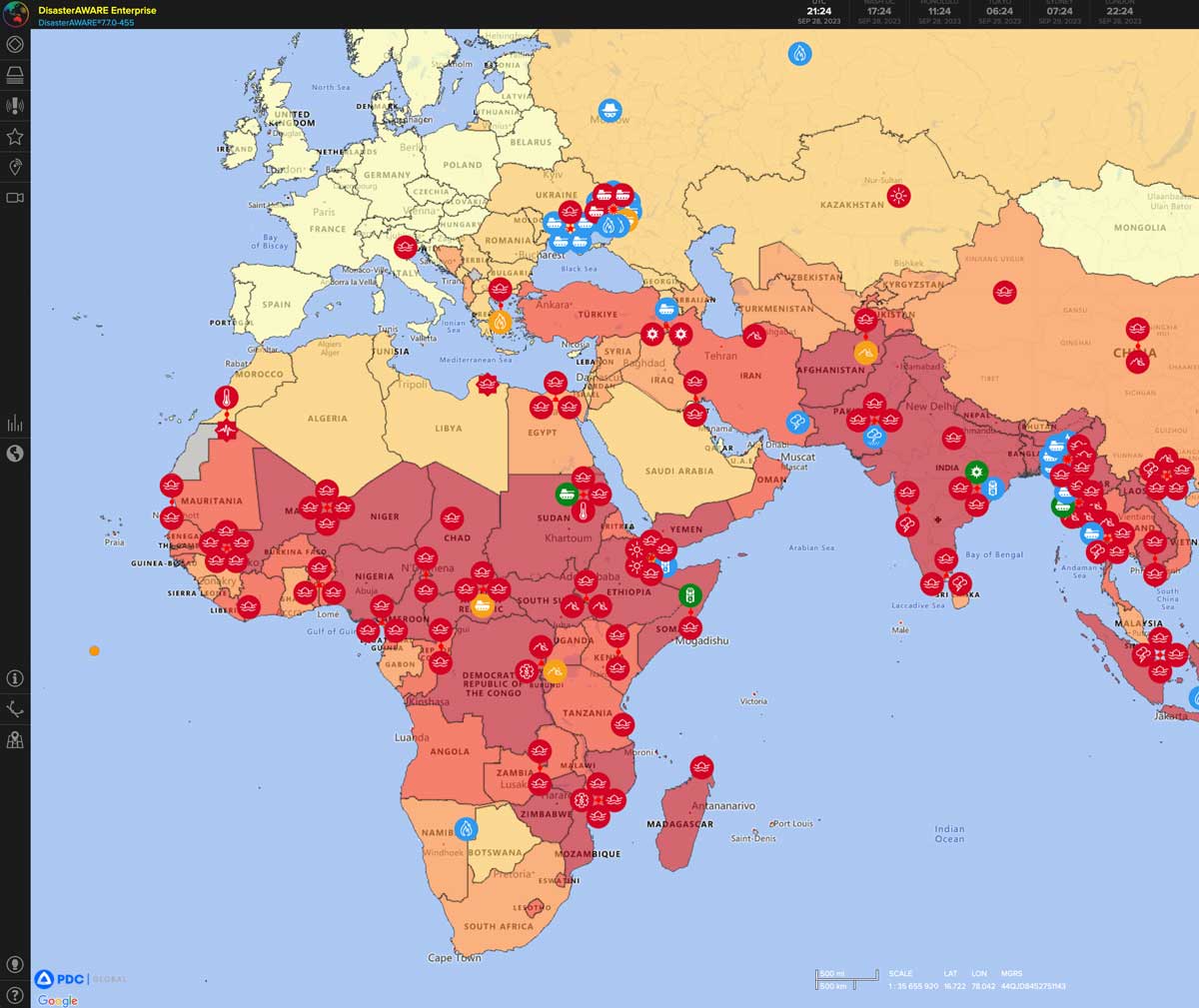
DisasterAWARE provides real-time and historical event intelligence across natural hazards, combining authoritative data sources, observational intelligence, geospatial information, and event-level analysis.
For reinsurers, that intelligence can serve as an event layer alongside catastrophe models, exposure management platforms, portfolio analytics, and claims systems. The objective is not to replace those systems. It is to provide something they all need:
a clear, structured understanding of the catastrophe itself.
For catastrophe reinsurance, that connection matters. Because before a reinsurer can understand how an event affects its portfolio, it first needs to understand the event.
Explore the historical record
Decades of reconstructed, verified catastrophes — browse the Historical Event Intelligence overview, or request sample data for your own portfolio.
What is event-level intelligence in catastrophe reinsurance? A structured view of an individual catastrophe — where it occurred, how large it was, which areas it affected, how severe the hazard was and how it evolved — that can be connected to the portfolios, exposures and programs a reinsurer holds.
Why isn't regional catastrophe risk enough for reinsurers? A regional view says a portfolio is exposed to, say, Florida hurricanes or California earthquakes. It does not say what happened during a specific event. Event-level intelligence focuses on the catastrophe that is actually occurring or has occurred.
How does event-level intelligence support accumulation analysis? A single event can intersect exposure across multiple cedents or portfolios. Structuring the event lets reinsurers see where that accumulation sits, add context to loss estimates and keep an observed record for later analysis.










-min.png)
.png)

.png)


Decision-ready intelligence for understanding what's happening, what is impacted, and what to do next. Global hazard, severe weather, catastrophe, and physical risk intelligence trusted by governments, enterprises, insurers, humanitarian organizations, and technology platforms worldwide.
Request DemoContact Us

