


Insurance companies have long relied on catastrophe models to understand natural catastrophe risk. Today, they also have access to increasingly detailed information about catastrophes as they actually occur.
This has created an important distinction between two related but different capabilities:
The two are not competing approaches. They answer different questions and can provide complementary information throughout the insurance lifecycle. Understanding the difference can help insurers determine when they need a probabilistic view of risk, when they need information about an actual event, and when both are useful together.
Catastrophe modeling is fundamentally about risk estimation.
Catastrophe models use scientific, engineering, historical, exposure, vulnerability, and financial information to estimate the potential consequences of natural hazards. Rather than focusing on one specific event, a model can simulate many possible events and assess how those scenarios could affect an insurance portfolio.
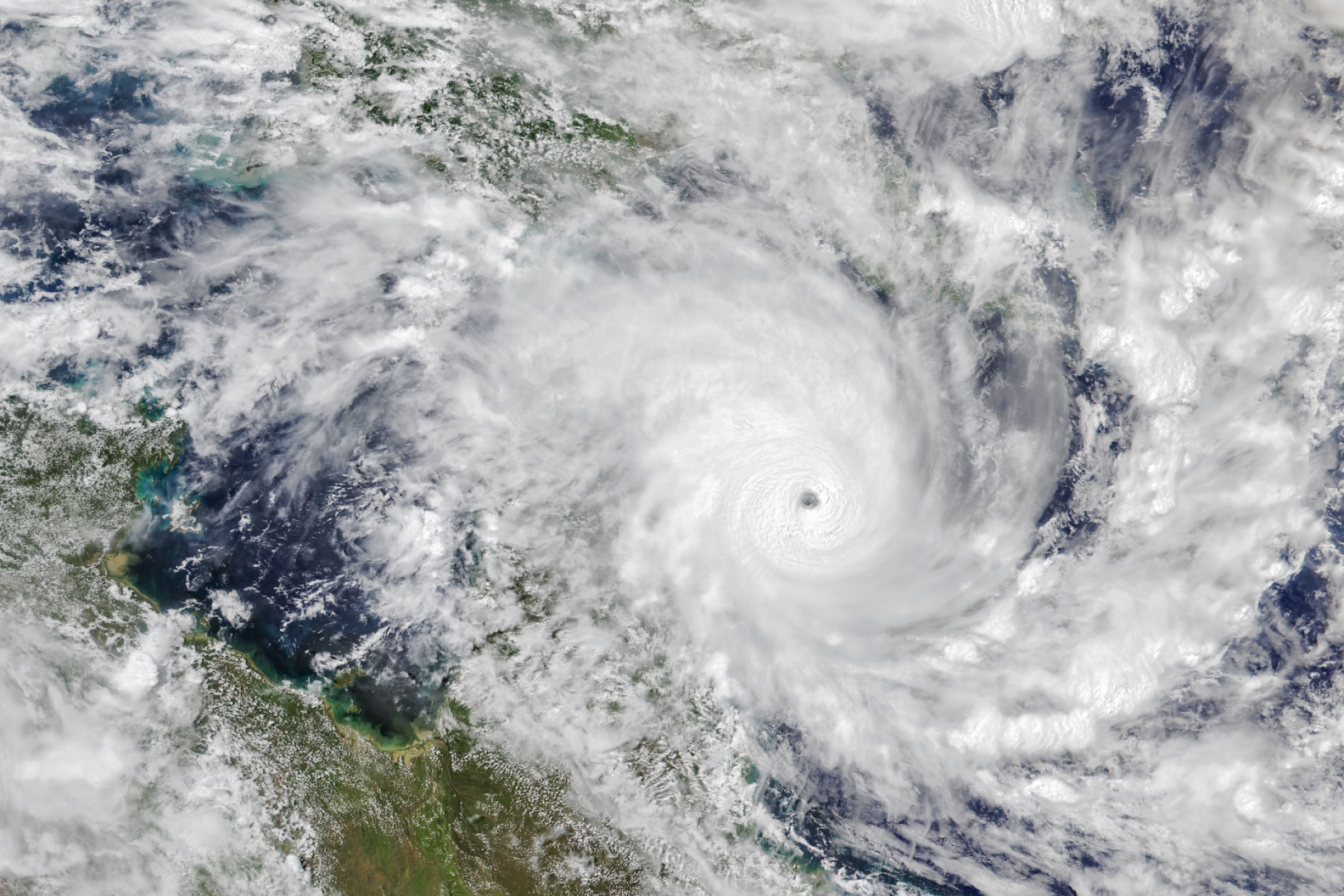
For example, a catastrophe model might simulate thousands of possible hurricanes. Each simulated event can have different characteristics:
The model can then estimate how those scenarios could affect insured properties and ultimately translate that risk into potential financial loss. This makes catastrophe modeling particularly useful for understanding risk before an event occurs.
Catastrophe intelligence is focused on real-world events and observations.
Instead of asking:
“What could happen?”
it is generally asking:
“What happened, what is happening, and what information is available about the event?”
Catastrophe intelligence can bring together information from sources such as:
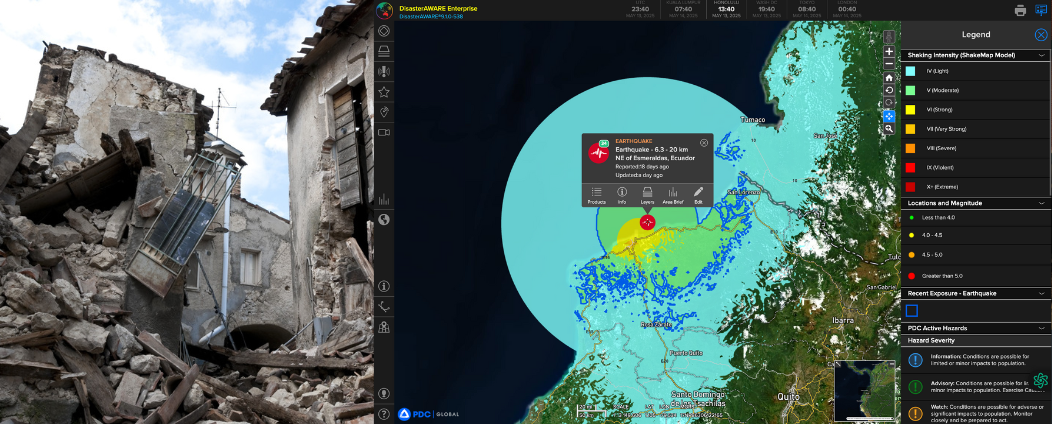
That information can be structured around individual catastrophe events. For an insurer, this can create an event record containing information such as the location, timing, geographic footprint, severity information, and other available observations. The focus is therefore on the event that actually occurred, rather than a large set of hypothetical events.
Add an observed-event layer to your models
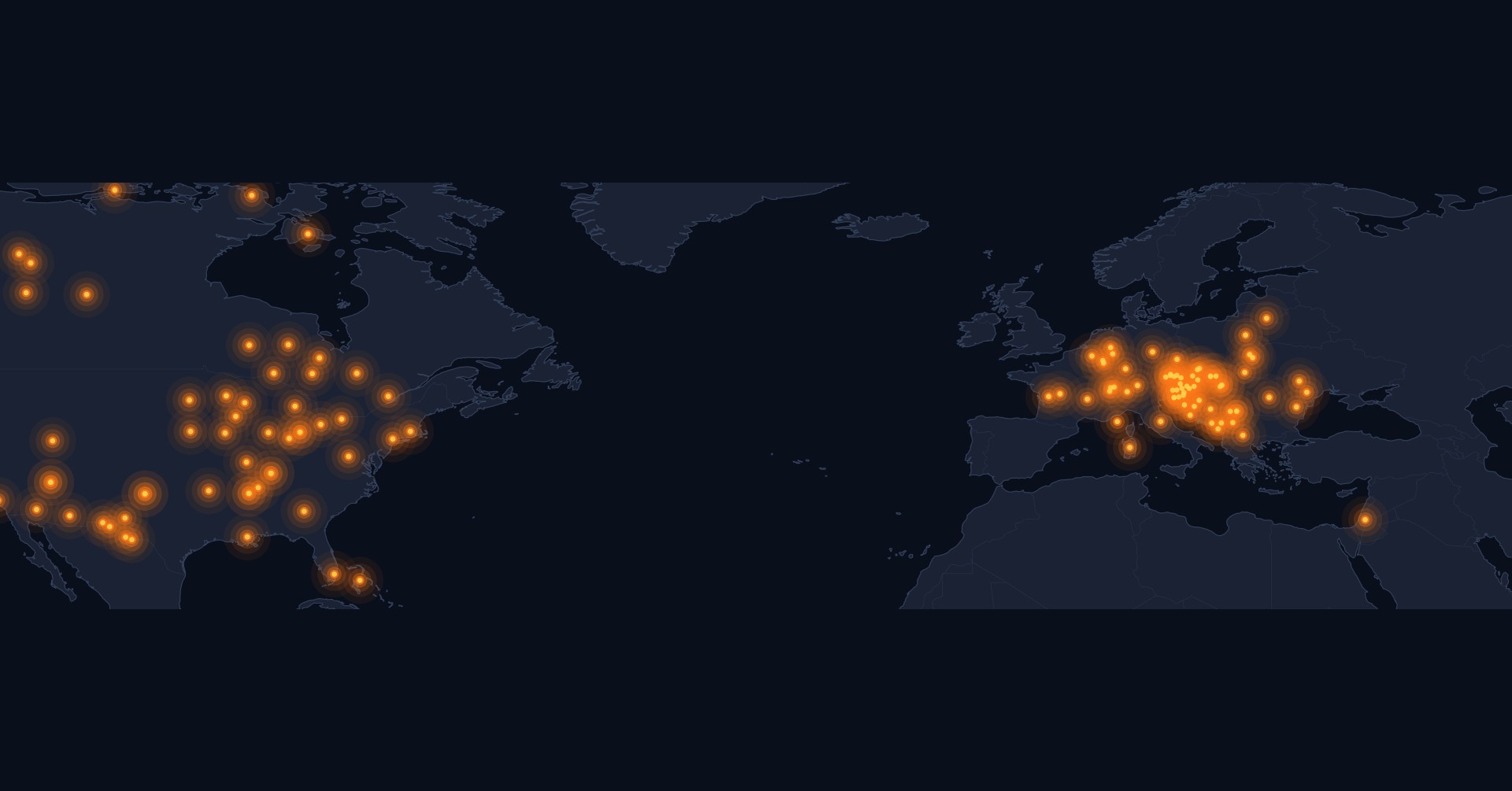
DisasterAWARE Historical Event Intelligence delivers catastrophe events as footprints with dates, severity and source provenance — ready to intersect with your own portfolio data.
The simplest way to understand the distinction is through the questions each capability is designed to answer.
Catastrophe modeling can help answer:
Catastrophe intelligence can help answer:
The difference is important because insurance companies need both perspectives. Understanding potential future risk is essential.
So is understanding the real catastrophes that actually occur.
Consider an insurer with a large property portfolio along the U.S. coastline.
A catastrophe model could simulate thousands of potential hurricanes affecting that portfolio. The insurer might use those simulations to understand:
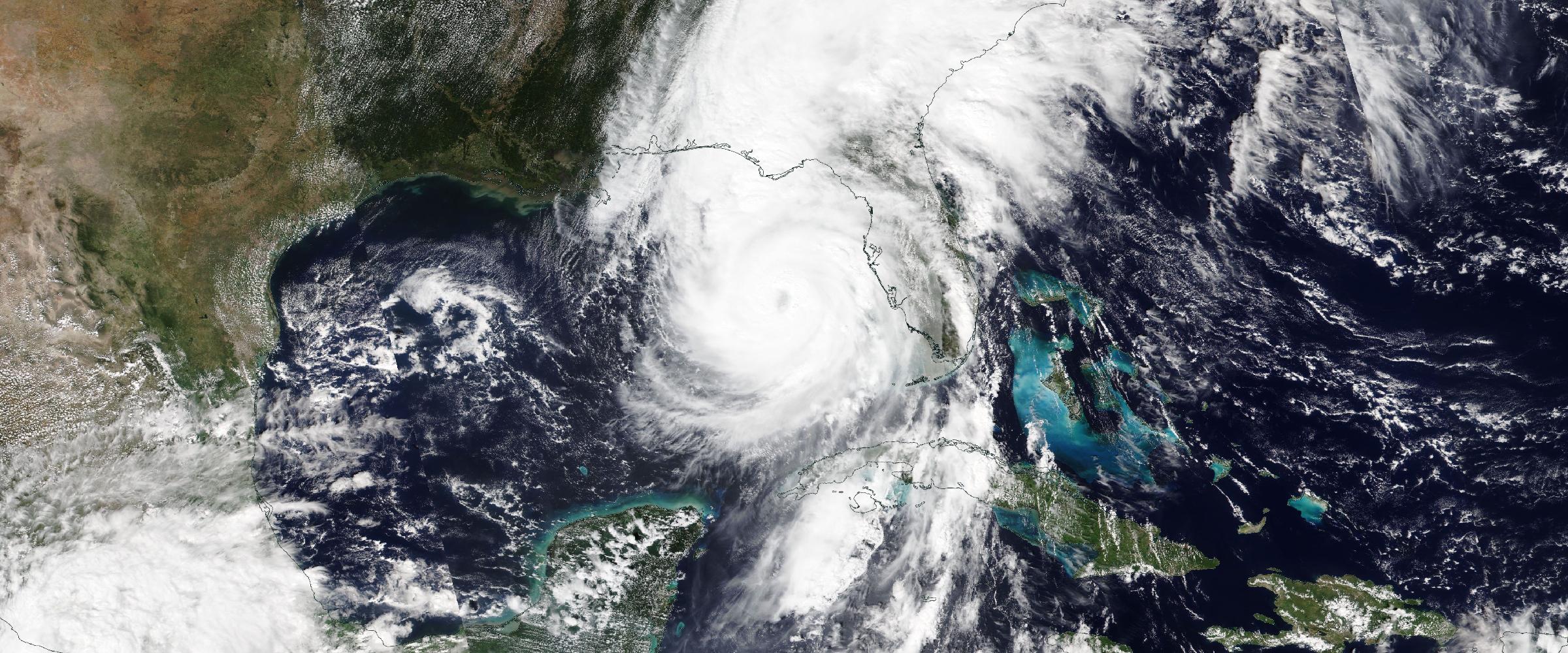
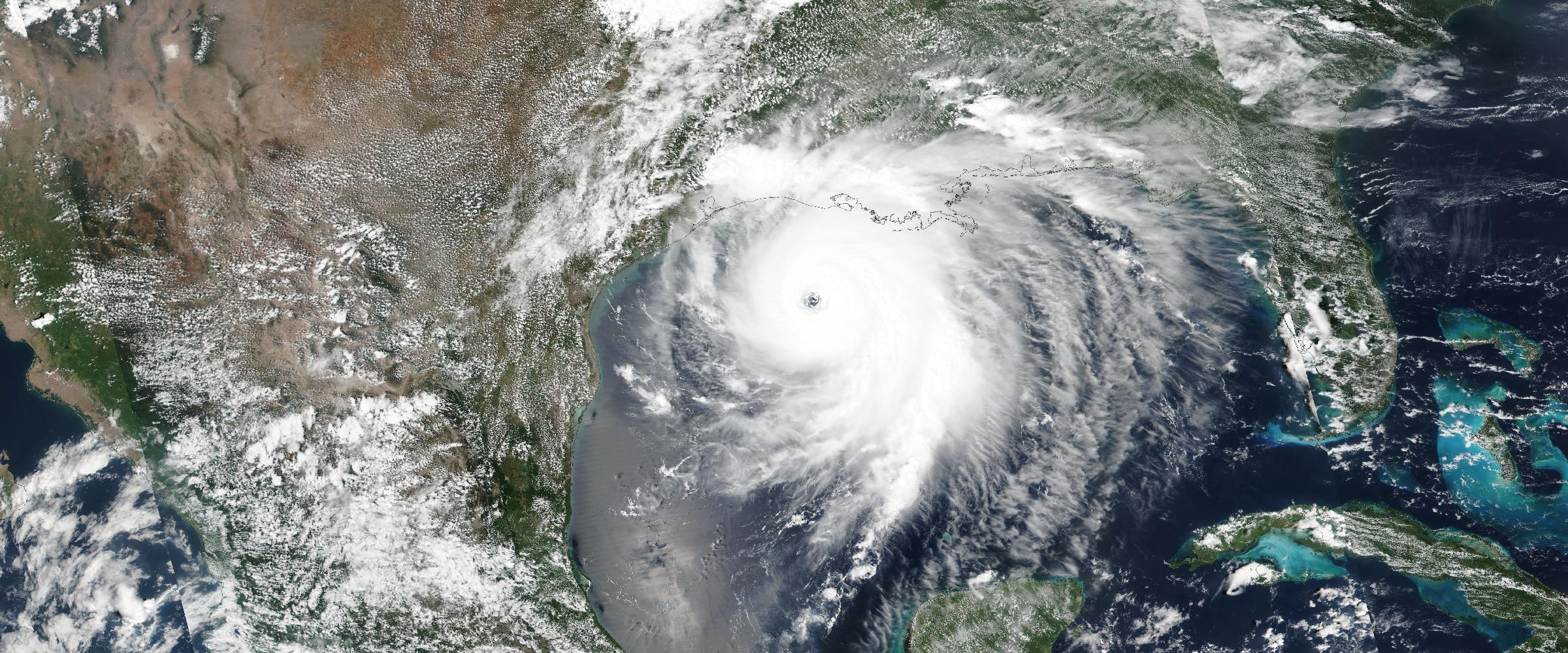
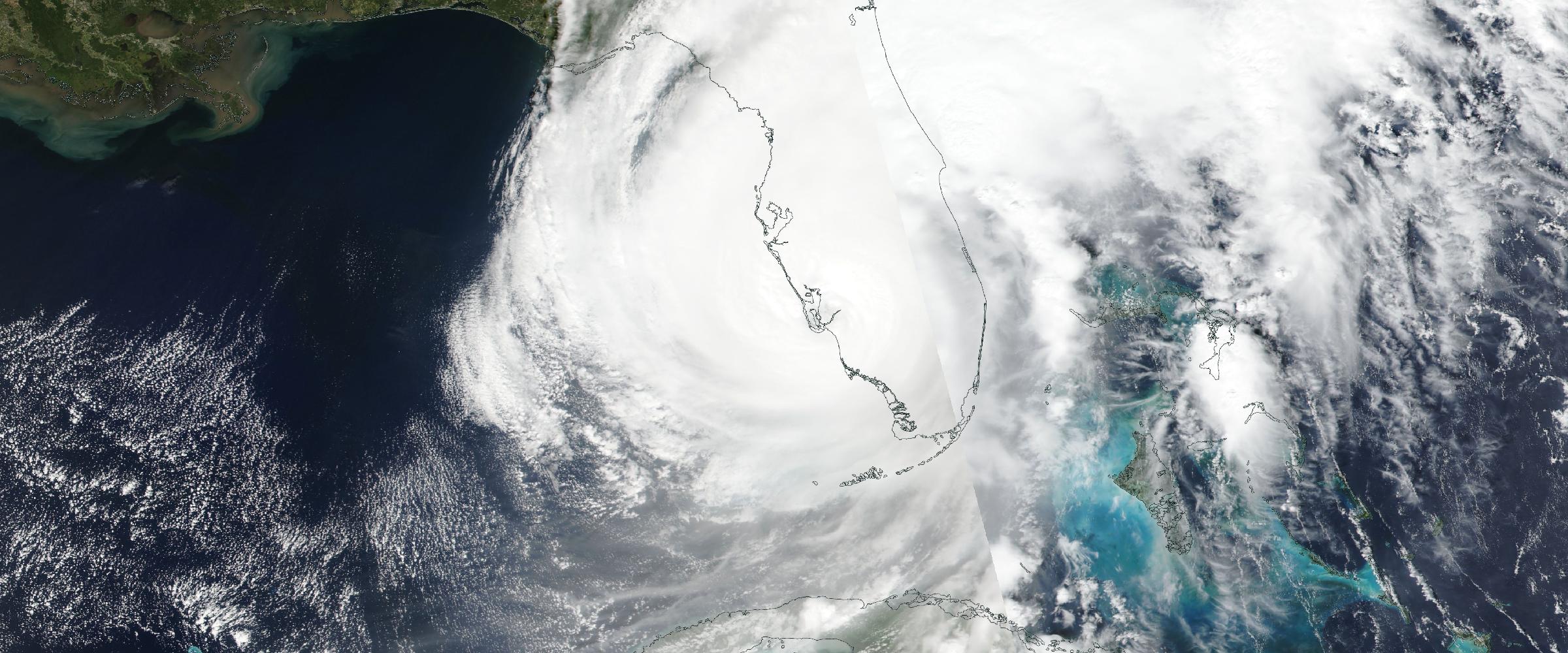
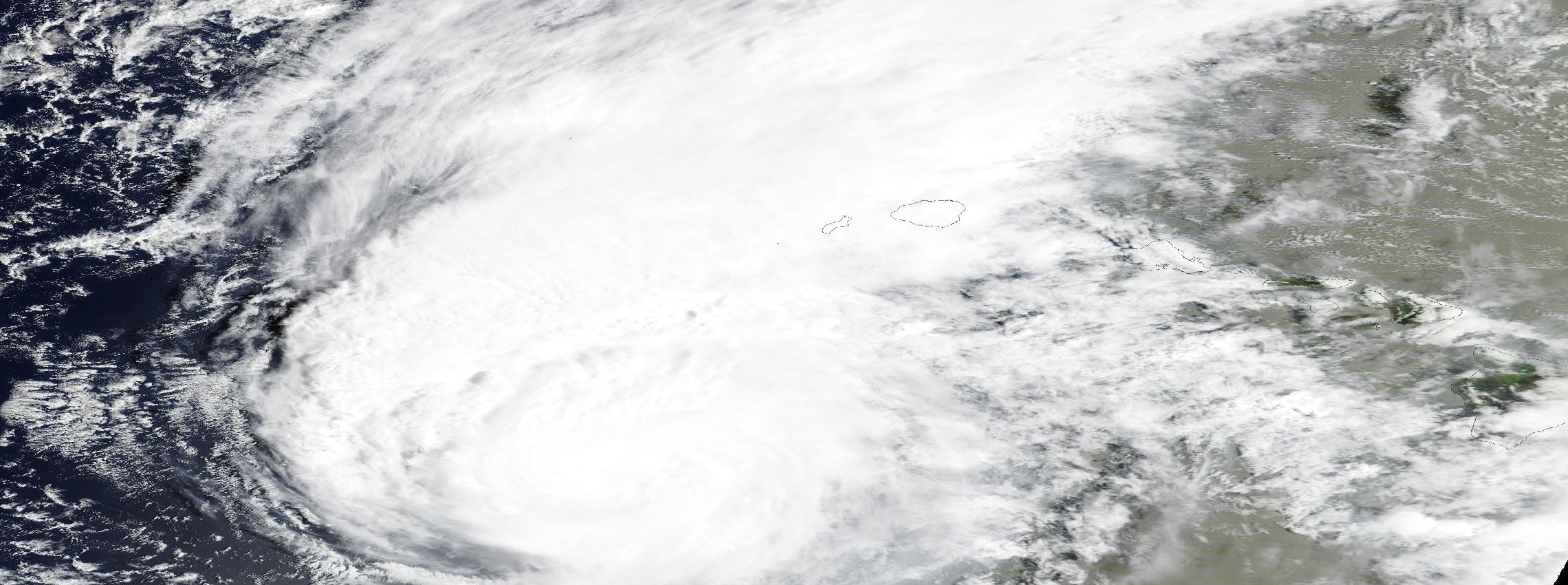
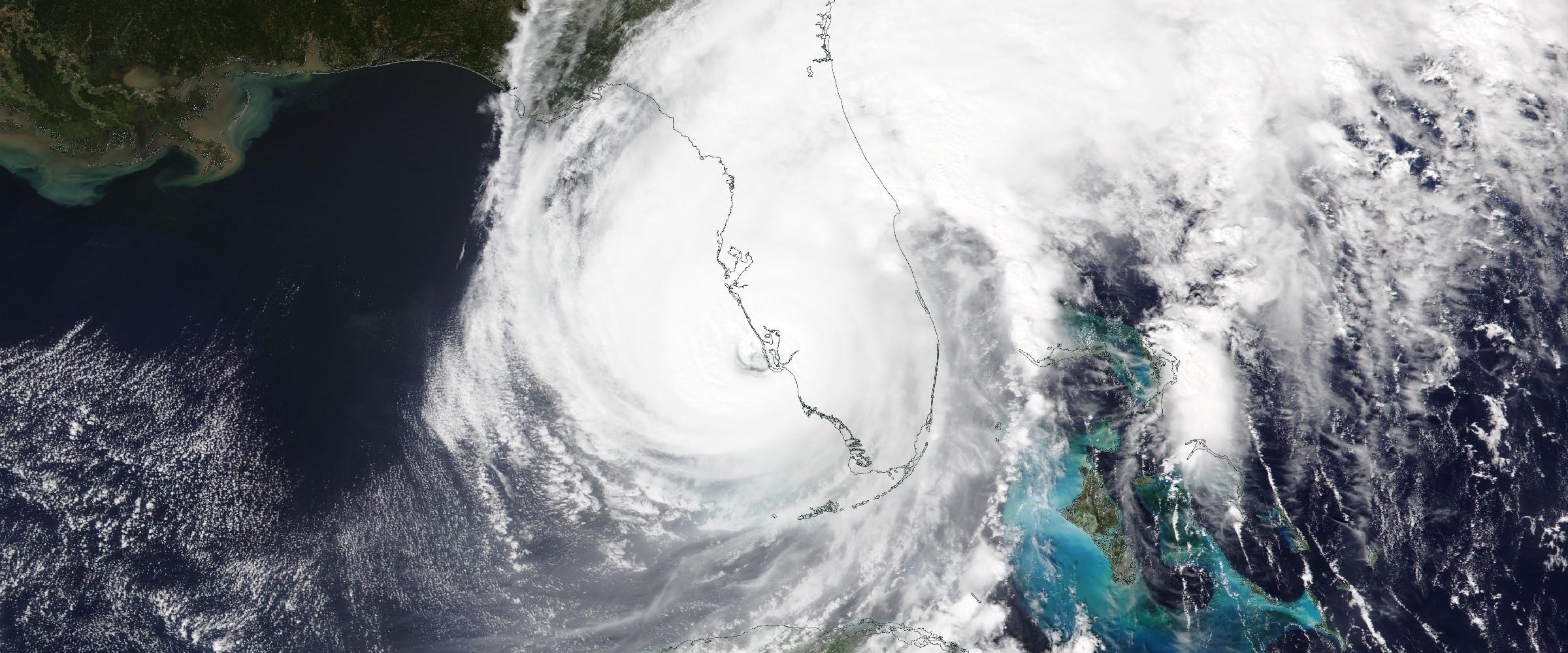
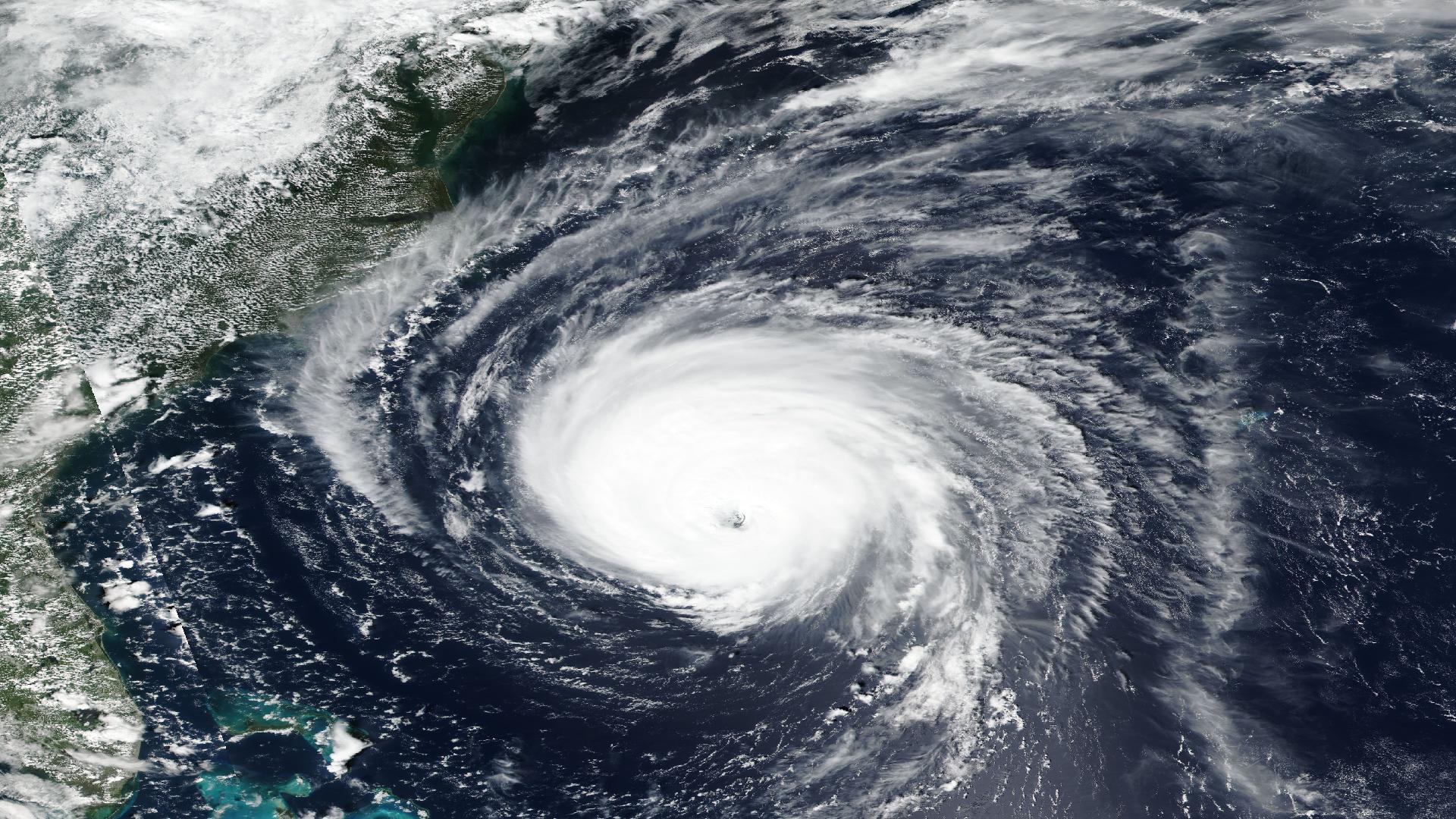
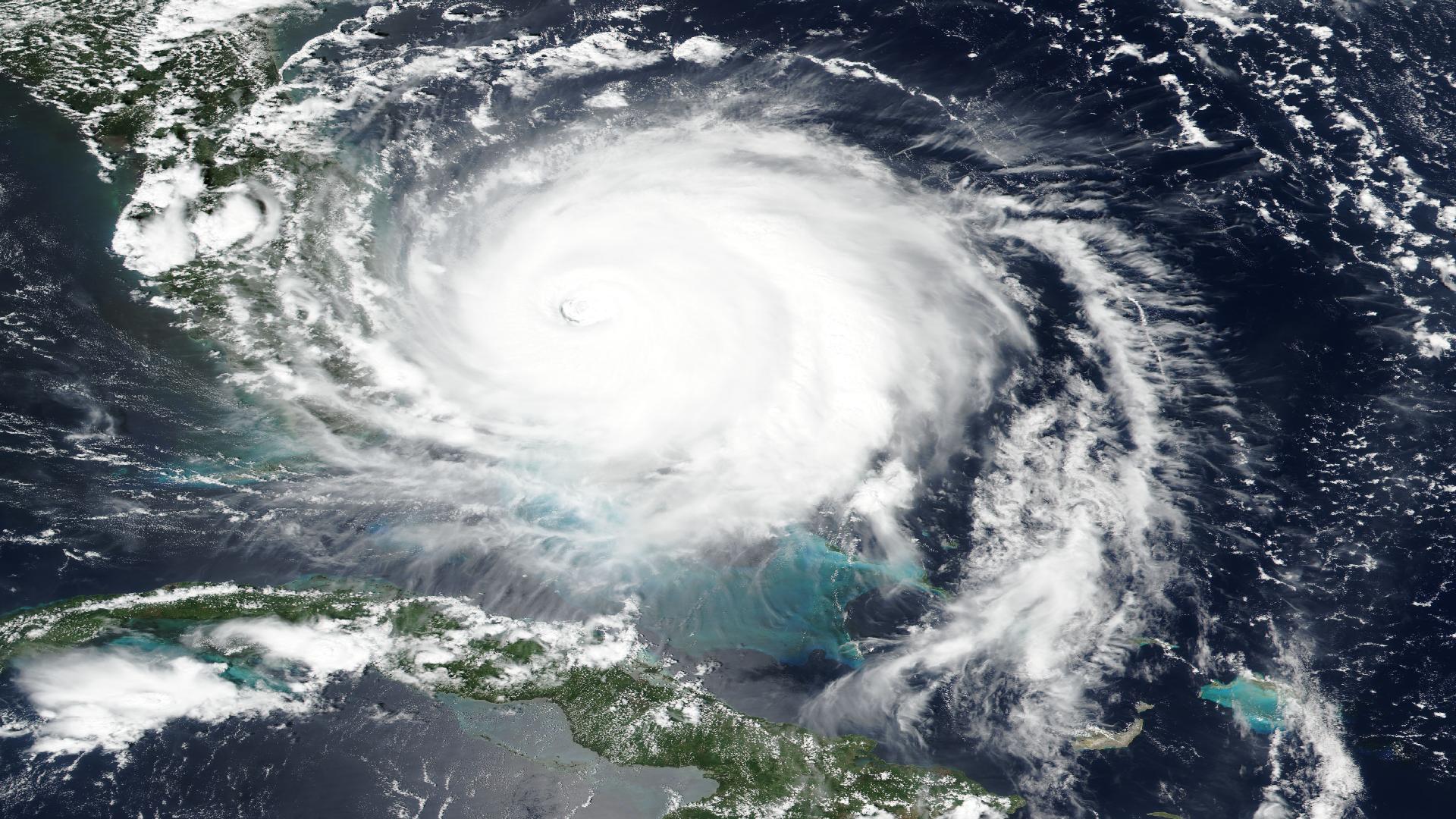
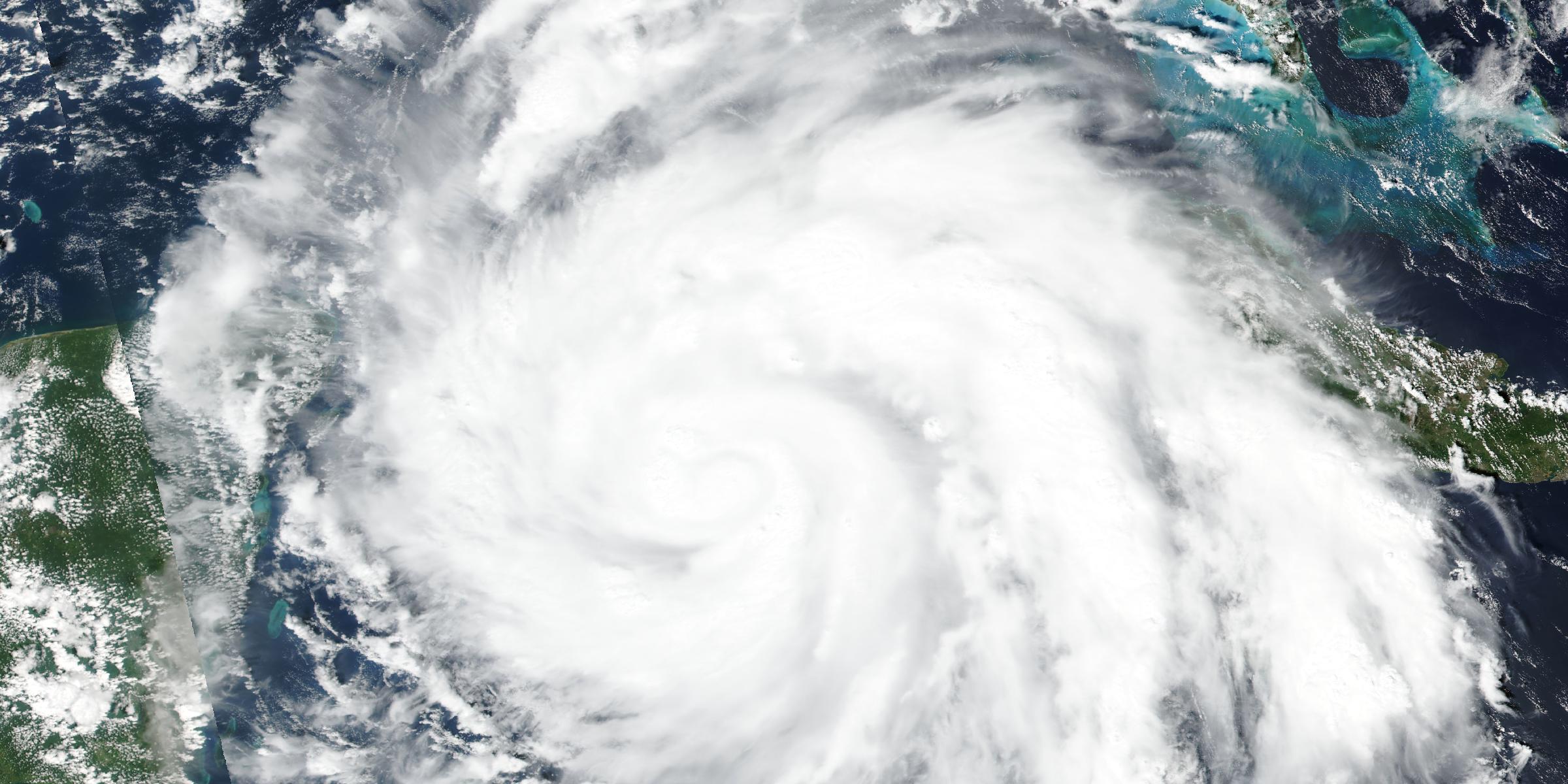
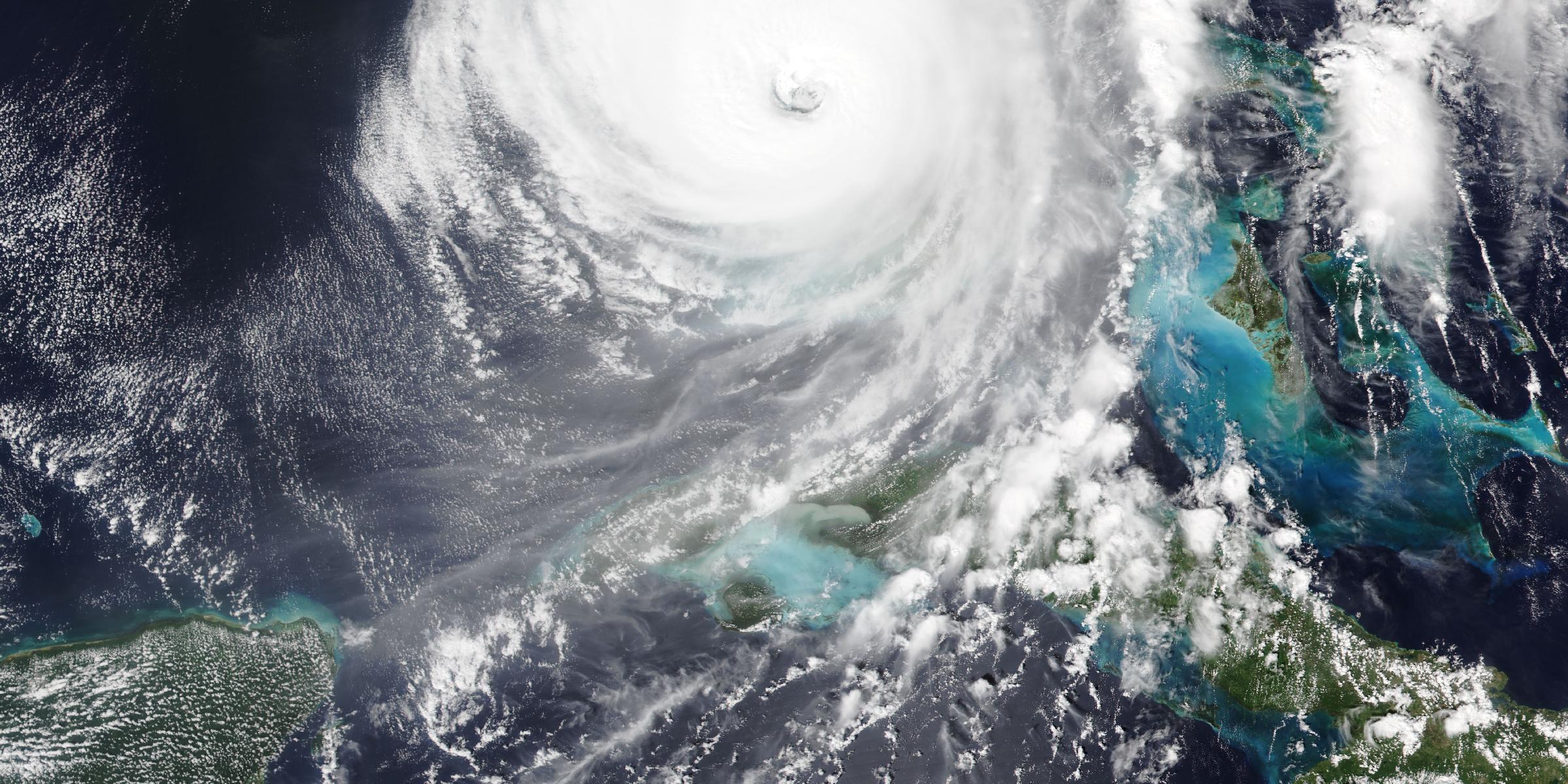
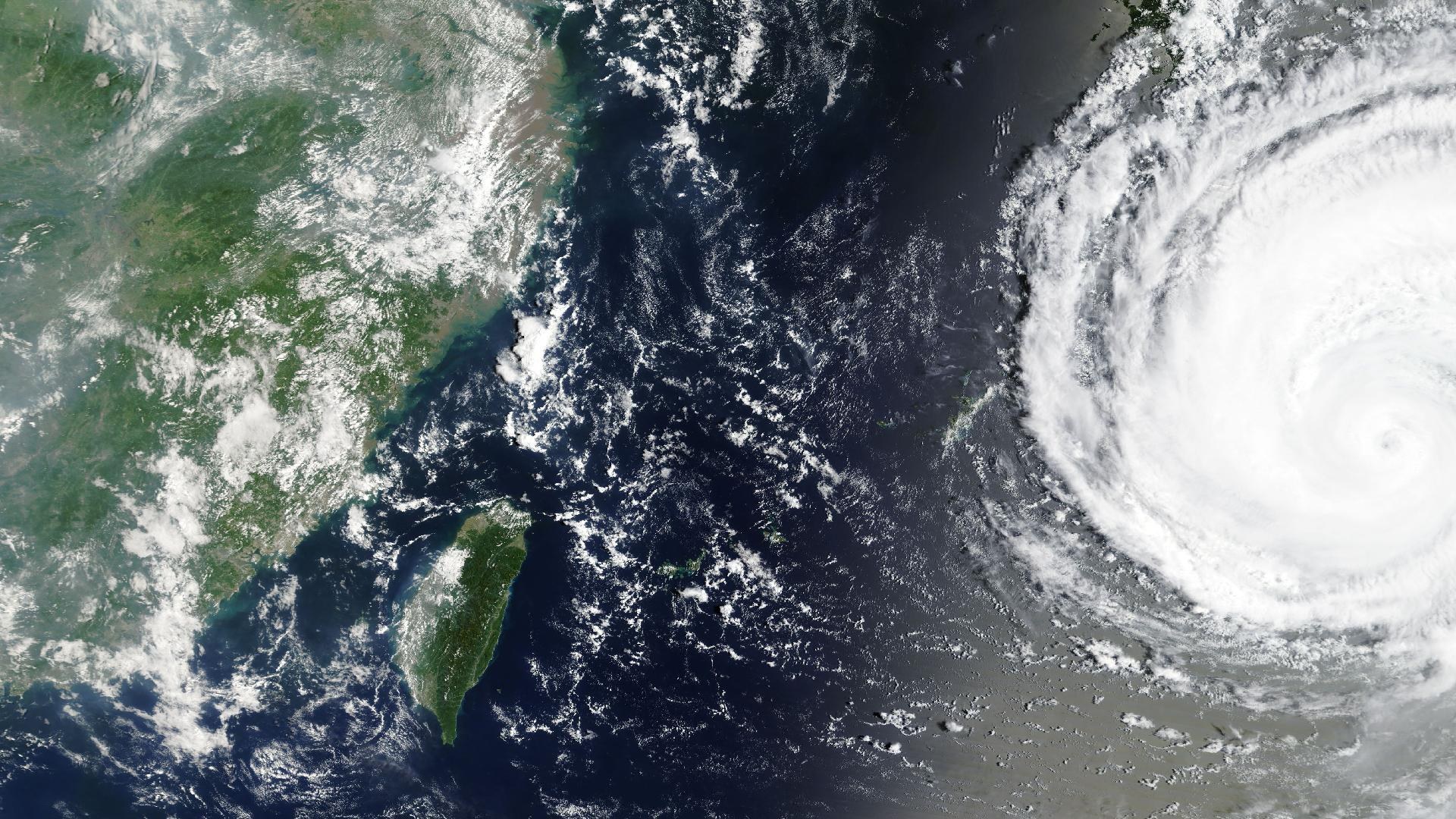
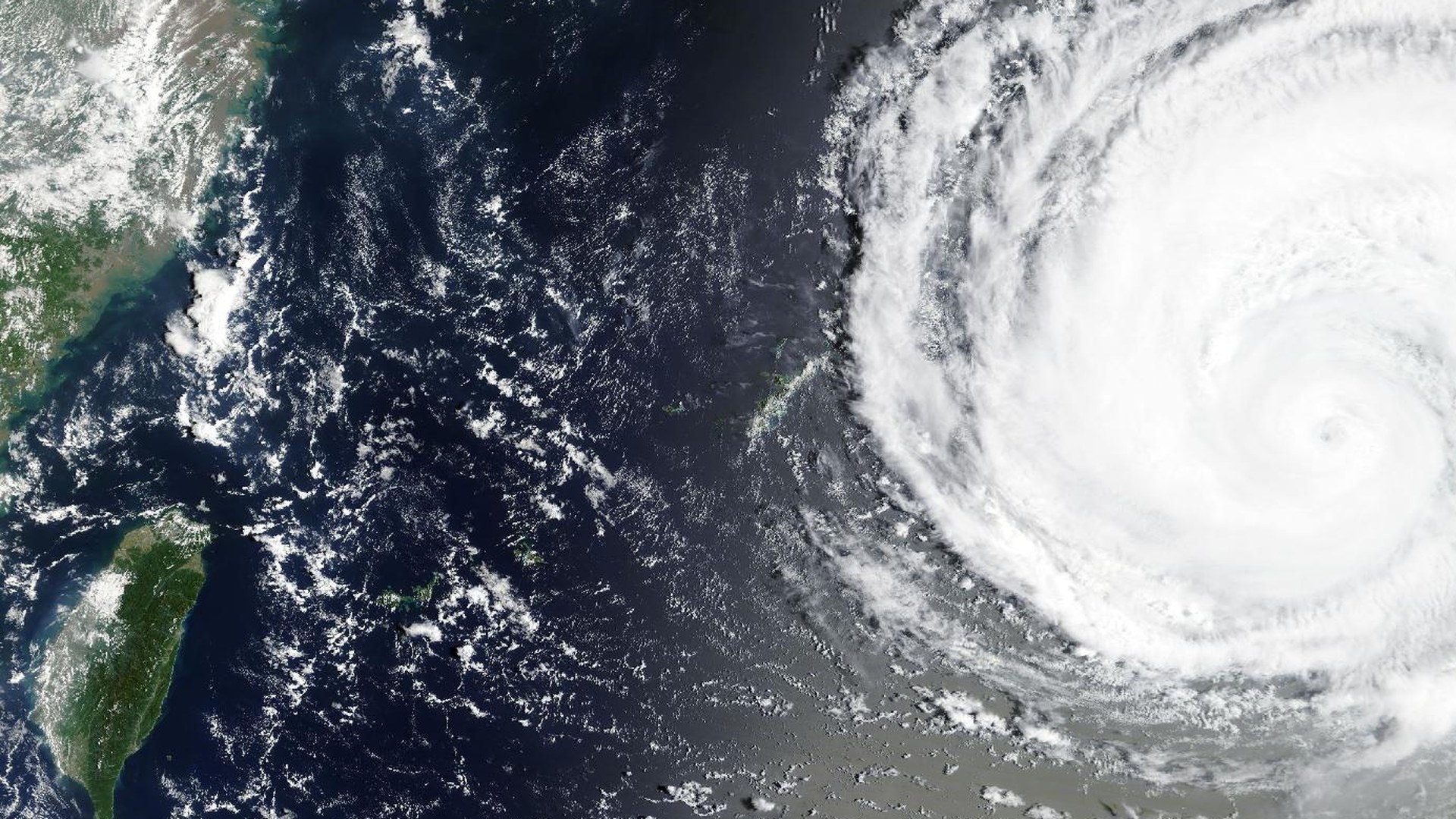
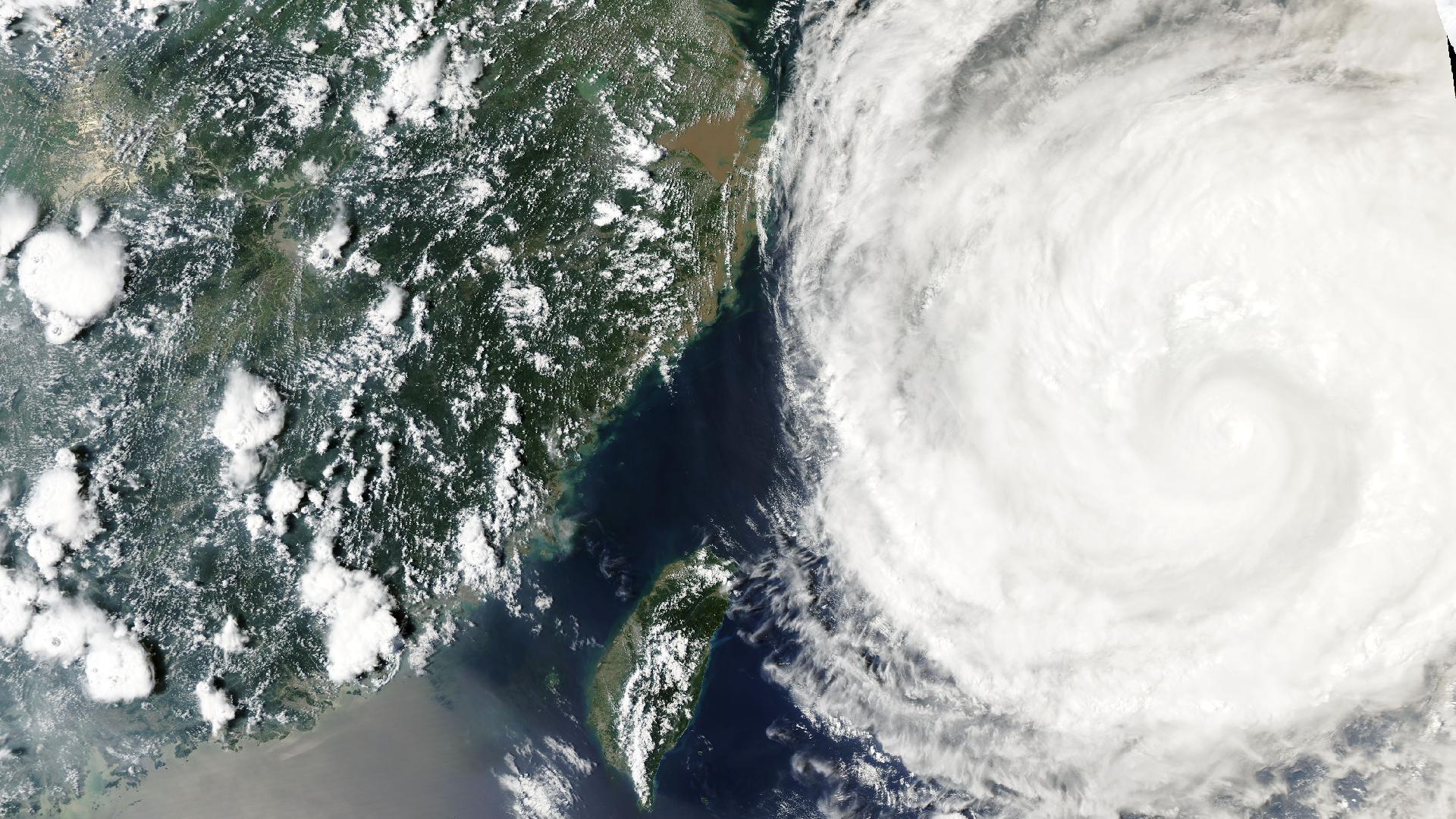
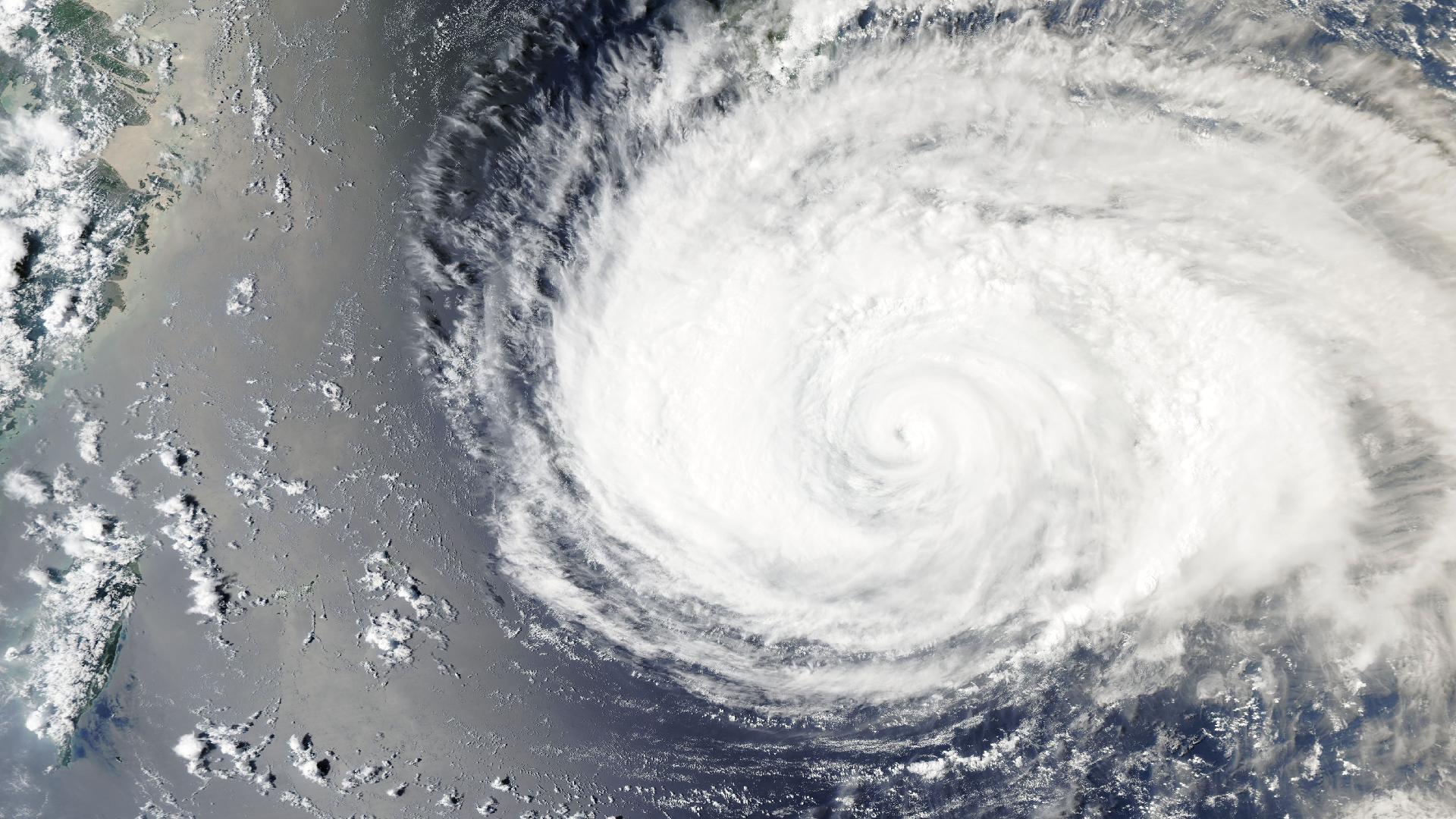
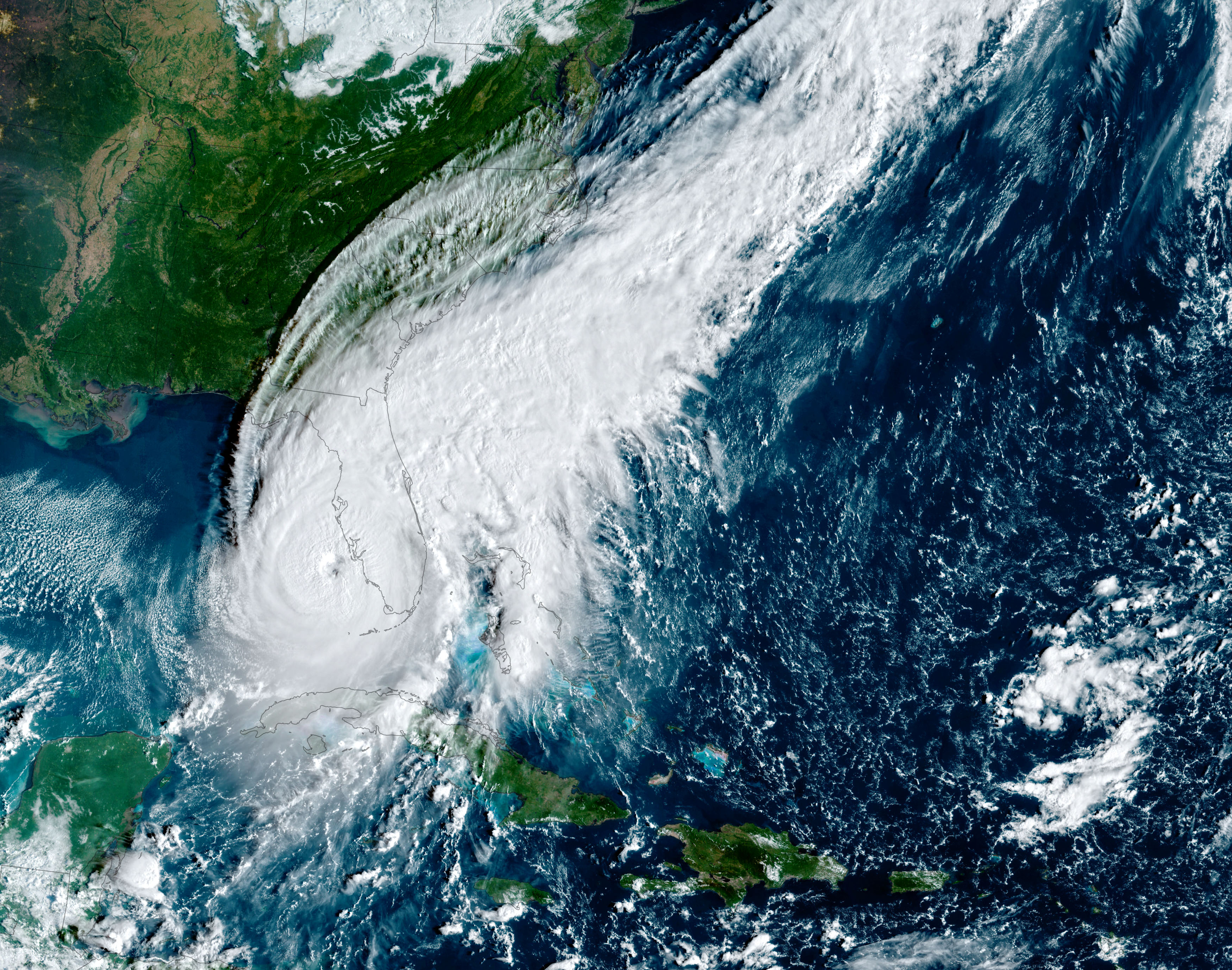
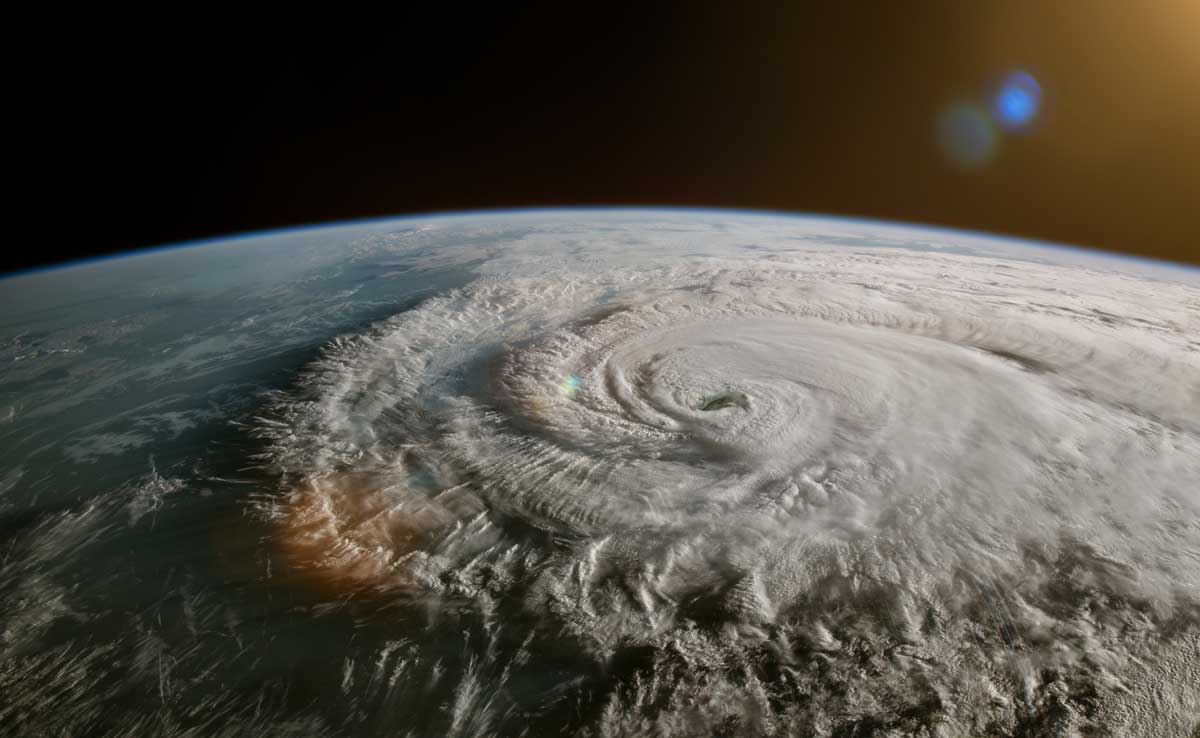
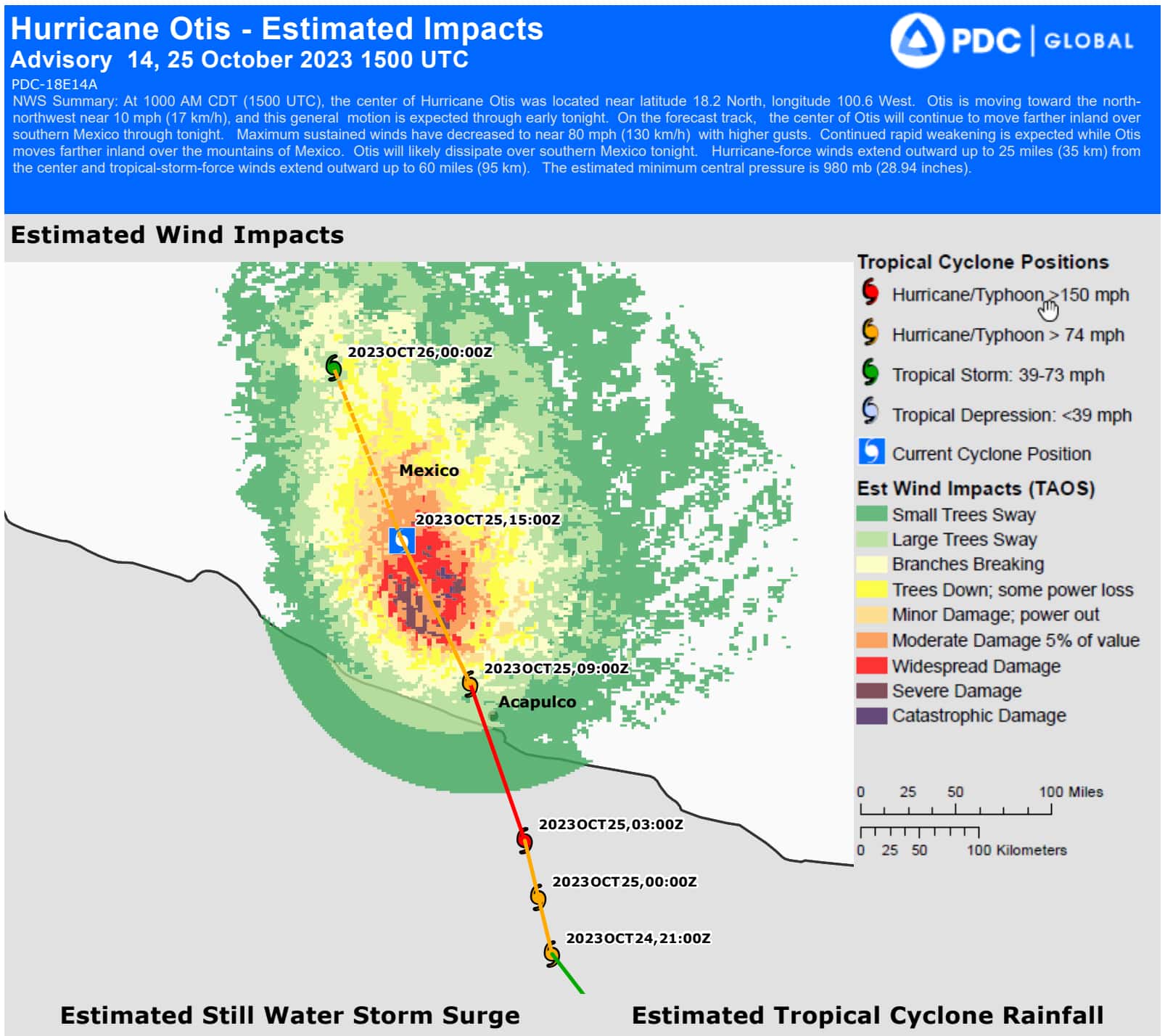
Now consider an actual hurricane approaching the coast. Catastrophe intelligence can provide information about the specific storm:
The model and the intelligence are addressing different parts of the problem. One describes potential risk. The other describes the actual event.
The same distinction applies to wildfire.
A catastrophe model can estimate potential wildfire losses across a portfolio based on factors such as hazard characteristics, vulnerability, exposure, and modeled scenarios.
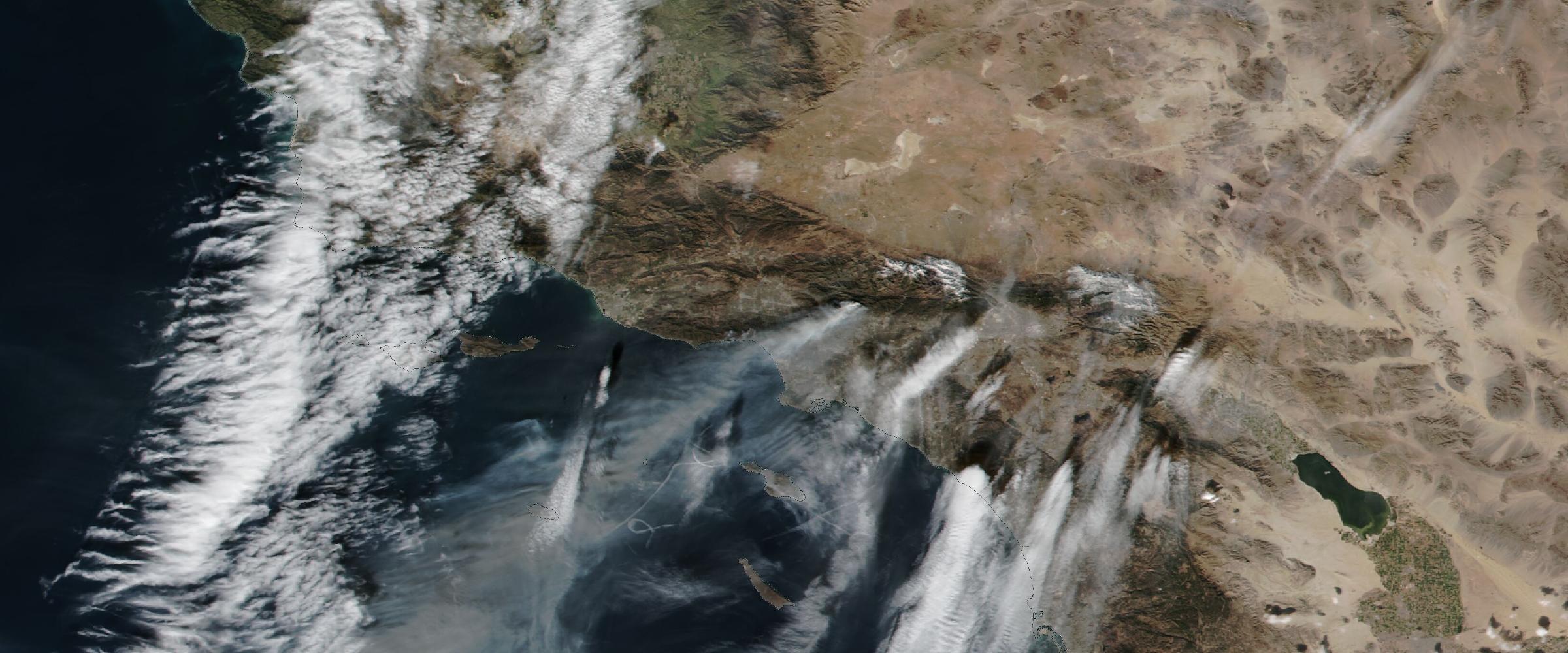
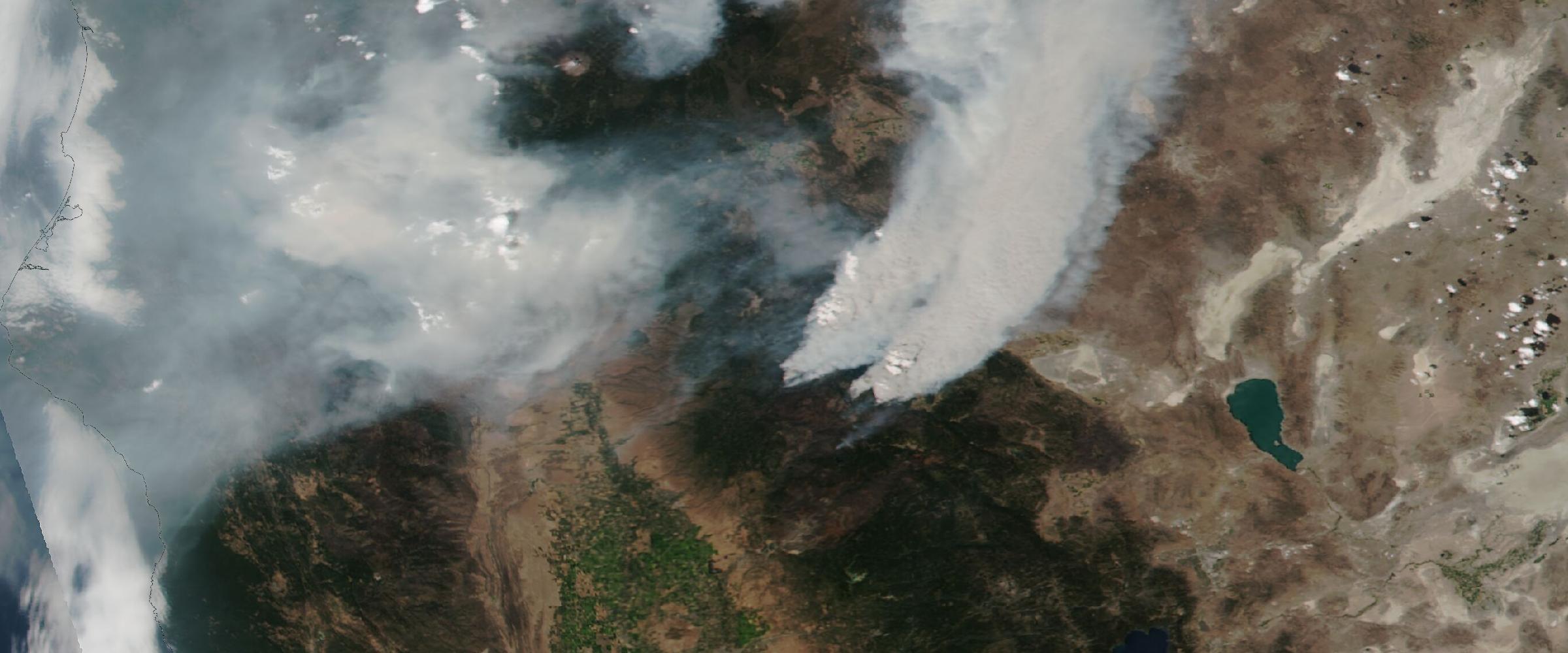
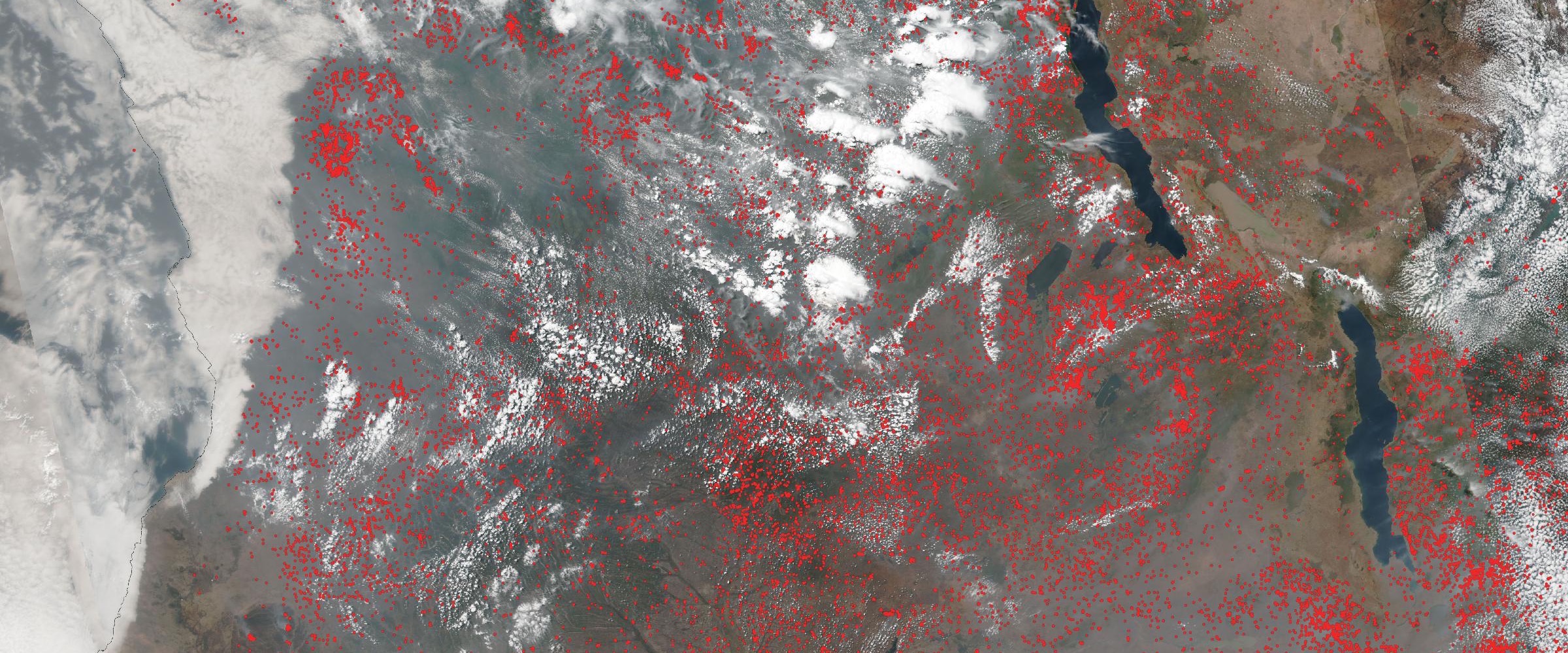
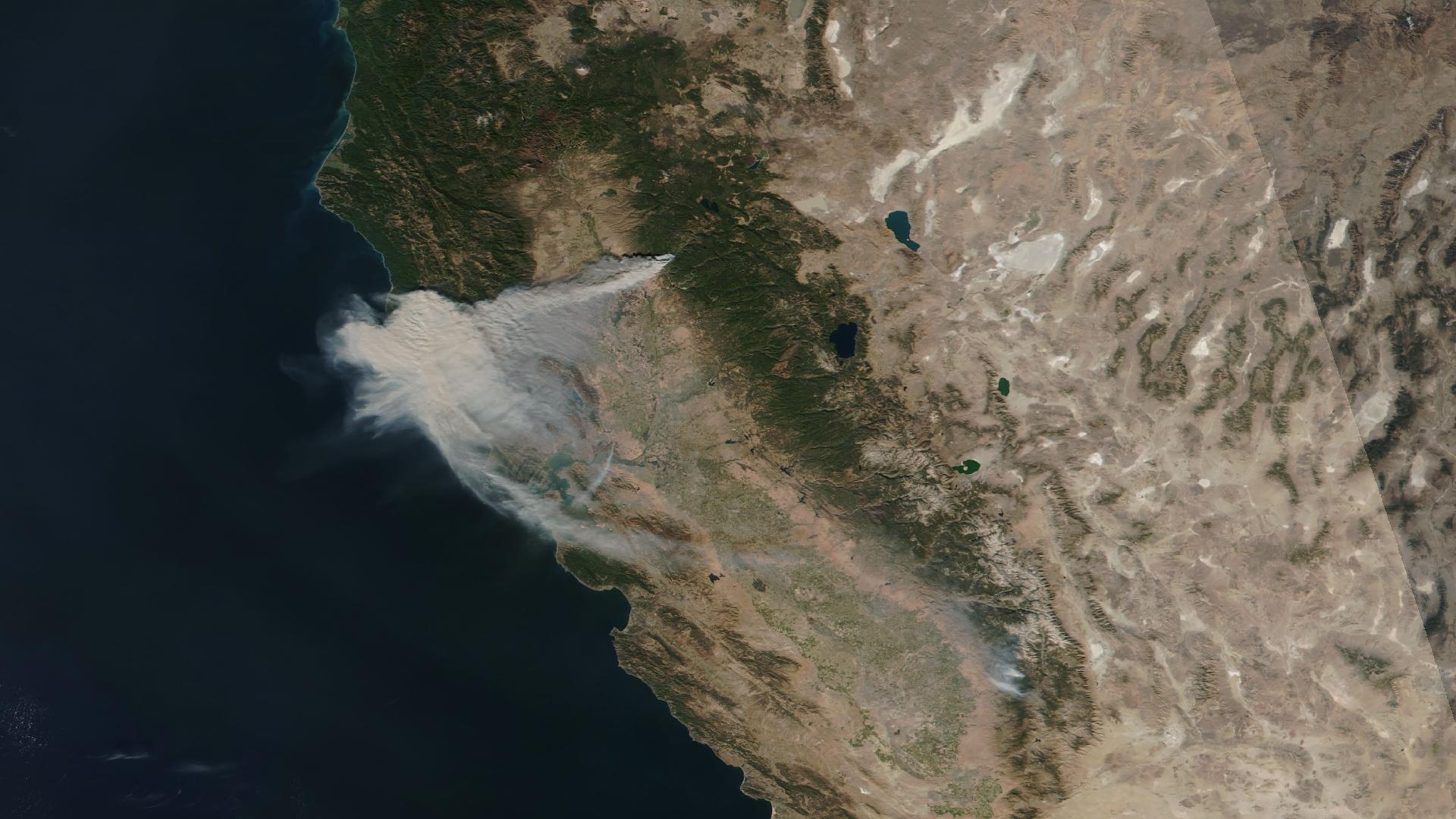
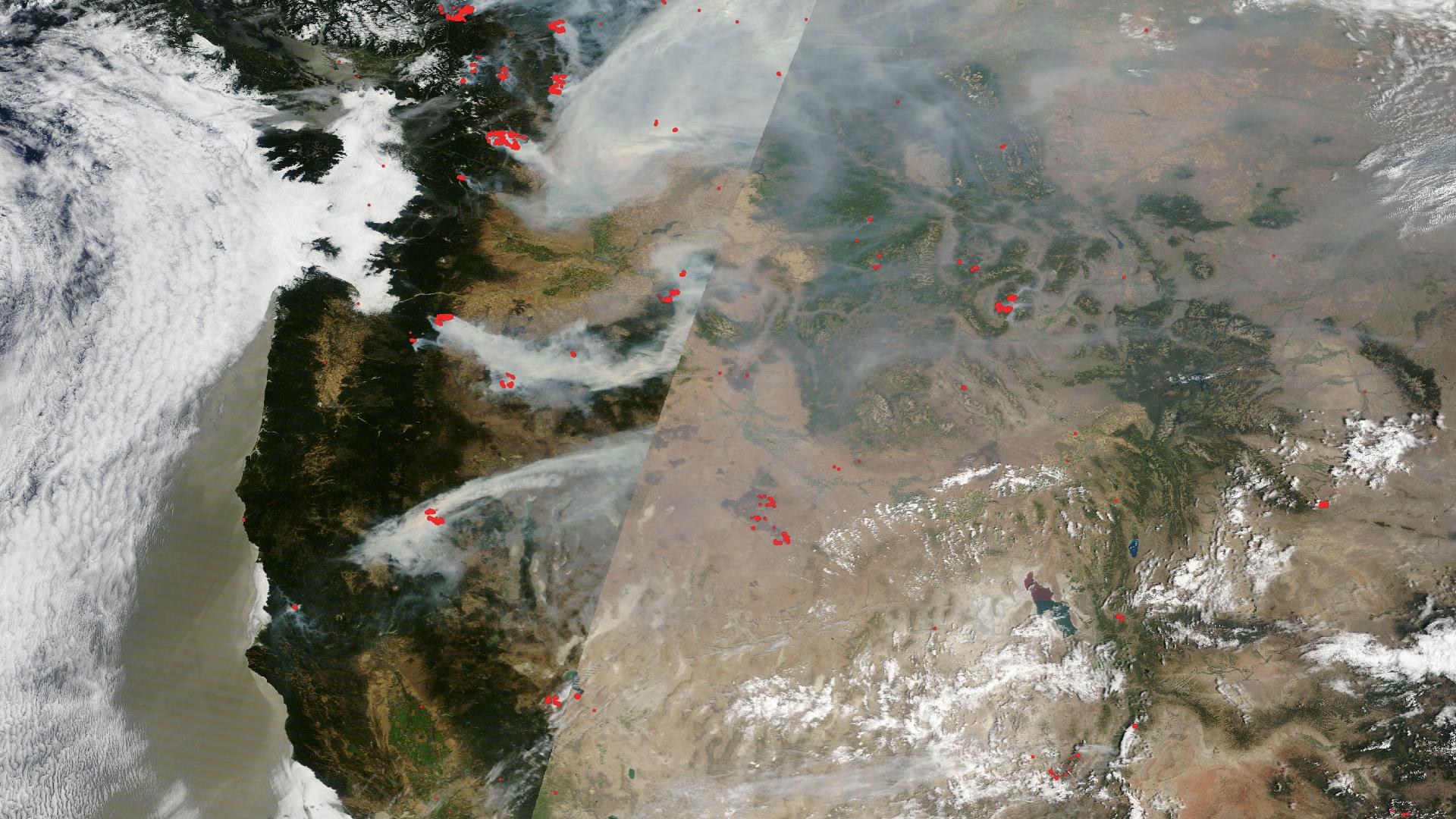
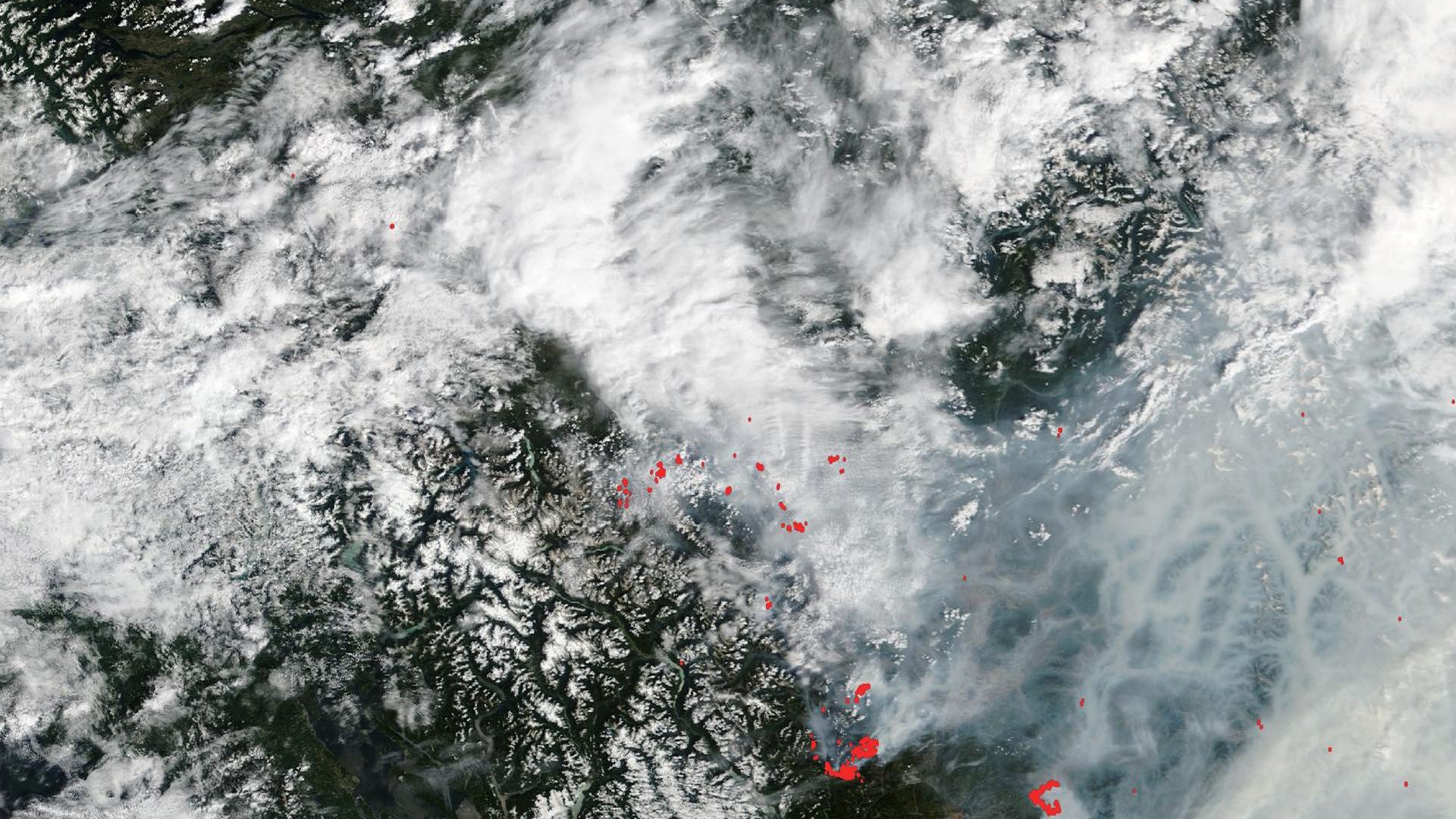
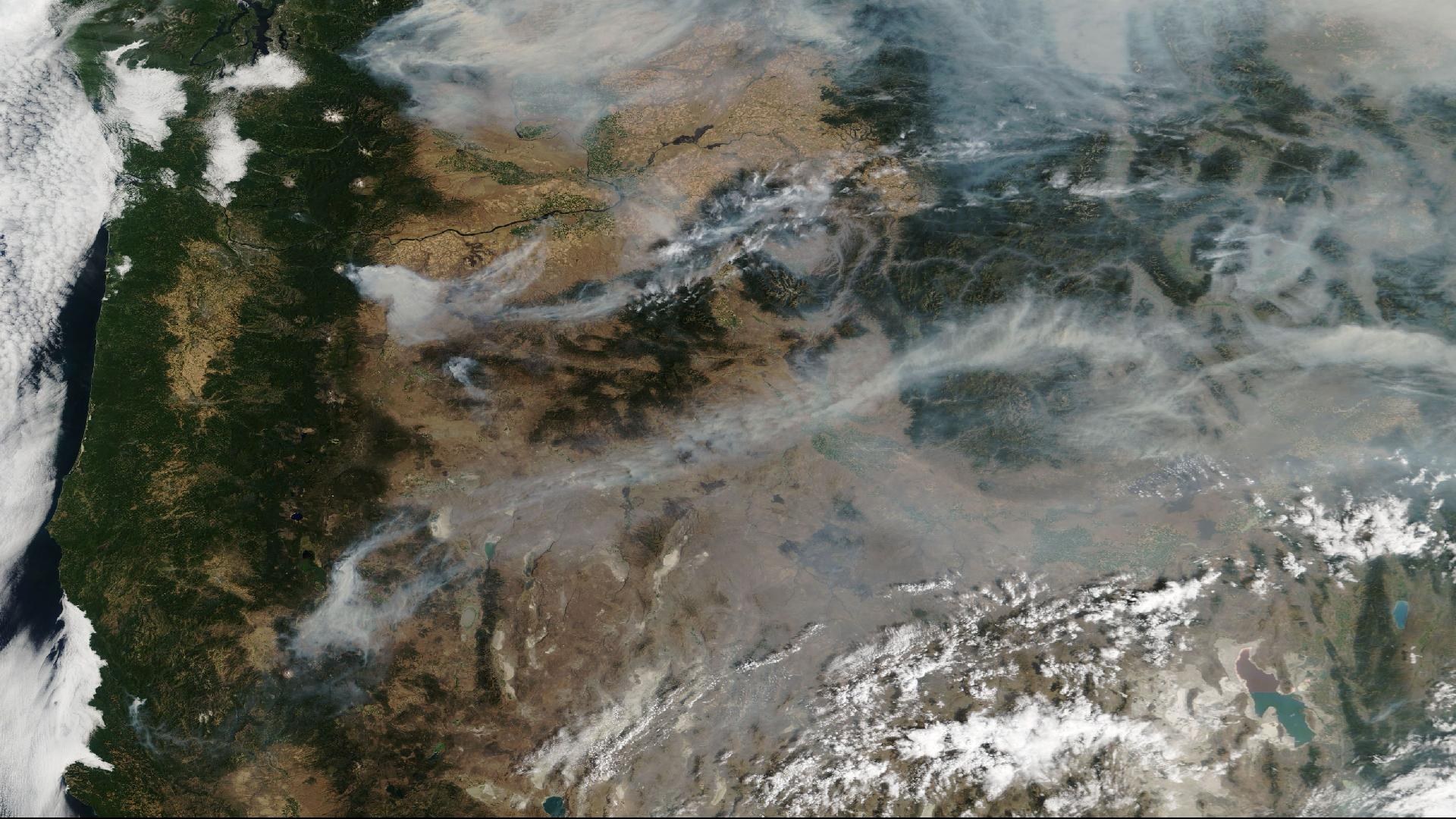
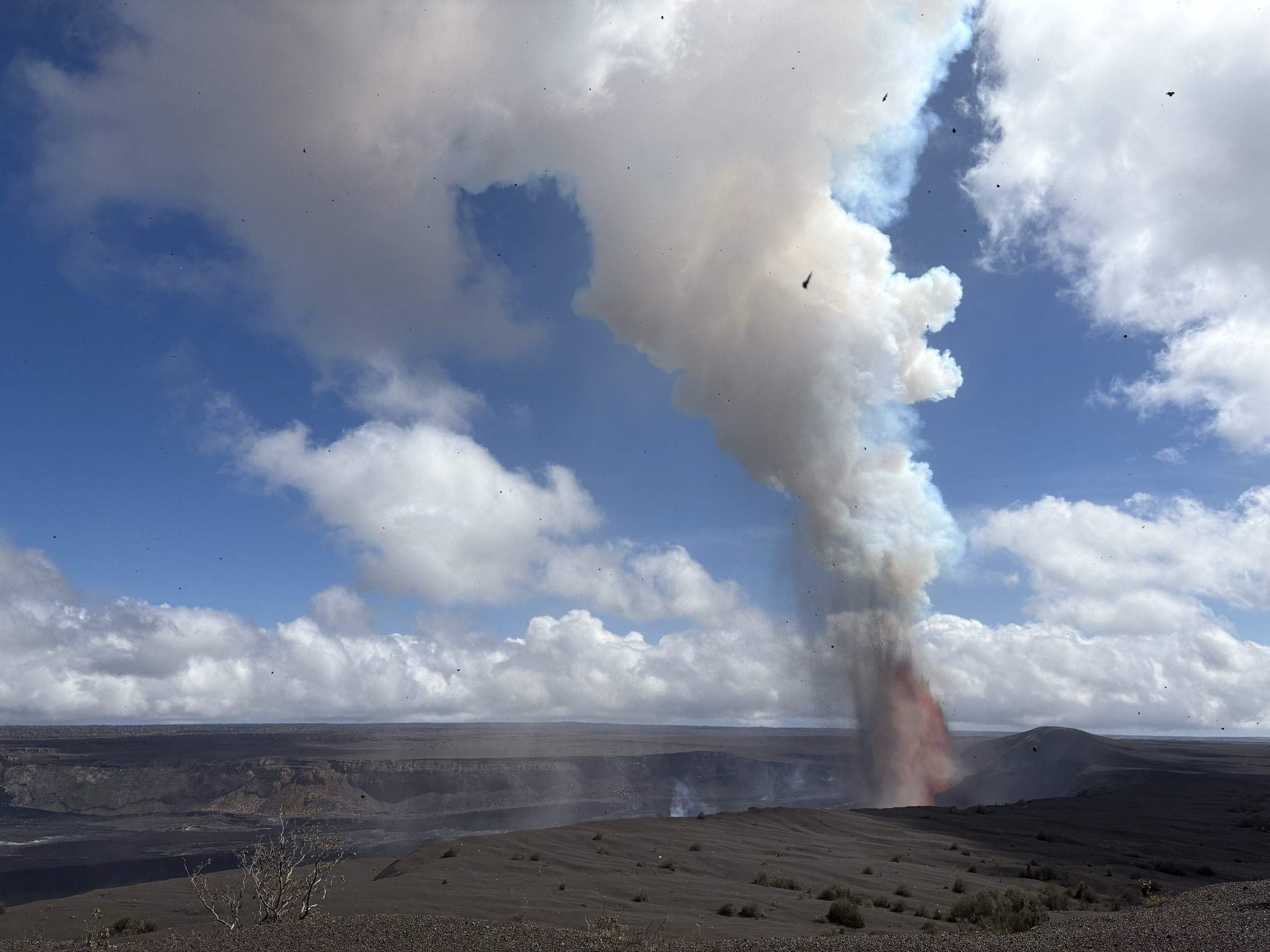
Catastrophe intelligence can focus on an actual wildfire.
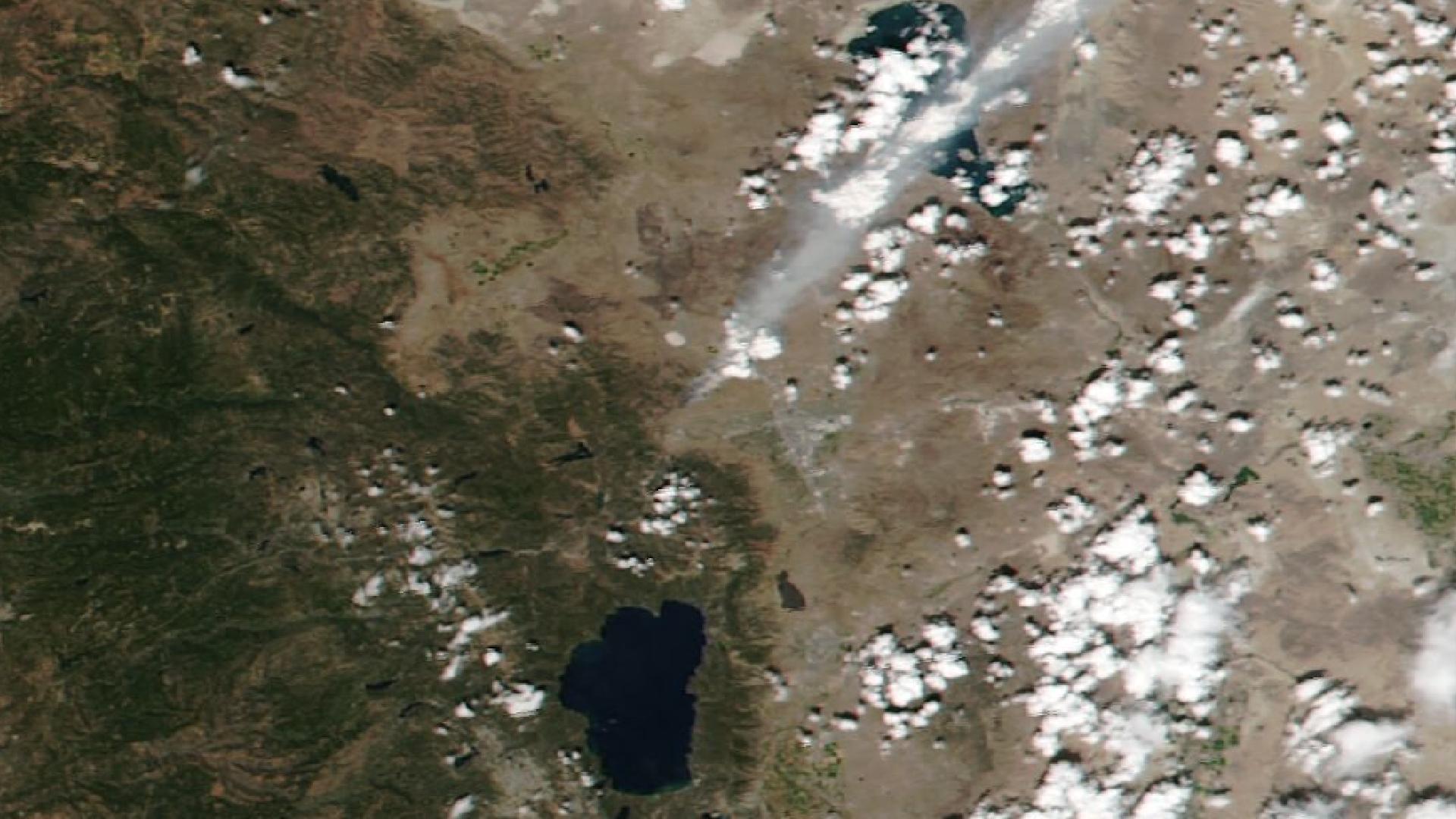
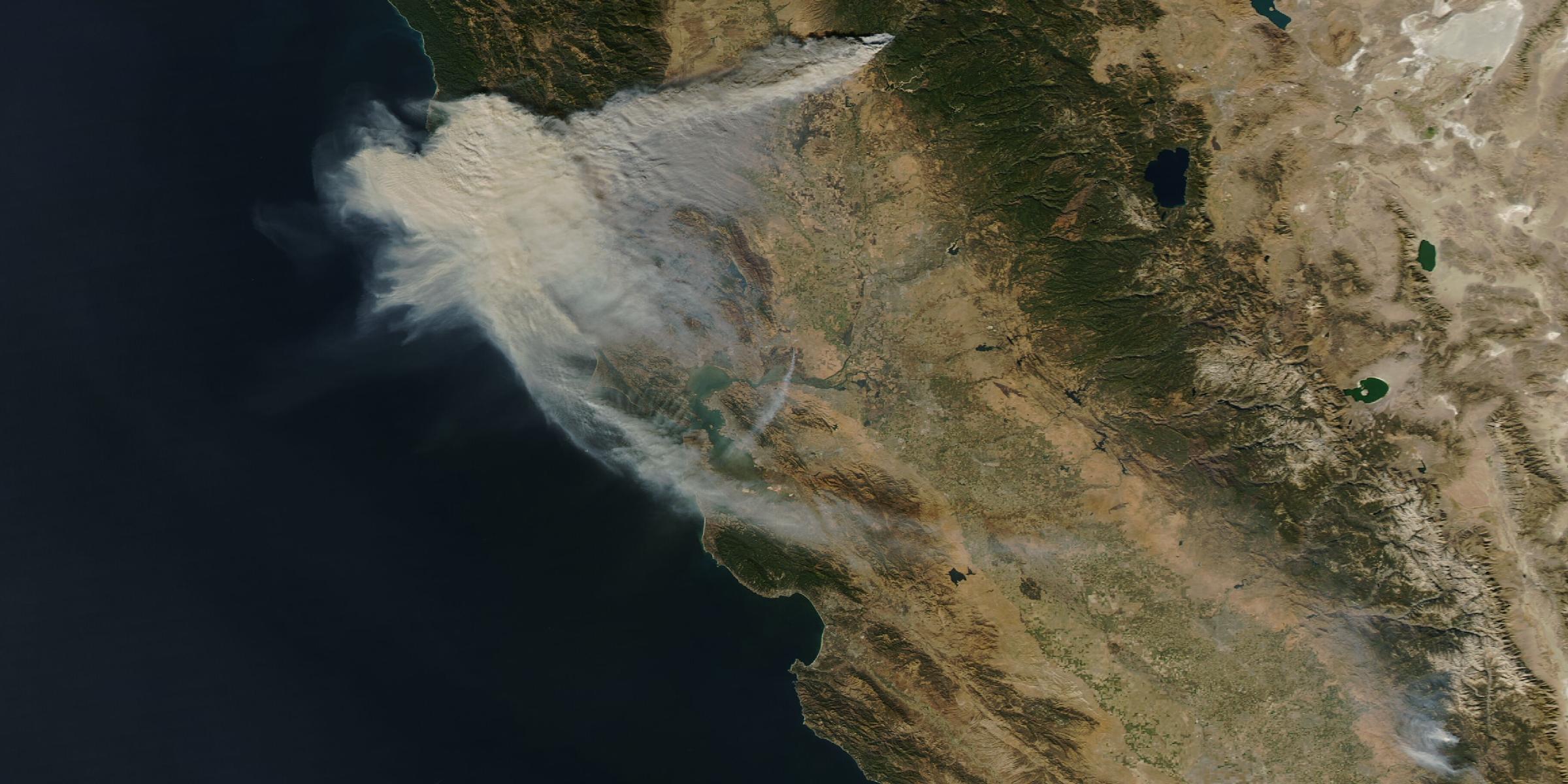
It can provide information about the event's location and evolving footprint and help connect that information to insured properties.
For an insurer, these capabilities can work together. The model helps establish the broader wildfire risk environment. Event intelligence provides information about a specific fire that is occurring now or has occurred.
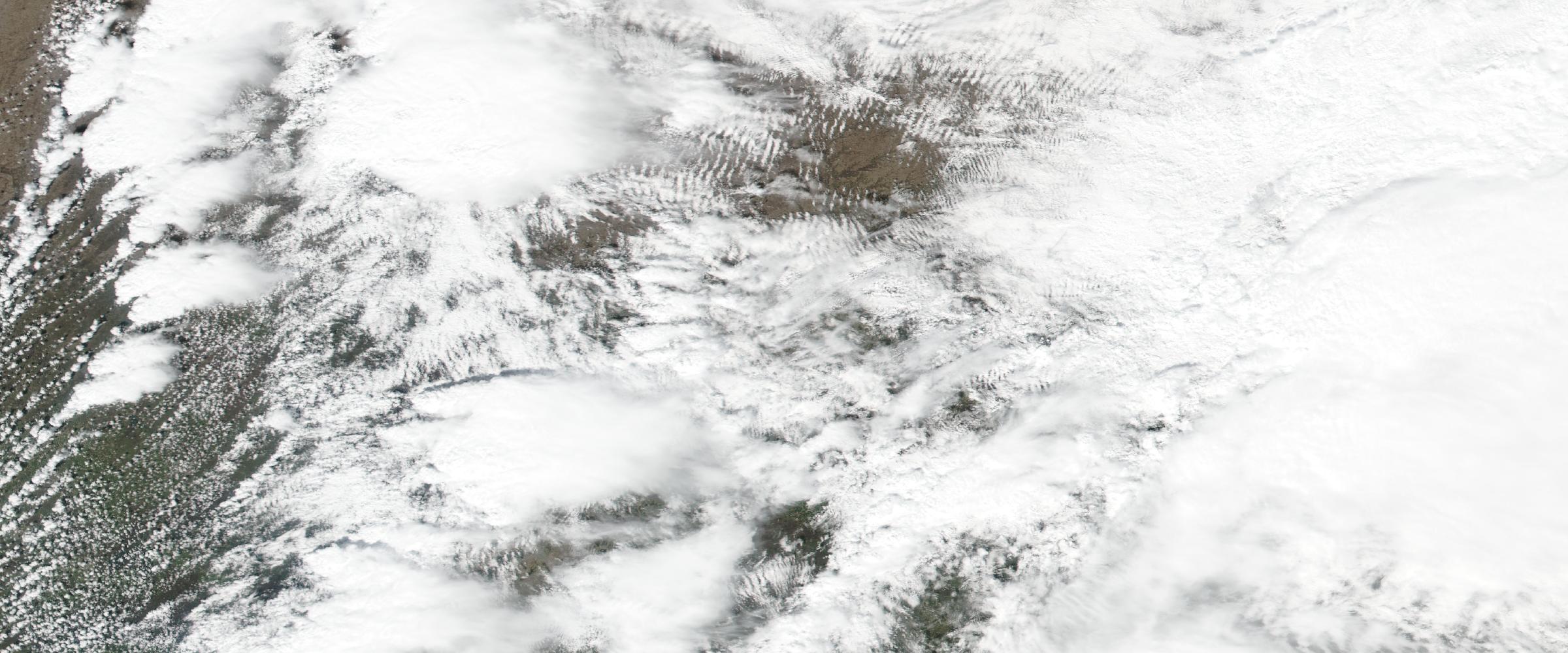
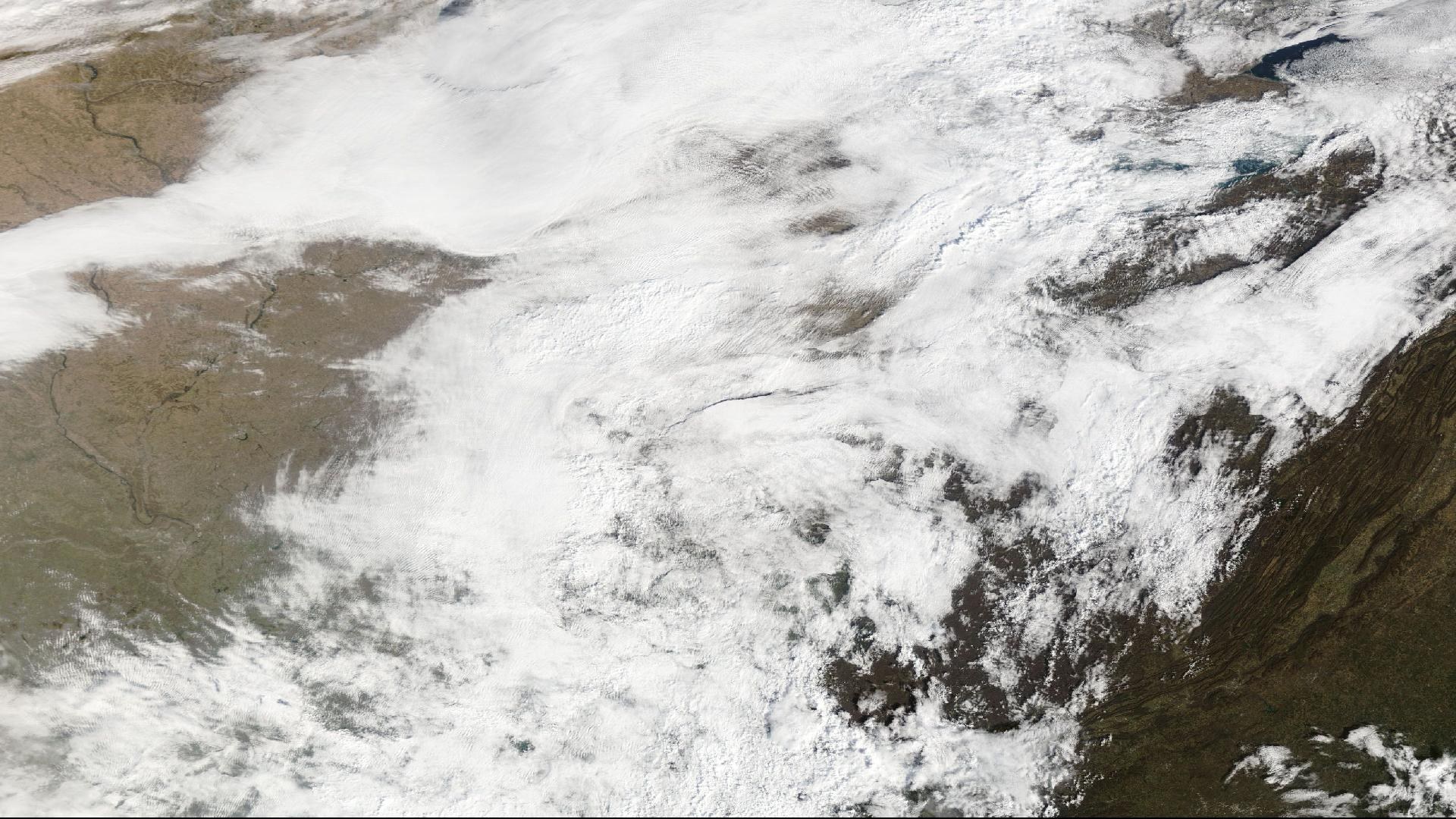
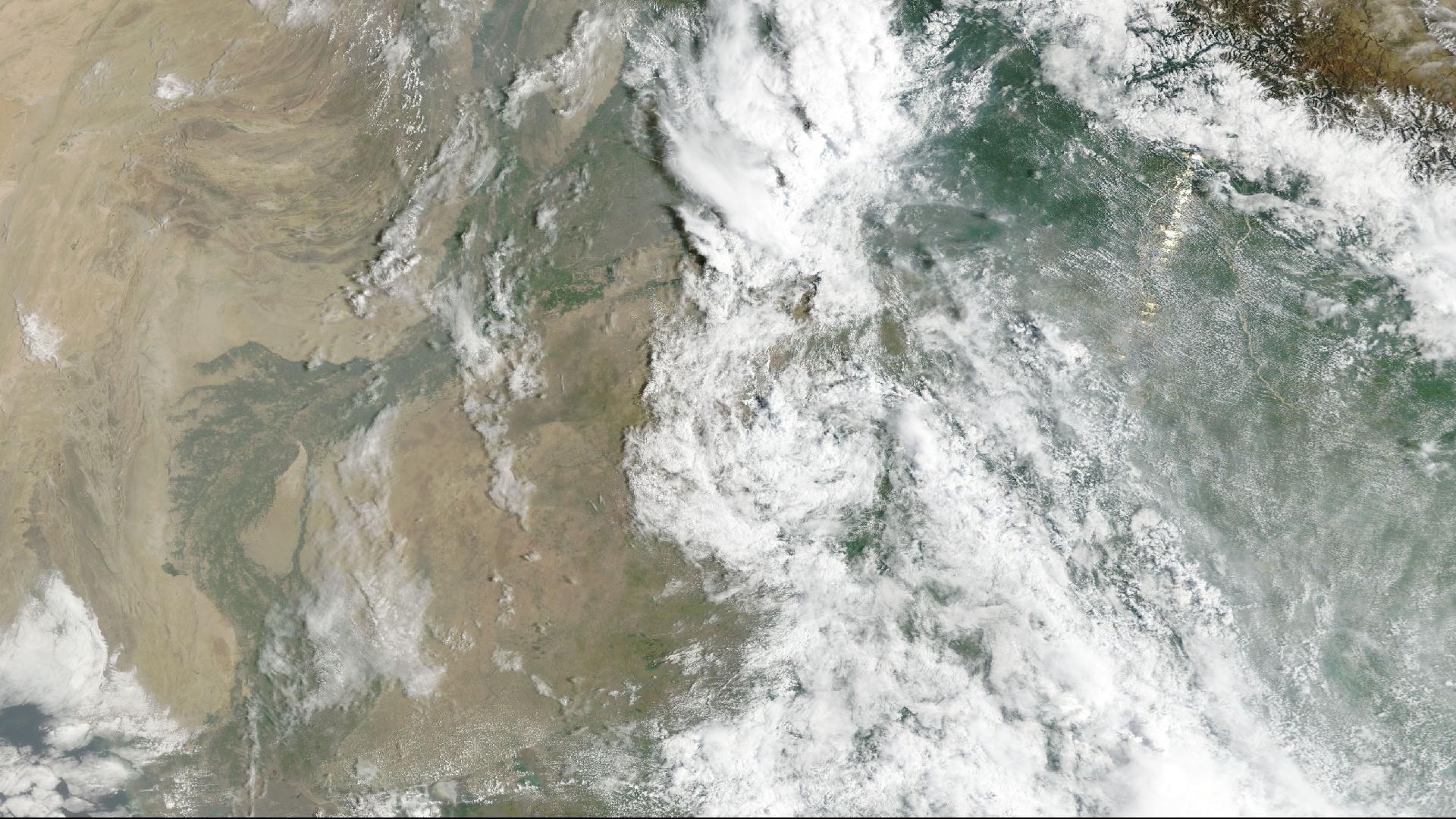
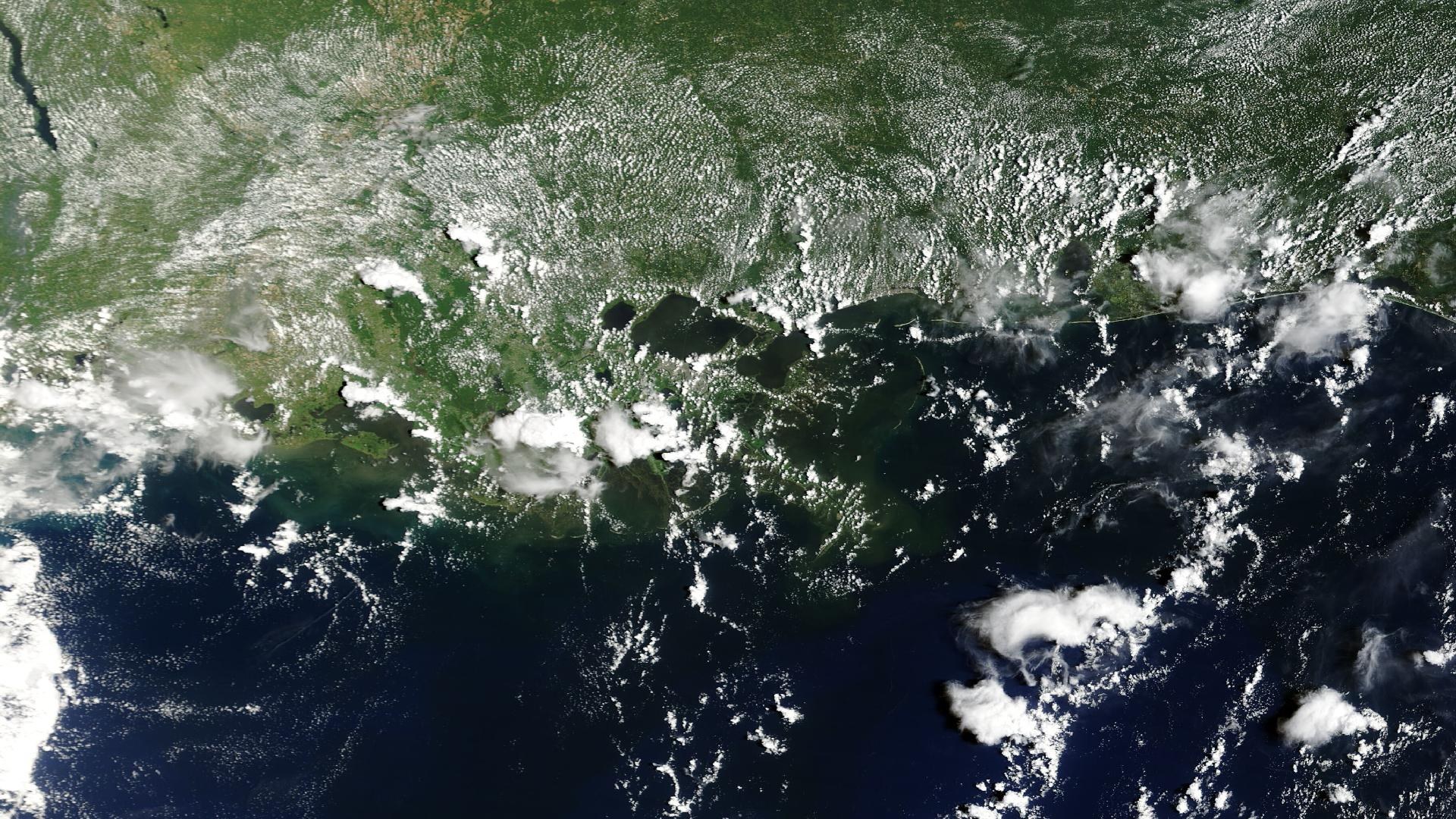
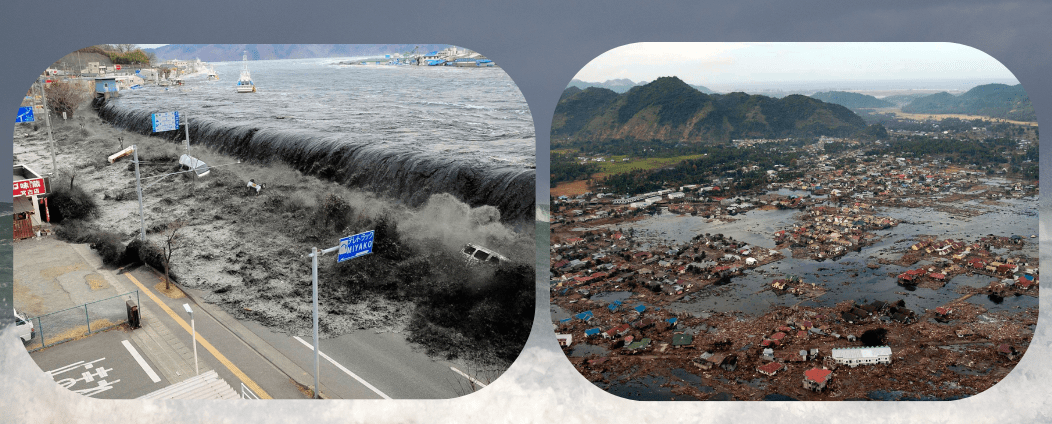
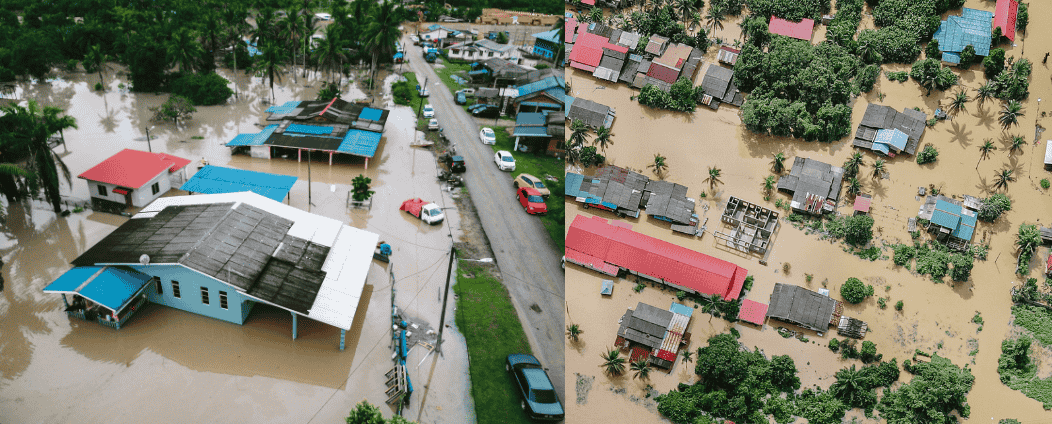
Flood provides another useful example. A catastrophe model can estimate potential flood losses under a range of modeled scenarios. During an actual flood event, catastrophe intelligence can provide information about observed conditions and the geographic extent of the event as information becomes available.
The two datasets can therefore answer different questions:
Modeling: What could flooding look like across our portfolio?
Event intelligence: Where is flooding occurring during this particular event?
That distinction can become particularly important when insurers need to move from portfolio-level risk analysis to event-specific analysis.
The distinction isn't simply technical. It affects how information is used.
Catastrophe models can help insurers understand potential loss distributions across large portfolios. This information can support long-term decisions around portfolio construction, capital, reinsurance, and risk appetite.
When a catastrophe actually occurs, insurers need information about the specific event. Event intelligence can provide an event-level view that can be connected to portfolio and property information.
Once claims begin arriving, insurers can use event information as contextual evidence alongside policy information, first notice of loss, imagery, adjuster assessments, and other claims data.
Actual event records can also help insurers understand how real catastrophes have interacted with their portfolios over time. This is different from analyzing simulated catastrophe scenarios.
One important reason to maintain both capabilities is that modeled scenarios and real-world events are inherently different types of information.
A catastrophe model represents a scenario or distribution of possible scenarios.
An event intelligence record represents an observed or documented event.
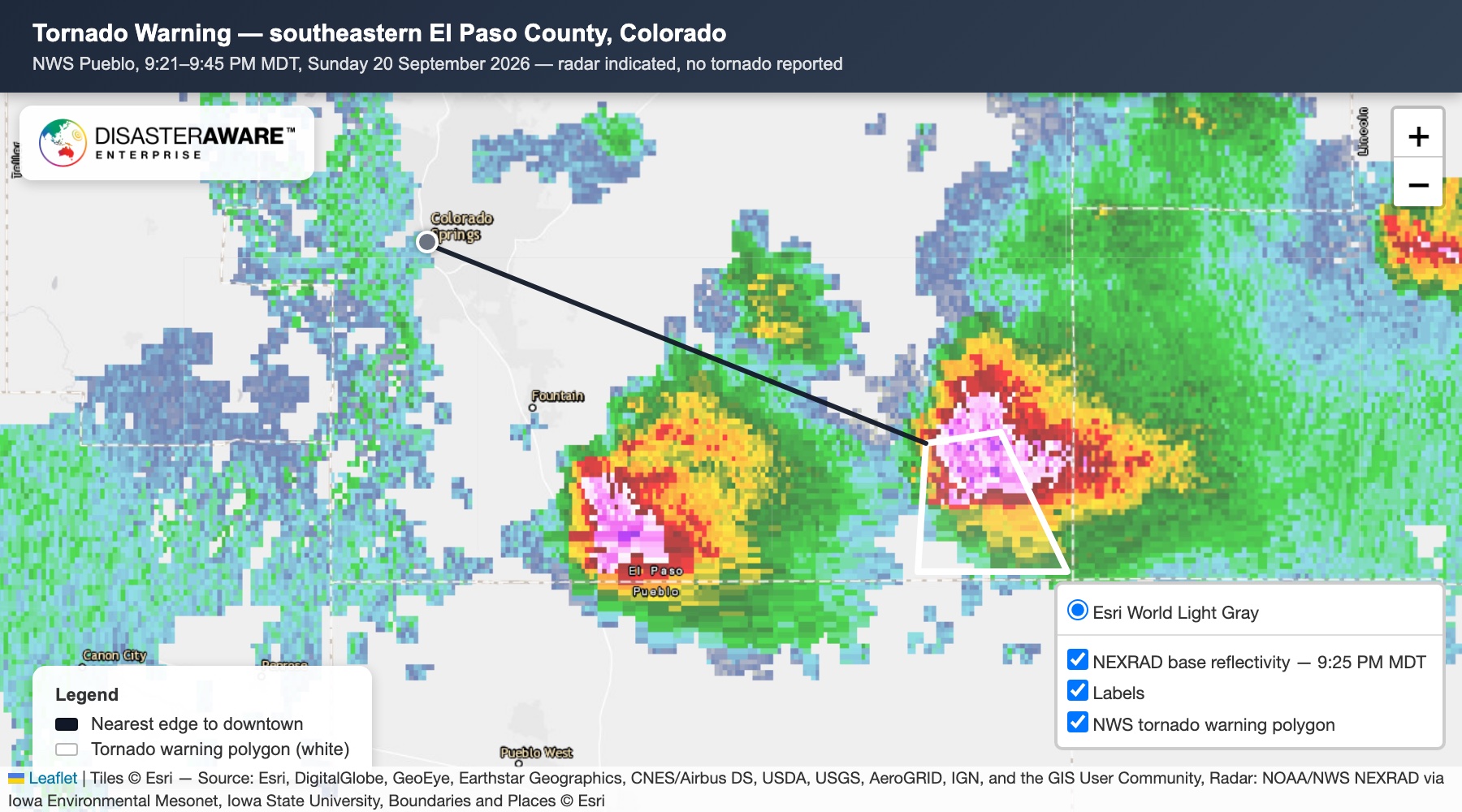
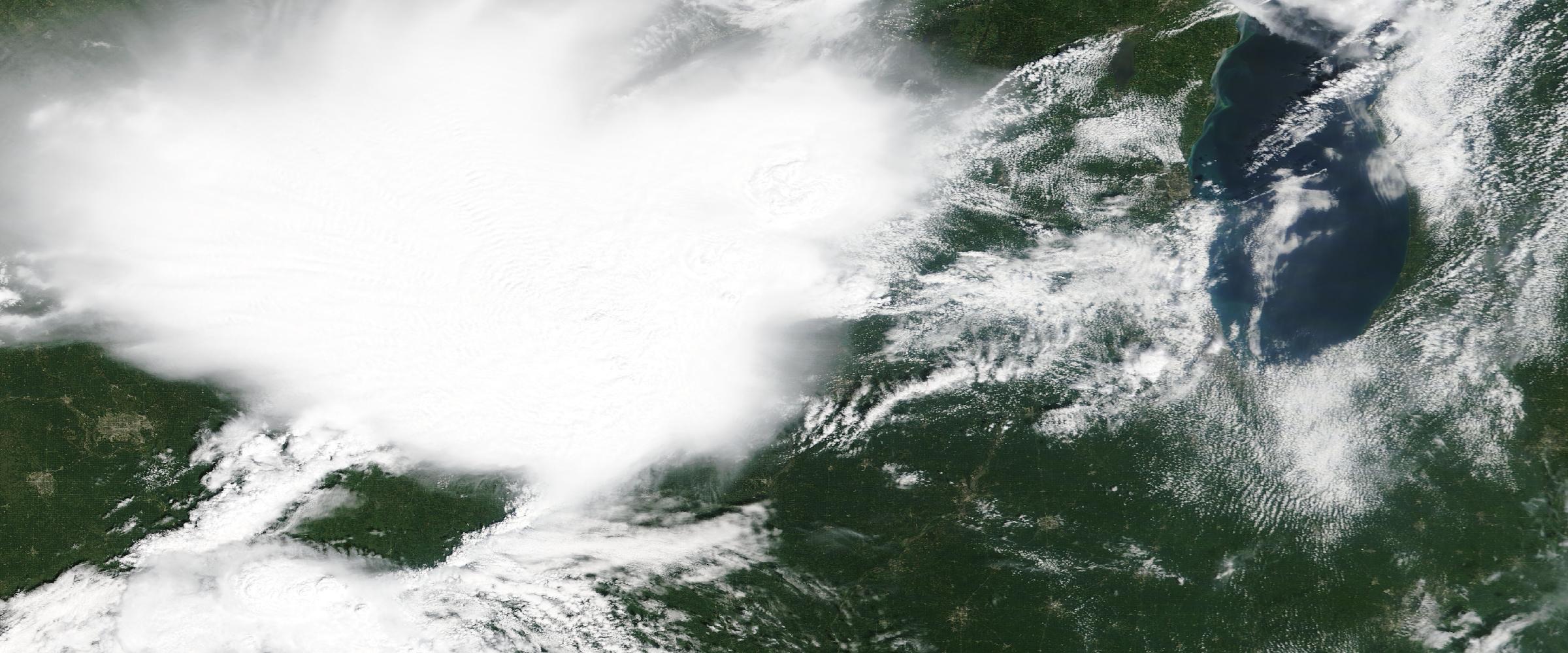
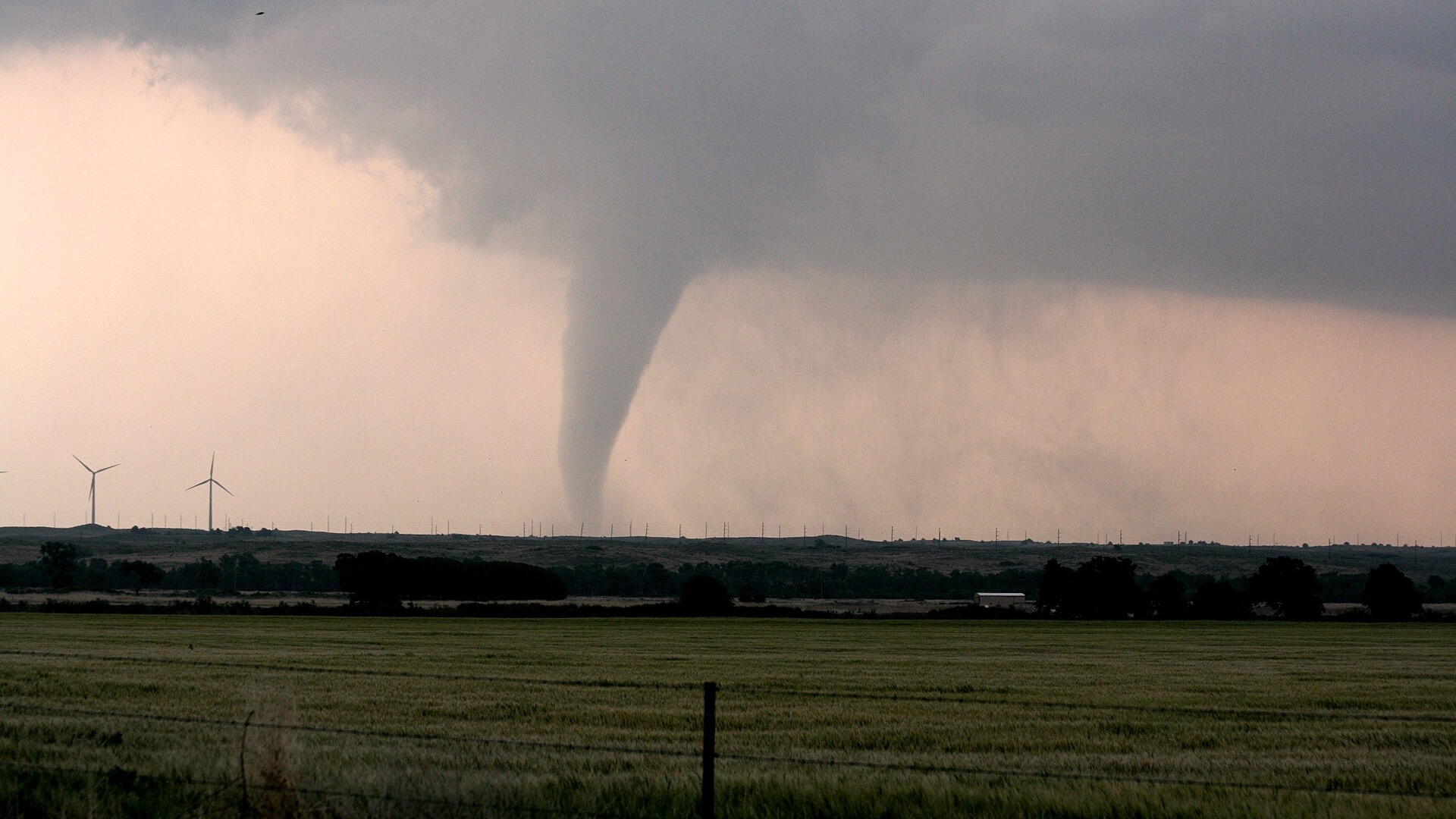
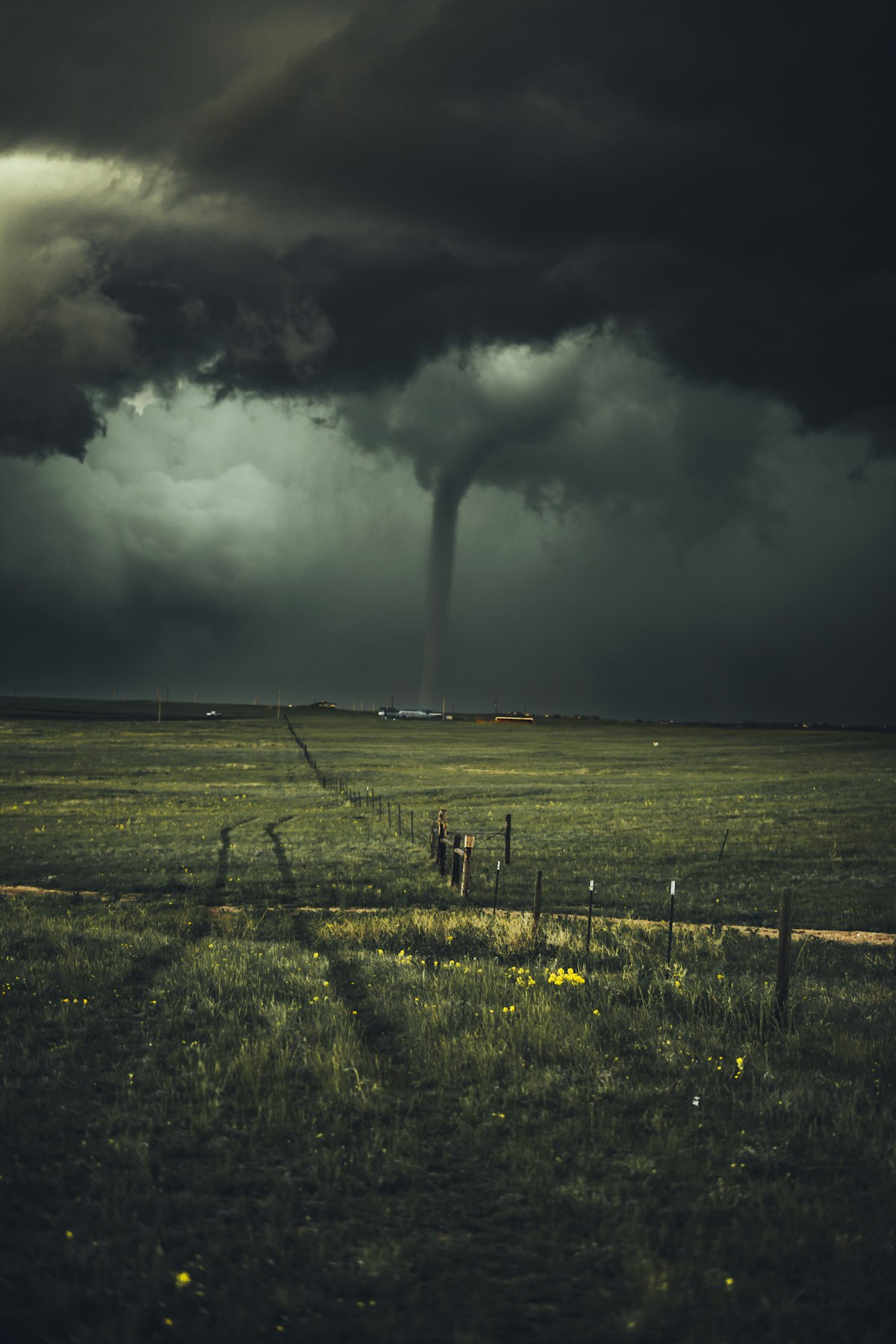
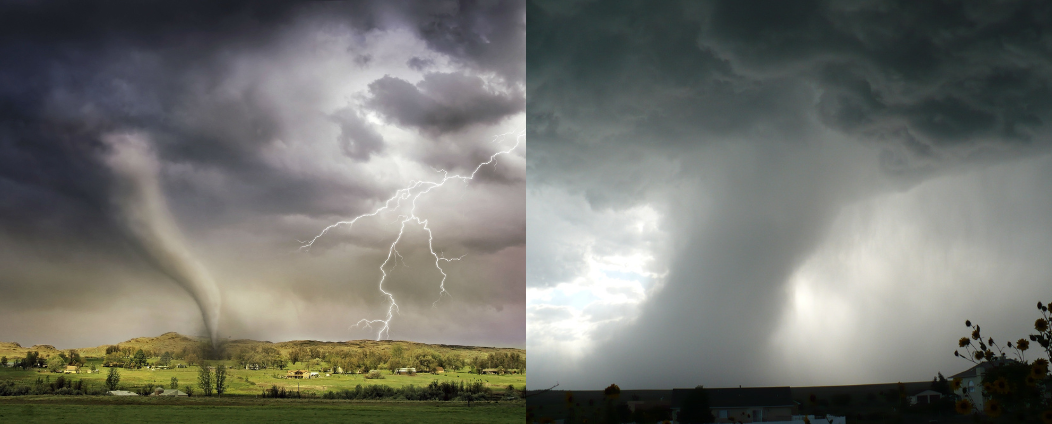
The actual event may differ from what a model anticipated in numerous ways. A storm may take a different track. A wildfire may expand in an unexpected direction. Flooding may occur outside an initially expected area. A tornado may follow a localized path that affects a relatively small geographic area.
This doesn't mean the model was incorrect. The model and the event intelligence are simply describing different things. A model is designed to represent potential risk. Event intelligence is designed to describe actual events.
Event intelligence can also provide a useful real-world reference point for insurers working with catastrophe models. After a major event, insurers can examine the actual event alongside their modeled expectations.
Questions might include:
This doesn't turn event intelligence into a replacement for catastrophe modeling. Instead, it provides another source of information for understanding how modeled risk and observed events relate to one another.
Catastrophe models can simulate large numbers of potential events. Historical catastrophe intelligence provides a record of events that actually occurred.
That distinction can be useful when insurers want to examine real-world catastrophe history.
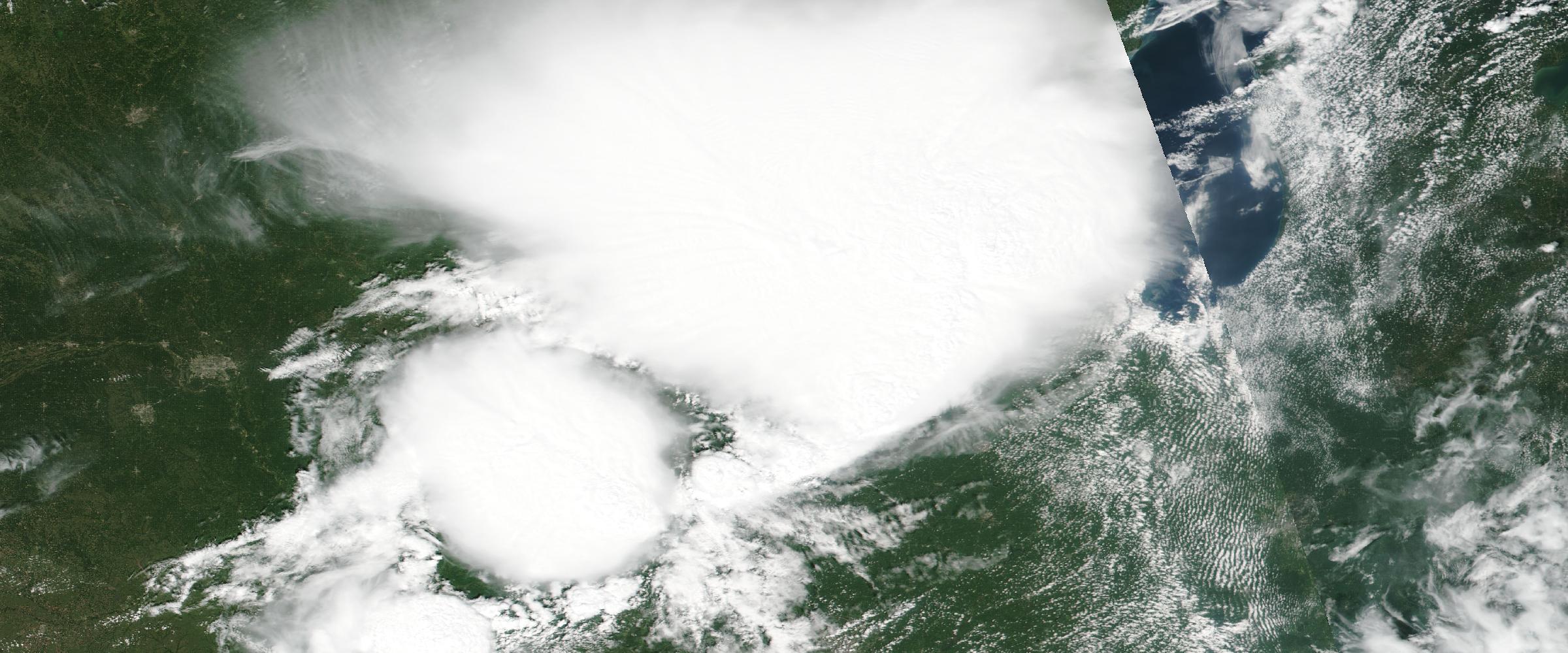
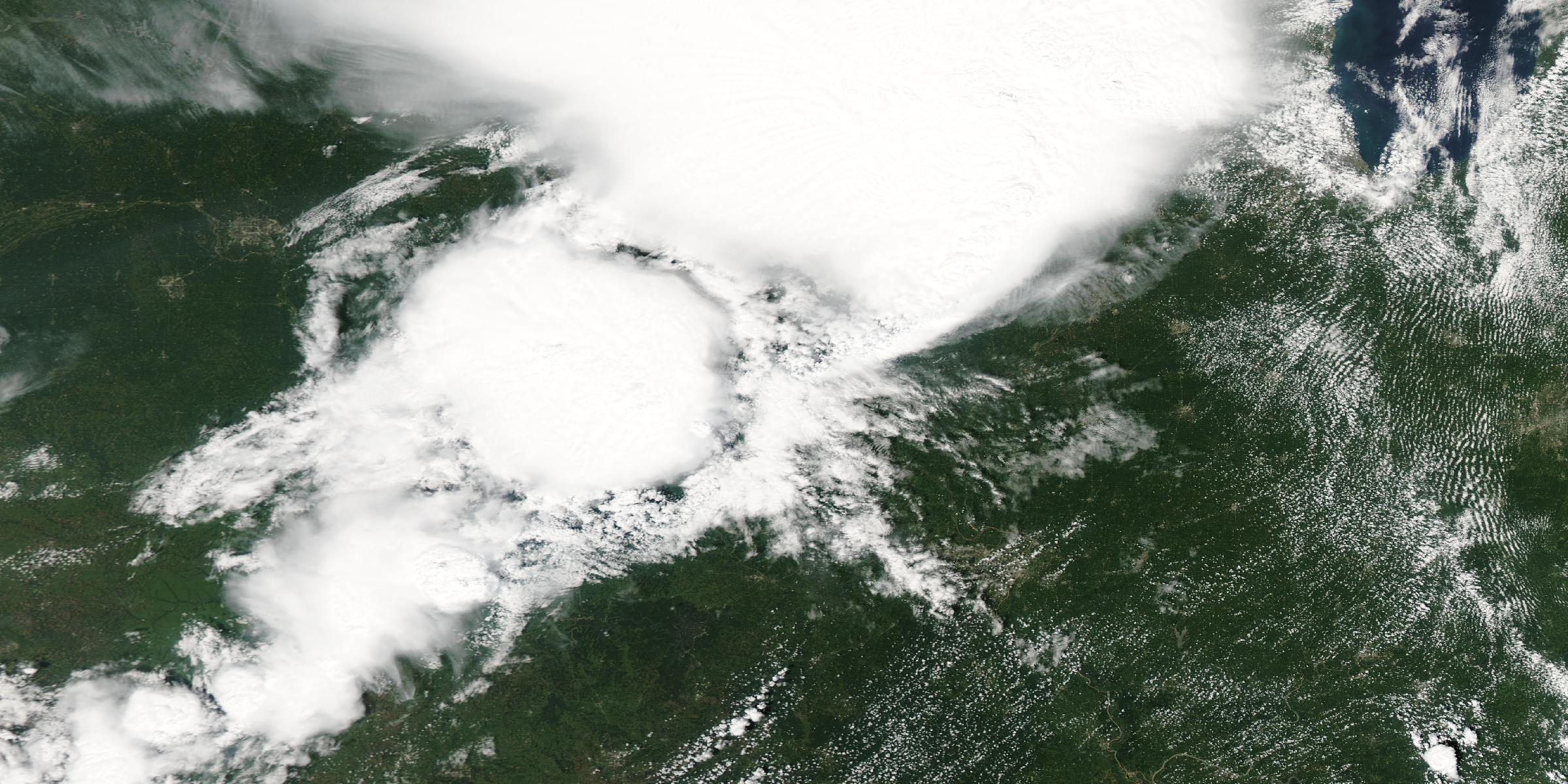
For example, an insurer could investigate the actual tornado events that occurred around a particular market over the past several decades. Or it could examine historical wildfire footprints around a portfolio. Or it could analyze actual flood events and compare them with historical portfolio locations.
This creates an empirical view of catastrophe activity that can complement modeled risk analysis.
Think of catastrophe modeling and catastrophe intelligence as two different lenses.
Catastrophe modeling provides a probabilistic lens. It helps insurers understand the range of events that could occur and the potential financial consequences.
Catastrophe intelligence provides an event lens. It helps insurers understand the specific catastrophes occurring in the real world and the information available about those events.
One is primarily scenario-driven. The other is primarily event-driven.
One helps quantify potential risk. The other helps contextualize actual risk events.
Neither needs to replace the other.
The most useful approach for many insurers may be to connect the two capabilities rather than treating them as alternatives.
A simplified workflow might look like this:
Modeled Risk → Actual Event → Event Intelligence → Portfolio Exposure → Claims and Impact
Before an event, catastrophe modeling can help establish the insurer's broader risk landscape. When an event occurs, catastrophe intelligence can provide information about the specific catastrophe. That event information can then be connected to the insurer's exposure. Claims and other loss information can subsequently provide additional evidence about the event's impact.
Together, these layers can give insurers both a forward-looking view of potential risk and a real-world view of actual catastrophe activity.
Insurance companies don't have to choose between catastrophe modeling and catastrophe intelligence. They serve different purposes.
Catastrophe modeling helps insurers understand the risks they could face. Catastrophe intelligence helps them understand the catastrophes they actually face.
That distinction becomes increasingly important as insurers seek more granular information about natural catastrophes and their portfolios. The future of catastrophe risk management is unlikely to depend on a single source of information. Instead, insurers can combine modeled scenarios, observed events, exposure data, claims information, imagery, and other sources to develop a more complete understanding of both potential catastrophe risk and real-world catastrophe activity.
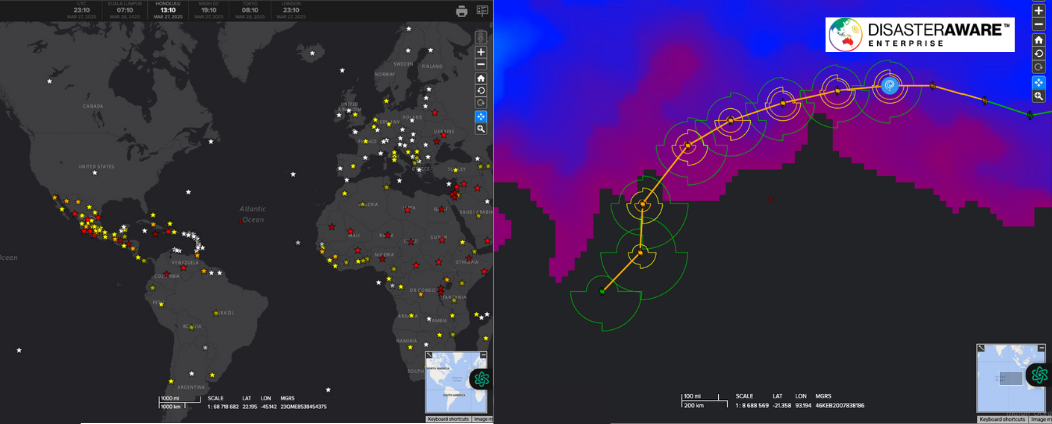
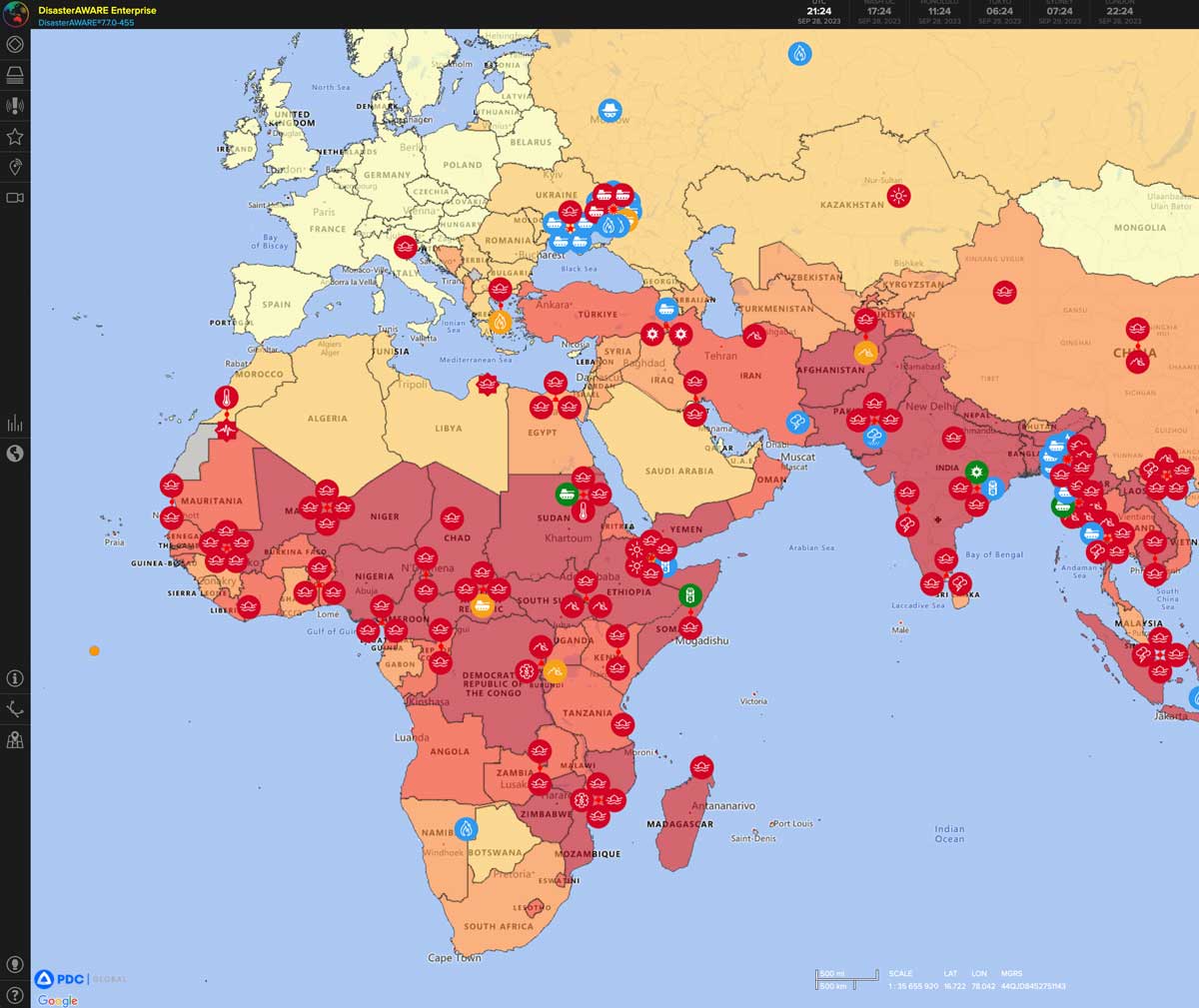
DisasterAWARE provides real-time and historical natural catastrophe intelligence designed to complement the other analytical tools insurers already use.
The platform focuses on actual catastrophe events, combining authoritative data sources, geospatial information, satellite and observational intelligence, and event-level data to help insurers understand what happened, where it happened, and which locations may have been affected.
For insurers, that creates an event intelligence layer that can sit alongside catastrophe models, exposure systems, claims platforms, and other risk analytics.
Explore the historical record
Decades of reconstructed, verified catastrophes — browse the Historical Event Intelligence overview, or request sample data for your own portfolio.
What is the difference between catastrophe intelligence and catastrophe modeling? Catastrophe modeling estimates potential events and their financial consequences by simulating many possible scenarios. Catastrophe intelligence describes actual events — where they occurred, their observed footprint and which locations may have been affected. One looks forward; the other looks at what happened.
Does catastrophe intelligence replace catastrophe models? No. They answer different questions. Models support portfolio planning, capital and reinsurance decisions; event intelligence supports event response, claims and historical analysis. Insurers get the most from connecting the two.
If a real event differs from what a model anticipated, was the model wrong? Not necessarily. A model represents a scenario or a distribution of possible scenarios; an event intelligence record represents an observed event. A storm taking a different track describes a different thing, not a failed model — and comparing the two after an event adds useful context.









-min.png)
.png)
.png)


Decision-ready intelligence for understanding what's happening, what is impacted, and what to do next. Global hazard, severe weather, catastrophe, and physical risk intelligence trusted by governments, enterprises, insurers, humanitarian organizations, and technology platforms worldwide.
Request DemoContact Us

