



March 23, 2026 — DisasterAWARE Intelligence Report
Just days after Hawaii began assessing damage from the first Kona Low system that struck March 9-15, a second powerful storm system slammed the islands beginning March 19 — inundating communities still recovering, overwhelming already saturated watersheds, and pushing total damage estimates past $1 billion. Governor Josh Green called it "the largest flood that Hawaii has seen in 20 years."
This update extends our earlier coverage of the March 2026 Kona Low flooding, which documented the first wave of destruction. The second wave proved equally devastating — and in some cases worse — as ground saturated by the first storm could no longer absorb rainfall, turning even moderate precipitation into dangerous flash floods.
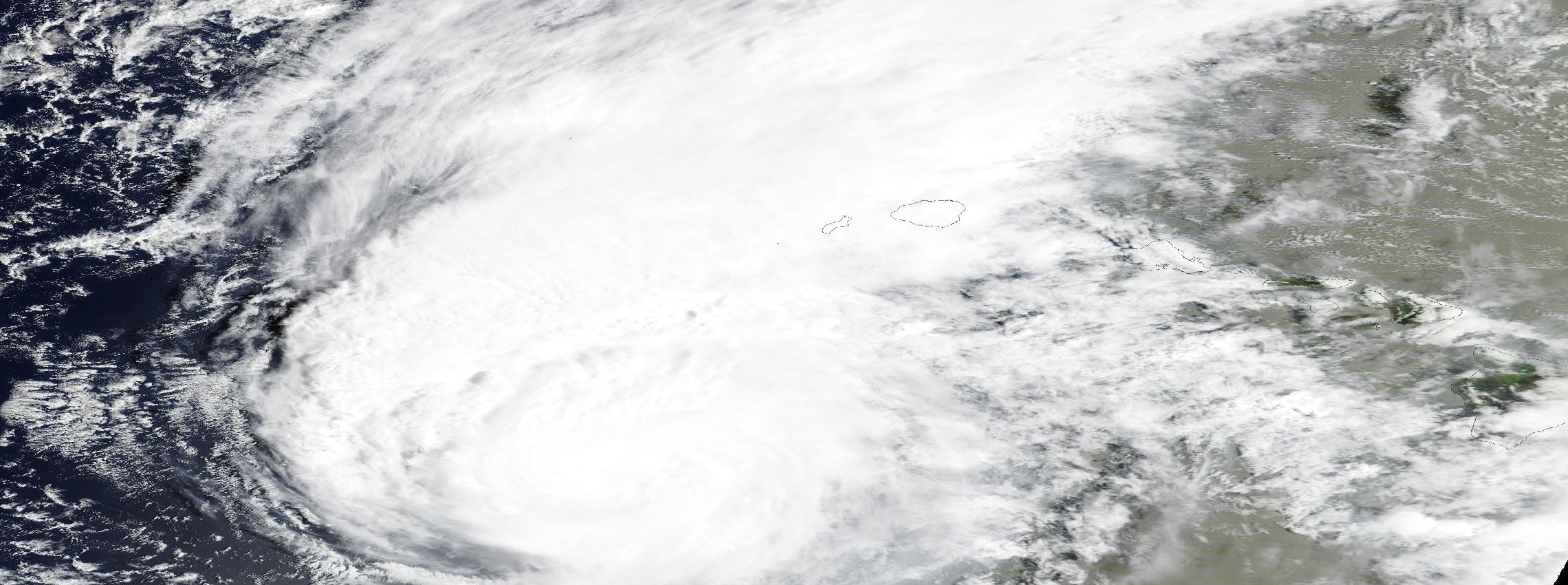
The second Kona Low system arrived on March 19, bringing another round of heavy rainfall to islands where soil was already waterlogged and streams were running high. The compounding effect was immediate and severe. Areas that had just begun cleanup from the first storm were flooded again, and the dual-system pattern — two major Kona Lows within 10 days — is considered highly unusual by National Weather Service meteorologists.
Between March 16 and 23, the NWS Honolulu Forecast Office issued 12 Flash Flood Warnings and 21 Flood Advisories across the island chain. USGS stream gauges recorded extreme readings at 15 stations, with Wahiawa Reservoir on Oahu peaking at a staggering 85.29 feet — levels that prompted emergency evacuations of thousands of residents.
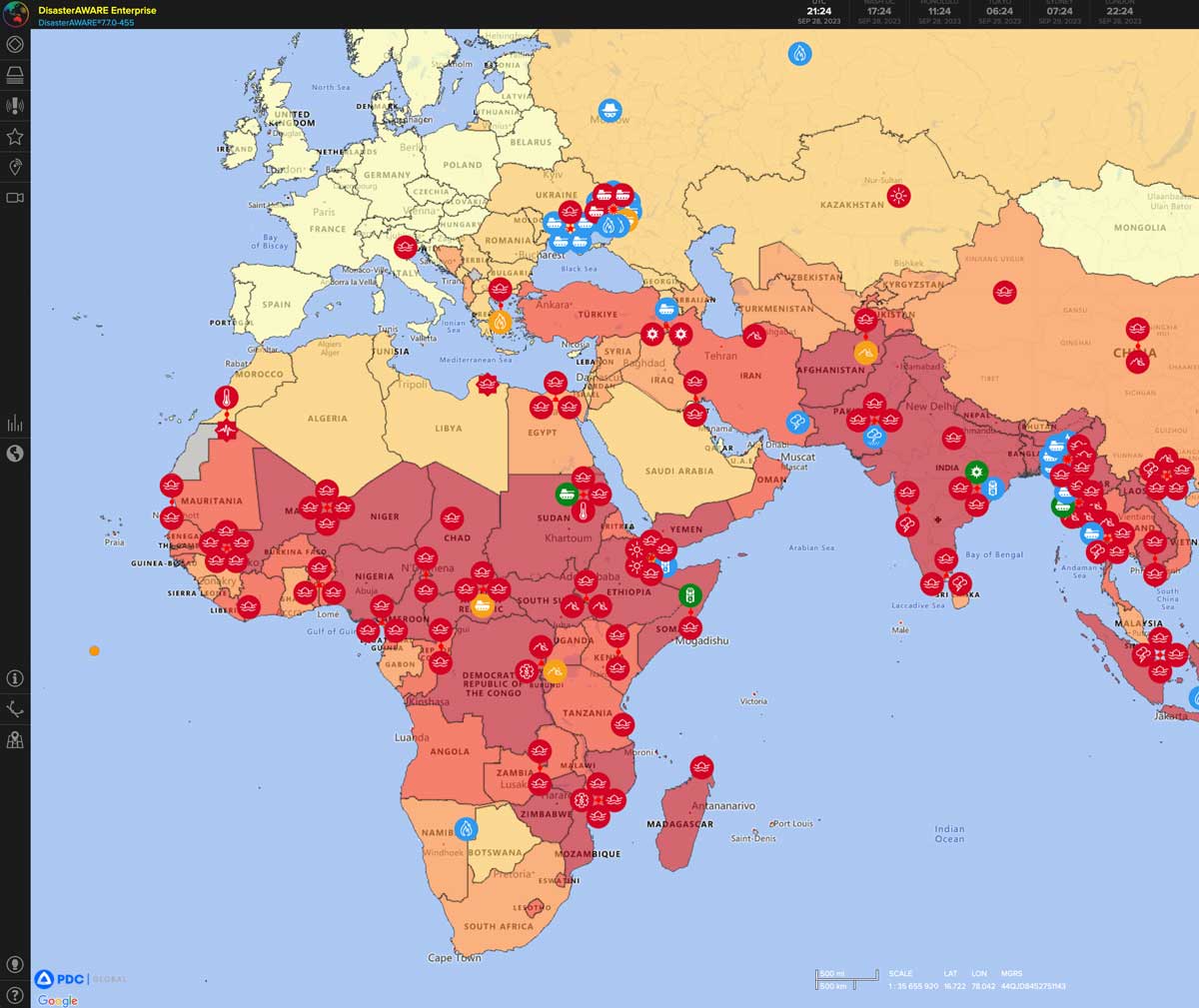
See events like this as they unfold
DisasterAWARE Enterprise monitors 30+ hazard types worldwide in real time — with the population, infrastructure, and assets exposed under each one.
Explore the interactive map below to see Flash Flood Warnings, road closures, stream gauge readings, and local storm reports from the second week of flooding. Click any marker for details.
This map covers March 16-23, 2026. View our Week 1 map (March 9-15) for the first Kona Low event.
The most dramatic impacts during the second wave hit Oahu's North Shore, where the historic town of Haleiwa was completely cut off by floodwaters on March 20. Multiple emergency management reports confirmed that all roads in and out of the community were impassable.
The scene was dire:
Approximately 5,500 residents were evacuated from Oahu's North Shore during peak flooding, with many taken to the Leilehua High School cafeteria in Wahiawa. The state launched a hotel discount program for displaced Oahu residents on March 21.
The flooding raised urgent concerns about aging dam infrastructure. Wahiawa Dam — a 120-year-old structure in Central Oahu — saw water levels rise dramatically as the Kaukonahua watershed received torrential rainfall. Authorities warned of potential structural failure, prompting the evacuation of more than 5,000 residents in surrounding communities.
Stream gauges in the Wahiawa watershed told the story of extraordinary water volumes:
The dam held, but the incident exposed vulnerabilities in Hawaii's aging water infrastructure and has already prompted calls for increased maintenance funding and structural assessments.
On Maui, the second storm system brought another round of flooding to communities still reeling from the first — and from the devastating August 2023 wildfire. West Maui bore the brunt once again:
The Wailuku River at Kepaniwai Park reached EXTREME status, and Kahoma Stream at Lahaina surged to EXTREME readings — both indicators of the severe runoff from West Maui's steep, fire-scarred terrain.
Molokai faced its own crisis as Kamehameha V Highway — the island's primary east-west corridor — was closed from Mile 0.5 to Mile 10 by flooding, debris, and a major landslide at Mile 7.5. A broken culvert at Mile 12.5 compounded the damage. Road crews were limited to local traffic only as they worked to clear the massive slide.
The Waikolu Stream below the pipe near Kalaupapa hit EXTREME status, and flooding along the highway between Kaunakakai and Pukoo made travel impossible for days. All five Molokai public schools were closed.
The second week of flooding produced 32 documented road closures across four islands — a significant escalation from Week 1. Key closures included:
Emergency responders conducted 233 rescues across the state during the flooding events. Remarkably, no deaths have been confirmed, but one person remains missing:
A 71-year-old woman disappeared near Waiehu Bridge on Maui on March 21 after falling into the rapidly flowing Wailuku (Iao) River while gathering water. Search operations involving Maui Police, Maui Fire Department helicopters, and jet ski units have produced no results through March 23. The search continues.
Schools: 13 schools were closed statewide, including all Molokai public schools, four North Shore Oahu schools (compounded by a boil water notice), and three Big Island schools. Konawaena High School was transitioning to distance learning through March 30.
Agriculture: Statewide farm damages reached $7 million with over 1,000 acres affected. The most devastating individual loss was Greenwell Farms on the Big Island — a 176-year-old Kona coffee operation that suffered an estimated $10-11 million in damage. Owner Tom Greenwell lost approximately 24,000 nursery trees and expects to "lose half our crop."
Wastewater: Spills were reported on three islands. Most concerning, approximately 200,000 gallons of partially treated wastewater overflowed at the Lahaina Wastewater Reclamation Facility on March 21, with discharge reaching the ocean through storm drains — raising concerns about reef water quality in an area already stressed by recent fire runoff.
Environmental: A boil water notice was issued for North Shore Oahu communities from Waialua to Turtle Bay. Brown water advisories were posted along Big Island's southwest shorelines. University of Hawaii Sea Grant specialists warned that "increasing drought followed by heavy rains has this kind of impact — flash flooding and precipitation whiplash."
As of March 23, conditions were finally improving. The Big Island remained under a Flood Watch through Monday evening, but NWS meteorologist Derek Wroe indicated that normal trade wind weather was forecast to return by Tuesday, March 24, with no significant severe weather threats anticipated for the following week.
However, the recovery will take far longer. With damage exceeding $1 billion, a formal FEMA disaster declaration request was expected. Maui County Council had already approved $12 million for emergency storm response. The state received over 500 storm-related work orders for schools alone.
The back-to-back Kona Low pattern has also renewed discussion about climate adaptation in Hawaii. UH researchers noted that the cycle of drought followed by intense rainfall — sometimes called "precipitation whiplash" — is becoming more common, and Hawaii's fire-scarred, vegetation-stripped hillsides are now far more susceptible to flash flooding and sediment runoff than they were before the 2023 wildfires.
Multi-week flooding events like Hawaii's dual Kona Low crisis illustrate why organizations need persistent, real-time hazard monitoring — not just alerts for individual storms. DisasterAWARE Enterprise provides:
When disaster strikes — and especially when it strikes again before recovery is complete — having the right intelligence platform makes the difference between reacting and responding.
Start your free trial of DisasterAWARE Enterprise to see how real-time hazard intelligence can protect your organization.
Data sources: NWS Honolulu Forecast Office, USGS National Water Information System, IEM Storm-Based Warning Archive, Hawaii Emergency Management Agency, Hawaii News Now, Maui Now, Big Island Now, Honolulu Star-Advertiser, Governor Josh Green's Office







-min.png)

.png)
.png)



Decision-ready intelligence for understanding what's happening, what is impacted, and what to do next. Global hazard, severe weather, catastrophe, and physical risk intelligence trusted by governments, enterprises, insurers, humanitarian organizations, and technology platforms worldwide.
Request DemoContact Us

