


Why Reconstructing Historic Disasters Is Becoming Essential for Enterprise Resilience
Over the past two decades, organizations have transformed how they understand risk.
They've invested in predictive analytics. Artificial intelligence. Climate models. Digital twins. Real-time monitoring. Early warning systems.
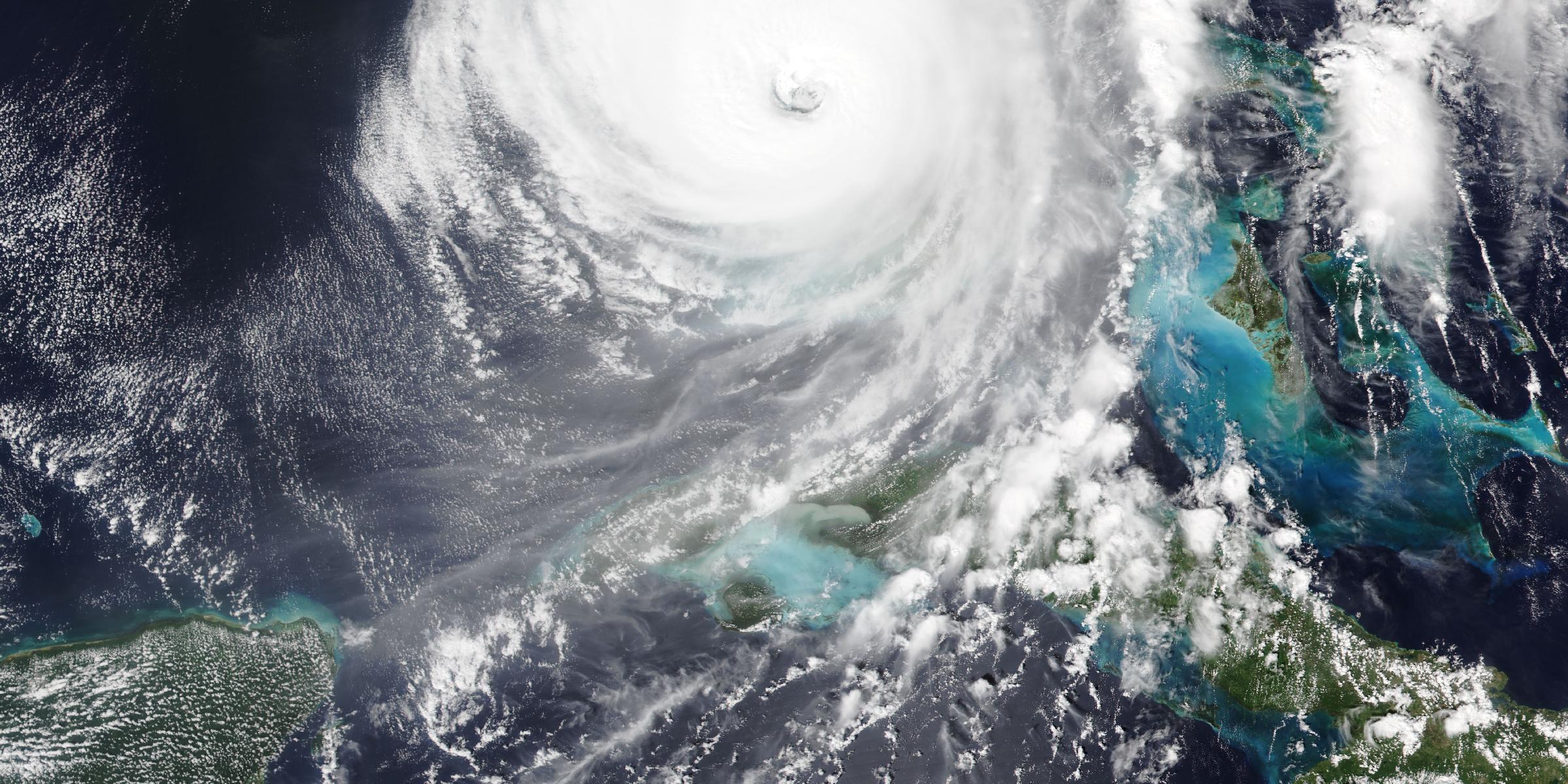
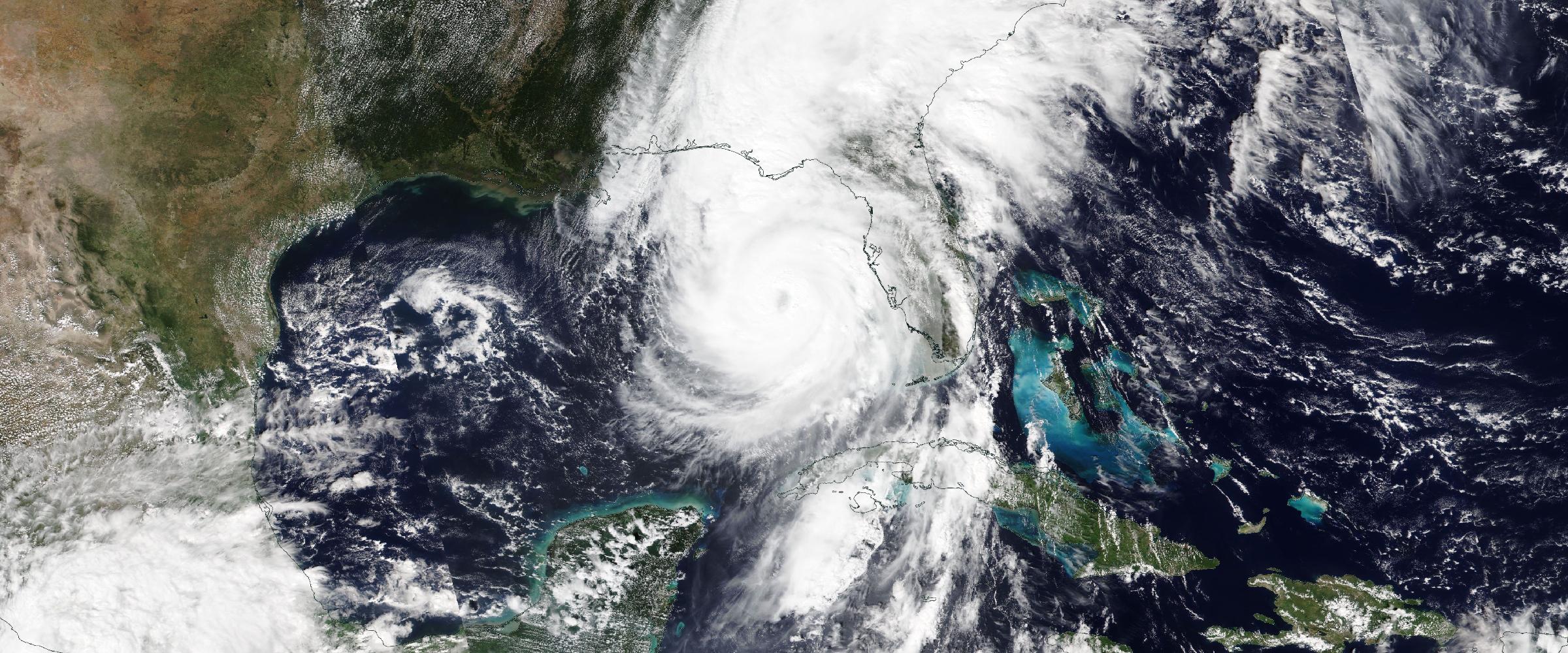
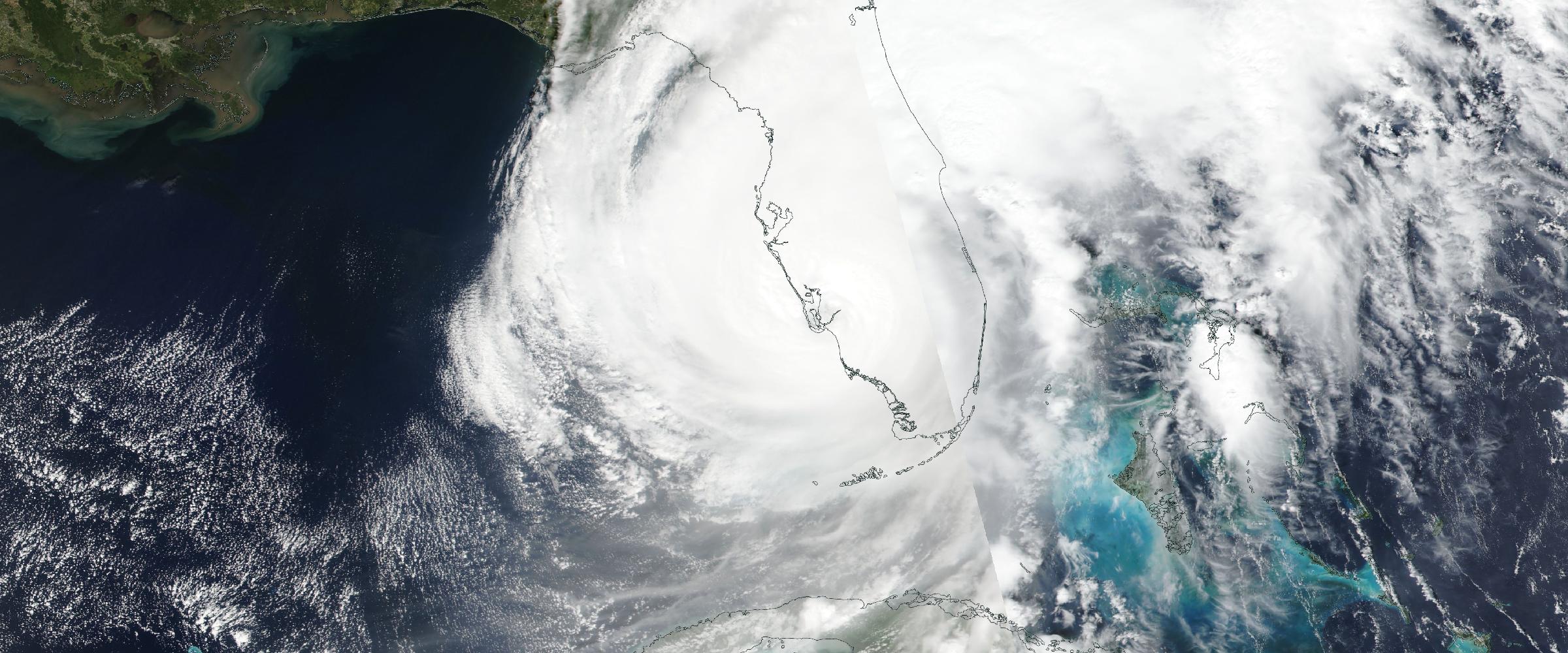
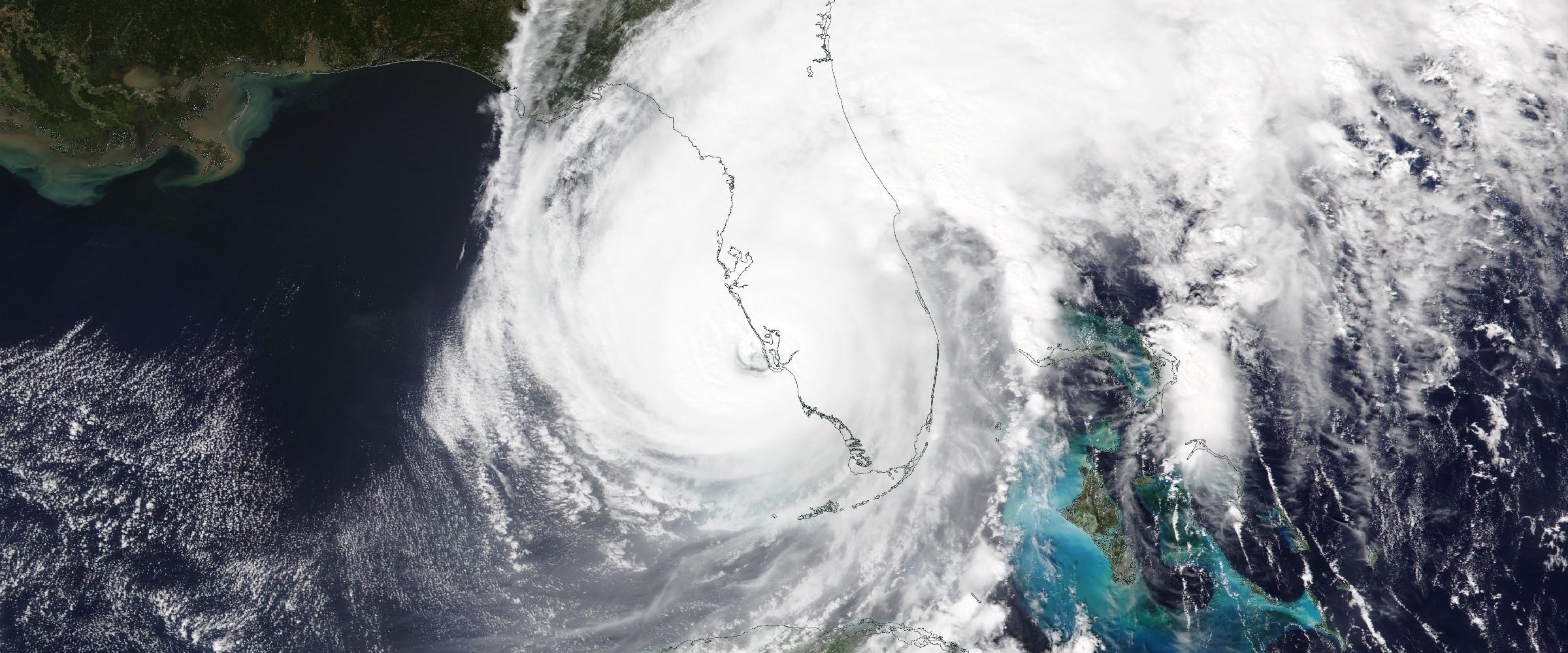
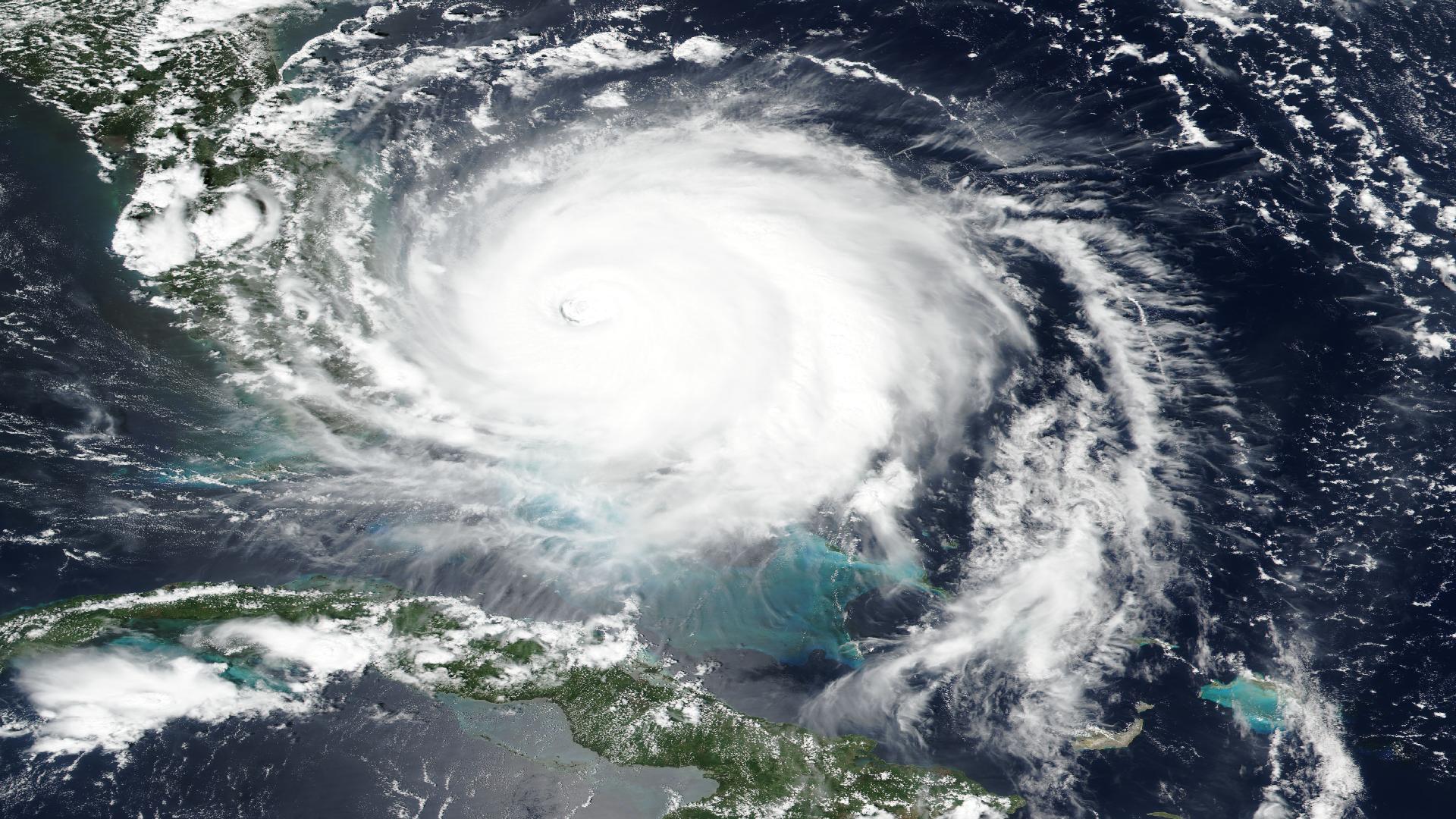
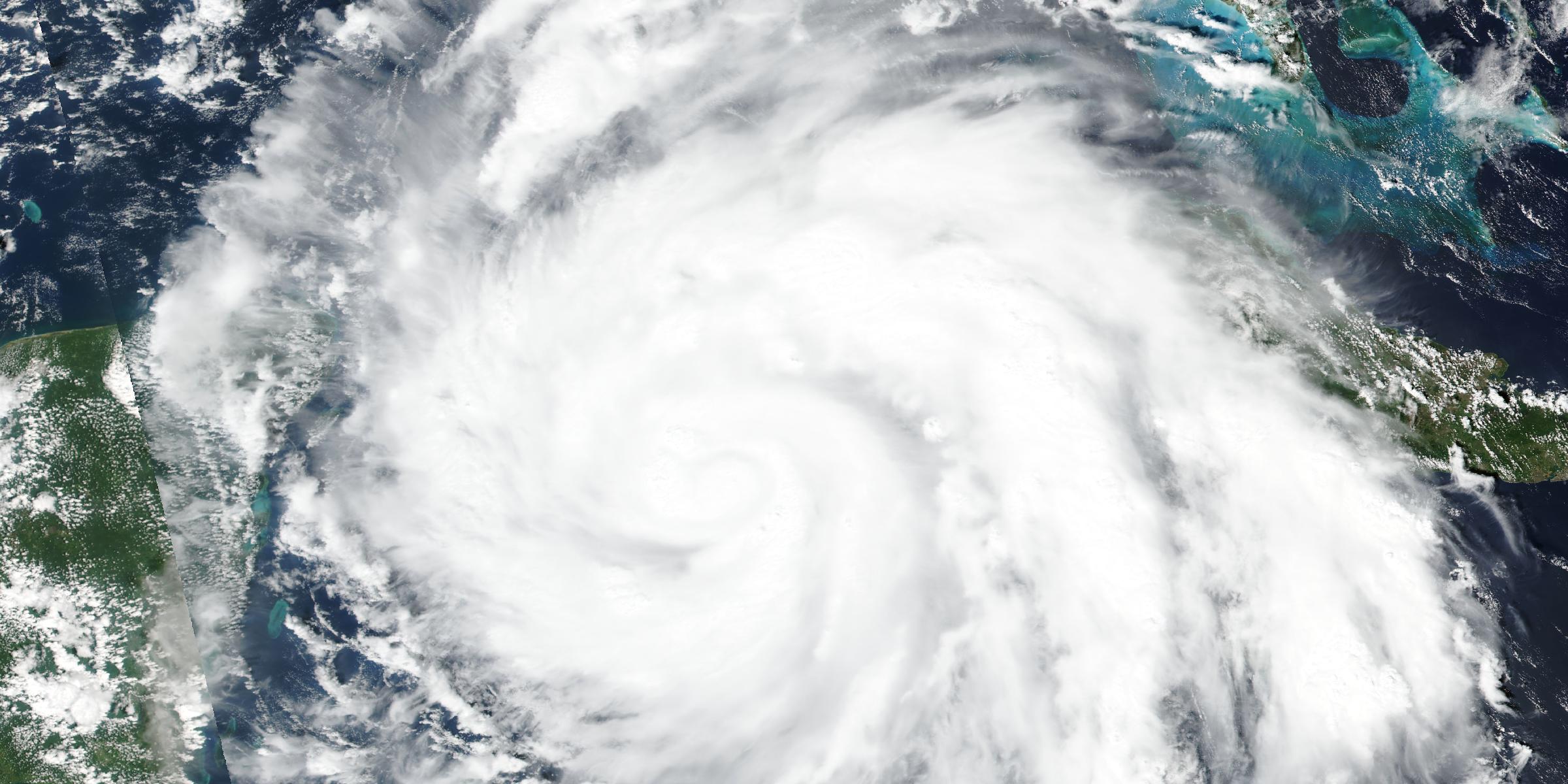
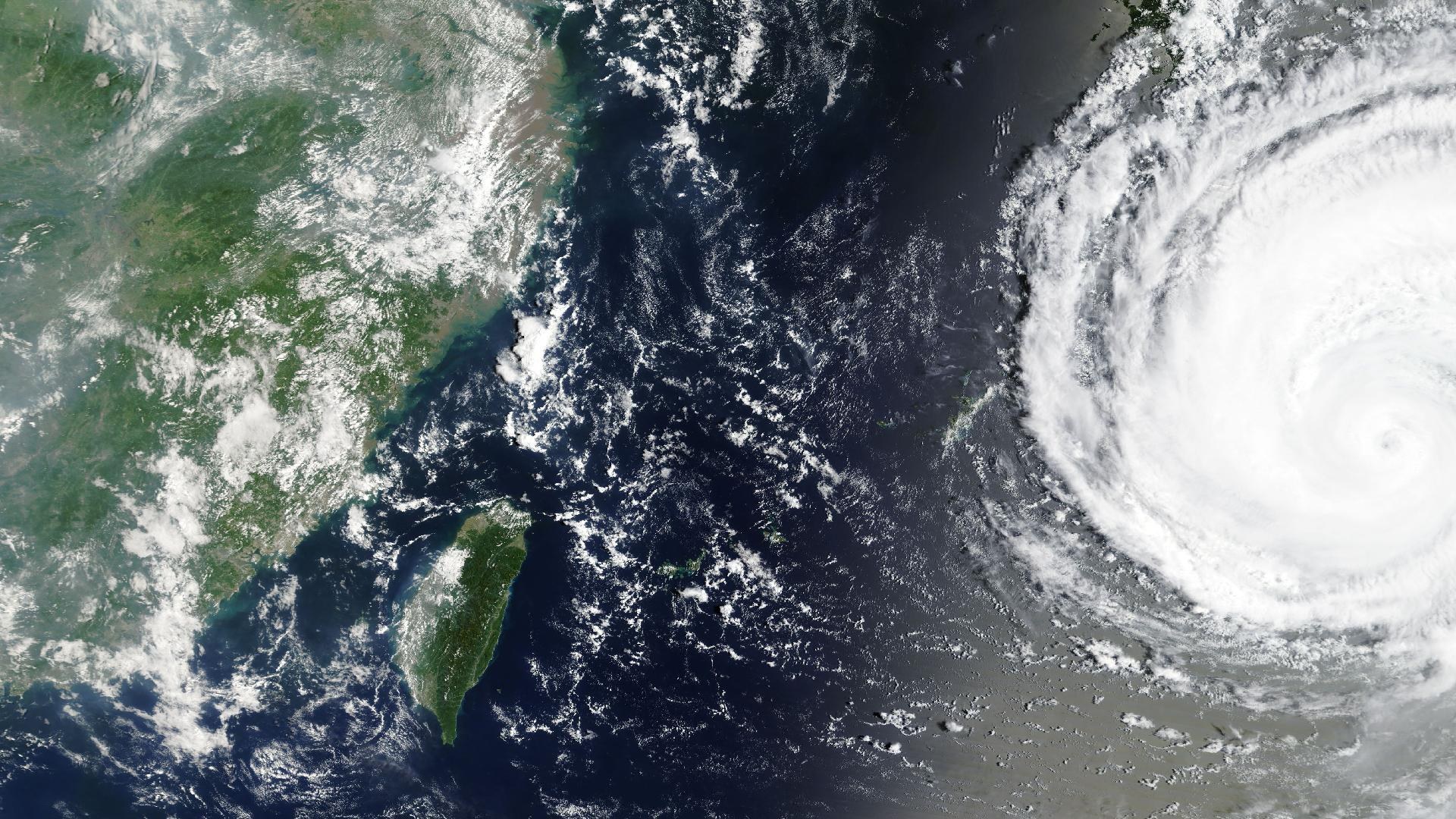
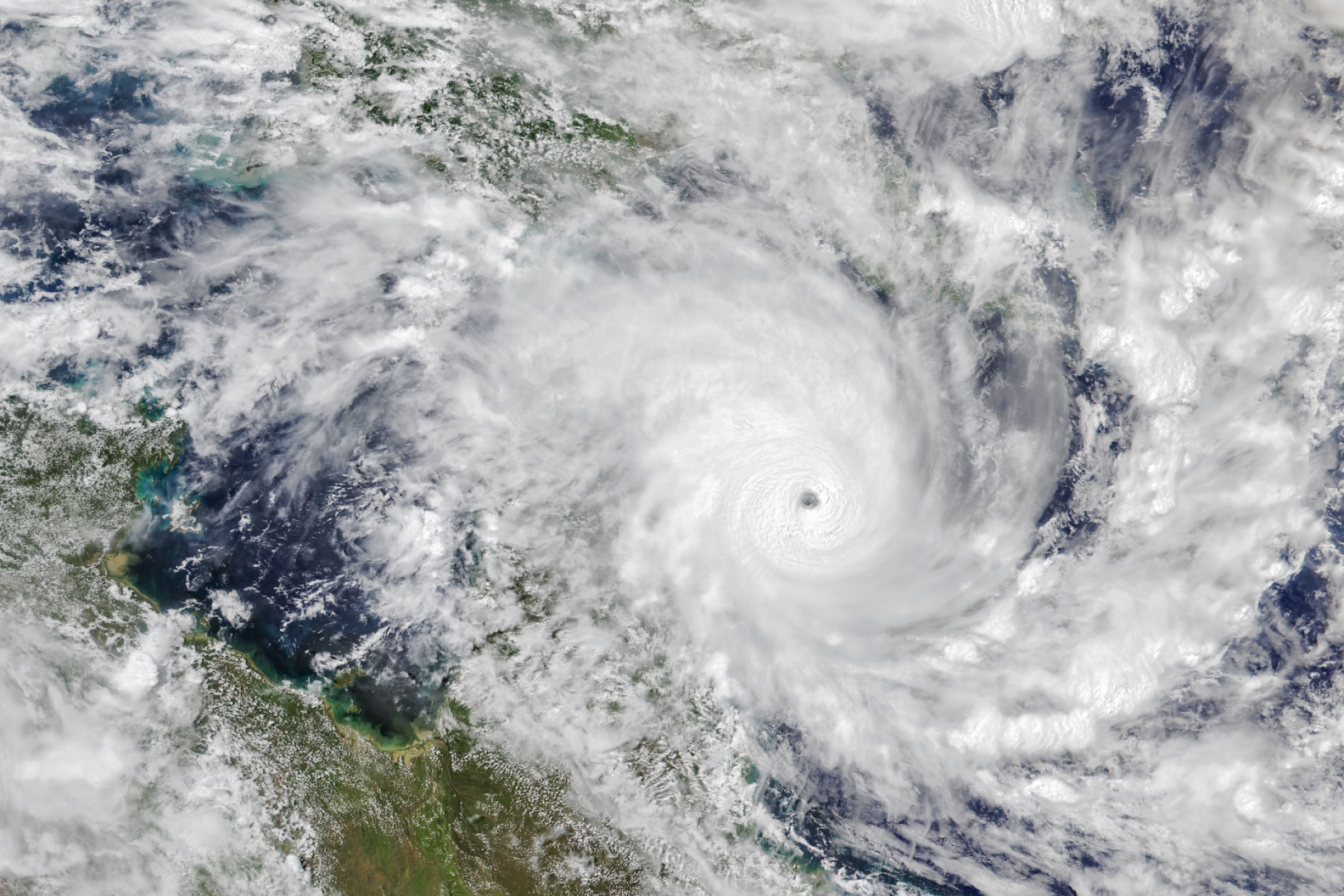
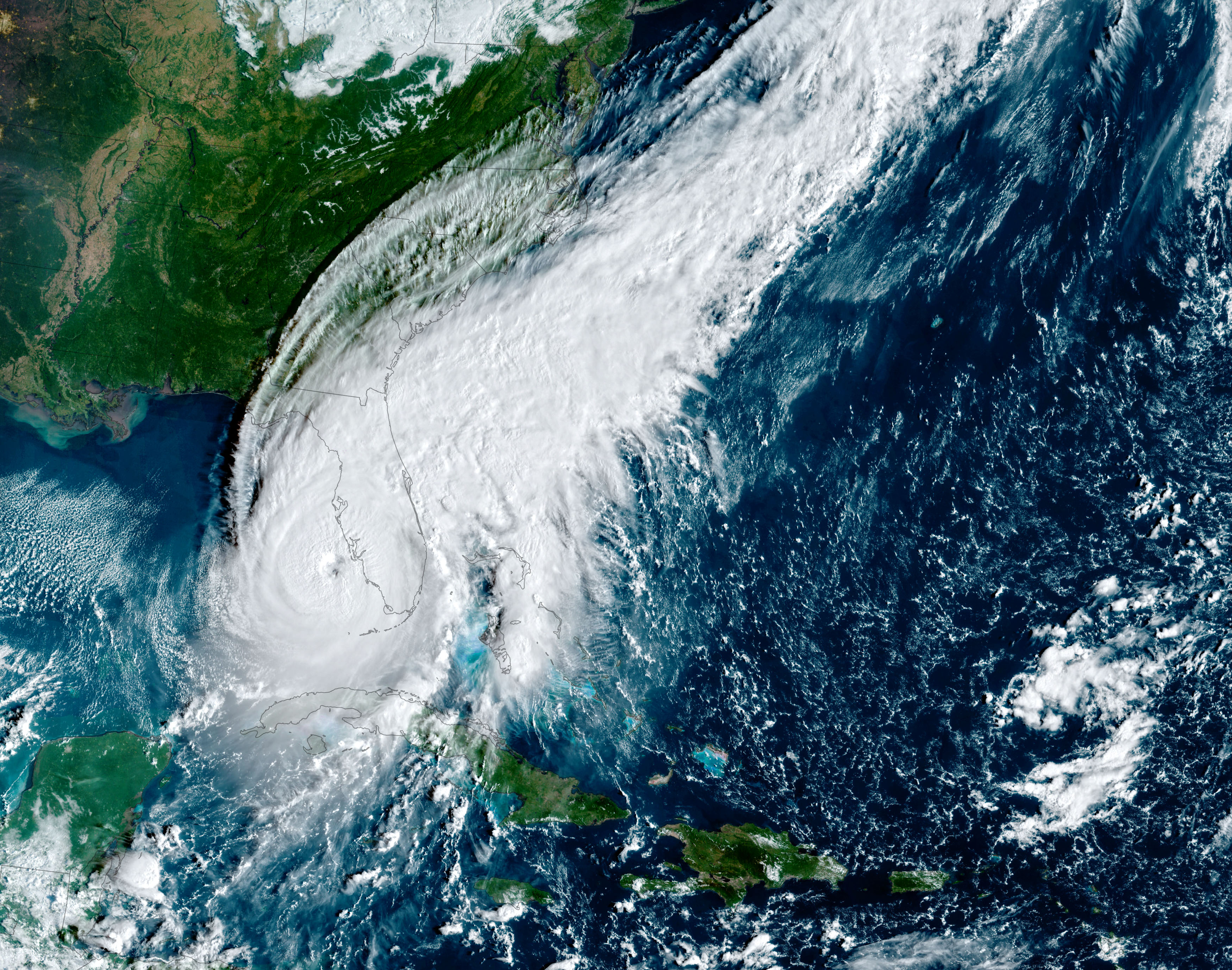
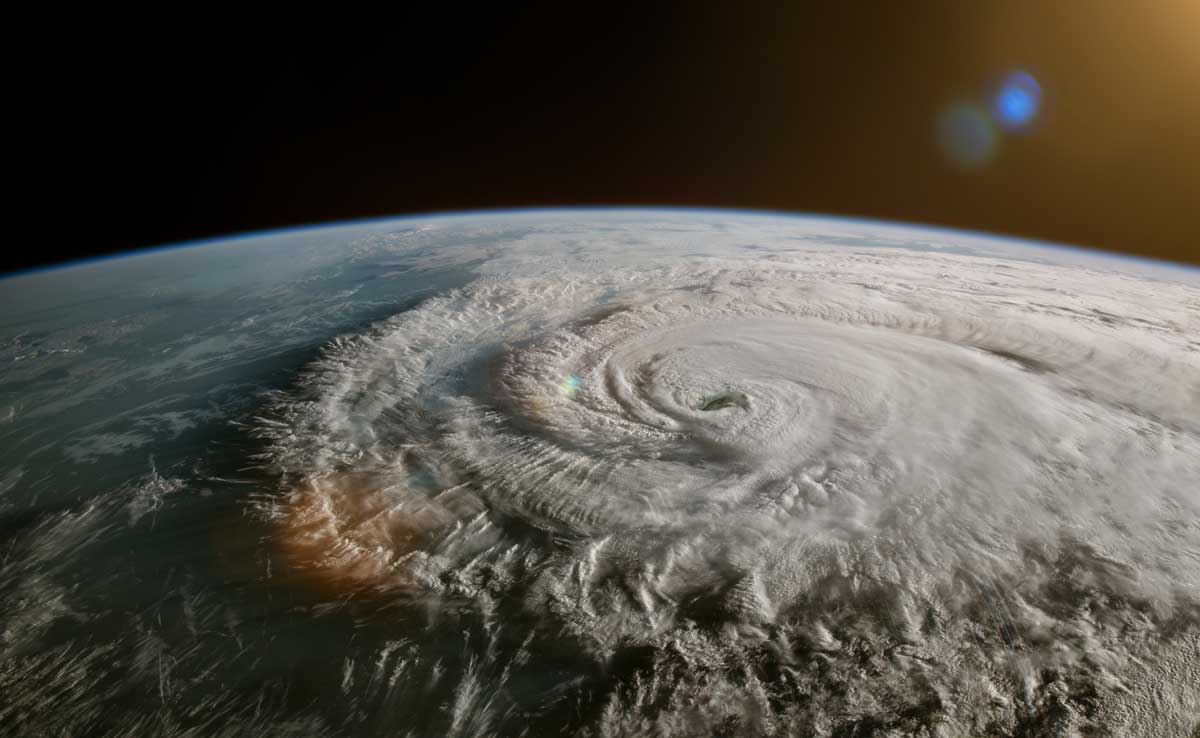
Banner: Hurricane Ian at Florida landfall, September 28, 2022 (NASA Worldview, VIIRS/NOAA-20). Every advisory, wind field, and landfall of storms like Ian is preserved in DisasterAWARE as a permanently reconstructed record.
These innovations have fundamentally improved our ability to anticipate future events. But one critical question remains surprisingly difficult to answer:
What actually happened?
Not what was forecast. Not what might have occurred. Not what a model predicted. What actually happened.
For decades, organizations have relied on historical weather archives, government databases, and catastrophe reports to answer that question. Yet those resources were never designed to provide a complete picture of how disasters unfold. As organizations become more data-driven and resilience becomes a board-level priority, a new category of intelligence is emerging.
We call it Historical Catastrophe Intelligence.
Historical weather data has been indispensable for meteorologists, climatologists, and researchers.
Weather stations record temperature. Satellites capture imagery. Radar measures precipitation. River gauges monitor water levels. Earthquake sensors detect seismic activity.
Each observation contributes an important piece of information. But organizations rarely make decisions using weather observations alone.
Business continuity leaders want to know whether operations were disrupted. Insurers need to understand the hazards that actually affected an insured property. Supply chain managers need to know which suppliers experienced catastrophic impacts. Banks need to understand the historical physical risks associated with collateral. Governments need to understand how communities responded and recovered.
Weather measurements alone cannot answer those questions. Historical Catastrophe Intelligence can. (We make the full argument in Why Historical Weather Data Isn't Enough.)
Every disaster leaves behind evidence.
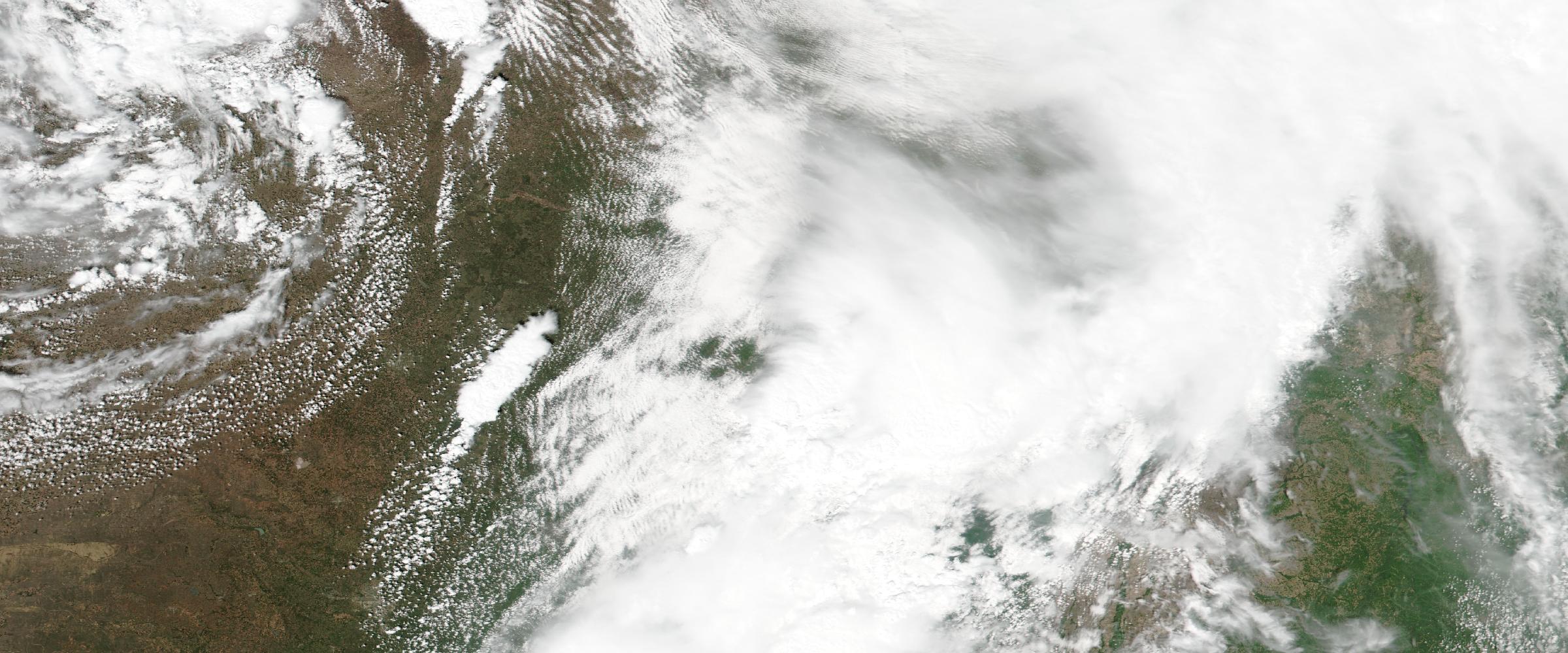
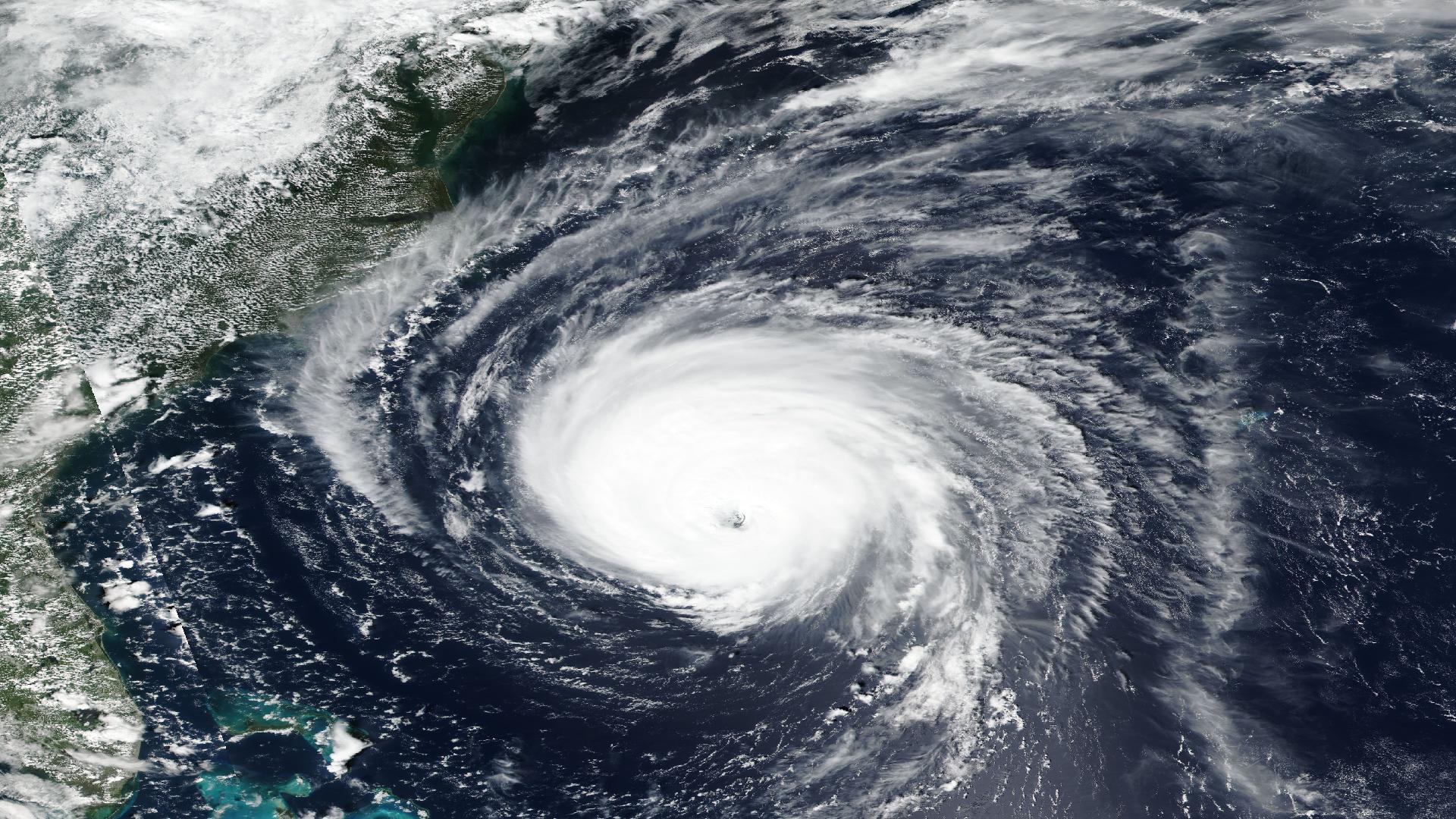
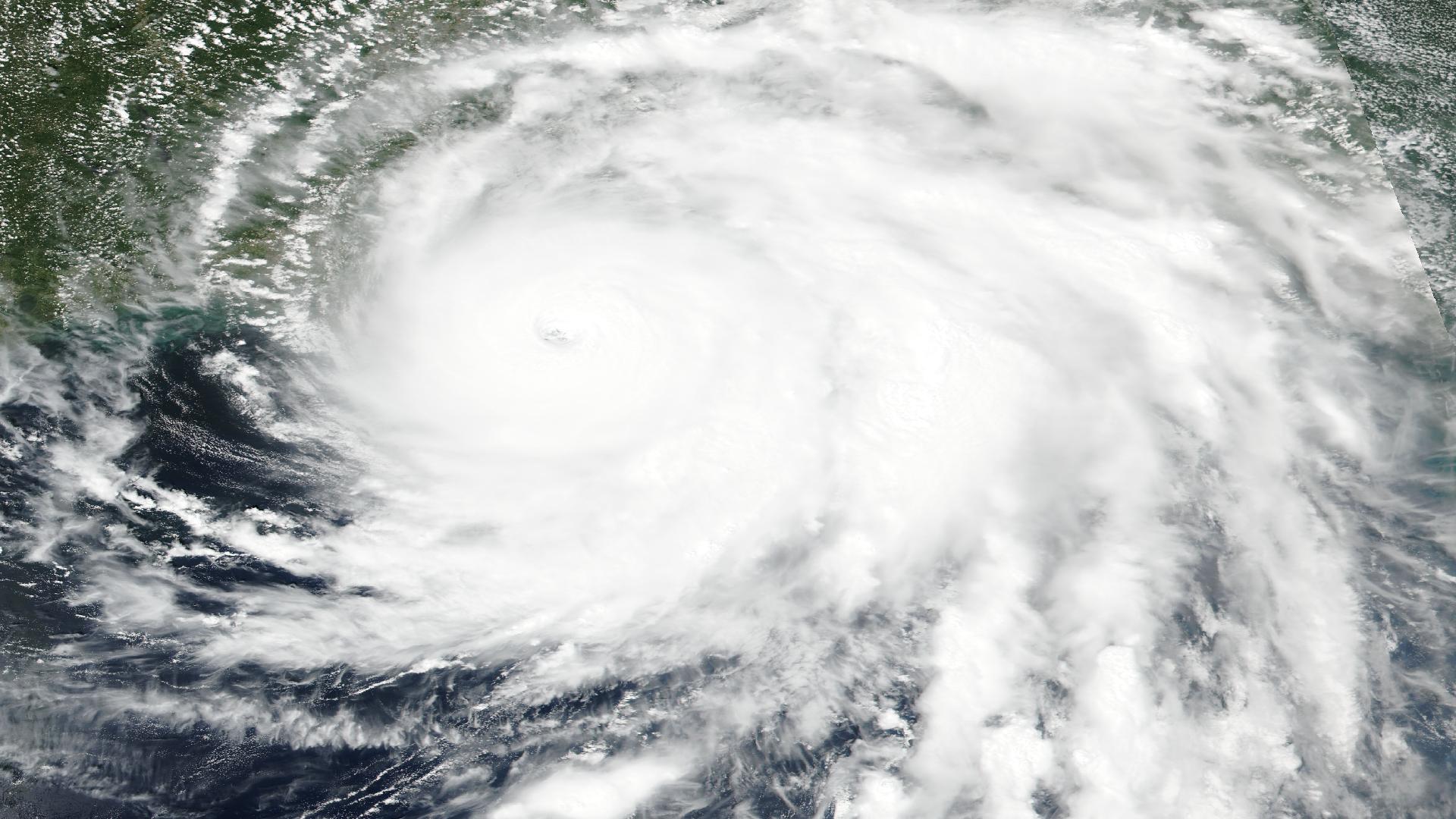
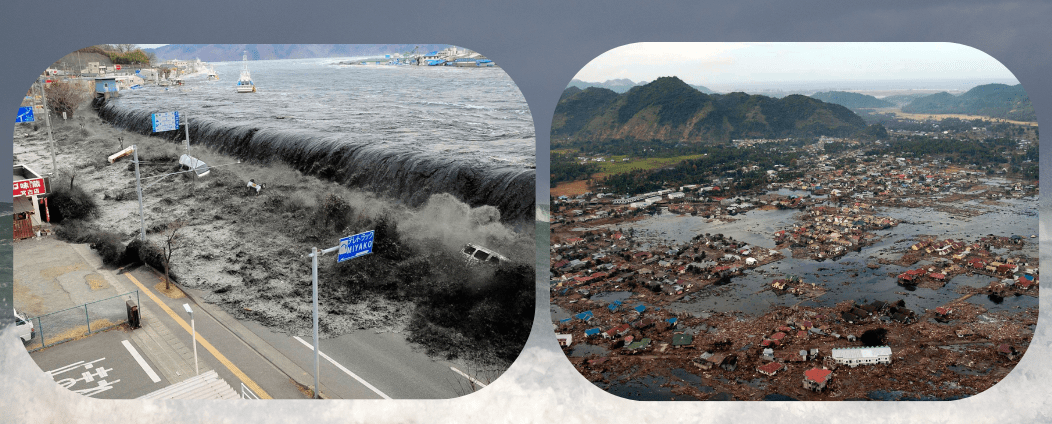
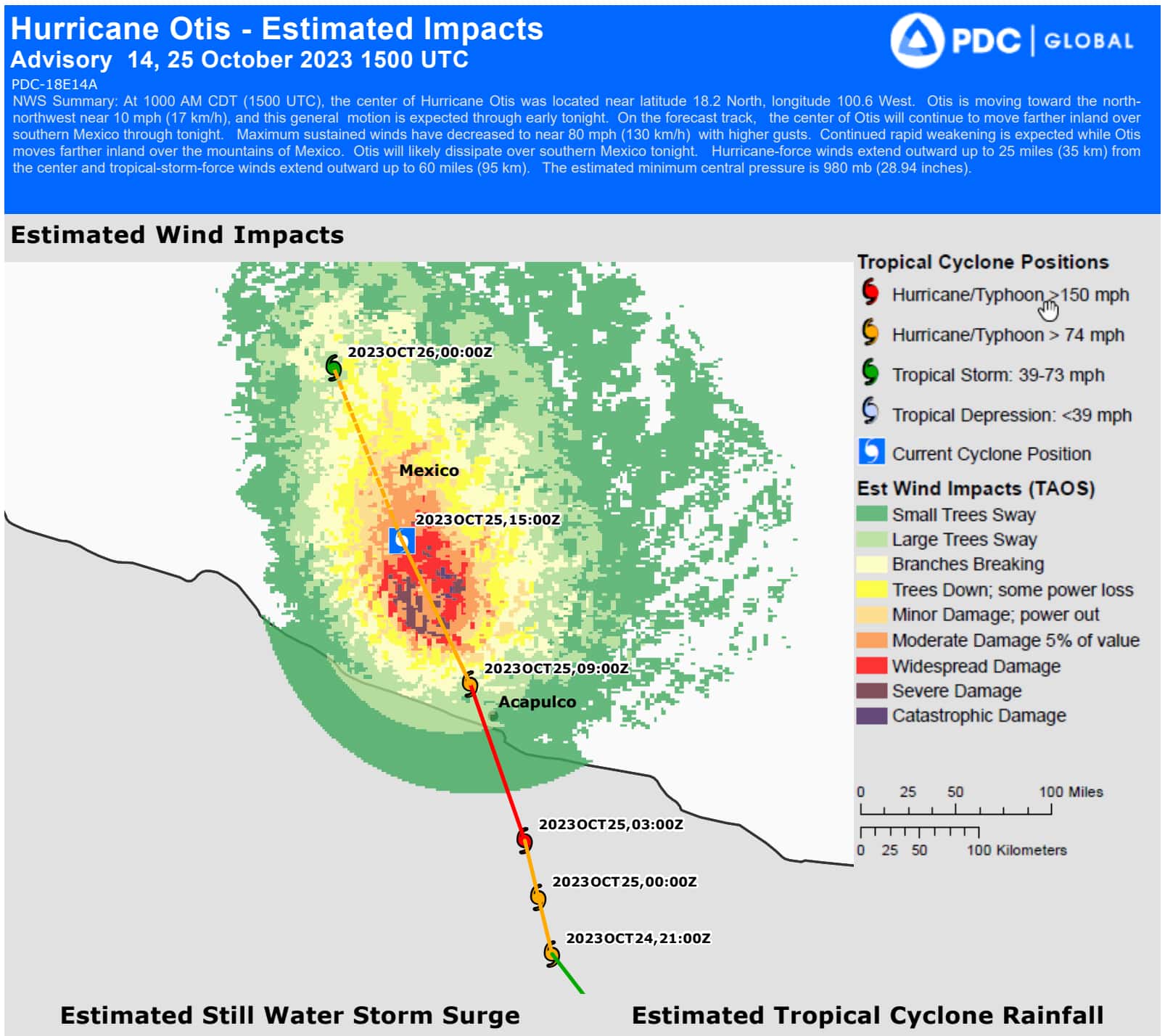
A hurricane generates advisories, changing wind fields, landfalls, rainfall, storm surge, and post-event assessments.
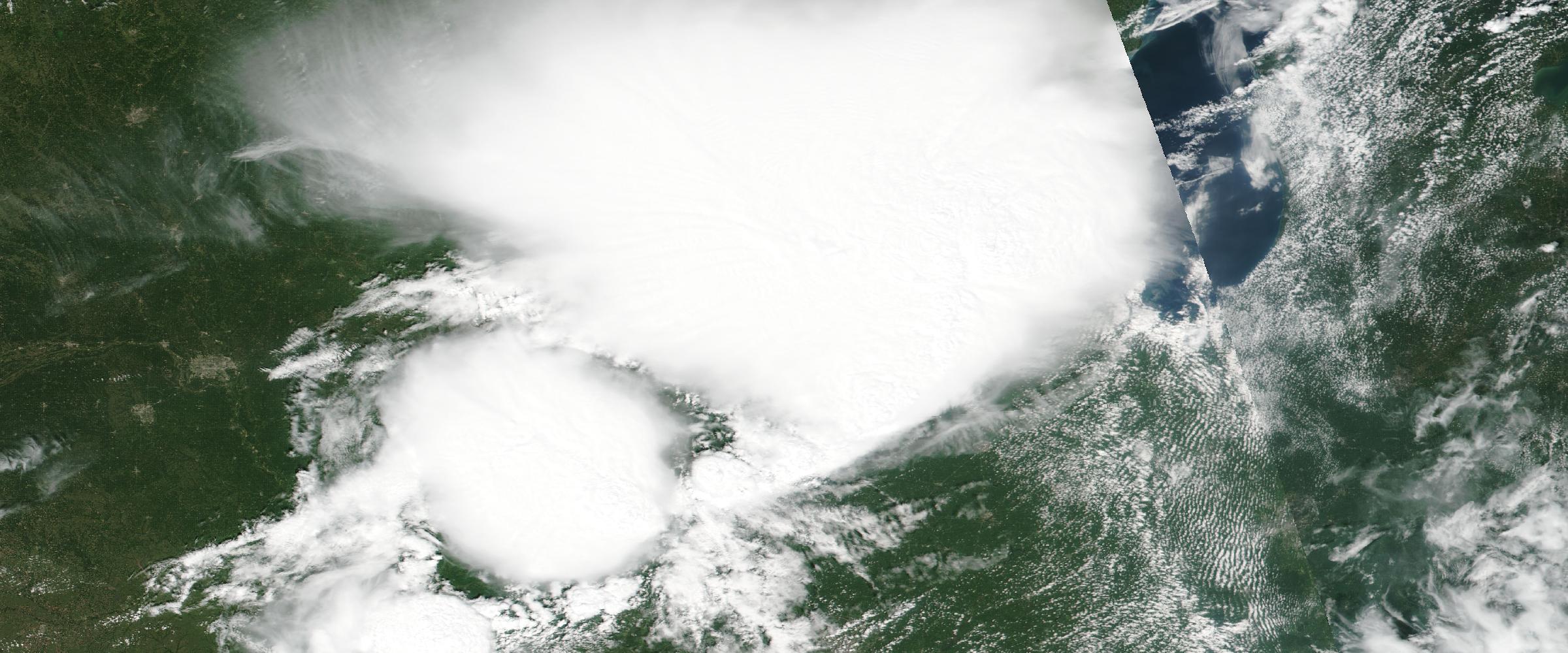
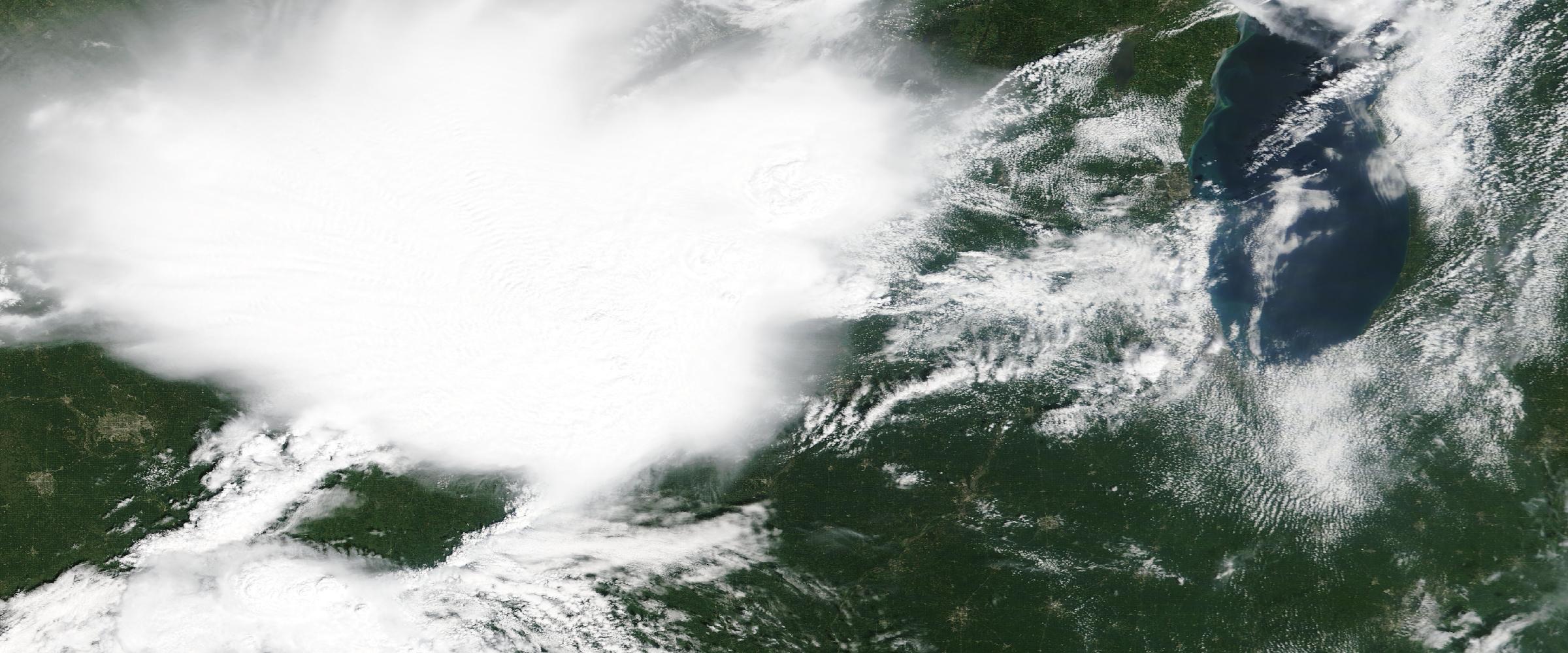
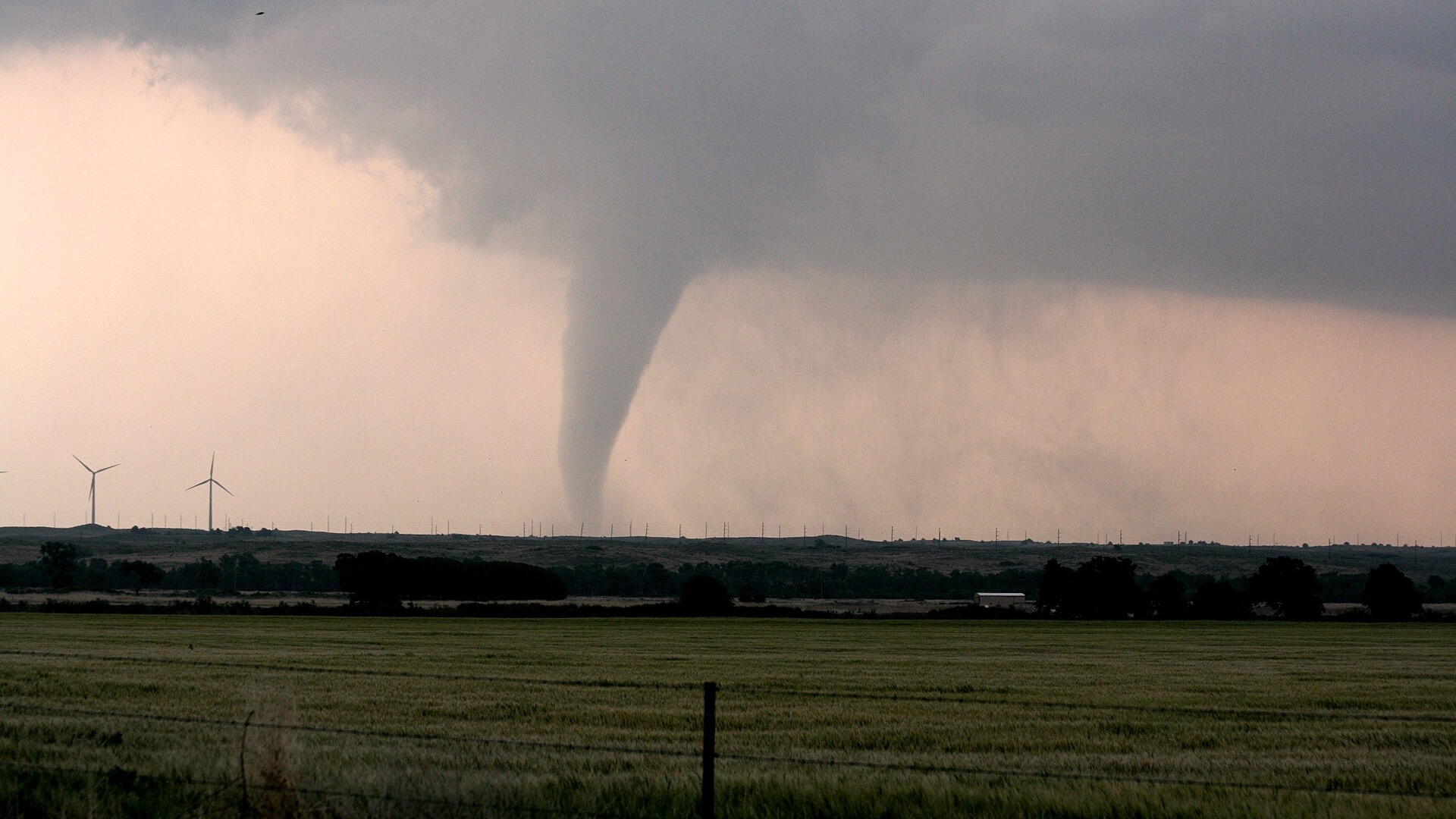
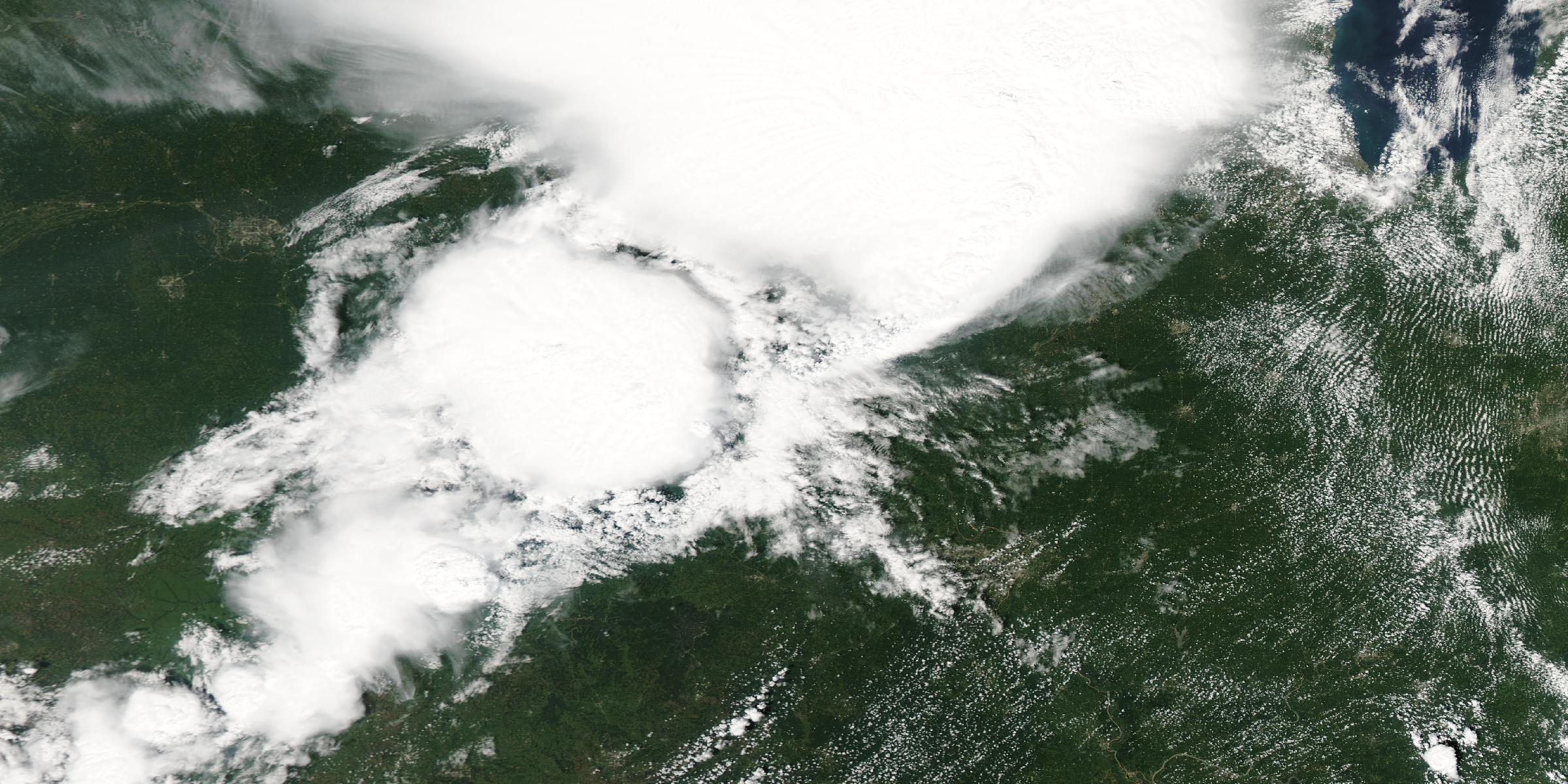
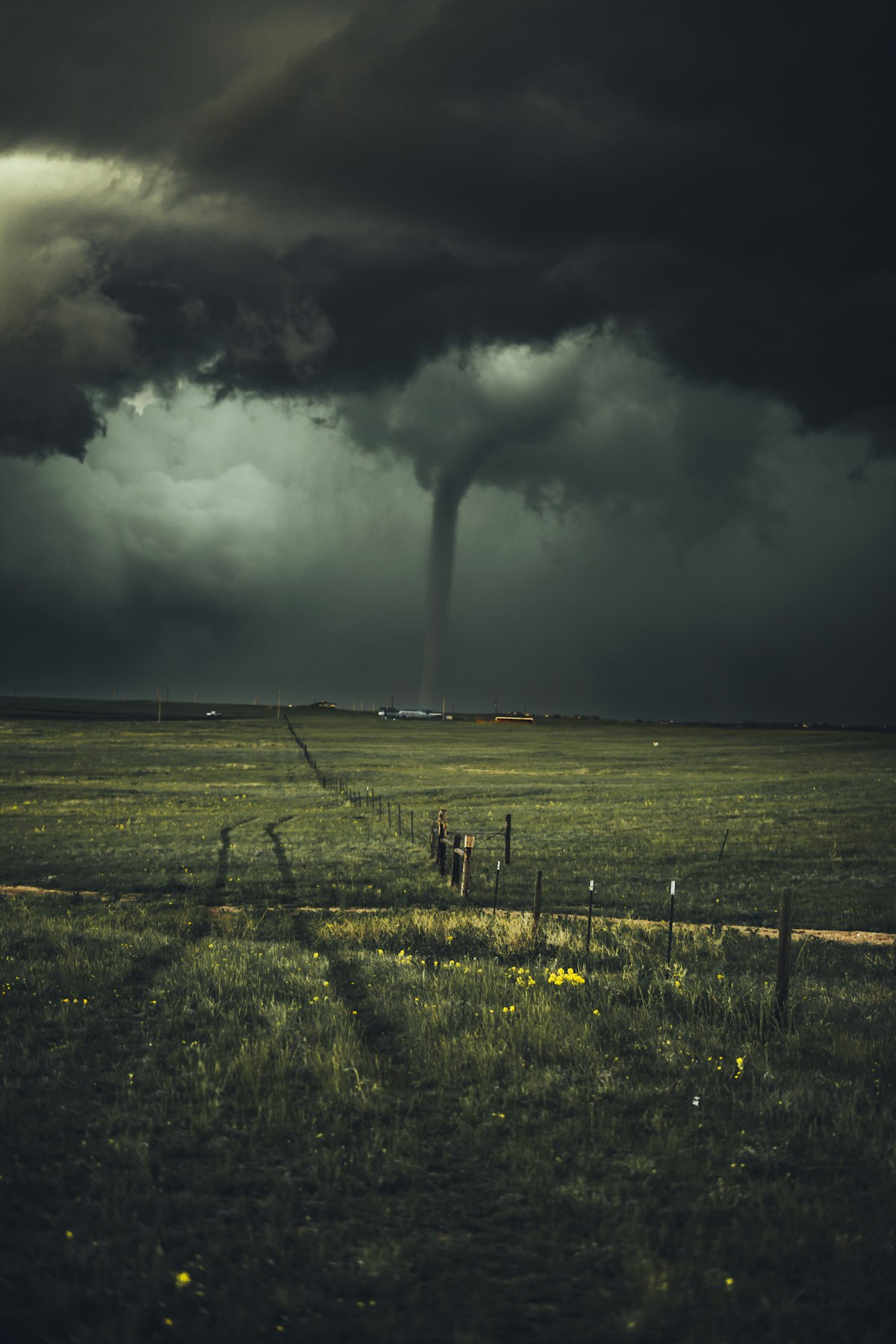
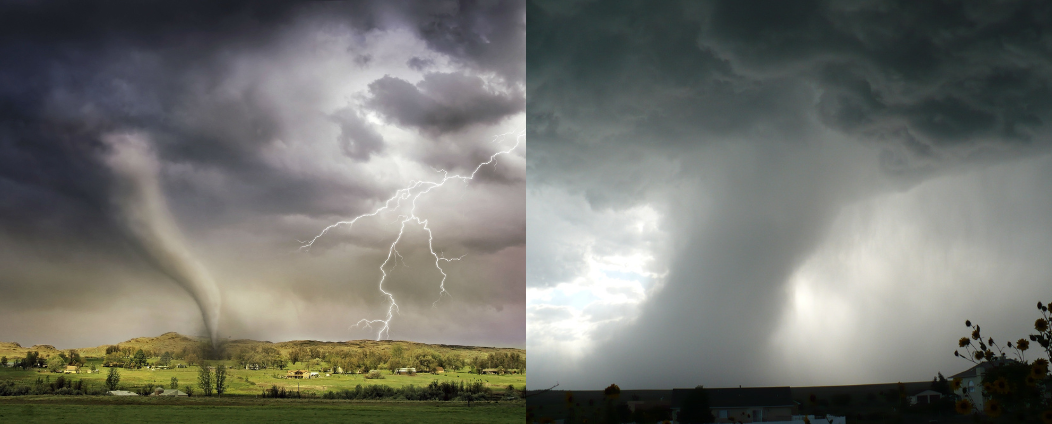
A tornado outbreak produces radar signatures, hail reports, wind observations, damage surveys, tornado paths, emergency warnings, and eyewitness accounts.
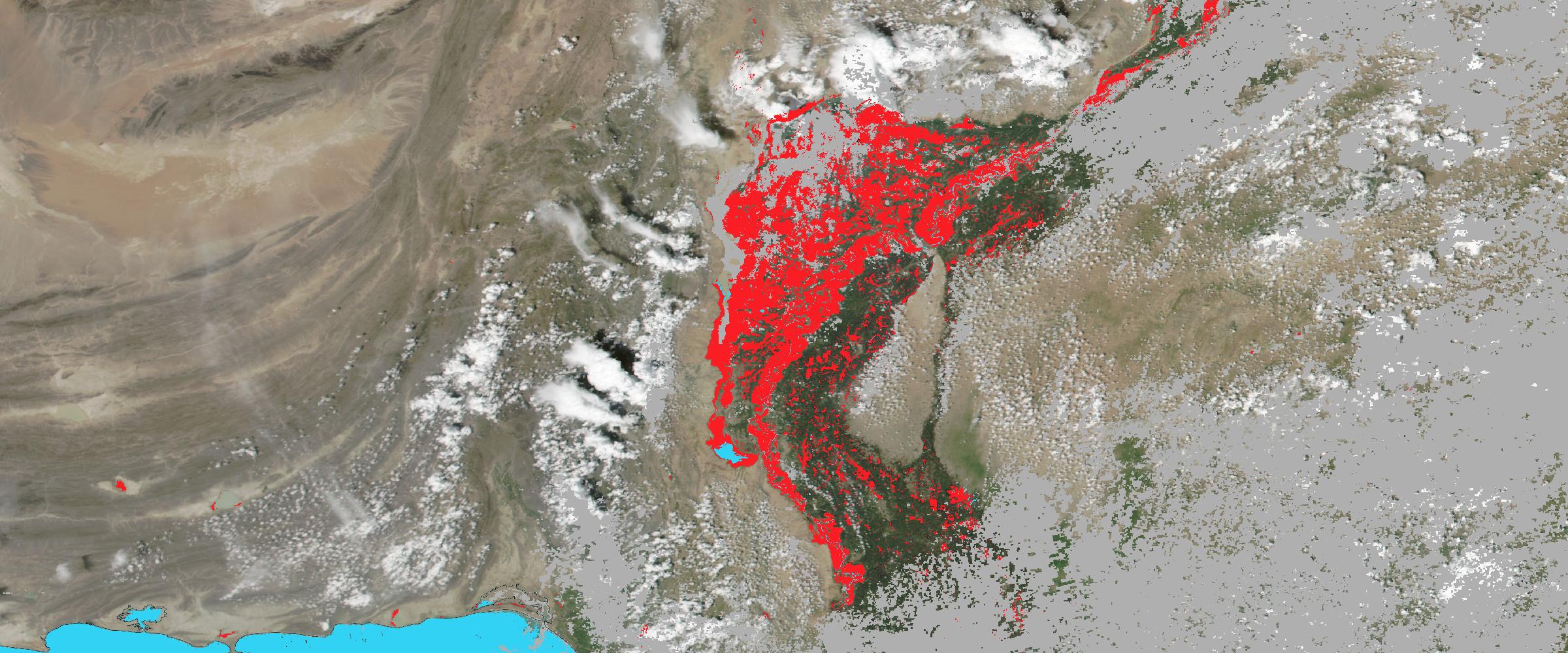
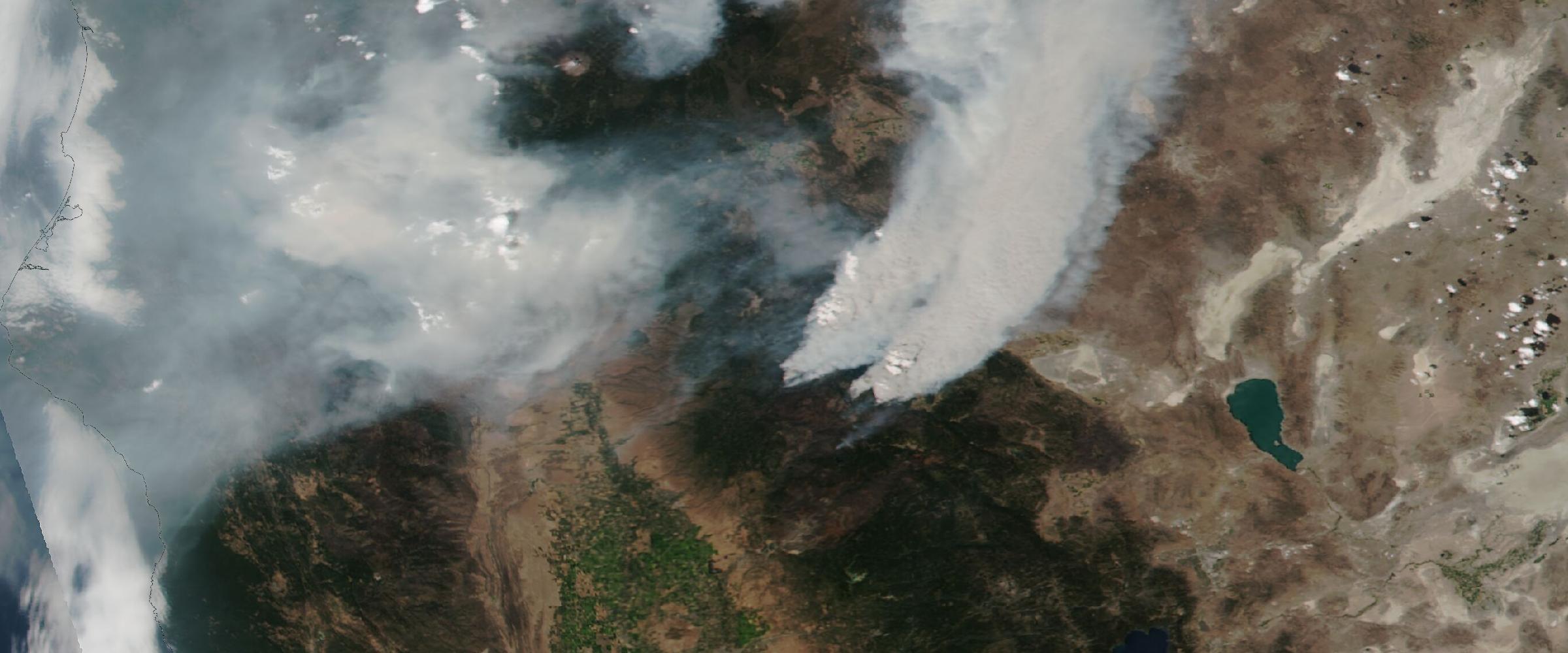
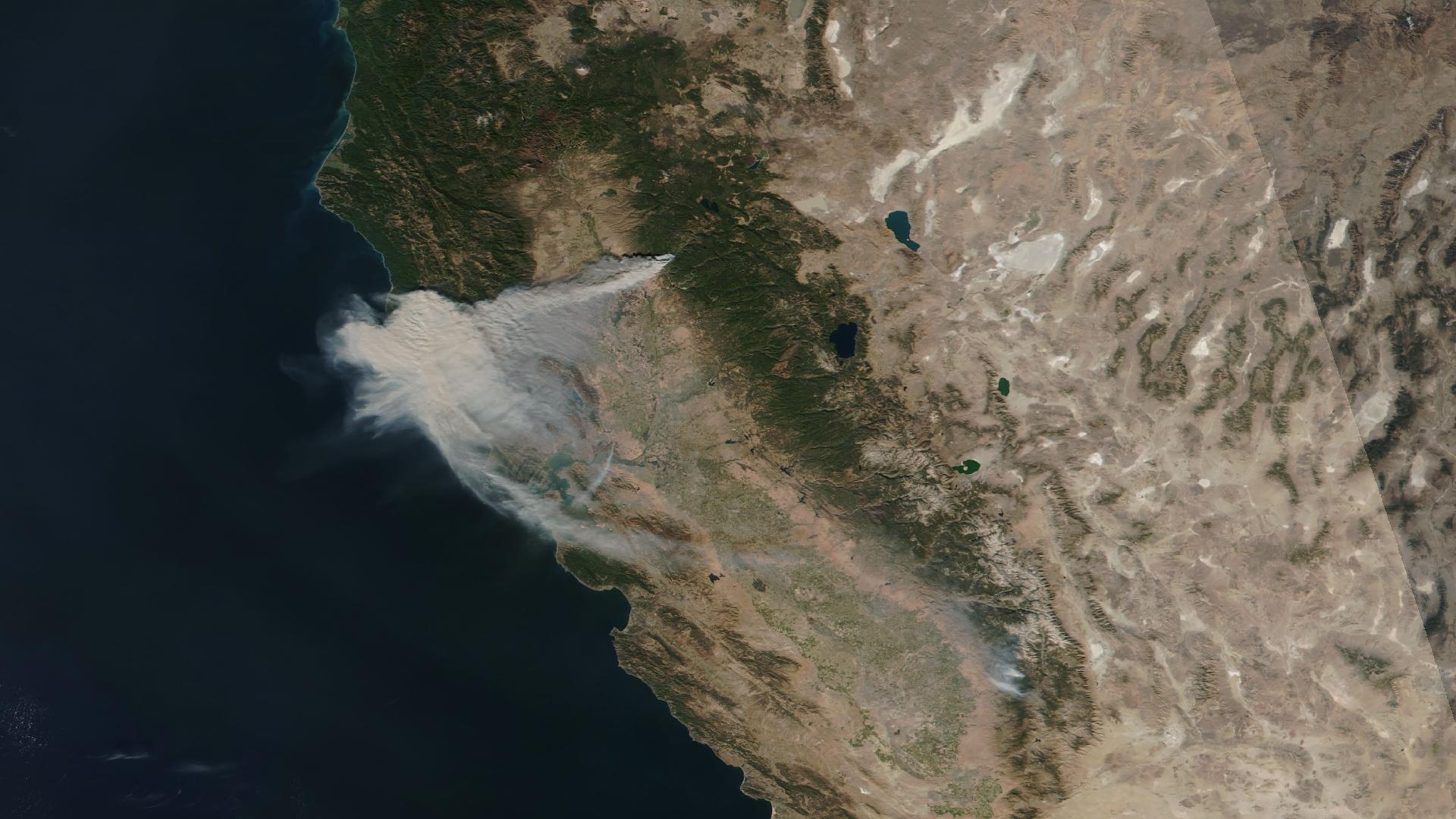
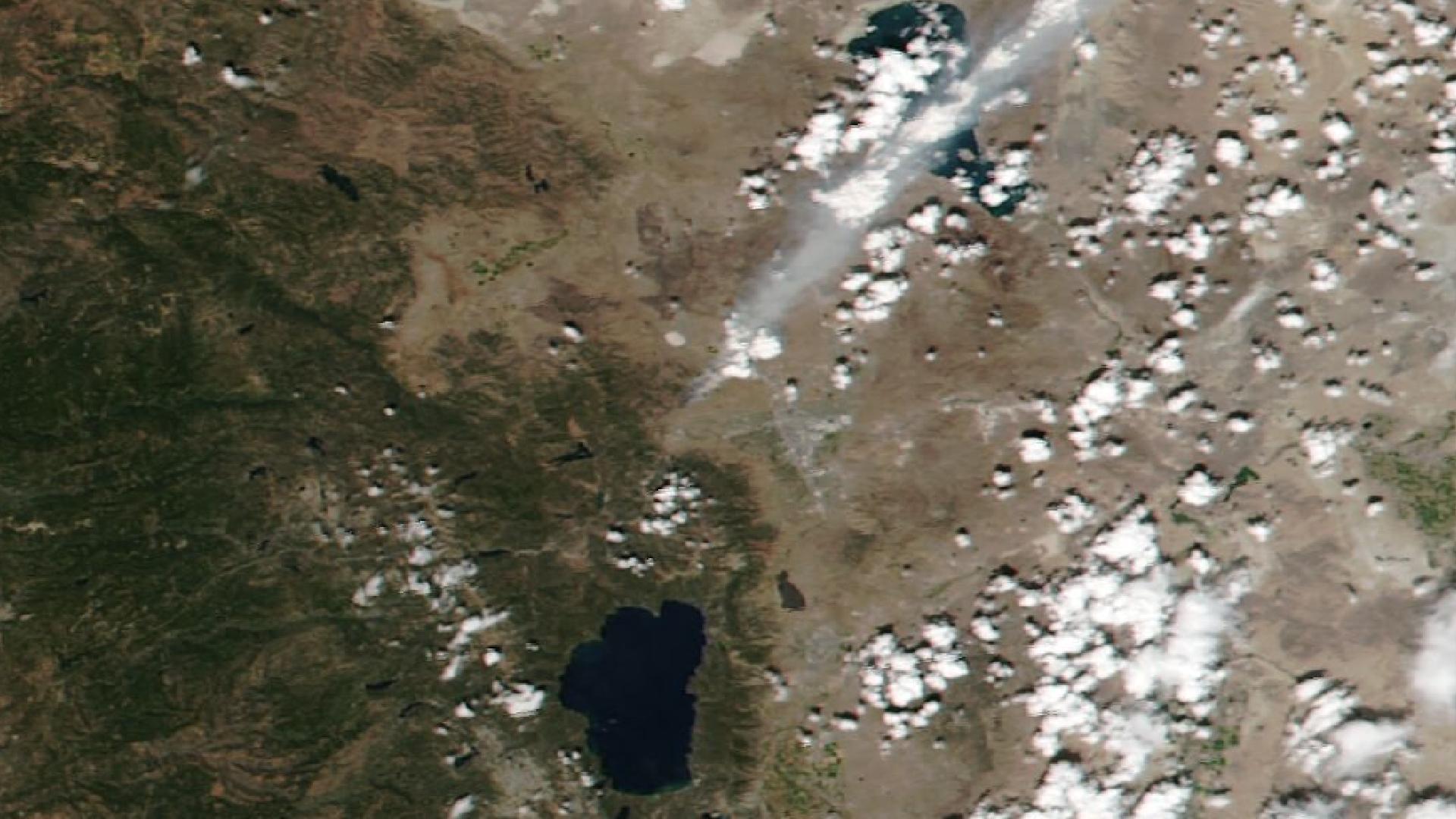
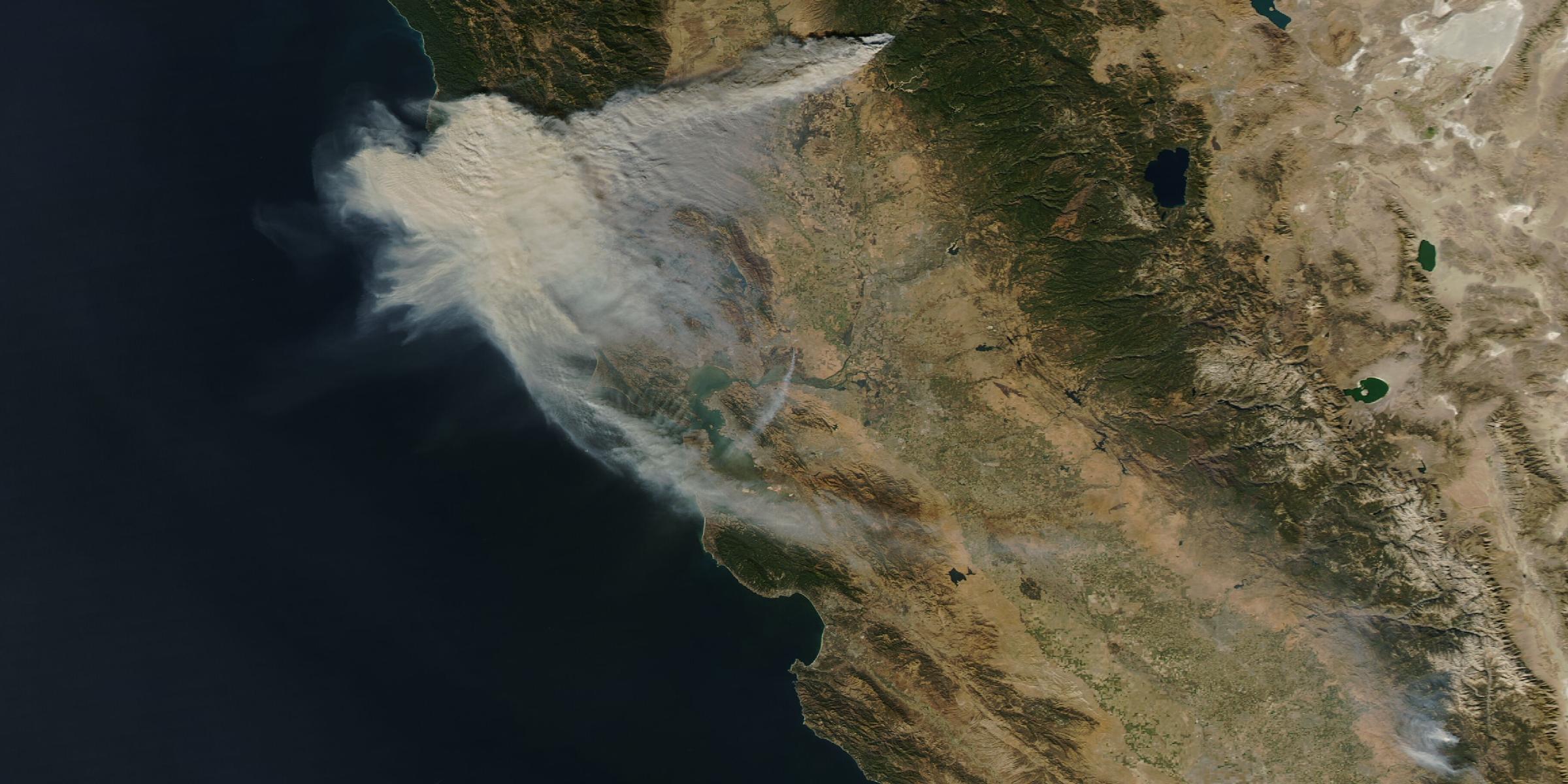
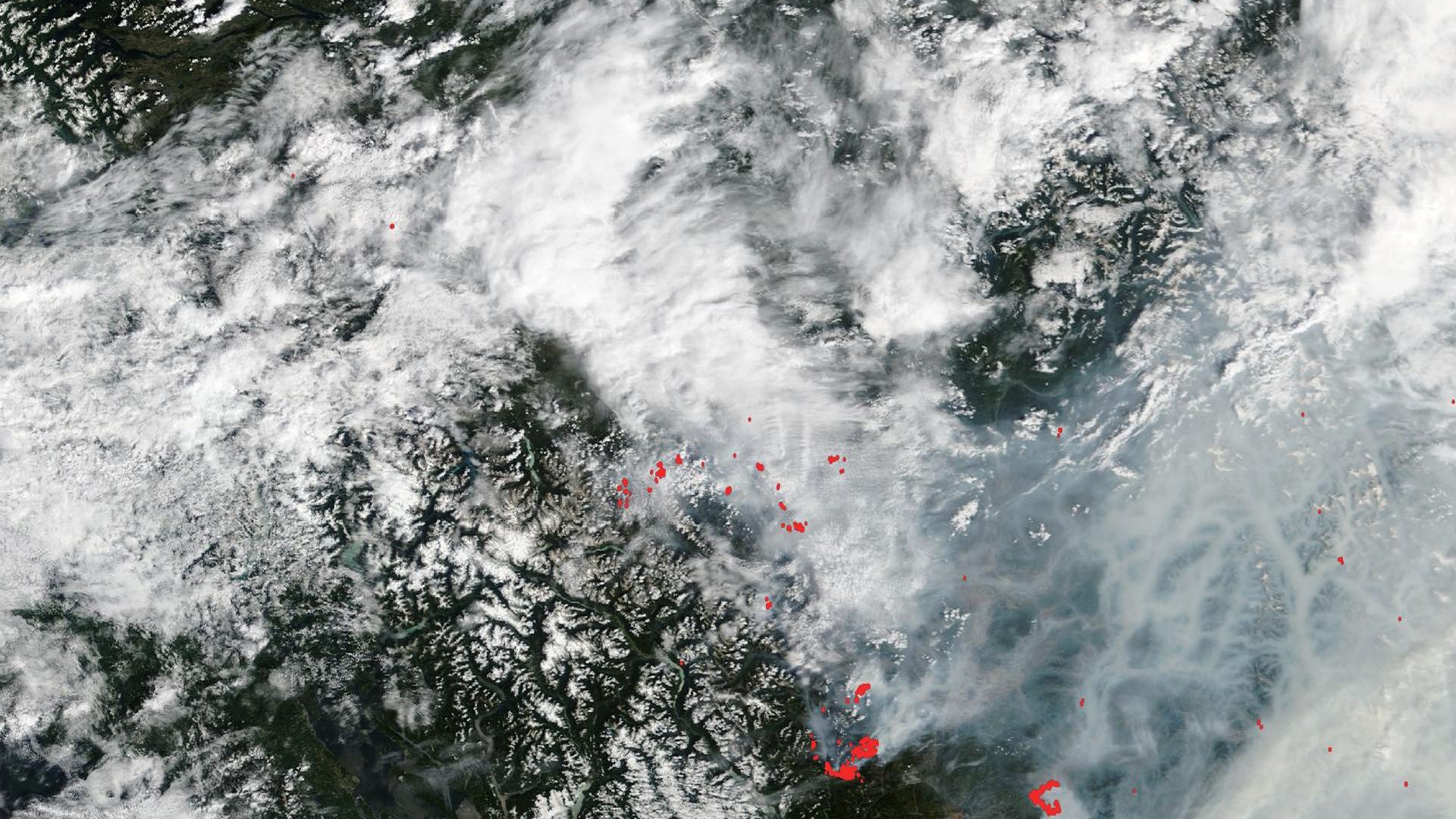
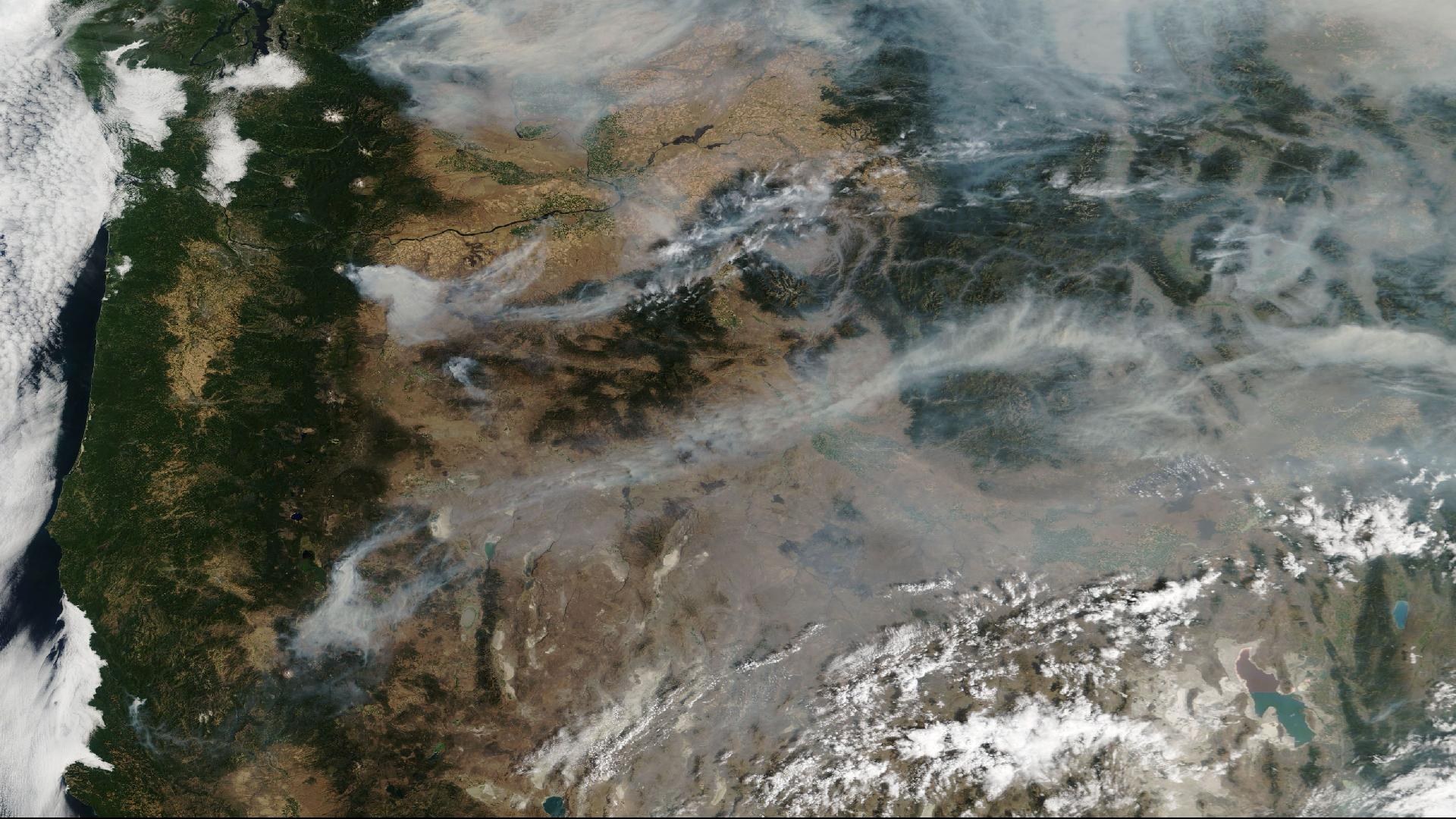
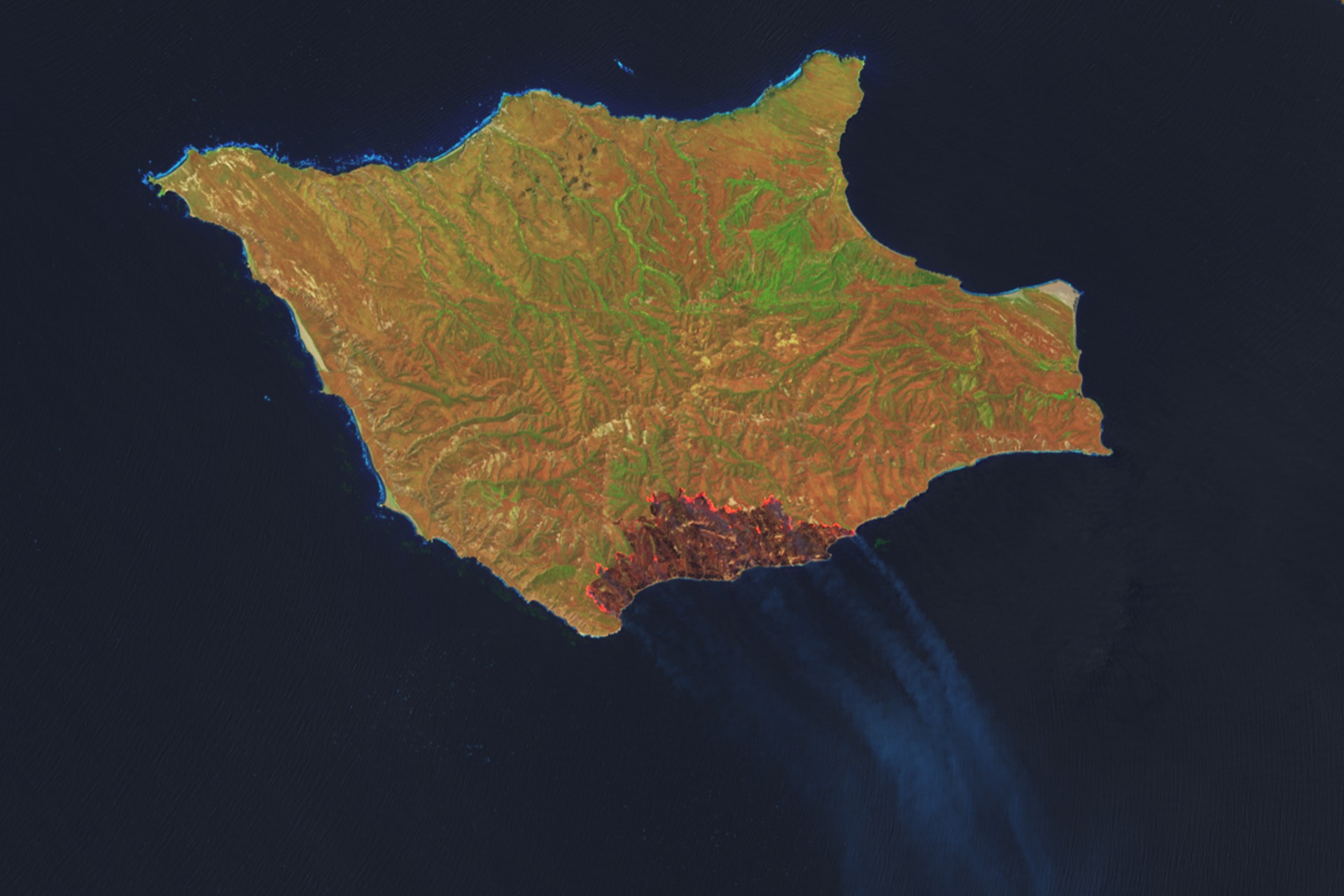
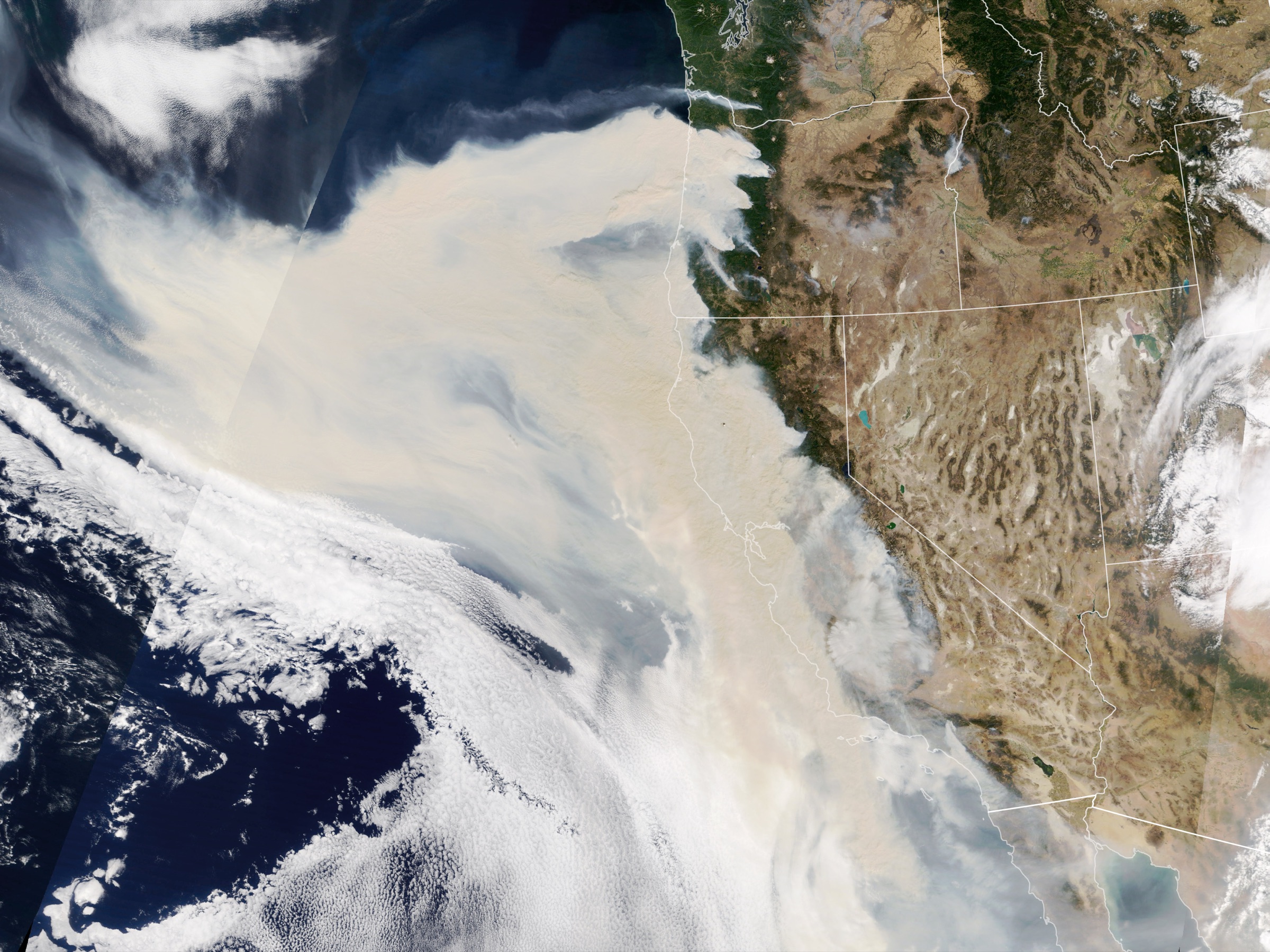
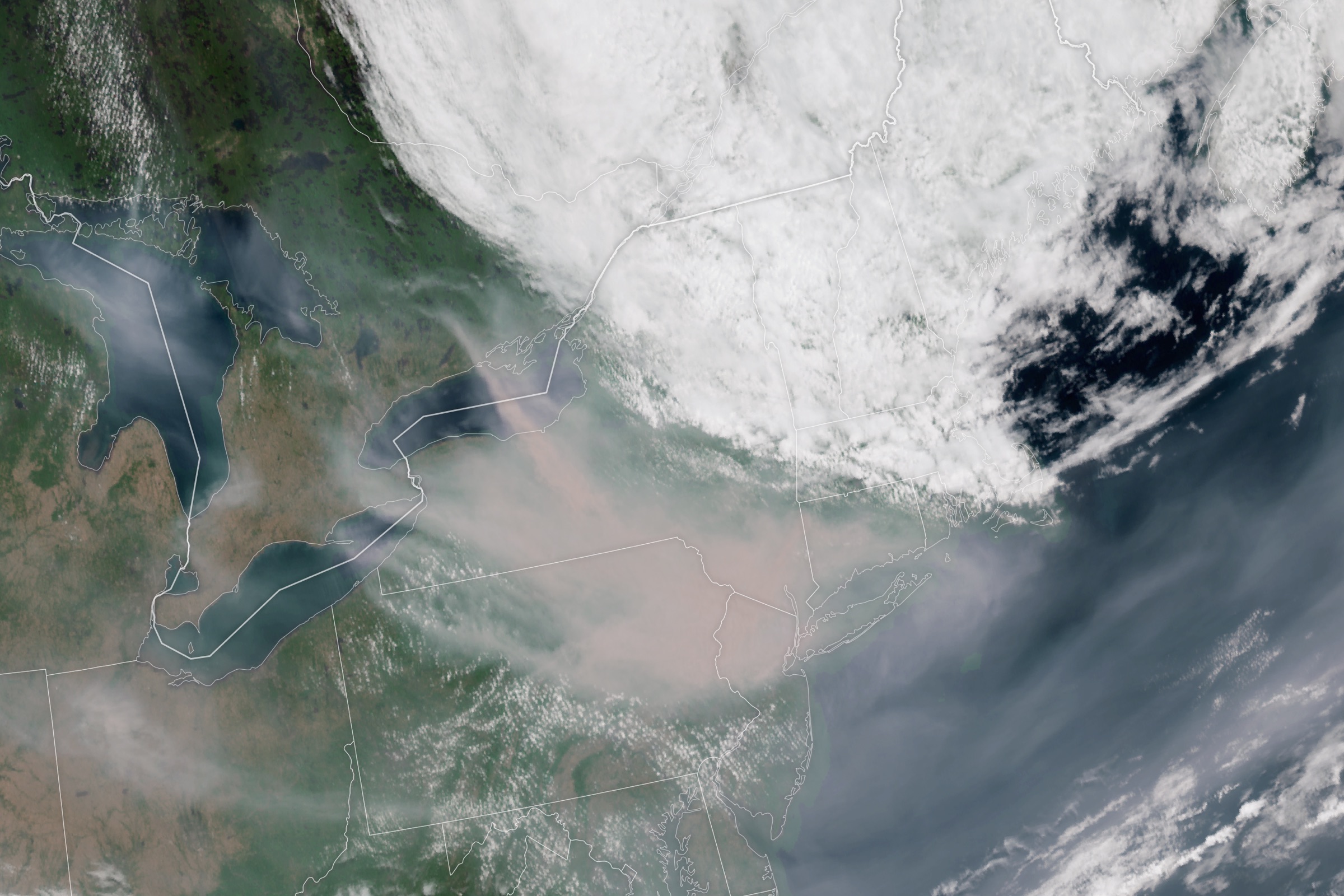
A wildfire creates satellite detections, burn perimeters, smoke plumes, evacuation zones, air quality impacts, and operational updates.
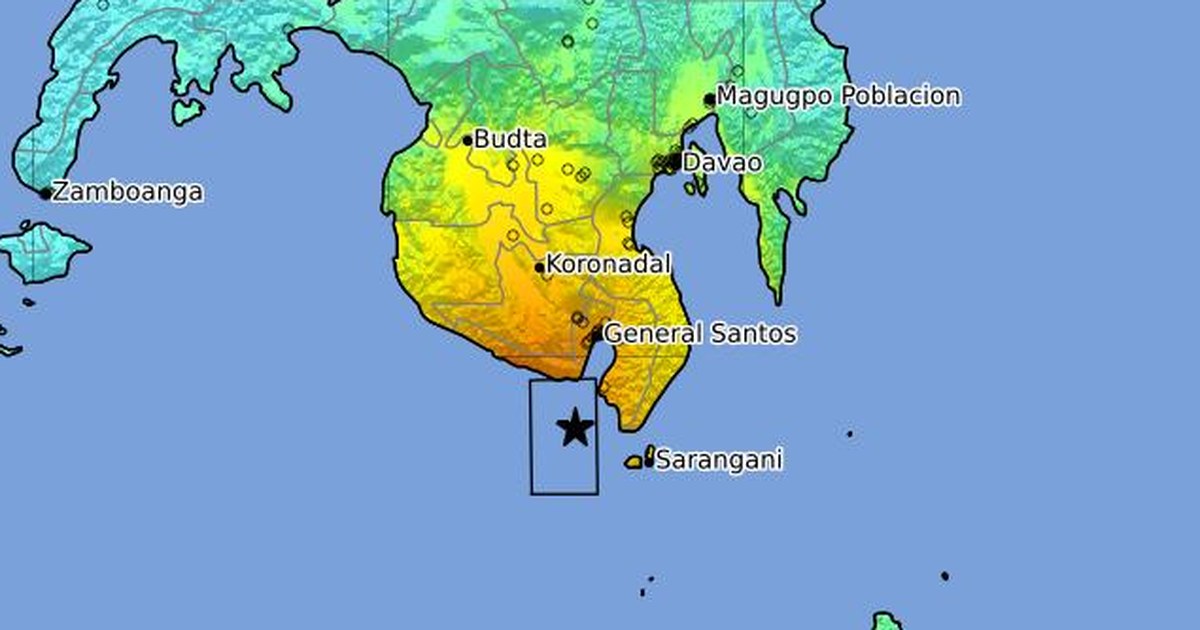
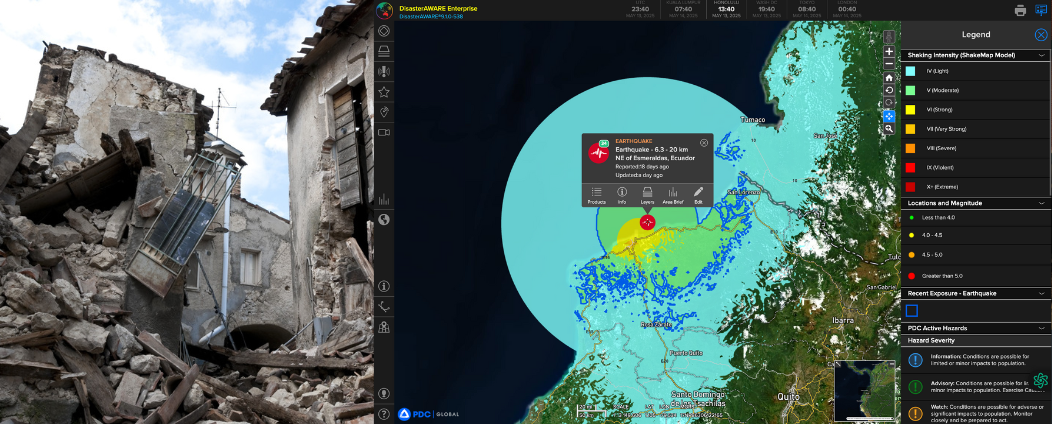
An earthquake generates shaking intensity measurements, aftershocks, infrastructure assessments, and damage reports.
Traditionally, these observations have existed in separate databases. Historical Catastrophe Intelligence reconstructs them into a single, verified record of the disaster. Instead of disconnected observations, organizations gain a complete understanding of how the event evolved.
That shift — from data to intelligence — is what defines this new category.
Enterprise resilience has evolved dramatically. Twenty years ago, resilience often meant having a business continuity plan.
Today, organizations are expected to anticipate disruptions, adapt in real time, recover quickly, and learn continuously from previous events. Modern resilience frameworks increasingly emphasize not only responding to disruptions but also improving future performance through learning and adaptation.
That final capability — learning from the past — has historically received far less attention than prediction and response.
Yet learning requires evidence. It requires understanding. It requires reconstructing what actually happened. Historical Catastrophe Intelligence fills that gap.
The way organizations manage disaster risk has evolved through four distinct stages.
First Generation: Historical Weather — Organizations collected historical weather observations. Rainfall. Wind speed. Temperature. Snowfall. These records provided valuable scientific context but limited operational insight.
Second Generation: Predictive Intelligence — Forecast models, catastrophe models, and climate simulations enabled organizations to estimate what could happen. This transformed underwriting, emergency planning, and long-term risk management. Prediction became central to resilience.
Third Generation: Real-Time Event Intelligence — Modern organizations now monitor disasters as they unfold. Wildfires. Floods. Earthquakes. Tropical cyclones. Severe storms. Real-time Event Intelligence allows organizations to detect emerging threats and respond more quickly.
Fourth Generation: Historical Catastrophe Intelligence — The next evolution isn't about forecasting. It's about reconstruction. Historical Catastrophe Intelligence rebuilds historic disasters using authoritative observations from multiple sources, creating verified, event-level intelligence that organizations can search, analyze, compare, and learn from.
Prediction looks forward. Historical Catastrophe Intelligence looks backward. Together, they provide a complete understanding of risk.
Explore the reconstructed record
Decades of verified historical disasters — hurricanes, severe storms, wildfires, earthquakes — rebuilt as complete events and delivered through APIs, GIS services, and dashboards.
Every major catastrophe contains lessons. Not just for emergency managers. For every organization.
Historic disasters reveal:
Historically, extracting those lessons required analysts to search dozens of disconnected datasets. Historical Catastrophe Intelligence changes that.
Every reconstructed event becomes an intelligence record. A searchable history. A digital case study. A permanent source of operational knowledge.
Organizations have invested heavily in prediction. Far less attention has been given to reconstruction. Yet reconstruction may become just as important.
DisasterAWARE's Historical Catastrophe Intelligence platform follows a consistent methodology for rebuilding historic disasters. Every event is:
Rebuilt — Authoritative observations are collected from trusted scientific and government sources.
Verified — Independent observations are reconciled and validated.
Enriched — Additional assessments, classifications, geometries, and operational intelligence are generated.
Published — The completed event becomes an enterprise-ready intelligence record available through APIs, GIS services, and analytical platforms.
Instead of preserving isolated observations, organizations gain complete historical disaster intelligence.
One of the most significant advances in Historical Catastrophe Intelligence is the ability to distinguish observations from assumptions.
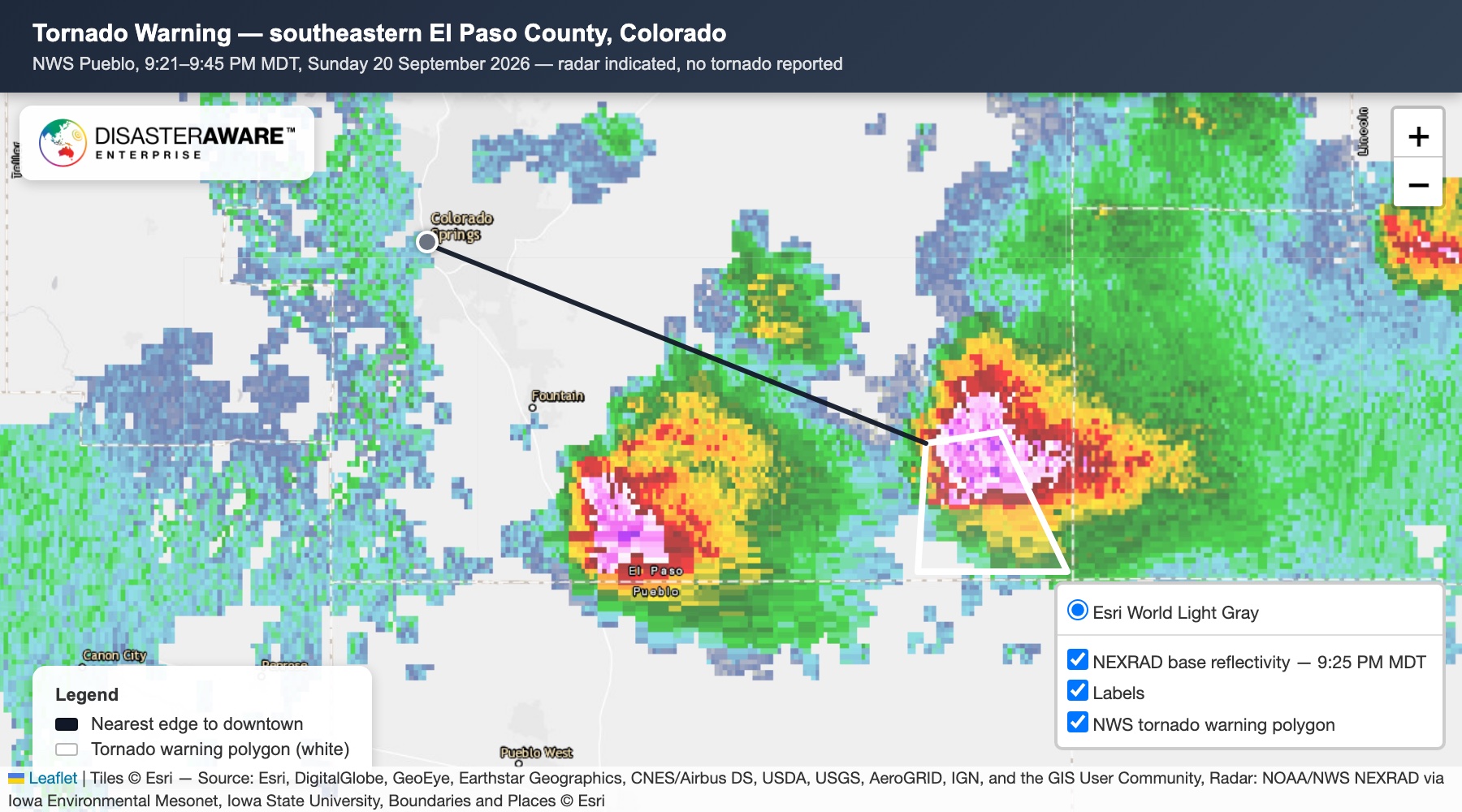
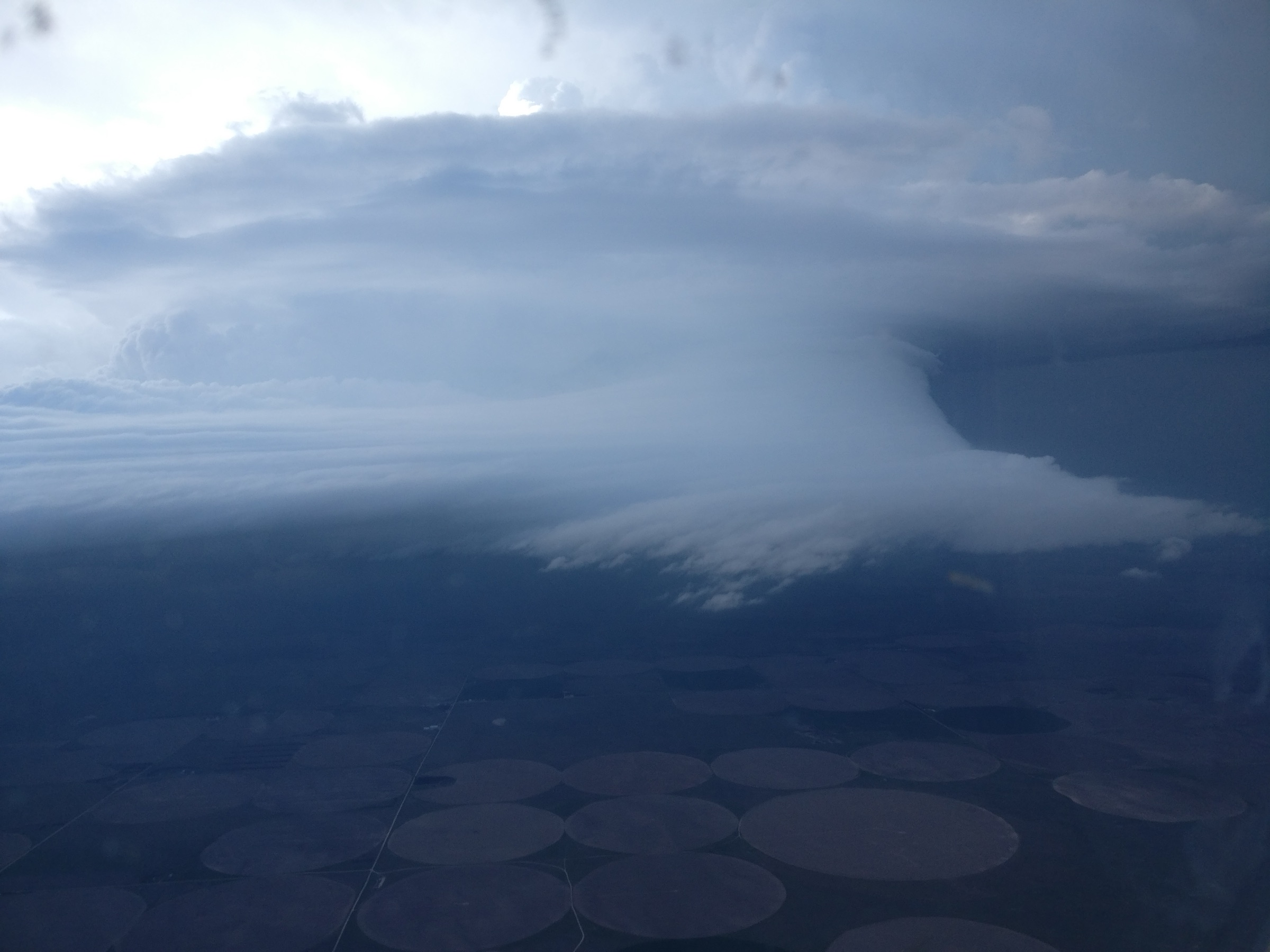
Consider a severe thunderstorm. A warning may have been issued. But did the storm actually produce severe hail? Were damaging winds observed? Did a tornado touch down?
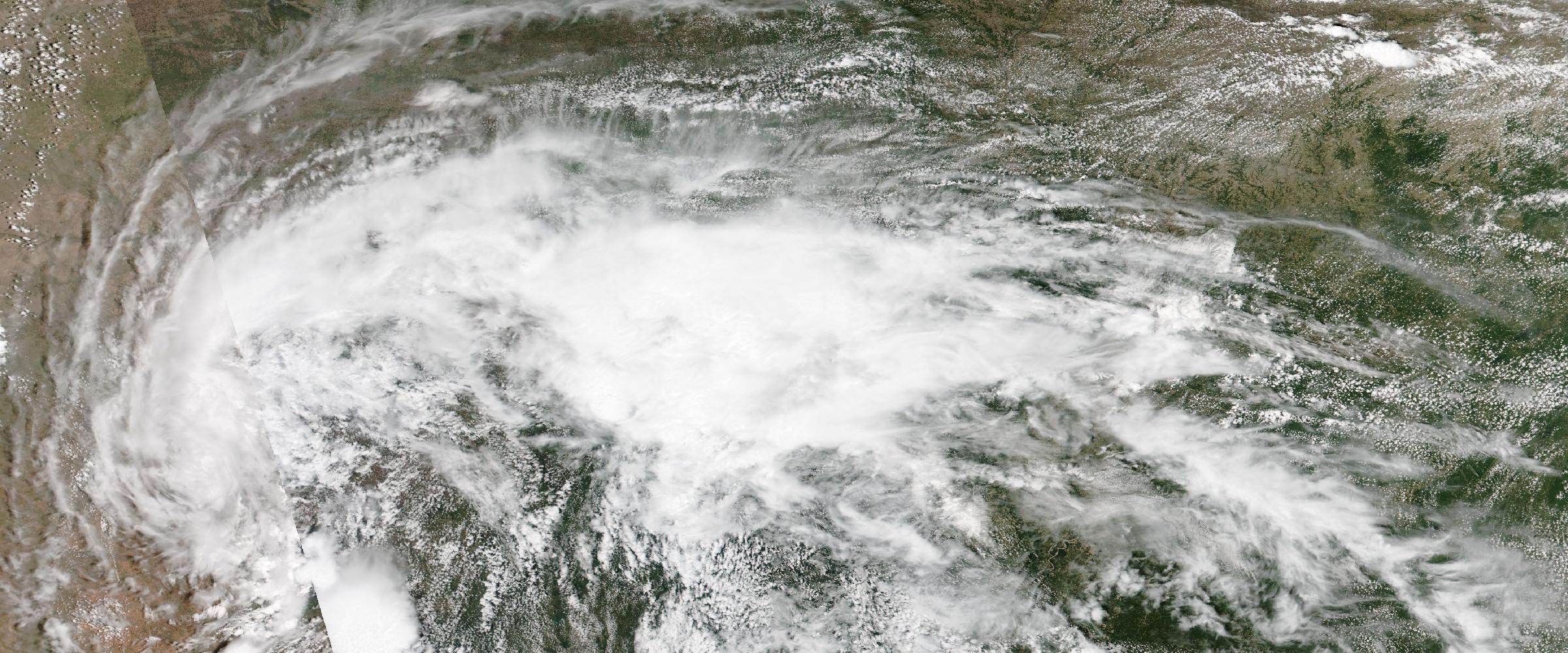
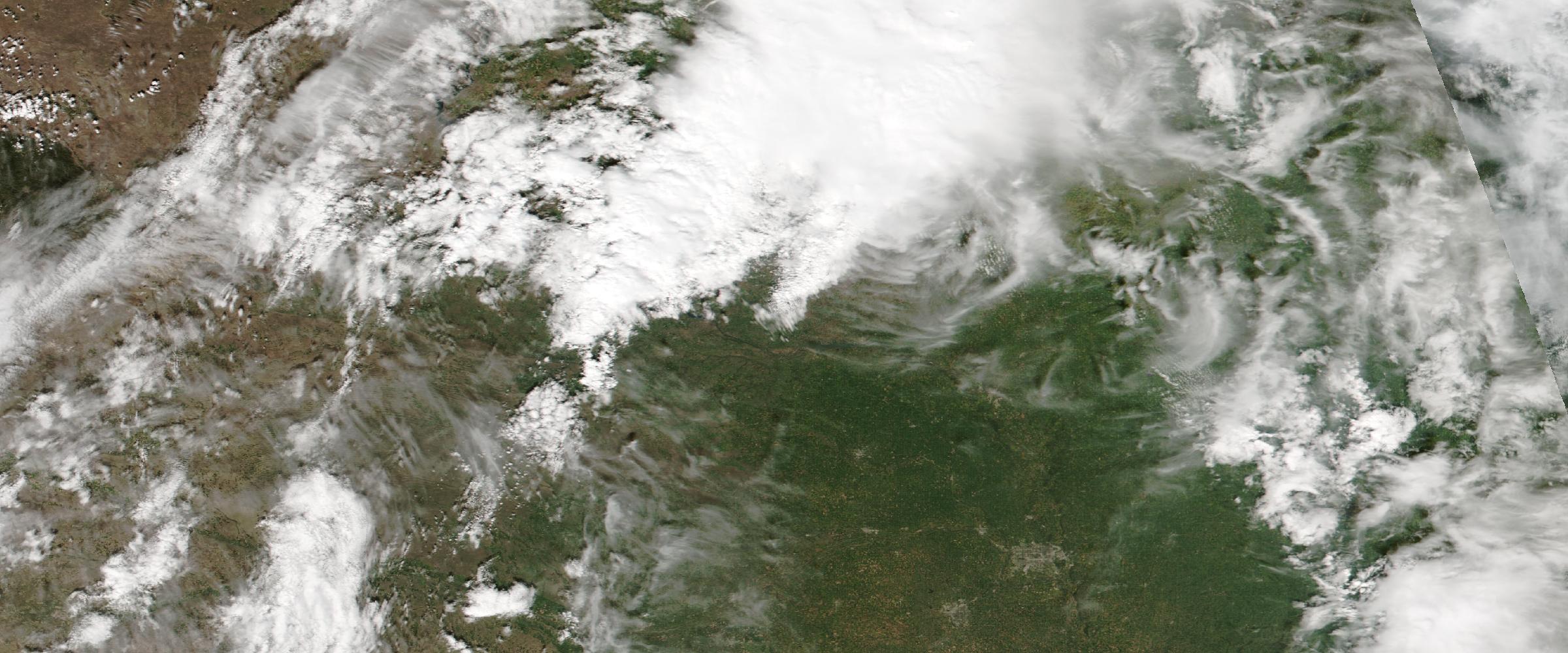
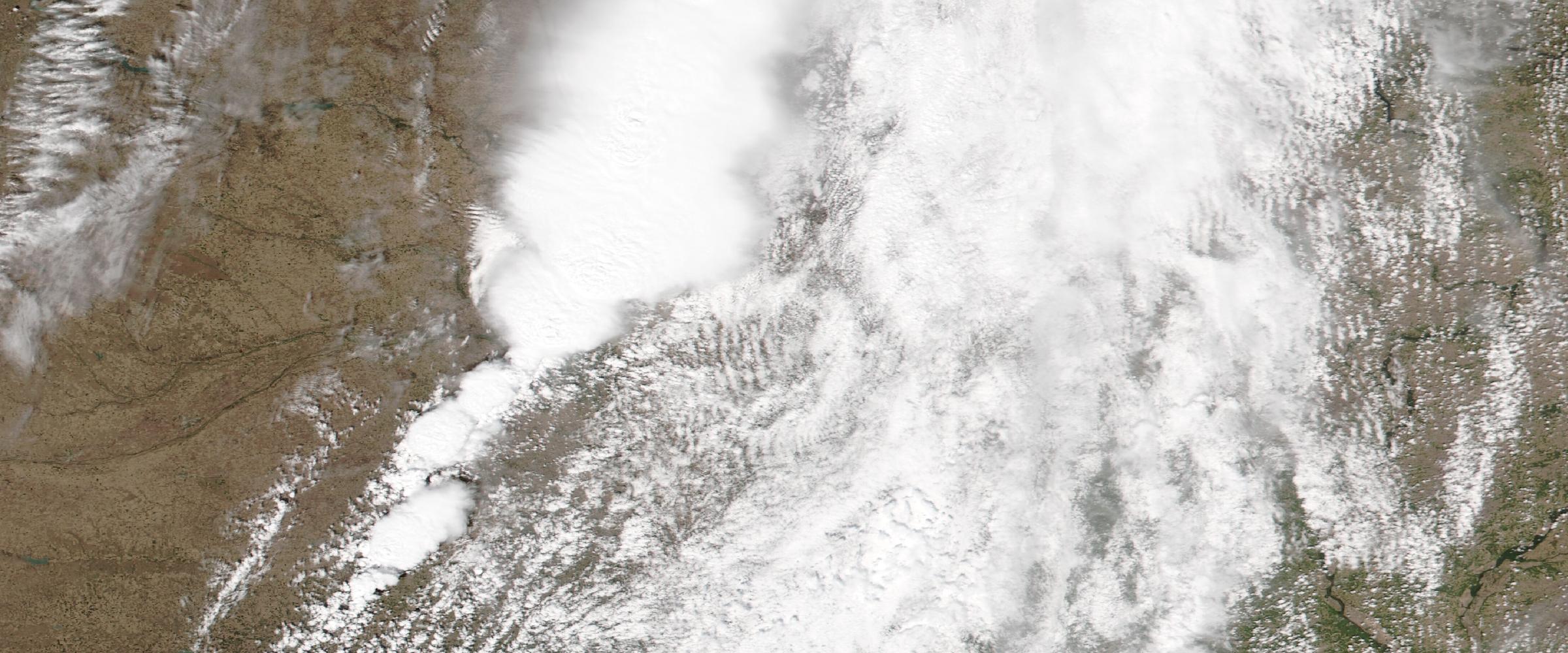
DisasterAWARE reconstructs historical storms using observed evidence from authoritative sources to determine whether an event truly met the accepted criteria for a Verified Severe Convective Storm.
This same philosophy extends across all hazards.
Verification builds trust. Trust enables better decisions.
Organizations increasingly think in terms of events rather than datasets. Executives don't ask for radar reflectivity. They ask about the hurricane threatening a refinery.
Claims teams don't ask for wind observations. They ask whether a property experienced verified damaging winds.
Supply chain leaders don't ask for wildfire detections. They ask whether a supplier was affected by the fire.
Historical Catastrophe Intelligence organizes information around the event itself. The disaster becomes the unit of analysis. Not the dataset. Not the observation. The catastrophe.
Ironically, understanding the future increasingly depends upon understanding the past. Historical Catastrophe Intelligence supports:
Insurance — historical portfolio exposure, claims validation, underwriting, accumulation management.
Banking — physical risk assessment, collateral monitoring, portfolio resilience.
Supply chain — historical disruption analysis, supplier resilience, transportation impacts.
Business continuity — operational planning, after-action reviews, lessons learned, preparedness exercises.
Government — emergency planning, community resilience, infrastructure investment, disaster recovery.
Every organization benefits from understanding how historic disasters actually unfolded — not merely that they occurred.
Just as organizations adopted Business Intelligence, Threat Intelligence, Geospatial Intelligence, and Event Intelligence, they are beginning to recognize the value of Historical Catastrophe Intelligence.
This isn't simply another database. It isn't another weather archive. It isn't another map. It is a new layer of enterprise intelligence built around reconstructed, verified historic disasters. One that transforms millions of observations into operational knowledge. One that helps organizations move beyond documenting history to learning from it.
The future of resilience will not be built on prediction alone.
It will be built on the combination of Historical Catastrophe Intelligence, Real-Time Event Intelligence, Predictive Analytics, Climate Intelligence, Exposure Analytics, and Artificial Intelligence.
Each answers a different question. What happened? What is happening? What could happen next?
Organizations that can answer all three will be better prepared to protect people, operations, infrastructure, and investments in an increasingly uncertain world.
At DisasterAWARE, we believe every historic disaster deserves to be more than a collection of weather observations. It deserves to become a verified intelligence record that helps organizations make better decisions today — and build greater resilience for tomorrow.
Because the future of resilience isn't just about anticipating the next catastrophe. It's about learning from every catastrophe that came before.
Explore the historical record
Decades of reconstructed, verified catastrophes — browse the Historical Event Intelligence overview, or request sample data for your own portfolio.
What is Historical Catastrophe Intelligence? A new category of enterprise intelligence built on reconstructed, verified historic disasters. Authoritative observations from scientific and government sources are rebuilt into complete event-level records — searchable, analyzable, and comparable — rather than left as disconnected weather datasets.
How does it differ from predictive analytics and catastrophe models? Prediction estimates what could happen; reconstruction establishes what actually happened. The two are complementary: verified historical events provide the evidence base that strengthens planning, validates models, and supports after-action learning.
What are the four generations of disaster intelligence? Historical weather archives (what the atmosphere did), predictive intelligence (what could happen), real-time event intelligence (what is happening now), and Historical Catastrophe Intelligence (what actually happened, reconstructed event by event).
Which teams get value from reconstructed historic disasters? Insurance (claims validation, underwriting, accumulation), banking (collateral physical-risk history), supply chain (supplier disruption analysis), business continuity (after-action reviews and exercises), and government (planning, recovery, and infrastructure investment).








-min.png)
.png)
.png)

Decision-ready intelligence for understanding what's happening, what is impacted, and what to do next. Global hazard, severe weather, catastrophe, and physical risk intelligence trusted by governments, enterprises, insurers, humanitarian organizations, and technology platforms worldwide.
Request DemoContact Us

