


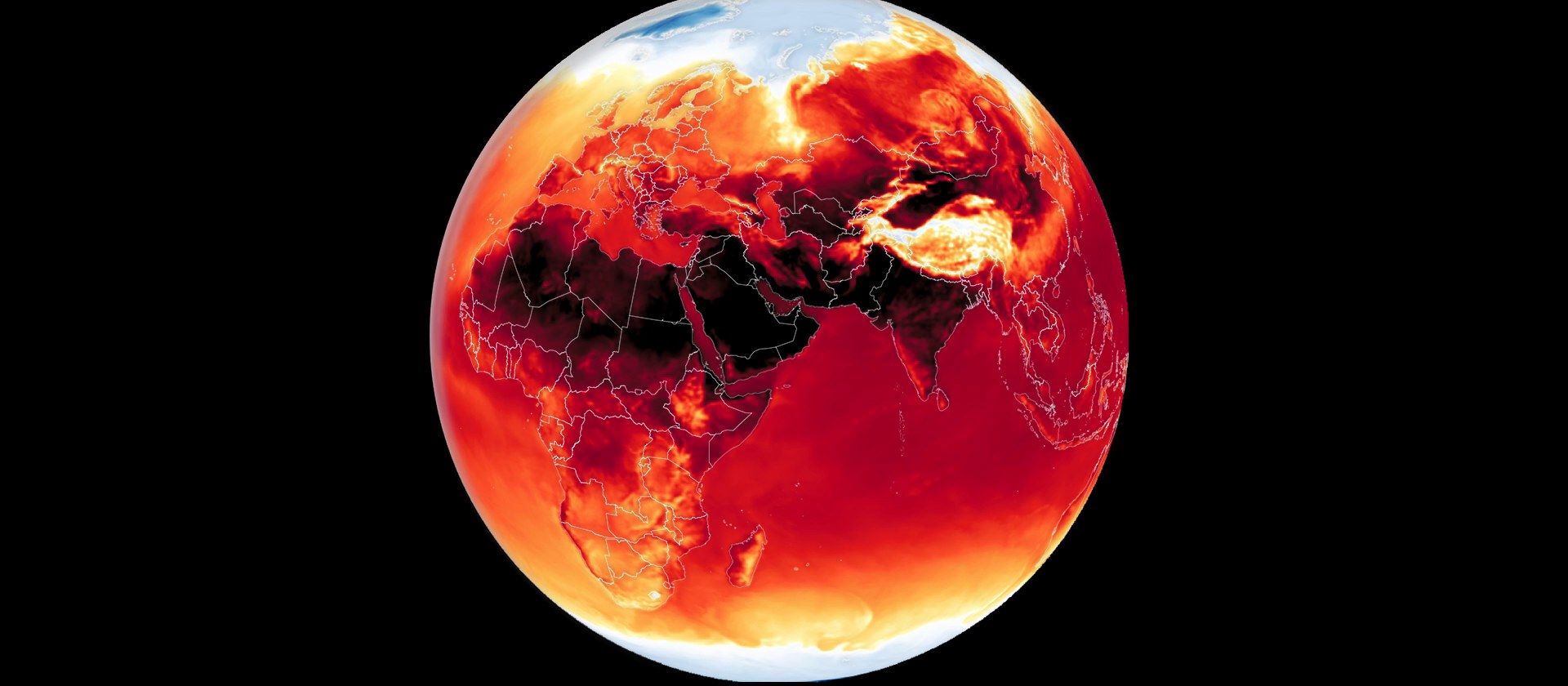
Two weeks ago this brief warned that formal heat warnings were "now spreading across Europe." This week the spread completed: not as a single anchor event, but as a Northern Hemisphere-wide signal. DisasterAWARE is carrying 185 agency-issued heat alerts across the 10-day window — 26 at WARNING, 34 at WATCH, 125 at ADVISORY. Canada leads the WARNING count with eight simultaneous Environment and Climate Change Canada heat warnings across Ontario (Cat Lake, Attawapiskat, Moosonee, Kapuskasing, Windsor), Québec (Mistassini, east of Radisson), and Manitoba (Winnipeg) — earlier-than-typical formal heat warnings at the latitudes of James Bay and Hudson Bay. The United States carries six WARNING-level Excessive Heat alerts across California, New Mexico, Texas, Arizona, and Oregon, plus thirty separate ADVISORY-level heat advisories from NWS forecast offices nationwide. Ecuador holds five WARNING-level INAMHI alerts across Esmeraldas, Los Ríos, Pichincha, Imbabura, the Litoral, the Interandean, and Amazon regions; Israel three across the Jordan Valley, Dead Sea, and Northern Arava. Switzerland sits one tier below — eleven simultaneous MeteoSwiss heat WATCHes across the country's northern plateau and alpine valleys, queued for potential upgrade. China runs seventeen WATCHes and twenty-six ADVISORIES from the China Meteorological Administration. Greece carries thirteen ADVISORIES across the North East Aegean and the Dodecanese; India eleven; Italy seven across Sicily, Sardinia, and the south; Poland six; Serbia four; Montenegro three. The shape of the dataset is no longer a single hotspot — it is a hemispheric ring of formal agency forecasts simultaneously active.
Every heat alert above is an official agency forecast — ECCC for the Canadian warnings, NWS for the US sites, INAMHI for Ecuador, the Israel Meteorological Service for the Jordan Valley, MeteoSwiss for Switzerland, Hellenic National Meteorological Service for Greece, Italy's Protezione Civile for the Italian regions, the China Meteorological Administration for the seventeen Chinese WATCHes plus its twenty-six ADVISORIES. They are forecasts, not casualty-confirmed events — and we label severity precisely throughout. The 855 wildfires reported below are different in kind: they are observed thermal signatures from NASA FIRMS, turned into lifecycle-tracked incidents, with ground corroboration arriving in the days after detection. We report both and label which is which.
The default map view shows the European heat-alert concentration centered on Switzerland and the central Mediterranean (where heat alerts, wildfires, and Etna overlap). Toggle the legend's hidden layers — North American Heat WARNINGs (Canada and US), East Asian Heat alerts (China), the 81 active wildfires, 15 volcanoes, the Mindanao aftershock cluster, active earthquakes, severe weather, and COMBAT zones — to see the full week's hazard picture.
See events like this as they unfold
DisasterAWARE Enterprise monitors 30+ hazard types worldwide in real time — with the population, infrastructure, and assets exposed under each one.
Canada's eight Environment and Climate Change Canada heat warnings are the highest WARNING-level country concentration in the window. They span three provinces: Ontario (Cat Lake, Attawapiskat, Moosonee, Kapuskasing, Windsor), Québec (Mistassini, east of Radisson), and Manitoba (Winnipeg). Several of these sites sit above 50°N — Attawapiskat is at 52°N on the western shore of James Bay; Mistassini at 50°N in central Québec; Moosonee at 51°N. Heat warnings at these latitudes in mid-June are early-season relative to the typical North American heat-warning calendar, in which June heat warnings tend to be concentrated in the U.S. Plains and Southwest rather than across northern Ontario and Québec.
The United States adds six NWS Excessive Heat WARNINGS — Northern California, Chaves County Plains (New Mexico), Palo Duro Canyon (Texas), the Grand Canyon area (Arizona), the Portland Metro / Columbia River Gorge (Oregon) — and thirty ADVISORY-level heat advisories distributed across forecast offices nationwide. That is a 36-alert total for North America before counting the Bahamas Department of Meteorology WARNING that affects East Coast freight and travel.
Switzerland's eleven simultaneous MeteoSwiss heat WATCHes are the European focal point. MeteoSwiss issues heat WATCHes as a precursor signal — the tier immediately below WARNING — meaning the country's central plateau (Basel, Schaffhausen, Olten-Gösgen, Solothurn-Rothrist, Zug-Knonau, Lyss-Grenchen, Burgdorf-Limpachtal, Effretikon) and its alpine valleys (Obersimmental, Obertoggenburg, Glarus Süd-Grosstal, Flüelen-Unterschächen, Landquart-Chur, Brienz-Interlaken, Sarnen-Lungern) are sitting at the threshold for upgrade. MeteoSwiss calibrates heat thresholds to local elevation and acclimatization, which is why alpine sites and plateau sites can simultaneously sit at the same WATCH tier despite different absolute temperatures.
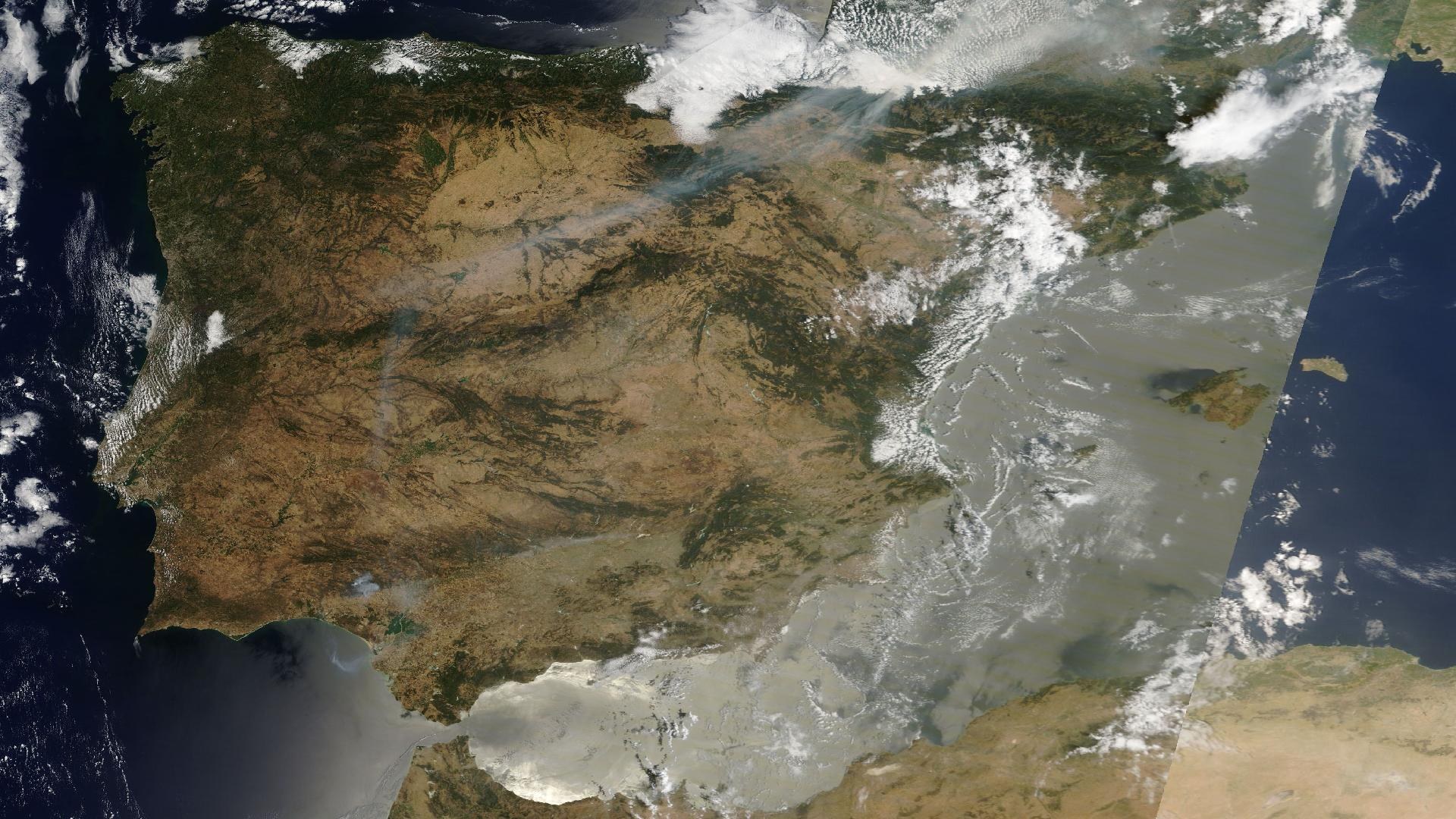
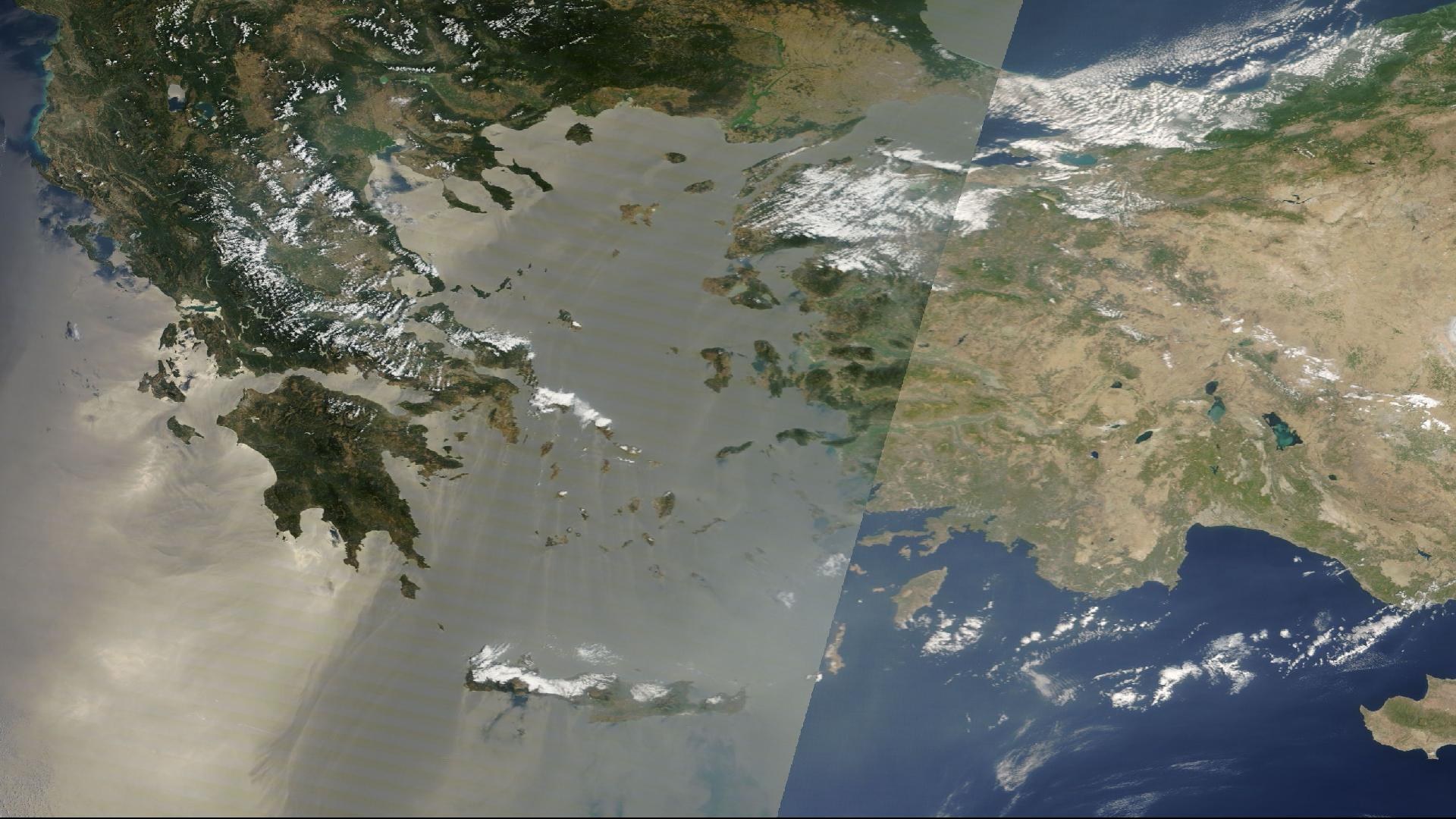
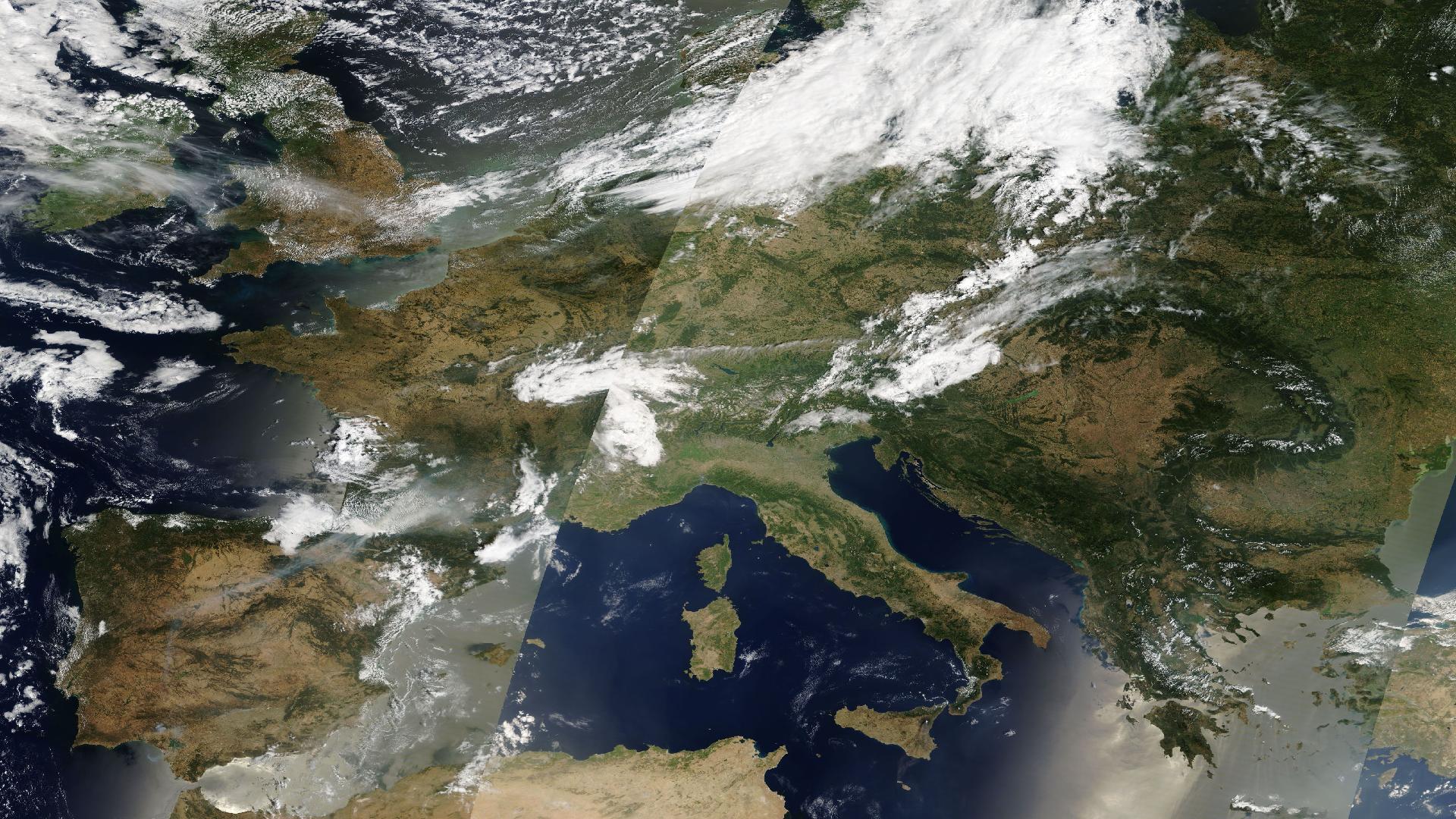
Switzerland is not alone at the WATCH/ADVISORY tier. Greece carries thirteen Hellenic National Meteorological Service ADVISORIES concentrated across the North East Aegean and Dodecanese islands. Italy holds seven Protezione Civile alerts across Sicily, Sardinia, and the southern peninsula. Poland six; Serbia four; Montenegro three; France, Belgium, Hungary, Portugal each at least one. None of these are WARNING-level yet — but the ADVISORY layer alone across continental Europe accounts for more than thirty agency-issued alerts simultaneously active.
The 2026-05-26 brief, The Heat Behind the Fire, closed with the observation that formal heat warnings were "spreading across Europe." This week's package shows that spread playing out one tier at a time: continental Europe still mostly at ADVISORY, Switzerland already at WATCH, with the Mediterranean coastline and the Iberian peninsula sitting against the next forecast push.
The China Meteorological Administration has been the most prolific agency in the dataset — seventeen WATCH-level alerts plus twenty-six ADVISORIES across the 10-day window, covering Handan, Dongping County, and national-level signals. India adds eleven ADVISORIES centered on Nizamabad, Telangana. The Hong Kong Observatory's single WARNING is consistent with its precedent of issuing very-hot-weather warnings at high humidity. Israel's three Israel Meteorological Service WARNINGS span the Jordan Valley, Dead Sea, and Northern Arava — a band of below-sea-level desert geography under formal warning, plus eight Israel ADVISORIES across northern and central regions. The Bahamas Department of Meteorology issued one WARNING relevant to East Coast logistics. Ecuador's five INAMHI WARNINGS cover Esmeraldas, Los Ríos, Pichincha, Imbabura, the Litoral and Interandean regions, and Amazon foothills — equatorial-belt heat, distinct from the mid-latitude story to its north.
Taken together, the Northern Hemisphere mid-latitudes plus the equatorial belt run 26 WARNINGs and 34 WATCHes simultaneously in a single 10-day window, with another 125 ADVISORIES layered underneath. That is the closing of the hemispheric heat belt — not a single anchor event, but the assembling of a coverage map.
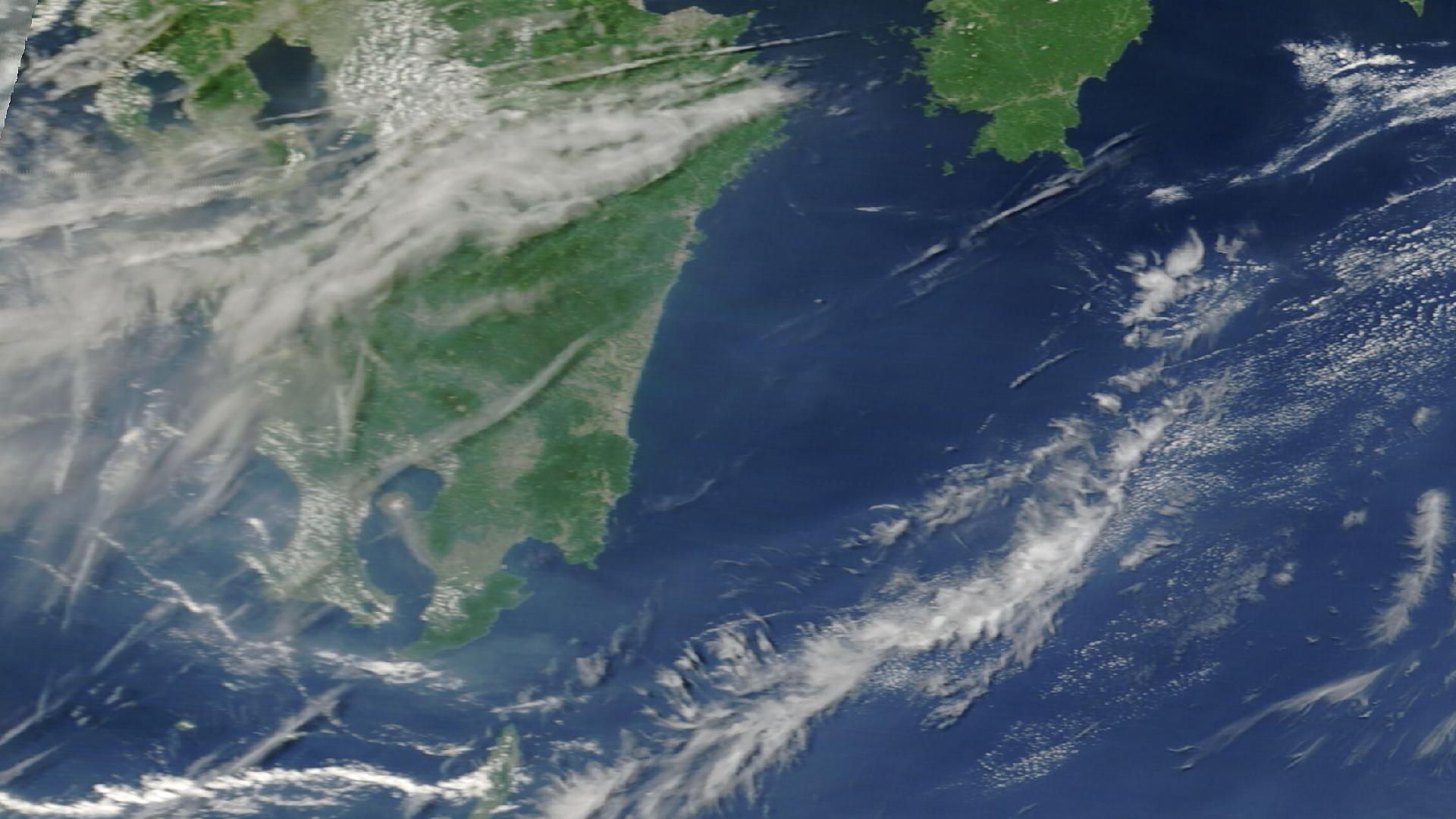
The Mediterranean rim is the single tightest compound-risk geography in the week. Three hazard types overlap on the same coastlines:
Three hazard types in one geography is the operating environment that DisasterAWARE customers in southern Europe will be running through this week. The compound risk is not a single causal chain — Etna does not cause the heat, and the heat does not cause the fires — but it is a multi-layered operational picture that supply-chain, business-continuity, and insurance teams must hold together. That is the case our platform is built to render: heat advisories, fire detections, and volcanic-tremor signals on a single map, against the same population and asset footprints.
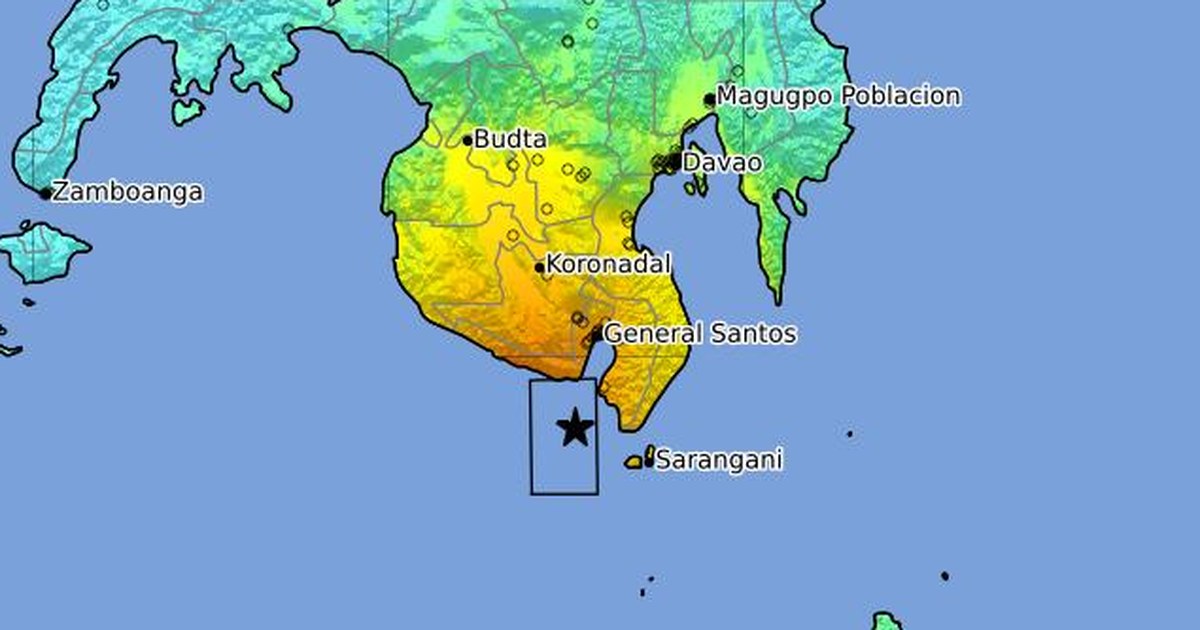
Last week's brief led with the Mindanao M7.8 main shock and its 24-aftershock first-19-hours cluster. This week's package shows that cluster sustained throughout the 10-day window. The historical-events file holds 40 M5.0+ aftershocks within ~80 km of the main-shock epicenter, distributed across the same Sarangani–Balangonan–Pangyan–Lumatil corridor. Two M6.0 aftershocks — at Sarangani and at Pangyan — are the highest-magnitude events of this week. The main shock itself remains in WARNING with Response Support flagged.
In parallel and unrelated, an active sequence in the Kurile arc (Russia) produced an M6.1 and an M5.5 within 139 km of Severo-Kuril'sk, plus active WARNING-level earthquakes at 260 km SSE of Dunhuang (China, M6.3) and 46 km ESE of Palu (Indonesia, M6.7). Six earthquakes globally sit at WARNING or WATCH at the end of the window, four of them in the Philippines / Indonesia corridor.
Seven active COMBAT events as of window close. Lebanon and Iran carry WARNING-level Response-Support designations. INFORMATION-level drone-strike and airstrike events are tracked across Shoukine and Mayfadoun (Lebanon, Nabatieh Governorate), Nuseirat (Gaza, Deir al-Balah), Kyiv (Ukraine), and Tula (Russia). The COMBAT feed sits as a supplementary layer for organizations whose operating geography intersects these theatres.
Active severe-weather and storm WARNINGS span Asia and Central America: Vietnam, Pakistan, Taiwan, Eastern Malaysia (severe weather); Costa Rica, Panama, Suriname (storms). The Caribbean / Central American convective-storm season is opening alongside the Northern Hemisphere heat ramp.
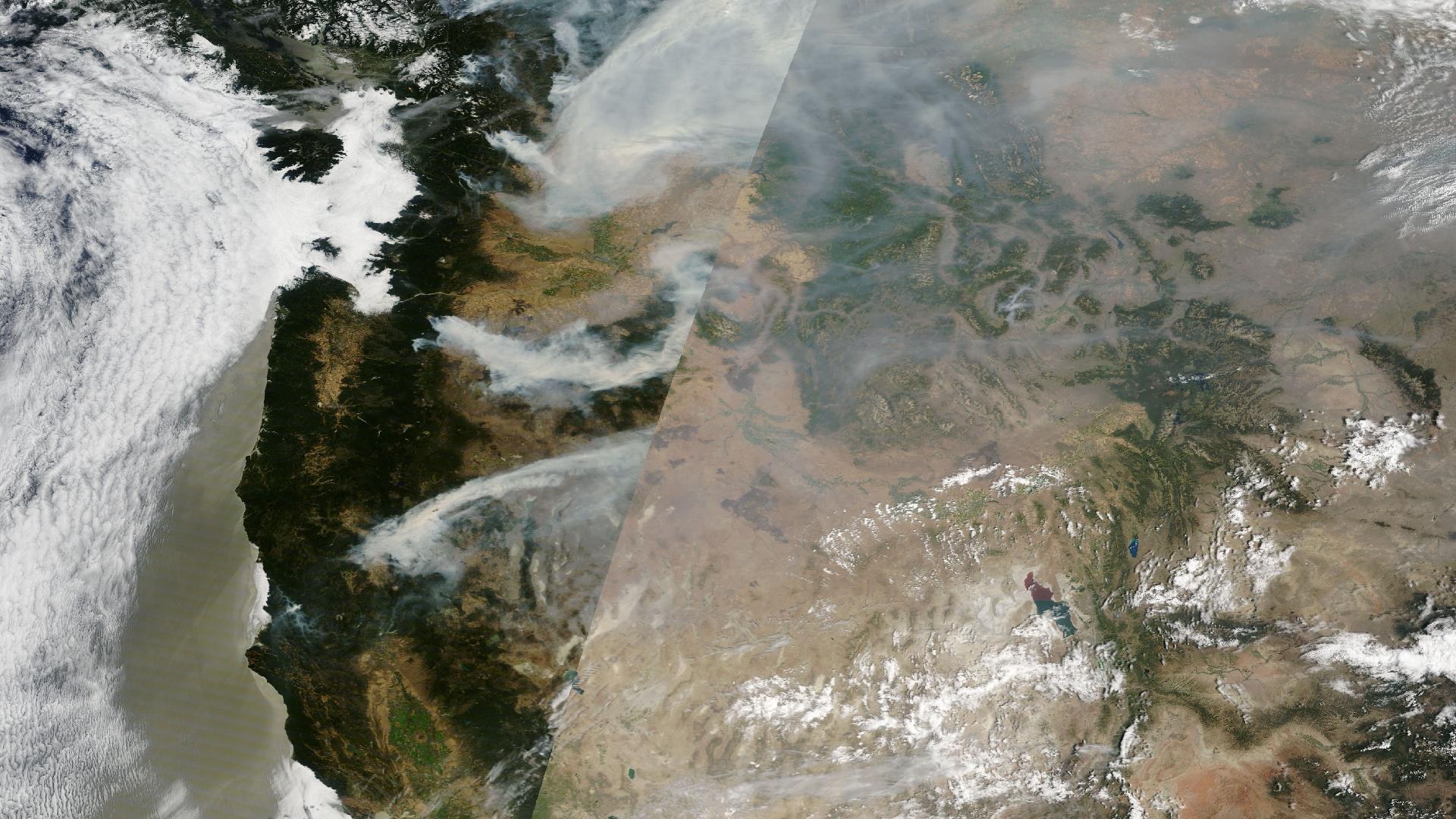
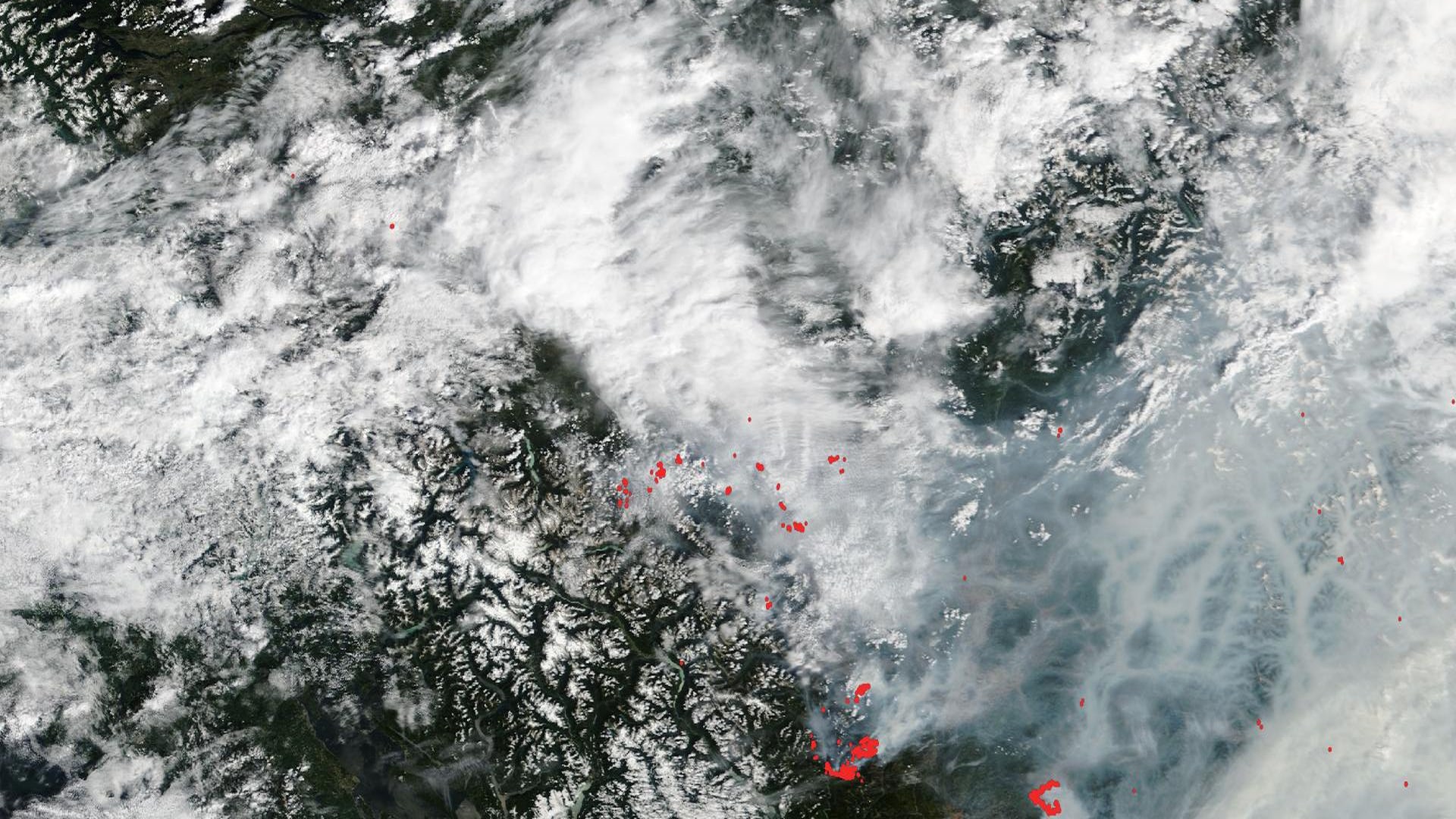
The forecast pipeline shows the heat story is not at peak yet. Thirty-four WATCH-level alerts and 125 ADVISORIES sit behind the 26 WARNINGs, indicating the next several days of upgrades. China's seventeen WATCHes and Switzerland's eleven are the largest queued concentrations. Several U.S. Southwest sites, additional Swiss alpine valleys, and parts of central Italy sit against the ADVISORY-to-WATCH threshold. The wildfire footprint behind the heat is following the same expansion pattern — 855 detected fires this week is higher than the 820 reported in the 2026-05-19 brief and the 84 active wildfires three weeks before that. The fire belt and the heat belt are now in lockstep across the Northern Hemisphere mid-latitudes, and they are not retreating.
For the next four to six weeks, expect the heat story to continue dominating. The supporting cast — Mindanao aftershocks, fifteen active volcanoes including Etna, Mediterranean and global wildfires, and convective-storm activity in Asia and Central America — sits at the same scale or higher than recent weeks. But the leading-indicator story is the one assembling simultaneously across northern Canada, the US, equatorial Ecuador, the Middle East, central Europe, China, and the Mediterranean rim.













-min.png)


.png)


.png)




Decision-ready intelligence for understanding what's happening, what is impacted, and what to do next. Global hazard, severe weather, catastrophe, and physical risk intelligence trusted by governments, enterprises, insurers, humanitarian organizations, and technology platforms worldwide.
Request DemoContact Us

