


The Key Principles Behind Effective Parametric Insurance Design
Parametric insurance is built around a simple proposition: When a predefined event occurs or a measurable threshold is reached, the policy pays.
That simplicity is one of the reasons parametric insurance has attracted growing interest across catastrophe, agriculture, business interruption, energy, travel, and other risk-transfer applications. But designing an effective parametric product is not simply a matter of choosing a number.
The trigger needs to be measurable, objective, relevant to the underlying risk, and supported by reliable data. A well-designed trigger should also be transparent enough that both the insurer and policyholder understand exactly what will cause the policy to respond—and how that determination will be made.
So, what makes a good parametric insurance trigger?
The foundation of a parametric trigger is objectivity. The trigger should be based on a measurable condition rather than a subjective assessment.
For example:
The measurement should come from a clearly defined data source and methodology. The less ambiguity involved in determining whether a trigger occurred, the easier the policy is to administer and settle.
A measurable trigger is not necessarily a useful trigger. The parameter should have a meaningful relationship to the risk being transferred.
Consider a business interruption policy for a manufacturing facility. A rainfall trigger might make sense if extreme precipitation can cause flooding or operational disruption. But simply selecting the highest rainfall measurement in a large region may not provide a meaningful representation of the facility's exposure.
The trigger should therefore answer an important question:
Does this measurable event provide a reasonable representation of the risk the policy is designed to protect against?
Where the trigger is measured can be just as important as what is being measured. A trigger based on a weather station may be appropriate for some products. For others, a geographic event footprint may be more representative.
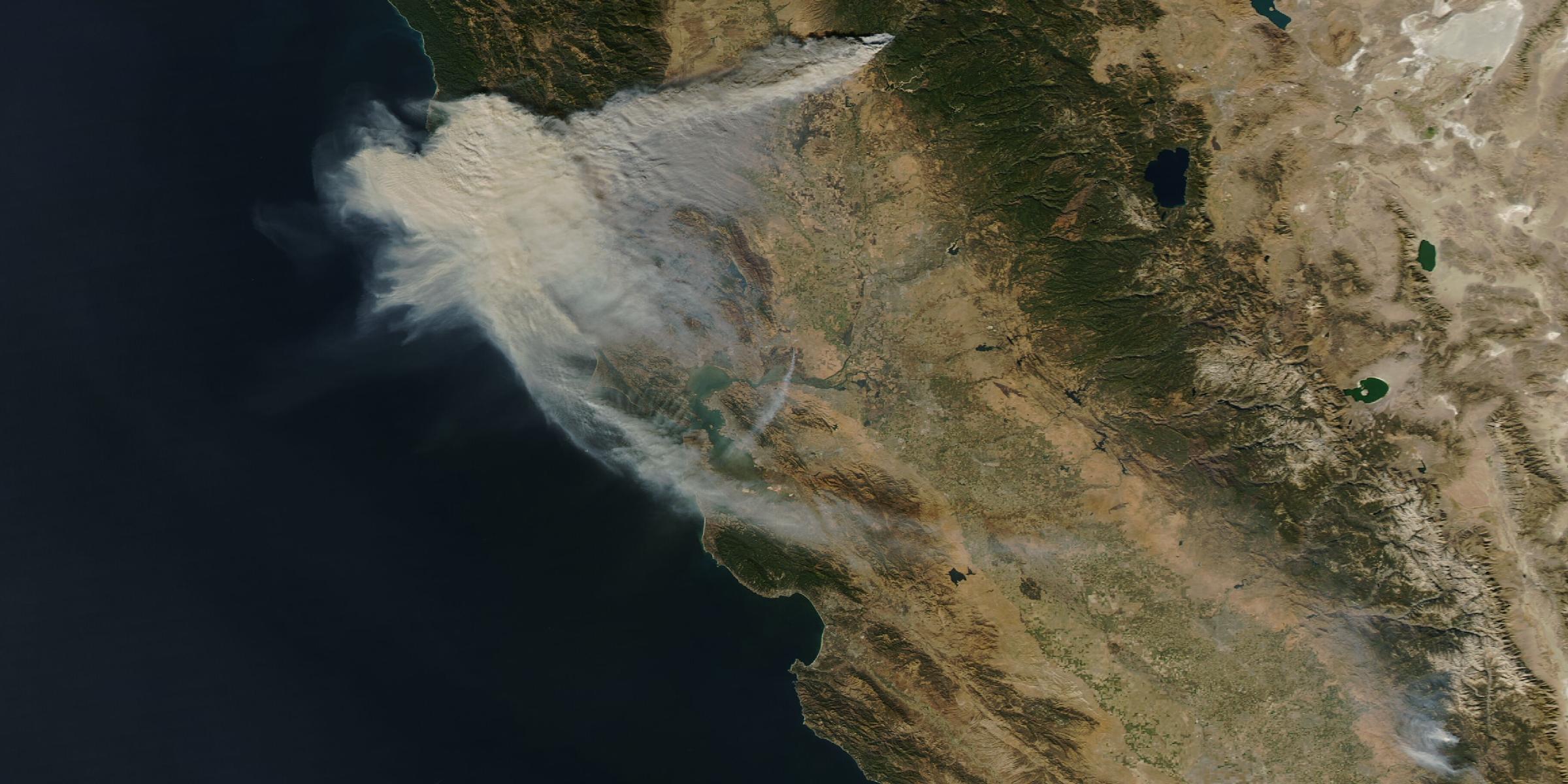
For example, a wildfire policy might use: Fire enters a defined coverage area.
A flood policy might use: Flood depth exceeds a specified threshold at the insured location.
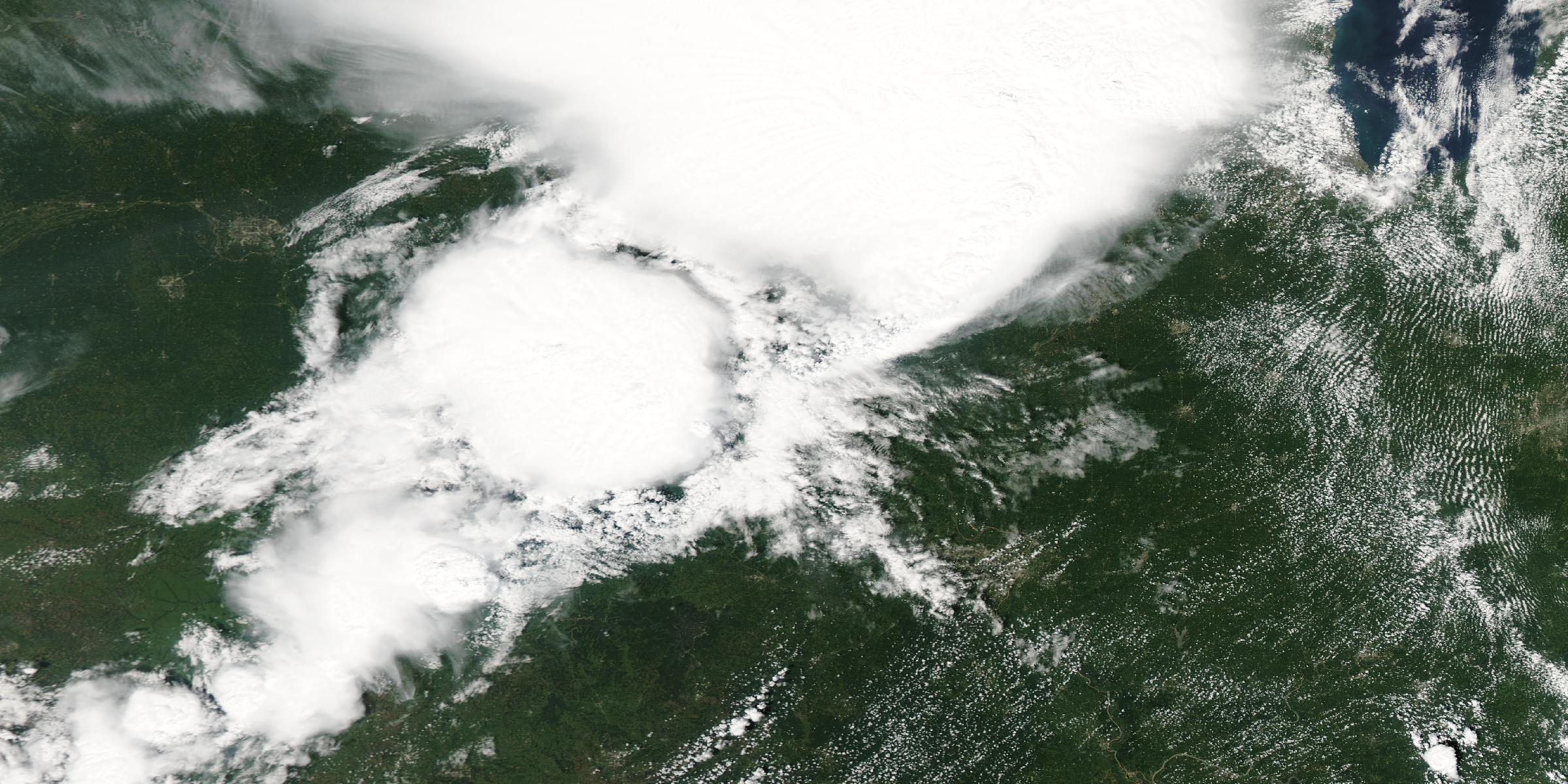
A hail policy might use: The insured location falls within a defined hail footprint.
Geographic precision can help reduce the disconnect between the measured hazard and the actual insured exposure.
Backtest parametric triggers against three decades of hazard events
Historical Event Intelligence delivers event-level hazard records with geospatial footprints across 30+ hazard types — so you can see how a proposed trigger would have performed before it goes to market.
The trigger is only as dependable as the data used to measure it. Insurers should consider factors such as:
The source should also be appropriate for the specific peril. A rainfall trigger, for example, may rely on different data than a wildfire or earthquake trigger.
The key question is: Can the data source consistently provide the information required by the policy?
Parametric insurance depends heavily on trust. The policyholder should understand:
For example:
The clearer these terms are, the fewer questions there are when an event occurs.
A trigger needs more than a threshold. It also needs a time dimension.
For example:
Does rainfall need to exceed 300 mm in 24 hours?
Or:
72 hours?
Similarly, a wind trigger might depend on:
Timing can materially change the meaning of a trigger. A clearly defined observation window is therefore essential.
Before launching a parametric product, insurers need to understand how the proposed trigger behaves historically. Suppose an insurer is considering a 300 mm rainfall trigger.
Historical event data can help answer:
This process, often referred to as backtesting, can help insurers evaluate potential trigger structures before putting them into the market. Historical catastrophe intelligence can provide an important foundation for this analysis.
No parametric trigger perfectly captures every aspect of an underlying loss. That creates the possibility of basis risk—where the policy triggers but the policyholder experiences limited loss, or the policyholder experiences significant loss without the trigger being reached. Trigger design should therefore consider how closely the selected parameter corresponds to the actual risk.
For example:
Better geographic, temporal, and hazard data can help insurers evaluate these relationships and potentially reduce basis risk.
Parametric insurance can become technically complex very quickly. Multiple thresholds, multiple locations, multiple data sources, and complicated payout formulas may create sophisticated products—but complexity can also make a policy harder to understand. A strong trigger should be as simple as possible while still appropriately representing the risk.
For example:
Rainfall exceeds X → payout begins.
Or:
Wildfire enters defined area → payout occurs.
Or:
Wind exceeds X → payout according to the agreed schedule.
Simplicity can make the product easier to explain, price, administer, and evaluate.
The trigger and payout structure should work together.
Some policies may use a binary structure:
Trigger not reached → No payout
Trigger reached → Full payout
Others may use graduated thresholds.
The appropriate structure depends on the risk being transferred. The important consideration is that the relationship between the measured hazard and the payout should be clearly defined in advance.
A well-designed parametric product creates a clear chain between the physical event and the financial response:
Hazard → Measurement → Threshold → Trigger → Payout
Each component matters.
If the hazard is poorly characterized, the trigger may not represent the risk. If the measurement is unreliable, the trigger may be difficult to validate. If the threshold is poorly calibrated, basis risk may increase. If the payout structure is overly complex, the product may become difficult to understand.
Good parametric design therefore starts with good hazard intelligence.
Real-time event intelligence can support the trigger process by providing timely information about:
Historical event intelligence can support product development by providing evidence about how proposed triggers would have performed across previous events.
Together, these capabilities can help insurers connect:
Historical Events → Product Design → Real-Time Event → Trigger Assessment → Settlement
The data does not replace the contractual definition of the trigger. Instead, it provides the information needed to apply that definition.
The growth of parametric insurance is creating new opportunities to transfer risks that may be difficult or expensive to address through traditional indemnity coverage. But the success of these products depends heavily on the quality of their underlying triggers.
The best triggers are not simply convenient measurements. They are objective, relevant, geographically appropriate, transparent, historically testable, and supported by reliable data. As hazard intelligence becomes more granular and available in near real time, insurers can increasingly design parametric products around a more detailed understanding of the events they are trying to insure.
The fundamental relationship remains simple:
The better the data connecting those three steps, the more effectively parametric insurance can translate real-world catastrophe events into financial protection.
Explore the historical record
Decades of reconstructed, verified catastrophes — browse the Historical Event Intelligence overview, or request sample data for your own portfolio.
What makes a parametric insurance trigger objective? An objective trigger rests on a measurable physical condition — wind speed, rainfall accumulation, earthquake magnitude, flood depth, or a fire perimeter reaching a defined area — rather than on an adjuster's assessment of loss. The measurement must come from a clearly defined data source and a stated methodology, so that both parties can determine whether the threshold was reached without negotiating the answer.
What is basis risk in parametric insurance? Basis risk is the gap between the trigger and the policyholder's actual loss. It runs in both directions: the policy can pay when the insured suffered little damage, or fail to pay when the insured suffered a great deal. No parametric trigger removes it entirely, but more granular geographic, temporal and hazard data lets insurers measure how closely a proposed parameter tracks the exposure it is meant to represent.
Why does a parametric trigger need historical data? Before a product goes to market, an insurer needs to know how often the proposed threshold was exceeded, where exceedances occurred, how long they lasted and how large the affected areas were. Running the trigger against historical events — backtesting — shows how frequently the policy would have paid and how well those payouts would have corresponded to real exposure.













-min.png)
.png)


.png)



Decision-ready intelligence for understanding what's happening, what is impacted, and what to do next. Global hazard, severe weather, catastrophe, and physical risk intelligence trusted by governments, enterprises, insurers, humanitarian organizations, and technology platforms worldwide.
Request DemoContact Us

