


How Hazard Data Connects a Real-World Event to a Financial Response
Parametric insurance is often described as simple: A predefined event occurs. A threshold is reached. The policy pays.
But behind that simple transaction is a sophisticated data infrastructure. Before a parametric policy can respond, insurers need to identify the hazard, measure what happened, determine whether the event meets the contractual definition, and establish whether the insured exposure falls within the defined parameters.
That creates a data chain:
Hazard Detection → Event Characterization → Measurement → Exposure → Trigger Verification → Payout
Each step matters. And the quality, timeliness, and transparency of the underlying data can directly affect how efficiently a parametric product operates.
The process begins with detecting a potentially relevant hazard. Depending on the peril, detection can come from sources such as:
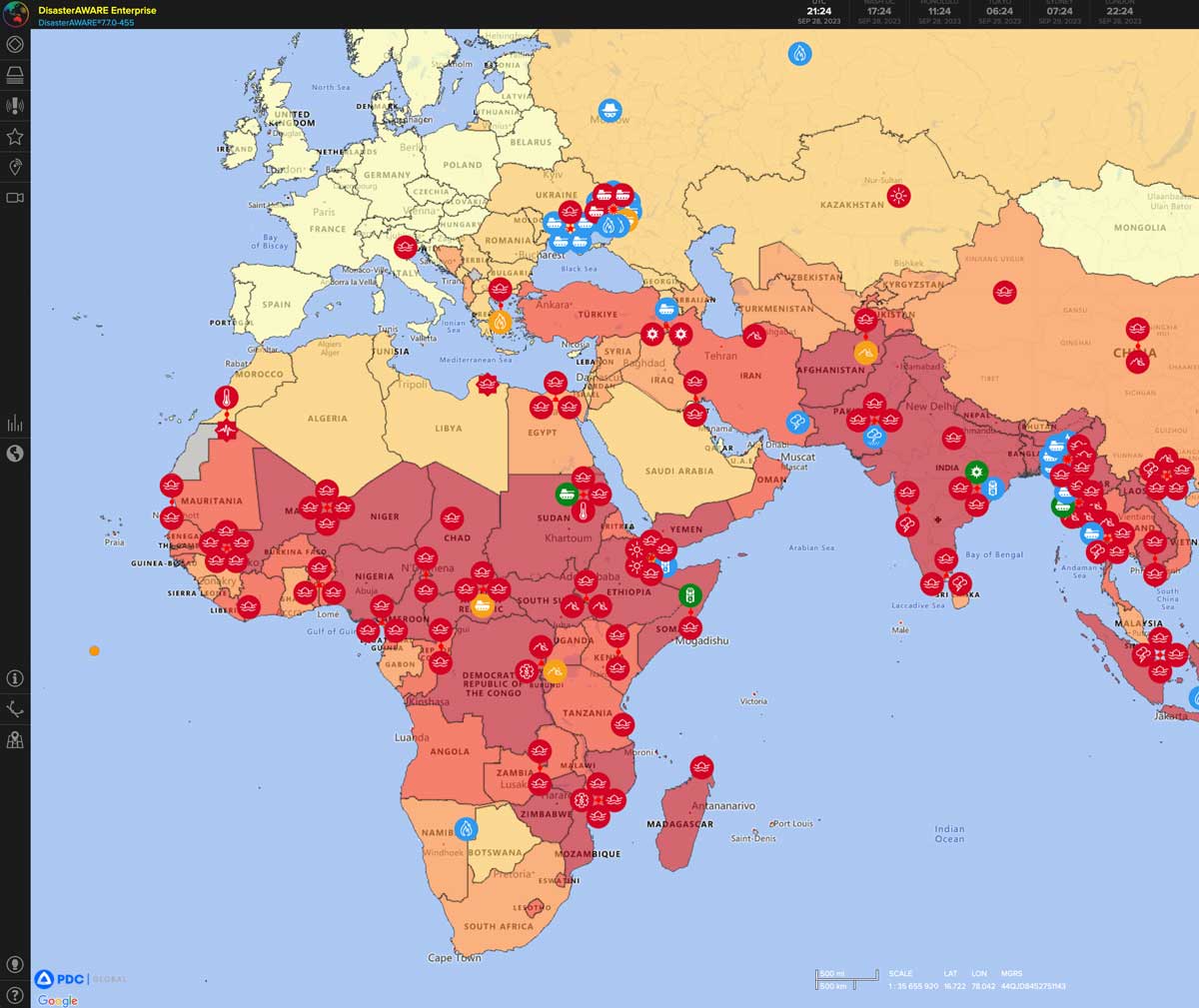
The objective is to identify that an event is occurring and determine whether it could be relevant to the policy.
For example:
Detection is the starting point—but it is only the beginning.
Once an event has been detected, the next step is understanding its characteristics.
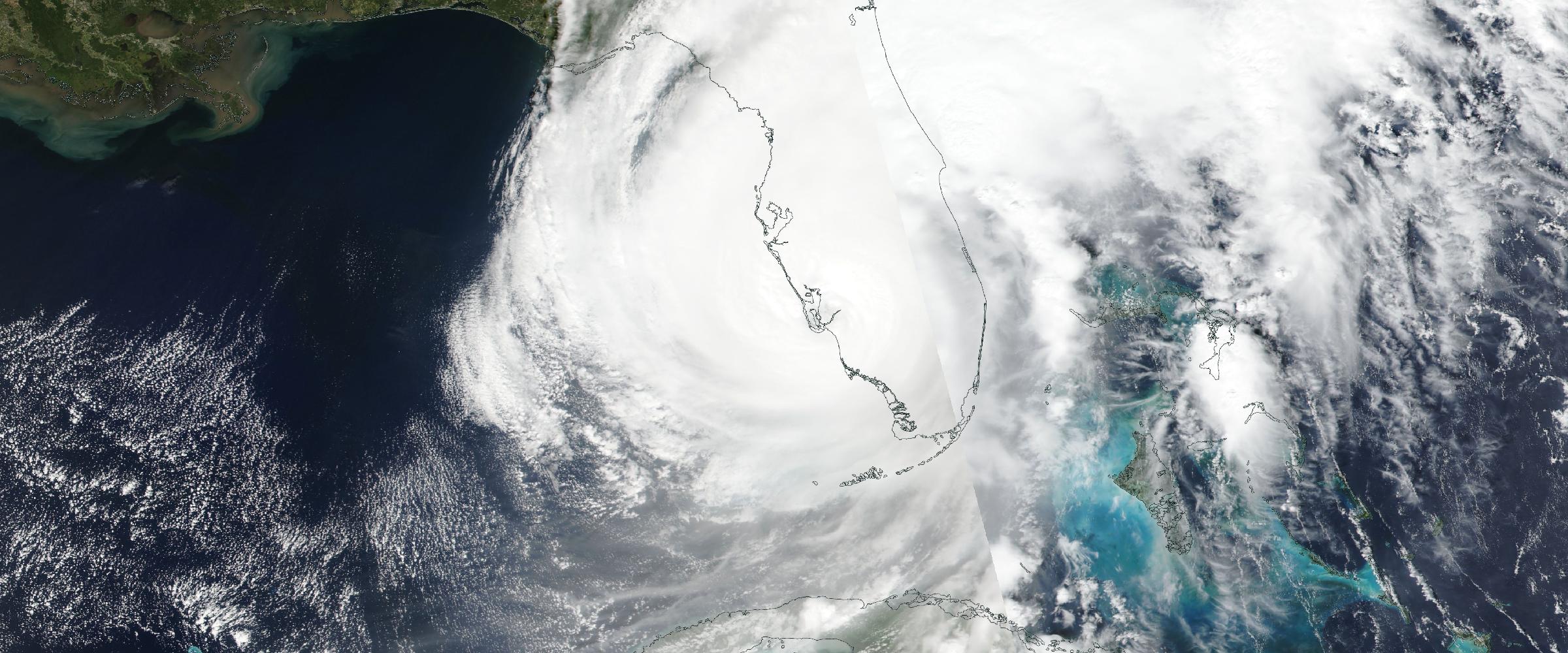
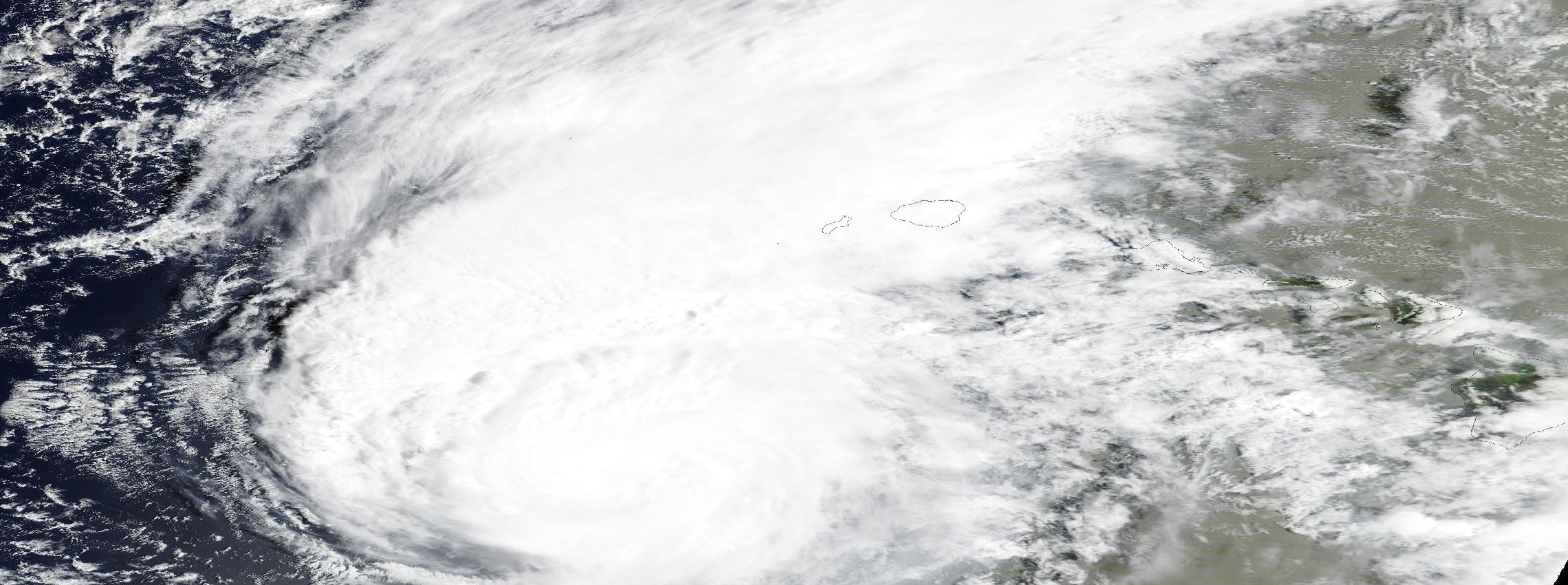
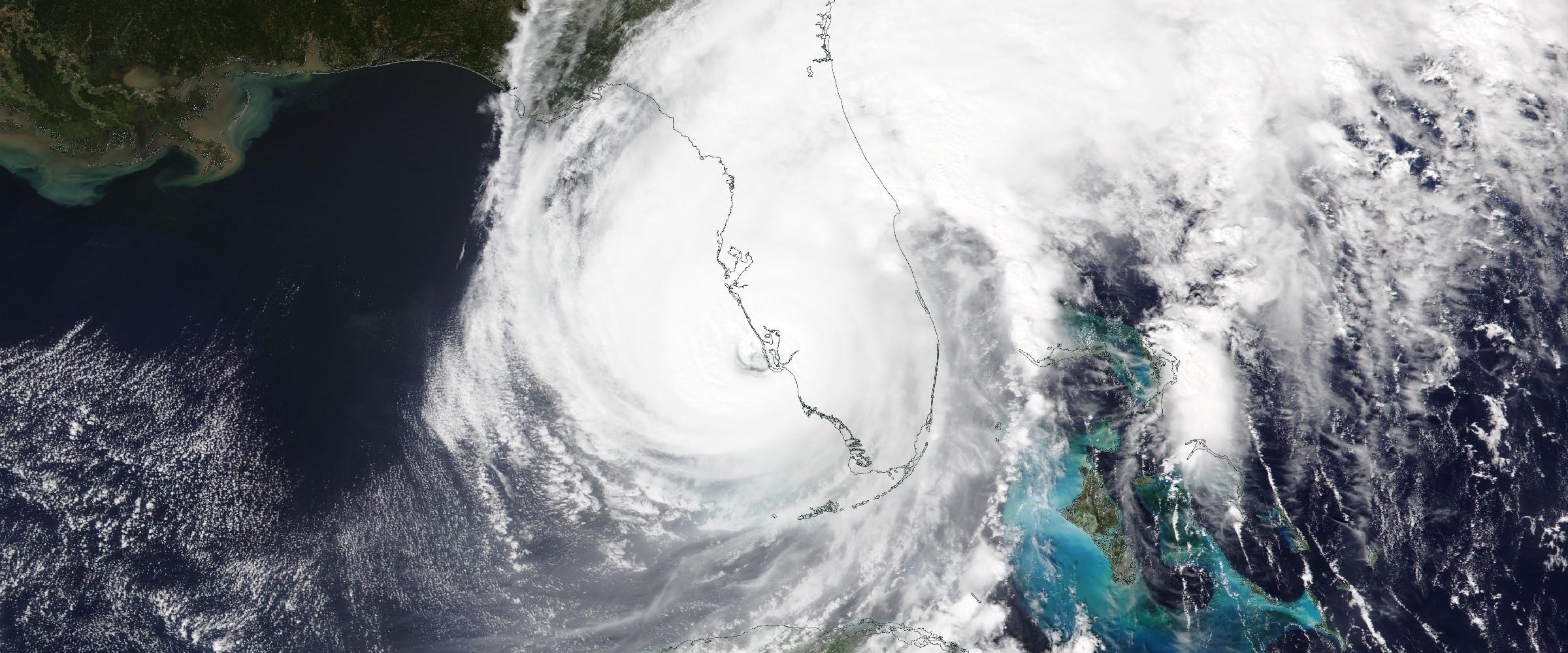
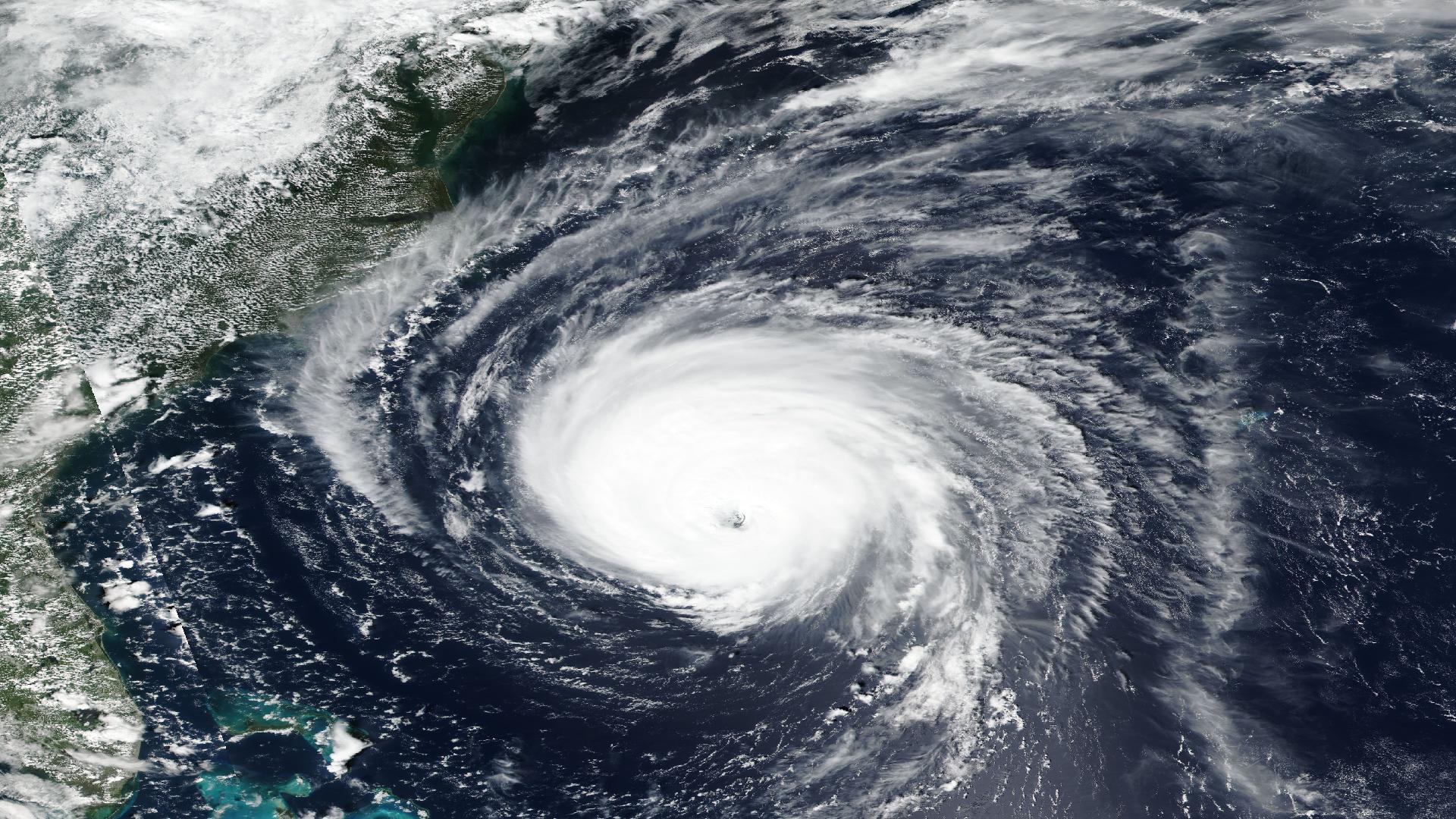
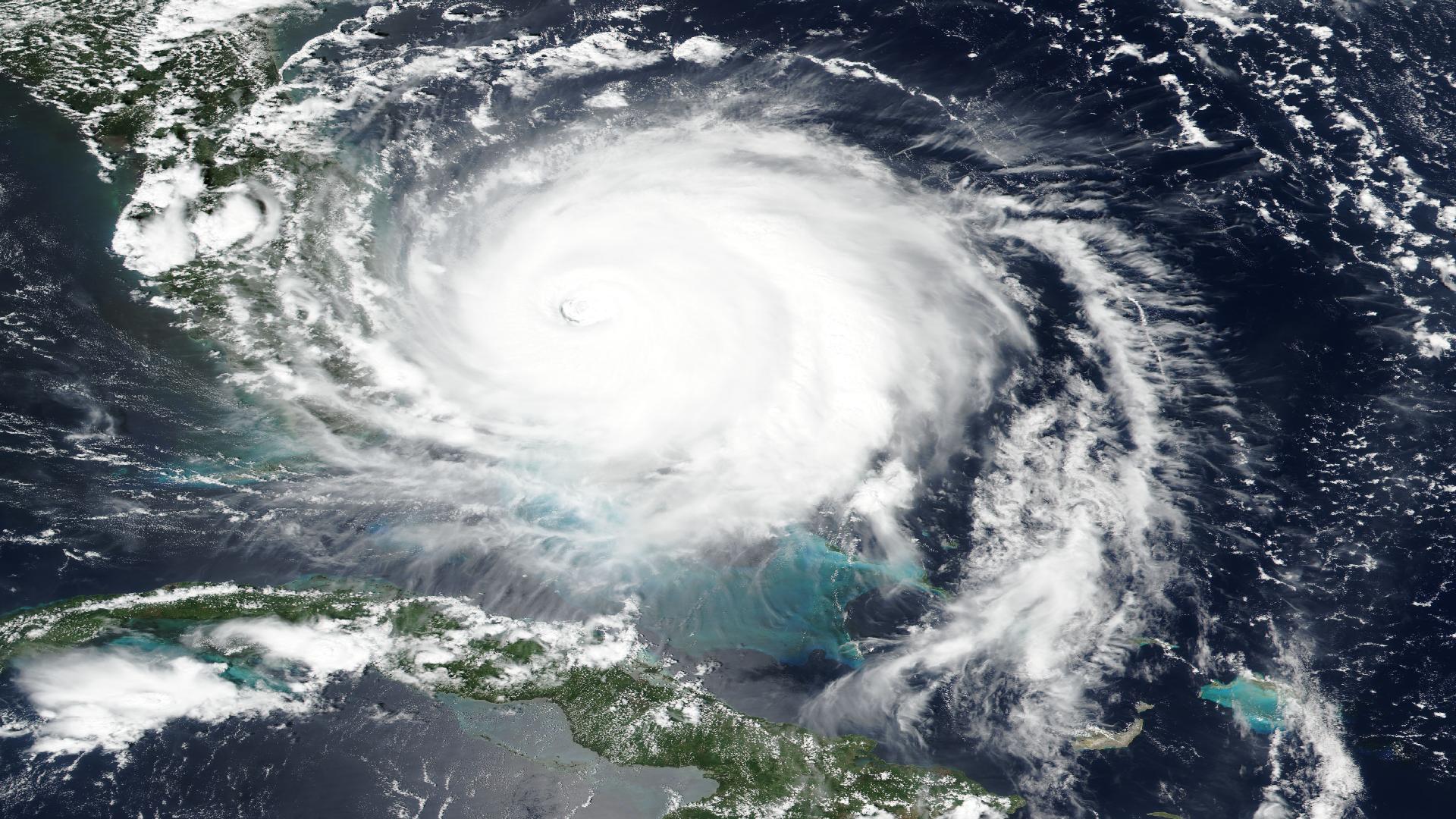
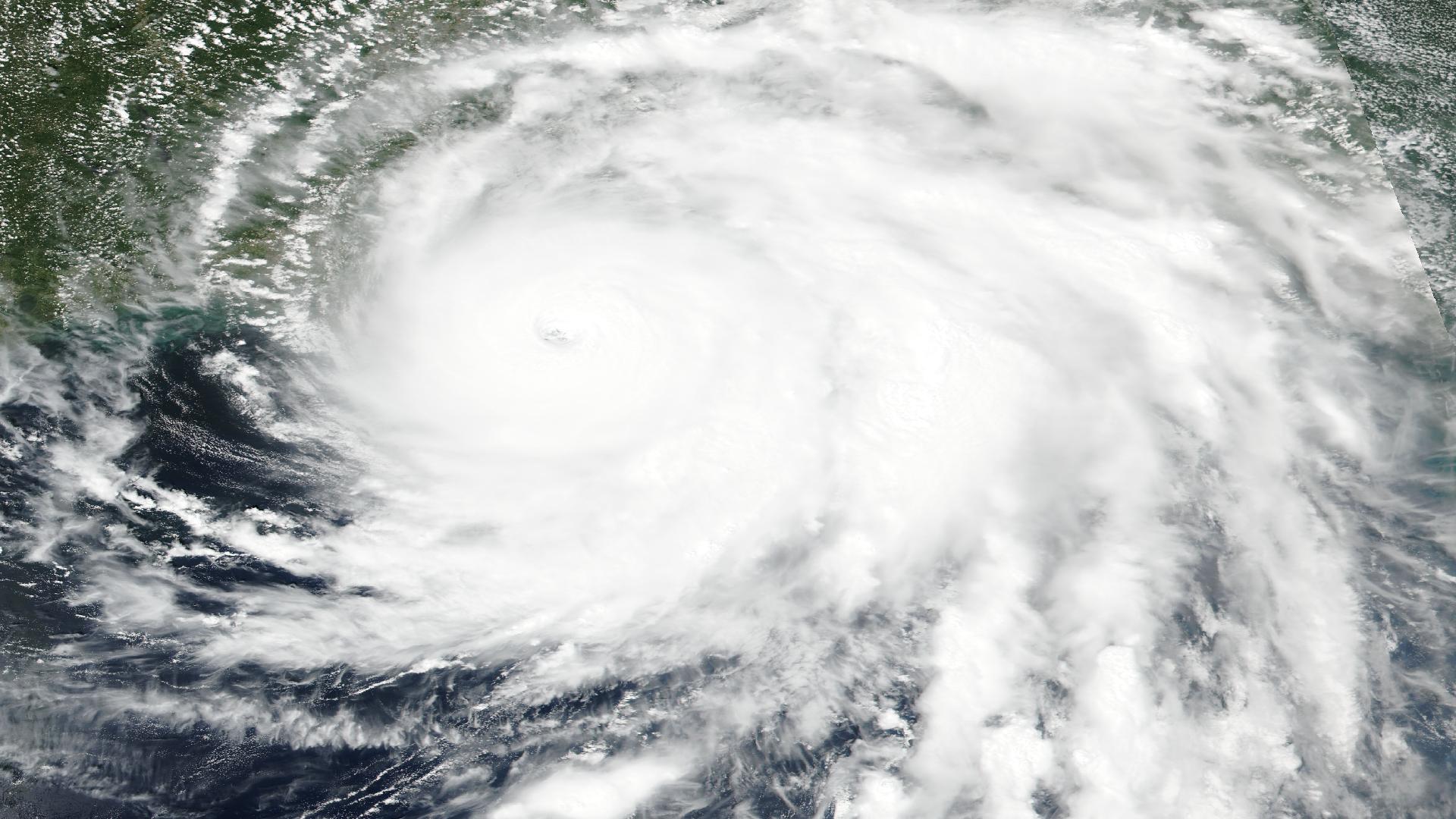
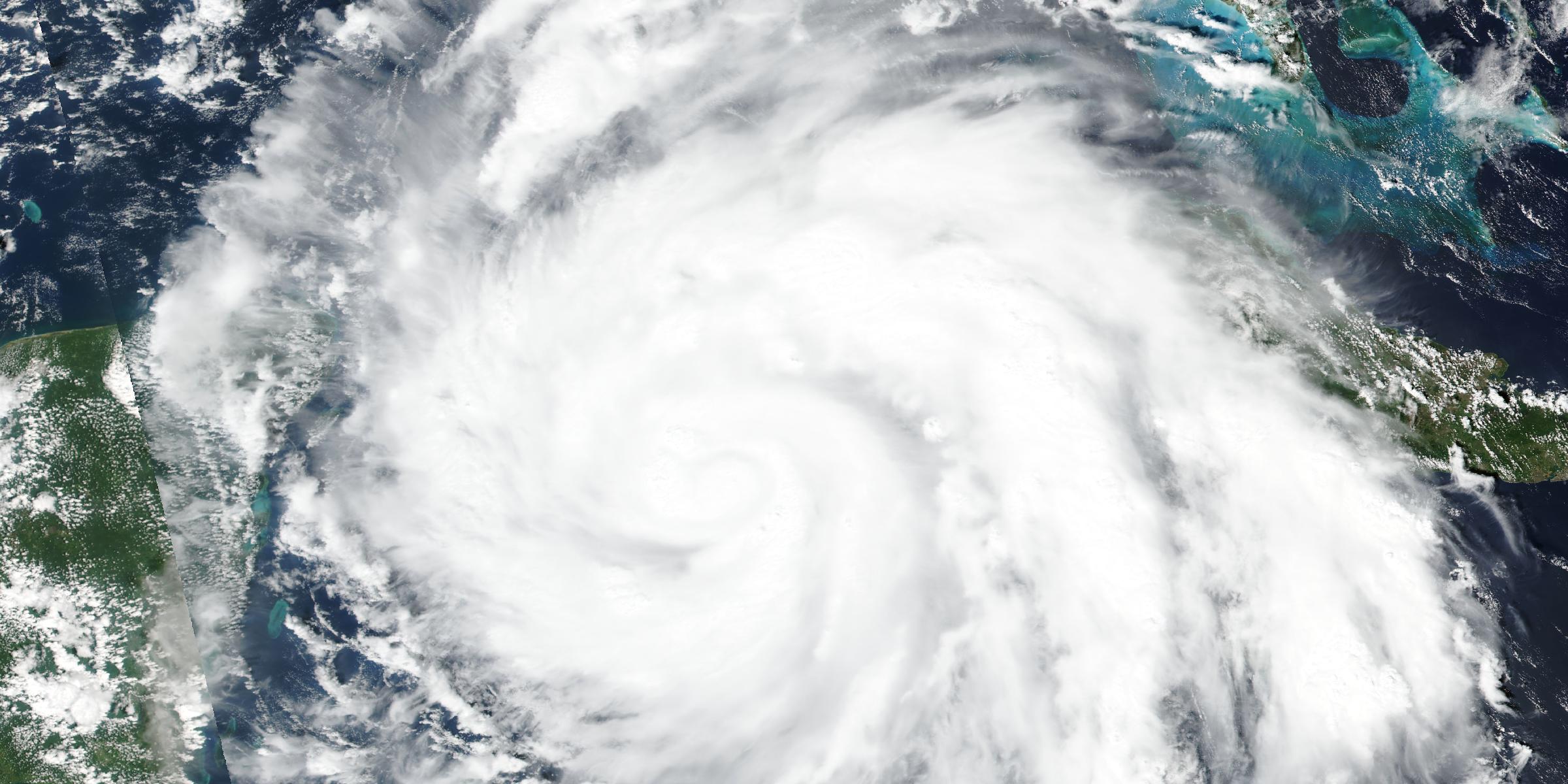
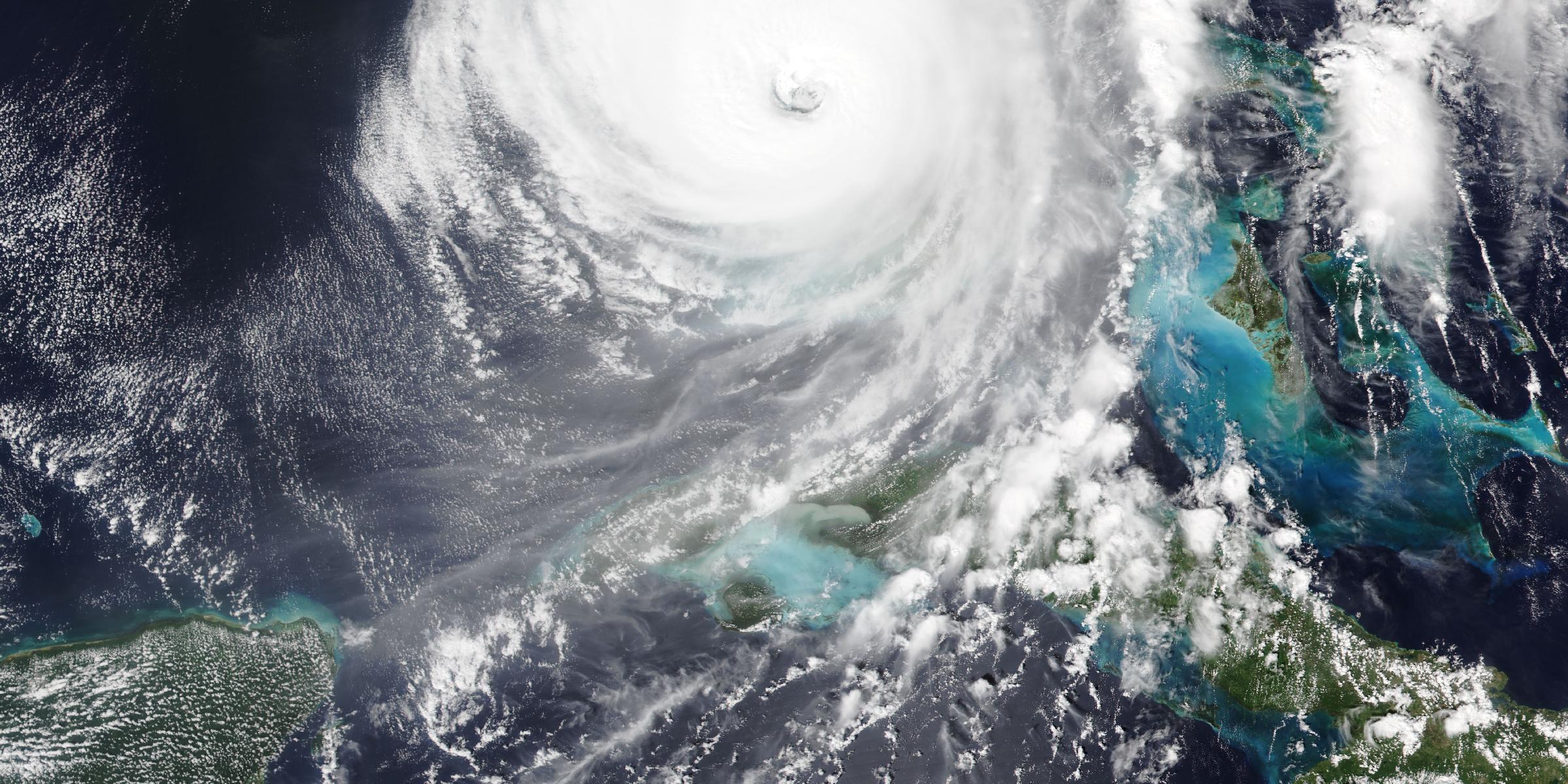
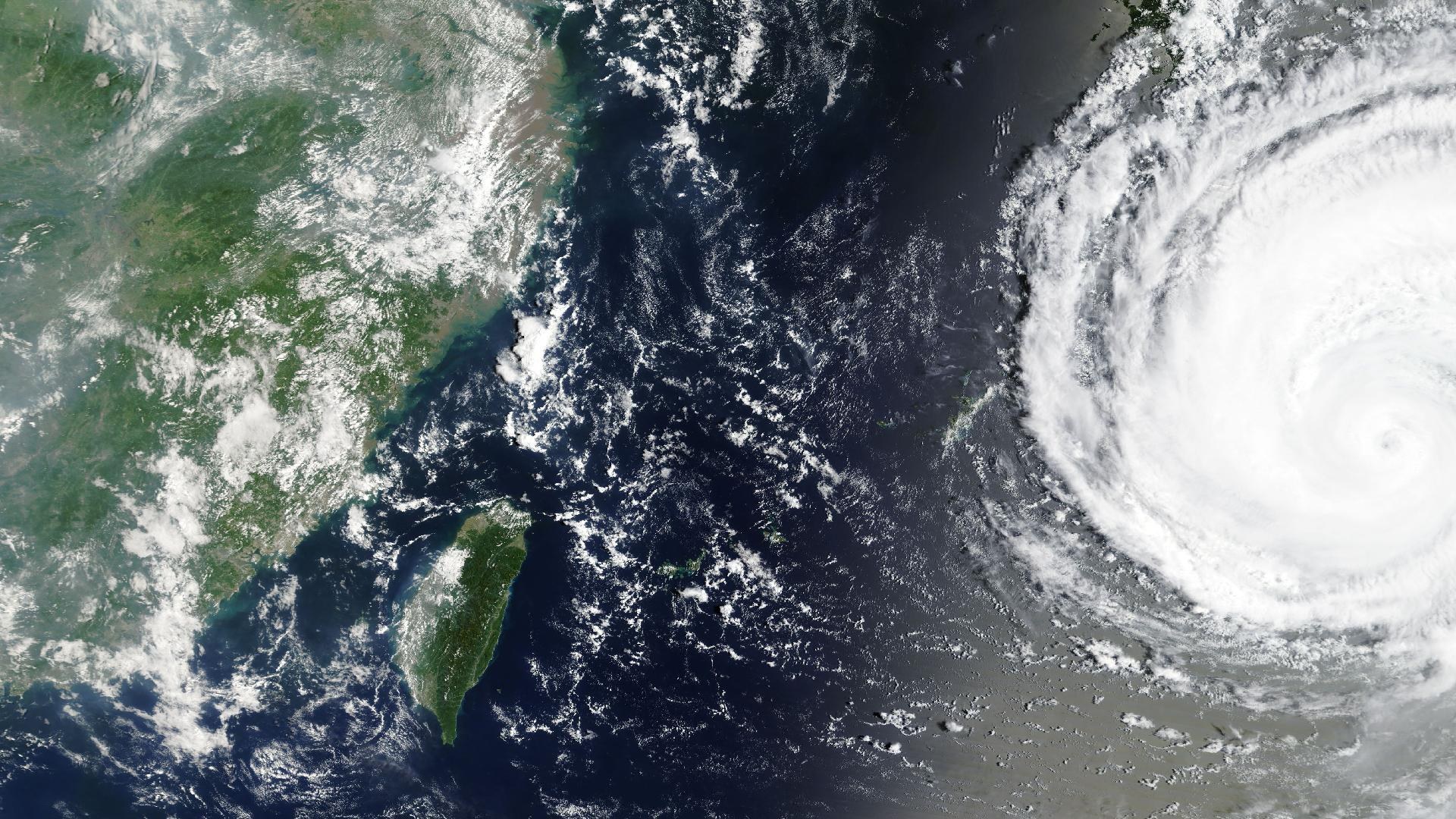
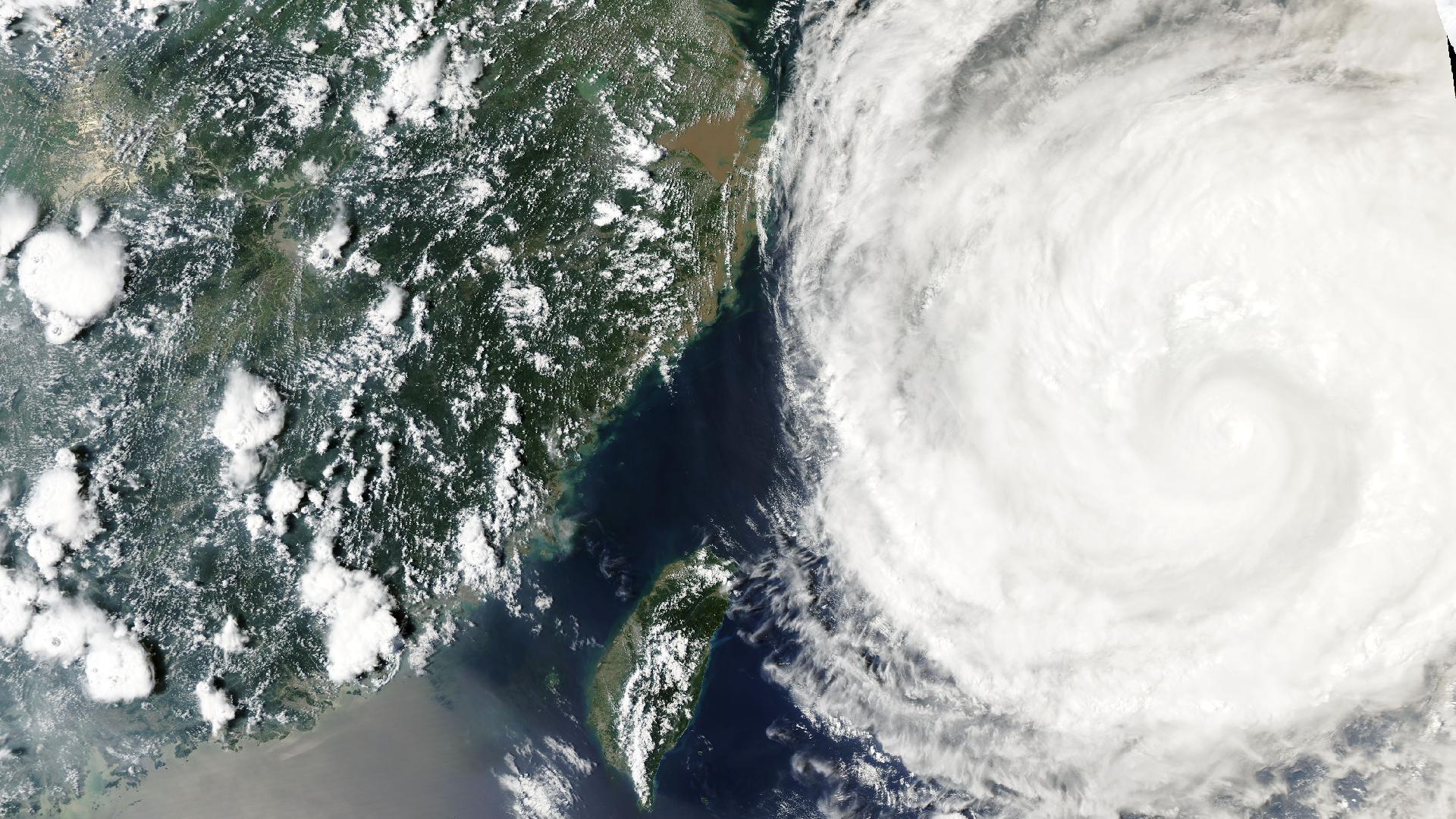
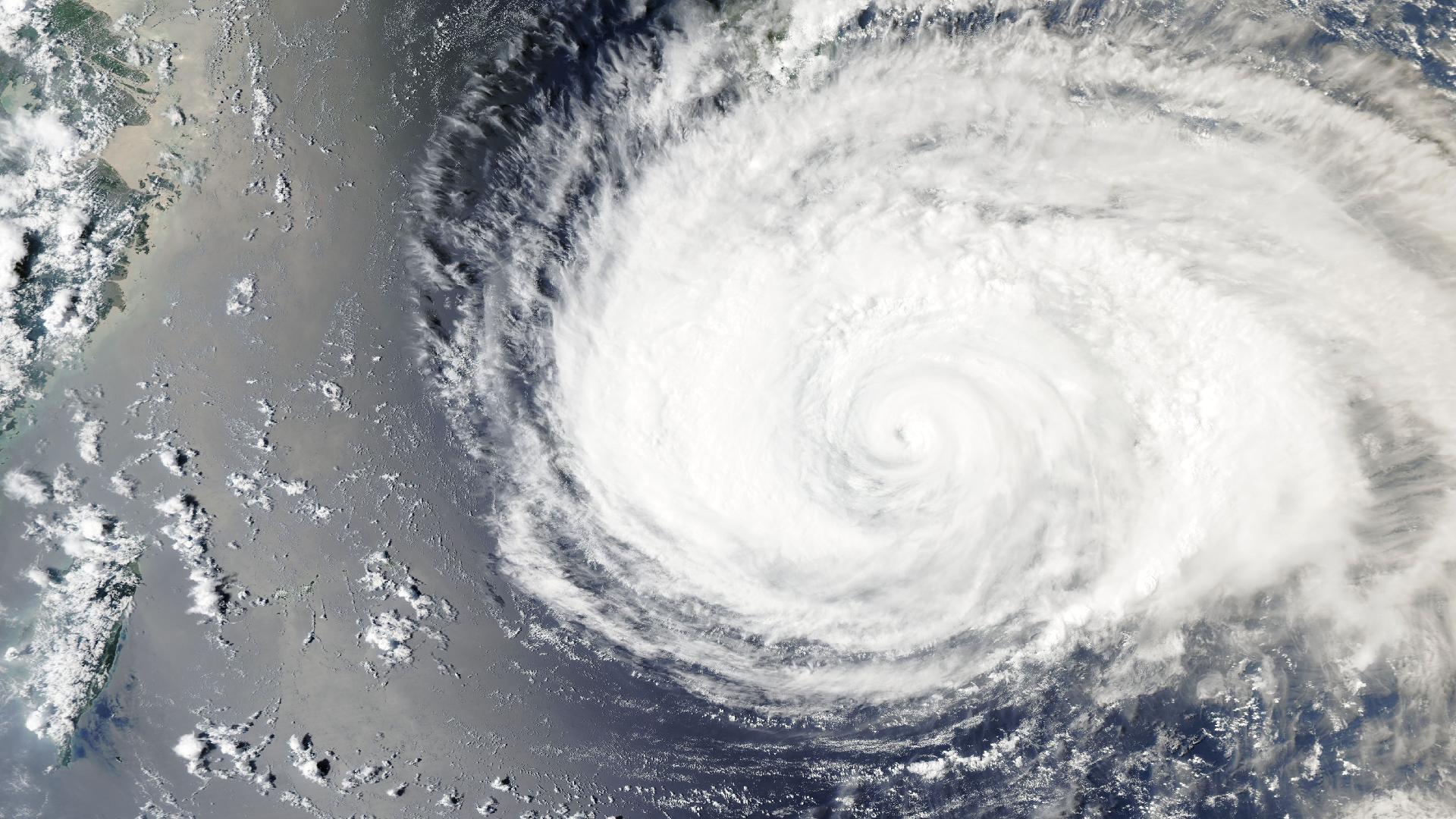
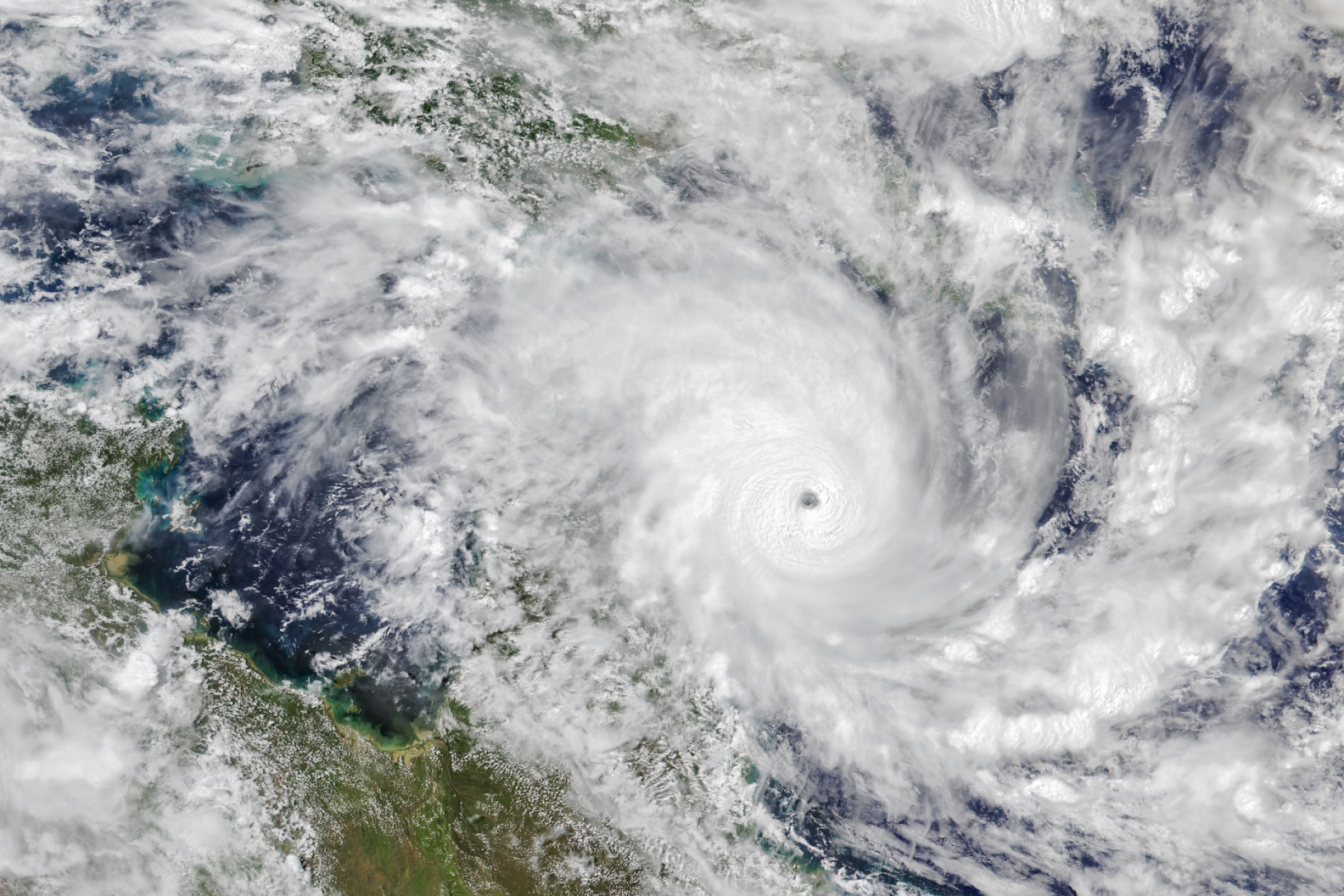
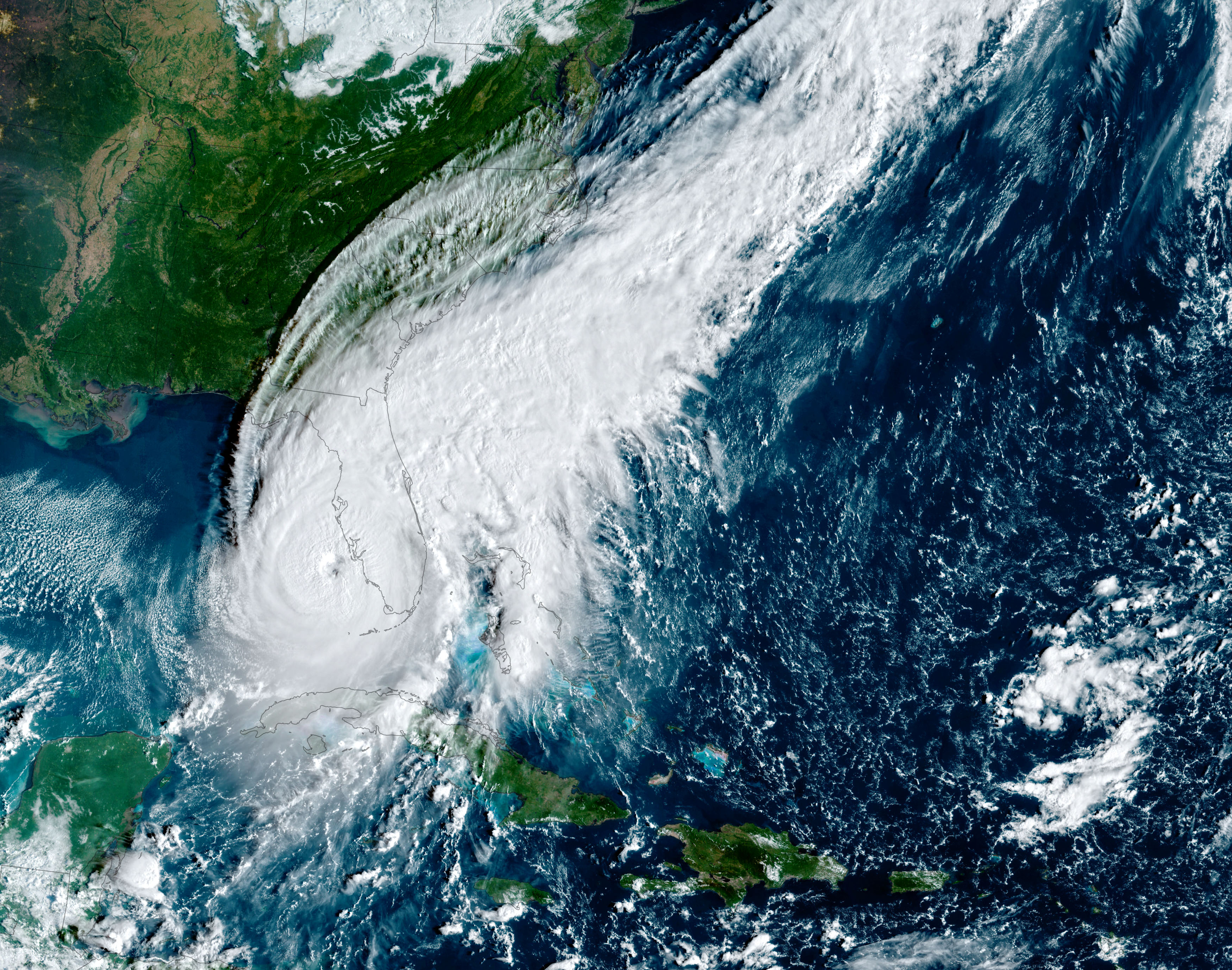
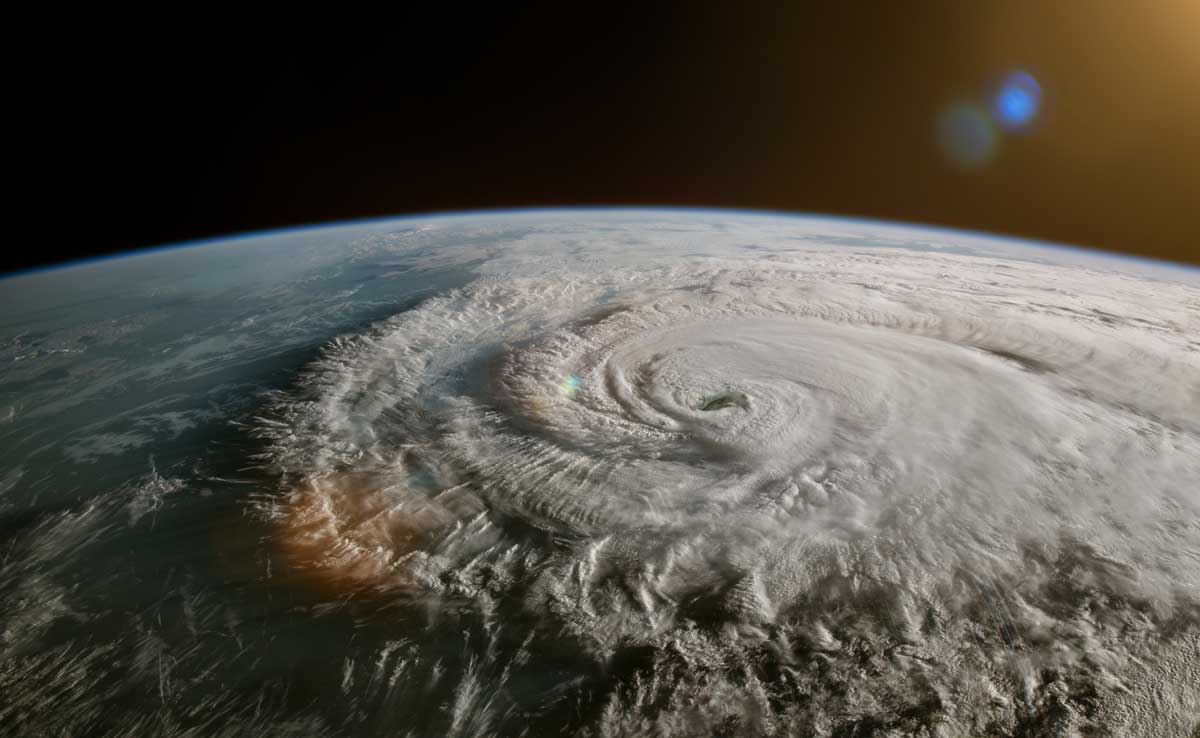
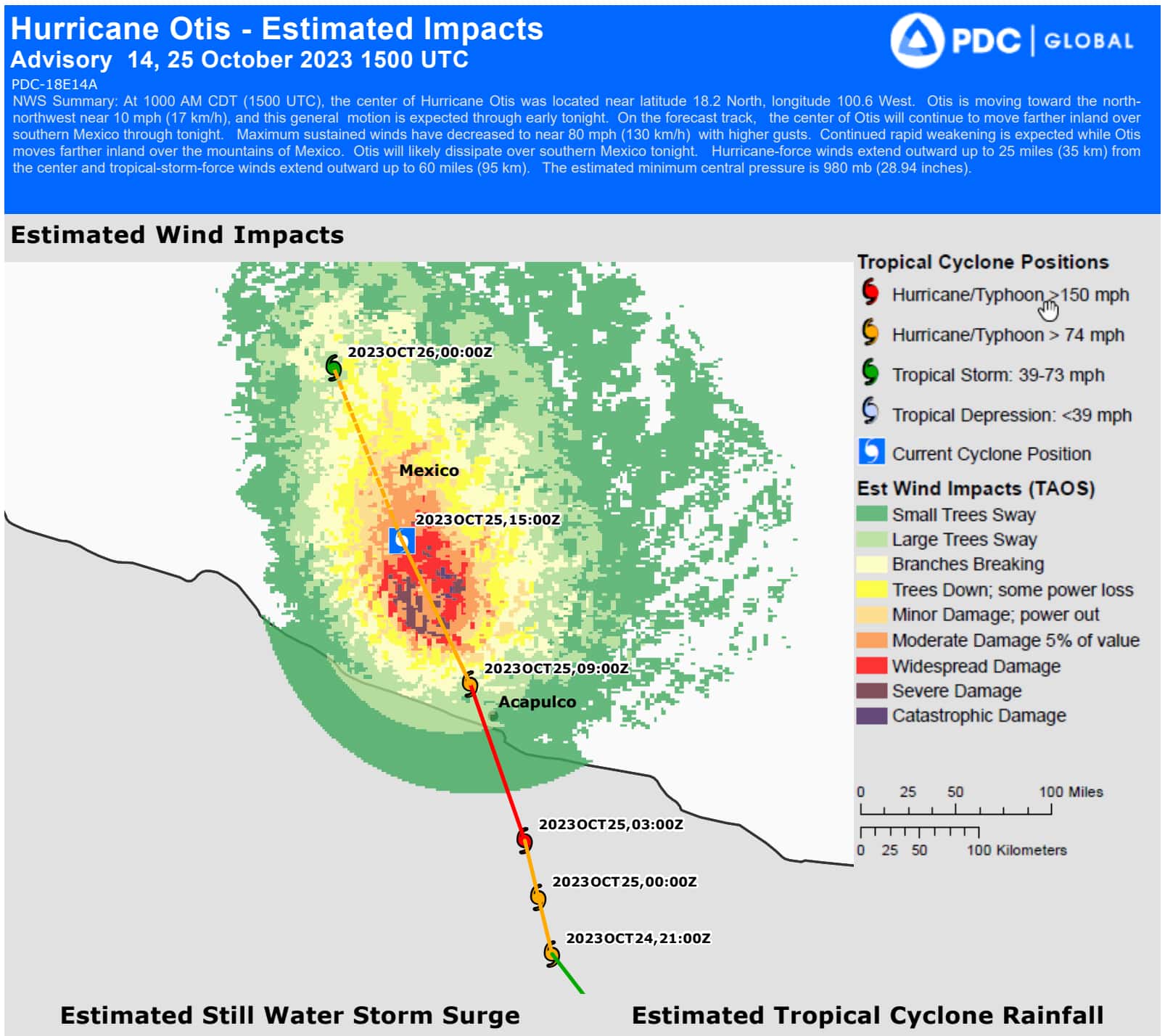
A hurricane might be characterized by:
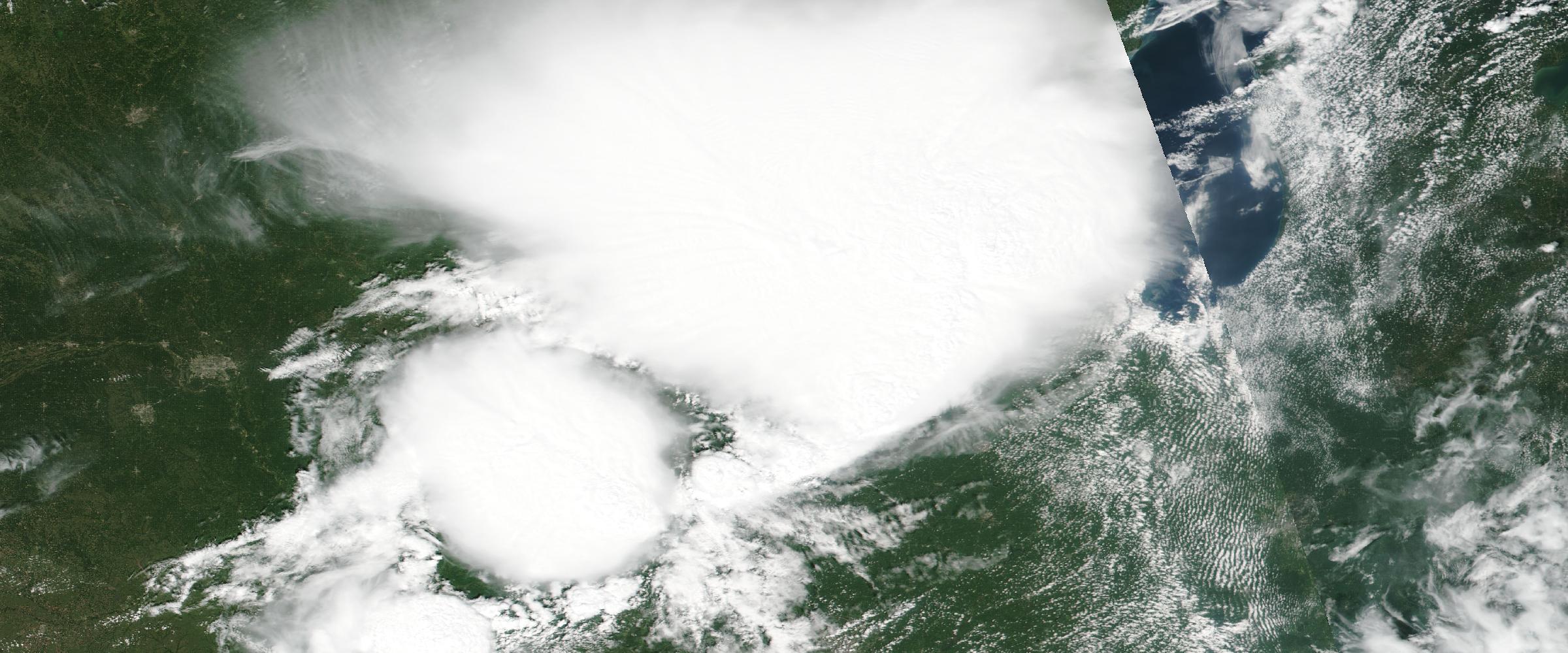
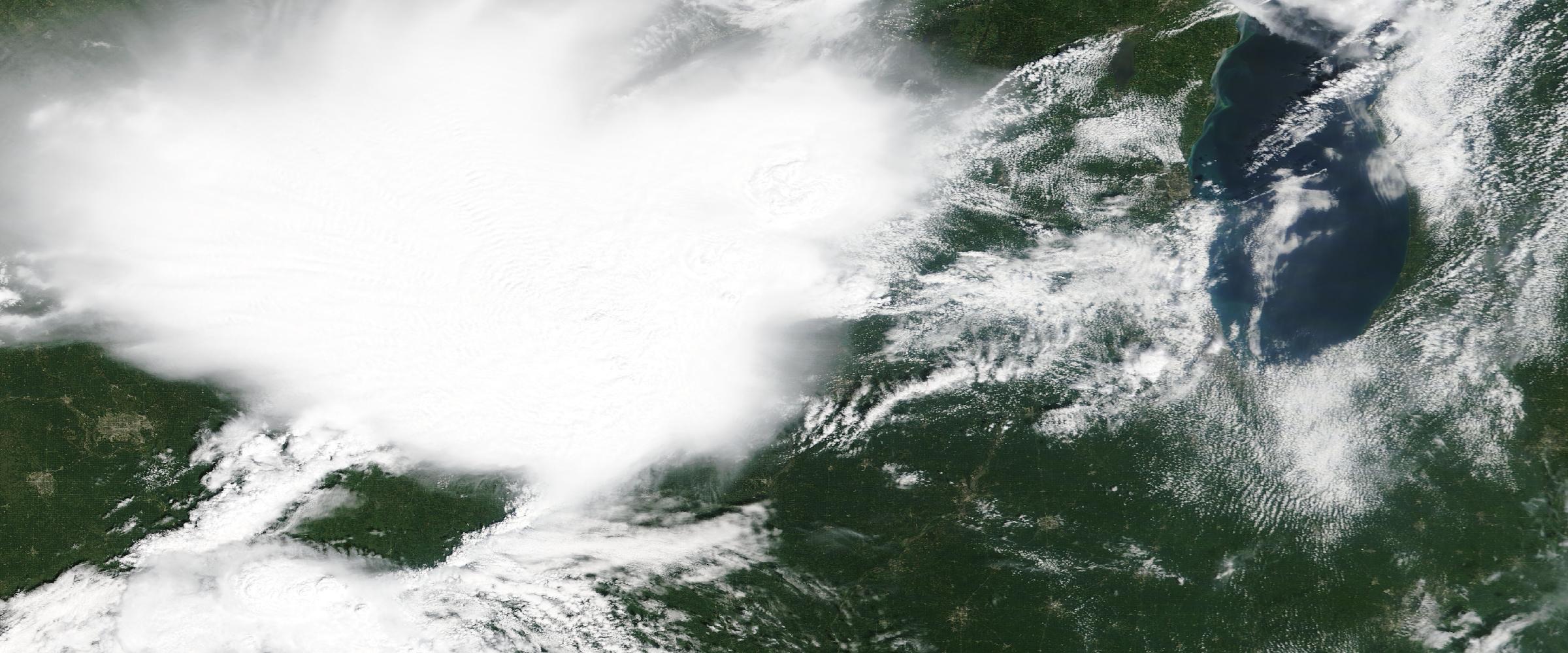
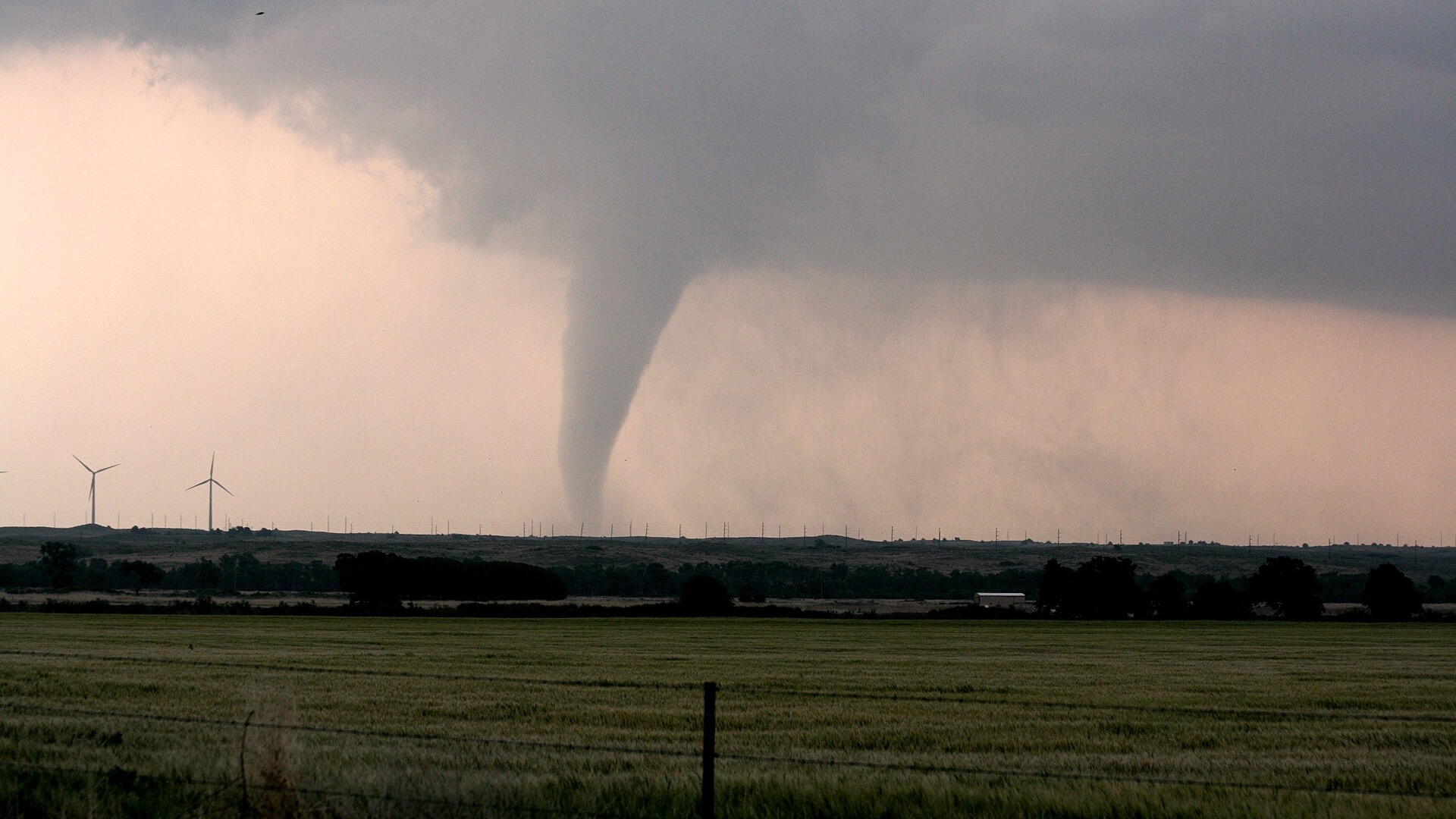
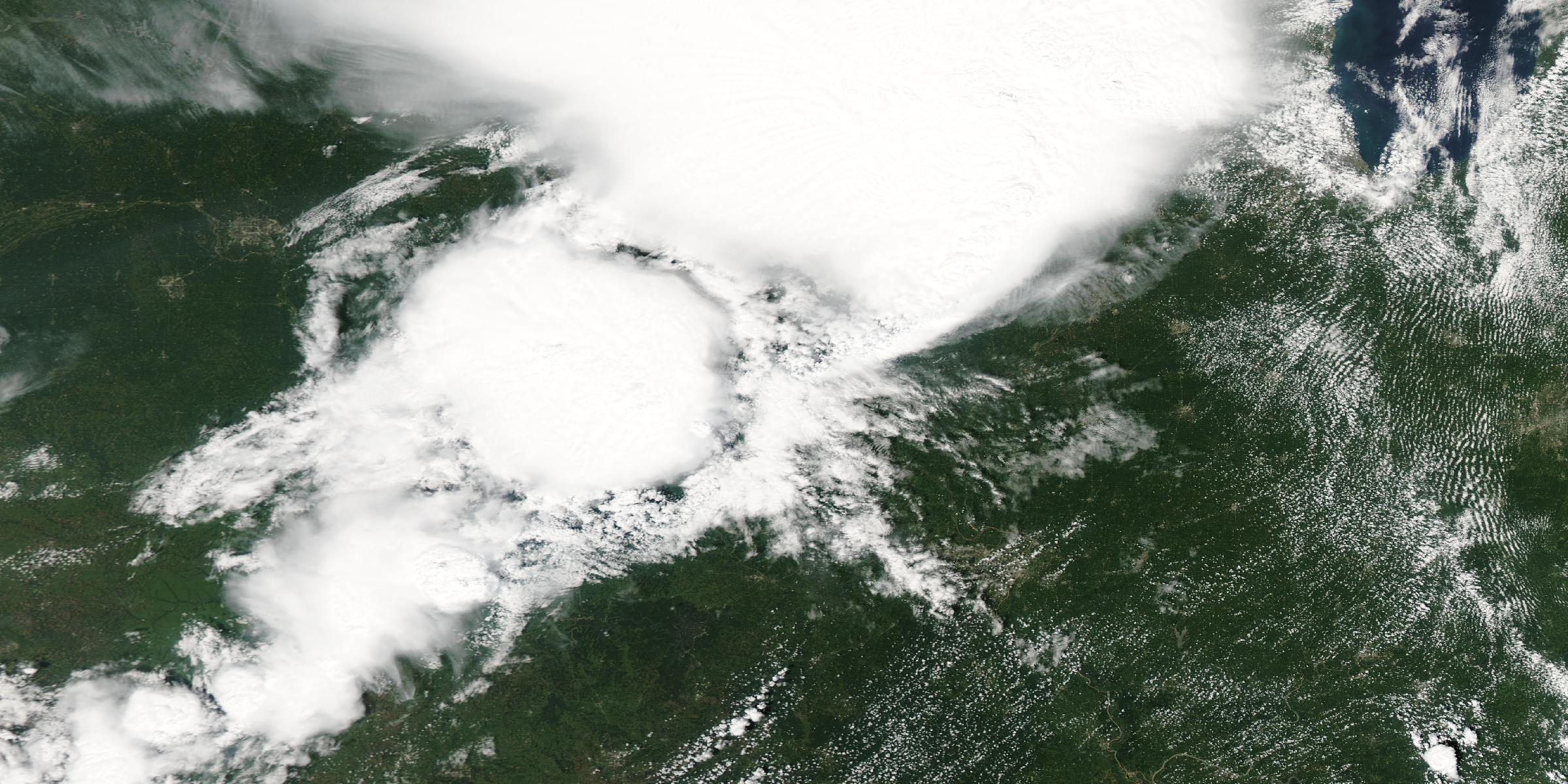
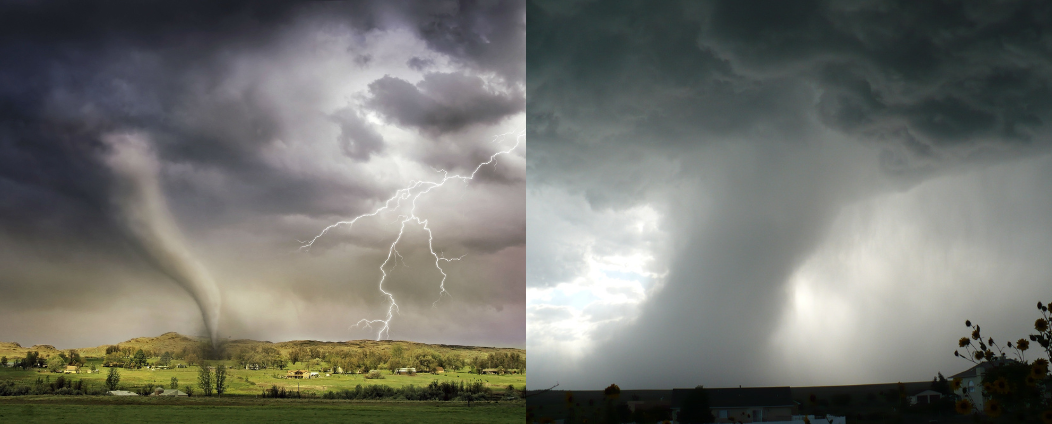
A severe storm might involve:
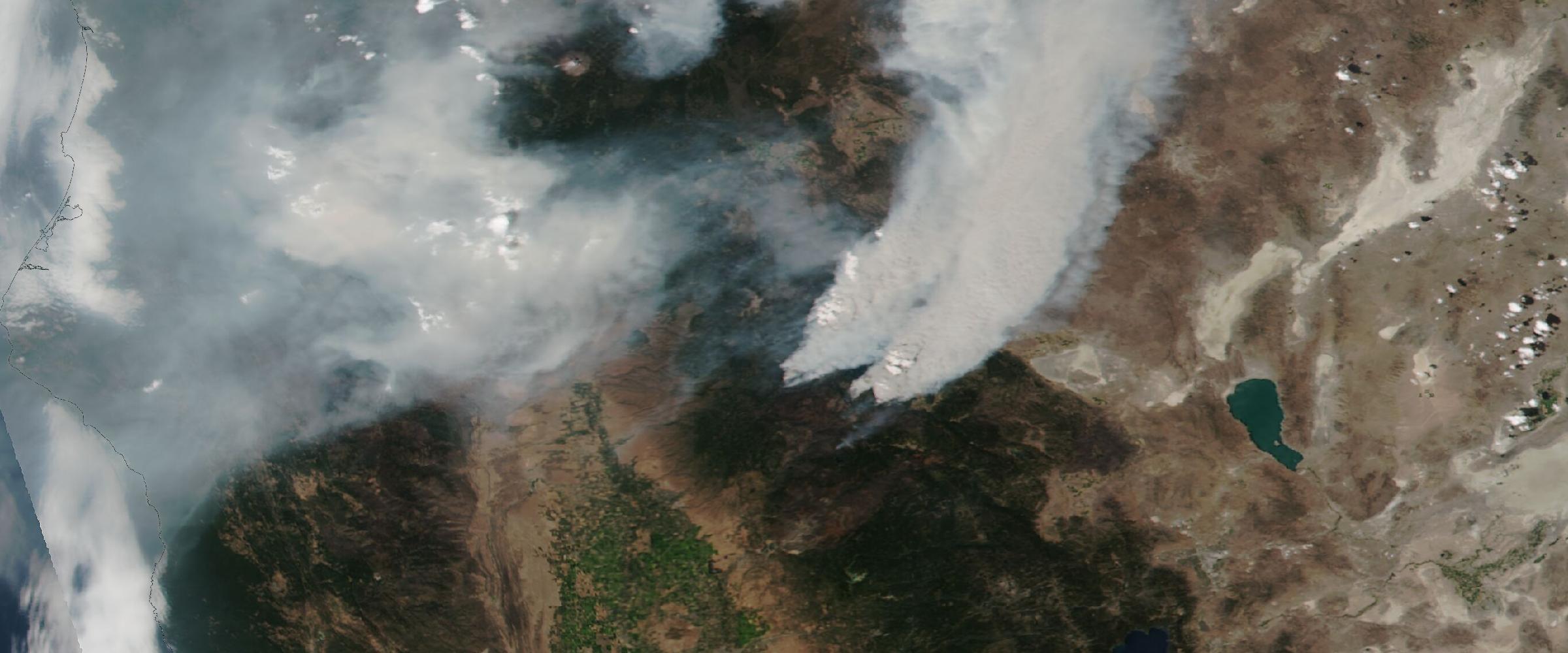
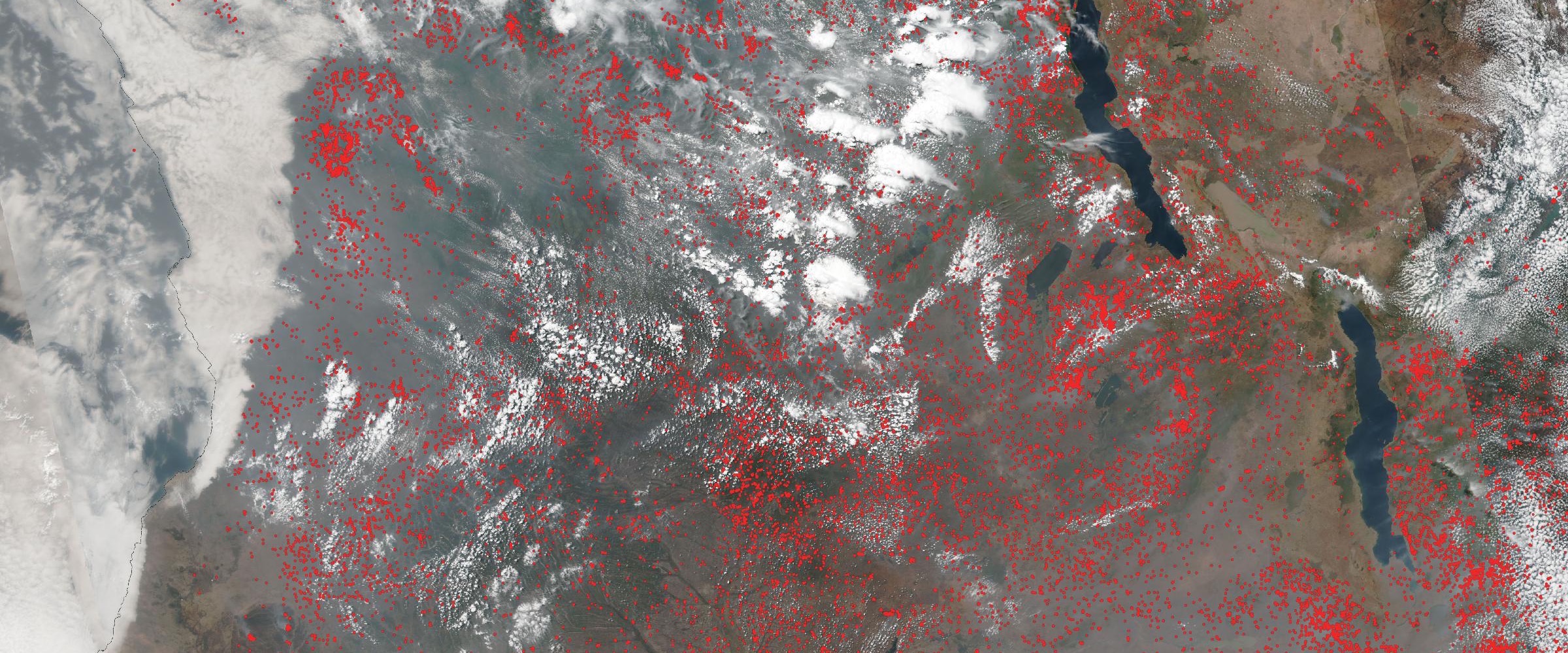
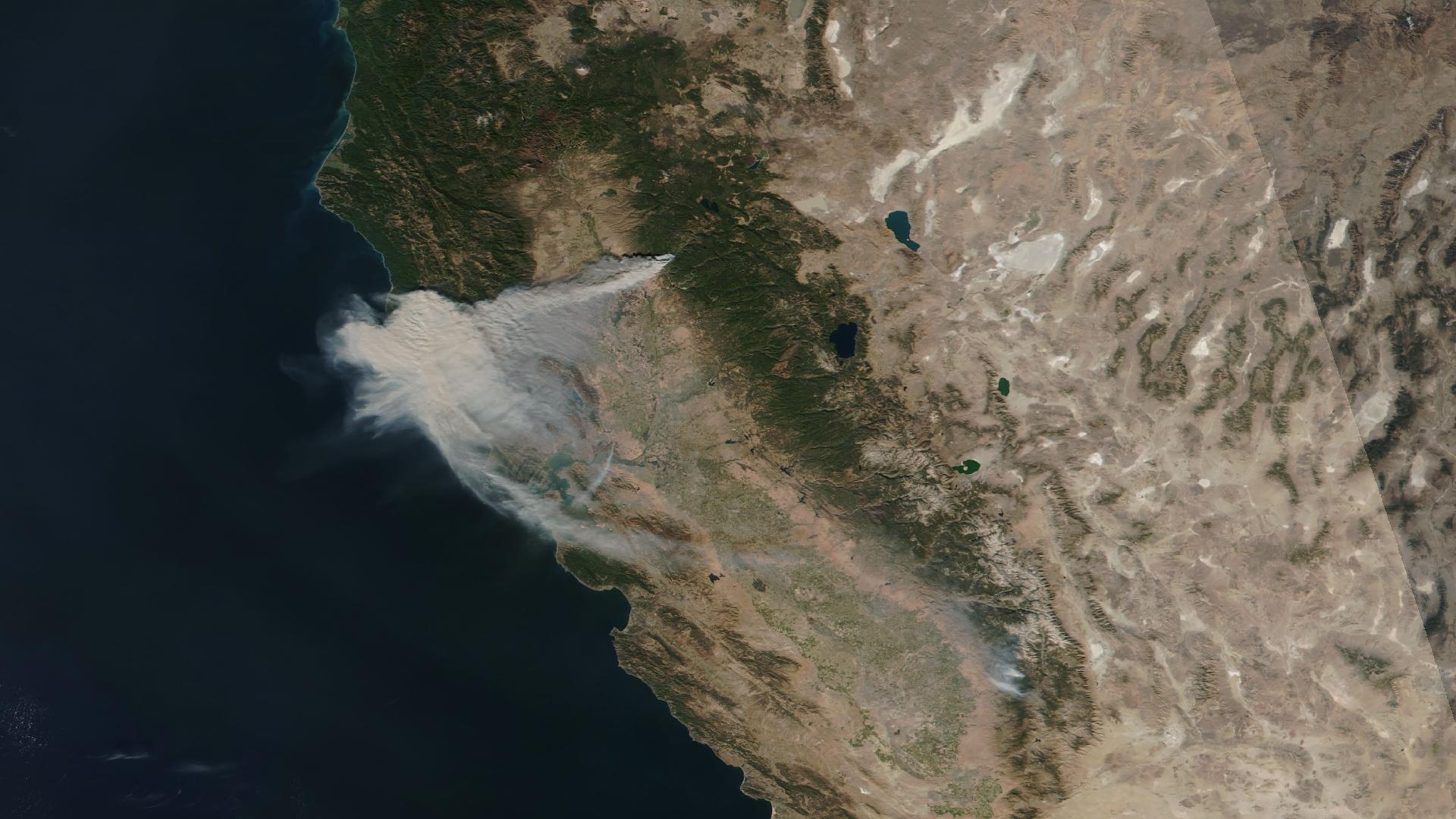
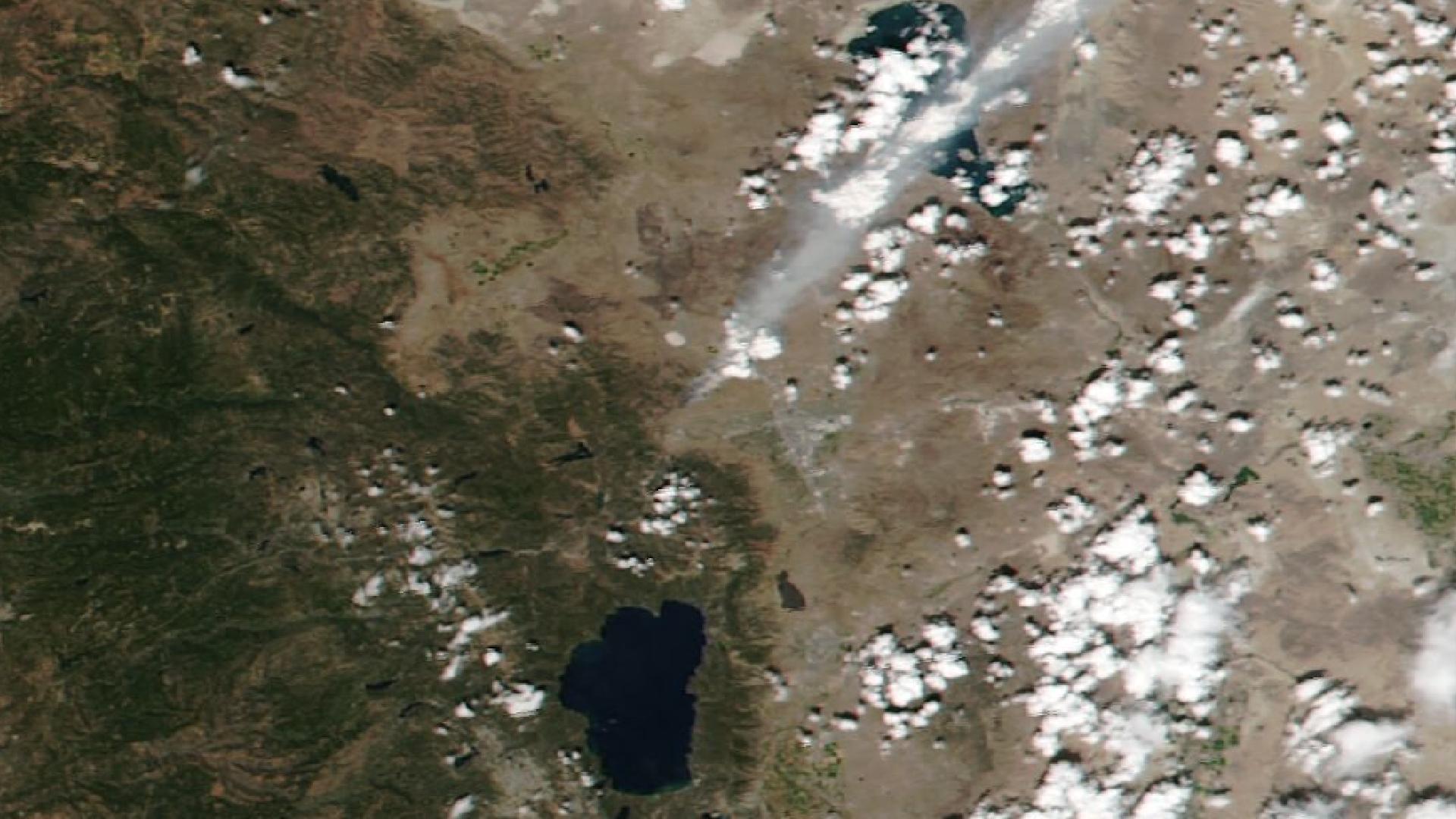
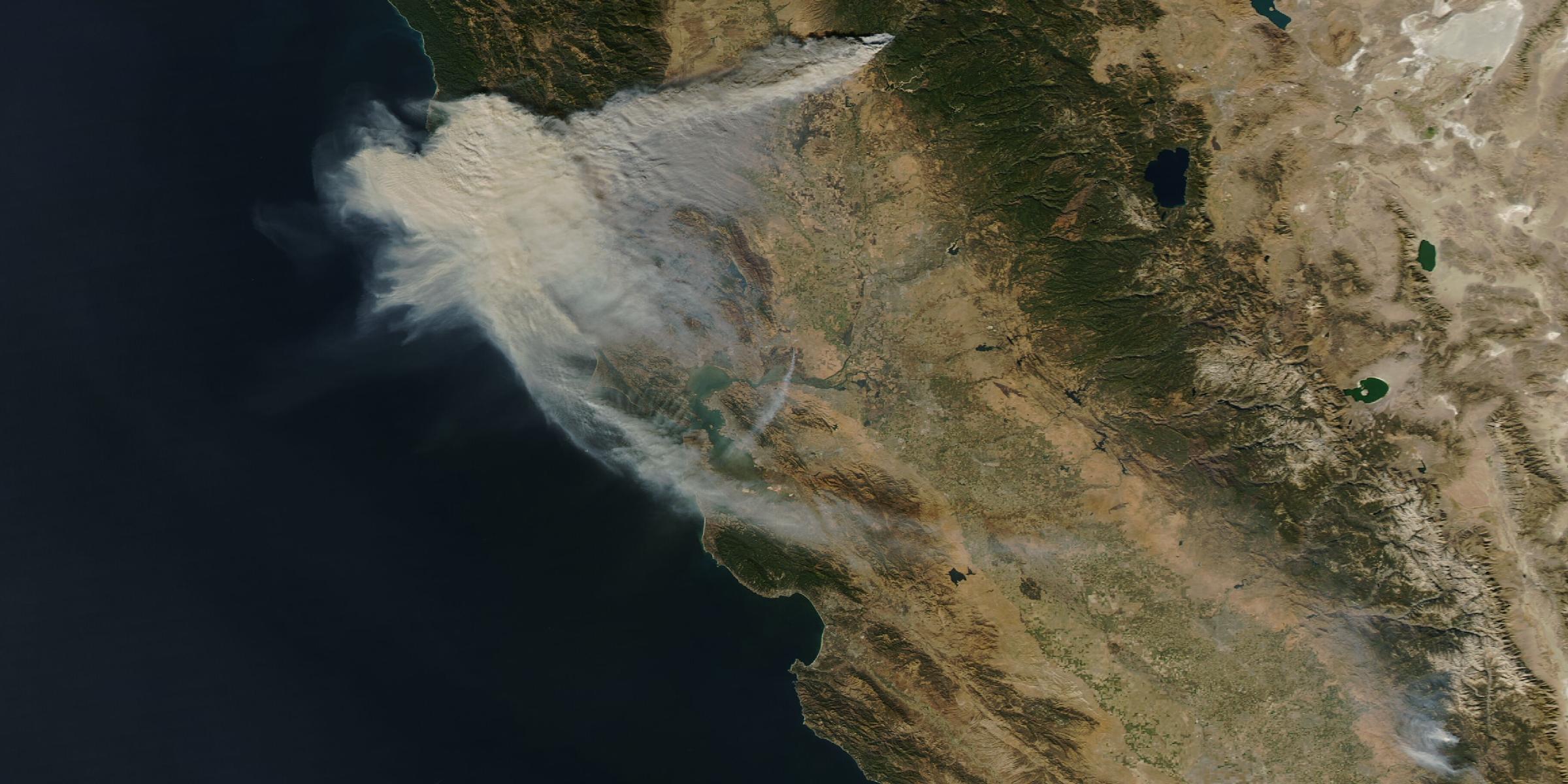
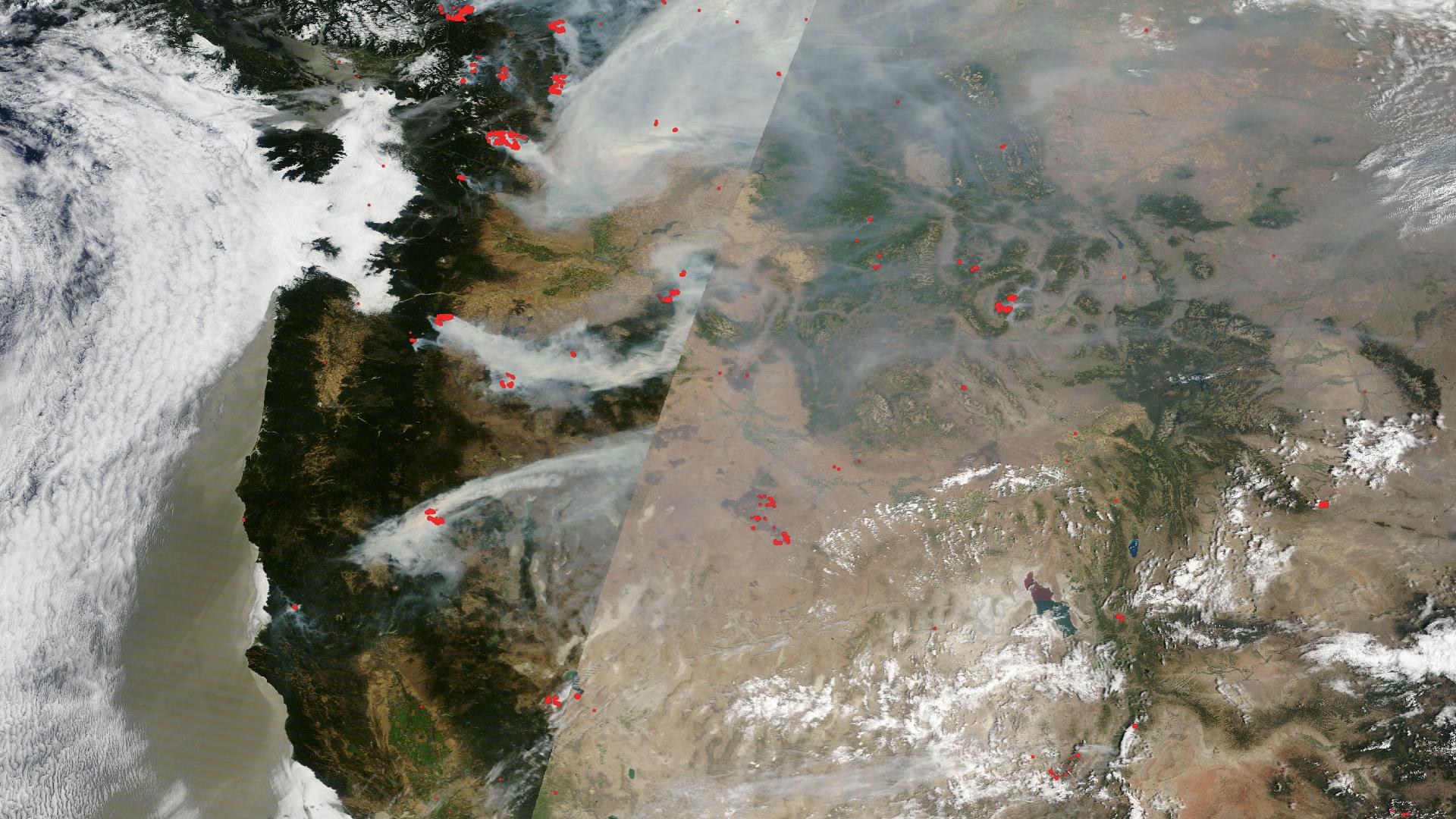
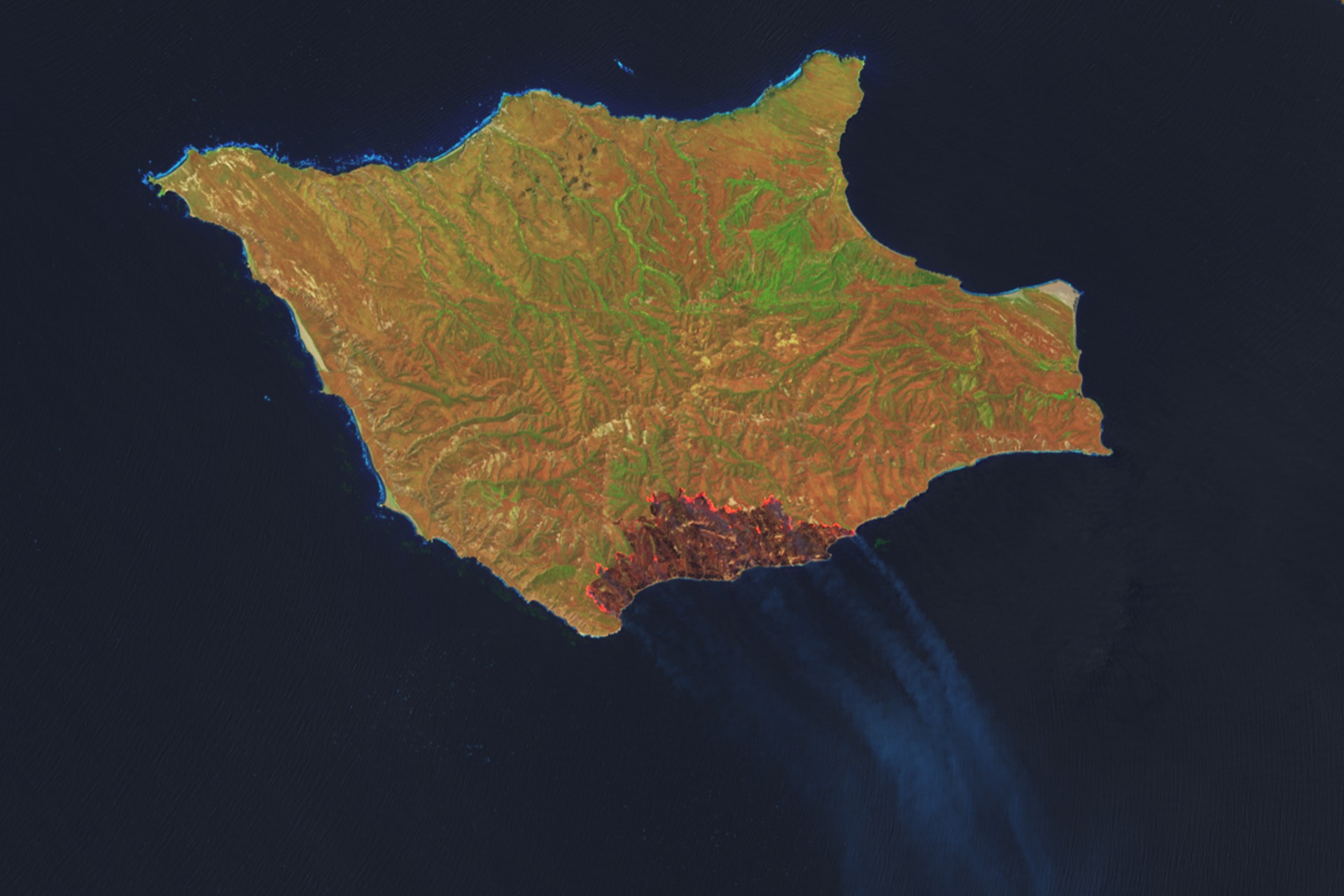
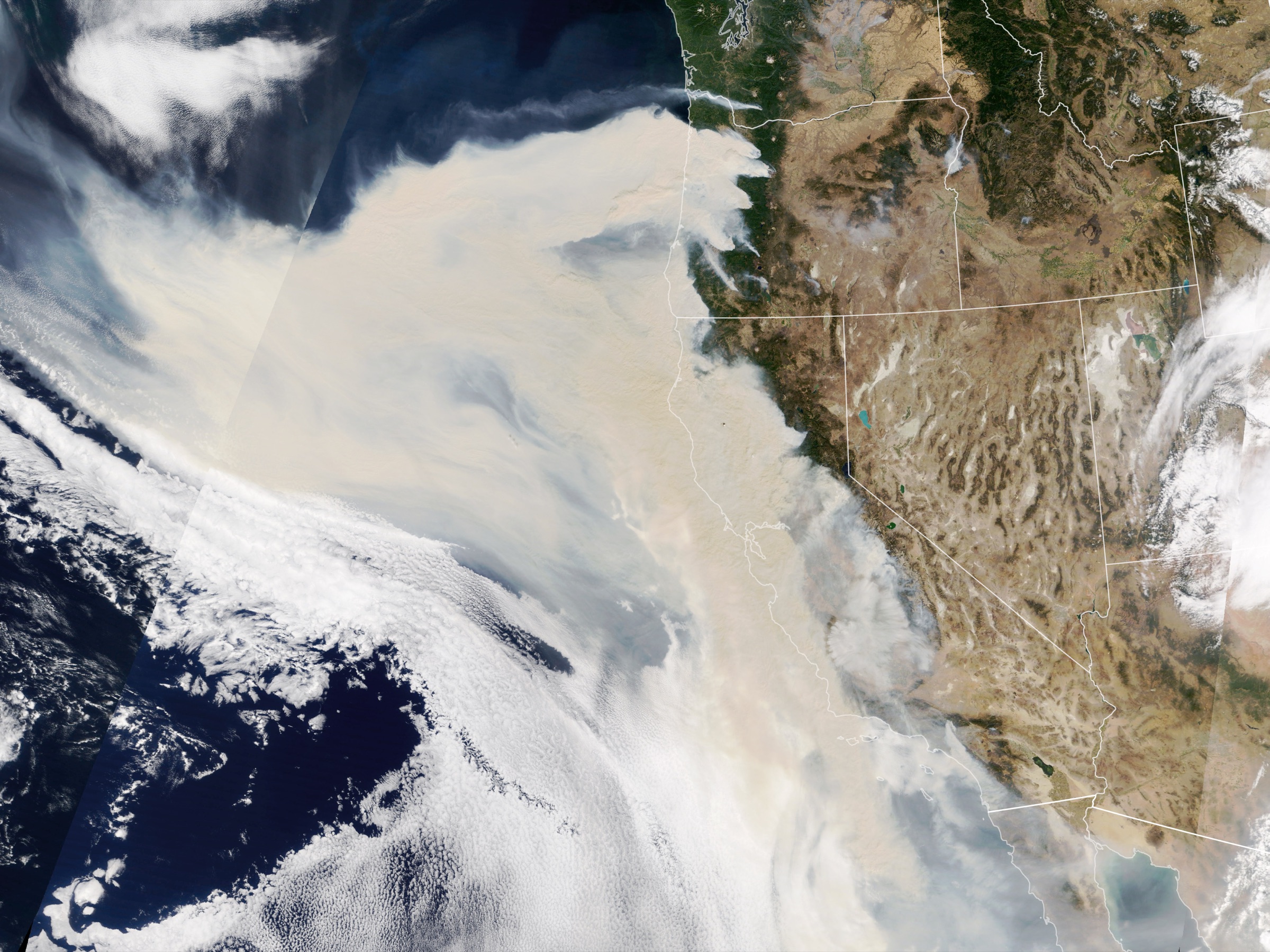
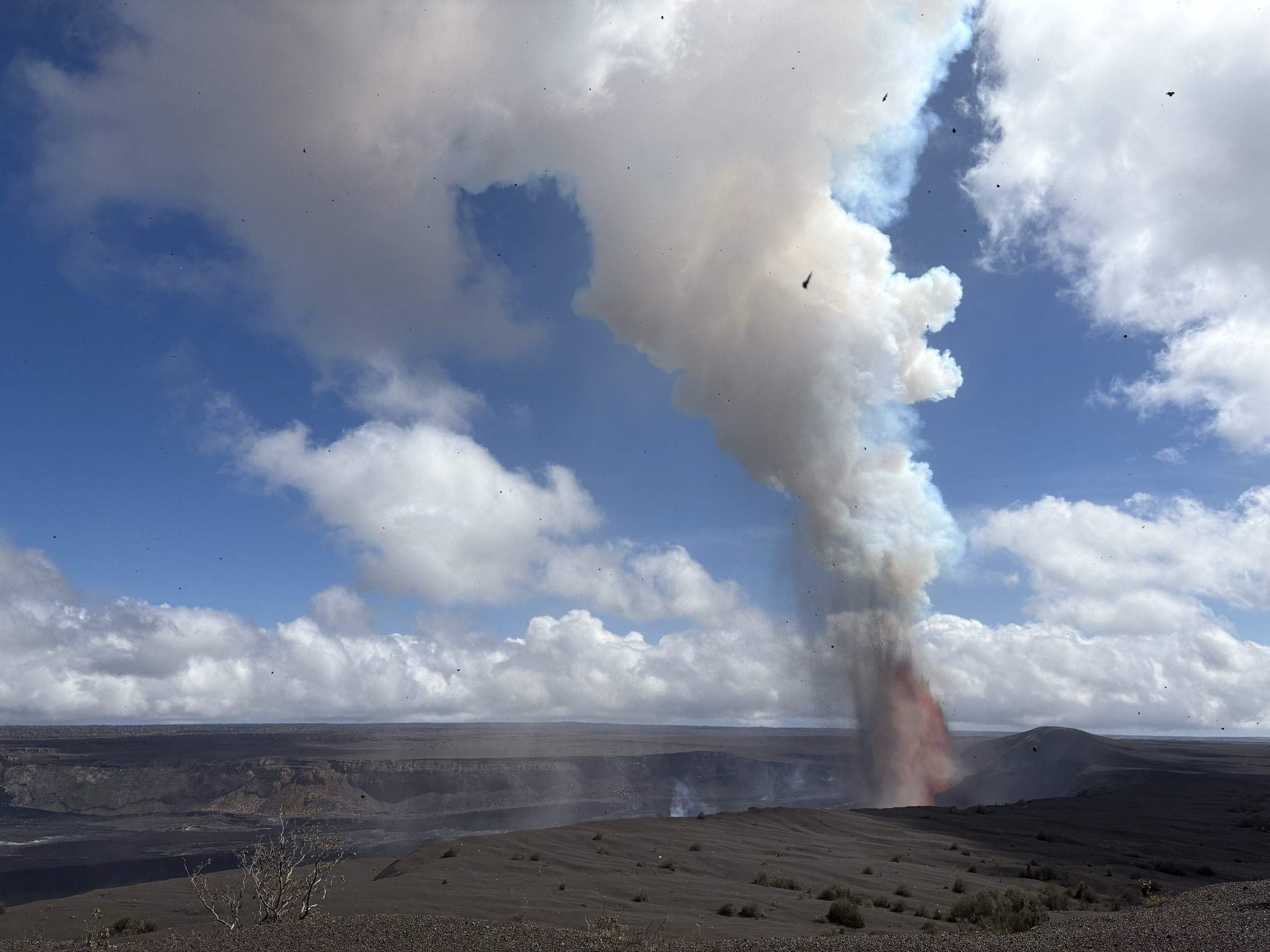
A wildfire might be characterized by:
This step transforms a basic event detection into structured event intelligence. Instead of simply knowing that a hazard exists, insurers can begin to understand its severity, geographic extent, and evolution.
Parametric policies are built around measurable conditions.
The next question is therefore:
Did the hazard reach the threshold specified in the policy?
That might mean:
The measurement needs to follow the methodology established by the policy. This is where the choice of data source becomes particularly important.
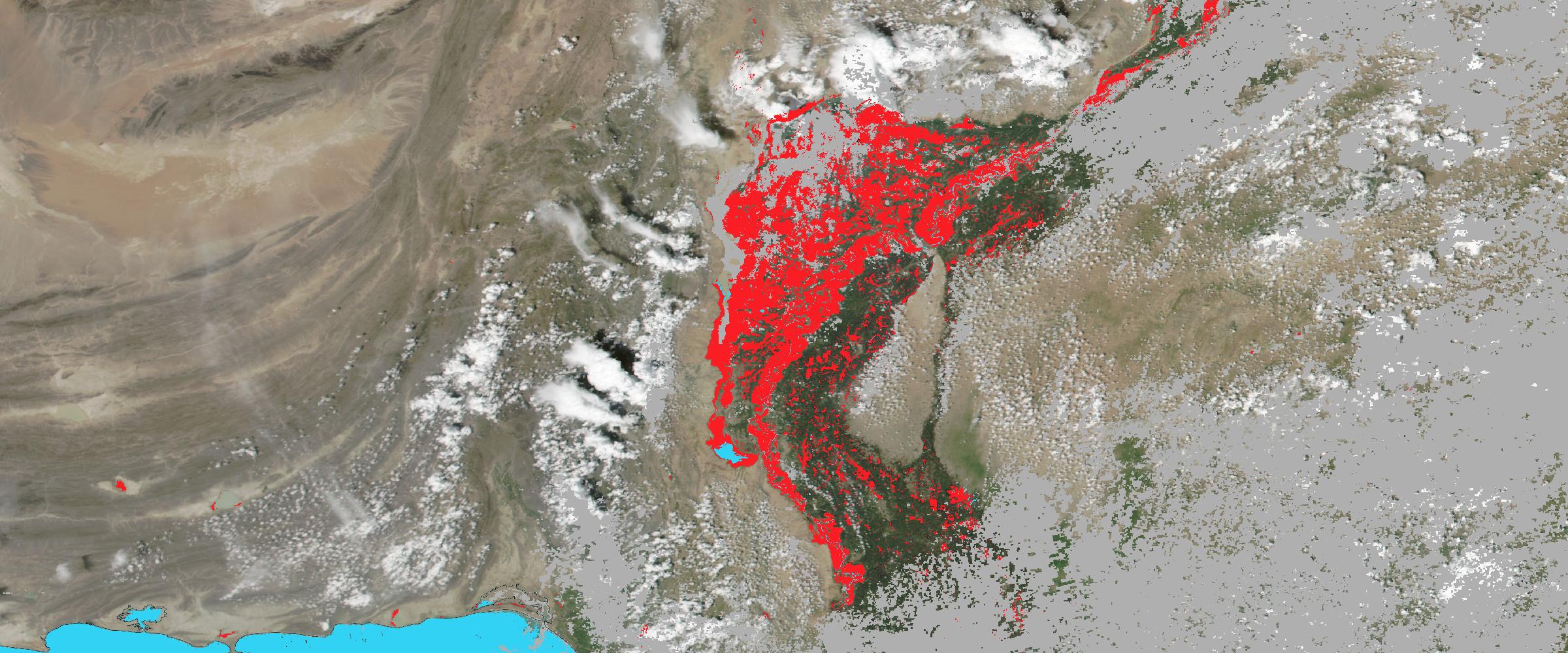
A parametric trigger is only as reliable as the information used to evaluate it. Different hazards require different types of data. A rainfall trigger might rely on weather stations, radar, satellite observations, or other defined sources. A flood trigger could incorporate river gauges, satellite observations, hydrological models, or modeled flood depth. A wildfire trigger may depend on satellite detection and mapped fire perimeters.
The policy should clearly identify the source and methodology used to determine whether the trigger occurred. Important considerations include:
The objective is to create a measurement that both parties can understand and rely upon.
A hazard does not affect every location equally. This makes geography a critical part of many parametric products.
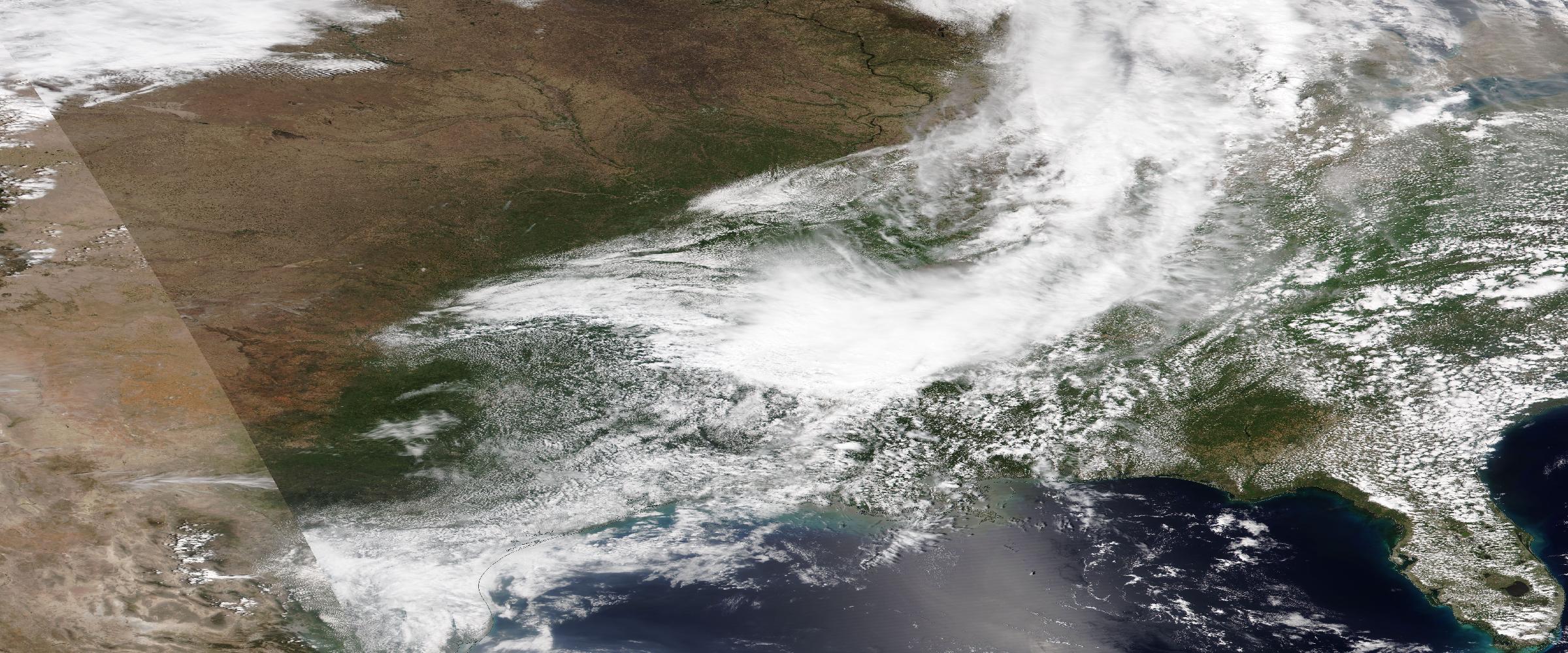
Consider a wildfire. Knowing that a wildfire occurred in a county does not necessarily tell you whether an insured business was affected. Similarly, a severe storm may produce hail in one area, tornadoes in another, and heavy rainfall somewhere else.
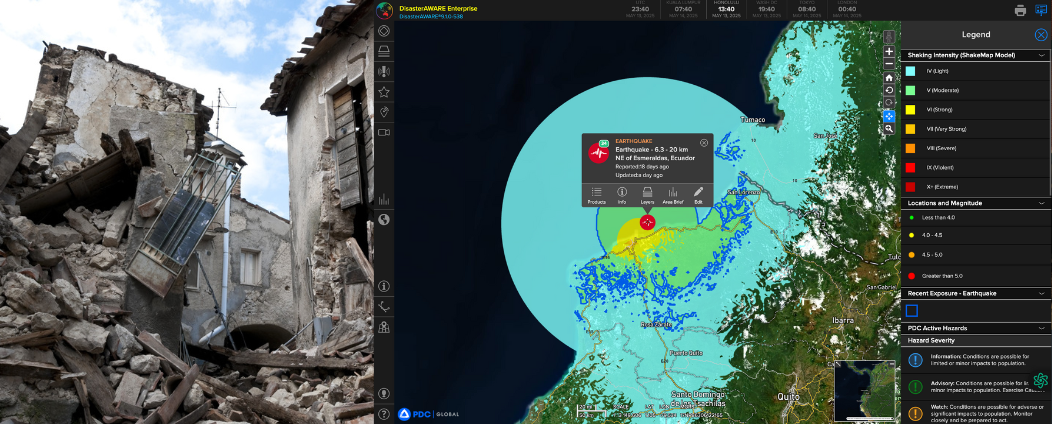
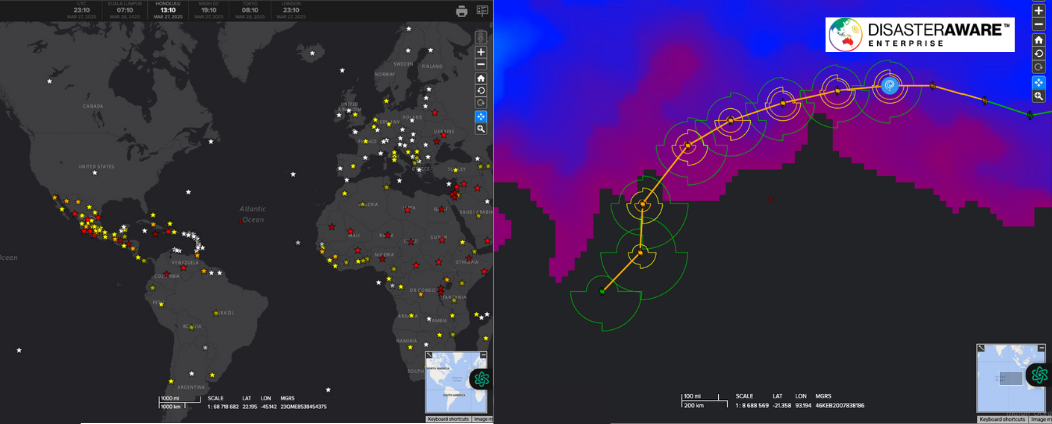
Event intelligence can help represent these conditions through geospatial footprints. This allows insurers to ask: Did the defined hazard intersect the insured location or coverage area?
For geographically variable hazards, that can be more informative than relying solely on a regional event designation.
Once the hazard has been mapped, it can be compared with insured exposure. That exposure might include:
The objective is to determine whether the hazard conditions specified by the policy occurred where they matter.
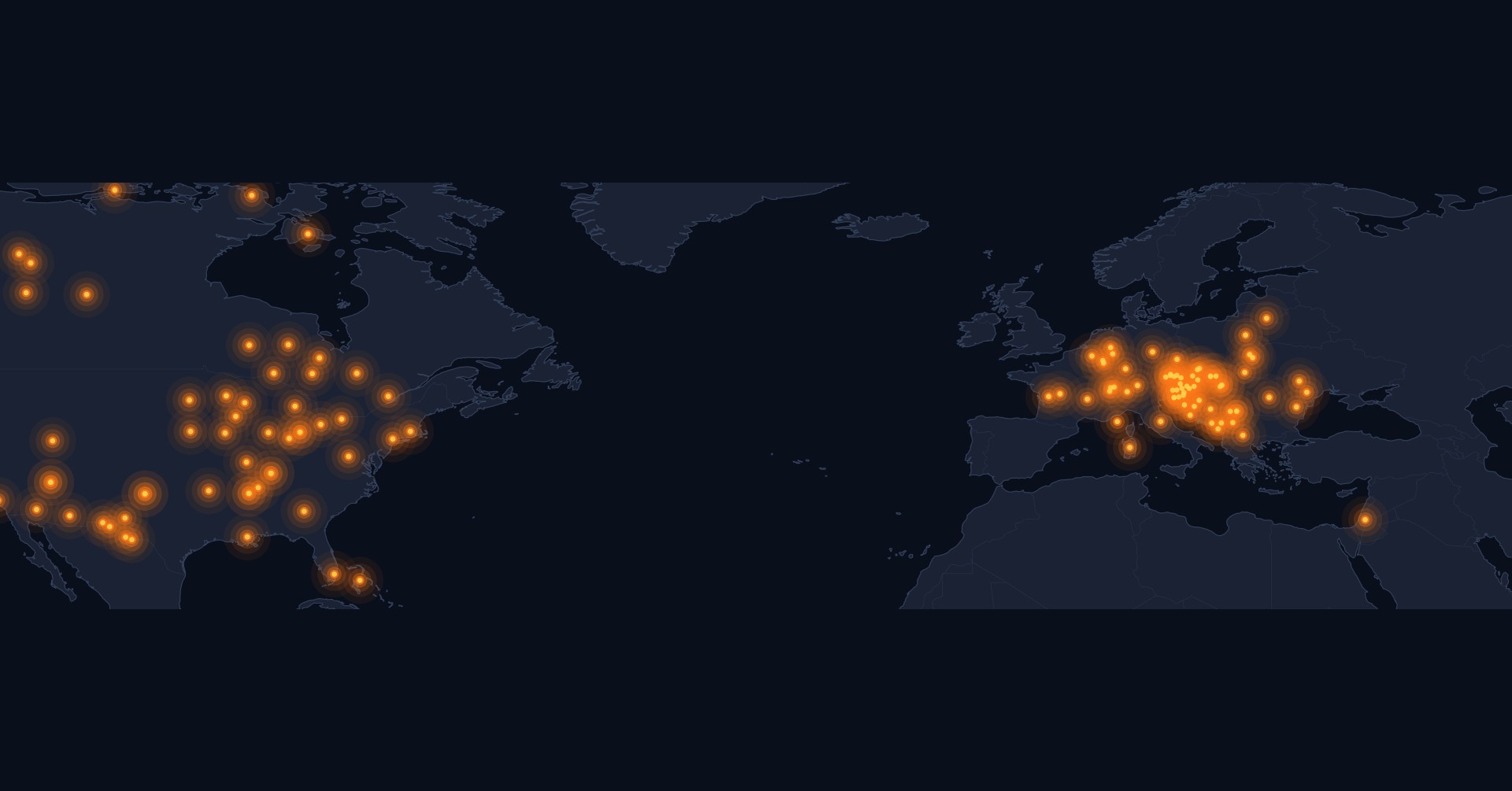
Backtest parametric triggers against three decades of hazard events
Historical Event Intelligence delivers event-level hazard records with geospatial footprints across 30+ hazard types — so you can see how a proposed trigger would have performed before it goes to market.
For example:
Wildfire footprint + insured locations
or
Flood-depth layer + insured properties
or
Hail footprint + vehicle or property portfolio
This geographic intersection can help connect the physical event to the specific exposure covered by the policy.
The next step is determining whether the contractual trigger has been satisfied. This is an important distinction.
Event intelligence provides information about the event.
The insurance contract defines the trigger.
The contract may specify:
The relevant event data can then be evaluated against those predefined conditions. This creates a transparent process:
Data → Measurement → Contractual Trigger → Determination
Once the trigger has been verified, the policy's predefined payout structure can be applied.
Some parametric policies are binary:
Trigger not reached → No payout
Trigger reached → Full payout
Others use graduated structures.
The structure depends on the policy. But the fundamental principle remains the same: The payout is determined by the contractual trigger rather than an individual loss adjustment. This is what allows parametric insurance to potentially deliver funds much faster than traditional indemnity-based claims processes.
The data journey does not begin when a catastrophe occurs. Historical hazard data is essential for designing parametric products in the first place.
Before establishing a trigger, insurers may want to understand:
This allows insurers to back test potential triggers before putting a product into the market. Historical event intelligence can therefore provide the foundation for product design, pricing analysis, and basis-risk assessment.
Once a policy is active, real-time intelligence becomes increasingly important. During an event, insurers may need to track:
This is where real-time event intelligence can provide value. Rather than waiting for a final post-event report, insurers can monitor the event as it develops and begin assessing its potential relevance to the portfolio.
Another important distinction is between forecast and observed information.
Forecast data can help insurers anticipate an event. But a parametric trigger generally needs to establish whether a defined condition actually occurred.
For example:
Forecast: Wind speeds are expected to reach 125 mph.
Observed: Wind conditions reached the contractual threshold.
Both forms of intelligence can be valuable, but they serve different purposes. Forecast information supports preparation. Observed or otherwise contractually defined event information supports trigger evaluation.
Because the data can influence whether a policy pays, transparency is particularly important. Insurers and policyholders should understand:
This creates a chain of evidence:
Source → Processing → Event Intelligence → Measurement → Trigger → Settlement
A transparent methodology can help reduce uncertainty and build confidence in the parametric mechanism.
The future of parametric insurance will depend increasingly on automated data pipelines that connect hazard information to insurance workflows.
A mature system could connect:
This creates a continuous data layer supporting the entire life of a parametric product.
Parametric insurance is ultimately a data-driven form of risk transfer. The policy may be simple for the policyholder:
If X happens, I receive Y.
But determining whether X happened requires sophisticated information about the physical world. Insurers need to know what occurred, where it occurred, when it occurred, and whether it satisfied the policy's predefined conditions.
That is the role of event intelligence. It connects raw hazard observations to structured information that can be analyzed against insured exposures and contractual triggers.
The full process can be summarized simply:
Detect → Characterize → Measure → Map → Intersect → Verify → Pay
Each step transforms information into something more actionable. Historical data helps insurers design and test triggers. Real-time data helps monitor active events. Geospatial intelligence connects hazards to insured locations. And clearly defined contractual rules determine the financial response.
As parametric insurance expands into more hazards and more specialized applications, the underlying data infrastructure will become increasingly important.
The future of parametric insurance isn't just about defining better triggers. It's about building a better data chain from the moment a hazard is detected to the moment a policy responds.
Explore the historical record
Decades of reconstructed, verified catastrophes — browse the Historical Event Intelligence overview, or request sample data for your own portfolio.
What data does a parametric insurance payout depend on? A chain of it: detection that a hazard occurred, characterization of its intensity, measurement against the contractual threshold, a geospatial footprint of where it happened, intersection of that footprint with insured exposure, verification against the policy's defined source and methodology, and finally the settlement rule. A weakness at any step affects how efficiently the product operates.
Do parametric triggers use observed or forecast data? Trigger verification generally depends on observed information — what was measured or detected — because the contractual question is whether the insured location actually experienced the defined condition. Forecasts remain valuable for preparation and portfolio management, but they answer a different question than the one the policy asks.
Why does data provenance matter for parametric insurance? Because the payout is determined by a measurement rather than an adjuster, both parties need to know where the data originated, what methodology produced it, whether the value was observed, derived or modeled, how often it updates, and at what geographic resolution. A documented chain from source through processing to trigger calculation is what makes the mechanism auditable.











-min.png)
.png)

.png)


Decision-ready intelligence for understanding what's happening, what is impacted, and what to do next. Global hazard, severe weather, catastrophe, and physical risk intelligence trusted by governments, enterprises, insurers, humanitarian organizations, and technology platforms worldwide.
Request DemoContact Us

