


Why Better Event Data Can Make Parametric Coverage More Precise and Responsive
Parametric insurance has emerged as an increasingly important alternative to traditional indemnity-based coverage. Rather than paying based on the actual loss sustained by a policyholder, a parametric policy pays when a predefined, measurable event or threshold is reached.
For example:
The concept is straightforward: If the agreed-upon parameter is met, the policy pays. But behind that simple proposition is a complex data challenge.
Parametric insurance depends on reliable, objective, timely, and appropriately granular hazard data. The quality of that data can directly affect the transparency, efficiency, and scalability of a parametric product.
Traditional insurance generally requires an assessment of the actual loss:
Event → Claim → Inspection → Assessment → Payment
Parametric insurance takes a different approach:
Hazard → Measurement → Trigger → Payout
The policy establishes an objective trigger based on a measurable parameter.
For example: If rainfall at a specified location exceeds 300 mm within 72 hours, the policy pays $1 million.
Or:
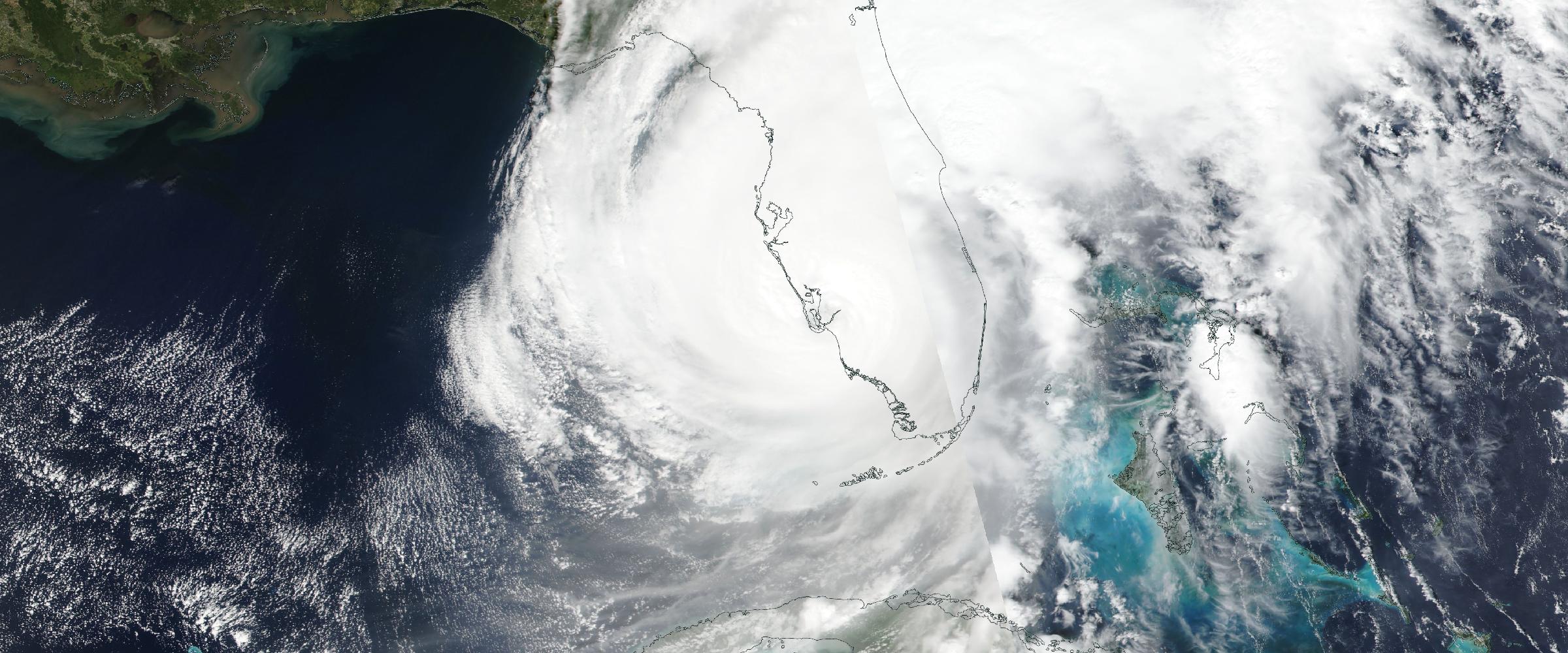
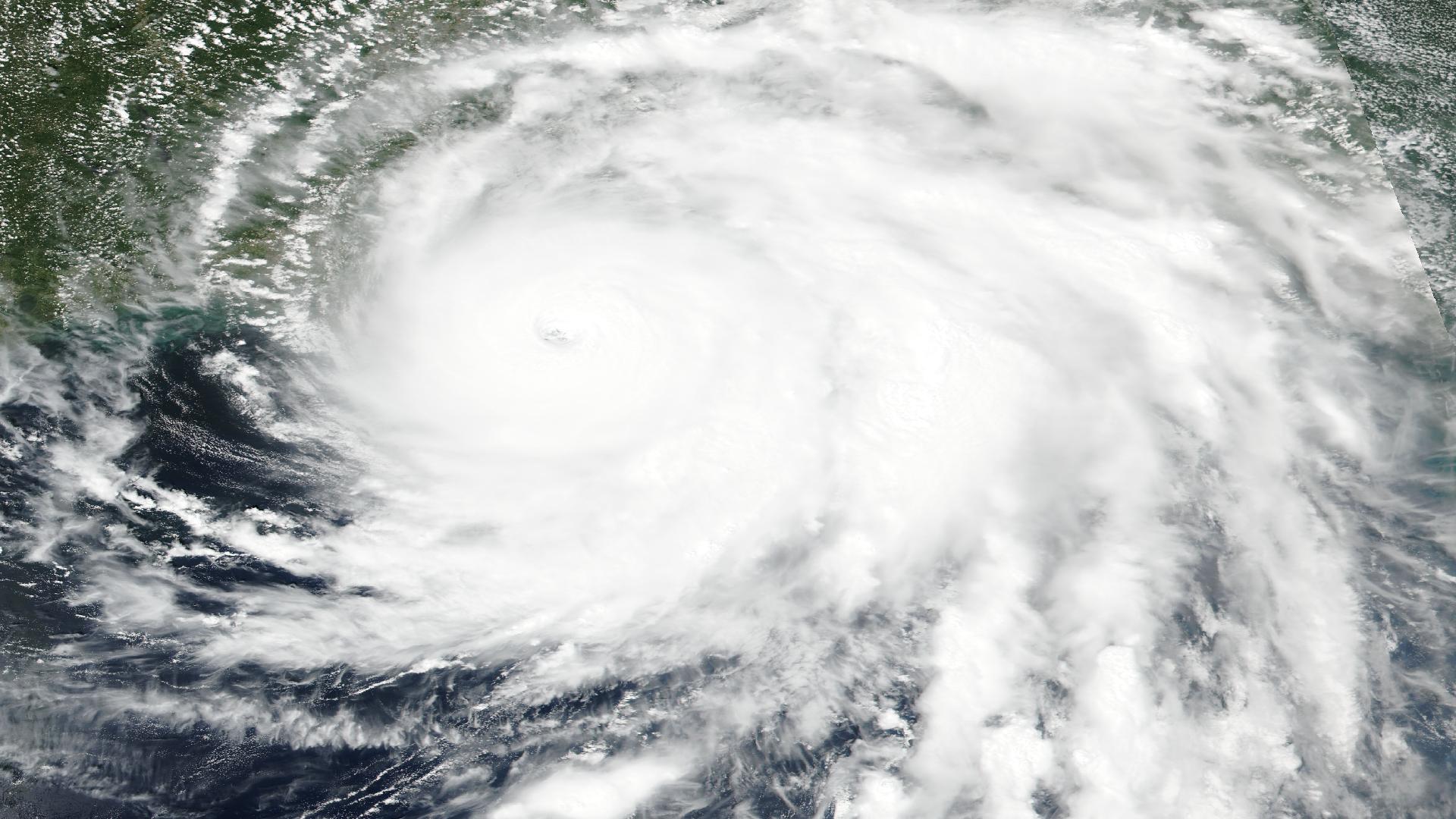
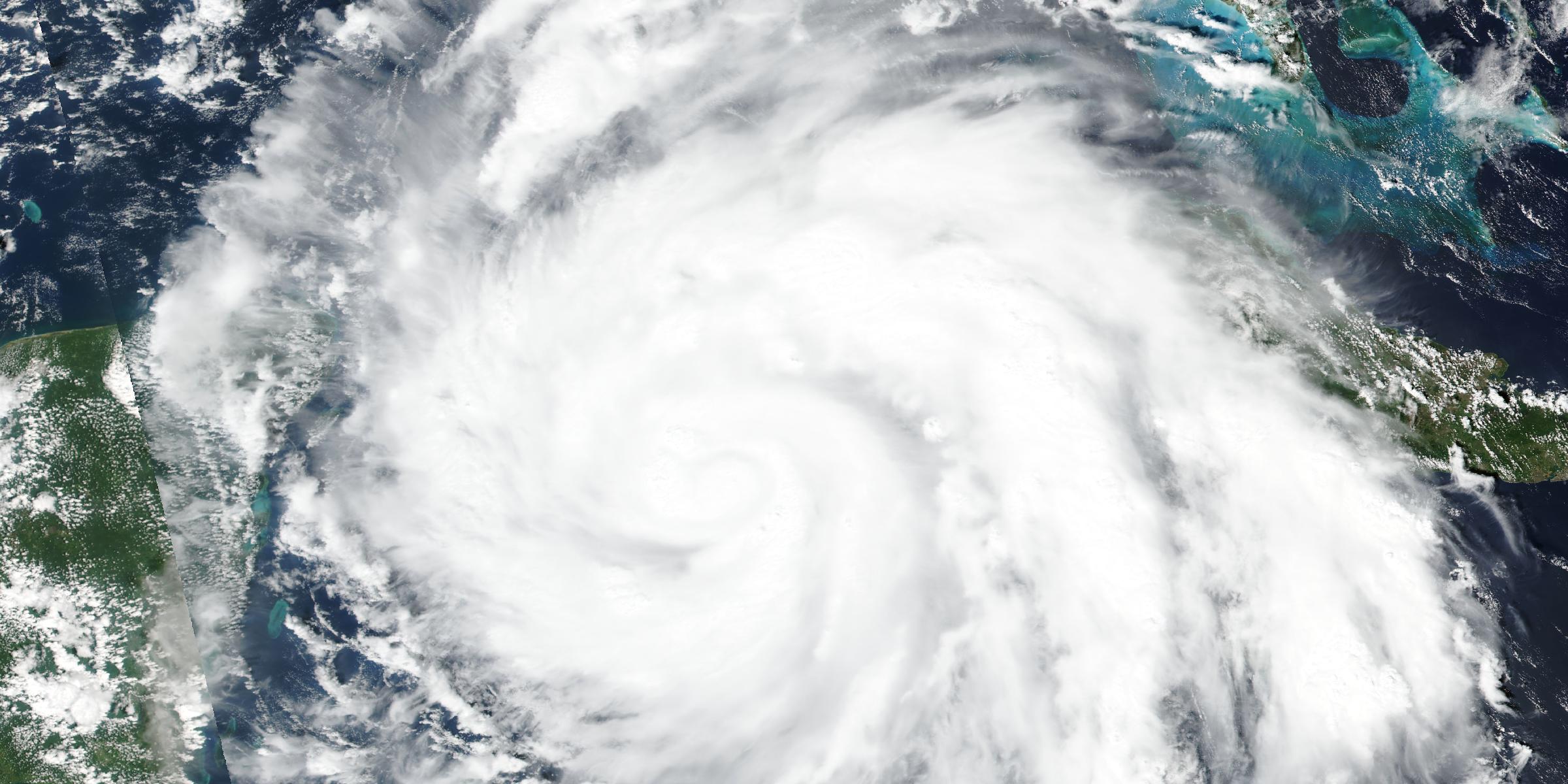
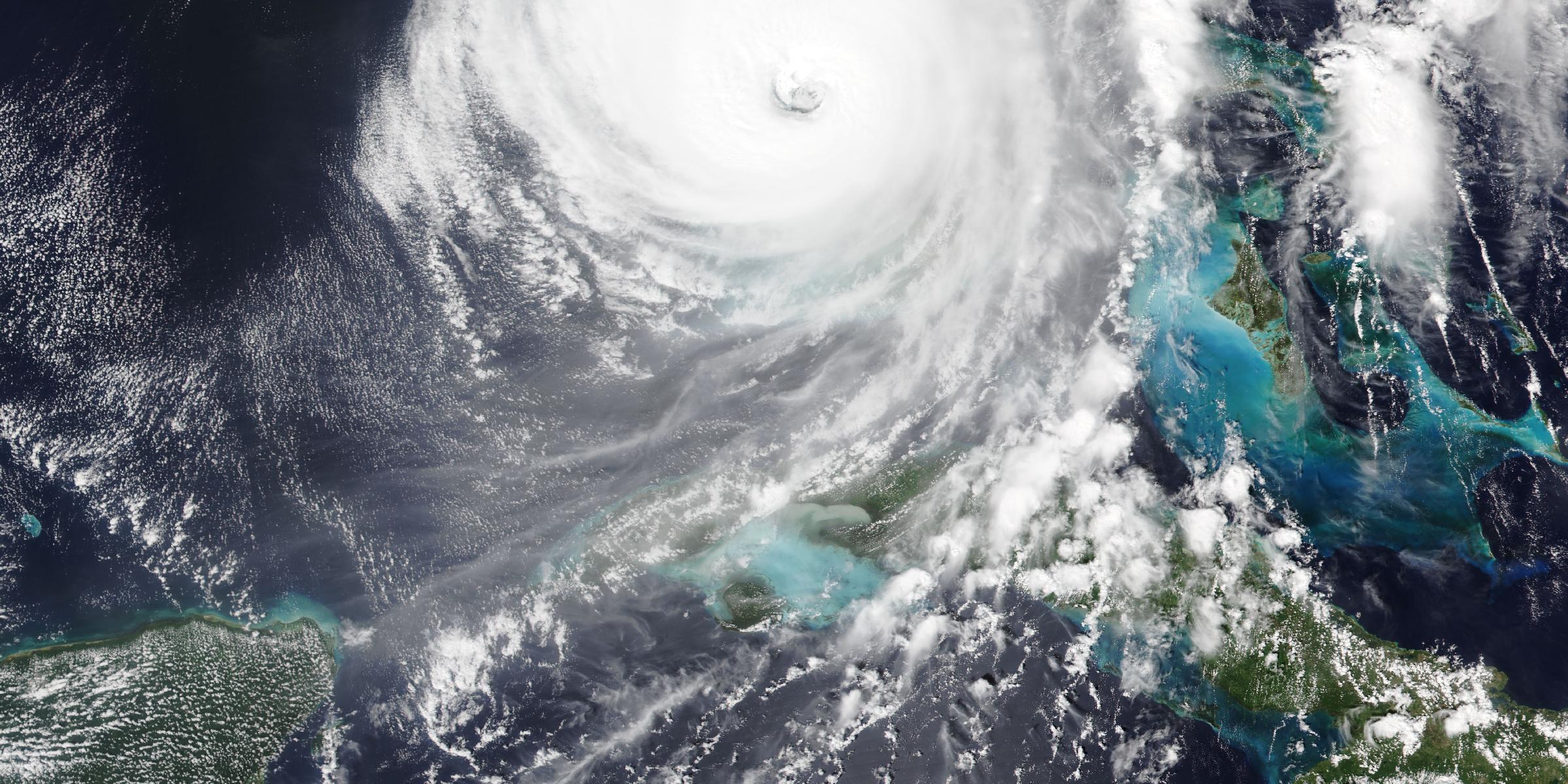
If sustained wind speed exceeds 120 mph within the defined coverage area, the policy pays according to the agreed schedule.
Because the payout is tied to a measurable event rather than an individually assessed loss, the underlying hazard data becomes a critical component of the insurance mechanism itself.
One of the primary advantages of parametric insurance is speed. When a catastrophe occurs, a policyholder may need immediate liquidity for:
Traditional claims processes can take time because actual losses need to be assessed.
Parametric coverage can potentially shorten that process when a contractual trigger has been objectively satisfied.
But rapid settlement depends on rapid trigger verification.
If a policy is triggered by rainfall, wind, flood depth, or another hazard threshold, the insurer needs timely information confirming whether that threshold was reached.
Fast insurance requires fast, reliable hazard data.
Backtest parametric triggers against three decades of hazard events
Historical Event Intelligence delivers event-level hazard records with geospatial footprints across 30+ hazard types — so you can see how a proposed trigger would have performed before it goes to market.
A critical distinction in parametric insurance is the difference between forecast intelligence and information about what actually occurred.
A forecast might predict: Maximum sustained winds of 125 mph.
But a parametric policy may need to determine: Did the insured location actually experience the defined wind threshold?
Those are different questions.
Forecasts are valuable for preparation and risk management. But trigger verification may depend on observed measurements, remote sensing, radar, gauges, or other contractually defined sources. This is why real-time and observed hazard intelligence can play such an important role in parametric insurance.
Hazards can vary significantly over relatively short distances. A rainfall measurement at one weather station may not accurately represent conditions several miles away. The same challenge applies to hail, wind, flooding, wildfire, and other hazards.
This creates an important consideration when designing parametric products:
How closely does the trigger measurement represent the insured exposure?
A broad regional trigger may be easier to establish, but may introduce greater basis risk. More granular hazard data can potentially allow triggers to better reflect conditions at or around the insured location.
For example, instead of asking: Did a major storm affect this county?
an insurer may be able to ask: Did this insured location fall within the defined hazard footprint?
That is a fundamentally more precise question.
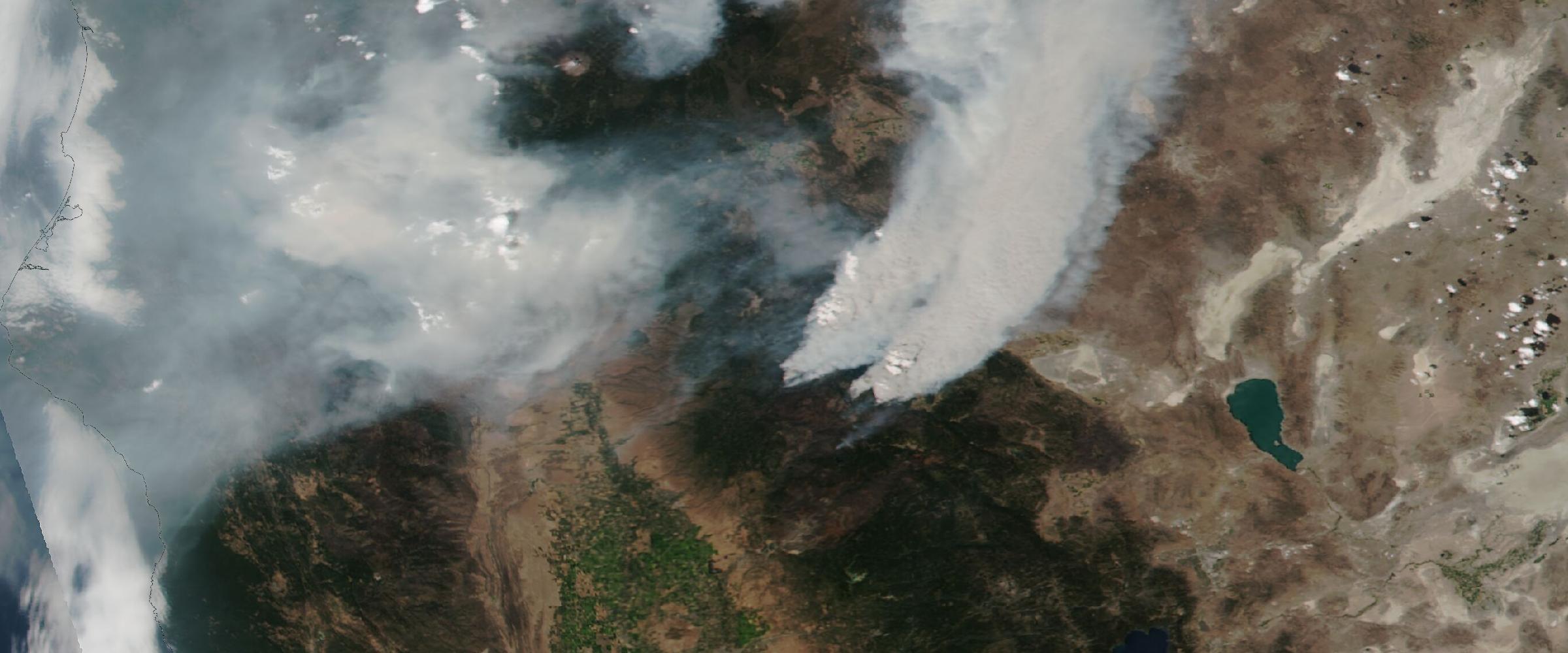
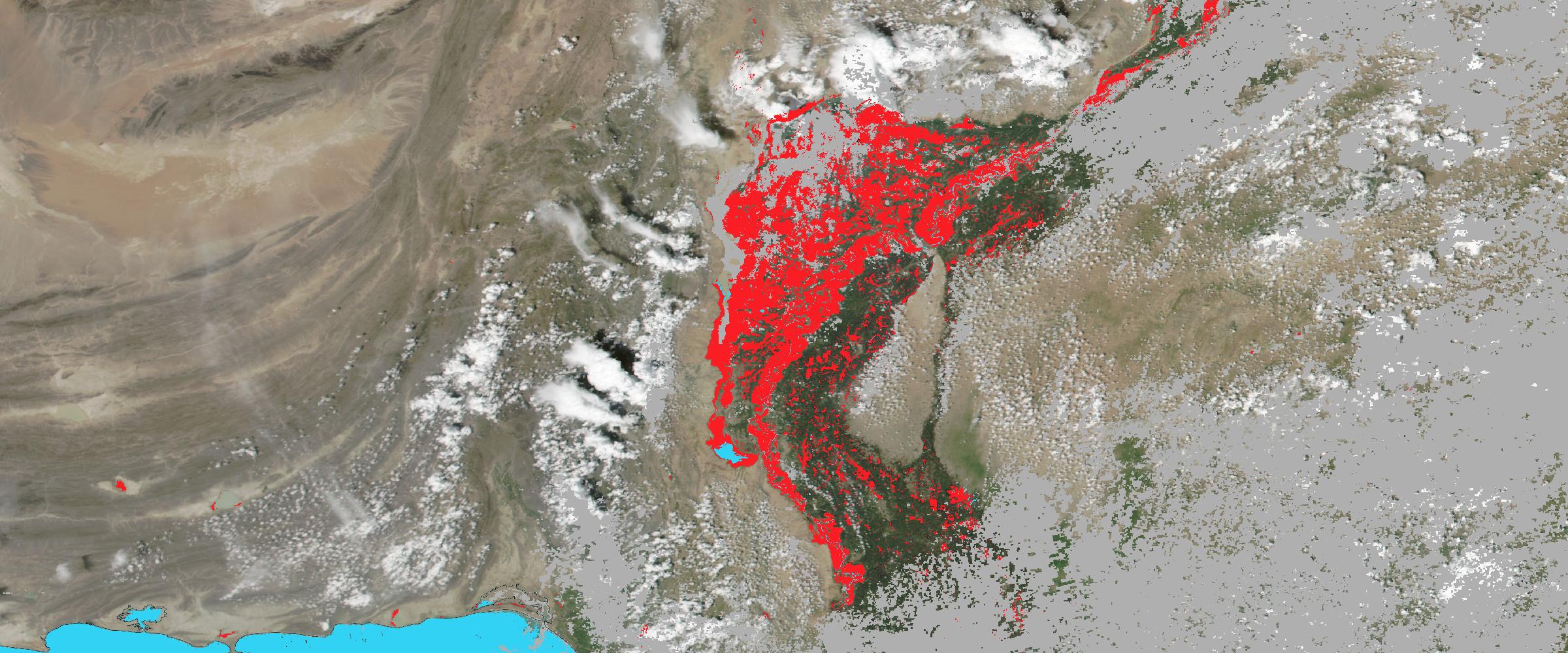
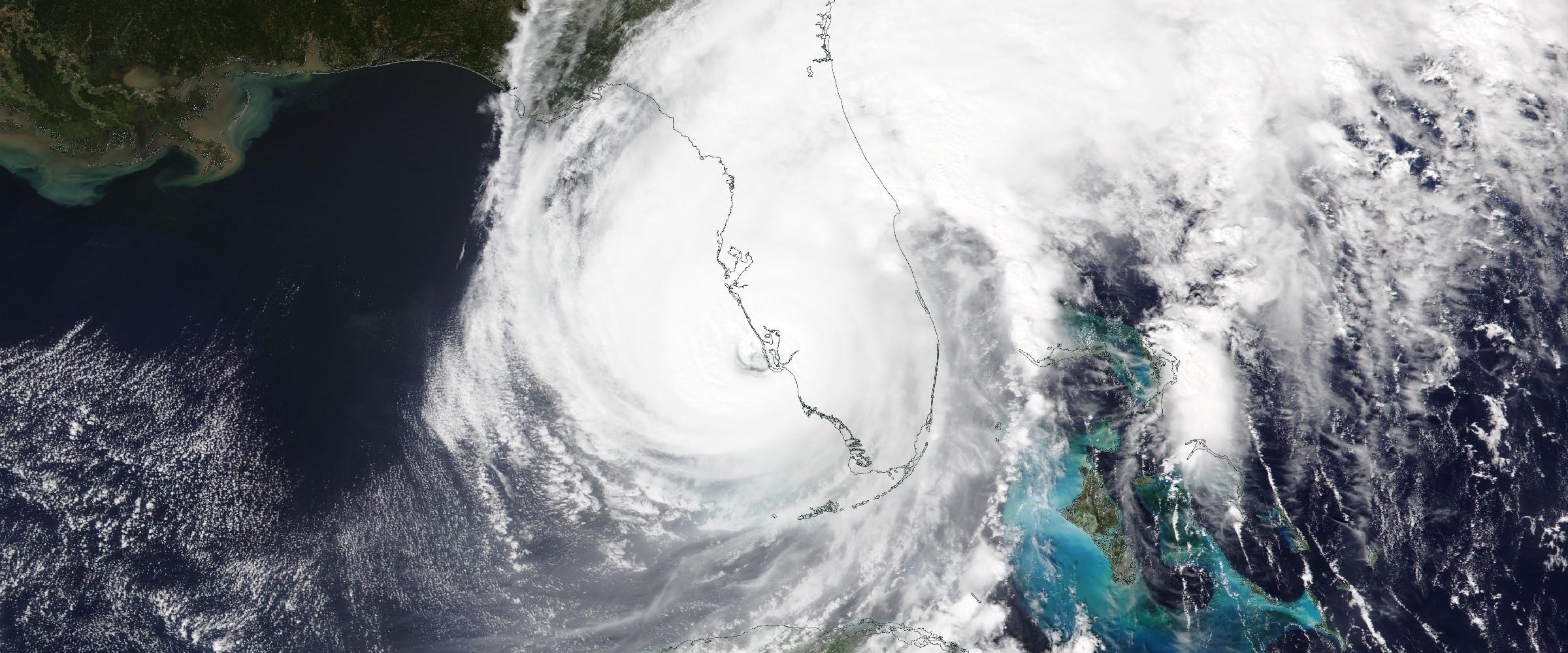
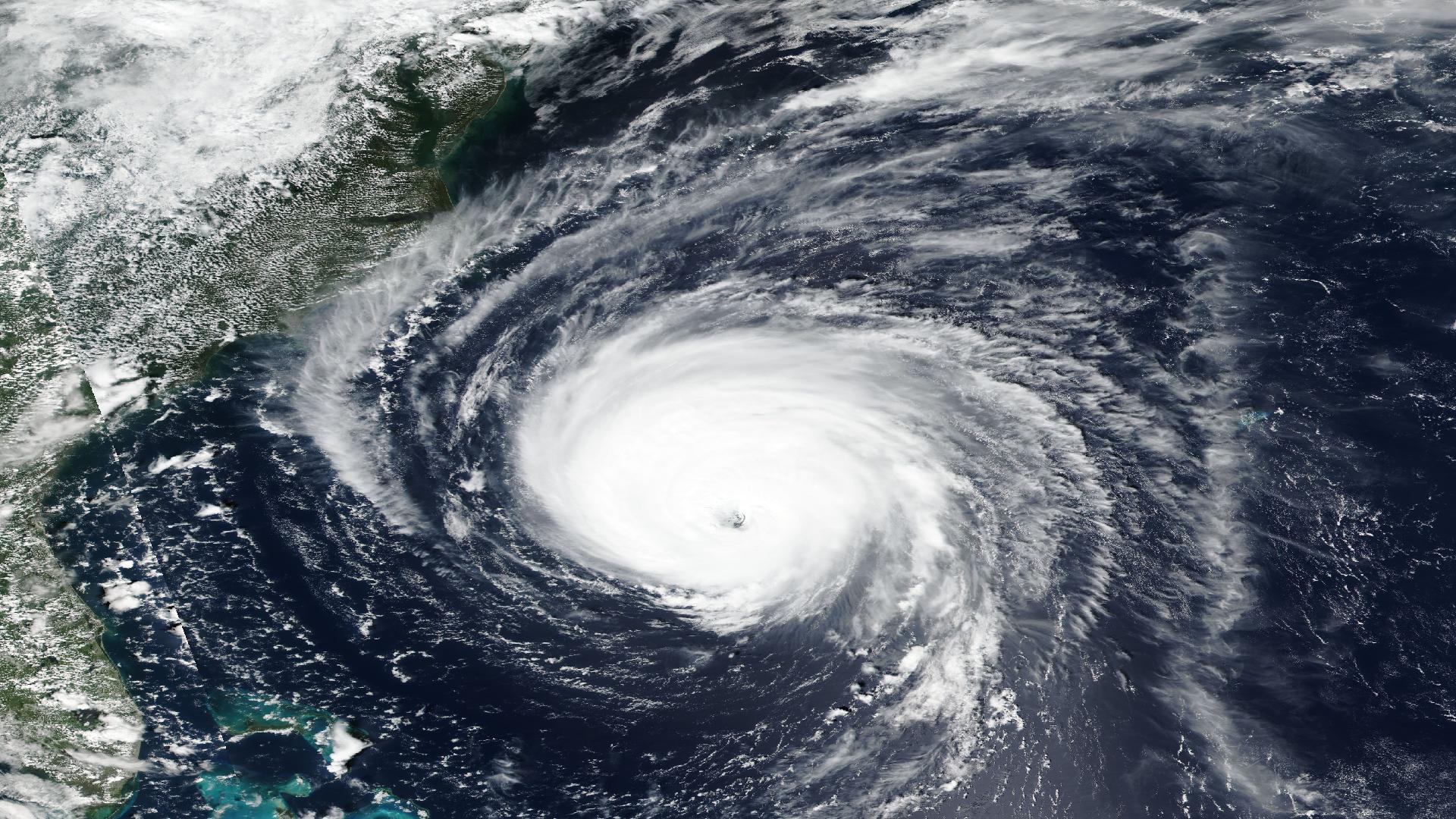
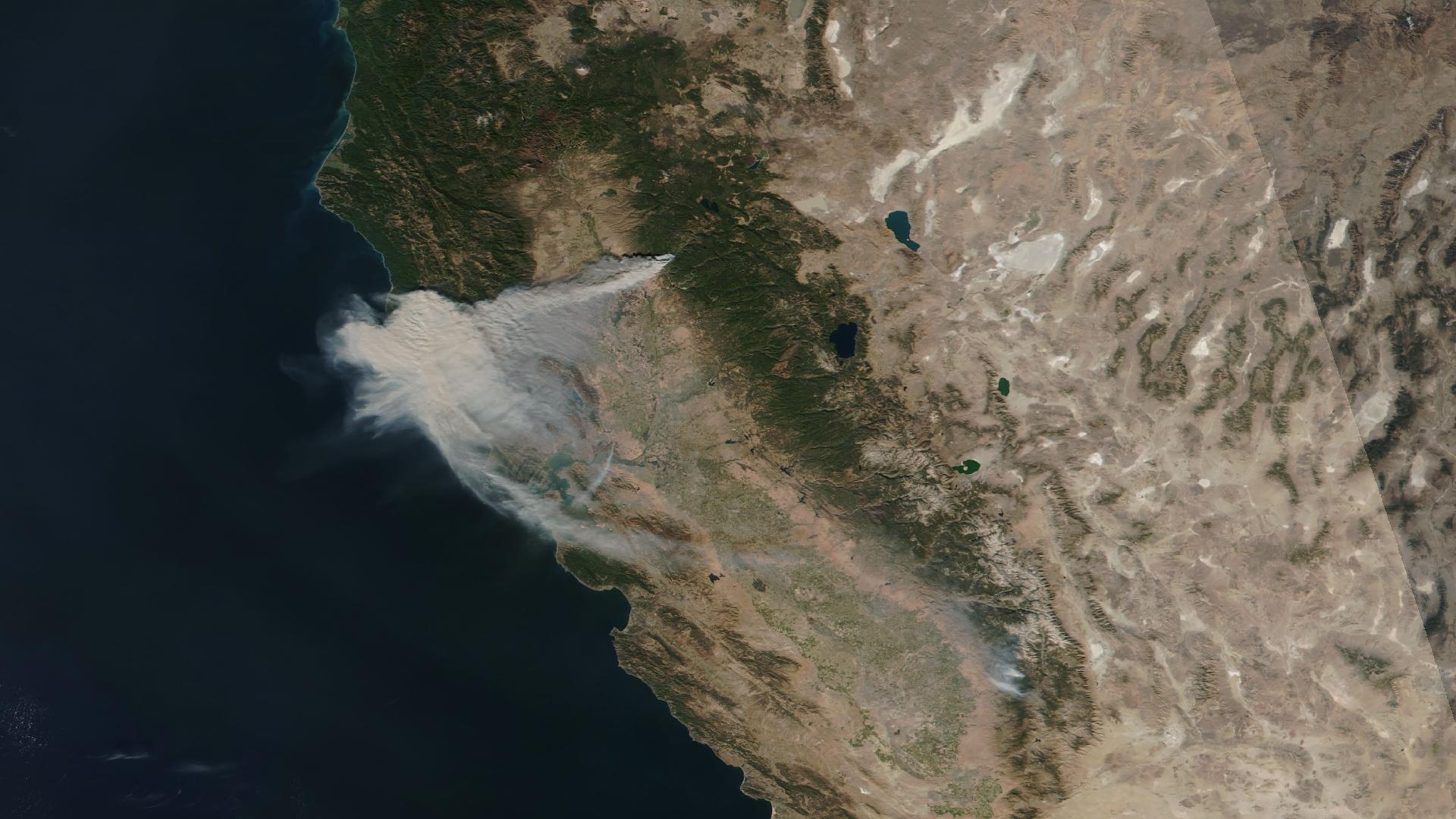
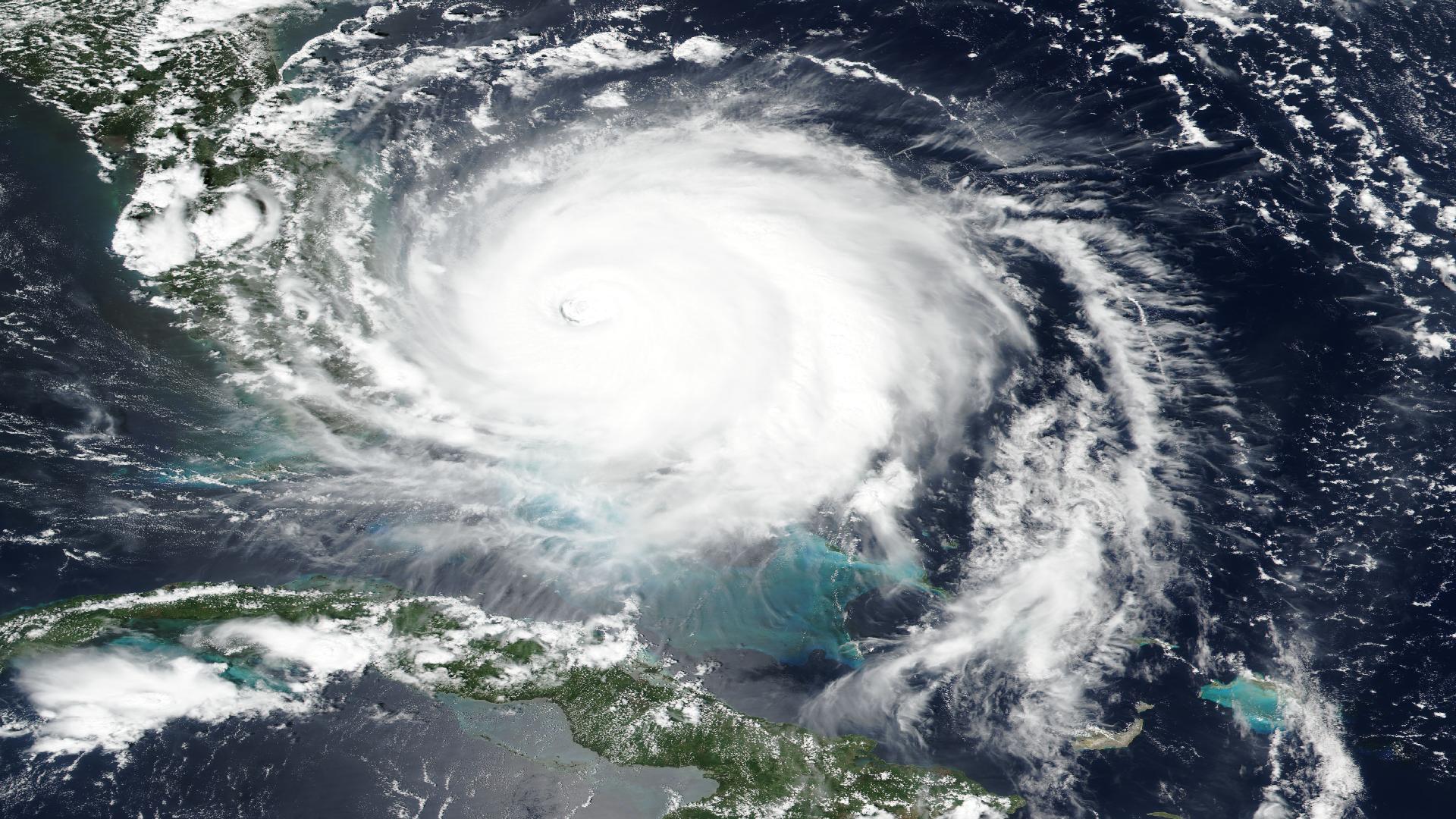
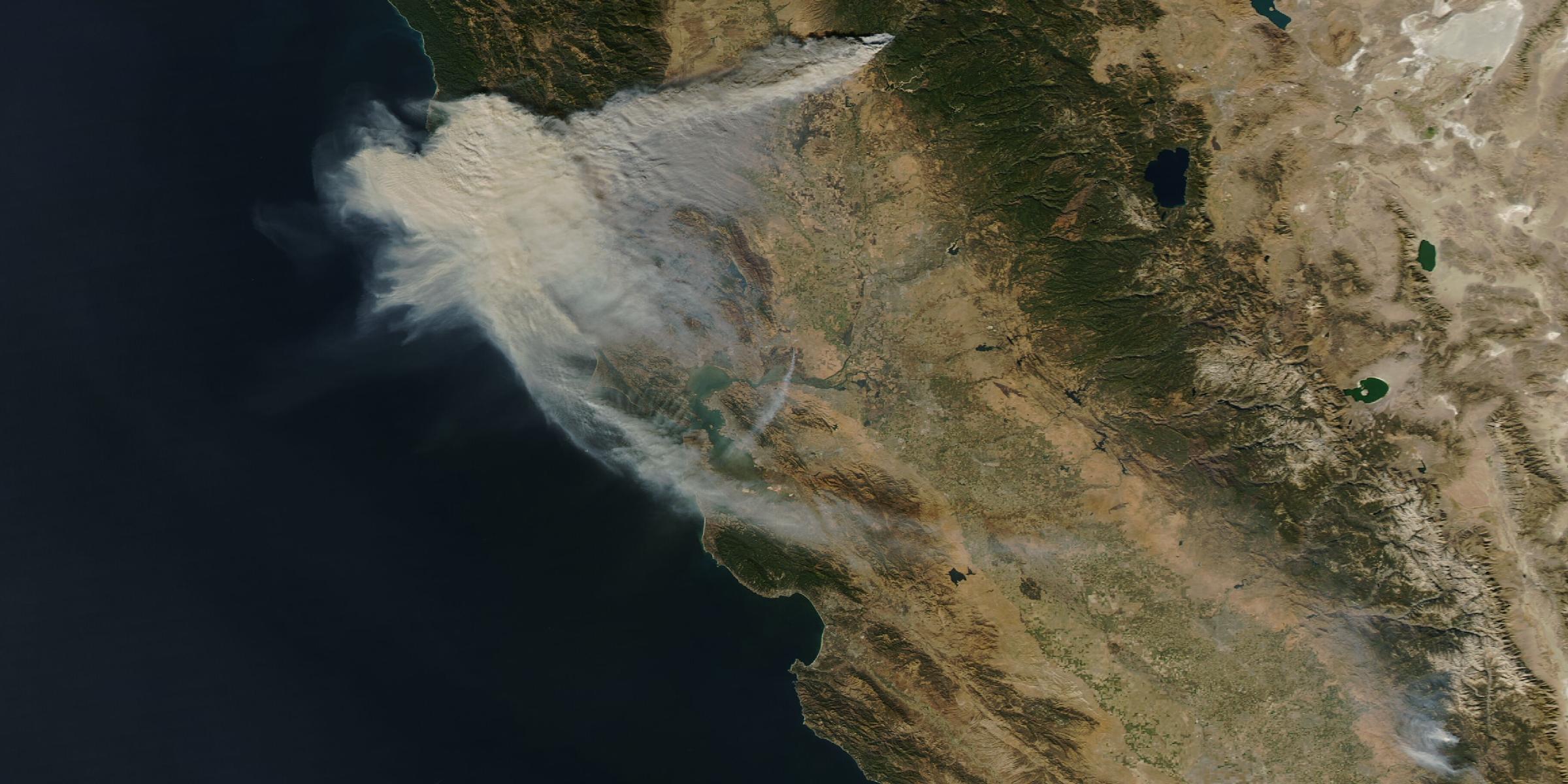
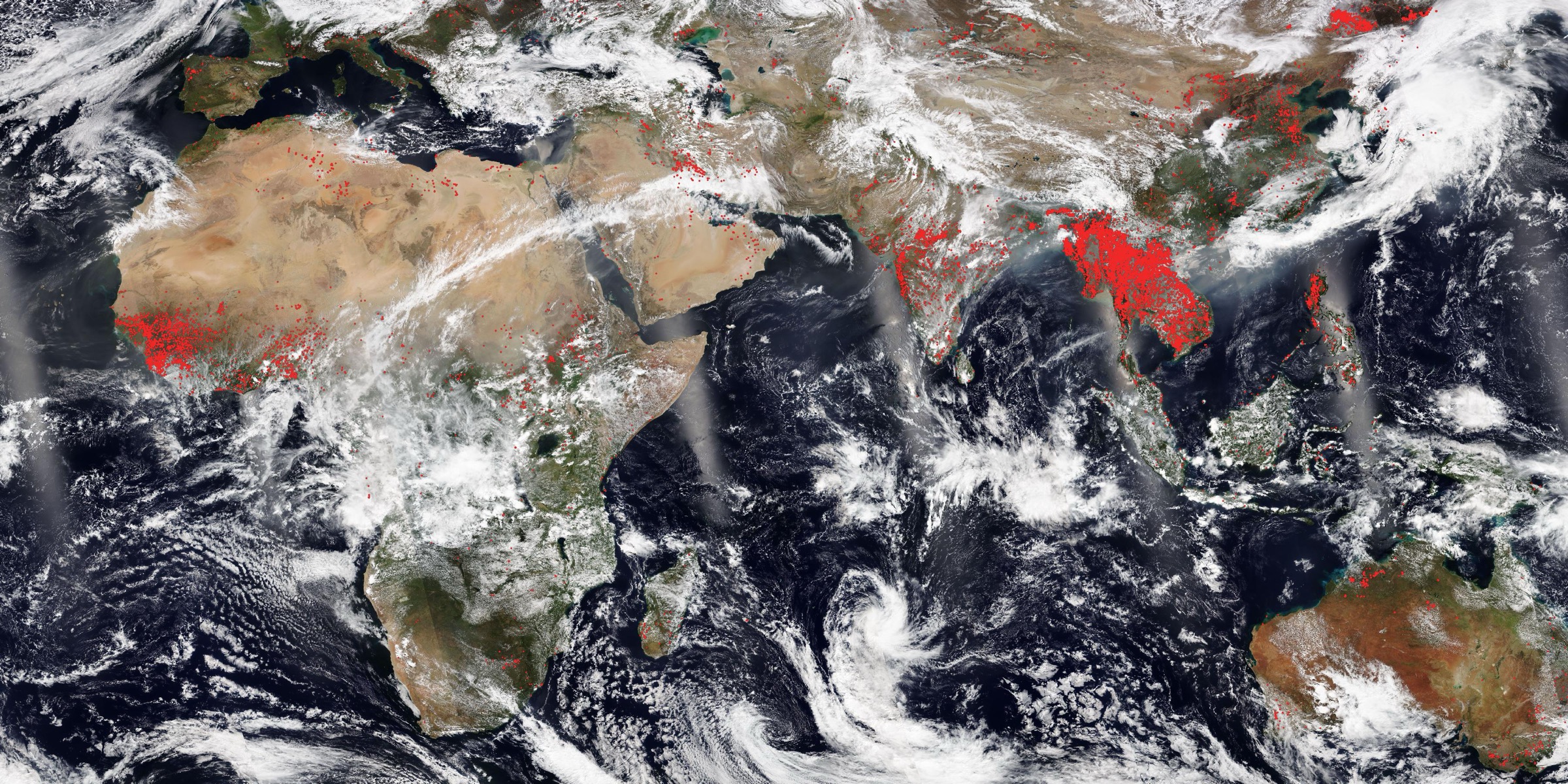
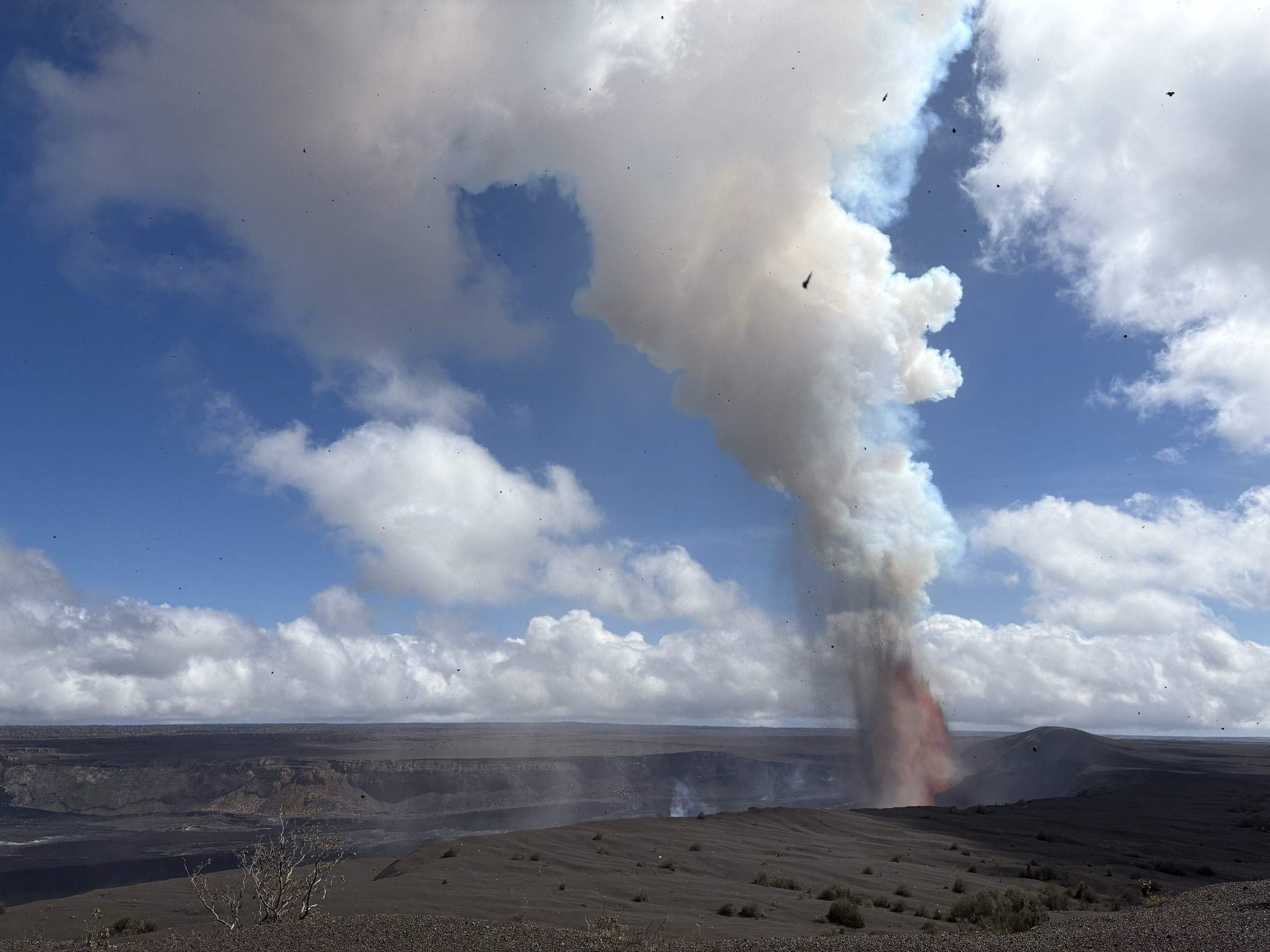
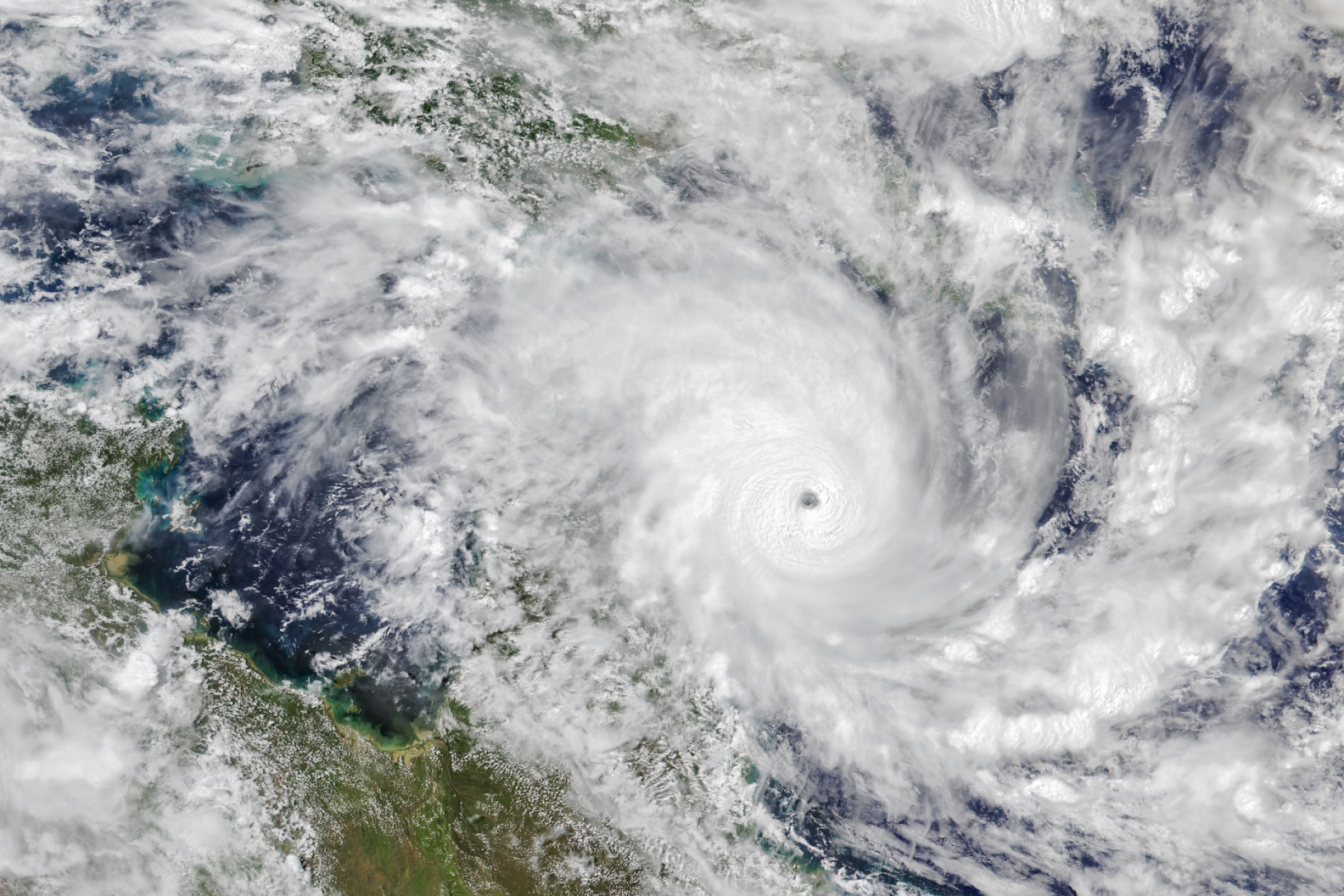
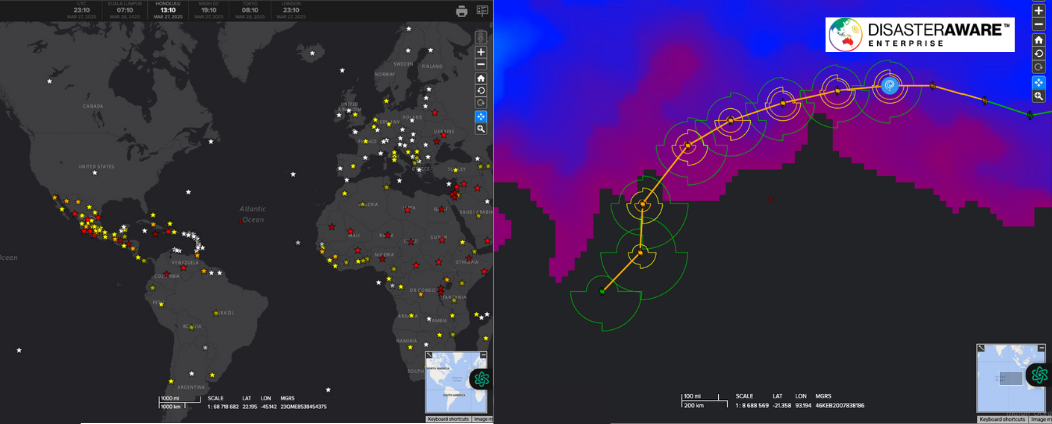
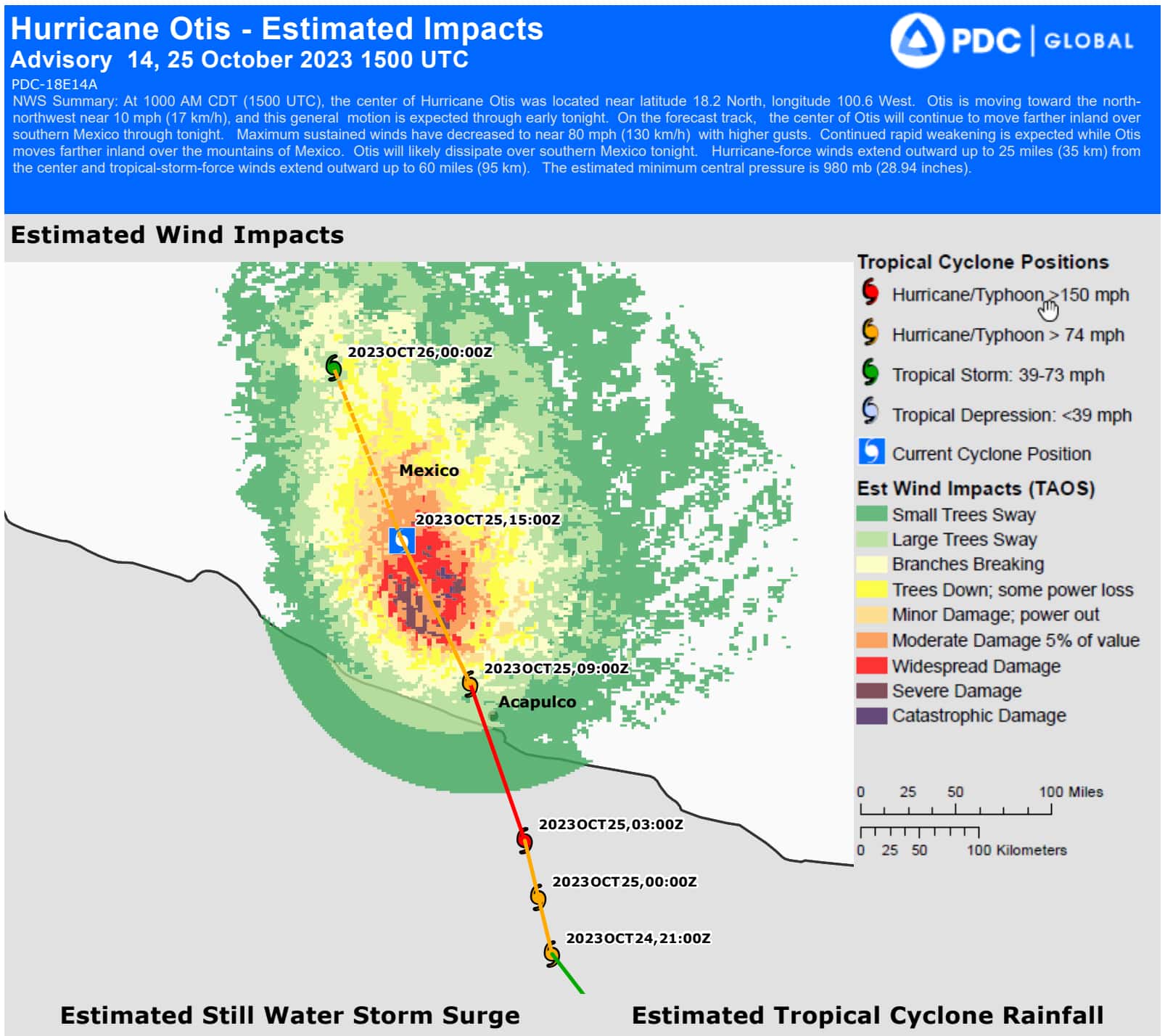
Modern hazard intelligence increasingly moves beyond point observations toward geospatial event footprints.
For example:
This creates opportunities to design parametric triggers around the spatial characteristics of an event, rather than relying exclusively on measurements from a single station.
Real-time data helps determine what is happening now. Historical data helps insurers determine how a parametric product might perform over time.
Before launching a rainfall, wind, flood, wildfire, or other parametric product, insurers may want to understand:
This makes historical event intelligence an important complement to real-time data. It allows insurers to analyze and back test potential triggers against historical events before deploying them.
One of the central challenges in parametric insurance is basis risk—the possibility that the payout does not closely correspond to the policyholder's actual economic loss. A policy may trigger even though the insured experiences limited damage. Or significant disruption may occur without the contractual trigger being reached.
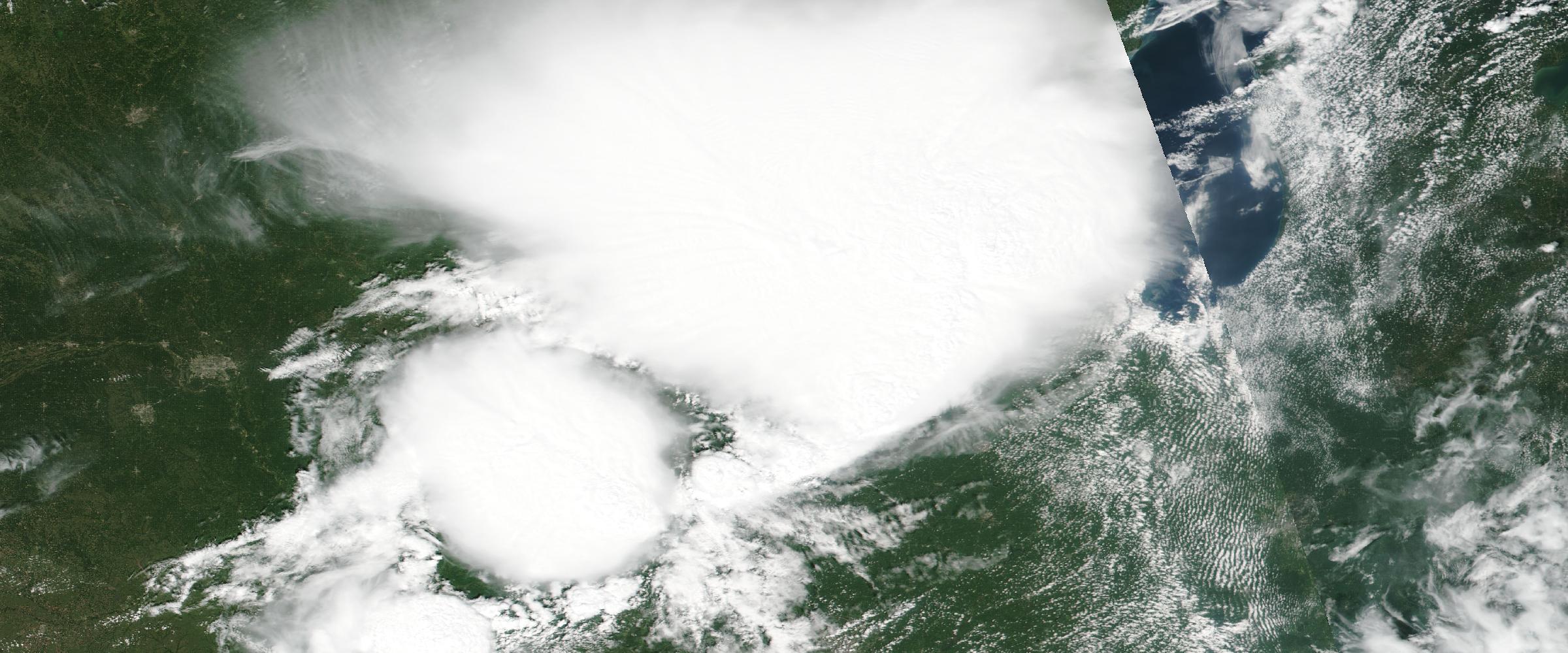
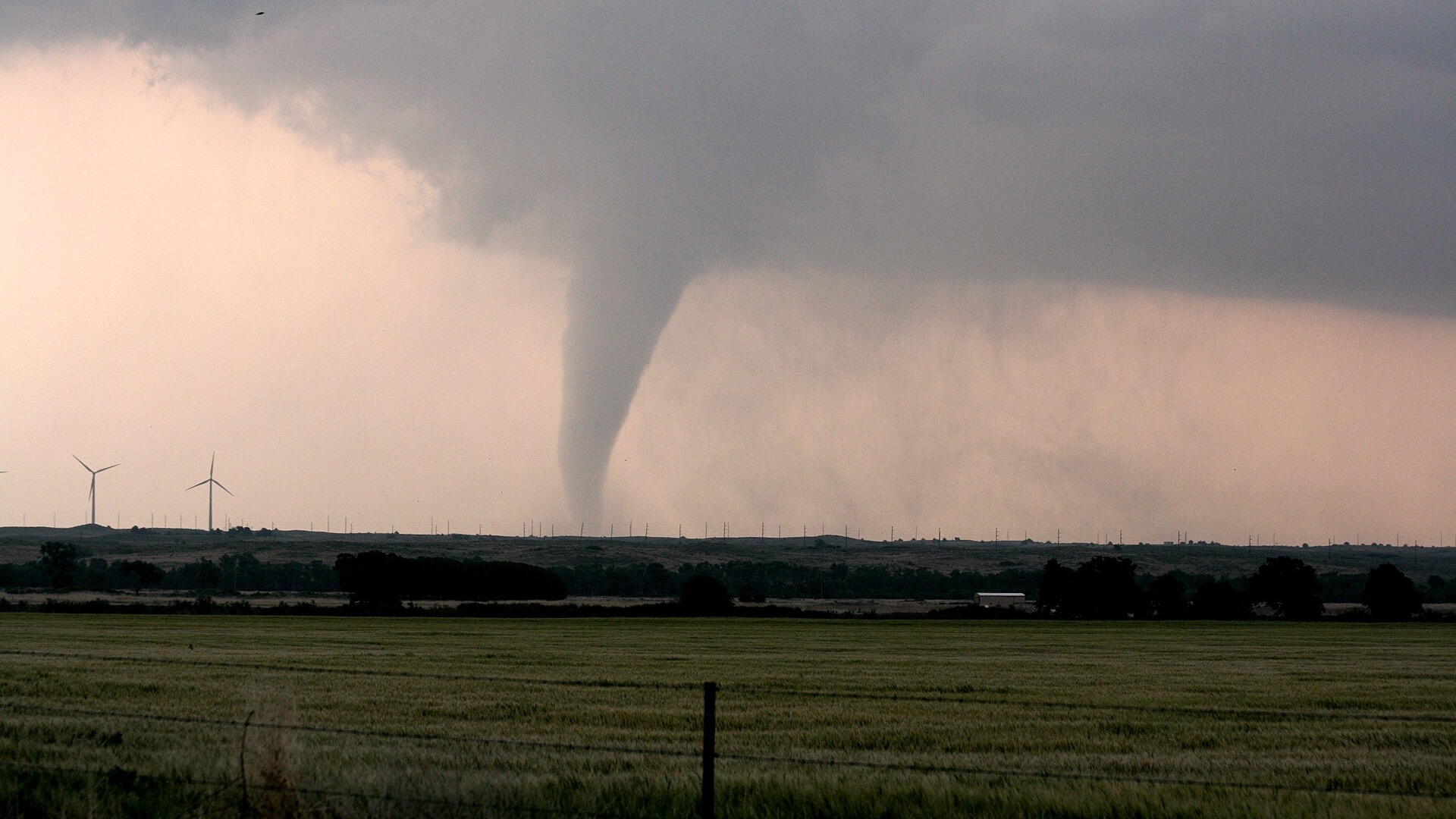
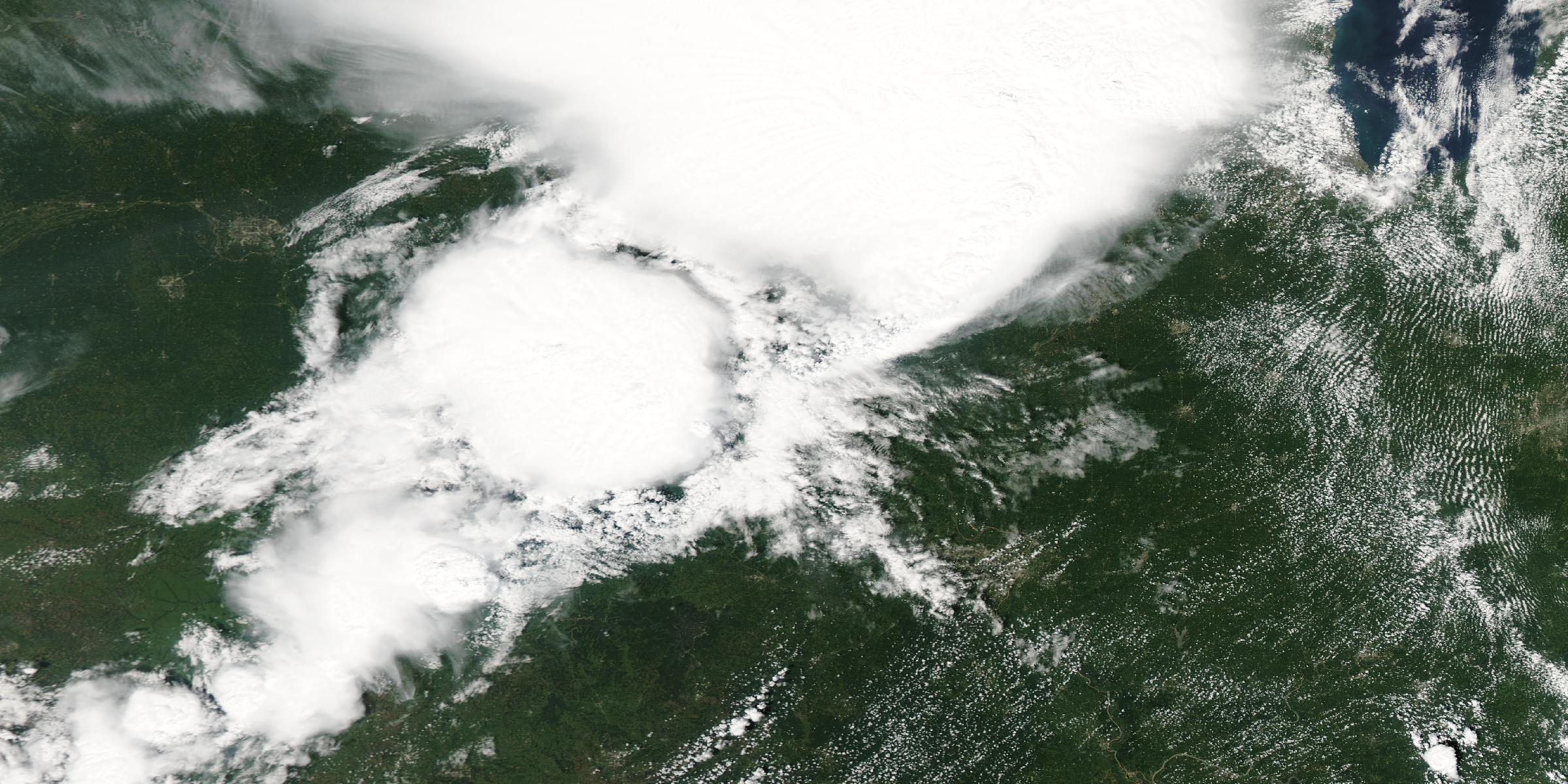
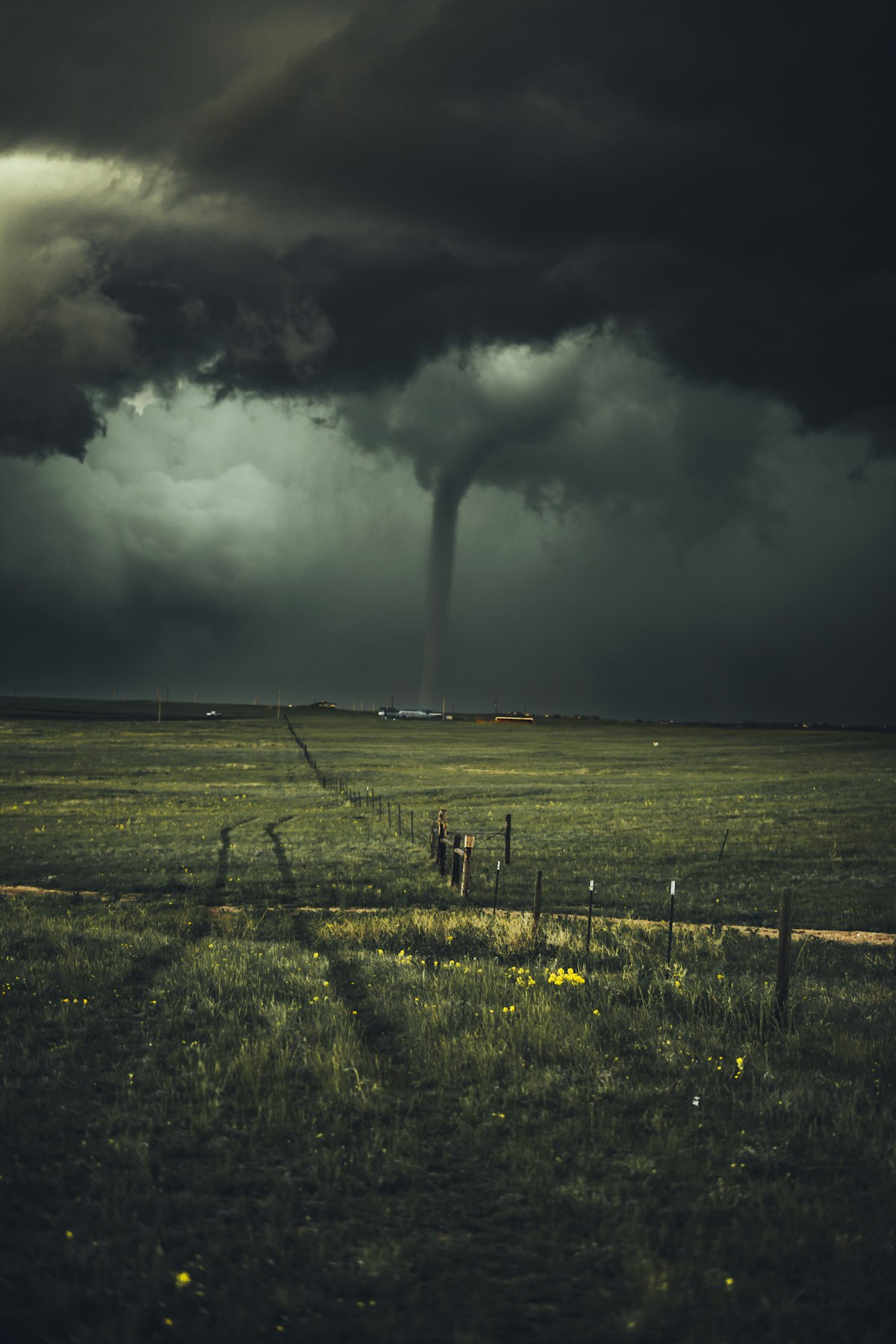
Better hazard data cannot eliminate basis risk entirely. But more granular, timely, and location-specific data can help insurers design triggers that better represent the underlying hazard they are attempting to insure. This is particularly important for localized perils such as hail, tornadoes, flooding, and severe convective storms.
Parametric insurance depends heavily on confidence in the trigger mechanism.
Policyholders and insurers need to understand:
The methodology and provenance of the data therefore matter.
A transparent data chain can look like:
Source → Processing → Hazard Measurement → Trigger Calculation → Settlement
Understanding that chain helps insurers and policyholders have confidence in how the contract will operate when an event occurs.
A severe weather alert is useful for awareness. But a parametric policy needs more than an alert. It needs structured information capable of answering:
This is the difference between an alert and event intelligence. An alert tells you something is happening. Event intelligence provides the structured information needed to evaluate the event against a defined trigger.
As parametric insurance expands, hazard intelligence will become increasingly important to the products built around it. The most effective data layer will need to be:
Timely enough to support rapid settlement.
Granular enough to represent insured exposures.
Reliable enough to support contractual decisions.
Transparent enough to build trust.
Historical enough to support product design and backtesting.
Structured enough to integrate into insurance workflows.
The underlying proposition of parametric insurance is simple:
A measurable event occurs, and the policy responds.
Real-time hazard intelligence provides the connection between the physical event and that financial response. Historical intelligence helps insurers understand how triggers perform over time. Together, they can help insurers build parametric products that are more transparent, automated, and closely aligned with the hazards they are designed to cover. In parametric insurance, the data doesn't simply inform the insurance decision. It can help determine the insurance outcome.
Explore the historical record
Decades of reconstructed, verified catastrophes — browse the Historical Event Intelligence overview, or request sample data for your own portfolio.
What is the difference between forecast data and observed hazard data in parametric insurance? A forecast states what is expected to happen; observed data states what did happen. A forecast of 125 mph sustained winds is valuable for preparation, but a parametric policy generally has to establish whether the insured location actually experienced the contractual threshold. Trigger verification therefore tends to rely on observed measurements, remote sensing, radar or gauges named in the policy.
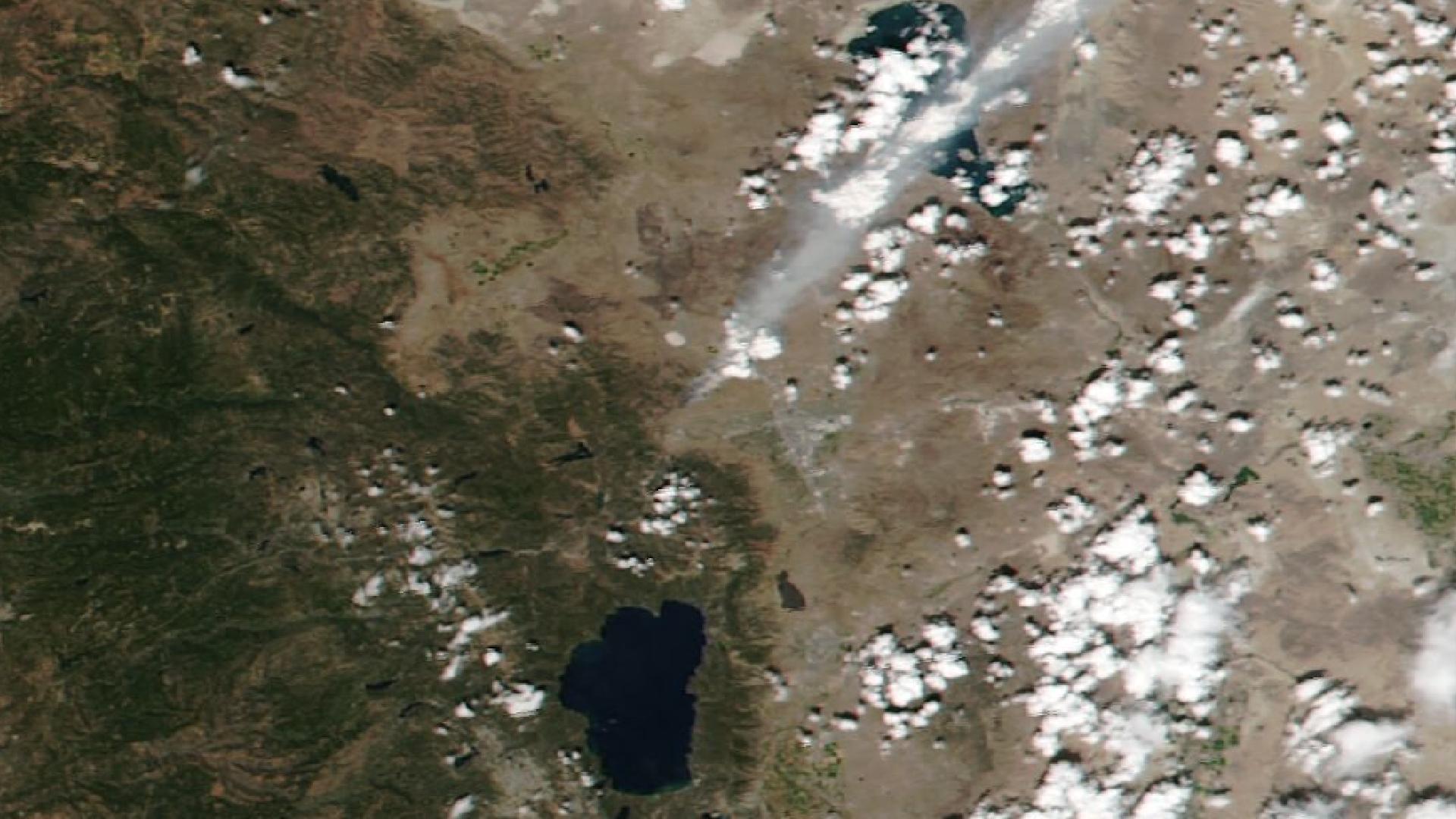
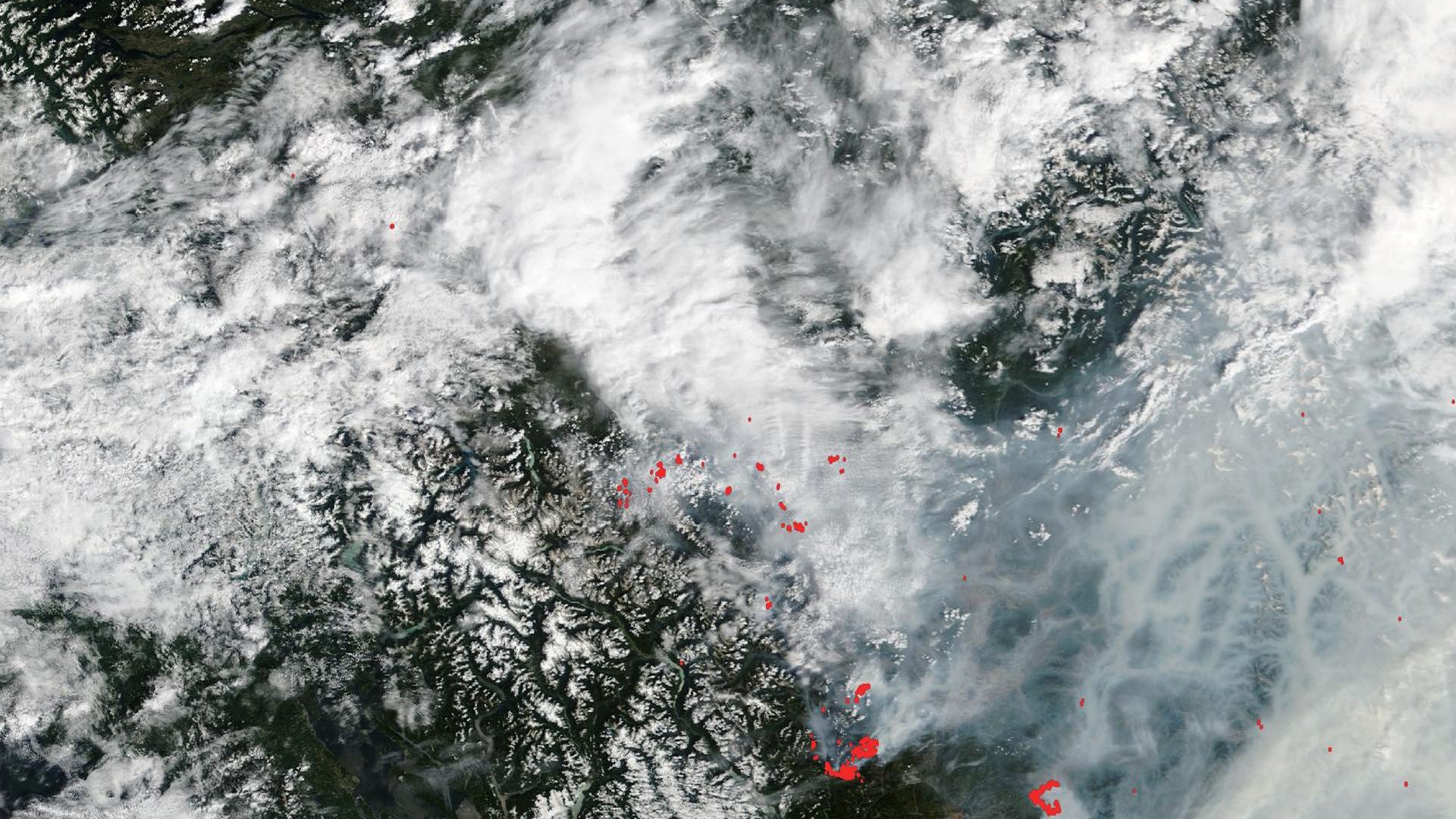
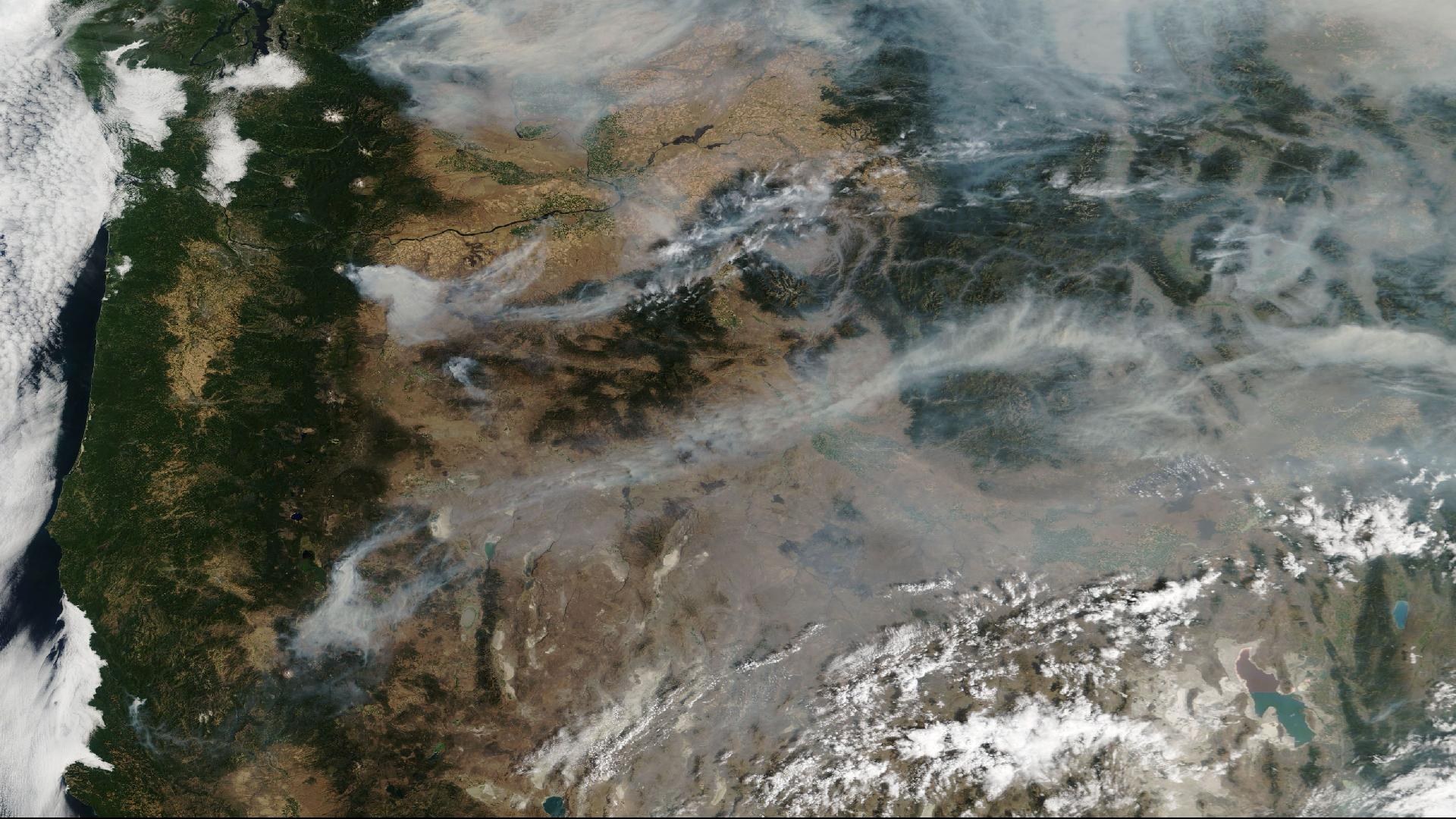
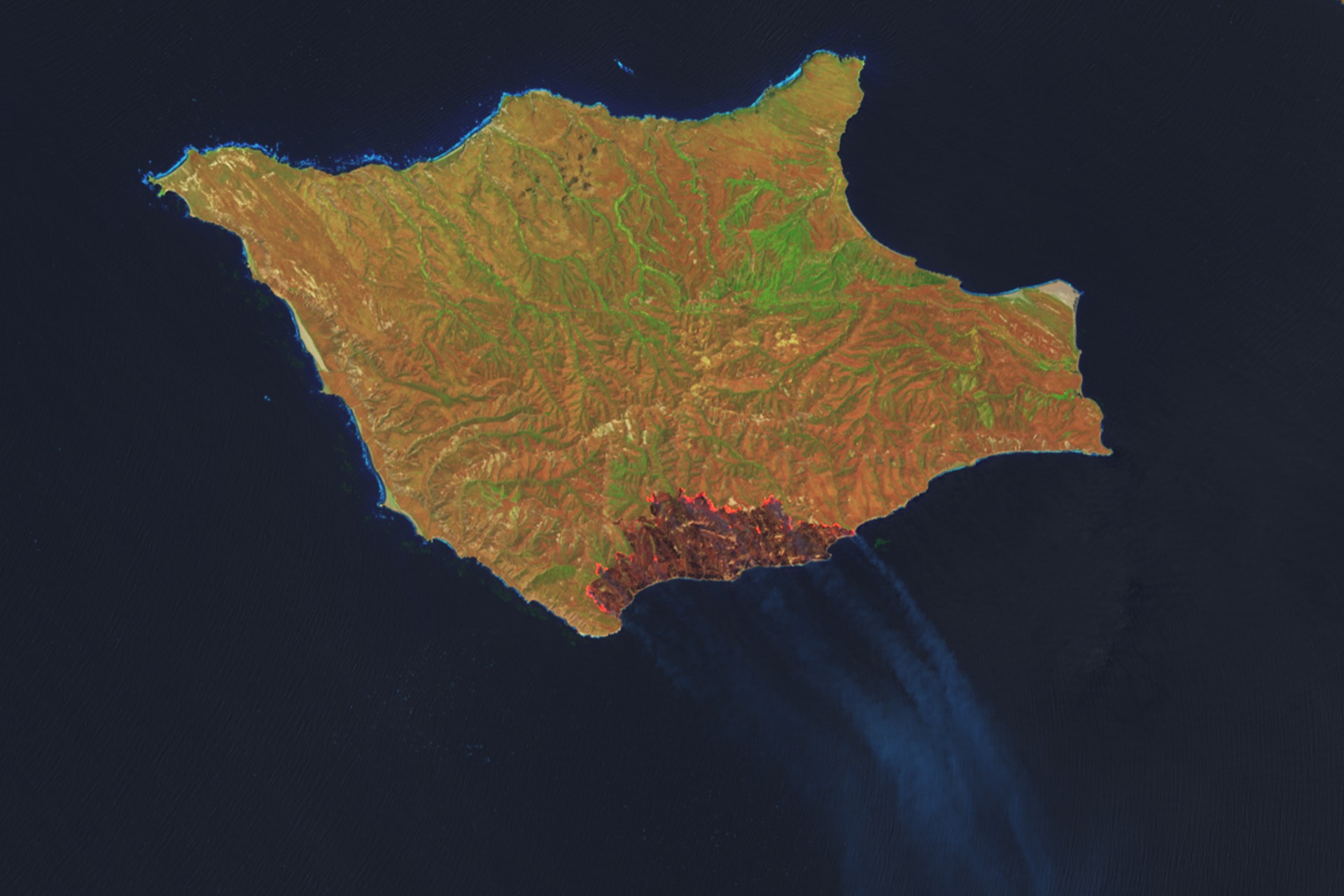
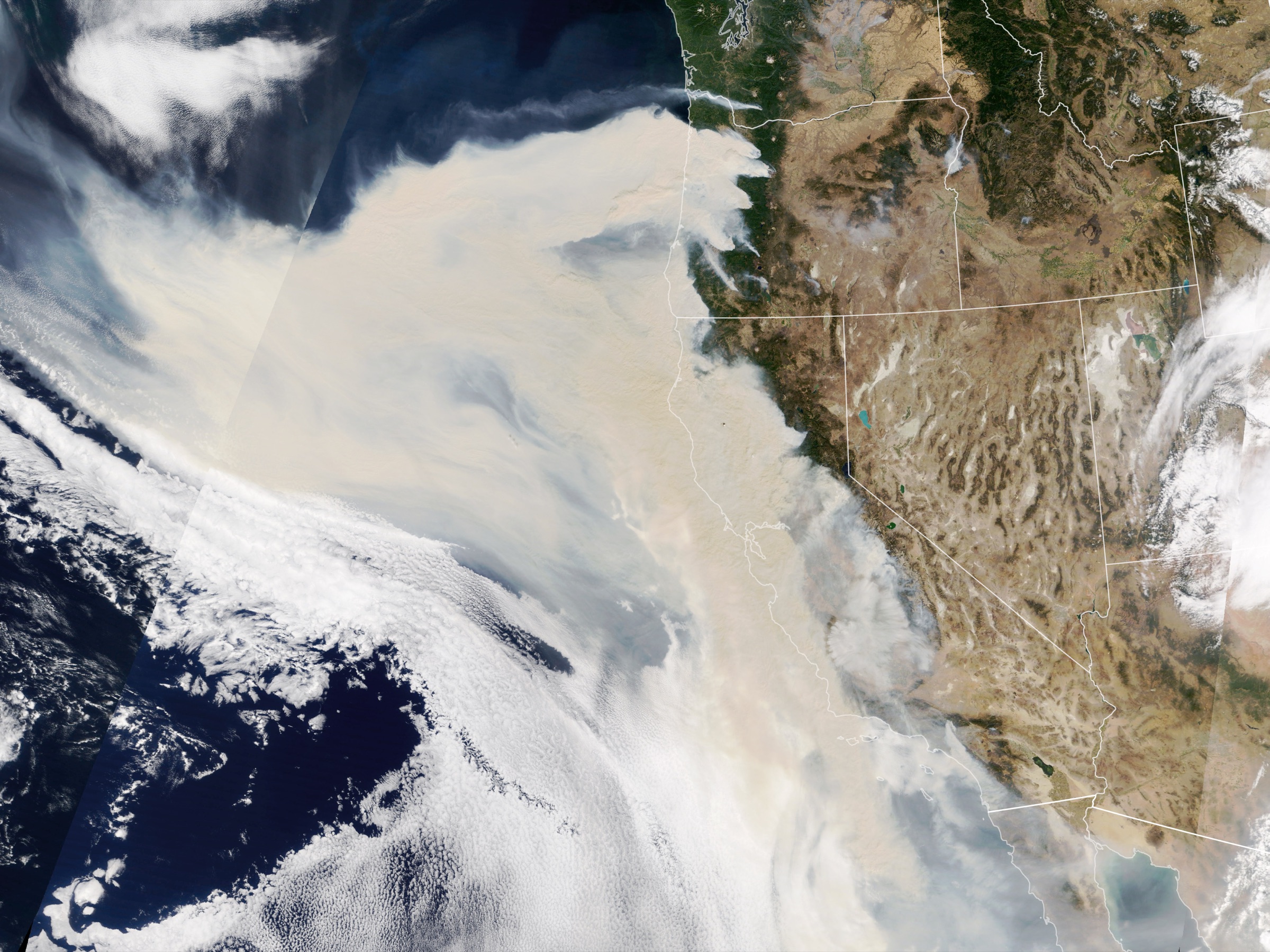
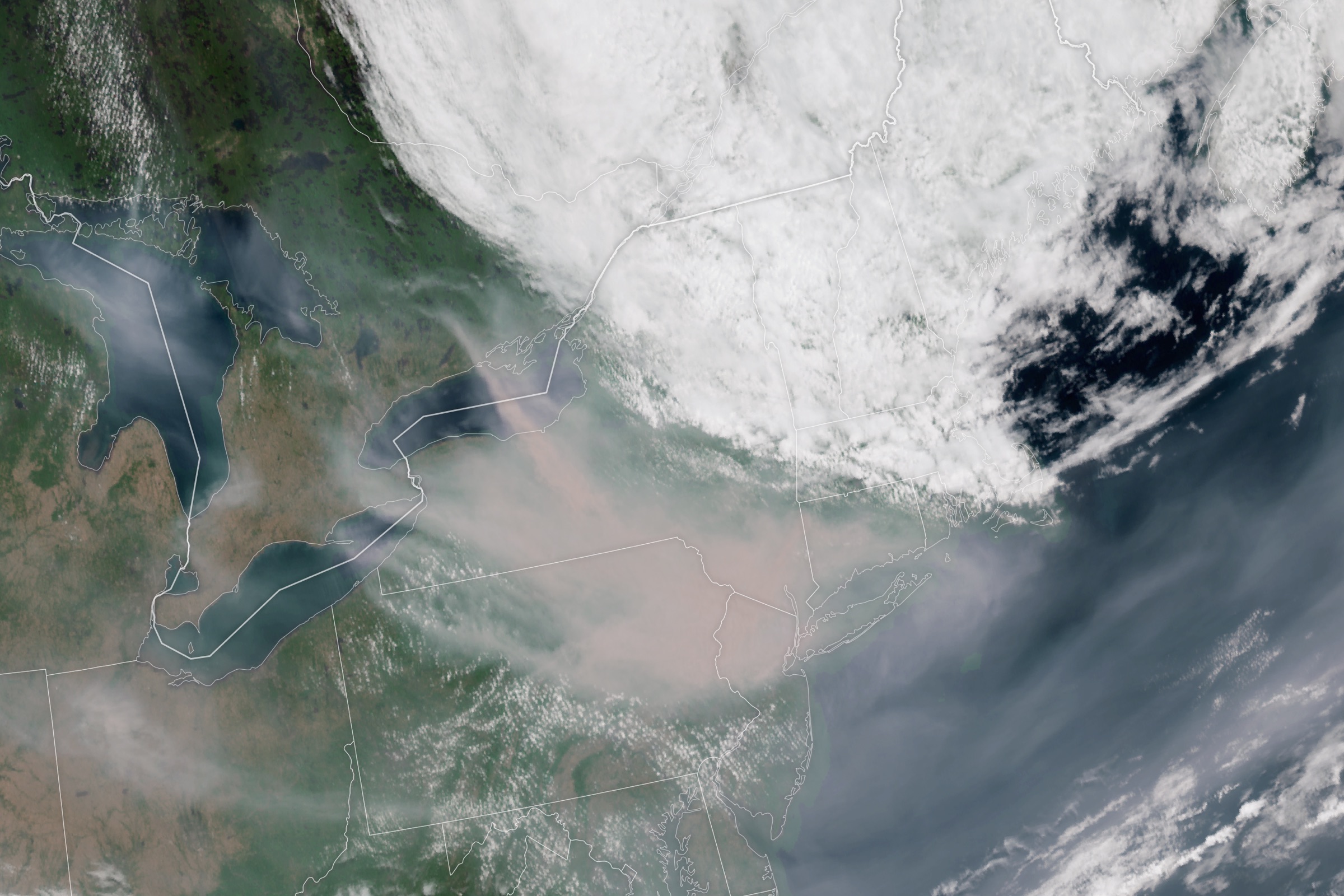
What is a hazard event footprint? An event footprint is the geographic extent of a hazard represented as geometry rather than as a single point reading — a wildfire perimeter, a hail swath, a tornado track, a flood-depth surface, or a precipitation area exceeding a threshold. Footprints let an insurer ask whether a specific insured location fell inside the event, instead of inferring exposure from the nearest weather station.
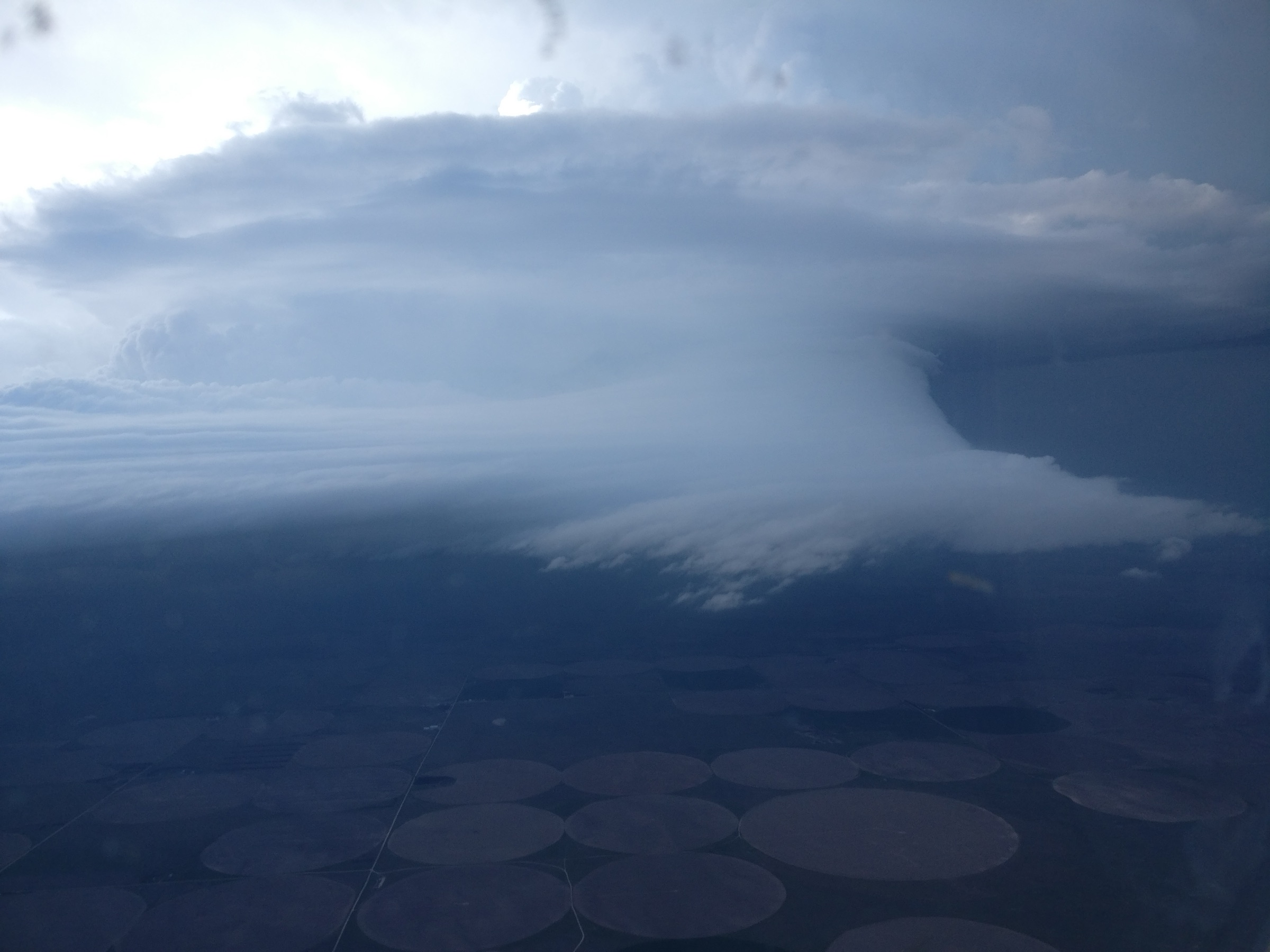
How does better hazard data reduce basis risk? Basis risk grows when the measurement used for the trigger is a poor proxy for conditions at the insured location. Granular, location-specific data narrows that gap, which matters most for hazards that vary sharply over short distances — hail, tornadoes, flooding and severe convective storms. It cannot eliminate basis risk, but it makes the relationship measurable during product design.









-min.png)
.png)

.png)


Decision-ready intelligence for understanding what's happening, what is impacted, and what to do next. Global hazard, severe weather, catastrophe, and physical risk intelligence trusted by governments, enterprises, insurers, humanitarian organizations, and technology platforms worldwide.
Request DemoContact Us

