


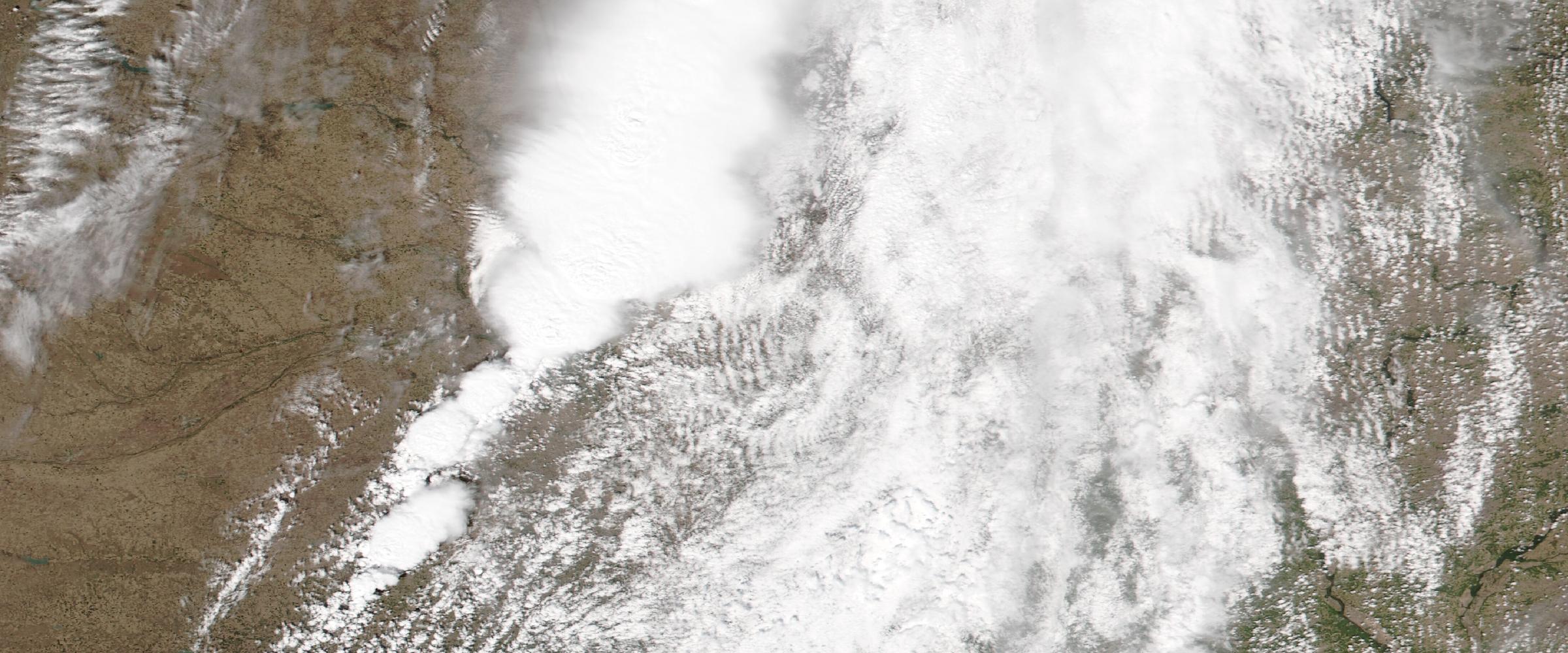
An event-level look at a month of tornado anxiety in the Omaha metro — and what actually touched down
The short answer: no tornado struck Omaha in April 2026. But thousands of people spent parts of that month believing one might — and months later, people are still searching for what happened. The data explains both: a tornado watch that put tens of thousands of people southeast of the metro on alert over the April 11–12 weekend, a second round on April 23 that dropped confirmed tornadoes in southwest Iowa as warned storms rolled through the metro area, and a city whose recent tornado history makes every siren feel personal.
This is what the event record actually shows, drawn from DisasterAWARE's historical hazard archive — and it's a useful case study in the difference between a warning, a watch, and a confirmed tornado.
If you searched "Omaha tornado April 12, 2026" — you're not alone; that exact phrase was still being typed into Google months later. Here's what happened that weekend.
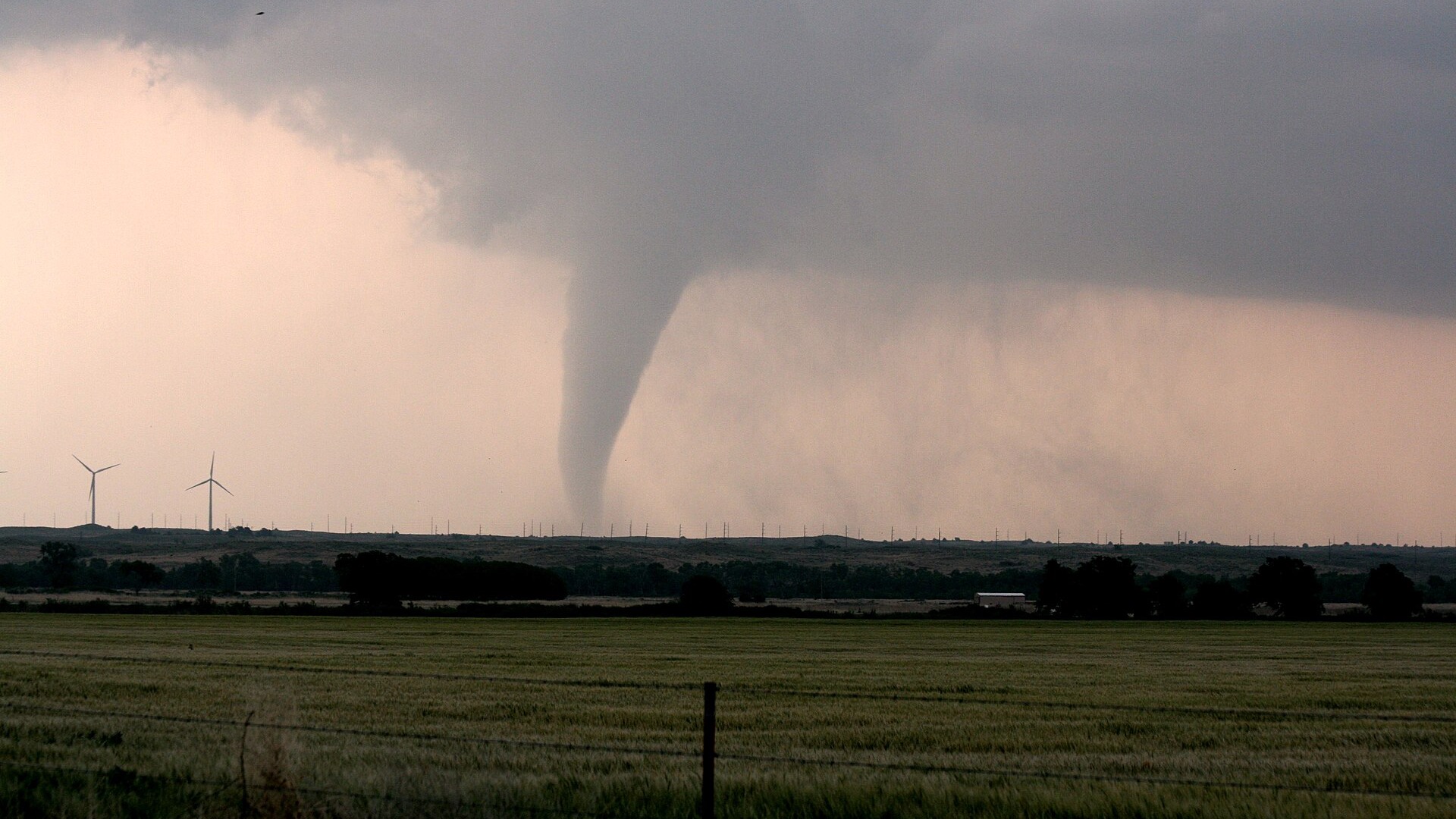
On the evening of April 11, a tornado watch went up over southeast Nebraska — the archive records its footprint holding roughly 40,800 people, centered over Jefferson County and running through the night into April 12. Inside it, a tornado warning was issued for Gage County, its polygon holding about 13,300 people. Storm-scale rotation was real enough for the warning; sirens and phone alerts did their job across the region southeast of the metro.
What was confirmed afterward: one tornado, rated EFU — "unknown" on the Enhanced Fujita scale — observed northeast of Chester in Thayer County on April 11, which caused no damage. That's the entire verified tornado outcome of the weekend: one brief, harmless touchdown roughly two hours' drive southwest of Omaha. No tornado reached Douglas or Sarpy County. The searches came from the alert, not from an impact — which is exactly what alerts are for.
The month's second act came on April 23, and this one came closer. The archive holds eight tornado records within 160 kilometers of Omaha for that day — a tornado watch spanning central and western Iowa with roughly 228,000 people in its footprint, and tornado warnings stretching from Monona County, Iowa down through Page and Montgomery counties in southwest Iowa and into Jefferson and Nemaha counties, Nebraska.
Local coverage that afternoon confirmed a tornado touchdown in southwest Iowa as severe storms moved through the Omaha metro area. Every tornado record near Omaha that day closed with zero recorded casualties. For the metro itself: warned, brushed, spared.
If April 2026 felt heavier than "one EFU and a few warnings" deserves, there's a reason, and it's two years old almost to the week. On April 26, 2024, a violent supercell put an EF-3 tornado through Elkhorn and Blair on Omaha's western and northern edges — winds of 135–165 mph, homes flattened, roughly 150 structures damaged or destroyed in Douglas County alone, a manufacturing facility torn open with 70 workers inside, and the Omaha weather office's first tornado emergency declaration since December 2023. Remarkably, early warnings meant no one died.
That event rewired the metro's relationship with April skies. When a watch box went up on April 11, 2026 — two weeks short of the anniversary — the search traffic wrote itself.
Zoom out, and the anxiety is well-founded — this is one of America's most tornado-active metros. DisasterAWARE's archive holds 312 tornado records within 50 kilometers of downtown Omaha since 2010 — a count of warnings, watches, and confirmed events, which is the honest way to measure how often this region is genuinely threatened rather than how many funnels touched grass.
The seasonality is stark:
One honesty note on counting, because it matters: these are event records — the alerting trail a real atmosphere leaves — not a claim that 312 separate tornadoes struck. A single outbreak generates multiple records as watches, warnings, and confirmations layer up. That layering is itself the risk signal: it measures how often this metro's population has genuinely been put on notice. (Confirmed tornado path ratings are a separate, survey-based dataset — the distinction between a report, a footprint, and a rating is the core of severe-weather data literacy.)
April 2026 in Omaha is a clean demonstration of severe-weather evidence tiers:
Alerts move people to shelter; surveys settle history. Both tiers live in the event record, labeled as what they are — and if you only count one of them, you either overstate what happened or understate how often you were truly at risk.
Omaha's live tornado risk profile — current alerts, risk scoring, and event history for the metro — is maintained at explore.disasteraware.com/tornado-risk/omaha-ne, alongside the full multi-hazard picture for the city. And the dataset this article was written from — every record, footprint, and exposure figure — is exactly what Historical Event Intelligence delivers, for any city, any peril, any date range.
Ask this question about any city, any event
DisasterAWARE Historical Event Intelligence holds 546,000+ hazard records with footprints, ratings, and exposure — the dataset this article was written from.
Explore the historical record
Decades of reconstructed, verified catastrophes — browse the Historical Event Intelligence overview, or request sample data for your own portfolio.
Did a tornado hit Omaha in April 2026? No. No tornado touched down in Omaha or its immediate metro counties in April 2026. The month brought a tornado watch southeast of the metro on April 11–12 (one EFU tornado confirmed near Chester, Thayer County — no damage) and warned storms on April 23 that produced confirmed touchdowns in southwest Iowa. Every tornado record within 160 km of Omaha that month closed with zero casualties.
What happened in Omaha on April 12, 2026? April 12 was the tail end of an overnight tornado watch covering southeast Nebraska, with a footprint holding roughly 40,800 people, plus a tornado warning for Gage County. The watch expired without any tornado reaching the Omaha area — the only confirmed tornado of the episode was a damage-free EFU near Chester on the evening of April 11.
When was the last major tornado to hit Omaha? April 26, 2024, when an EF-3 tornado tore through Elkhorn and Blair on the metro's edge with winds of 135–165 mph, damaging or destroying roughly 150 structures in Douglas County. The National Weather Service in Omaha issued its first tornado emergency since December 2023. Early warnings meant there were no fatalities.
How often does Omaha get tornadoes? DisasterAWARE's archive holds 312 tornado records — watches, warnings, and confirmed events — within 50 km of Omaha since 2010. June is the peak month, and April through August accounts for nearly 90% of all activity. The metro sits squarely in one of the most tornado-active corridors in the United States.
What is the difference between a tornado watch, a warning, and a confirmed tornado? A watch means conditions favor tornado formation over a broad area, often for hours. A warning means rotation is detected or a tornado is reported right now inside a specific polygon — seek shelter. A confirmed tornado exists only after a National Weather Service ground survey documents the damage path and assigns an EF rating. April 2026 near Omaha produced watches and warnings in quantity but only isolated, minor confirmed tornadoes — which is exactly why the distinction matters.














-min.png)


.png)


.png)




Decision-ready intelligence for understanding what's happening, what is impacted, and what to do next. Global hazard, severe weather, catastrophe, and physical risk intelligence trusted by governments, enterprises, insurers, humanitarian organizations, and technology platforms worldwide.
Request DemoContact Us

