


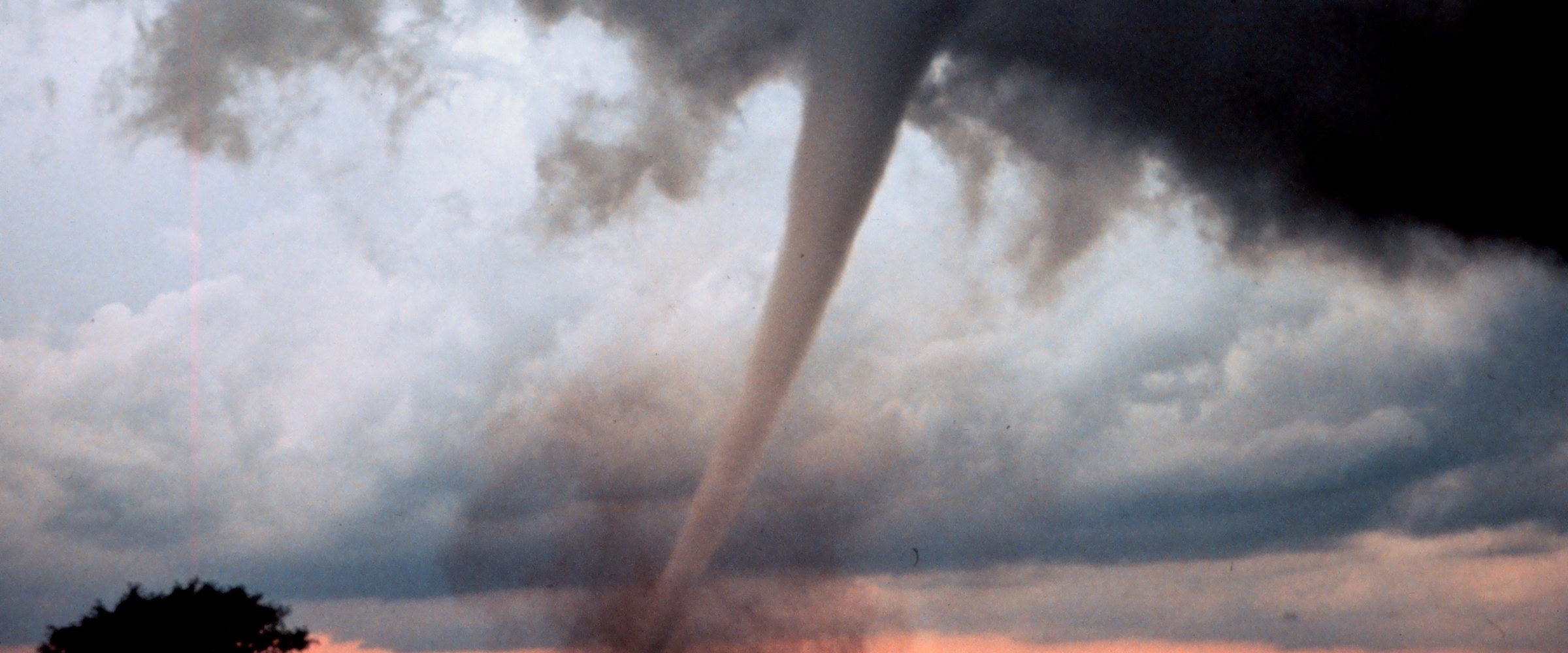
TornadoAWARE is a free email service from DisasterAWARE for individuals. Add up to five places, and each morning something happens there you get a report on what tornado and severe-weather activity touched them, with the history of what has hit there before. It launched today at explore.disasteraware.com/tornadoaware.
Most people with a parent in Tulsa, a student in Norman and a house in Moore find out what happened at those places the same way everyone else does: a news alert about somewhere nearby, a group text, a search the next morning. TornadoAWARE answers the narrower question you actually have: did a warning cover my places, how close did it come, and what has this town seen before?
The landing page shows a real one, built from the NWS Tornado Warning that covered Moore, Oklahoma, on 10 March 2026, for a place labelled "Home". The subject line reads "Tue Mar 10: Tornado Warning — Home (Moore, OK)". The report says that Home was inside the warning polygon, not nearby, that NWS called the tornado radar-indicated, and that the warning was new since the day before. The map is the NWS polygon with the place marked on it. The report closes with one line of history: 16 tornado warnings within 15 miles of that place since 2014.
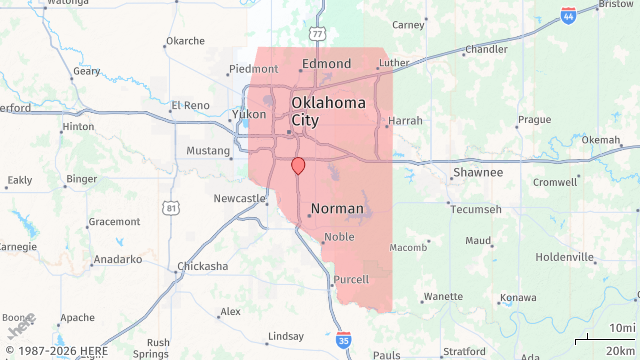
The full sample, with each element explained, is on the landing page under "See a sample report".
This part matters, so here it is in the service's own words: "TornadoAWARE is context, not a siren. Wireless Emergency Alerts, NOAA Weather Radio and local sirens are the official warnings and are faster in the first minutes — we are typically a few minutes behind the National Weather Service."
Keep your phone's emergency alerts on. TornadoAWARE is the report that tells you, the next morning, what those warnings meant for the places you named.
Get your morning tornado report, free
Add up to five places, confirm your email, and TornadoAWARE tells you each morning something happens what tornado and severe-weather activity touched them.
TornadoAWARE runs on the DisasterAWARE platform, the hazard-intelligence system built by DisasterIQ and used by Pacific Disaster Center, emergency managers and enterprises worldwide. The warnings, watches and history come from the National Weather Service, NOAA's Storm Prediction Center, the NWS Damage Assessment Toolkit and USGS. The same platform powers our tornado data and tornado intelligence pages. On launch day the landing page's live counter stood at more than 1,800 tornado warnings issued in the United States so far in 2026.
Your places are used only to match hazards to them.
Reports then arrive every morning something is active or has changed at your places, or every morning if you tick that option. Everything you need to change places, pause or stop is in the footer of every email.
Alerts are next: when a warning newly covers one of your places, escalates or clears, one email, bundled and capped, and quiet overnight unless it is a tornado warning. That is being built now and is coming this season. Until it is live, the morning report carries everything that happened at your places.
TornadoAWARE is the first of a family. FloodAWARE, the same morning report for flash floods, coastal floods and high surf, is the next one planned.
What is TornadoAWARE?
A free email service from DisasterAWARE. You add up to five places, confirm your email, and by 7 am your time you get a report on what tornado and severe-weather activity touched those places, with the history of what has hit there since 2014. It arrives on mornings when something is active or has changed, or every morning if you choose.
Is TornadoAWARE an official warning service?
No. It is context, not a siren. Wireless Emergency Alerts, NOAA Weather Radio and local sirens are the official warnings and are faster in the first minutes; TornadoAWARE is typically a few minutes behind the National Weather Service.
Do I need to give a street address?
No. A city, a neighbourhood, a landmark or a postal code works. For a city, the whole city is treated as your place, so you are covered if any part of it is in a warning.
Does TornadoAWARE send alerts during a storm?
Not yet. Alerts when a warning newly covers one of your places are coming this season. Today the service is the morning report.
Is it really free?
Yes, for up to five places. A paid plan for more places is being considered, and the sign-up form asks whether you would use one.
How do I stop the emails?
Every email has a one-click unsubscribe link and a manage link where you can change places, pause, or delete your data.
Sources: TornadoAWARE landing page and sample report (explore.disasteraware.com/tornadoaware, 23 October 2026); DisasterAWARE platform data from the National Weather Service, NOAA Storm Prediction Center, NWS Damage Assessment Toolkit and USGS.


Decision-ready intelligence for understanding what's happening, what is impacted, and what to do next. Global hazard, severe weather, catastrophe, and physical risk intelligence trusted by governments, enterprises, insurers, humanitarian organizations, and technology platforms worldwide.
Request DemoContact Us

